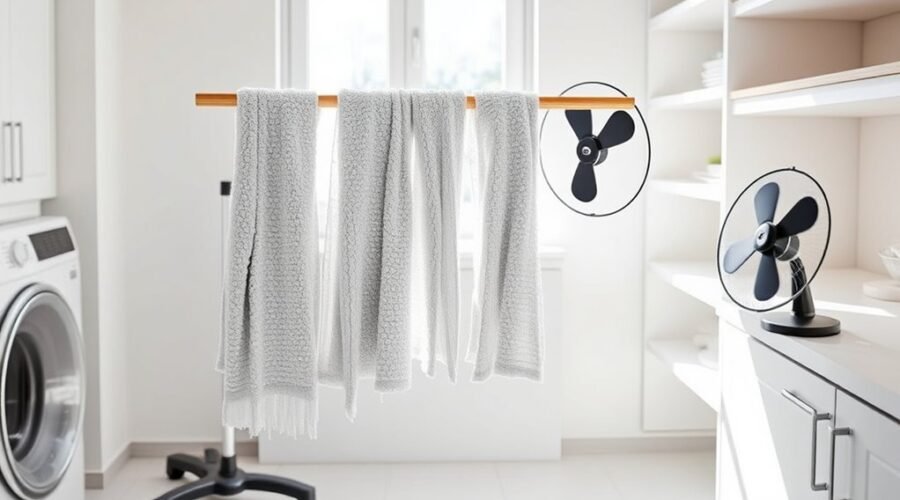
Robot vacuum mop pads can hold moisture long after a cleaning cycle, which often leads to odor and mildew. The simplest fix is not just washing them, but drying them correctly. Airflow, spacing, and enough time all matter more than many users expect. A few small steps can make the difference between fresh pads and recurring smells, and the details are easier to manage than they seem.
Why Robot Mop Pads Smell
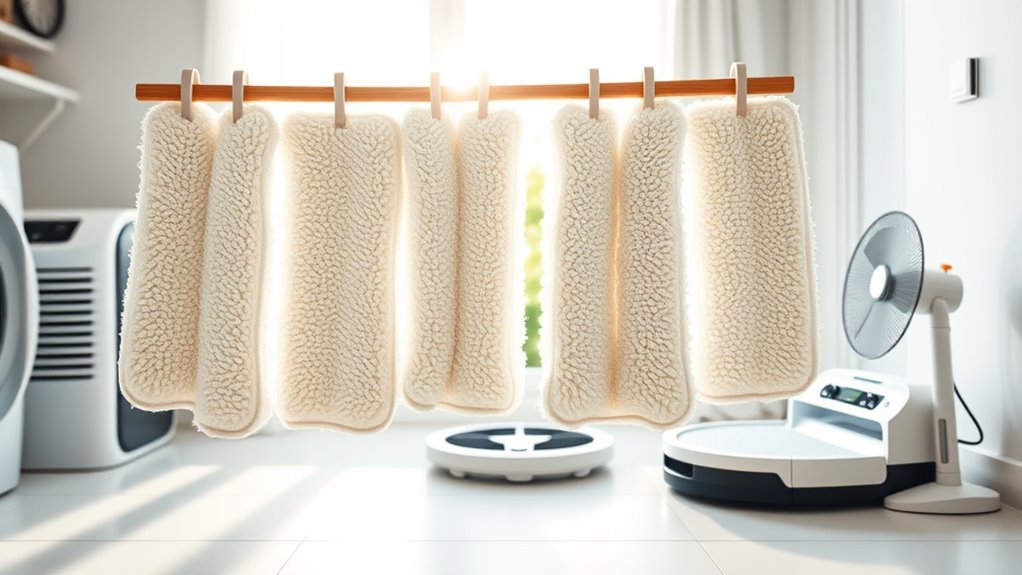
Robot mop pads often develop a musty odor when moisture, dirt, and poor maintenance are allowed to build up after use. Damp mop pads trap grime, and that trapped residue feeds bacteria and mildew.
In humid rooms, the risk rises because moisture lingers longer and encourages odor-causing growth. When pads are not washed regularly, the smell does not fade; it can become an unpleasant odor over time. This is why routine care matters.
Clean pads remove more debris, dry faster, and stay fresher between jobs. A well-ventilated drying area helps limit mustiness and slows mildew formation.
Clean pads remove more debris, dry faster, and stay fresher between jobs.
Wash cycles that include non-bio laundry detergent can lift soil without harsh residue, and baking soda can support odor removal.
The result is simple: cleaner mop pads, less buildup, and a more reliable cleaning routine that supports a livable, self-directed home.
Dry Robot Mop Pads the Right Way
Robot mop pads should be washed promptly after use and then hung in a well-ventilated area to air-dry completely.
In humid conditions, drying may need to continue for up to 4 hours to guarantee all moisture is gone. This helps prevent odor buildup, mildew, and bacterial growth before the pads are stored.
Wash Pads Promptly
Washing mop pads promptly after each use helps prevent moisture from lingering long enough to cause odors or mildew.
To wash pads promptly is to deny grime the chance to settle in and free the robot from a musty smell. A washing machine can handle a deeper clean, while hand washing with soap and water works well for routine care.
The key is speed: pads removed soon after cleaning are less likely to hold residue or develop odor. Regular inspection also matters, since worn pads trap dirt more easily and shorten service life.
Simple maintenance keeps the pads ready for the next pass and preserves performance without needless fuss. Prompt cleaning supports cleaner floors, fresher pads, and a more independent routine overall.
Air-Dry Completely
Once the mop pads are washed, they should be air-dried completely in a well-ventilated area with strong airflow. Hanging them flat or on a line helps release trapped water and prevent moisture buildup. Before drying, excess water should be pressed out to speed the process and support cleaner results. Drying may take up to 4 hours, depending on humidity and pad thickness.
| Step | Action | Result |
|---|---|---|
| 1 | Remove excess water | Faster drying |
| 2 | Hang in open air | Better airflow |
| 3 | Check for dampness | Full dryness |
Pads should never be left in damp spaces, where mildew can form. Worn or heavily soiled pads should be inspected and replaced to keep drying efficient and maintenance simple.
Prevent Odor Buildup
To prevent odor buildup, the mop pads should be thoroughly cleaned after each use so trapped moisture and dirt do not create unpleasant smells.
After washing, they should air-dry for at least 4 hours in a well-ventilated area to remove dampness and limit mildew.
Hanging each mop pad separately improves airflow and helps prevent smell from developing while drying.
If odors remain, a small amount of white vinegar in the wash can neutralize them before drying begins.
The drying area should also be kept clean and dry, with regular checks for lint, standing water, or stale air.
These simple steps support a fresher mop system and give the user greater control over hygiene, without relying on harsh chemicals or wasteful replacement.
How Long Robot Mop Pads Need to Dry
Robot mop pads typically need up to 4 hours to dry fully, which helps remove moisture and prevent odors.
Hanging them up can improve airflow and shorten drying time, but high humidity may slow the process.
The pads should be checked for dampness before storage to avoid mildew and preserve their lifespan.
Drying Time Basics
Air-drying robot mop pads for about 4 hours is usually enough to remove remaining moisture and help prevent odors and mildew.
The pads should be left in open air until they dry completely; this keeps them fresh, usable, and free from trapped dampness. Hanging them can improve airflow and make them air-dried more efficiently.
Each pad should be checked before storage, because even slight moisture can invite musty smells and bacterial growth. If the environment is humid, drying may take longer, so patience is useful.
The practical rule is simple: never put away a damp pad. A fully dry pad protects hygiene, extends pad life, and supports cleaner, more independent cleaning routines.
Factors That Extend Drying
In most cases, robot mop pads need up to 4 hours to dry thoroughly, but high humidity can extend that time considerably.
To dry them efficiently, place the pads in a well-ventilated area, away from trapped moisture. Hanging them allows air to circulate on both sides, which dries faster than laying them flat.
In humid conditions, the drying period may need to be longer, and a simple check for dampness after the expected window helps confirm readiness. If any coolness or moisture remains, extend drying before storage or reuse.
Fully dry pads resist mildew and odor, preserving a cleaner routine and reducing unnecessary dependence on replacements.
How to Wash Robot Mop Pads Faster
For faster cleaning, robot mop pads can be washed in a washing machine on a quick cycle with non-bio laundry detergent, which provides thorough results with minimal effort.
If pads carry odor or dried residue, a 30-minute soak in warm water and baking soda can loosen grime before the cycle begins.
Lightly soiled pads may be hand washed in soap and clean water, often in under 10 minutes, making this a practical choice when speed matters.
Washing pads immediately after use helps prevent buildup, so each wash becomes easier and less demanding.
After cleaning, they should be removed promptly and hung in a well-ventilated area to dry efficiently.
This approach reduces excess moisture and supports a faster return to service.
How to Keep Robot Mop Pads Fresh Between Uses
Keeping robot mop pads fresh between uses starts with thorough air-drying after every cleaning, ideally by hanging them in a well-ventilated area for at least 4 hours to limit moisture, odor, and mildew.
Air-dry robot mop pads for at least 4 hours in a well-ventilated area to prevent moisture, odor, and mildew.
A pad that does not dry fully becomes a trap for stale smells and hidden grime. Baking soda can be added to the washing routine to support odor removal and leave the fibers fresher.
Between uses, each pad should be inspected for trapped dirt, frayed edges, or thinning spots, then cleaned promptly if needed.
Rotation helps as well: using multiple sets gives each pad time to dry completely and reduces wear.
Spare pads should remain in a dry, cool place so they stay ready without collecting moisture.
This simple system gives the mop more freedom to perform well, without the burden of lingering dampness or lingering odor.
How to Store Robot Mop Pads to Prevent Mildew
Once the robot mop pads are fully air-dried, proper storage helps keep mildew from forming. The mop pads should stay out of storage for at least 4 hours after washing so hidden moisture can evaporate.
A cool, dry location works best, because humid air invites mildew and odors. Breathable storage bags or open containers support airflow and help the fabric remain fresh.
Damp mop pads should not be stacked together, since trapped moisture slows drying and encourages mold growth. Hanging them or laying them flat gives air space on every side.
Stored pads should be checked regularly for odor, discoloration, or any signs of mildew. If an issue appears, they should be washed promptly and dried again before being put away.
Simple storage habits keep mop pads ready for clean work and reduce dependence on wasteful replacement cycles.
When to Replace Robot Mop Pads
Robot mop pads should typically be replaced every 3–6 months, depending on how often they are used and how much wear they show. This schedule helps preserve cleaning performance and reduce odor buildup.
Robot mop pads should be replaced every 3–6 months to maintain cleaning performance and prevent odor buildup.
If mop pads still smell after washing, show visible staining, or have frayed fibers, they no longer serve effectively and should be replaced promptly. Dampness that lingers after washing or drying is another warning sign, since trapped moisture can support mildew and microbial growth.
Regular inspection makes the decision easier: check for thinning material, uneven texture, and loss of absorbency. When wear is obvious, replacing the pad restores stronger cleaning and protects indoor air from stale smells.
Timely replacement is a simple, practical way to keep the robot working efficiently and maintain a cleaner, more livable space.
How to Clean the Mop Dock and Tank
A clean mop dock and tank help prevent odors and keep the system working properly. After each use, empty the dirty water tank so residue does not settle and feed mildew. Once a week, rinse the clean-water and dirty-water tanks with warm water and mild detergent. Dry every removable part fully before reassembly. Wipe the dock tray, and clear trapped debris so the mop station stays free and functional. Follow the maker’s cleaning and disinfecting guidance to protect internal parts and preserve performance.
| Task | Frequency | Purpose |
|---|---|---|
| Empty dirty water | After each use | Stops residue buildup |
| Rinse tanks | Weekly | Removes grime and deposits |
| Dry components | After washing | Blocks odors and biofilms |
| Wipe dock tray | Weekly | Maintains cleanliness |
| Check for debris | Weekly | Keeps flow clear |
This routine supports a cleaner mop system and safer air at home.
Frequently Asked Questions
How to Keep Robot Mop From Smelling?
It stays fresh by air-drying pads fully, washing with non-bio detergent, and using baking soda or vinegar for Odor removal. These Cleaning techniques, Maintenance tips, and Fabric care steps prevent musty buildup.
Can You Dry Microfiber Mop Pads in the Dryer?
No, microfiber mop pads should usually avoid the dryer; heat can scorch delicate fibers. Preferred drying techniques for these pad materials are air-drying or low-heat only, preserving shape, performance, and freedom from mildew.
Why Do My Roborock Mop Pads Smell Bad?
Roborock mop pads smell bad because moisture, trapped dirt, and bacteria linger in the fibers. Better mop pad hygiene and odor prevention require washing after use, then drying completely for at least four hours.
Can Roomba Mop Pads Be Washed?
Yes—like a well-kept sail, Roomba mop pads can be washed by machine or hand. For practical robot maintenance, use non-bio detergent, follow simple cleaning tips, and air-dry fully before reuse.
Conclusion
In the end, drying robot vacuum mop pads is less about convenience than prevention. One homeowner learned this after storing a damp pad overnight and finding a sour smell and mildew spots by morning. The lesson was simple: let pads air-dry for at least four hours, hang them separately, and store them only when fully dry. Like a wet towel left in a heap, trapped moisture quickly becomes odor, so airflow is the real safeguard.