Choosing the right rug pile height can make your living room easier to clean, more comfortable, and better suited to daily life. The best choice depends on how much foot traffic the room gets, whether you have pets or children, how your furniture sits on the rug, and how much maintenance you want to do.
Quick Answer
For most living rooms, a low to medium pile rug is the best choice. Low pile works best for busy homes with pets, kids, doors, and frequent vacuuming. Medium pile adds more softness while staying practical. High pile feels luxurious but is better for low-traffic seating areas.
Key Takeaways
- Low pile rugs, usually under 1/4 inch, are easiest to vacuum and best for high-traffic living rooms.
- Medium pile rugs, about 1/4 to 1/2 inch, give a good mix of softness, style, and everyday practicality.
- High pile rugs, usually over 1/2 inch, feel plush but trap more debris and can flatten under heavy furniture.
- Pile height is only one factor. Fiber, density, rug pad, door clearance, and cleaning routine matter just as much.
At a Glance
| Time Required | 5–10 minutes to measure your current rug or compare options while shopping |
| Difficulty | Easy |
| Tools Needed | Ruler or tape measure, rug product specs, vacuum with adjustable height or suction-only option |
| Cost | $0 to measure; optional rug pad cost varies by size, thickness, and material |
Understanding Rug Pile Height and Why It Matters
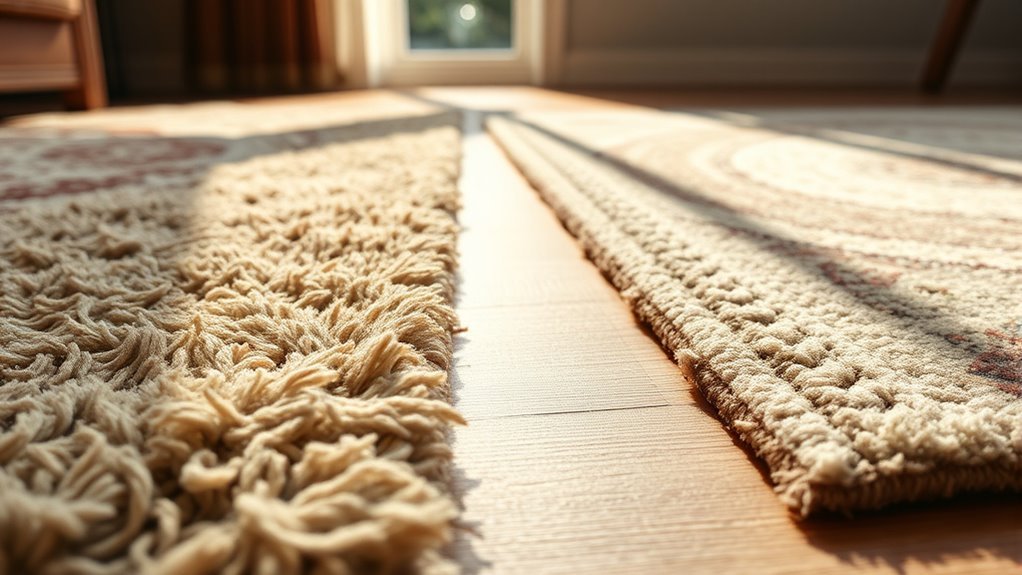
Rug pile height is the length of the visible fibers from the rug backing to the top surface. In simple terms, it tells you how flat, cushioned, or plush a rug will feel underfoot. A rug with a short pile usually looks neater and is easier to vacuum, while a longer pile feels softer but needs more care.
Most consumer rug guides describe low pile as under 1/4 inch, medium pile as 1/4 to 1/2 inch, and high pile as over 1/2 inch. These are helpful shopping ranges, but they are not the only thing to check. A short, dense wool rug can feel very different from a thin, printed washable rug, even if both are low pile.
That is why the best living room rug is not always the thickest one. For daily use, you want the right balance of comfort, cleanability, furniture stability, and style.
Note: Pile height and pile density are different. Height measures how long the fibers are. Density describes how closely those fibers are packed together. A dense low-pile rug can feel substantial, while a loose high-pile rug may flatten faster.
The Three Main Rug Pile Types: Low, Medium, and High
When shopping for a living room rug, you will usually see three pile categories. Each one has a different feel and maintenance level.
| Pile Type | Typical Height | Best For | Main Trade-Off |
|---|---|---|---|
| Low pile | Under 1/4 inch | Busy living rooms, pets, kids, robot vacuums, doorways | Less plush underfoot |
| Medium pile | 1/4 to 1/2 inch | Most living rooms, family rooms, bedrooms, moderate traffic | Needs more vacuuming than low pile |
| High pile | Over 1/2 inch; shag may be much higher | Low-traffic lounges, reading corners, bedrooms, cozy seating zones | Traps more debris and can flatten under furniture |
Low Pile Rug Benefits
Low pile rugs are often the most practical choice for a living room that gets a lot of use. Their shorter fibers make vacuuming easier, reduce the chance of crumbs settling deep into the rug, and help furniture sit more evenly.
Low pile is especially useful if your living room has pets, children, snack nights, frequent guests, or a door that swings over the rug. It is also a smart option for robot vacuums because the cleaner can move across the surface without getting caught in long fibers.
| Benefit | Description | Ideal For |
|---|---|---|
| Durability | Shorter fibers are less likely to crush visibly | High-traffic areas |
| Easy Maintenance | Vacuum glides more easily across the surface | Homes with pets or children |
| Stability | Furniture sits flatter and dining or accent chairs move more smoothly | Living rooms with heavy furniture |
| Versatility | Works with traditional, modern, vintage, and washable rug styles | Most interior designs |
| Cleaner Look | Shows less matting than long, loose pile | Busy family spaces |
High Pile Rug Drawbacks
High pile rugs feel soft, warm, and inviting, but they are not always the easiest choice for an active living room. Longer fibers can trap dust, pet hair, crumbs, and small debris. They can also flatten under sofa legs, coffee tables, and recliners.
Vacuuming a high-pile or shag rug requires more care. For long-yarn shag styles, use suction-only or raise the vacuum brush so fibers do not wrap around the rotating brush. If your vacuum has a beater bar that cannot be turned off or lifted, use a hose or upholstery attachment instead.
Warning: Avoid aggressive vacuuming on shag, delicate wool, viscose, silk, antique, or hand-knotted rugs. When in doubt, check the care label or ask a professional cleaner before using a rotating brush.
Why Low Pile Rugs Work Well in High-Traffic Living Rooms
If your living room is the main gathering space, low pile rugs usually make everyday life easier. Their shorter profile makes them less likely to interfere with doors, easier to clean after spills, and better suited to heavy foot traffic.
That does not mean low pile is the only good option. Medium pile rugs can also work beautifully in living rooms, especially if you want more softness underfoot. The trade-off is that medium pile needs more consistent vacuuming because dirt, hair, and crumbs can settle farther into the fibers.
Choose low pile if your priority is easy maintenance. Choose medium pile if you want a more cushioned feel without moving into full shag or plush territory.
Recommended Products

Machine Washable & Easy to Clean: The surface features water-repellent performance for simple cleanup when drinks spill accidentally, reducing the chance of liquid soaking deep into fibers. You can wipe spills quickly with a towel, remove local stains via spot cleaning with a damp cloth, or regularly vacuum for daily upkeep. The whole rug supports machine washing for deeper cleaning

Machine Washable: For daily cleaning, can be easily cleaned by vacuum cleaner. For deep cleaning,machine wash in cold water (<87℉) and hang it to air dry. Say goodbye to stains, and enjoy a fresh, clean rug effortlessly

New & Improved Area Rug With More Cushioning – Our new inner layer is 25% thicker than the previous material, giving this 8x10 area rug a softer, more cushioned feel underfoot. Made for families who spend time on the floor, it adds extra comfort for playing with the kids, reading, relaxing, or simply walking barefoot at home
How to Find the Perfect Pile Height for Your Living Room
Start with how the room is actually used. A formal living room that is used a few times a month can handle a softer, higher pile. A family room with movie nights, snacks, pets, and daily traffic will usually perform better with low or medium pile.
| Living Room Situation | Best Pile Height | Why It Works |
|---|---|---|
| Pets or shedding | Low pile | Hair is easier to lift from the surface. |
| Young children | Low to medium pile | Balances softness with easier spill cleanup. |
| Movie room or lounge | Medium to high pile | Adds a cozy, relaxed feel if traffic is moderate. |
| Door swings over rug | Low pile or flatweave | Reduces scraping and bunching. |
| Robot vacuum use | Low pile | Short fibers are easier for the vacuum to cross. |
| Formal seating area | Medium or high pile | Adds softness and texture where wear is lighter. |
| Allergy-sensitive household | Low pile, washable, or easy-to-vacuum construction | Simplifies frequent cleaning and dust removal. |
Pro Tip: Before buying, measure the gap between the floor and any door that swings over the rug. Leave room for the rug and the rug pad, not just the rug itself.
Recommended Products

Ultra Soft: This area rug is crafted from reinforced faux wool for a gentle, comfortable surface. Features machine-woven construction and high-density stitched edges to boost durability, suitable for high-traffic indoor spaces and better resist abrasion.

Luxuriously Soft & Non-Slip: Crafted with denser low-pile faux wool fibers, this 5x7 area rugs offer a soft and gentle touch underfoot. The enhanced non-slip TPR backing keeps it securely in place on any floor, providing peace of mind for all your family members — whether it's kids or pets

Machine Washable Area Rugs: Our living room rug, one of the 8x10 area rugs, surfaces is resistant to stains and dirt, and can be easily cleaned with a rag or vacuum cleaner; for deep cleaning, use a washing machine
Understanding the Comfort and Versatility of Medium Pile Rugs
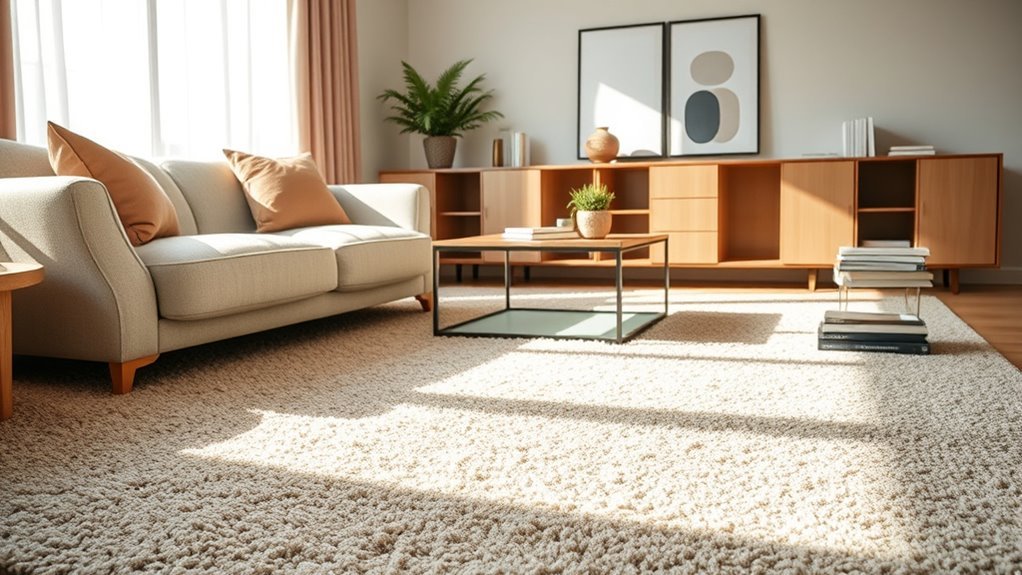
Medium pile rugs are often the sweet spot for living rooms. With fibers around 1/4 to 1/2 inch, they feel softer than low pile but remain easier to manage than plush or shag rugs.
This makes medium pile a strong choice for spaces that need both comfort and polish. A medium pile rug can soften a seating area, warm up hardwood or tile floors, and still handle regular vacuuming when the construction is dense and well made.
Ideal for Various Rooms
Medium pile rugs are versatile because they work in more than one setting. In a living room, they add comfort under a coffee table. In a bedroom, they feel soft under bare feet. In a dining room, they can work if the pile is not so high that chairs drag or wobble.
| Room Type | Benefits |
|---|---|
| Living Room | Comfortable, polished, and practical for regular use |
| Dining Room | Works best when dense and not too plush, so chairs move easily |
| Bedroom | Soft and quiet for a relaxed feel |
Balance of Comfort and Durability
A good medium pile rug gives you comfort without demanding constant special care. It is a strong choice if you want a living room that feels welcoming but still has to handle guests, kids, pets, and everyday traffic.
For the best performance, look for a medium pile rug with a dense construction. A loose, fluffy medium pile may flatten faster than a tightly woven or tufted rug. The material matters too: wool is naturally resilient, while many polypropylene and polyester rugs are budget-friendly and easy to clean.
The Luxurious Feel of High Pile Rugs
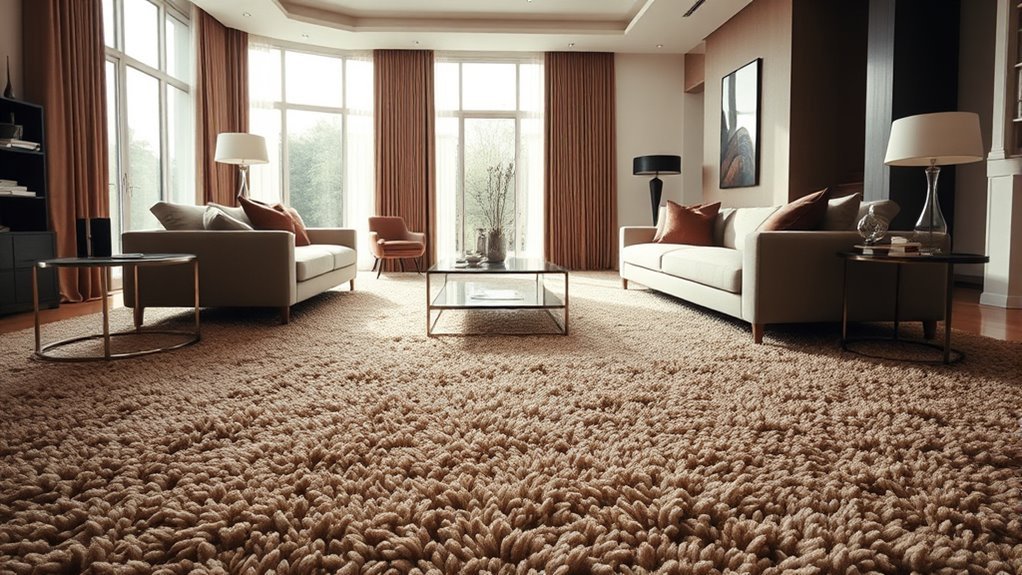
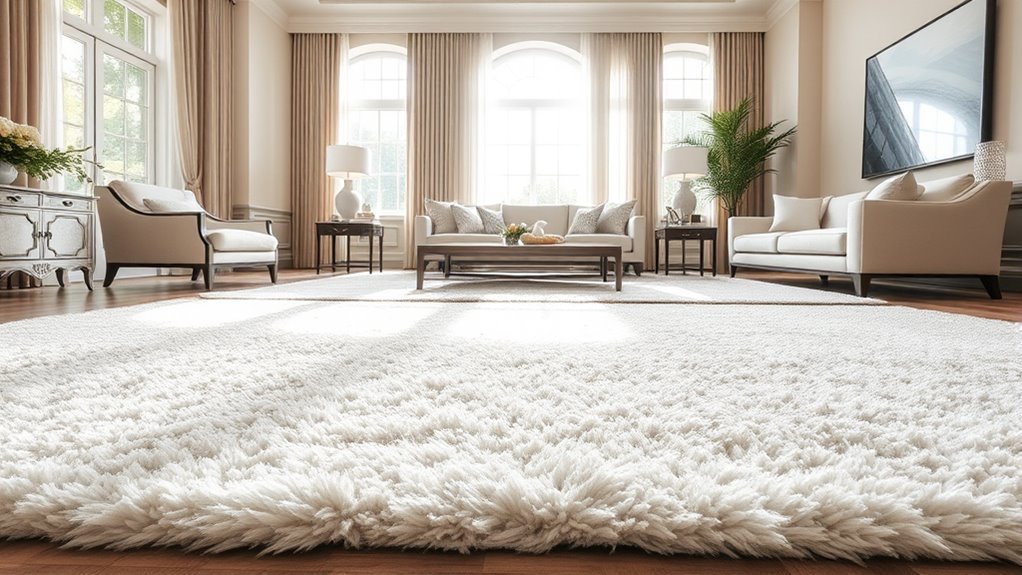
High pile rugs create the softest, most relaxed look. Their longer fibers add texture, warmth, and a plush feel that can make a living room feel more like a cozy retreat.
They work best in areas where people relax but do not constantly track in dirt, food, or outdoor debris. A high pile rug can be beautiful in a reading nook, bedroom-style lounge, or low-traffic formal seating area. It is less ideal near entrances, under rolling furniture, or in a room where pets and children play every day.
High pile also needs more maintenance. Rotate the rug periodically to reduce uneven wear, use furniture cups or protectors under heavy legs, and vacuum gently so long fibers do not tangle.
The coziest rug is not always the best living room rug. The right pile height is the one that matches how the room is used every day.
Key Factors for Choosing Rug Pile: Lifestyle, Climate, and Preferences
To choose confidently, look beyond the label. A rug’s pile height should work with your lifestyle, cleaning habits, furniture, and climate.
Lifestyle and Foot Traffic
If your living room is a daily-use space, prioritize low or medium pile. If the room is used mainly for quiet evenings or occasional entertaining, a higher pile may be worth the added care.
Pets and Children
Homes with pets and children usually benefit from shorter, denser pile. Pet hair, tracked-in grit, snack crumbs, and spills are easier to manage when they stay near the surface instead of sinking deep into long fibers.
Furniture and Room Layout
Heavy sofas, sectionals, and coffee tables can leave dents in plush rugs. Low and medium pile rugs tend to support furniture more evenly. If you love high pile, rotate the rug and move furniture slightly from time to time to reduce permanent indentations.
Climate and Comfort
In colder rooms, medium or high pile can add warmth and softness. In warm or humid climates, low pile and flatweave rugs often feel lighter, dry faster, and are easier to keep fresh.
Rug Material
Pile height does not tell the whole story. Wool is resilient and naturally cozy. Polypropylene and polyester are common in easy-care and budget-friendly rugs. Jute and sisal bring texture but can feel rough and may stain more easily. Viscose and silk can look elegant but are usually less forgiving in high-traffic living rooms.
How to Measure Rug Pile Height Accurately
Measuring rug pile height is simple. You only need a ruler or tape measure.
- Lay the rug flat on the floor.
- Choose an area that is not crushed by furniture.
- Press a ruler straight down until it touches the backing.
- Measure from the backing to the top of the fibers.
- Repeat in a few spots, especially if the rug has carved or raised patterns.
| Pile Height Category | Measurement Range | Best Living Room Use |
|---|---|---|
| Low | Under 1/4 inch | High traffic, pets, kids, doors, robot vacuums |
| Medium | 1/4 to 1/2 inch | General living spaces and family rooms |
| High | Over 1/2 inch | Cozy, low-traffic seating areas |
How to Maintain Your Rug Based on Pile Type
The right care routine depends on both pile height and material. Always check the rug’s care label first, especially for wool, silk, viscose, antique, hand-knotted, jute, or washable rugs.
Low Pile Rug Care
Vacuum low pile rugs regularly, especially in walkways and seating zones. Most low pile rugs can handle frequent cleaning, but delicate fibers still need gentle settings. Blot spills quickly instead of rubbing, which can spread stains and roughen fibers.
Medium Pile Rug Care
Vacuum medium pile rugs at least weekly, and more often in busy homes. Use slow, overlapping passes so the vacuum can lift debris from between the fibers. Rotate the rug every few months to even out traffic and sunlight exposure.
High Pile Rug Care
For high pile and shag rugs, use suction-only or raise the vacuum brush. Shake smaller rugs outside when possible, and use a hose attachment for areas around furniture. Schedule professional cleaning when the rug looks dull, smells musty, or has embedded soil that regular vacuuming cannot remove.
Deep Cleaning and Professional Care
The Carpet and Rug Institute recommends routine vacuuming, quick spill care, and periodic professional deep cleaning for carpet. For area rugs, the same principle applies: clean regularly, treat spills fast, and use professional help for delicate, oversized, valuable, or heavily soiled rugs.
Do Not Forget Rug Pads and Door Clearance
A rug pad can help keep your living room rug in place, add cushioning, protect the floor, and reduce rippling. It is especially helpful under thinner low pile rugs and flatweaves.
Choose the pad thickness carefully. A thick pad under a high pile rug may create a tripping edge or make doors scrape. A thinner pad usually works better for low pile rugs in active living rooms.
Note: If the rug sits near a door, measure the total height of the rug plus the pad. The door should open freely without dragging, bunching, or curling the rug edge.
Recommended Products

Non-slip Protection: Our pad's signature grip keeps rugs securely in place, preventing bunching and sliding during daily use. It also protects your floors from wear and tear, including damage from high heels, children at play, and more.

【 Waterproof Rug Pad】--Felt + Waterproof TPR carpet pad for all types of carpeting. The rough fabric of the felt top layer grips the carpet tightly to prevent it from curling and crawling, while the non-slip backing prevents the carpet from slipping in any direction.

STYLISH DESIGN: This trendsetting ornamental medallion area rug design in a rich warm color palette combination can be perfectly paired with a variety of home décor styles.
Related Guides
Frequently Asked Questions
What is a good pile height for a living room rug?
For most living rooms, a low to medium pile rug is best. Choose low pile if the room gets heavy traffic, has pets, or needs easy cleaning. Choose medium pile if you want more softness while keeping the rug practical for everyday use.
Is low pile or high pile better for a living room?
Low pile is usually better for a busy living room because it is easier to vacuum, less likely to trap crumbs, and more stable under furniture. High pile is better when comfort is the main goal and the room has lighter traffic.
What is the rule on rugs in a living room?
A common living room rule is to choose a rug large enough for at least the front legs of the main seating pieces to sit on it. The pile height should also suit the room: low pile for busy spaces, medium pile for balanced comfort, and high pile for softer low-traffic areas.
Is a high pile rug good for a living room?
A high pile rug can be good for a living room if the space is used mainly for relaxing and does not get heavy foot traffic. It feels plush and cozy, but it needs more vacuuming care and may flatten under heavy furniture.
What pile height is best for pets?
Low pile is usually best for pets because hair, dander, and tracked-in dirt are easier to remove. A washable low pile rug or a dense synthetic rug can be especially practical in homes with shedding pets.
Can I use a robot vacuum on a high pile rug?
Usually, low pile rugs work better with robot vacuums. High pile and shag rugs can slow the vacuum, tangle the brush, or cause the machine to avoid the area. Check your vacuum’s pile-height limits before buying a thick rug.
Conclusion
The best rug pile height for your living room depends on how you live in the space. For a busy family room, choose a low pile rug for easy cleaning and durability. For a comfortable everyday living room, choose medium pile for softness without too much upkeep. For a quiet lounge or cozy corner, choose high pile if you are ready for the extra care.
Measure carefully, check the rug material, think about your furniture and doors, and choose a rug pad that keeps the rug secure without adding too much height. When pile height, material, and maintenance all match your lifestyle, your living room rug will look better and last longer.
Sources
- Real Simple: The Best Area Rugs — supports common low, medium, and high pile-height ranges and practical pile-height trade-offs.
- The Carpet and Rug Institute: Selecting the Right Carpet — supports choosing floor covering based on traffic, pets, sunlight, room use, construction, and cushion.
- The Carpet and Rug Institute: Cleaning and Maintenance — supports regular vacuuming, quick spill treatment, and professional deep-cleaning guidance.
- The Carpet and Rug Institute: Seal of Approval Program — supports using tested carpet cleaning products and equipment.
- Shaw Floors: Carpet Care — supports vacuum height adjustment, high-traffic vacuuming, and suction-only care for shag/long-yarn styles.
- Better Homes & Gardens: How to Clean an Area Rug — supports care-label checks, material-specific cleaning, annual professional care for delicate rugs, and prompt spill treatment.