Should a dehumidifier run all the time? No, not under normal conditions. A very damp room may require long operation during the initial dry-down, but routine use should be controlled by relative humidity rather than a fixed daily schedule. Set a practical target around 45% to 50% RH, let the humidistat cycle the compressor, and investigate the room or appliance if humidity remains high despite long runtime.
Quick Answer
Do not run a dehumidifier nonstop by default. Keep indoor relative humidity within about 30% to 50%, with 45% to 50% as a practical starting setting for many homes, and let the humidistat cycle the unit on and off. Continuous mode can help during an initial dry-down, after a minor clean-water leak, or while drying laundry, but runtime should be based on humidity readings and the manufacturer’s instructions rather than a universal number of hours.
Key Takeaways
- Aim for about 30% to 50% relative humidity; 45% to 50% is a practical starting point for many homes.
- There is no universal “6 to 12 hours per day” rule. Runtime changes with room size, moisture load, temperature, airflow, capacity, and setpoint.
- Continuous mode is useful for temporary high-moisture conditions, not as a substitute for repairing leaks or correcting poor ventilation.
- Continuous mode and continuous drainage are different: one affects operating behavior, while the other changes how collected water leaves the unit.
- A unit that never reaches its target may be undersized, iced up, blocked, set incorrectly, or facing a continuing moisture source.
- Check the manual, clean the filter and tank, use a grounded outlet, and verify that the model is not under a safety recall.
At a Glance
| Target Humidity | About 30% to 50% RH; 45% to 50% is a practical starting setting for many homes. |
| Daily Runtime | No universal number of hours. Let the humidistat control runtime whenever possible. |
| Continuous Mode | Best reserved for temporary high-moisture loads or an initial dry-down, subject to the model’s instructions. |
| Troubleshoot When | The compressor keeps running but room humidity stays above the target or stops improving. |
Should a Dehumidifier Run All the Time?
No, not under ordinary conditions. A properly selected unit with a working humidistat should remove moisture until it reaches the setpoint, stop the compressor, and restart when humidity rises. ENERGY STAR says the generally preferred indoor range is 30% to 50% relative humidity, and its certified room dehumidifiers include a humidistat for automatic cycling.
A practical starting setting is 45% to 50% (see what a dehumidifier should be set at). A lower setting makes the appliance work harder and may make the room feel uncomfortably dry. In a cold climate, a setting closer to 30% to 40% may be needed during the heating season to reduce window condensation. Use a separate hygrometer if the machine’s display seems inaccurate.
Note: “Running” can mean two different things. On some models, the fan continues after the compressor stops so the sensor can sample room air or the unit can manage frost. Check whether the compressor is operating before assuming the dehumidifier is actively removing moisture nonstop.
Control a dehumidifier by the room’s relative humidity, not by a universal number of hours.
How Long Should a Dehumidifier Run Daily?
For a longer breakdown, see how long a dehumidifier should run per day. There is no single correct daily runtime. A damp basement during rainy weather may require near-continuous operation for a while, while a dry bedroom may need little or no dehumidification. Let the humidistat decide when possible, and confirm the result with a hygrometer placed away from the outlet airflow.
| Condition | What to Expect | What to Do |
|---|---|---|
| Room is above the setpoint | Compressor runs and water collects | Keep doors and windows closed and let the unit work |
| Target humidity is reached | Compressor cycles off; the fan may continue on some models | Leave automatic humidity control enabled |
| Humidity stays high for days | Long runtime with little improvement | Check sizing, airflow, temperature, leaks, drainage, filter, and sensor accuracy |
| Bucket fills and the unit stops | Normal full-bucket shutoff on most portable models | Empty and reseat the bucket or install approved drainage |
Use the humidity trend as your stop rule. If RH is steadily falling toward the target, let the unit continue. If the target has been reached, allow automatic mode to cycle it. If RH stays high while plenty of water is being collected, look for a continuing moisture source or an undersized unit. If RH stays high and very little water is collected, check room temperature, airflow, the filter, drainage, settings, and appliance operation.
Do not judge performance only by how quickly the bucket fills. Actual water collection depends on room temperature, humidity, appliance capacity, and test conditions. A capacity label in pints per day is a standardized performance rating, not a promise that the unit will collect that amount every day in your home.
Estimate the Electricity Cost
To estimate operating cost, multiply the unit’s wattage by its daily operating hours, divide by 1,000, and multiply by your electricity rate:
Daily cost = watts × operating hours ÷ 1,000 × electricity rate per kWh
For example, a 500-watt unit operating for 12 hours uses 6 kWh. At $0.15 per kWh, that would cost $0.90 for the day. Use the wattage on your appliance label and your actual utility rate for a useful estimate.
When Should You Use Continuous Mode?
Continuous mode usually tells the dehumidifier to keep trying to remove moisture without cycling normally at a user-selected humidity setpoint. The exact behavior varies by model, so read the manual before using this setting.
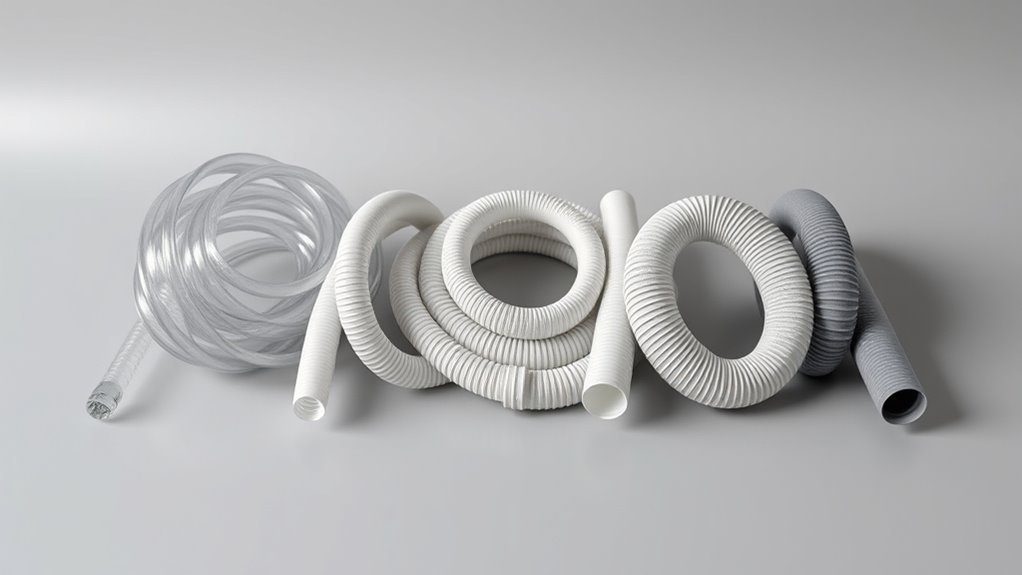
Continuous mode is not the same as continuous drainage. Continuous mode affects how the appliance controls moisture removal. Continuous drainage changes how collected water leaves the machine. ENERGY STAR notes that many portable units support a drain hose, but a unit may still use automatic humidity control while draining through a hose if its design allows it. Check your manual for the exact operating logic.
Recommended Products

【POWERFUL IN ANY CLIMATE】: Most dehumidifiers fail below 41°F – not this one. Our rotary technology delivers far stronger dehumidification than thermoelectric units and won't freeze up like compressor models. Works down to 1°C (34°F). Covers up to 1,500 sq ft – ideal for basements, garages, RVs. Enjoy dry comfort year-round.
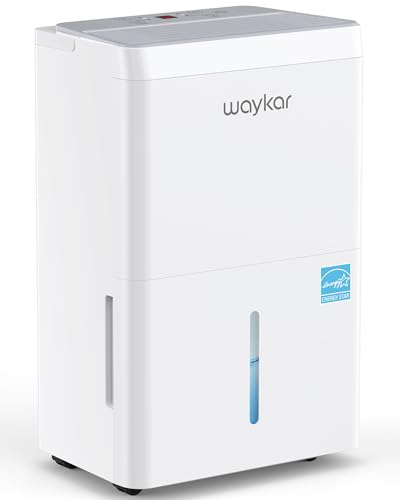
【Waykar 80 Pints for Spaces up to 5,000 Sq. Ft】Effectively extracts up to 80 pints of humidity per day (under 95°F, 90% RH), making it ideal for damp basements, humid homes, bedrooms, laundry areas, storage rooms, and bathrooms. Covers up to 5,000 sq. ft., helping reduce condensation and unpleasant odors to create a cleaner, drier, healthier living space. With a 30%–80% RH adjustable range, maintain full control of indoor comfort through all seasons—from muggy summers to wet winters
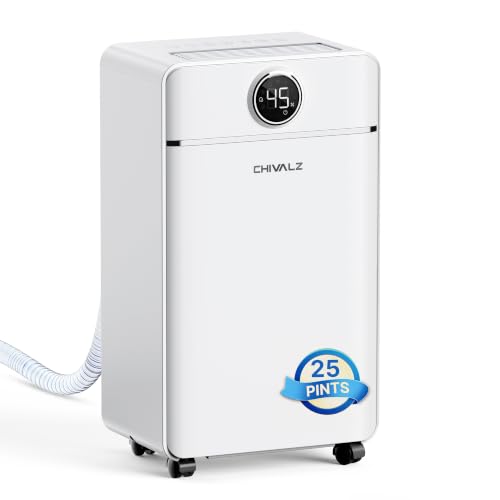
High-Efficiency Dehumidifier for 1800 Sq.Ft: Removes up to 25 pints of moisture daily (tested at 86°F / 80% RH) and maintains a comfortable 40%–60% RH indoors. The right fit for damp basements, bedrooms, bathrooms, and humid laundry rooms. Comes with a 4.92ft drain hose for effortless continuous drainage. For best results, keep windows and doors closed during operation.
High Humidity Situations
Continuous mode can be useful during the first dry-down of a very damp basement, storage area, or room that has been closed for a long time. It may also help during an unusually humid weather period. Keep monitoring with a hygrometer, and return to automatic control once the room reaches a stable target.
Do not use 70% as a mandatory threshold for continuous mode. The U.S. Environmental Protection Agency recommends controlling indoor moisture and generally keeping RH below 60%, ideally around 30% to 50% when possible. The decision to use continuous mode also depends on temperature, room size, appliance capacity, and the moisture source.
After Leaks or Drying
After a small clean-water leak, first stop the leak and remove standing water. Then use air movement, ventilation when outdoor air is drier, and a dehumidifier to help dry the room. The U.S. Environmental Protection Agency recommends drying wet materials within 24 to 48 hours to reduce the chance of mold growth. That is a drying deadline, not a promise that 12 hours of dehumidifier use will solve every leak.
For indoor laundry, close the room door, keep the appliance’s air path clear, and use a drain hose if the manual allows it. Drying time depends on the load, room temperature, airflow, and dehumidifier capacity, so monitor the clothes and humidity instead of relying on a fixed four-to-eight-hour schedule.
Warning: A household dehumidifier is not a complete flood-remediation plan. Floodwater may contain sewage, bacteria, chemicals, or other hazards, and wet drywall, insulation, carpet, or other porous materials may need removal. For extensive water damage, contaminated water, structural hazards, or widespread mold, follow public-health guidance and use qualified professionals.
Signs Your Dehumidifier Is Removing Moisture
The strongest sign is a downward trend on an independent hygrometer. Water in the bucket or drain line also shows that the unit is condensing moisture, but the amount can change greatly from day to day. Look for several signs together:
| Sign | What It Means |
|---|---|
| Relative humidity falls toward the setpoint | The unit is changing the room conditions |
| Water reaches the bucket or drain | Moisture is being condensed and removed |
| Window or pipe condensation decreases | Surface moisture conditions may be improving |
| Compressor begins cycling | The unit may have reached or approached its target |
A dehumidifier is not an air purifier. It can make conditions less favorable for mold and dust mites by lowering moisture, but it does not remove every airborne particle, allergen, odor source, or existing patch of mold. Clean contamination and repair the moisture source.
Why Does a Dehumidifier Run Constantly?
If the compressor never stops and the room remains above the setpoint, work through these checks:
- Confirm the setting. Turn off continuous mode and choose a realistic target such as 45% to 50%.
- Compare readings. Place a separate hygrometer several feet away from the machine and wait for the room to stabilize.
- Close the space. Shut doors and windows while the unit runs, especially when outdoor air is humid.
- Clear the airflow. Follow the manual’s clearance requirements and keep curtains, furniture, dust, and stored items away from the intake and outlet.
- Clean the filter. A clogged filter reduces airflow and moisture removal. Wash or replace it only as the manual directs.
- Check the bucket and drain. Reseat the bucket and make sure a hose slopes correctly and is not kinked or blocked.
- Look for frost. Refrigerant models can lose performance in cool rooms. ENERGY STAR notes that frost may form below about 65°F unless the product is designed for lower temperatures.
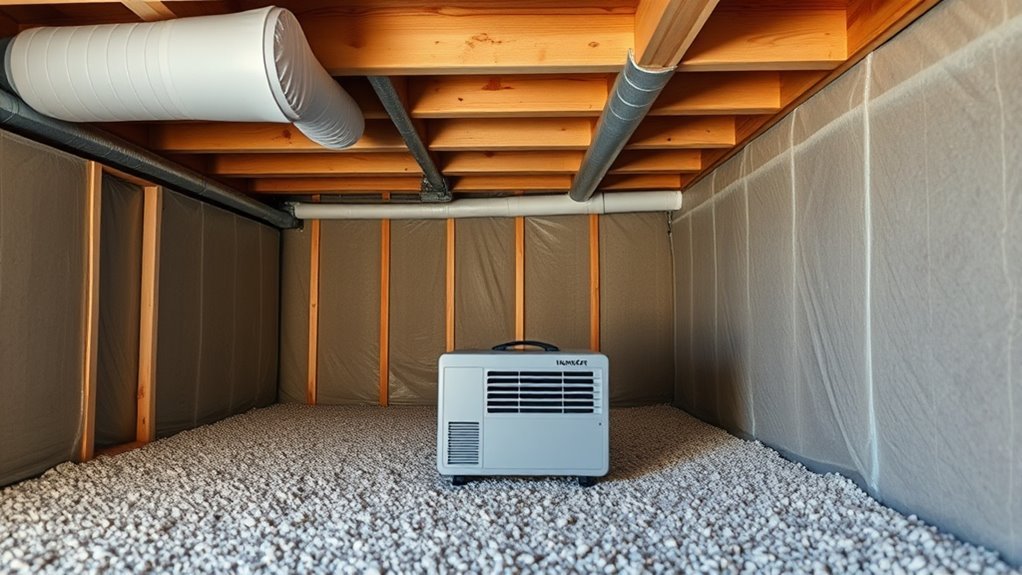
- Find the moisture source. Inspect plumbing, foundation seepage, roof leaks, damp crawl spaces, unvented dryers, showers, cooking, and indoor laundry.
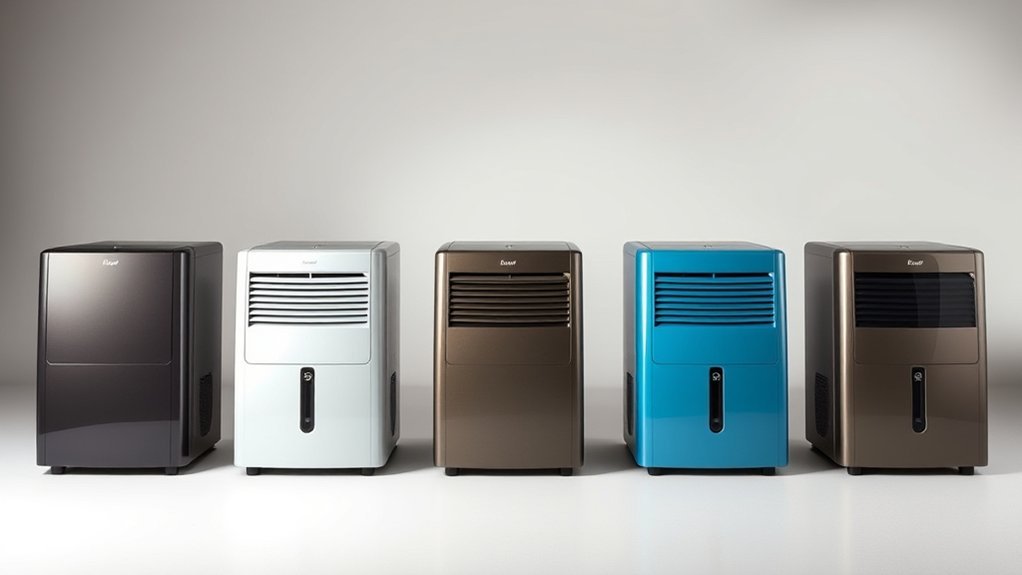
- Check capacity. A small unit may run continuously in a large or very damp space. Capacity should match both the room area and its moisture condition.
- Arrange service. If the compressor runs but humidity does not fall after the basic checks, the sensor, fan, refrigeration system, or controls may need professional diagnosis.
Pro Tip: Record the room humidity at the same time each day for three days. A steady downward trend is more useful than a single reading or one bucket of water.
How to Empty and Maintain the Tank
If you plan to leave the unit running while you sleep or travel, read can you run a dehumidifier overnight safely and is it safe to leave a dehumidifier on when not home. Most portable units stop automatically when the bucket is full, but a full bucket still interrupts drying. Check it often during the first few days in a damp room, then adjust the routine based on how quickly it fills.
- Switch off and unplug the unit before cleaning or moving it.
- Remove the bucket carefully and pour the water into a suitable drain.
- Wash the bucket as directed in the manual and dry it before reinstalling it.
- Clean or replace the air filter on the manufacturer’s schedule.
- Vacuum dust from accessible grilles without opening the sealed appliance housing.
- For continuous drainage, use the approved hose connection and keep the hose free of kinks, clogs, and trip hazards.
- Check that water and hoses cannot contact the plug, outlet, extension connections, or other electrical equipment.
Do not drink or reuse bucket water for food, pets, or personal hygiene. Treat collected dehumidifier condensate as non-potable water and follow the safety instructions in your model’s manual.
Warning: Some dehumidifiers have been recalled for overheating and fire hazards. Check the model and serial number against the U.S. Consumer Product Safety Commission’s dehumidifier recall information. Stop using a recalled, damaged, smoking, sparking, or unusually hot unit.
How to Lower Indoor Humidity Faster
A dehumidifier works best when the room is prepared for it. The goal is to reduce the moisture entering the space while giving the appliance enough airflow to process the room air.
Recommended Products

2-in-1 Thermometer Hygrometer Meter: Built-in probe for unparalleled precision. It serves as both a digital electronic thermometer and a hygrometer, meticulously engineered for indoor environmental monitoring.

This 2-pack indoor hygrometer thermometer helps monitoring room temperature and humidity in real time. Temperature range: -58 ~ 158 ℉( -50 ~ 70℃ ), Humidity range: 10%~99%

Smart Features: The Govee Wireless Thermometer Hygrometer supports all basic functions as well as smart functions such as remote monitoring and temp humidity graphs. Our humidity meters are reliable and easy to use for homes, greenhouses and more.(Only supports 164ft Bluetooth connection)
Use Automatic Control After the Initial Dry-Down
During the first dry-down, the compressor may run for many hours because the air and building materials are releasing moisture. Keep watching the hygrometer. Once the room reaches the chosen range, switch from continuous mode to a normal humidity setting so the unit can cycle automatically.
- Close doors and windows when outdoor air is humid.
- Place the unit on a level surface with the clearances required by its manual.
- Use continuous drainage for heavy moisture loads when the model supports it.
- Keep the room warm enough for the unit’s rated operating range.
- Use a fan to improve room circulation without blowing directly into the sensor.
Reduce Moisture Sources
Source control often cuts runtime more effectively than choosing a lower setpoint. Repair plumbing, roof, foundation, and wall leaks. Vent clothes dryers outdoors. Run bathroom and kitchen exhaust fans to the outdoors while producing steam. Avoid drying laundry indoors when outdoor drying is practical, and use air conditioning when appropriate because it also removes moisture while cooling.
Do not simply open windows in every damp room. Ventilation helps only when the incoming air is drier than the indoor air and does not create a safety or weather problem. In hot, humid conditions, open windows can add moisture and make the dehumidifier work harder.
When Should You Upgrade to a Whole-Home Dehumidifier?
A portable unit is designed mainly for one room or connected area. Consider a whole-home system when humidity remains high in several rooms, portable units cannot maintain the target, or your home needs automatic moisture control through a central duct system.
- Humidity is consistently above about 55% across much of the home.
- Condensation or musty odors return in several rooms.
- You are emptying several portable buckets or managing multiple drain hoses.
- The home is in a humid climate and has central air conditioning.
- A building or HVAC professional has ruled out leaks, drainage defects, and ventilation problems.
Whole-home equipment must be sized for the home and installed with correct ducting and drainage. ENERGY STAR recommends professional sizing and installation. Air sealing and duct sealing may also reduce the moisture load and energy use.
Recommended Products
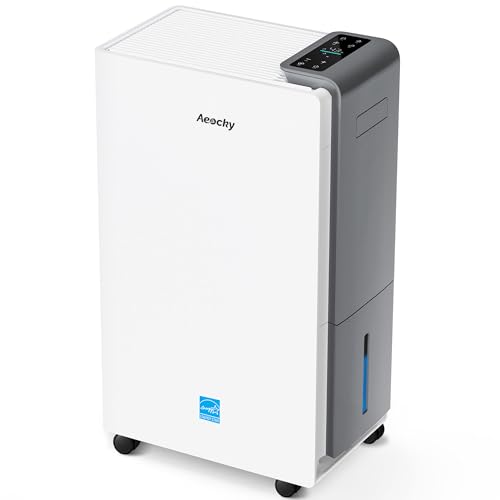
【ENERGY STAR 25 ≠ ENERGY STAR Most Efficient 2025】Don't fall for competitors' word games. With only 2.6% of ENERGY STAR models earning "Most Efficient 2025" title, these options are exceptionally rare on the market. RHEA-001 is one of the few to truly hold this top-tier certification. Many brands use misleading phrases like "Energy Star Efficient 25" or "Energy Star 25" to imply a standard they haven't met. Choosing them is a risk.With AEOCKY, you get verified performance and the peace of mind of authentic, top-tier efficiency.

【The Undisputed Champion — Industry-Leading Dehumidifier Brand】When you choose AEOCKY, you get double market validation. According to data independently verified by Stackline, a leading third-party data analytics company, AEOCKY was an industry‑leading dehumidifier brand on Amazon U.S. in 2025. This means you’re not just choosing a flagship product from a market leader, but a top-performing brand backed by independent market data and trusted by millions of real users, delivering the ultimate combination of performance, quality and trust.

2500 Sq. Ft Dehumidifier - SEMKAP dehumidifier for basement features a quiet, high-performance compressor that removes up to 32 pints of moisture per day (at 95°F, 90% RH). Ideal for basements, offices, bathrooms, bedrooms, kitchens, stockrooms, living rooms, laundry rooms, garages, crawlspaces, or RVs. It helps maintain optimal humidity between 40%–60%RH for healthier, more comfortable living
Related Guides
Frequently Asked Questions
Is it normal for a dehumidifier to run constantly?
It can be normal during an initial dry-down or unusually humid weather. It is not normal for the compressor to run indefinitely while humidity stays unchanged. Check the mode, setpoint, filter, airflow, room temperature, drainage, capacity, leaks, and sensor accuracy.
What humidity should I set my dehumidifier to?
Start around 45% to 50% relative humidity. The EPA recommends keeping indoor RH below 60%, ideally between 30% and 50% when possible. Adjust within that range for comfort, condensation, climate, and the manufacturer’s guidance.
Can I leave a dehumidifier running overnight?
A dehumidifier can remain powered overnight when its manufacturer permits that use and its automatic controls are operating normally. Follow your model’s manual, use a grounded outlet, keep airflow clear, arrange drainage safely, check for recalls, and never operate a damaged, smoking, sparking, or overheating unit.
Can you dehumidify a room too much?
Yes. Running a unit below the humidity level the room needs can waste energy and make the air uncomfortably dry. For most homes, keep relative humidity within about 30% to 50% unless your building conditions or manufacturer’s instructions call for a different setting.
How long does it take a dehumidifier to dry a room?
There is no universal drying time. It depends on starting humidity, room size, temperature, airflow, appliance capacity, and whether wet building materials are releasing moisture. Watch the hygrometer rather than a timer. After a leak or spill, the EPA recommends drying wet materials within 24 to 48 hours to reduce the chance of mold growth.
Does continuous mode use more electricity?
Yes, usually, because the compressor keeps running instead of cycling off at the setpoint. Cost depends on the unit's wattage, runtime and your electricity rate, so use the formula above with your appliance label.
Sources
- ENERGY STAR: Dehumidifiers — humidity targets, humidistats, sizing, drainage, placement, operating temperature, efficiency, and whole-home systems.
- U.S. EPA: A Brief Guide to Mold, Moisture and Your Home — indoor humidity and moisture-control guidance.
- U.S. EPA: Flooded Home — flood hazards and the 24-to-48-hour drying window.
- U.S. Consumer Product Safety Commission: Dehumidifier Recalls — recalled models and fire-hazard notices.
- Midea Cube Dehumidifier User Manual — example manufacturer safety guidance stating that collected bucket water should not be consumed.
Conclusion
You usually should not force a dehumidifier to run all the time. Set a reasonable humidity target, confirm it with a hygrometer, and let the humidistat cycle the compressor. Use continuous mode temporarily when the moisture load is high, and remember that continuous mode is different from continuous drainage. If humidity will not fall, correct leaks and ventilation problems, check the appliance and room conditions, and consider a properly sized portable or professionally installed whole-home system.