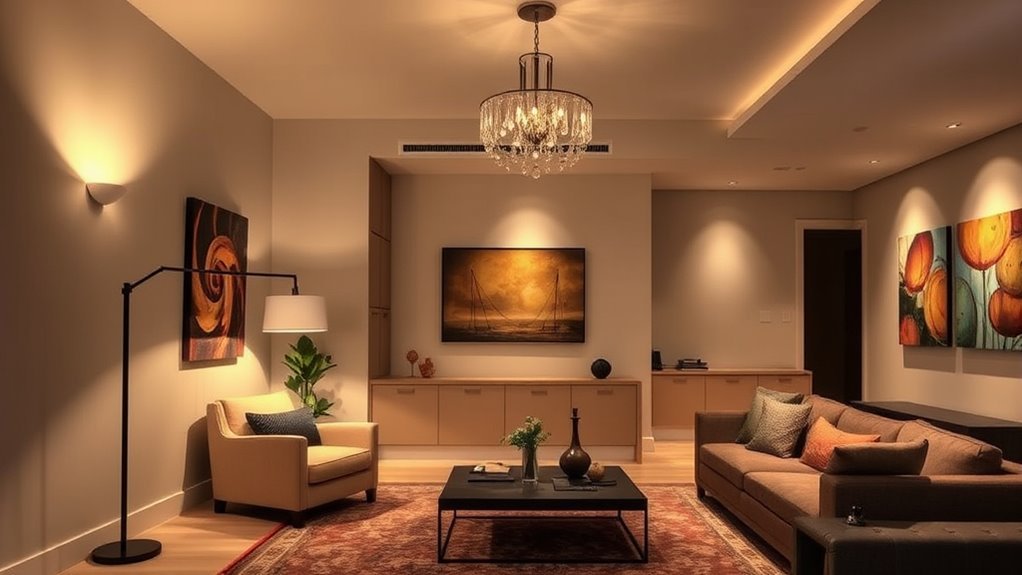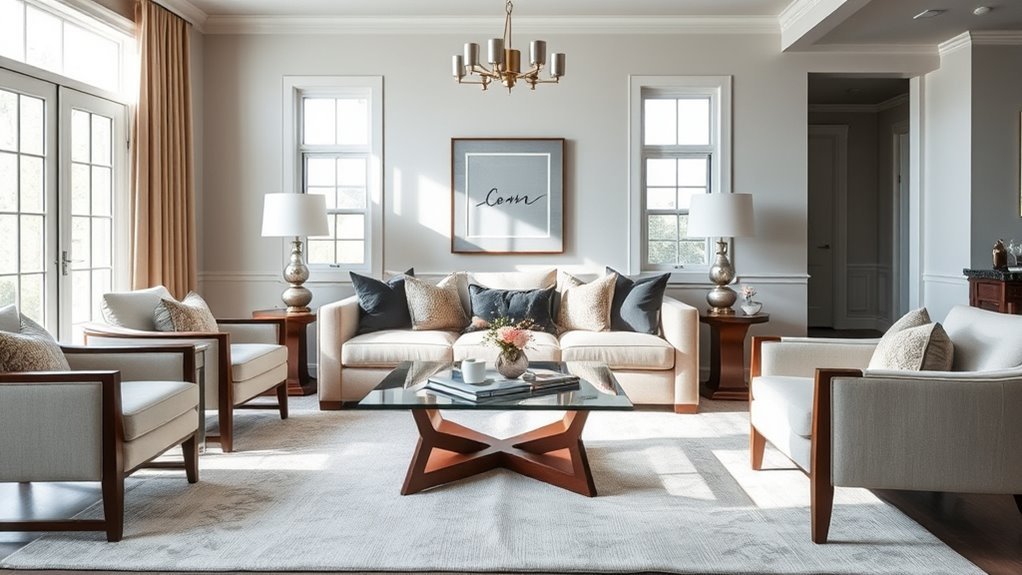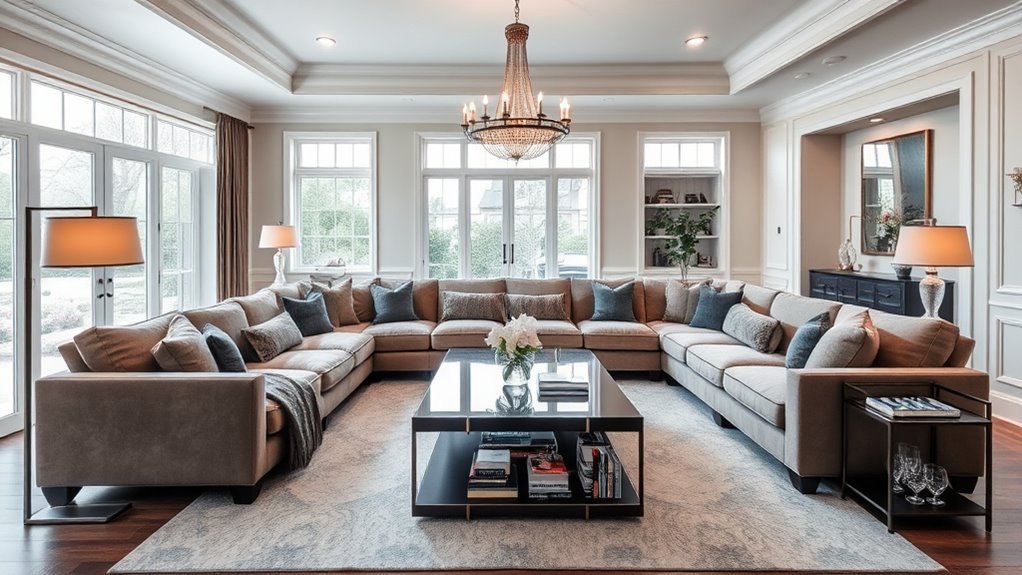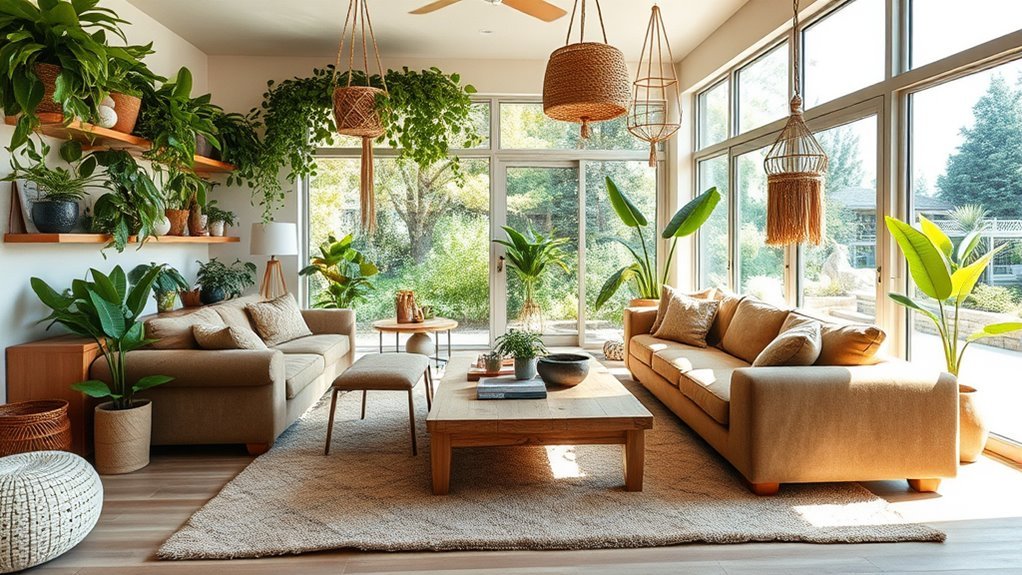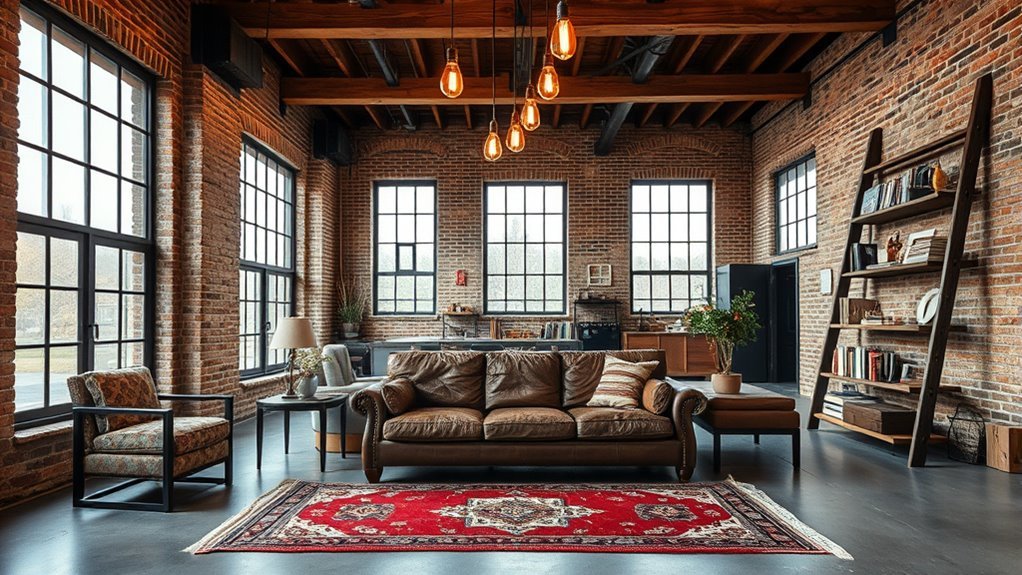
Industrial living room style works best when raw architectural details meet everyday comfort. Exposed brick, concrete, dark metal, reclaimed wood, leather, and oversized windows create the signature warehouse-inspired look, while soft textiles, layered lighting, plants, and personal decor keep the room warm instead of harsh. The goal is not to make your home feel unfinished; it is to make honest materials feel intentional, useful, and inviting.
Quick Answer
An industrial living room blends raw materials like brick, concrete, steel, leather, and reclaimed wood with clean-lined furniture and practical lighting. Start with a neutral palette, add one or two bold accents, soften hard surfaces with rugs and textiles, and use vintage pieces carefully so the space feels collected, not themed.
Key Takeaways
- Industrial style is built around honest materials: exposed brick, concrete, metal, wood, leather, and visible structure.
- The best rooms balance rugged finishes with comfort through rugs, cushions, warm lighting, curtains, plants, and personal objects.
- Use vintage and factory-inspired pieces as accents, not props, so the room feels modern rather than over-themed.
- For lighting, choose industrial-style fixtures, but keep wiring code-compliant and hire a licensed electrician for any electrical changes.
At a Glance
| Time Required | A weekend for styling updates; several weeks for flooring, built-ins, electrical work, or wall treatments |
| Difficulty | Easy to moderate for decor; professional help recommended for electrical, masonry, flooring, and structural changes |
| Tools Needed | Tape measure, mood board, paint samples, lighting plan, rug pad, furniture plan, and basic styling tools |
| Cost | Budget-friendly with paint, rugs, and vintage finds; higher if adding concrete floors, custom shelving, masonry, or new lighting |
What Defines Industrial Living Room Style?
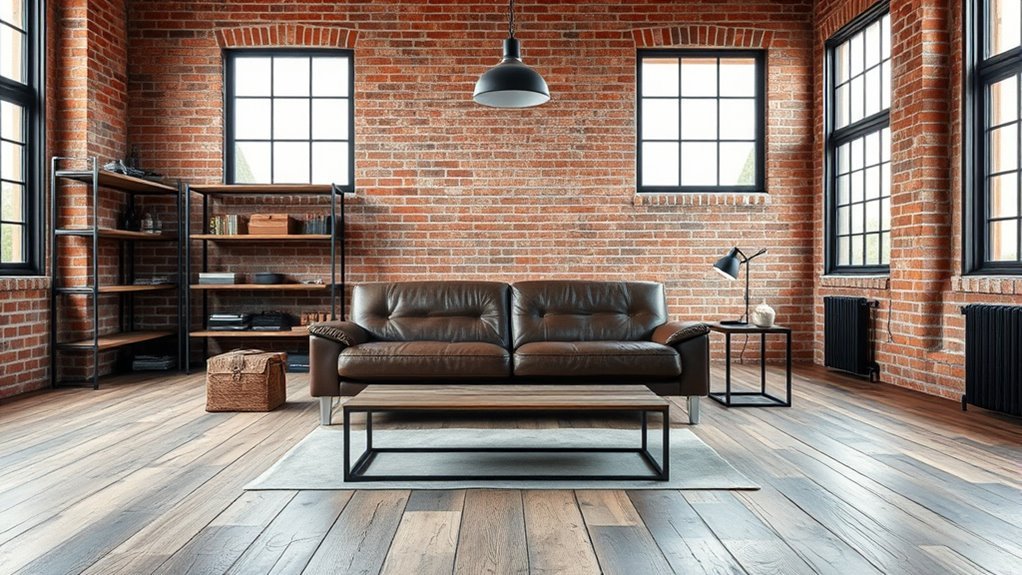
When you step into an industrial living room, the first thing you notice is the contrast between raw structure and refined comfort. Exposed brick walls, concrete surfaces, metal-framed windows, visible beams, dark steel details, and reclaimed wood create the backbone of the style. These features are often inspired by old factories, warehouses, workshops, and loft conversions.
The room should still feel livable. A leather sofa, a warm wood coffee table, soft curtains, a textured rug, and layered lighting help soften the harder materials. A neutral color palette of white, black, gray, greige, brown, and charcoal gives the space a grounded base, while artwork, plants, books, or one strong accent color add personality.
Industrial style is strongest when it looks authentic rather than staged. One exposed brick wall, one metal shelving unit, or one concrete-look finish can be enough. You do not need every surface to look like a warehouse.
Key Characteristics of Industrial Design
The heart of industrial design is a practical, honest look. Instead of hiding structure, the style celebrates it. Brick, steel, concrete, wood grain, leather, pipework, duct-inspired details, and simple silhouettes all help create the rugged, functional mood.
- Raw materials: Brick, concrete, iron, steel, weathered wood, leather, and stone.
- Open feeling: High ceilings, large windows, minimal clutter, and visible floor space.
- Neutral palette: Charcoal, black, white, gray, taupe, rust, brown, and warm beige.
- Simple furniture: Clean lines, low profiles, sturdy frames, and practical storage.
- Vintage character: Salvaged cabinets, factory-style lighting, old signs, or antique clocks used sparingly.
- Layered comfort: Rugs, throws, cushions, curtains, plants, and warm bulbs to prevent the room from feeling cold.
Note: Modern industrial style is usually cleaner and warmer than the old “factory theme” version. Use authentic materials and practical shapes, but avoid filling the room with too many gears, pipes, novelty signs, and exposed bulbs.
Key Materials for Your Industrial Living Room
To create an authentic industrial living room, focus on a small group of hardworking materials: exposed brick, metal, reclaimed wood, concrete, leather, glass, and natural fiber textiles. The best rooms do not use these materials equally; they layer them in a controlled way so each finish has space to stand out.
Recommended Products
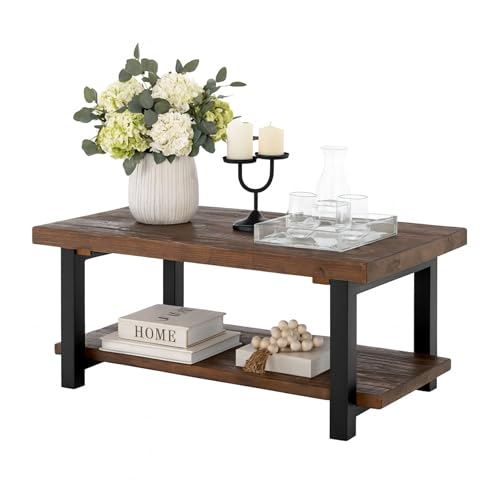
42 INCH COFFEE TABLE - Achieve a high-end look with the Pomona wood coffee tables for living room. This generously sized modern coffee table provides ample space for displaying decor and placing snacks while entertaining or enjoying family time.

Recessed Storage Center Design – Style, Storage & Visual Balance: The sunken center tabletop design creates a dedicated display area for plants, decorative stones, crystals, candles, or diffusers. This rustic coffee table with storage keeps items visually organized while adding depth, balance, and character to your living space—beautifully styled, never cluttered.

Essential Industrial Materials
Exposed brick is one of the clearest industrial features. It brings texture, warmth, and history to the room. If you do not have real brick, a high-quality brick veneer or limewash-style wall can create a similar effect without pretending to be original masonry.
Concrete adds a raw, architectural base. Polished concrete floors, sealed concrete-look surfaces, concrete side tables, or microcement fireplace surrounds can all work. Because concrete can feel hard and echo-prone, pair it with rugs, upholstery, curtains, and acoustic softness.
Metal gives the style its structure. Blackened steel, iron, brushed nickel, aged brass, and matte black finishes work well on shelving, coffee tables, lighting, fireplace surrounds, and window frames. For a softer look, choose one main metal finish and repeat it throughout the room.
Reclaimed wood adds warmth and character. Look for coffee tables, media consoles, floating shelves, beams, stools, or picture frames. When buying salvaged wood, check that it is clean, dry, stable, and properly sealed, especially if it may have old paint, stains, or unknown finishes.
Leather and natural textiles keep the room comfortable. A worn leather sofa, linen curtains, wool rug, jute layer, canvas pillows, or chunky knit throw can balance the sharper edges of brick, steel, and concrete.
Mixing Textures Creatively
Industrial rooms depend on contrast. Pair sleek metal with rough brick, smooth leather with nubby wool, polished concrete with reclaimed wood, and glass with matte black frames. This mix makes the space feel layered instead of flat.
A simple formula works well: choose one raw surface, one warm wood tone, one dark metal finish, one soft textile layer, and one personal accent. For example, an exposed brick wall, a reclaimed wood coffee table, a black steel floor lamp, a wool rug, and framed travel photography can create a complete industrial living room without overwhelming the space.
Choosing the Right Color Palette for Industrial Spaces
Industrial color palettes are usually grounded in neutrals, but they should not feel lifeless. Start with gray, white, black, brown, beige, or greige, then bring in warmth through wood, leather, brick, lighting, and plants. Use strong accent colors only where they help create a focal point.
Neutral Base Colors
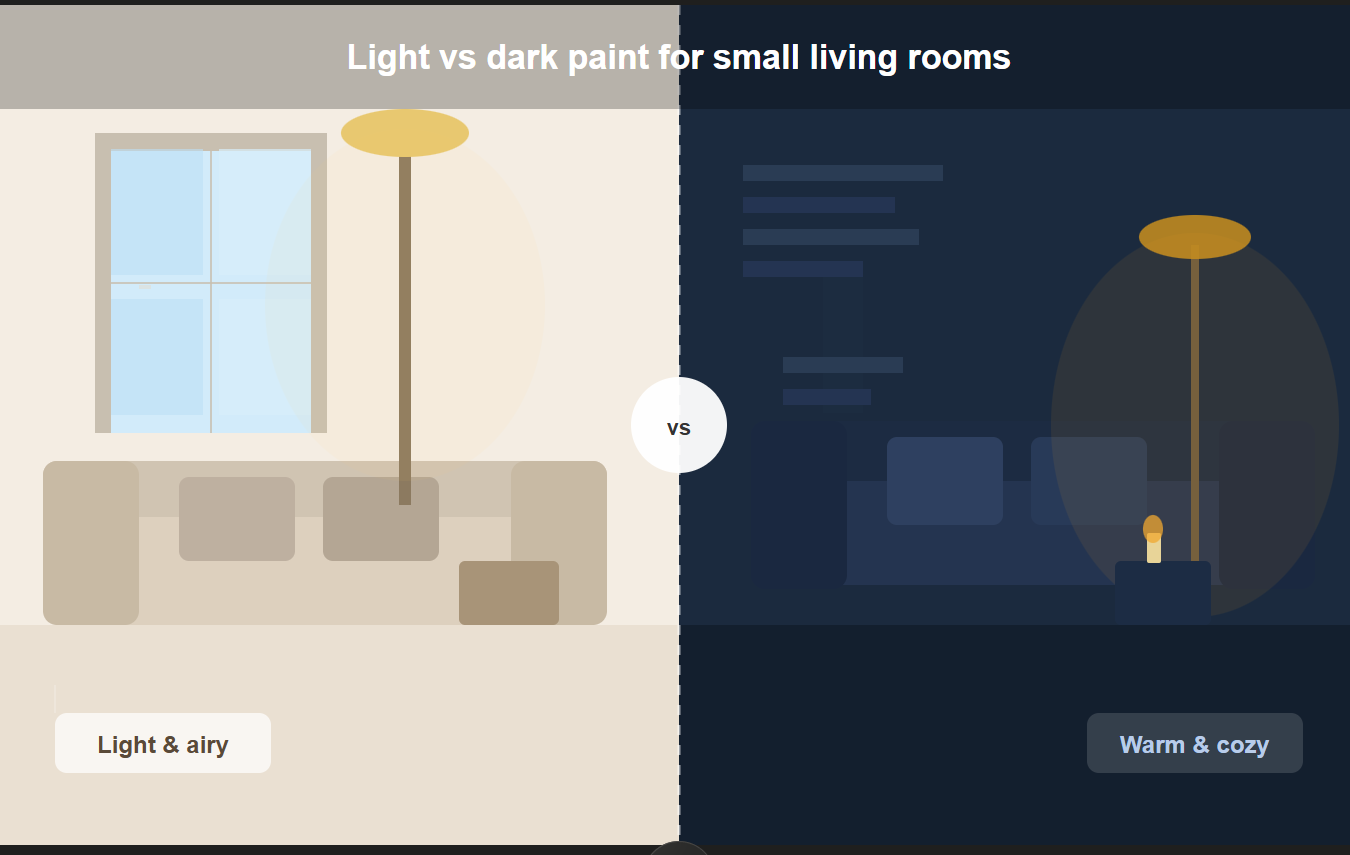
For the walls, choose warm white, soft gray, greige, taupe, mushroom, charcoal, or muted clay. These colors let raw materials stand out without competing with them. White walls make a small industrial living room feel brighter, while charcoal or black accents create depth around shelving, window frames, fireplaces, or media walls.
If the room already has a lot of dark metal and concrete, lean warmer with beige, tan, rust, camel, and wood tones. If the room has orange-red brick, cooler gray or soft white can keep the palette balanced.
Bold Accent Hues
Bold accents work best in small doses. Cobalt, forest green, oxblood, mustard, teal, rust, or deep navy can look beautiful against industrial neutrals. Add these colors through artwork, pillows, a lounge chair, a painted cabinet, or a single statement rug.
Avoid using too many bright colors at once. Industrial spaces rely on restraint, so one main accent color usually feels stronger than several competing hues.
Texture Variation Importance
Texture is what keeps an industrial living room from feeling cold. Use rough, smooth, matte, shiny, soft, and worn surfaces together. A leather sofa against a brick wall, a jute rug under a steel table, or velvet cushions on a clean-lined sectional can add depth without changing the whole palette.
Paints, sealers, stains, adhesives, and some furnishings can release volatile organic compounds, so choose low-VOC products when possible and ventilate well during and after projects. This is especially important when refinishing furniture, sealing concrete, painting walls, or installing new composite-wood pieces.
A successful industrial living room is not just brick and metal. It is brick and metal balanced with warmth, light, comfort, and personal details.
Popular Flooring Options for Your Industrial Living Room
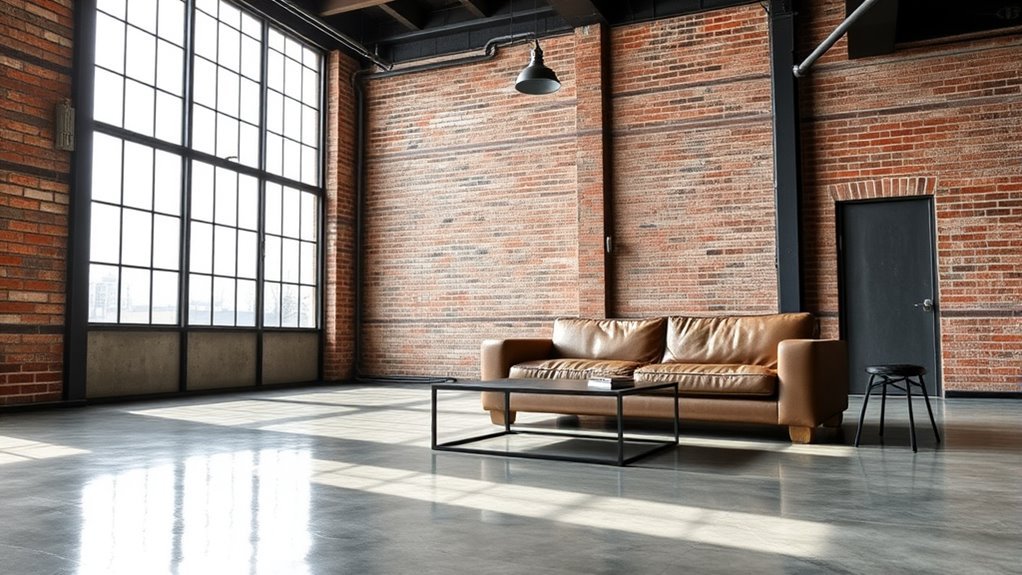
Flooring has a major impact on the industrial mood. Concrete floors are one of the most recognizable options because they are durable, simple, and architectural. Polished or sealed concrete works especially well in lofts and open-plan rooms, but it can feel cold underfoot, so use a large rug to add softness and reduce echo.
Dark wood floors create a warmer industrial look. Wide planks, matte finishes, distressed textures, and medium-to-dark stains pair well with black metal and leather. If the room is small, avoid going too dark on both the floor and walls; keep at least one major surface light.
Painted wood floors can add personality in older homes. Charcoal, off-white, deep brown, or muted gray can suit the style, but use floor-rated paint and a durable topcoat.
Large rugs are essential in most industrial living rooms. Jute, sisal, wool, distressed Persian-style rugs, flatweaves, and neutral patterned rugs help define the seating area and make concrete, tile, or wood floors more comfortable.
Recommended Products

Ultra-Soft Low Pile Rug: Gent drizz living room rugs 8x10 made of Upgraded durable low pile faux wool fibers, 0.25'' thick, featuring a soft fuzzy density surface, soft and pliable to the touch, providing great comfort for your bare feet. The low pile makes it easy for your Large area rug to clean and is perfect for homes with kids and pets

Modern Black & White Abstract Rug: Inspired by industrial minimalism and expressive Eastern ink-wash art, this rug features layered black, white, and gray tones that fit beautifully in a wide range of interiors. Ideal for the living room, bedroom, dining room, home office, playroom, entryway, and other high-traffic areas

Diamond Striped Pattern Design: This modern geometric rug showcases a timeless brown-and-white diamond pattern with clean, smooth lines. It effortlessly complements modern minimalist, industrial, bohemian, and most contemporary home decor styles
Incorporate Vintage Elements for Character
Vintage elements give an industrial living room soul. A reclaimed wood coffee table, metal locker cabinet, old workbench, antique trunk, factory stool, vintage map, framed blueprint, or aged mirror can make the room feel collected over time.
The key is restraint. Choose a few pieces with real character instead of filling the room with themed decor. A modern sofa paired with a vintage coffee table often feels fresher than a room full of matching factory-style furniture.
Flea markets, salvage yards, antique stores, estate sales, and secondhand shops are great places to find industrial pieces. Before bringing anything home, check for stability, rust that may transfer, sharp edges, lead paint concerns on old painted items, and musty smells that may signal moisture problems.
Pro Tip: Let one vintage piece be the star. A reclaimed workbench as a media console or a large factory-style pendant light will feel more intentional than several small themed accessories scattered around the room.
Creating a Balanced Layout in Your Industrial Space
A strong industrial living room needs a layout that feels open but not empty. Start with the seating area. Place the sofa, lounge chairs, and coffee table close enough for conversation, then use a rug to define the zone.
In an open floor plan, large furniture can help divide space without adding walls. A sectional can separate the living area from the dining area, a low bookcase can act as a subtle room divider, and a console behind the sofa can create a transition point.
Use negative space intentionally. Industrial rooms often look best when there is breathing room around furniture, shelving, and art. Instead of filling every corner, let brick, windows, beams, or concrete surfaces remain visible.
For small living rooms, scale matters. Choose slim metal legs, open shelving, wall-mounted lighting, nesting tables, and one large mirror to reflect light. A small room can still feel industrial, but it usually needs fewer dark finishes and more warm white, soft gray, or natural wood.
Lighting Ideas to Brighten Your Industrial Space
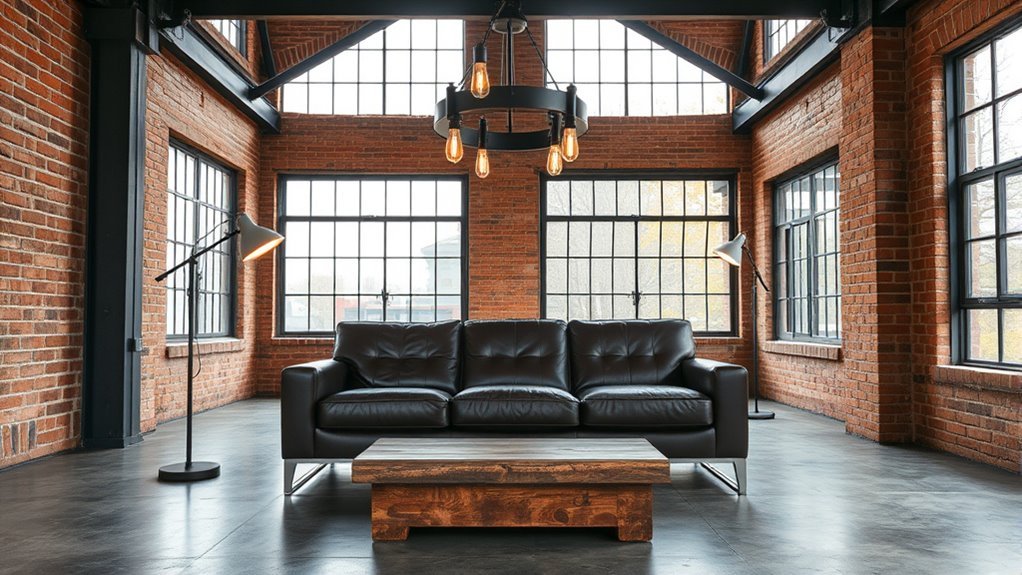
Lighting can make or break an industrial living room. Because the materials are often dark or matte, the room needs more than one overhead fixture. Use layered lighting: ambient light for the whole room, task lighting for reading, and accent lighting for brick, shelving, artwork, or plants.
Good options include metal pendant lights, black track lighting, articulating wall sconces, cage lamps, pharmacy-style floor lamps, oversized drum pendants, and simple table lamps with dark metal bases. Warm bulbs usually work better than cool white bulbs because they soften concrete, steel, and brick.
If the room has large windows, keep the window treatments simple. Roller shades, linen curtains, solar shades, or black metal curtain rods can control glare and privacy without hiding the architecture. Operable window coverings can also help manage heat gain, glare, and comfort throughout the day.
Warning: Use industrial-style lighting, not unsafe wiring. Exposed cords, open junction boxes, and DIY electrical changes can create fire or shock risks. Keep wiring code-compliant, use proper conduit where needed, and hire a licensed electrician for new fixtures, outlets, or hardwired sconces.
Recommended Products

【Vintage Style】 The industrial pendant light kit combines modern and vintage styles with a retro design. The pendant light socket makes it a perfect decoration for the living room, bedroom, dining room, kitchen, office, porch, warehouse, barn, hallway, bar, stairway, kitchen, corridor etc.

【Focused Task Lighting for Kitchen Islands】 Unlike flat fixtures, this 11.4" wide black pendant light features a deep dome design with a white inner lining. It maximizes light reflection downwards, providing bright, glare-free illumination specifically engineered for kitchen meal prep, sinks, and dining tables.
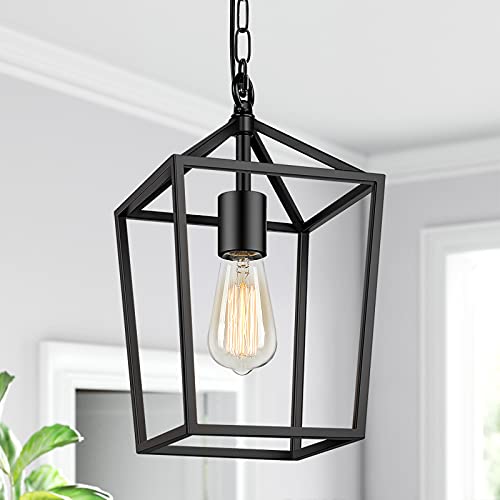
Farmhouse Rustic Pendant Light: Putting a modern spin on a classic lantern silhouette, the one-light pendant in black finish pairs well with most home-decor styles. Effortlessly create an eye-catching focal point in your bedroom, hallway, foyer, front porch and entryway. It looks nice with only one hung on the ceiling but provides more lighting when installed in multiple over a large kitchen island or dining table.
How to Make Industrial Style Feel Warm
The biggest risk with industrial decor is that it can become cold, echoey, or impersonal. Warmth comes from layering. Add a large area rug, curtains, throw blankets, cushions, books, plants, warm wood, aged leather, and art with meaning.
Plants are especially helpful because they break up hard surfaces and add organic shape. Try a tall fiddle-leaf fig, rubber plant, olive tree, snake plant, pothos, or trailing philodendron. Place them in concrete, terracotta, black metal, or woven baskets to keep the look cohesive.
Art also matters. Industrial rooms can handle oversized pieces: abstract paintings, black-and-white photography, framed architectural prints, vintage maps, or sculptural wall decor. Choose fewer, larger pieces instead of many tiny frames.
Budget-Friendly Industrial Living Room Ideas
You can create an industrial living room without a full renovation. Start with changes that deliver the most visual impact for the least money.
- Paint one wall charcoal, greige, or warm white to create a stronger backdrop.
- Swap lampshades or fixtures for black metal, aged brass, or simple factory-inspired shapes.
- Add a large textured rug to anchor the seating area.
- Use open shelving with wood shelves and dark brackets.
- Shop secondhand for trunks, stools, old cabinets, framed maps, and wood tables.
- Use peel-and-stick or veneer carefully if you want a brick look but do not have real brick.
- Style with practical objects like books, baskets, lamps, trays, and plants instead of novelty decor.
Common Industrial Living Room Mistakes to Avoid
Industrial style looks effortless when it is edited. It looks forced when every item tries to be rugged. Avoid these common mistakes:
- Using too many hard surfaces: Add rugs, upholstery, curtains, and cushions to balance brick, concrete, and metal.
- Going too dark: If the floor, walls, sofa, and furniture are all dark, the room can feel heavy. Add warm white, tan, wood, and soft lighting.
- Overdoing factory props: One vintage sign or salvaged piece is enough. Too many themed objects can feel staged.
- Ignoring scale: Oversized lighting works in high ceilings, but it can overwhelm small rooms.
- Skipping comfort: A beautiful industrial room still needs comfortable seating, good lighting, and usable surfaces.
- Forgetting maintenance: Metal, leather, concrete, brick, and wood all need the right cleaning methods.
Adding Personal Touches to Your Industrial Living Room
To make your industrial living room feel like home, add objects that tell your story. Family photos in black metal or reclaimed wood frames, travel souvenirs, favorite books, handmade ceramics, vintage finds, and meaningful artwork all bring life to the raw materials.
A cozy reading nook is a simple way to add personality. Use a leather chair or upholstered lounge chair, a metal floor lamp, a small wood side table, and a basket for throws. This creates a soft corner inside a rugged room.
| Personal Touches | Industrial Elements |
|---|---|
| Family photos in metal or wood frames | Exposed brick walls |
| Travel souvenirs and collected objects | Metal shelving or cabinets |
| Cozy reading nook | Vintage-style lighting fixtures |
The best personal touches feel useful, not random. A tray on the coffee table, a stack of design books, a handmade vase, or a framed photograph can soften the room while still respecting the industrial aesthetic.
Tips to Sustain Your Industrial Aesthetic Over Time
An industrial living room ages well when the materials are maintained and the styling stays edited. Choose durable pieces, clean them properly, and refresh the room seasonally with small changes instead of constantly buying new decor.
Regular Maintenance Practices
Dust metal shelves and fixtures regularly so they do not look grimy. Use gentle cleaners on sealed concrete, and avoid harsh products that can dull the finish. Condition leather when needed, rotate cushions, and vacuum rugs often to keep dust from collecting around textured surfaces.
If you have exposed brick, check for loose mortar or excessive dust. Brick can shed if it is not sealed properly, so ask a professional if the wall is crumbling or producing constant powder. For reclaimed wood, wipe spills quickly and avoid placing damp planters directly on the surface.
Lighting also needs attention. Replace burned-out bulbs with the correct wattage and color temperature, check cords for damage, and do not overload outlets with too many lamps or electronics.
Timeless Design Choices
To keep the room from feeling dated, focus on timeless materials rather than gimmicks. Brick, wood, leather, concrete, linen, wool, glass, and metal age better than novelty factory props. Keep the color palette simple, then rotate smaller accessories like pillows, artwork, vases, and plants when you want a refresh.
Multifunctional furniture is also a smart long-term choice. A storage coffee table, modular sofa, nesting tables, or media console with hidden storage keeps clutter out of sight and helps the open industrial layout stay clean.
Frequently Asked Questions
What is an industrial living room?
An industrial living room is a space inspired by warehouses, factories, lofts, and workshops. It often features exposed brick, concrete, metal, reclaimed wood, leather, large windows, open layouts, and practical furniture. The style feels best when raw materials are balanced with rugs, warm lighting, plants, and personal decor.
What is the difference between boho and industrial style?
Boho style is softer, more layered, and more colorful, with woven textures, global patterns, plants, and relaxed shapes. Industrial style is more structured and raw, with brick, metal, concrete, leather, wood, and a neutral palette. You can mix them by pairing industrial furniture with boho rugs, plants, and handmade textiles.
What are the 4 types of industrial design?
The four common interpretations are minimalist industrial, rustic industrial, modern industrial, and vintage industrial. Minimalist industrial is clean and restrained, rustic industrial adds more reclaimed wood and worn finishes, modern industrial uses sleek lines and updated furniture, and vintage industrial leans into antique factory-inspired pieces.
What is industrial interior style?
Industrial interior style highlights raw, functional materials instead of hiding them. It often includes exposed brick, concrete floors, black metal, open shelving, simple furniture, large windows, neutral colors, and vintage-inspired lighting. The look should feel honest, durable, and practical, not overly decorated.
Can an industrial living room be cozy?
Yes. Add warmth with a large rug, upholstered seating, linen curtains, warm bulbs, books, plants, wood tones, and cushions. The raw materials create character, while soft layers make the room comfortable for everyday use.
How do I make a small living room look industrial?
Use a light neutral wall color, one dark metal finish, slim furniture legs, wall-mounted shelves, a textured rug, and one strong industrial feature such as a brick wall, metal lamp, or reclaimed wood table. Keep clutter low so the space feels open.
Conclusion
Industrial living room style is all about balance. Raw materials like brick, metal, concrete, leather, and reclaimed wood create the character, while lighting, rugs, plants, curtains, and personal objects make the space feel comfortable. Choose a neutral base, layer in texture, use vintage pieces with restraint, and keep safety in mind when working with lighting, wiring, paints, sealers, and salvaged materials. When every element has a purpose, your industrial living room will feel bold, warm, and built to last.
Sources
- Architectural Digest: Industrial Interior Design — supports the style definition, core materials, loft influence, and modern industrial design guidance.
- U.S. Environmental Protection Agency: VOCs and Indoor Air Quality — supports ventilation and low-VOC guidance for paints, finishes, furnishings, and building materials.
- U.S. Department of Energy: Energy Efficient Window Coverings — supports window treatment guidance for glare, comfort, privacy, heat gain, and daylight control.
- NFPA 70: National Electrical Code — supports the caution that wiring and electrical installations should be code-compliant and professionally handled.