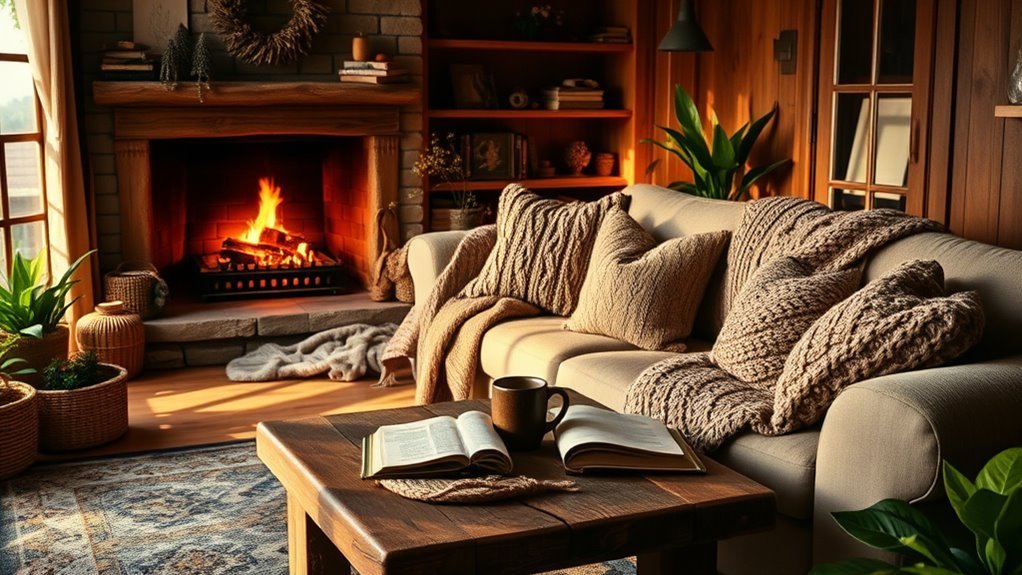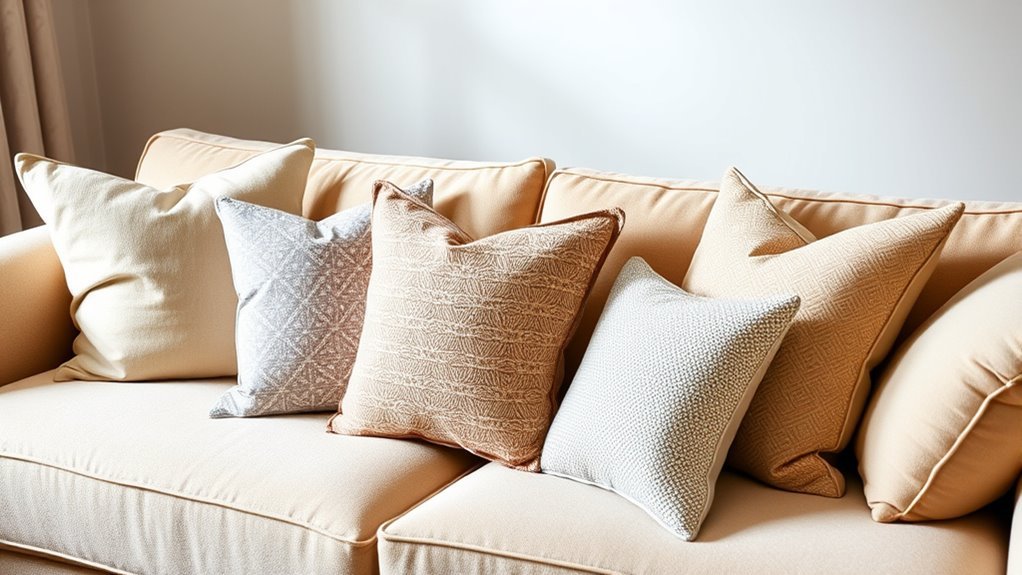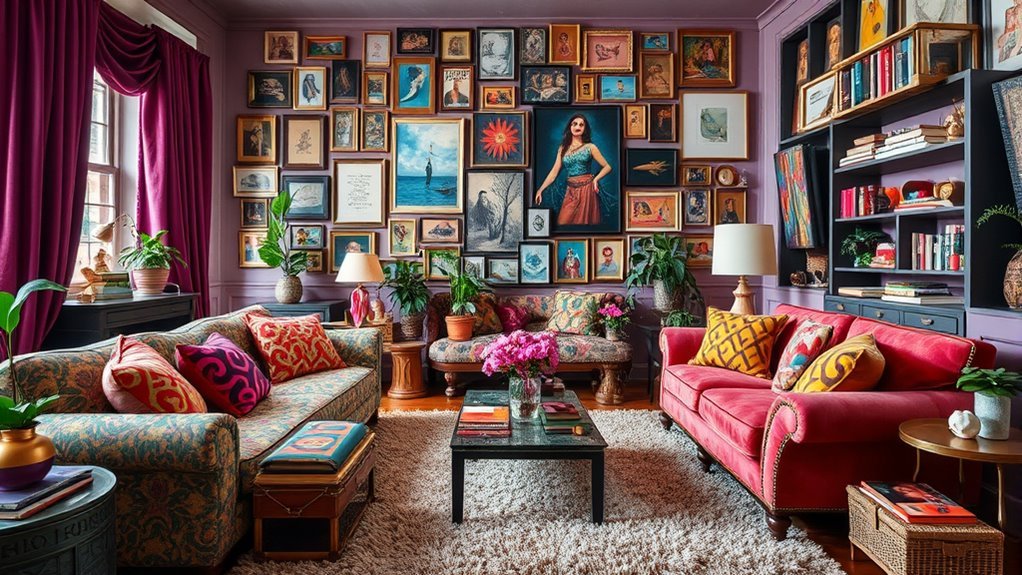
Maximalist living room style is about creating a room that feels expressive, layered, and deeply personal. Instead of hiding color, pattern, books, art, and collected objects, maximalism gives them a place to shine. The key is intention: every bold choice should support the room’s mood, function, and story.
Quick Answer
A maximalist living room uses bold color, layered patterns, mixed textures, statement furniture, art, books, plants, and personal collections to create a rich, expressive space. The best maximalist rooms are not cluttered; they are curated, balanced, and tied together with repeated colors, smart furniture scale, and meaningful decor.
Key Takeaways
- Maximalism is a “more is more” style, but it works best when every piece feels chosen, not random.
- A strong color palette keeps bold patterns, furniture, artwork, and accessories from feeling chaotic.
- Layer large, medium, and small patterns so the eye has rhythm instead of visual noise.
- Use statement furniture, lighting, and art as focal points, then give them enough space to stand out.
- Collections, vintage finds, books, and personal treasures make maximalist rooms feel authentic and lived-in.
What Is Maximalist Living Room Style?
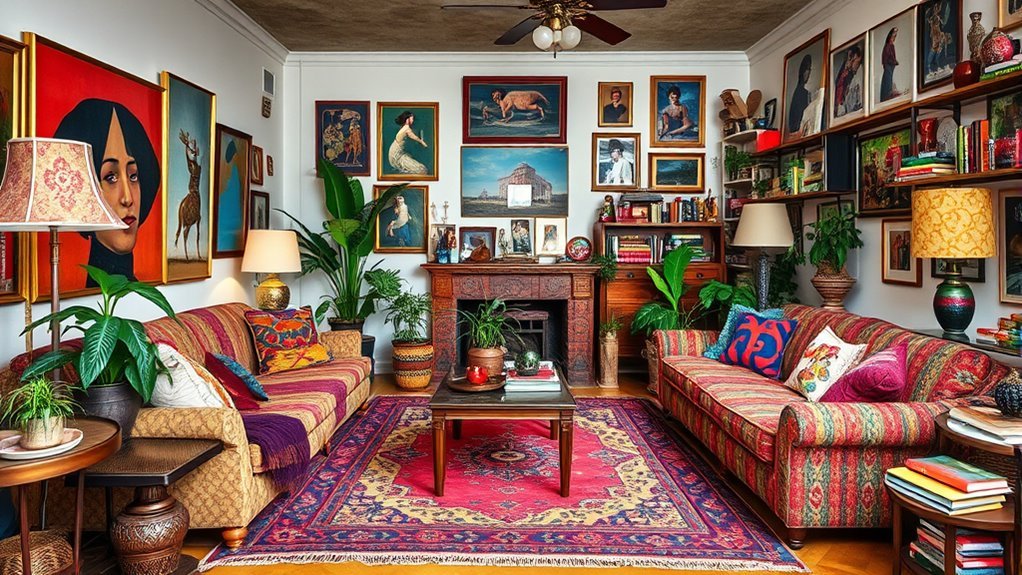
Maximalist living room style is a decorative approach that celebrates abundance, personality, and visual richness. It often includes saturated colors, patterned wallpaper, layered rugs, sculptural lighting, gallery walls, oversized artwork, statement seating, plants, books, and collected objects.
Unlike minimalism, which usually favors restraint and negative space, maximalism embraces depth and detail. However, it should not feel like a storage room. A successful maximalist living room is still edited. The difference is that the edit allows more color, more story, and more contrast.
Designers often describe maximalism as a layered, playful style that combines color, pattern, texture, shape, and meaningful objects. Architectural Digest notes that maximalist interiors are intentional and curated, not simply overfilled. Vogue similarly frames maximalism as a mix of layered pattern, saturated color, art, accessories, and playful design gestures.
Note: Maximalism is not the same as clutter. Clutter is accidental. Maximalism is deliberate. The goal is a room that feels expressive, comfortable, and visually exciting while still being easy to use.
Key Characteristics of Maximalist Design
A maximalist living room usually combines several strong design choices at once. The secret is making those choices speak to each other through color repetition, proportion, texture, and personal meaning.
Vibrant Color Combinations
Color is one of the fastest ways to create a maximalist mood. Rich shades like burgundy, emerald green, cobalt blue, mustard yellow, coral, plum, olive, teal, and raspberry can instantly energize a living room.
To keep the palette from feeling scattered, choose three to five main colors and repeat them throughout the room. For example, an emerald sofa can connect to green artwork, a patterned pillow, and a leafy plant. A mustard chair can connect to gold frames, a rug detail, or a lampshade.
Try these maximalist color palette ideas:
- Jewel-box palette: emerald, sapphire, amethyst, ruby, and brass.
- Warm vintage palette: burgundy, olive, mustard, rust, and walnut wood.
- Playful modern palette: cobalt, hot pink, tomato red, lilac, and cream.
- Moody botanical palette: forest green, charcoal, plum, ochre, and natural rattan.
Layered Textures and Patterns
Layering textures and patterns is central to maximalist design. Velvet, boucle, linen, silk, wool, leather, brass, wood, ceramic, glass, cane, and woven fibers can all live together when the color story feels connected.
For patterns, use a mix of scale. Pair one large pattern, such as oversized floral wallpaper, with one medium pattern, such as a striped rug, and one small pattern, such as a dotted pillow or checkered throw. Varying the scale keeps the room lively without making every surface compete.
Statement Furniture and Decor
Statement furniture gives the room a strong point of view. This might be a curved velvet sofa, a lacquered coffee table, a patterned armchair, a vintage cabinet, or an oversized floor lamp. Statement decor can include large artwork, sculptural mirrors, bold ceramics, or a dramatic chandelier.
The trick is to choose a few true focal points instead of making every item the loudest piece in the room. When everything shouts, nothing stands out.
Meaningful Collections and Personal Story
Maximalist living rooms are perfect for collections: books, framed prints, travel souvenirs, ceramics, records, textiles, family photos, plants, or vintage finds. These items make the room feel layered over time rather than bought in one afternoon.
Group collections with purpose. A shelf of ceramics looks stronger when arranged by color or height. A gallery wall feels more polished when frames share one unifying element, such as black frames, brass frames, or similar matting.
How to Create a Maximalist Living Room
At a Glance
| Time Required | One weekend to plan; several weeks or months to collect and layer pieces thoughtfully |
| Difficulty | Beginner to intermediate |
| Tools Needed | Tape measure, phone camera, mood board, paint swatches, rug measurements, picture-hanging tools |
| Cost | $0 to refresh with existing pieces; $100–$500+ for paint, pillows, art, lighting, or secondhand furniture |
Recommended Products
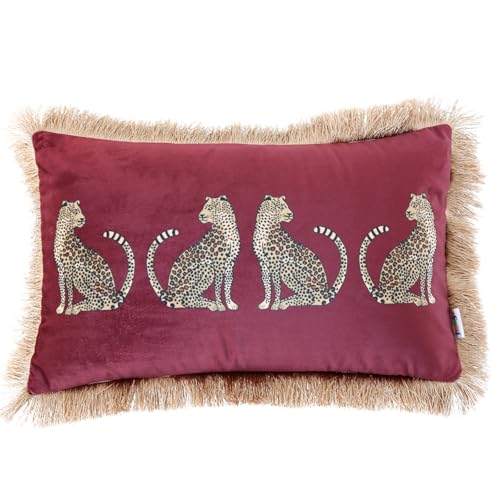
Material:Made of velvet(100% polyester).Very soft,skin friendly which can make you feeling comfortable.

Soft Decorative Layer: Sized at 18 x 18 inches, these covers feature a smooth flannelette texture that enhances the comfort of living rooms, bedrooms, or guest areas, helping create a relaxed and inviting atmosphere.

Vintage square throw pillow cover is made of premium Flannel, which is soft, skin-friendly, Two-Side Print. Pillow covers size:18 x 18inches - NOT INCLUDED PILLOW
Start With One Anchor Piece
Begin with one piece you truly love. It might be a sofa, rug, artwork, wallpaper, vintage cabinet, or chandelier. This anchor piece gives the room direction and prevents the design from becoming random.
Pull colors, textures, and shapes from that anchor. If your rug has navy, rose, ochre, and cream, use those colors in pillows, lampshades, books, and artwork. If your anchor is a bold floral sofa, balance it with a simpler rug and repeat one floral color across the room.
Build a Controlled Color Palette
A maximalist room can have many colors, but it still needs a color plan. Choose one dominant color, two supporting colors, and one or two accents. Repeat each major color at least three times so it feels intentional.
For example, a living room might use forest green as the dominant color, plum and rust as supporting colors, and brass as the accent. You could repeat green on the walls, sofa, and plants; plum in the rug and pillows; rust in the art and throw blanket; and brass in frames, lighting, and hardware.
Mix Patterns by Scale
Pattern mixing is easier when you use scale as your guide. Combine one large-scale pattern, one medium-scale pattern, and one small-scale pattern. A large botanical wallpaper can work with a medium striped rug and small geometric pillows because each pattern plays a different role.
Pro Tip: When a pattern mix feels too busy, remove one color instead of removing all the pattern. A tighter palette often solves the problem while keeping the maximalist energy.
Plan Furniture Scale and Flow
Maximalist rooms still need comfortable movement. Measure the room before buying large furniture, and leave clear paths between seating, tables, doors, and windows. If the room is small, choose fewer oversized pieces and let vertical storage, wall art, and color carry the maximalist mood.
The two-thirds rule can help with proportion. For example, artwork above a sofa often looks balanced when it is about two-thirds the width of the sofa, and a sofa can look more grounded when the rug extends beyond it instead of stopping short. Treat this as a flexible visual guide, not a strict law.
Layer the Lighting
Lighting is essential in a maximalist living room because it helps the layers feel warm instead of heavy. Use at least three types of lighting: overhead lighting for general brightness, table or floor lamps for mood, and accent lighting for art, shelves, or dark corners.
A sculptural chandelier, pleated lampshade, colorful glass lamp, or brass picture light can act as both illumination and decor. Warm bulbs usually make saturated colors, wood, and textiles feel cozier.
Edit Without Stripping Personality
Editing does not mean turning the room minimalist. It means giving the strongest pieces enough breathing room. Take a photo of the room, look at it on your phone, and notice where the eye gets stuck. If every surface is full, clear one tabletop, simplify one shelf, or create one quieter wall.
Maximalist Color Palettes That Pop
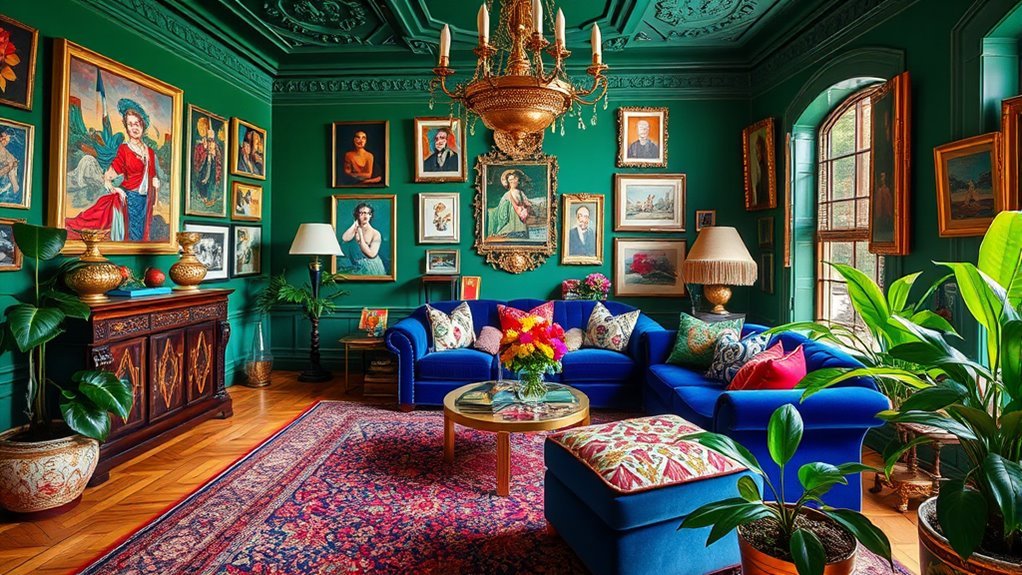
Maximalist color palettes should feel bold but connected. The easiest way to create harmony is to repeat colors across different surfaces. A blue wall can connect to a blue vase, a blue thread in the rug, and a blue detail in a painting. This repetition tells the eye that the room is layered on purpose.
If you are nervous about strong color, start with a colorful rug or artwork and keep the largest furniture piece more grounded. If you love drama, try color-drenching the walls, trim, and ceiling in one deep shade, then layer patterned textiles and metallic accents on top.
The best maximalist palette does not need to match perfectly. It needs to repeat, balance, and feel intentional from one side of the room to the other.
Tips for Layering Textures and Patterns
Layering is what gives a maximalist living room its depth. Start with large surfaces, such as walls, rugs, curtains, and sofas. Then add medium layers, such as side chairs, ottomans, lamps, and art. Finish with small layers, such as pillows, trays, ceramics, books, and plants.
- Use one common color: Patterns can clash beautifully when they share at least one color.
- Vary the pattern scale: Mix large florals, medium stripes, and small checks instead of using patterns that are all the same size.
- Balance busy with calm: A patterned sofa may need solid curtains. A bold wallpaper may need a simpler rug.
- Mix tactile materials: Pair velvet with woven fibers, glossy ceramic with matte wood, and smooth metal with nubby textiles.
- Repeat shapes: Curved chairs, round mirrors, and arched lamps can echo each other even if their colors differ.
Recommended Products

1.Premium Material: These throw pillow covers are made from high-quality woven and cotton fabric, ensuring a thick and durable texture. With a natural color palette and a soft, skin-friendly feel, these covers are non-fading and resist pilling.

Soft Woven Chenille Fabric: Made from woven chenille fabric, these decorative pillow covers offer a soft touch with rich texture that adds warmth, comfort, and dimension to your living space.
Showcasing Collections and Art
Collections and art are where maximalist living rooms become personal. Instead of hiding your favorite pieces, display them with structure. A gallery wall can combine paintings, photographs, textiles, and small objects. Open shelves can show books, ceramics, framed art, plants, and travel finds.
To keep collections from looking messy, group them by theme, color, material, or shape. For example, place blue-and-white ceramics together, arrange books by color family, or group brass objects on one tray. Leave a little open space around the most special pieces so they can be noticed.
When hanging art, think about scale. One large artwork can be more powerful than six tiny pieces floating on a big wall. Above a sofa, art or a gallery grouping often looks best when it relates to the sofa width rather than feeling too small.
Can Maximalism Work in a Small Living Room?
Yes, maximalism can work beautifully in a small living room. In fact, small rooms often feel more memorable when they lean into color and personality instead of trying to look empty.
Use vertical space with tall shelves, full-height curtains, wall-mounted lighting, and gallery walls. Choose storage pieces that also add character, such as a painted cabinet, vintage trunk, skirted table, or patterned ottoman. Keep pathways clear and avoid too many deep furniture pieces that block movement.
In a small maximalist living room, the goal is not to use fewer ideas. The goal is to use ideas more efficiently. Let walls, lighting, textiles, and art carry the drama while the floor plan stays practical.
Budget-Friendly Ways to Build the Look
Maximalism does not require buying everything new. It often looks better when it develops slowly through vintage finds, inherited objects, thrifted frames, handmade pieces, books, plants, and travel memories.
- Paint one wall, ceiling, or bookcase for a dramatic change without replacing furniture.
- Swap pillow covers to introduce color, fringe, embroidery, or pattern.
- Frame affordable prints, postcards, or fabric remnants for a collected gallery wall.
- Use peel-and-stick wallpaper inside shelves, behind a bar cart, or on a small accent wall.
- Thrift lamps, side tables, mirrors, and ceramics to add character and avoid a showroom look.
- Layer what you already own by rearranging books, trays, art, plants, and objects into stronger groups.
Recommended Products

Boho Chic & Striped Design: Elevate your home decor with our stylish striped corduroy pillow covers, bringing a touch of Boho elegance and warmth. The unique pattern seamlessly blends with various interior styles, from modern to farmhouse, creating a relaxed and inviting atmosphere in any room.
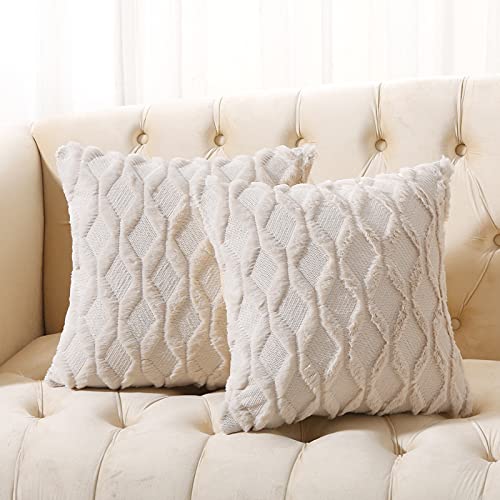
SKIN-FRIENDLY MATERIAL: wool-like fabric front, velvet back. Rich texture with 3D embroidery pattern brings extra comfort

【Exquisite Farmhouse Linen Material】MIULEE's decorative linen pillow covers feature a natural ramie linen blend. The high-quality stone washed linen adds rustic charm, with its textured wrinkles ideal for farmhouse interiors. It gracefully ages with each wash, enhancing its personality and comfort. The linen fabric ensures durability and breathability, providing a soft touch that's suitable for year-round use
What Not to Do in Maximalist Decor?
Maximalism gives you permission to be bold, but it still needs balance. Avoid these common mistakes:
- Using every color at once: A palette can be rich without being random. Repeat a few key colors throughout the room.
- Choosing only loud pieces: Mix statement pieces with quieter supporting pieces so the focal points stand out.
- Ignoring scale: Furniture, rugs, lamps, and art should relate to the room and to each other.
- Filling every surface: Leave some open space on tables, shelves, or walls so the room can breathe.
- Buying decor just to fill space: Maximalism works best when pieces have meaning, beauty, function, or humor.
- Forgetting comfort: A maximalist living room should still be easy to sit in, walk through, read in, and enjoy.
Warning: Do not confuse visual richness with blocked walkways, unsafe stacks, overloaded shelves, or furniture that makes the room hard to use. A maximalist room should feel abundant, not stressful.
Inspiring Examples of Maximalist Living Rooms
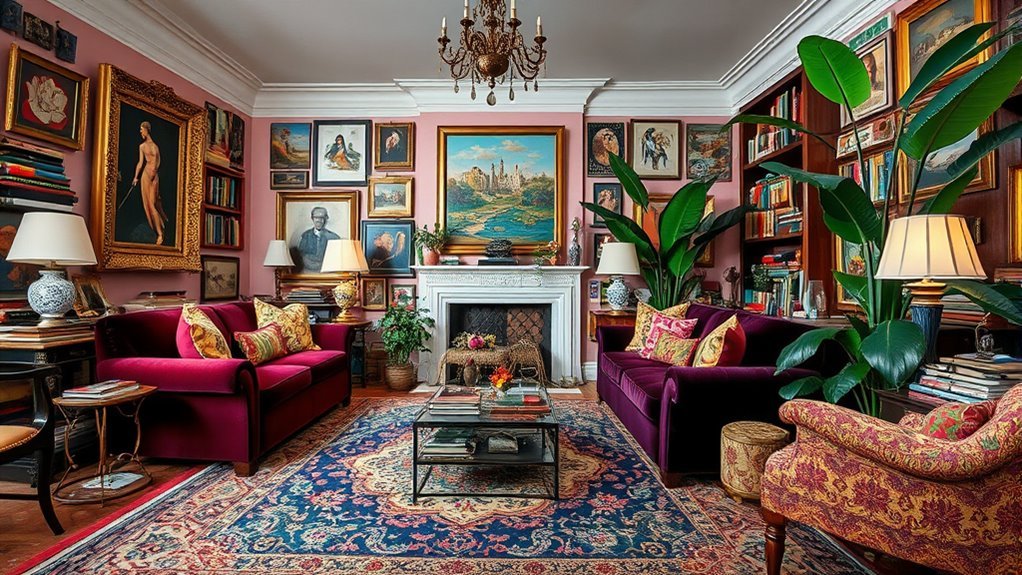
A maximalist living room can take many directions. One room might feel moody and literary, with dark green walls, leather seating, antique lamps, full bookshelves, and framed portraits. Another might feel playful and modern, with a cobalt sofa, striped rug, pink chairs, glossy tables, and abstract art.
You can also create a botanical maximalist room with leafy wallpaper, rattan chairs, green velvet, terracotta pots, brass lighting, and layered plants. For a vintage maximalist look, mix floral upholstery, a Persian-style rug, oil paintings, pleated lampshades, and wood furniture from different eras.
The unifying idea is not a specific color or period. It is confidence. A maximalist living room should look like someone interesting lives there.
Frequently Asked Questions
What does maximalist style look like?
Maximalist style looks bold, layered, colorful, and personal. In a living room, that might mean patterned wallpaper, a saturated sofa, layered rugs, gallery walls, sculptural lighting, books, plants, vintage finds, and meaningful collections. The room should feel abundant but still intentional.
What is the 2/3 rule for living rooms?
The 2/3 rule is a flexible proportion guide. For example, artwork above a sofa often looks balanced when it is about two-thirds the sofa’s width, and a sofa can look grounded when the rug extends beyond it. It does not mean filling two-thirds of the room with furniture.
What colors work best in maximalism?
Rich colors work especially well, including emerald, burgundy, cobalt, mustard, rust, teal, plum, coral, olive, and raspberry. The best palette depends on your taste, but the room will feel more cohesive if you repeat your main colors in several places.
What does maximalist style mean?
Maximalist style means embracing abundance, color, pattern, texture, art, and personal expression. It is often described as “more is more,” but the strongest maximalist rooms are curated. They use bold choices in a way that still feels comfortable, balanced, and meaningful.
How do you make maximalism look intentional instead of messy?
Use a controlled color palette, repeat colors throughout the room, vary pattern scale, group collections by theme, and leave some visual rest. Choose a few main focal points instead of making every object compete for attention.
Can renters create a maximalist living room?
Yes. Renters can use removable wallpaper, colorful rugs, layered curtains, plug-in sconces, framed art, vintage lamps, patterned pillows, slipcovers, plants, and freestanding shelves. These changes add maximalist personality without permanent renovation.
Conclusion
Maximalist living room style invites you to create a space that feels expressive, joyful, and full of personality. The look works best when bold colors, layered textures, statement furniture, art, and collections are tied together with intention. Start with one piece you love, build a color palette around it, layer patterns by scale, and edit just enough to let your favorite pieces shine. Done well, a maximalist living room becomes more than decor; it becomes a vivid reflection of your story.
Sources
- Architectural Digest — maximalist interior design definition, history, and key style elements
- Vogue — designer explanation of maximalism, layered pattern, saturated color, and personal objects
- Good Housekeeping — 2026 designer guidance on thoughtful abundance and intentional curation
- Better Homes & Gardens — scale and proportion guidance for balanced rooms
- Real Simple — living room arrangement, focal points, rug placement, and furniture balance