
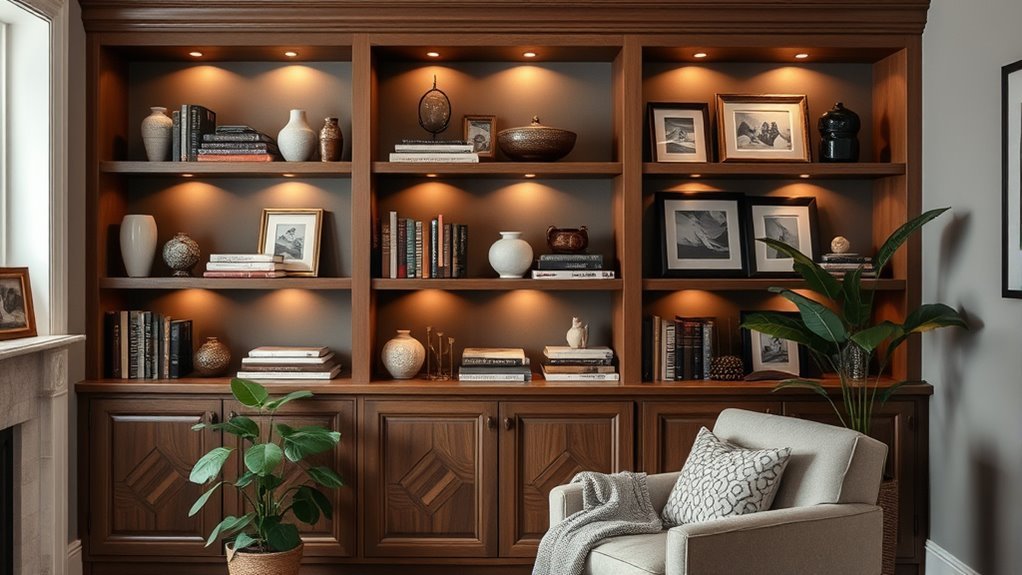
Built-in shelves can anchor an entire living room, yet they often end up looking either packed like a storage closet or sparse like a furniture showroom. Learning how to style built-in shelves comes down to treating the unit as both practical storage and curated display. By pairing a tight color palette with varied object heights, layered depth, and intentional breathing room, you can turn empty cubbies into a cohesive focal point.
Quick Answer
Clear every shelf, wipe the surfaces, and choose two to three main colors plus one accent shade from your living room. Place large anchor items like framed art, woven baskets, or book stacks first, then layer medium vessels and small accents in visual triangles while leaving one-third of each shelf open.
At a Glance
| Time Required | 45 minutes to 2 hours, depending on shelf count and cabinet width |
| Difficulty | Easy to moderate |
| Tools Needed | Microfiber cloth, surface cleaner, tape measure, phone camera, storage baskets or boxes, and a stud finder or wall-anchoring kit if shelves are freestanding |
| Cost | $0 when repurposing items from home; $25–$150+ if adding matching baskets, frames, bookends, or wireless lighting |
Start With a Clean Slate: Preparing Your Shelves
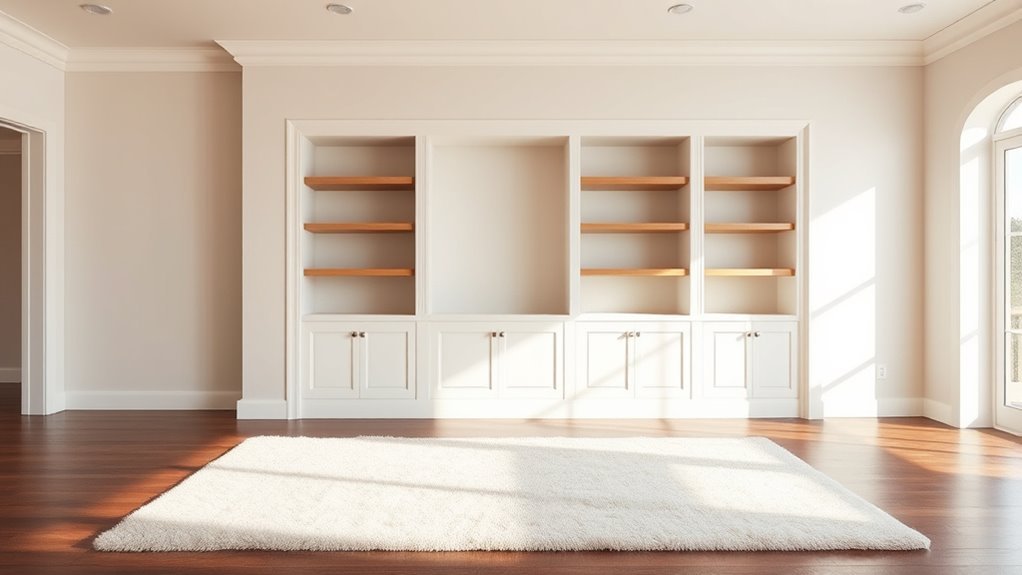
Remove every book, frame, basket, vase, and decorative object before you begin arranging your built-ins. Starting with completely bare shelves lets you see the architecture of the unit, check whether adjustable shelves need new heights, and break old placement habits.
Dust each shelf from top to bottom, wipe down the back panels, and polish any glass or ceramic accessories. Measure the height, width, and depth of your cubbies with a tape measure so you know the exact clearance for tall vases or storage bins. If your shelves are adjustable, set taller gaps (12 to 15 inches) on the bottom or top levels for oversized art books and baskets, and keep standard gaps (9 to 11 inches) in the middle.
Sort everything you removed into category piles on the floor or a dining table: hardcover books, framed art and photos, woven baskets, ceramic or glass vessels, greenery, and sentimental keepsakes. Grouping items by type makes it much easier to shop your own inventory and build from large anchor pieces down to small accents.
Snap a straight-on photo of the empty unit with your phone before placing a single item. Comparing that blank-slate photo against progress shots as you work helps you spot lopsided visual weight or crowded corners immediately.
Identify Your Shelf Style: Choosing the Right Aesthetic
Built-in shelves look most natural when they echo the colors, materials, and mood of the surrounding living room. Decide upfront whether your space calls for a warm and collected look, crisp modern minimalism, rustic texture, coastal lightness, or traditional symmetry.
Define Your Personal Style
Pull your shelf palette directly from the largest textiles and finishes already in the room. If your living room features warm oak, oatmeal linen, and antique brass, repeat those exact tones on the shelves through woven baskets, wood frames, cream book spines, and small brass accents. If the room leans modern, choose fewer objects with sculptural silhouettes and leave wider stretches of open shelf.
- Follow a 60-30-10 color balance: Use neutral base tones (such as white, cream, warm wood, or soft gray) for about 60% of the items, a secondary room color for 30%, and a richer accent shade for the final 10%.
- Repeat three to four core materials: Mix matte wood, glazed or stoneware ceramics, clear or tinted glass, metal, woven reeds, and linen book covers so the display never looks one-dimensional.
- Contrast straight and curved shapes: Built-in shelves and books are full of rigid rectangles, so soften those sharp angles with round bowls, curved vases, arched frames, and trailing foliage.
- Edit book spines for cohesion: Remove torn paper dust jackets to reveal neutral cloth bindings underneath, or group busy multi-colored spines on lower shelves where they do not dominate eye level.
Consider Room Functionality
Match your shelf layout to how your household uses the room every day. A busy family room needs durable lower baskets for toys, board games, controllers, and throw blankets, while a quiet sitting room can dedicate more space to art, pottery, and hardcover collections. If your built-ins flank a television or media console, prioritize closed boxes or woven bins on the bottom two rows to conceal routers, cords, and charging bricks.
Reserve waist-to-eye-level shelves for your favorite decorative and personal pieces. Keep heavy utility bins low and fragile heirlooms high so the unit stays both practical and safe for kids and pets.
How to Style Built-In Shelves With a Simple Formula
To style built-in shelves without guesswork, build each cubby in three distinct passes: large anchor pieces first, medium companions second, and one small accent last. Aim to fill roughly two-thirds of each shelf while leaving the remaining one-third open as negative space.
- Place your anchor pieces across the whole unit first: Start by distributing your largest items—oversized framed prints, wide woven baskets, tall ceramic vases, or stacks of three to four coffee table books—across the shelves in a staggered zig-zag pattern. If you put a large basket on the left side of the bottom shelf, place the next heavy visual anchor toward the right side of the shelf above it.
- Add a medium companion next to each anchor: Pair the large piece with a mid-sized item of a contrasting shape and height, such as a round stoneware bowl beside vertical books, a potted plant next to a leaned frame, or a pair of candlesticks beside a lidded box.
- Finish with one small accent where needed: Top a horizontal book stack with a small decorative object, bookend, or keepsake box, or place a low sculptural piece in front of leaned artwork. Group items in odd numbers—clusters of three or five—or let a single bold statement piece stand alone in narrow cubbies.
- Protect one-third of the shelf as empty space: Step back and check that the back wall of the bookcase is visible between groupings. Open space gives the eye a place to rest and makes your favorite pieces stand out.
Pro Tip: Style in visual triangles both within each shelf and across the full wall. Within a grouping, combine one tall item, one medium item, and one low item so their peaks form an angled slope rather than a flat, soldier-like row. Across adjacent shelves, stagger the highest points left, center, and right so the eye travels smoothly from top to bottom.
Shop Your Home: Finding Accessories in Other Rooms
You do not need to buy a cart full of new decor to style built-in shelves well. Walking through your kitchen, dining room, hallway, and bedrooms often turns up substantial, meaningful pieces that look far more authentic than mass-produced filler items.
Explore Unused Decor Items
Check sideboards, linen closets, and kitchen upper cabinets for objects with strong silhouettes, natural texture, or a story behind them:
- Pitchers, bowls, and ceramics: Stoneware pitchers, wooden salad bowls, and handmade pottery bring organic curves that break up boxy shelf grids.
- Candles and taper holders: Brass or ceramic candleholders add vertical height and metallic warmth. Keep tapers unlit inside enclosed shelves to prevent heat and soot damage.
- Framed prints and sketches: Small landscapes, botanical prints, or architectural sketches add height against the back panel.
- Lidded boxes and woven baskets: Rattan, seagrass, leather, or linen-covered boxes hide everyday clutter while adding tactile contrast.
- Potted plants or cut branches: Trailing pothos, philodendrons, or a vase of dried olive or eucalyptus stems soften rigid carpentry lines.
Repurpose Unique Accessories Effectively
Everyday items from other rooms often make the most interesting shelf accents. Afooted compote dish from the dining room can hold matchbooks or coasters on a lower shelf, an antique camera or pair of vintage binoculars can top a stack of travel books, and a small cordless rechargeable lamp from a bedroom can warm up a dark corner cubby.
Before placing a repurposed item, hold it up against your chosen color palette. If an object has the right shape but a jarring color, group it with neutral books or place it on a lower shelf where it blends calmly into the room.
Mix Styles for Cohesion
Combining vintage and modern pieces keeps built-ins from looking like a catalog page. The secret to mixing eras is linking them through shared materials or colors.
- Echo colors diagonally: If you use a navy blue ceramic ginger jar on an upper-left shelf, repeat navy through book spines or mat board artwork on a lower-right shelf.
- Repeat each material at least three times: A single brass object looks accidental, whereas three brass touches spread across the bookcase look intentional.
- Pair rough with smooth: Set a weathered vintage wood box beside sleek glass or a crisp modern frame so both textures stand out.
- Remove near-duplicates: Avoid lining up four similar bud vases or five matching 5-by-7 photo frames; swap duplicates for a single larger vessel or tray.
Mix Textures and Heights for Depth
Varied heights and contrasting textures prevent built-in shelves from looking flat. Alternate upright book rows with flat stacks, pair matte plaster or raw wood alongside glazed ceramics, and balance structured frames with soft greenery.
When arranging books, avoid lining every volume vertically from end to end like a public library. Instead, stand four to eight books upright, support them with a weighted bookend or heavy vessel, and place a horizontal stack of two to four larger books on the opposite side or on the shelf below. A horizontal book stack acts as a built-in pedestal that raises small bowls, candles, or sculptures to the right visual height.
Pay attention to where book spines sit relative to the shelf edge. Pulling vertical books forward so their spines sit 1 to 2 inches behind the front lip of the shelf eliminates dark shadows and makes the arrangement look crisp and tailored.
How to Style Deep Built-In Shelves
Deep built-in shelves (often 14 to 20 inches deep around fireplaces or media niches) look cavernous when small items are pushed against the back wall, and chaotic when packed with rows of tiny trinkets. Solve this by styling from back to front in three overlapping layers.
- Back layer (tall and flat): Lean a large framed print, mirror, decorative tray, or shallow woven platter against the rear wall to establish height and brighten the back of the cubby.
- Middle layer (medium volume): Position a sculptural vase, wide bowl, potted plant, or horizontal stack of coffee table books slightly overlapping one corner of the back frame.
- Front layer (low and tactile): Place a single smaller accent—such as a lidded box, small ceramic object, or decorative knot—near the front edge, offset to the left or right of the middle piece to form a shallow triangle from above.
Scale up your accessories on deep shelves. One 12-inch ceramic bowl or a substantial woven basket fills deep space cleanly, whereas five miniature figurines just create visual noise.
Recommended Products
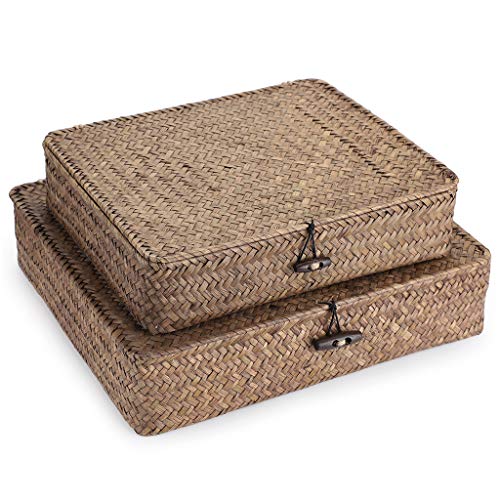
Natural seagrass- Made of seagrass which is sturdy and long lasting,Each basket is woven by hand,seagrass has natural color variations which makes every basket unique.They're as much a practical tool as they are a piece of art

Versatile multi-purpose storage items with a coordinated look

Hand-woven Storage Boxes Made of Natural Seagrass: The raw materials are made from 100% natural seagrass, which is sturdy and durable, as well as healthy and environmentally friendly. Each strand of seagrass is different, and each storage box is hand-woven by workers. This makes every product you receive unique. They are not only practical tools but also exquisite handicrafts.
Add Personal Touches With Meaningful Decor
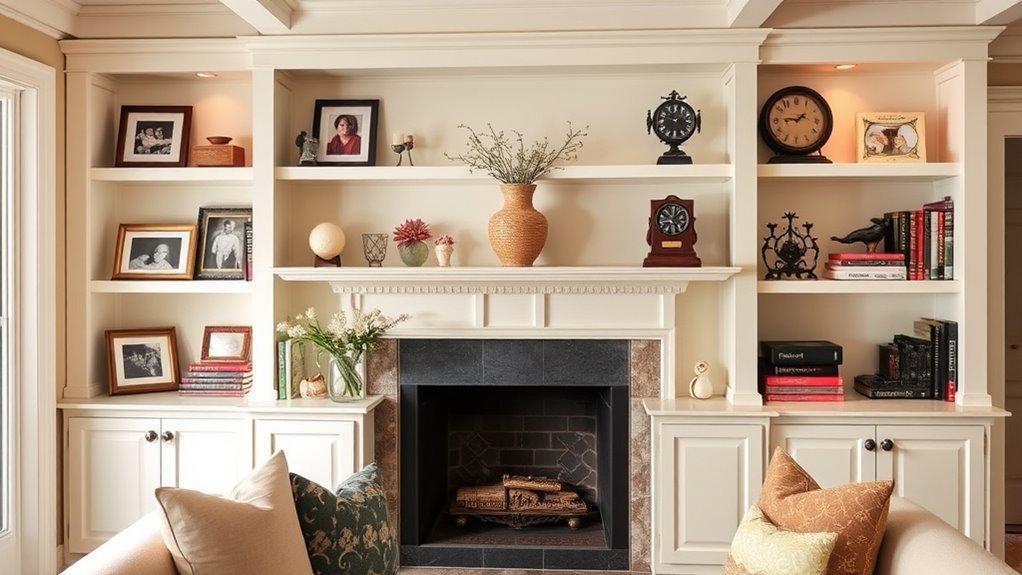
Personal mementos turn a well-arranged bookcase into a reflection of your household. Display travel finds, heirloom pottery, favorite novels, framed family snapshots, or a child’s ceramic project—just curate them selectively so every piece has room to be noticed.
- Select one or two hero keepsakes per section: Give a grandfather’s vintage clock or a hand-carved travel bowl its own breathing room rather than crowding ten small souvenirs onto one shelf.
- Use black-and-white photo prints for instant cohesion: Converting colorful phone snapshots to black-and-white with wide white mat boards lets you display family photos without clashing with your room’s color palette.
- Corral small collections on a tray or atop books: If you collect seashells, small mineral specimens, or vintage matchStrikers, rest two or three on a horizontal book stack so they read as a single unit rather than scattered clutter.
- Protect irreplaceable originals: In bright living rooms, frame high-quality reproductions of historic family photographs and keep the fragile originals stored in archival boxes away from heat and sun.
Note: The Library of Congress advises keeping photographs away from light, fireplaces, heating vents, and exterior walls prone to temperature swings. For sunny living room built-ins, display copies of treasured family photos and store originals in a cool, dry interior closet.
Create Visual Interest With Frames and Art
Framed art and photography break up the horizontal lines of shelving and add height at the back of deep cubbies. Mix personal photographs with small oil studies, botanical prints, line drawings, or framed textiles, leaning larger frames against the back panel and setting smaller frames slightly in front on easel stands.
Limit your frame finishes to two or three complementary materials—such as matte black metal, warm walnut, and brushed brass—and repeat those finishes across both sides of the bookcase. Oversized mats (such as an 11-by-14-inch frame holding a 5-by-7-inch print) add generous negative space that keeps shelves from feeling busy.
Take extra care when displaying original watercolors, prints, or vintage letters on open shelving. Proper care of works on paper requires acid-free matting and stable humidity away from exterior walls or active fireplaces. In addition, the Library of Congress notes that light damage is cumulative and irreversible, meaning ultraviolet rays and high heat can permanently fade pigments and embrittle paper fibers over time.
Balancing Functionality and Style in Shelf Design
Well-designed built-ins divide storage and display by vertical zone so the unit feels grounded at the bottom, personal in the middle, and airy at the top. Anchor heavy storage on the lowest shelves, place your best conversation pieces at eye level, and keep upper shelves light.
| Shelf Zone | Best Items to Place | Target Fill Ratio | Practical & Safety Purpose |
|---|---|---|---|
| Bottom Shelves (Floor to Knee) | Matching woven baskets, lidded storage bins, heavy art books, thick stoneware | 70%–80% full | Conceals cords, games, toys, and blankets; grounds visual weight and lowers center of gravity |
| Middle Shelves (Waist to Eye Level) | Framed photos, favorite books, medium vessels, sculptural accents, small plants | 60%–65% full | Primary viewing zone; easy reach for reading books while keeping breakables above toddler height |
| Top Shelves (Above Eye Level) | Taller ceramic vases, large leaned art prints, lightweight bowls, trailing vines | 40%–50% full | Draws the eye up toward the ceiling; avoids heavy overhead hazards |
- Line bottom shelves with matching baskets: Using two or three identical woven baskets across the lowest shelf creates a calm, repetitive foundation similar to closed cabinetry.
- Alternate book orientations: Pair a vertical row of books on one shelf with a low horizontal stack on the shelf above or below so spines never form a rigid vertical stripe.
- Balance flanking units without mirroring: When styling two bookcases on either side of a fireplace or TV, match their overall visual weight and color density rather than placing identical objects on exact opposite shelves.
- Keep daily essentials within arm’s reach: Store remote controls, coasters, and current reading material in a lidded box or shallow tray on a middle-low shelf.
Warning: If your shelving unit is freestanding, modular, or not structurally fastened to wall studs, secure it before loading books and decor. The U.S. Consumer Product Safety Commission’s Anchor It campaign urges homeowners to anchor bookcases to the wall and store heavy items on the lowest shelves to prevent serious tip-over injuries.
Recommended Products
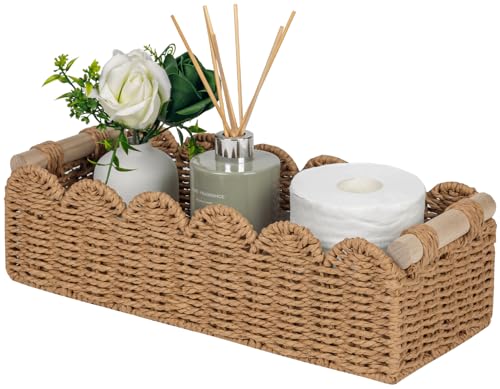
MULTIPURPOSE USE: Our scalloped edge paper rope decor basket adds personality and charming addition to bedroom, living room, bathroom, nursery and space-floating shelves, over toilet storage shelf, end table, nightstand, storage cabinet, bookcase and more, also serves well for small items, beauty products, cleaning supplies, and more

Premium Materials: This storage basket is crafted from premium natural cotton rope, featuring tightly woven construction. The soft, comfortable cotton rope is safe and non-toxic, ensuring both durability and longevity

Included in Your Purchase: One large rattan box (11" x 8" x 5"), elegantly finished in a sophisticated black color.
Maintain Cohesion With Color Schemes and Themes
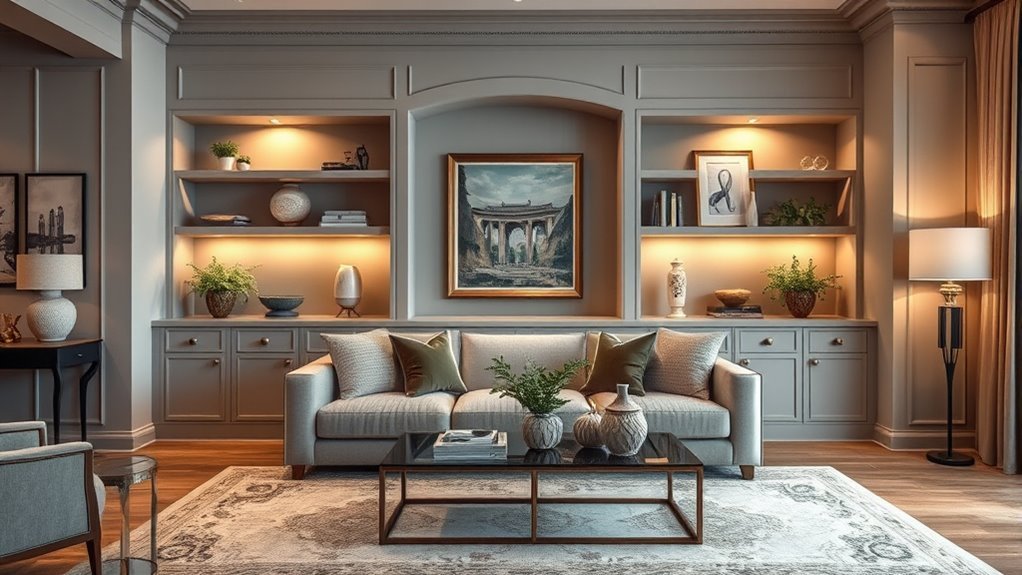
A disciplined color scheme ties diverse books and objects into a single calm display. Pull your base neutrals and accent color from your living room rug, upholstery, and window treatments, then weave those shades evenly from top to bottom and left to right.
If your room combines cream upholstery, matte black iron hardware, and warm oak furniture, echo cream through book spines and matted prints, black through picture frames and iron bookends, and oak tones through woven baskets or wood bowls. Distribute each color in a loose diagonal pattern across the unit so one side never looks darker or heavier than the other.
When a shelf still feels noisy, strip away any item whose color does not appear at least twice elsewhere on the unit. If you love novels with bright, clashing jackets, group them inside a lower cubby, remove torn paper wrappers to show solid cloth boards, or slip a neutral linen cover over the brightest spines.
Add Lighting Without Damaging Displays
Integrated lighting turns living room built-ins into a warm evening backdrop, especially around a fireplace or media wall. Overhead picture lights, cabinet puck lights, diffused LED tape tucked behind the front face frame, or small rechargeable cordless lamps add depth and highlight textures after dark.
Choose warm-white LED bulbs (around 2700K to 3000K) that emit minimal heat and virtually no ultraviolet radiation. Avoid halogen puck lights or direct spotlights aimed at framed photographs, watercolor prints, or leather-bound books, as concentrated heat and light accelerate fading and warping.
To maximize a gentle glow, place a semi-reflective piece—such as a glazed ceramic vase, brass candlestick, or glass vessel—near lit shelves, and balance it with light-absorbing matte textures like linen boxes and woven rattan.
Recommended Products
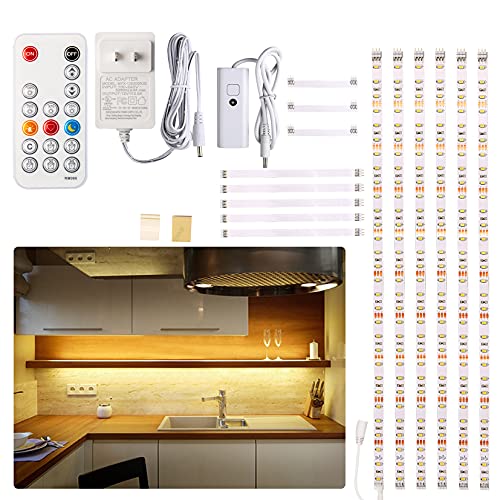
DIY LED light strip: 6 PCS pre-cut strips, total 9.8 ft,many kinds of connection option,Great way to upgrade your cabinets,closet,desk,bookshelf,bed,wardrobe,display case,bedroom,workbench etc
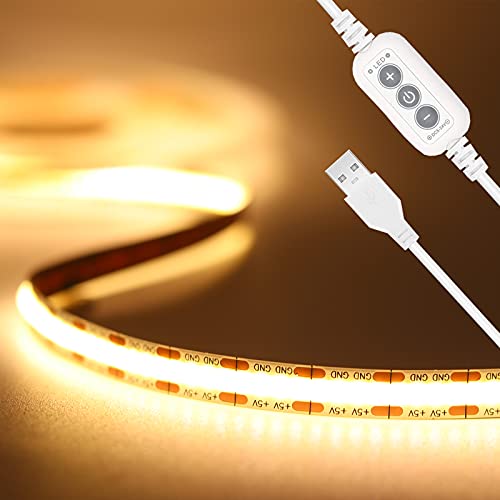
【Brighter TV Backlight】With 640LEDs in total(320LEDs/m),PAUTIX warm white COB USB LED strip lights creates brighter and super even lighting performance,which is ideal for reducing eyestrain(watching TV in the dark causes the eyes to constantly adjust between a bright screen and dark surrounding area)
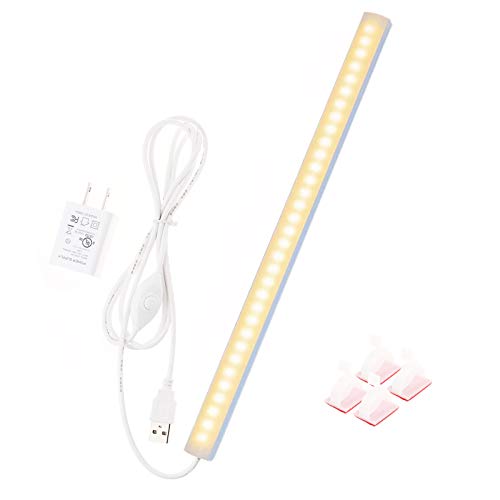
💡Wonderful Under-counter Light Fixtures -- Works great with warm bright color and super brightness, each light bar has 33 LEDs, covering a wide range. The warm light color is pleasant. Great compact light that allows a lot of possibilities.
Allow Your Shelves to Evolve Over Time
The best-styled built-in shelves evolve naturally as your seasons, reading habits, and collections change. Once you finish your initial arrangement, use a quick camera check to fine-tune the balance and live with the layout for a few days before buying anything new.
- Run the phone camera test: Stand back and take a straight-on photo of the entire wall. Viewing the shelves on a small screen—especially with a black-and-white filter turned on—instantly reveals whether one side feels too dark, too empty, or overcrowded.
- Fix common imbalances quickly: If a shelf looks cluttered, remove one small item and widen the gap between groupings. If a cubby looks flat, elevate one object on a two-book stack or add a trailing plant to break the horizontal shelf line.
- Rotate seasonal textures lightly: Swap in cut flowering branches and lighter ceramics in spring, or introduce warmer brass, wood, and dried foliage in autumn without redoing the entire bookcase.
- Follow a one-in, one-out rule: Whenever you bring home a new piece of art, pottery, or travel keepsake, retire an older accessory so your negative space stays intact.
Key Takeaways
- Use the two-thirds fill rule: Fill roughly 60% to 70% of each shelf with grouped books and decor, leaving 30% to 40% open so the back panel shows through.
- Zone by vertical height: Place heavy storage baskets and oversized books on bottom shelves, personal frames and favorite reads at eye level, and lighter taller vessels on top.
- Layer deep shelves front to back: Lean framed art against the rear panel, place a medium vessel or book stack in the middle, and offset one small accent near the front lip.
- Repeat materials and colors diagonally: Echo three to four textures (wood, ceramic, metal, woven fiber) and your room’s 60-30-10 color palette in a staggered zig-zag across the wall.
- Prioritize preservation and safety: Keep original photos and paper art out of direct sunlight or hot lighting, and wall-anchor any freestanding shelving unit.
Frequently Asked Questions
What are common shelf design mistakes?
The most common shelf design mistakes are overcrowding every cubby, lining up too many tiny knick-knacks of the same height, shelving all books vertically, ignoring negative space, and using colors that clash with the room. Pushing books all the way against the back wall on deep shelves or placing heavy items on top shelves also throws off visual balance and safety.
How do you style deep built-in shelves?
Style deep built-in shelves in three front-to-back layers rather than a single flat row. Lean large framed art, trays, or platters against the back wall, place medium vases, bowls, or horizontal book stacks in the middle, and add one low accent near the front edge. Pull upright book rows forward to sit 1 to 2 inches behind the front shelf lip.
Are floating shelves in a living room out of style?
Floating shelves are not out of style when they use thick, well-proportioned wood or masonry slabs and match the architecture of the room. They look dated only when thin, short boards are hung on a large wall and crowded with matching mass-produced signs or tiny trinkets instead of real books, art, and pottery.
How do you stage built-in shelves?
To stage built-in shelves for real estate photos or showings, remove personal family portraits, pack away at least half of your everyday items, and leave 40% to 50% of each shelf empty. Stick to neutral books, large ceramic vessels, woven baskets, and simple greenery so buyers focus on the built-in carpentry rather than your belongings.
How many items should you put on each shelf?
Most standard shelves look balanced with one to two groupings made up of one large anchor piece, one medium companion, and an optional small accent. Narrow cubbies under 18 inches wide often need only a single statement bowl, basket, or book stack, while wider shelves can hold three to five varied pieces arranged in visual triangles.
Should books be arranged by color or category?
Arrange books by subject or author if you browse your library regularly, and by spine tone if your built-ins serve primarily as living room decor. A practical middle ground is keeping frequently read books grouped by category on accessible middle shelves while assembling neutral or color-coordinated book stacks in high-visibility display cubbies.
How do you balance two built-in bookcases flanking a fireplace or TV?
Balance flanking bookcases through symmetrical visual weight rather than identical mirroring. Use matching storage baskets on the bottom shelves of both units to anchor the wall, then stagger your book stacks, framed art, and ceramics on opposite diagonals so the left and right sides feel equally full without looking copied.
Conclusion
Well-styled built-in shelves bring warmth, storage, and personality to a living room without overwhelming the space. Start by clearing a single bookcase section today, sort your favorite books and vessels by height and color, and build each shelf from large anchors to small accents while leaving plenty of breathing room.
Sources
- U.S. Consumer Product Safety Commission: Anchor It: Supports the recommendation to wall-anchor freestanding shelving and store heavy items on lower shelves.
- Library of Congress: Care, Handling, and Storage of Photographs: Supports guidance on protecting family photographs from light, humidity, and heat fluctuations.
- Library of Congress: Care, Handling, and Storage of Works on Paper: Supports advice on preserving paper art, documents, and prints displayed on open shelves.
- Library of Congress: Limiting Light Damage: Supports the guidance on avoiding direct sunlight and high-heat lighting on books, paper art, and photographs.
- W3C Web Accessibility Initiative: Image Alt Text Tips: Backs the use of concise, descriptive alt text for article images.



[…] How to Style Built-In Shelves in a Living Room: Step-by-Step Guide […]