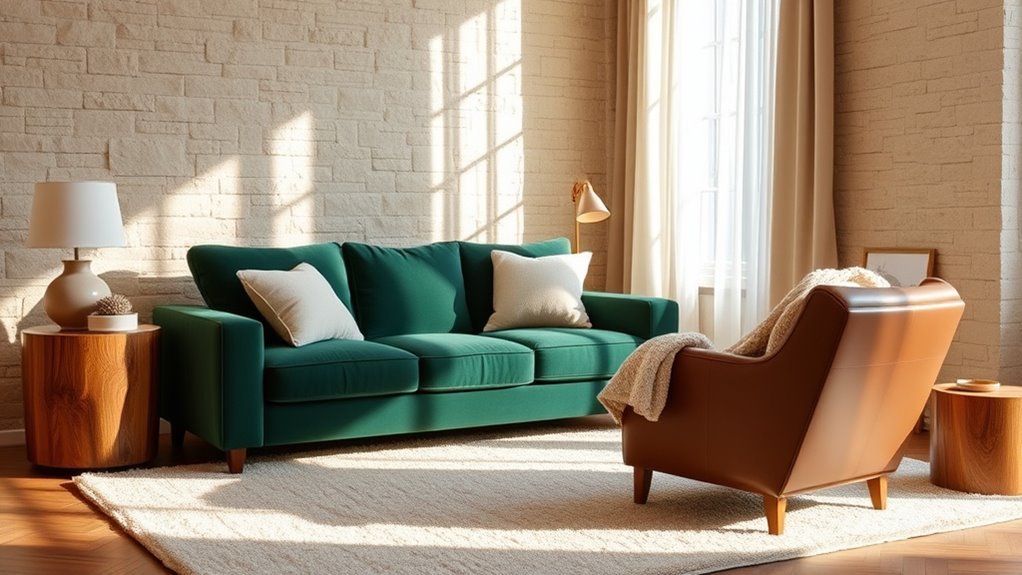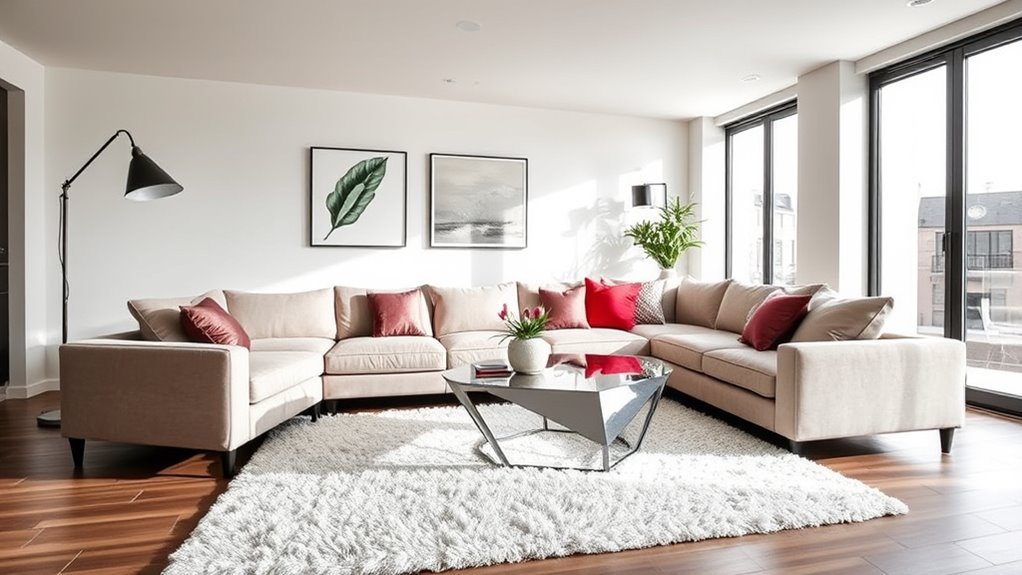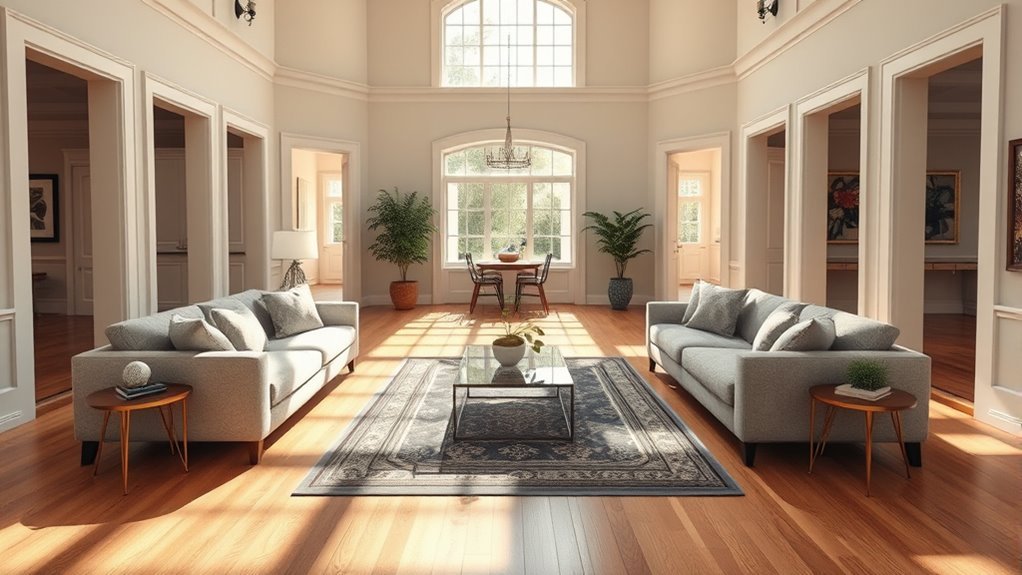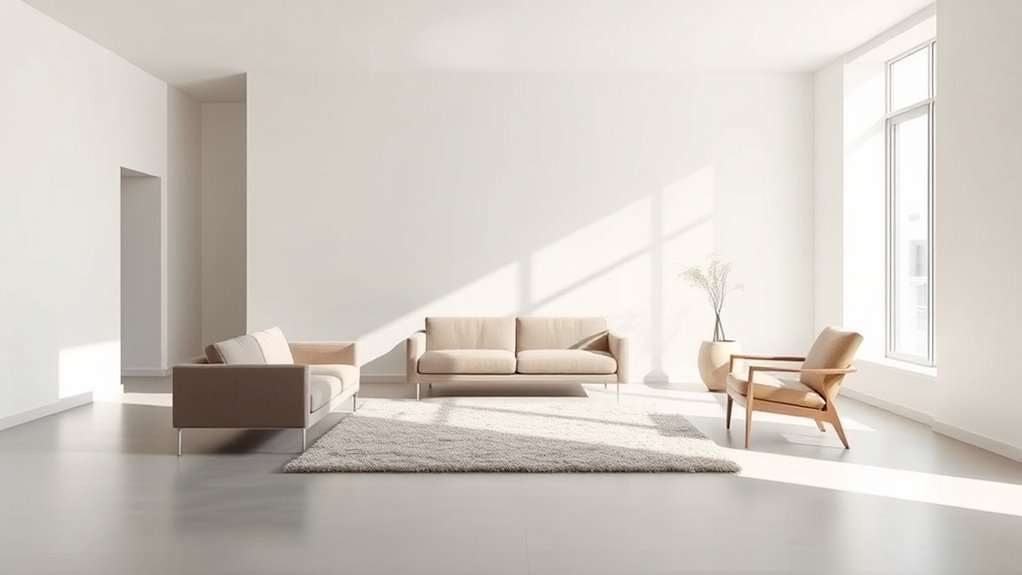
Negative space in a living room is the intentional open space around furniture, decor, walls, windows, and walkways. It is not wasted space. Used well, it makes the room easier to move through, gives focal pieces more visual impact, and reduces the feeling of clutter. Start by clearing the main routes through the room, choose the sofa, fireplace, artwork, view, rug, or statement chair that deserves attention, then remove or reposition anything that competes with it. The goal is not to make the room bare. It is to give every useful piece enough space to be seen and used comfortably.
Quick Answer
Negative space in a living room is the open area around furniture, decor, and architectural features. It helps the room feel balanced, uncluttered, and easier to navigate. Use it by protecting clear walkways, giving focal pieces room around them, simplifying busy surfaces, and leaving some walls or corners intentionally unfilled.
Key Takeaways
- Negative space is the open area around the “positive” elements in the room, such as furniture, art, lamps, plants, and architectural details.
- A good living room needs both filled areas and open areas; too much furniture can make even beautiful pieces feel lost.
- Start by choosing one or two focal points, then leave clear space around them so the room feels intentional.
- Use the Flow, Focus, and Function test to decide whether an empty area is useful negative space or an awkward gap that needs adjustment.
- Keep main walkways open, simplify surfaces, and use closed storage to reduce visual clutter.
- Negative space works in minimalist, traditional, colorful, and maximalist rooms. It is about balance, not emptiness.
At a Glance
| Time Required | About 30 minutes for a basic edit; a full room reset varies by room size and the amount of furniture or clutter |
| Difficulty | Easy to moderate |
| Tools Needed | Tape measure, boxes for decluttering, painter’s tape, phone camera, optional floor plan app |
| Cost | Usually $0 if you rearrange and edit; optional cost for storage, lighting, or better-scaled furniture |
What Is Negative Space in a Living Room?
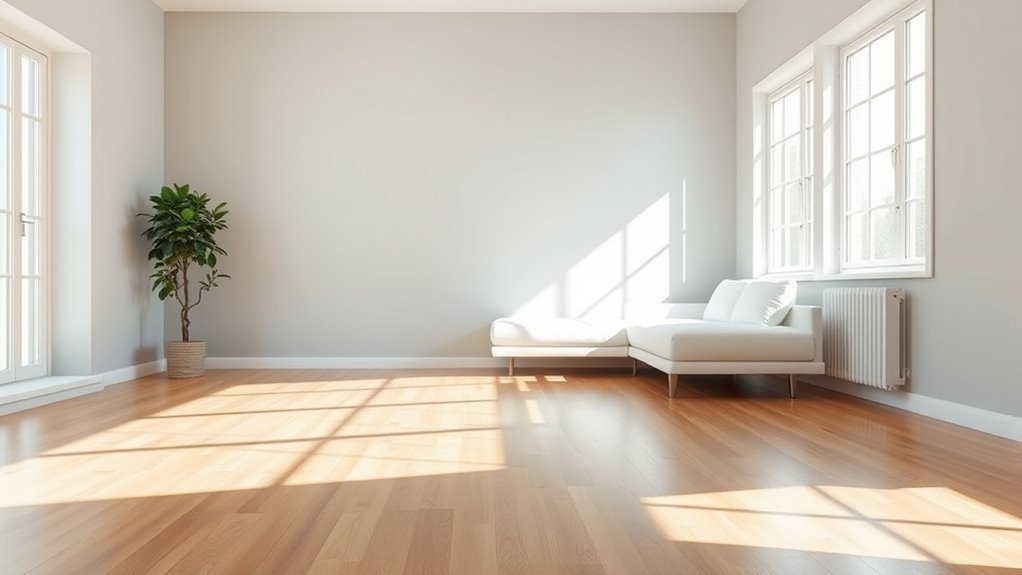
In design, negative space, also called white space, is the empty area around a positive shape. In a living room, the positive shapes are the sofa, chairs, coffee table, rug, lamps, artwork, shelves, plants, windows, and fireplace. The negative space is what surrounds those pieces: open floor, blank wall, breathing room between furniture, and the quiet area around a focal point.
The Interaction Design Foundation (IxDF) defines negative or white space as the empty area around a positive shape and explains that it helps define boundaries and bring balance to a composition. That principle translates well to interiors. A sofa looks more intentional when it is not crowded by too many side tables, pillows, baskets, and accessories. A fireplace feels stronger when the wall around it is not overloaded. A sculptural chair becomes easier to notice when its outline is not visually competing with nearby objects.
Note: Negative space does not have to be white, empty, or minimalist. A patterned rug, colorful wall, or richly layered room can still have negative space if the layout gives the eye places to rest.
Why Does Negative Space Matter in a Living Room?
Negative space affects how a room looks, feels, and functions. When every wall, surface, and corner is filled, important pieces have to compete for attention. Open areas create contrast and visual hierarchy, which makes it easier to recognize the sofa, fireplace, artwork, window view, or another feature as the room’s focal point.
In a living room, negative space can:
- Make a sofa, fireplace, artwork, or view feel like a true focal point.
- Create calmer transitions between seating, storage, and walkways.
- Help small rooms feel less visually crowded.
- Make large rooms feel deliberately zoned instead of filled at random.
- Reduce visual clutter on shelves, tables, and walls.
- Improve everyday movement through the space.
Designer guidance published by Homes & Gardens emphasizes that negative space supports circulation, separates zones, strengthens focal points, and remains useful even in richly layered or maximalist rooms. The goal is not a particular decorating style. It is enough separation for the room’s most important elements to register clearly.
What Does Negative Space Look Like in a Living Room?
Negative space is easiest to spot when you look at the room in zones. It may be the open floor between the coffee table and media console, the blank wall around one large artwork, the space between two accent chairs, or the clear area around a window. It may also be the top of a console table with only one lamp and one bowl instead of several unrelated objects.
Here are practical examples:
- A fireplace wall: One large mirror or artwork above the mantel, with fewer small accessories competing around it.
- A sofa wall: A sofa with open wall space on either side instead of art, shelves, and plants filling every inch.
- A reading corner: A chair, small table, and lamp with open floor around them so the corner feels inviting rather than stuffed.
- A coffee table: One tray, one book stack, or one vase, leaving part of the surface clear for everyday use.
- A window area: Low furniture or simple curtains that allow light, trim, and the view to remain visible.
The best negative space feels intentional. It should make the room look edited, not unfinished.
How Do You Use Negative Space in a Living Room?
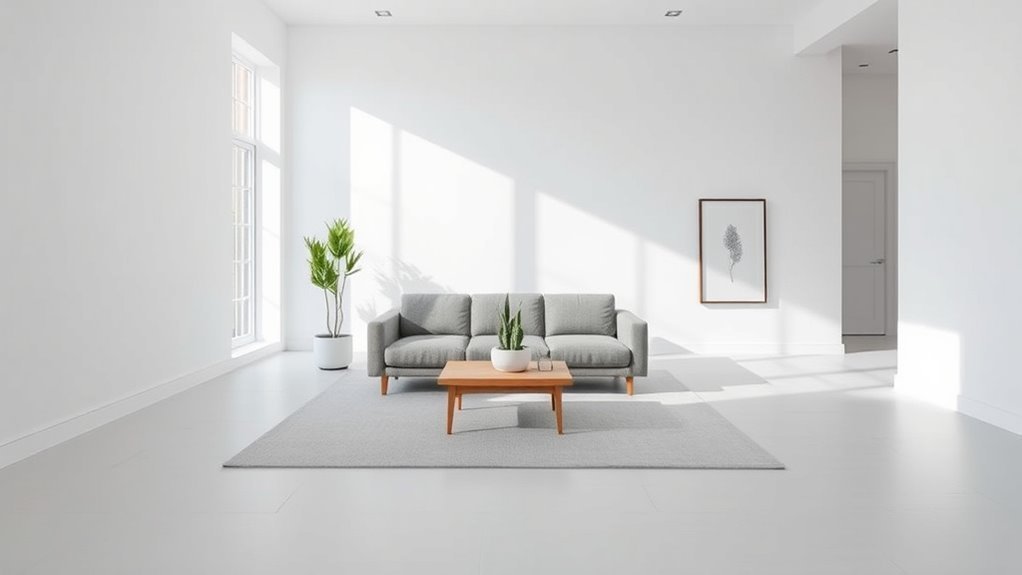
Start with editing before you buy anything new. Negative space usually comes from removing, rearranging, or simplifying rather than adding more decor. Walk into the room from the main entry and notice what your eye sees first. If everything competes for attention, choose one primary focal point and let the rest of the room support it.
- Choose the focal point. This might be a fireplace, sofa, picture window, media wall, large artwork, or statement chair.
- Clear the space around it. Remove small items that weaken the focal point, such as extra frames, duplicate lamps, or too many tabletop accessories.
- Open the main walkway. Make sure people can move from the entry to the seating area without weaving around furniture.
- Simplify surfaces. Edit coffee tables, side tables, shelves, and mantels until each surface has a clear purpose.
- Use closed storage. Baskets, cabinets, drawers, and boxes hide visual clutter better than open piles.
- Check the room from a distance. Stand in the doorway or take a phone photo. Scale problems and clutter are often easier to notice from another viewpoint.
If clutter tends to return with seasonal decorating, the same editing principle is used in our clutter-free seasonal living room guide: clear the room first, then add only the pieces that support the chosen focal areas.
Pro Tip: Remove one or two items from the busiest surface first, then reassess. If the focal point becomes clearer without making the room feel bare, continue editing in small steps.
Recommended Products

XXL Capacity for All Your Storage Needs, Measuring 21.7"D x 13.8"H, this spacious basket effortlessly holds family clothing, blankets, pillows, toys, and laundry. One basket to declutter your entire home

Natural Cotton Material – The 5-pack cotton rope storage baskets are made from 100% premium cotton rope. These soft woven baskets have no sharp edges, making them safe for kids and pets. Perfect for families, parents, and pet owners who value a clean, cozy, and well-organized home.
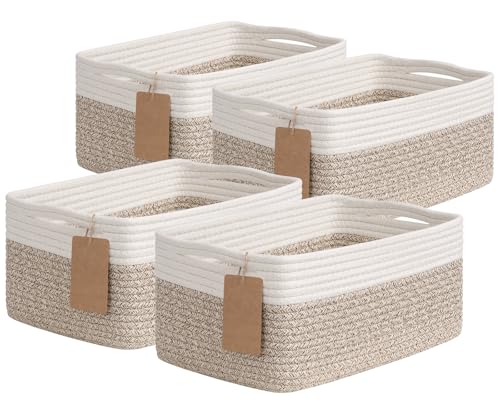
Perfect Size For Multiple Scenes: 13 x 8 x 6 inches rectangular design specifically crafted for shelf storage, closet organization, and under-bed spaces. Seamlessly blends into living room coffee tables, bedroom nightstands, bathroom counters, or nursery rooms — achieving whole-home organization with ease
How Does Negative Space Improve Living Room Function?
Negative space is not only about appearance. It also makes the living room easier to use. A room with open paths, visible surfaces, and well-spaced seating can support conversation, cleaning, play, reading, and entertaining without constant rearranging.
Improved Movement Flow
Clear floor space helps people move naturally between the entry, sofa, chairs, storage, and exits. If guests have to turn sideways to pass a coffee table or step around an ottoman, the layout needs more functional clearance. For accessibility-minded planning, a 36-inch continuous clear route is an important benchmark. The U.S. Access Board specifies a minimum continuous clear width of 36 inches for accessible routes, with limited reductions to 32 inches in certain short sections. Private residences are not automatically required to follow ADA standards, so treat this as an accessibility reference rather than a universal residential code rule.
Warning: Do not create “decorative” negative space by blocking real walking paths. A beautiful layout still needs safe routes around tables, cords, stools, and sharp furniture corners.
Enhanced Visual Clarity
Visual clarity means the room is easy to understand at a glance. You can tell where to sit, where to place a drink, what the focal point is, and how to move through the room. Negative space supports that clarity by reducing competition. Instead of many small objects fighting for attention, one lamp, one artwork, or one textured chair can become memorable.
How Much Negative Space Should You Leave?
There is no fixed percentage of a room that should remain empty. The useful amount depends on room size, furniture scale, household needs, and traffic patterns. These measurements are practical starting points rather than rigid design laws:
- Main walkway: About 36 inches is a useful target for a primary route when the room allows it. Accessibility standards use a 36-inch continuous clear-width benchmark, with limited exceptions.
- Sofa to coffee table: About 18 inches is a widely used starting point because it leaves legroom while keeping the table reachable from the sofa.
- Between seating pieces: Keep chairs close enough for comfortable conversation without allowing knees, tables, or chair arms to collide.
- Around statement furniture: Give sculptural chairs, large plants, and special tables enough surrounding floor or wall space for their outline to remain visible.
- On walls: Do not cover every blank area. One strong piece of art can have more impact than several smaller pieces competing for attention.
- On shelves: Leave a few deliberate open pockets instead of filling every inch. The right amount depends on the scale of the objects and the shelf.
Current designer guidance reported by Good Housekeeping recommends about 18 inches between a sofa and coffee table and at least three feet for main walkways. Use measurements as a planning check, then test the arrangement in the actual room before deciding that a gap is too large or too small.
How Does Color Affect Negative Space?
Color can make negative space feel calm, bold, warm, or dramatic. Light neutral walls often make open areas feel airy, while deep paint colors can turn blank wall space into a rich backdrop for a sofa, mirror, or artwork. The key is contrast. A walnut console against a pale wall, a cream sofa on a darker rug, or a colorful chair surrounded by quieter tones all use surrounding space to draw attention.
Try these color strategies:
- Use tone-on-tone storage in small rooms so cabinets and baskets visually recede.
- Let bold patterns breathe by pairing them with quieter walls, rugs, or curtains.
- Repeat one accent color in a few places instead of scattering many unrelated colors around the room.
- Use blank wall space deliberately so art, trim, windows, and lighting feel stronger.
If color itself is making the room feel busy, our relaxing living room color scheme guide explains how to simplify the palette before adding more decor.
How Should You Arrange Furniture to Create Negative Space?
Furniture arrangement is where negative space becomes most noticeable. A room can have beautiful pieces and still feel wrong if the layout is crowded, lopsided, or pushed entirely to the perimeter. Arrange furniture around function, sightlines, conversation, and traffic flow rather than trying to fill every available wall and corner.
Use these strategies:
- Float furniture when possible. Pulling a sofa or chair slightly away from the wall can make the seating area feel more intentional.
- Anchor the room with a rug. A rug can define the positive space of the seating area while leaving open floor around it.
- Limit single-use extras. Too many poufs, stools, side tables, and accent chairs can make the room harder to use.
- Balance visual weight. If one side has a bulky sectional, balance it with open space, a slim chair, or vertical art rather than automatically adding another heavy piece.
- Leave some corners empty. Not every corner needs a plant, basket, lamp, or pedestal.
In a small living room, negative space often comes from protecting the main route and choosing fewer secondary pieces around the sofa. In a large living room, the better solution may be two purposeful zones, such as a main seating area and a reading corner, with an open transition between them. In an open-plan room, those gaps can help separate living, dining, and work areas without adding walls.
Recommended Products

【Easy-Care Machine Washable Rug】 Designed for active households, this low-maintenance boho rug combines style with practicality. Conveniently machine washable (cold gentle cycle recommended), and do not add bleach. Maintain its vibrant print between washes with routine vacuuming or spot cleaning. Minor shipping creases naturally relax within days when laid flat – no extra effort needed.

Soft & Durable: This 8x10 area rug low-pile combines soft faux wool fibers with a 0.25-inch height for comfort. Tight weaving reduces shedding and edge fraying, making it perfect for high-traffic areas like living rooms, bedrooms, and entryways

PET FRIENDLY & NON-SLIP BACKING-9x12 area rugs featuring simple of colors while promising a luxurious feel underfoot. The blend of a hexagon pattern and a stylish design. Non-slip TPR backing makes the covering for bringing your space together. Make the most of your time at home with our pet-friendly and easy-to-clean area rugs. Elevate the floors of your home with this show-stopping and detailed rug
Is It Negative Space or Just Dead Space?
Intentional negative space improves the room. Dead space is an awkward unused area that makes the layout feel disconnected, underscaled, or unfinished. Before filling an empty area with another chair, plant, table, or basket, use three tests: Flow, Focus, and Function.
- Flow test: Does the open area create a clear walking route or comfortable separation between furniture? If yes, it is probably useful negative space.
- Focus test: Does the gap frame artwork, a fireplace, a window, architectural trim, or a statement piece? If yes, the openness is helping visual hierarchy.
- Function test: Does the space allow a door to open, a chair to move, people to gather, children to play, or the room to adapt when guests arrive? If yes, it has a practical purpose.
If the area passes none of those tests, check scale before adding decor. An undersized rug, tiny artwork, furniture pushed too far apart, or a seating group placed against the perimeter can create accidental emptiness. In a large room, build another useful zone instead of scattering small filler pieces. In a small room, protect circulation first and resist filling leftover gaps simply because they exist.
How Does Lighting Highlight Negative Space?
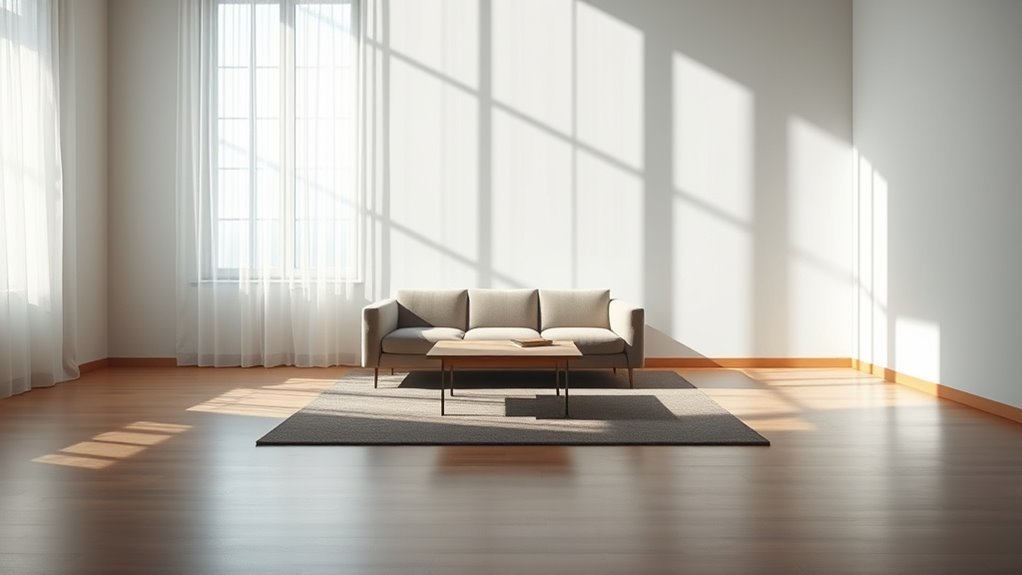
Lighting can make negative space feel warm and intentional instead of bare. Natural light highlights open floor and wall areas during the day. In the evening, lamps, sconces, picture lights, and dimmers shape what the eye notices first. Ambient lighting provides general illumination, task lighting supports reading or activities, and accent lighting highlights art, plants, shelves, or architectural details.
To use lighting with negative space:
- Keep windows clear enough for daylight to reach the room.
- Use floor lamps or sconces to define a reading corner without adding bulky furniture.
- Add picture lighting or a focused lamp near one artwork instead of filling the whole wall.
- Use dimmers so open areas feel soft at night rather than flat or shadowy.
- Avoid placing lamps in every empty spot; light the areas that support the room’s function and focal points.
Recommended Products

Multi-Function Dimmable Lamp: Vertical lamp includes an 12W dimmable LED bulbs that can be set to different color temperatures (3000K-6500K). 5%-100% dimmable brightness can be used to create different atmospheres and customize your favorite bedroom floor lamp.

[DIMMABLE FLOOR LAMP FOR BRIGHTNESS & COLOR] This tall lamp can use the remote control to adjust the brightness by stepless from 10% to 100% and color temperature from 3000K to 6000K, for warm white, natural white, and cool white light. You can adjust the brightness from super soft and cozy to bright and energizing, and switch between warm, natural, and cool light depending on your mood.
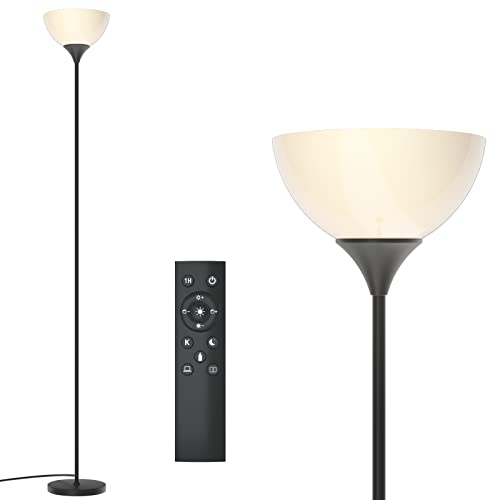
9W LED dimmable remote control bulb included; Floor lamp with 9W dimmer remote control led bulb that can be remotely controlled within 49 ft
How Do You Keep Negative Space From Looking Empty?
The biggest mistake is removing so much that the room loses warmth. Negative space should make the remaining pieces feel stronger, not make the room feel unfinished. If an area looks too bare, check scale before adding another decorative object. A too-small rug, undersized art, or furniture pushed to the perimeter can create accidental emptiness that another small accessory will not solve.
If the scale is right but the room still feels flat, add texture before adding clutter. A woven shade, linen curtain, wood table, plaster lamp, wool rug, or large plant can add depth while preserving openness.
Ask three questions before adding something to an empty space:
- Does this improve how the room works?
- Does this support the focal point or correct a scale problem?
- Would the room feel better if this area stayed quiet?
If the item does not improve function, scale, or focus, leave the space open. Empty areas can be part of the design.
What Are the Most Common Negative Space Mistakes?
Negative space works best when it feels deliberate. Avoid these common mistakes:
- Overcrowding the room: Too many chairs, tables, baskets, and accessories remove the visual rest the room needs.
- Leaving only awkward gaps: Random slivers of space between furniture do not feel intentional. Open areas should support flow, focus, or function.
- Ignoring scale: Oversized furniture can consume the room, while too many small pieces can make it feel busy.
- Filling every wall: Blank wall space can frame art, windows, millwork, or a fireplace.
- Using open storage for clutter: Open shelves are attractive when edited but quickly become visual noise when used as overflow storage.
- Forgetting lighting: A dark empty corner may look neglected, while targeted lighting can make an intentional zone feel complete.
- Going too sparse: Negative space should create balance, not make the room feel cold or unused.
Frequently Asked Questions
How do you fill negative space in a living room?
You do not always need to fill it. First decide whether the open area improves balance, flow, focus, or function. If it feels truly unfinished after checking scale, add one purposeful element such as a large plant, floor lamp, textured chair, oversized artwork, or closed storage piece instead of several small accessories.
What is negative space in a room?
Negative space is the open area around and between furniture, decor, and architectural features. In a living room, it includes blank wall space, open floor, gaps between furniture, clear tabletops, and the quiet area around focal points.
What does negative space look like?
Negative space can look like a clear walkway, a simple wall around one artwork, open floor around a chair, a coffee table that is not fully covered, or shelves with a few empty pockets. It looks intentional when it helps the room feel balanced and easy to understand.
Is negative space the same as minimalism?
No. Minimalism often uses a lot of negative space, but negative space can work in any style. Traditional, colorful, vintage, and maximalist living rooms still need open areas so patterns, textures, and statement pieces have room to stand out.
How do you use negative space in a small living room?
Choose fewer secondary furniture pieces, protect the main walkway, use closed storage, and avoid filling every wall or surface. In a small room, negative space may be modest, but even a clear path, simple coffee table, and uncluttered window area can make the layout easier to understand and use.
How can you tell negative space from dead space?
Use the Flow, Focus, and Function test. Useful negative space improves a walking route, frames an important feature, or supports how the room works. If an empty area does none of those things and makes furniture feel disconnected or underscaled, adjust the layout, rug, artwork, or furniture scale before filling the gap with small decor.
What are common negative space mistakes?
Common mistakes include overcrowding furniture, using too many small accessories, blocking walkways, choosing poorly scaled pieces, filling every wall, and removing so much that the room feels cold. The goal is balance: enough openness for clear movement and focal points, but enough texture and function for the room to feel lived-in.
Conclusion
Negative space changes how every other element in a living room is seen and used. Start with one practical reset: stand in the doorway, identify the main focal point, protect the clearest walking route, and remove one or two objects that compete for attention. Then use the Flow, Focus, and Function test before filling any remaining gap. Keep the pieces that improve the room, correct scale problems where needed, and let useful open areas remain part of the design.
Sources
- Interaction Design Foundation (IxDF) — The Key Elements & Principles of Visual Design — supports the definition of negative/white space and its role in boundaries and balance.
- Homes & Gardens — Why Negative Space Matters in Your Living Room — supports guidance on restraint, circulation, focal points, and using negative space in layered interiors.
- Homes & Gardens — 7 Ways Designers Use Negative Space — supports the point that negative space works beyond minimalist interiors.
- Real Simple — Negative Space Designer Tips — supports practical layout advice, scale, pathways, and avoiding unnecessary filler.
- U.S. Access Board — Chapter 4: Accessible Routes — supports the 36-inch continuous clear-route accessibility reference and its limited exceptions.
- Good Housekeeping — The Most Common Living Room Mistake, per Designers — supports planning around scale, sightlines, approximately 18 inches between sofa and coffee table, and three-foot walkways.
- The Spruce — Designers Say This Tiny Tweak Could Save Your Living Room From Looking Tacky — supports starting a decor edit by removing one or two unnecessary objects and reassessing visual clutter.
- Houzz — The Power of Negative Space in Interior Design — supports using open space to reduce distraction and emphasize important features.