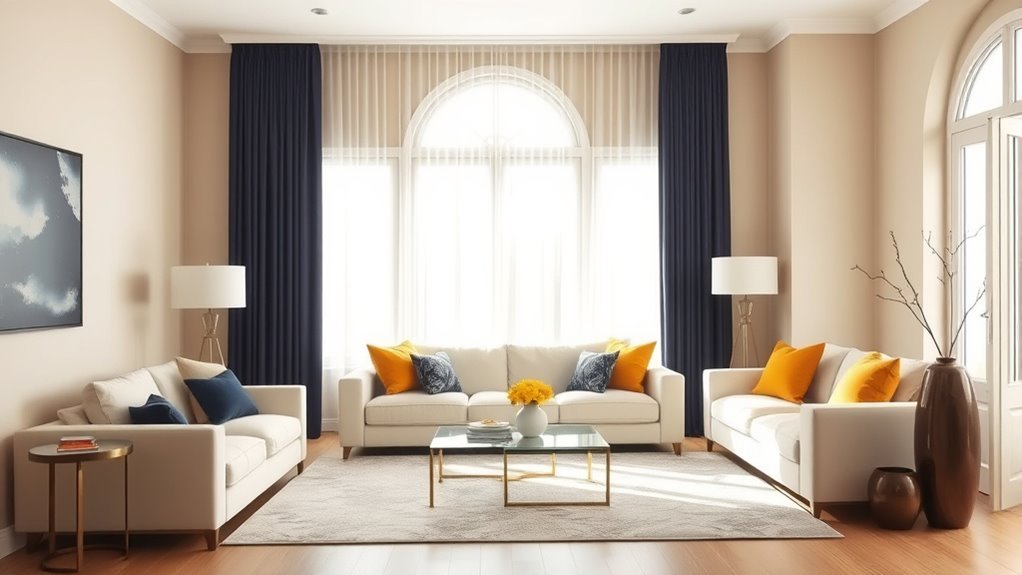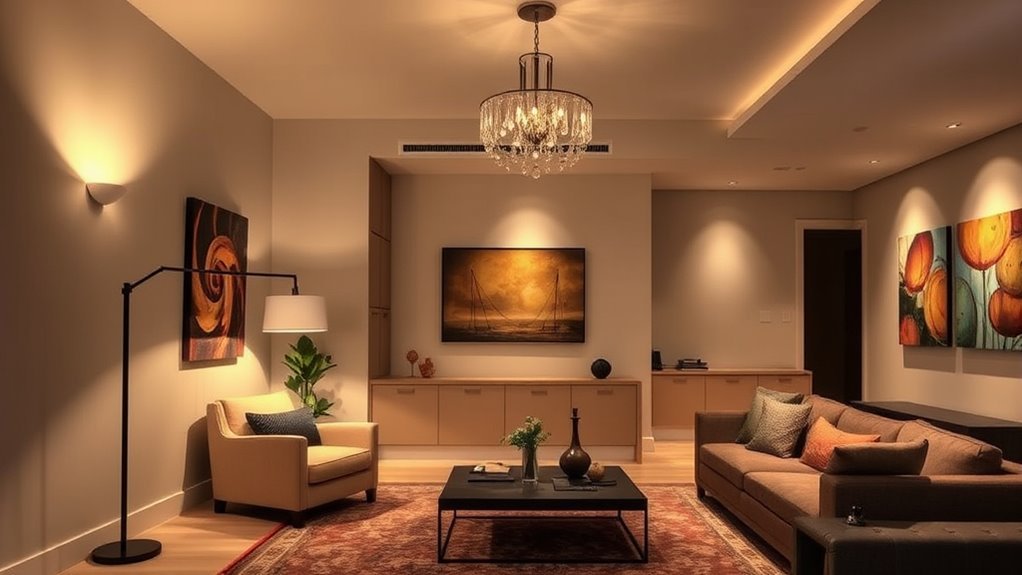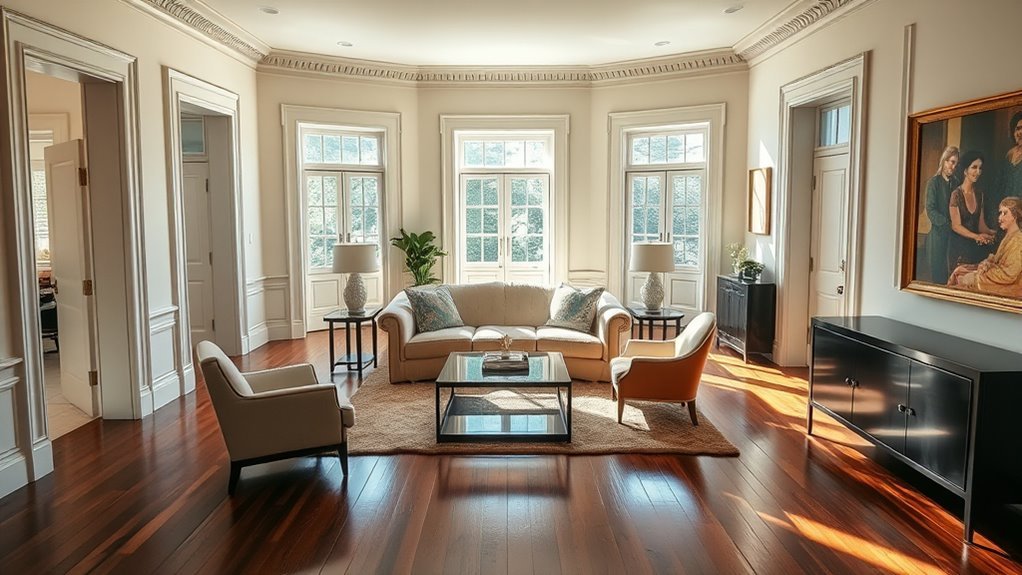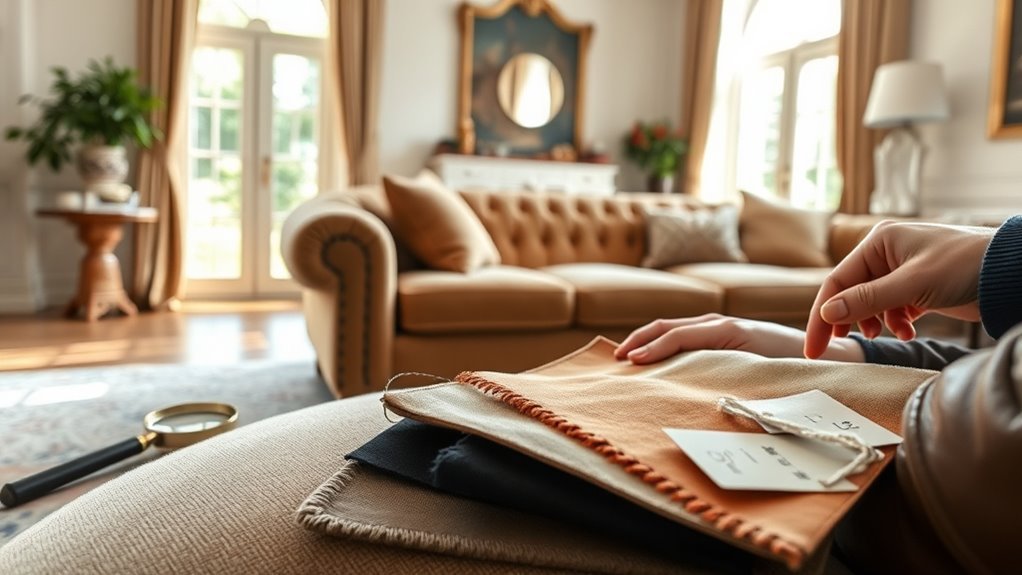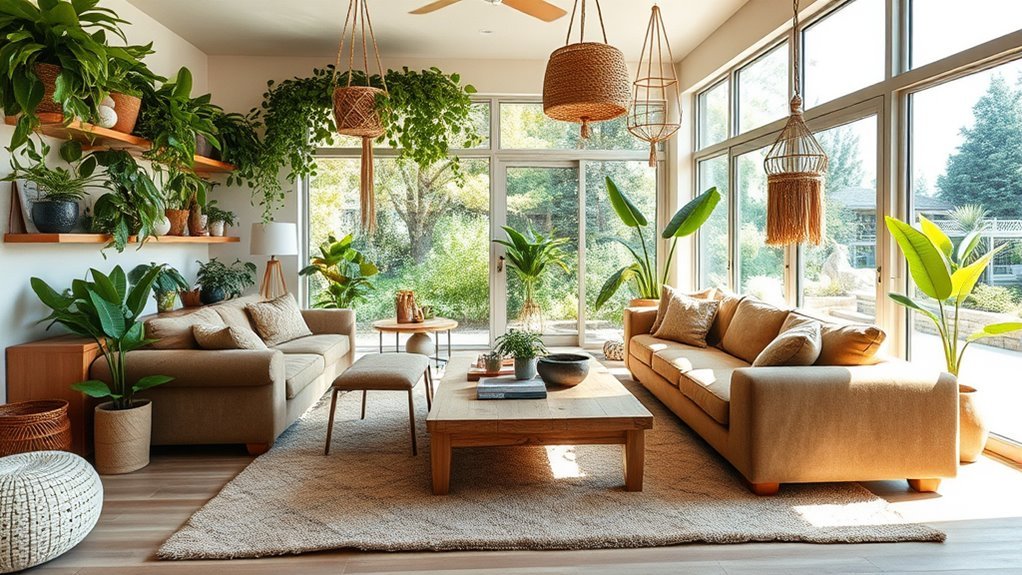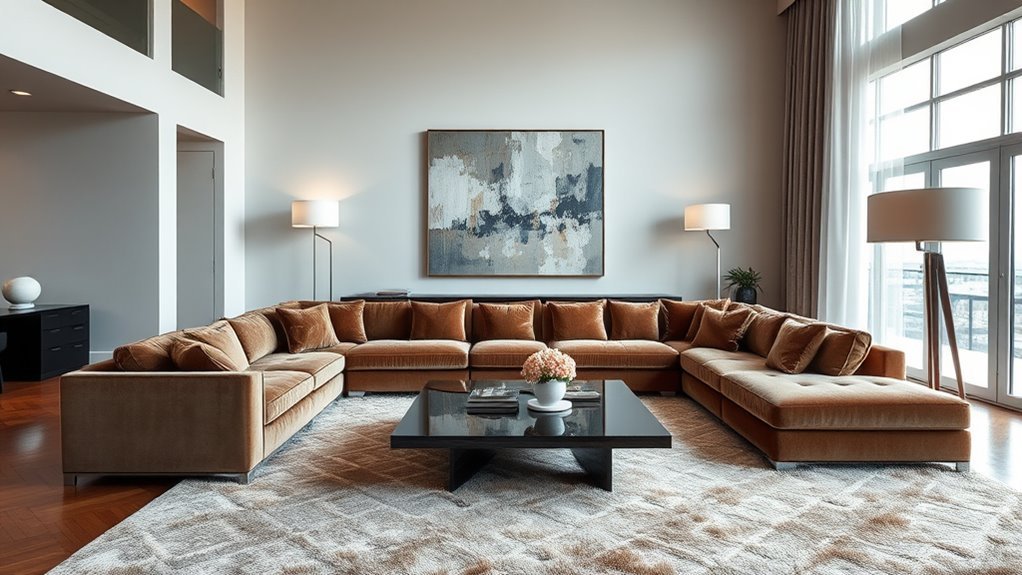
Scale and proportion in living room design are about choosing furniture, rugs, lighting, art, and decor that fit the room, fit each other, and still leave enough space to move comfortably. When these relationships feel right, the room looks intentional instead of crowded, empty, or awkward.
Quick Answer
Scale is how large a piece feels in relation to the room. Proportion is how well pieces relate to each other. In a living room, good scale and proportion mean the sofa, coffee table, rug, lighting, art, and walkways all feel balanced, useful, and comfortable.
Key Takeaways
- Start with the room’s length, width, ceiling height, doorways, windows, and traffic paths before buying furniture.
- Use one main anchor piece, usually the sofa, then size the rug, coffee table, chairs, lamps, and art around it.
- A piece can be physically small but visually heavy if it is dark, bulky, skirted, or blocky.
- Leave enough open space for movement; a beautiful layout fails if people have to squeeze around it.
- Rules like 60/30/10 color or the golden ratio can help, but comfort, function, and room measurements matter more.
At a Glance
| Time Required | 30–60 minutes to measure, tape out furniture, and sketch a simple layout |
| Difficulty | Beginner-friendly |
| Tools Needed | Tape measure, painter’s tape, notebook or graph paper, phone camera, and furniture dimensions |
| Cost | Free if you are planning with existing furniture; varies if you are buying new pieces |
Understanding Scale and Proportion in Living Room Design
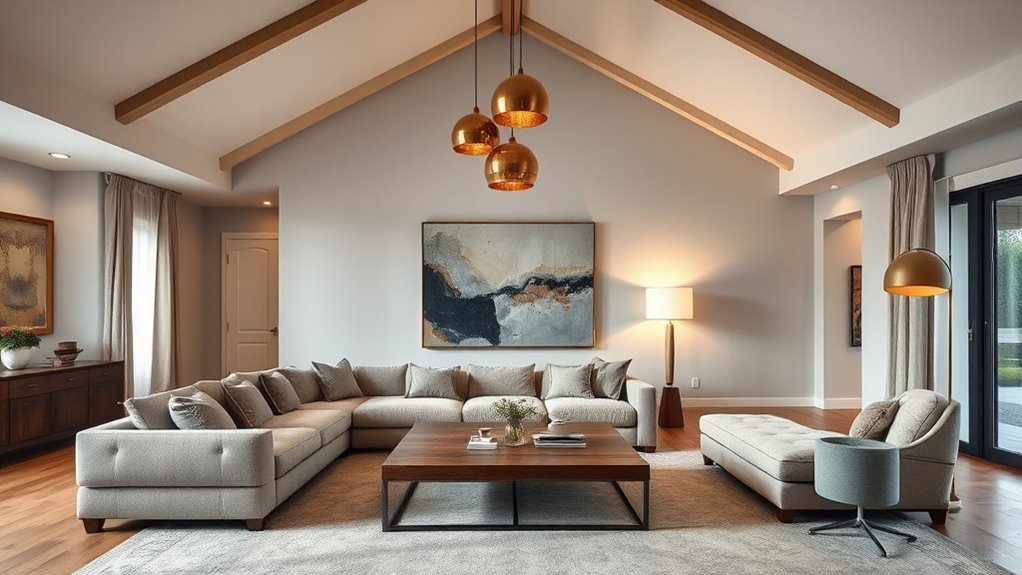
Scale is the size of an item compared with the room. A deep sectional, a slim loveseat, a tall bookcase, and an oversized pendant all create different scale relationships because they take up different amounts of physical and visual space.
Proportion is the size relationship between items. A sofa and coffee table may both fit the room, but they still need to relate to each other. A tiny coffee table in front of a long sofa looks lost. A massive square table in front of a narrow loveseat can block movement and feel heavy.
Think of scale as the room-level question: “Does this piece fit the space?” Think of proportion as the piece-to-piece question: “Does this piece look right beside the others?” Strong living room design needs both.
Note: Size is only one part of scale. Color, shape, legs, arms, fabric, pattern, and material all affect how large or heavy a piece feels.
Why Getting Scale Right Makes Your Space Feel Good
A living room feels better when furniture supports how people actually use the room. Seating should encourage conversation, tables should be reachable, lamps should be tall enough to light the right area, and walkways should stay open enough that no one has to turn sideways to pass.
Getting scale right also creates visual calm. When every item is too small, the room can look scattered and unfinished. When every item is too large, the room can feel cramped and hard to use. The goal is not to make every piece the same size; it is to make each piece feel intentional.
A room usually feels “off” when the biggest pieces, the empty space, and the traffic paths are fighting each other.
In small living rooms, one well-scaled anchor piece can look calmer than many tiny pieces. In large living rooms, you may need larger rugs, taller lamps, wider art, or multiple seating zones so the furniture does not look stranded.
Principles of Proportion in Decor: Achieving Balance Between Size and Shape
Good proportion starts with a focal point. This might be a sofa, fireplace, view, media wall, large artwork, or built-in shelving. Once you know the focal point, arrange the supporting pieces so they relate to it instead of competing with it.
- Match table height to seating height. A coffee table usually works best when it is close to the height of the sofa seat or slightly lower.
- Let the rug anchor the furniture. A rug that is too small can make sofas and chairs look like they are floating. A larger rug helps connect the seating area.
- Balance tall and low pieces. Pair low seating with floor lamps, drapery, shelves, art, or plants so the room does not feel bottom-heavy.
- Mix shapes with intention. Round tables can soften boxy sofas. Angular chairs can sharpen a room with many curved pieces.
- Use visual weight carefully. Dark, solid, skirted, or blocky items feel heavier than pale, raised-leg, glass, or open-frame pieces.
The golden ratio and 60/30/10 color rule can be useful starting points, but they are not requirements. A better test is whether the room feels comfortable, functional, and visually connected when you stand in the doorway.
Quick Measurement Rules for Living Room Scale
Before choosing furniture, measure the room and mark the main pieces on the floor with painter’s tape. This simple step helps you see whether a sofa blocks a doorway, whether a chair interrupts a walkway, or whether a coffee table feels too far away to use.
- Sofa to coffee table: Aim for about 16–18 inches as a comfortable starting point, then adjust for legroom, table shape, and reach.
- Main walkways: Aim for about 30–36 inches where possible. If accessibility is a priority, the 2010 ADA Standards for Accessible Design use 36 inches minimum for many accessible walking surfaces in public and commercial settings.
- Rug size: Choose a rug large enough to connect the seating area. At minimum, the front legs of the main seating pieces should sit on the rug when possible.
- Side tables: Keep them close to sofa or chair arm height so drinks, books, and lamps are easy to reach.
- Artwork over a sofa: Choose art that feels connected to the sofa width rather than tiny and isolated. A common design approach is to use art or a grouping that spans roughly two-thirds of the sofa width.
- Lighting: Scale lamps and pendants to the seating area. A tiny lamp beside a large sectional will feel underpowered, while a huge shade beside a small chair may feel top-heavy.
Pro Tip: Take a photo of the taped layout from the room entrance. Scale problems are often easier to spot in a photo than when you are standing inside the room.
Recommended Products

Soft & Durable: This 8x10 area rug low-pile combines soft faux wool fibers with a 0.25-inch height for comfort. Tight weaving reduces shedding and edge fraying, making it perfect for high-traffic areas like living rooms, bedrooms, and entryways

Ultra-Soft Low Pile Rug: Gent drizz living room rugs 8x10 made of Upgraded durable low pile faux wool fibers, 0.25'' thick, featuring a soft fuzzy density surface, soft and pliable to the touch, providing great comfort for your bare feet. The low pile makes it easy for your Large area rug to clean and is perfect for homes with kids and pets

Machine Washable & Easy to Clean: The surface features water-repellent performance for simple cleanup when drinks spill accidentally, reducing the chance of liquid soaking deep into fibers. You can wipe spills quickly with a towel, remove local stains via spot cleaning with a damp cloth, or regularly vacuum for daily upkeep. The whole rug supports machine washing for deeper cleaning
Tips for Choosing Scale and Proportion in Furniture
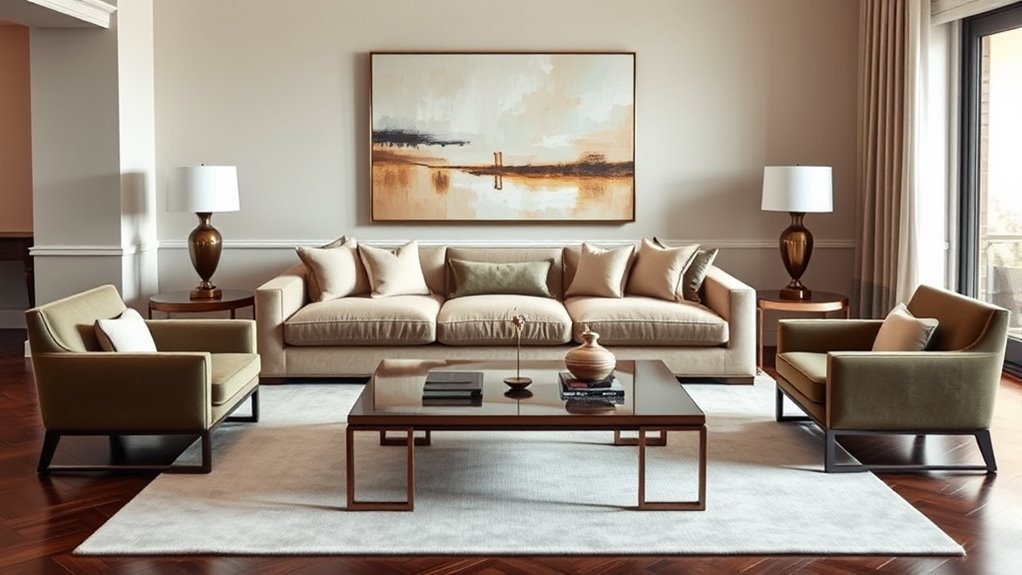
Choosing the right scale and proportion in furniture starts with the largest pieces. In most living rooms, that means the sofa, sectional, or pair of lounge chairs. Once the anchor piece is right, the rest of the room becomes easier to plan.
Recommended Products
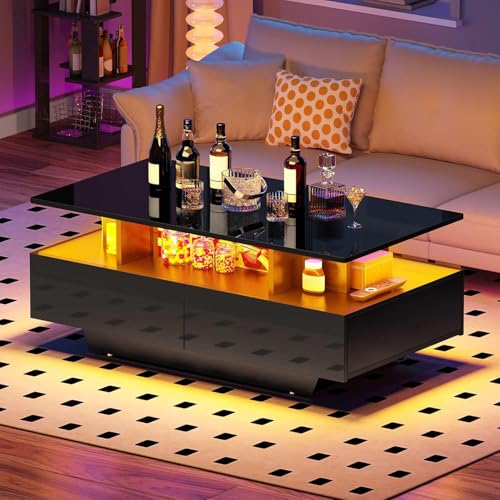
Set the Mood with LED Lights: You can easily switch between 16 stunning colors and 4 dynamic modes with the remote, creating the ideal vibe for any occasion. Whether you're winding down or hosting, this coffee table with storage adapts to your mood

Sturdy & Stable Coffee Table:HOMERECOMMEND wood storage tables are composed of durable steel metal tube frames and premium P2 Level MDF board, The round coffee table will be enough durable and stable to support stuff on the table.

【Timeless Style】Coffee tables combine grey wash patterns with black slatted sides and metal frames. Clean lines ensure a timeless style that complements any room decor and other furniture accessories.
Start With the Sofa or Main Seating
Measure the wall or area where the sofa will sit, then compare that measurement with the sofa’s full width, depth, and arm height. Do not judge by width alone. A sofa that is technically short enough may still feel too large if it is very deep, has oversized arms, or blocks the room’s natural path.
Choose a Coffee Table That Belongs With the Sofa
A coffee table should feel useful and connected to the seating. If it is too small, the room looks unfinished. If it is too large, it becomes an obstacle. Rectangular tables often work well with standard sofas, while round or oval tables can improve flow in narrow rooms or family rooms with children.
Use Rugs to Hold the Room Together
A rug is one of the easiest ways to fix proportion. If the rug is too small, the furniture looks disconnected. If the rug is large enough to sit under the front legs of the sofa and chairs, the seating area feels like one complete zone.
Balance Heavy Pieces With Lighter Ones
If you choose a large, dark sofa, balance it with raised legs, lighter side tables, glass accents, woven textures, or vertical elements like lamps and art. If your furniture is very slim and pale, add weight with a substantial rug, textured pillows, wood tones, or larger artwork.
Avoid These Common Mistakes in Scale and Proportion
Even beautiful furniture can look wrong when the size relationships are off. Watch for these common mistakes before you buy or rearrange anything.
- Buying before measuring. Always measure the room, doorways, stairways, elevators, and delivery path before ordering a sofa or sectional.
- Choosing a rug that is too small. A tiny rug can make the entire seating area feel disconnected.
- Ignoring depth. Sofa depth, chair depth, and table depth affect walkways as much as width does.
- Using only low furniture. A room with all low pieces can feel flat. Add height with lamps, art, shelves, curtains, or plants.
- Using only heavy furniture. Too many bulky pieces can make the room feel packed, even if everything technically fits.
- Forgetting negative space. Empty space is part of the design. It gives the eye a place to rest and gives people room to move.
Warning: Do not rely on showroom photos alone. Furniture often looks smaller in large stores and staged photos than it will in a real living room.
Successful Living Room Designs That Showcase Scale and Proportion
Successful living room designs usually combine one strong anchor, a clear seating zone, enough open floor space, and a mix of heights and shapes. The room should look finished from the entrance and still function when people sit down, walk through, or gather.
Balancing Furniture Sizes
Start with the largest piece and make sure it does not overpower the room. Then choose supporting pieces that feel related. For example, a deep sectional may need a larger rug, a substantial coffee table, and taller lighting. A narrow apartment sofa may need slimmer tables, smaller-scale chairs, and wall-mounted lighting to preserve space.
- Use one main anchor piece instead of several competing oversized pieces.
- Repeat similar visual weight in different parts of the room so one side does not feel overloaded.
- Check the layout from the doorway, the sofa, and the main walkway.
Harmonizing Color Palettes
Color affects visual weight. Dark colors, bold contrast, and busy patterns can make a piece feel larger. Pale colors, open legs, and low-contrast fabrics can make a piece feel lighter. The 60/30/10 color approach can help beginners: use one dominant color, one secondary color, and a smaller accent color. Treat it as a guide, not a rule.
If your sofa is visually heavy, keep nearby pieces calmer. If your furniture is very neutral and light, use pillows, art, books, plants, or a textured rug to add depth.
Optimizing Room Layouts
A good layout supports movement and conversation. Place seating close enough that people can talk comfortably, but not so close that knees and table edges compete for space. In open-concept rooms, use rugs, lighting, and furniture backs to create zones without blocking flow.
- Float furniture slightly away from walls when the room allows it.
- Use a larger rug to define the seating area.
- Keep the main path through the room clear and predictable.
- Use lamps, curtains, shelves, or art to bring the eye upward.
How to Measure and Plan for Ideal Scale in Your Living Room
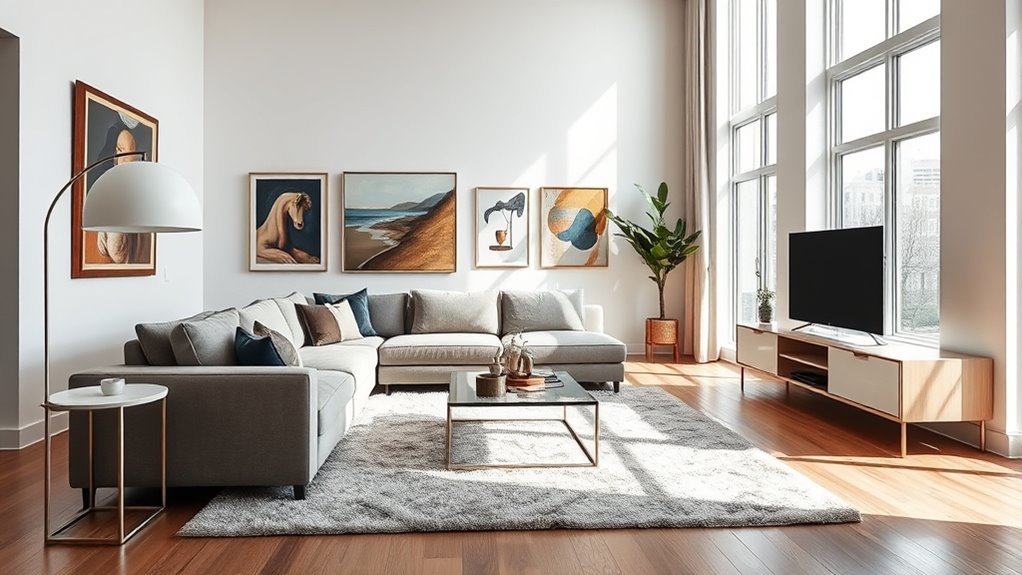
Measuring is the fastest way to avoid scale mistakes. You do not need design software. A tape measure, painter’s tape, and a simple sketch are enough to test whether a layout will work.
Recommended Products

Powerful Magnetic Hook: Rare earth magnetic hook securely grips onto ferrous metals.

2 Pack Soft Fashion Measuring Tape Set. Double sided, 60 inch / 150 cm, portable,durable tape measure. Small and light pocket size measuring tape.

Package Include:1 Pack Soft Retractable Black Dual Sided Tape Measure Body Measuring Tape Set, Dual sided, 150cm/60inch in length, large and clear markings in both Inches and CM for easier reading, Retractable black measuring tape size 2 x 2 x 0.5 inches, weight 0.02 KG/0.7 OZ
Understanding Room Dimensions
Measure the length, width, and ceiling height of the room. Then measure windows, doorways, fireplace openings, built-ins, radiators, outlets, vents, and the swing of each door. These details affect where furniture can sit and how tall or deep it can be.
Next, measure the path people naturally use to enter, cross, and exit the room. That path should stay open. A sofa, chair, ottoman, or plant that blocks the path will make the whole room feel smaller.
Choosing Furniture Proportions
Once you know the room dimensions, compare them with the furniture dimensions. Look at width, depth, height, arm thickness, leg style, and back height. A sofa with slim arms may fit a small room better than a shorter sofa with bulky rolled arms.
Use painter’s tape to outline the furniture footprint on the floor. Leave the tape in place for a day if you can. Walk around it, open doors, sit near it, and check whether the layout still feels natural.
Simple Planning Checklist
- Measure the room’s length, width, and ceiling height.
- Measure doorways, halls, stairs, and elevators for delivery clearance.
- Mark windows, doors, outlets, vents, and architectural features.
- Choose the focal point and main seating position.
- Tape out the sofa, chairs, coffee table, rug, and storage pieces.
- Check the main walkway and seating-to-table distance.
- Photograph the taped layout from multiple angles.
- Adjust before buying anything large or difficult to return.
Troubleshooting Scale Problems
If the room feels cramped, reduce depth before reducing comfort. A slimmer arm, raised-leg sofa, round coffee table, or wall-mounted storage can free up space without making the room feel bare.
If the room feels empty, increase the scale of the rug, art, lighting, or coffee table before adding random small accessories. One larger piece often looks more intentional than several tiny fillers.
If the room feels bottom-heavy, add height with curtains hung near the ceiling, a tall plant, a floor lamp, vertical artwork, or a bookcase.
If the room feels visually noisy, simplify the palette, reduce tiny decor, repeat materials, and leave more negative space around the focal point.
Frequently Asked Questions
What is scale in living room design?
Scale is how large a piece feels in relation to the room. A sofa, rug, lamp, or artwork has good scale when it fits the room’s size, ceiling height, architecture, and open floor space.
What is proportion in living room design?
Proportion is how well the sizes of different pieces relate to each other. A coffee table should feel right with the sofa, a rug should feel right with the seating area, and artwork should feel connected to the wall or furniture below it.
What is the quickest way to check furniture scale?
Tape the furniture footprint on the floor before buying. Mark the sofa, chairs, coffee table, rug, and storage pieces, then walk through the room. If movement feels tight or the taped shapes dominate the space, adjust the size or layout.
Should small living rooms only use small furniture?
No. A small living room often looks better with one well-scaled anchor piece than with many tiny pieces. The key is choosing furniture that leaves clear paths, suits the room’s depth, and does not block windows, doors, or traffic flow.
What is the other meaning of scale?
Outside design, scale can mean a measurement system, a ratio on a drawing, a weighing device, or the size at which something operates. In living room design, scale specifically means how the size of an object relates to the room and the people using it.
What is scale in business, and is it the same as design scale?
In business, scale usually means growing efficiently without costs rising at the same pace. In design, scale means size relationship. They are different uses of the same word, so a living room article should focus on design scale, not business growth.
Conclusion
Mastering scale and proportion in your living room is less about memorizing strict rules and more about noticing relationships. Measure first, choose one strong anchor piece, keep walkways clear, size the rug and tables to the seating, and balance heavy furniture with lighter shapes, height, and open space.
When every piece has the right relationship to the room and to the pieces around it, the living room feels easier to use, calmer to look at, and more inviting to spend time in.
Sources
- Better Homes & Gardens — How to Determine Scale When Decorating — supports the relationship between furnishings, room size, sight lines, and proportion.
- Homes & Gardens — Principles of Interior Design — supports balance, rhythm, emphasis, proportion, scale, and harmony as core design principles.
- Homes & Gardens — Living Room Layout Guide — supports planning around walkways, conversation zones, rugs, lighting, and furniture proportions.
- Good Housekeeping — Common Living Room Furniture Mistake — supports measuring sofas, delivery paths, coffee table spacing, and walkways before buying.
- ADA.gov — 2010 ADA Standards for Accessible Design — supports the 36-inch accessible walking-surface benchmark used as a helpful accessibility reference.