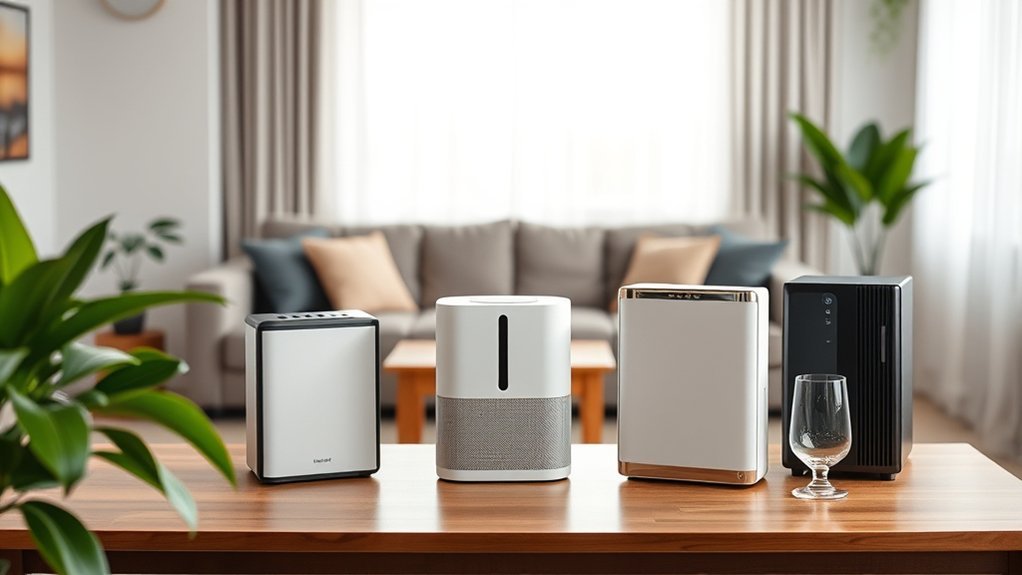
Could lowering moisture in your home ease asthma symptoms? A dehumidifier may be useful when indoor humidity is high and dampness is contributing to mold or dust-mite exposure. Aim for about 30% to 50% indoor relative humidity. However, evidence that mechanical dehumidification itself improves asthma control is limited, so use a dehumidifier as an environmental-control tool rather than an asthma treatment. It will not stop an asthma attack or replace prescribed medicine, an asthma action plan, or targeted trigger control.
Quick Answer
A dehumidifier may be worth using if your home is consistently damp, mold-prone, or above about 50% relative humidity and moisture-sensitive triggers are relevant to your asthma. Keep indoor humidity around 30% to 50%. Research has not shown strong evidence that dehumidifiers themselves improve asthma control, so treat humidity control as one part of a wider trigger-reduction plan, not as asthma treatment.
Key Takeaways
- A dehumidifier makes the most sense when indoor humidity repeatedly stays above 50%, or when you have condensation, musty odors, dampness, or mold risk.
- EPA guidance supports keeping indoor relative humidity around 30% to 50% to help limit moisture problems and mold growth.
- Clinical evidence that mechanical dehumidification improves asthma outcomes is limited. It should support, not replace, prescribed asthma treatment.
- If dust mites or another indoor allergen are relevant to your asthma, current NHLBI guidance favors a targeted, multicomponent allergen-reduction plan rather than relying on one measure alone.
- Use a hygrometer, fix leaks and moisture sources, maintain the dehumidifier, and reduce or stop use if over-drying causes discomfort or worsens symptoms.
Warning: If you are having an asthma attack, do not wait for a dehumidifier to help. Use your prescribed reliever medicine and follow your asthma action plan. Call emergency services if your medicine is not helping, breathing is still very hard, you cannot speak comfortably, lips or skin look blue or gray, or symptoms are getting worse quickly.
At a Glance
| What It Can Do | Lower excess indoor humidity and help control moisture conditions that support mold and dust mites. |
| What Evidence Shows | Humidity and moisture control are recommended for dampness and mold, but direct evidence that mechanical dehumidification improves asthma control is limited. |
| Humidity Target | About 30% to 50% relative humidity for most homes, measured with a hygrometer. |
| Best Fit | Homes or rooms with repeatedly high humidity, condensation, dampness, musty odors, or mold risk, especially when moisture-sensitive allergens are relevant to the person’s asthma. |
Does a Dehumidifier Help With Asthma?
A dehumidifier can help with asthma indirectly when excess moisture is contributing to indoor triggers. Damp conditions encourage mold growth and can create a more favorable environment for dust mites. For people whose symptoms are linked to mold or dust mites, reducing moisture can be one useful part of controlling exposure.
That environmental benefit should not be confused with proven improvement in asthma control. The Cochrane review of dehumidifiers for chronic asthma found little clinical benefit from mechanical dehumidification in most measured asthma outcomes, although the evidence base was small. The review was last updated in 2013, so it should be read as evidence of uncertainty rather than proof that humidity control can never help an individual home.
The National Heart, Lung, and Blood Institute centers asthma care on appropriate medicines, reliever treatment, trigger management, monitoring, and a written asthma action plan. A dehumidifier belongs in the environmental-control part of that plan, not in place of medical treatment.
What Does the Research Say About Dehumidifiers and Asthma?
The evidence is more cautious than many dehumidifier claims suggest. Lowering excess humidity can help control dampness and mold, and the EPA recommends keeping indoor humidity low enough to prevent moisture problems. But studies have not shown that simply installing a mechanical dehumidifier reliably improves asthma symptoms, medication use, quality of life, or healthcare visits.
The 2013 Cochrane review included two qualifying studies of mechanical ventilation or dehumidification approaches. It found no significant improvement in most asthma-control outcomes. Current NHLBI guidance also says that indoor-allergen mitigation studies provide limited evidence overall. When a person has symptoms linked to an identified indoor allergen, NHLBI conditionally recommends a multicomponent, allergen-specific approach rather than relying on a single intervention.
The practical takeaway is simple: use humidity control when the home is genuinely too damp, but judge asthma benefit by your own medically guided symptom plan rather than assuming that a lower humidity number will automatically improve asthma.
How Humidity Affects Asthma Triggers
Humidity matters mainly because it changes the indoor environment around you. High humidity makes it easier for mold to grow on damp materials and can create conditions that favor dust mites in bedding, upholstered furniture, carpets, and other fabrics.
The U.S. Environmental Protection Agency identifies both mold and dust mites as important indoor asthma triggers. Dust-mite body parts and droppings can trigger asthma in people with dust-mite allergy, while mold spores can trigger attacks in people who are sensitive or allergic to mold.
Over-drying is not the goal. EPA recommends an indoor relative-humidity range of about 30% to 50%. If you push humidity below that range and notice dryness, coughing, throat irritation, or other discomfort, reduce dehumidifier use and reassess.
Note: Humidity is only one possible asthma factor. Smoke, pollen, pets, pests, cleaning chemicals, combustion pollutants, cold air, viral infections, exercise, and outdoor air pollution can also matter. A dehumidifier will not address those triggers by itself.
What Indoor Humidity Level Is Best for Asthma?
For most homes, aim for 30% to 50% relative humidity. The EPA recommends keeping indoor humidity below 60% and ideally between 30% and 50% to help limit mold and moisture problems.
A small hygrometer is more useful than guessing by how the room feels. Check the room where dampness or symptoms are most noticeable, and remember that one reading does not represent the whole house. Basements, bathrooms, laundry areas, closets, and rooms with weak airflow can be much more humid than nearby living spaces.
- Below 30%: Below EPA’s recommended indoor range; reduce dehumidification if the air feels uncomfortably dry or irritating.
- 30% to 50%: EPA’s preferred range for most homes.
- Above 50%: A sign to watch for persistent dampness, condensation, mold, or dust-mite-friendly conditions.
- Above 60%: Above EPA’s preferred moisture-control level; look for leaks, ventilation problems, condensation, or inadequate dehumidification.
For asthma trigger control, the goal is not “as dry as possible.” The goal is measured humidity in a comfortable range while you address the actual moisture source.
How Do Dehumidifiers Fit Into Dust-Mite and Mold Control?
Dust mites and mold are both influenced by moisture, so a dehumidifier can be useful when a room is genuinely too humid. It can make damp rooms easier to keep within a controlled humidity range, but it should not be treated as a stand-alone asthma intervention.
For dust mites, current NHLBI guidance is especially important. If your asthma symptoms are related to an identified indoor allergen, confirmed by history or allergy testing when appropriate, the guideline favors a multicomponent allergen-specific strategy. For dust mites, that may include measures such as allergen-impermeable mattress and pillow covers, regular cleaning, damp dusting, appropriate vacuuming, and humidity control rather than relying on any single measure.
The EPA also recommends washing bedding regularly, using dust-proof mattress and pillow covers, and using a HEPA-filter vacuum on carpets and fabric-covered furniture. People with asthma or allergies should stay away from the area while vacuuming if disturbed dust triggers symptoms.
For mold, a dehumidifier can help control future moisture, but it does not remove existing mold. The EPA says the key to mold control is moisture control: fix the water problem, clean up existing mold, and dry wet or damp materials within 24 to 48 hours when possible.
EPA guidance says many mold areas smaller than about 10 square feet can be handled by homeowners following appropriate precautions. Larger areas, extensive water damage, sewage contamination, or suspected HVAC contamination may require more specialized remediation or professional guidance.
Pro Tip: Put the hygrometer several feet away from the dehumidifier’s air outlet. A sensor sitting in the machine’s driest discharge air may not represent humidity across the rest of the room.
Can a Dehumidifier Make Asthma Worse?
A dehumidifier can become unhelpful if it over-dries the room, is poorly maintained, or distracts you from the real moisture problem. If humidity falls below EPA’s recommended range and you notice dryness, coughing, throat irritation, or worsening breathing symptoms, raise the humidistat setting or stop the unit and recheck the room.
A dirty tank or filter also needs attention. Empty and clean the water container and maintain filters according to the manufacturer’s instructions so the appliance itself does not become dirty or musty.
Do not use a dehumidifier to cover up active water damage. Roof leaks, plumbing leaks, flooding, sewage contamination, wet carpet, or hidden moisture inside walls need to be repaired and dried. A dehumidifier may help lower room humidity during the process, but it cannot repair the source.
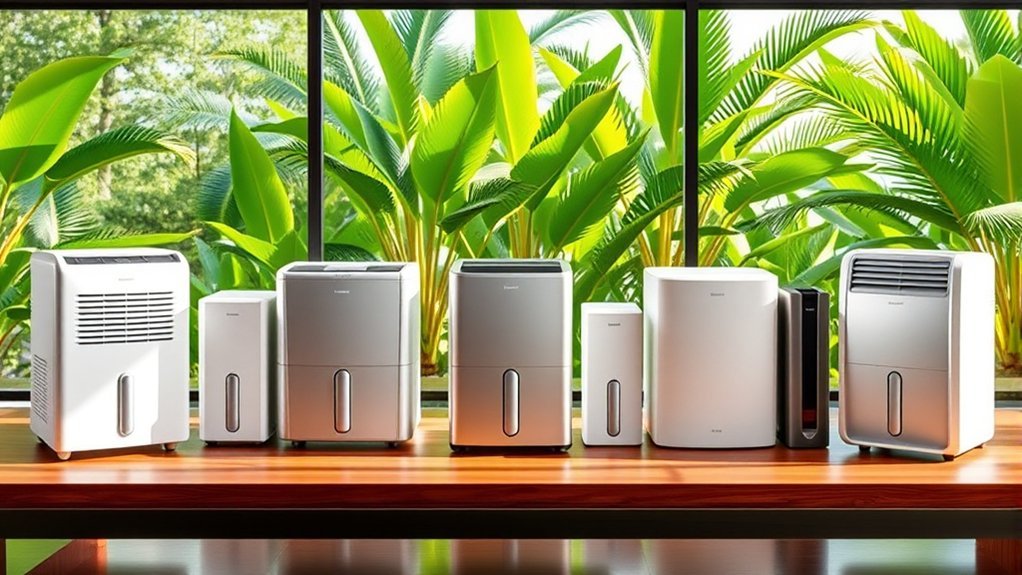
Which Type of Dehumidifier Is Best for Asthma Trigger Control?
Choose the type by the size and location of the moisture problem, not by asthma alone.
- Portable dehumidifier: A practical starting point when one bedroom, basement, bathroom, laundry area, or other enclosed zone is repeatedly too humid. Choose enough moisture-removal capacity for the room and dampness level.
- Whole-home dehumidifier: More appropriate when humidity is consistently high throughout a relatively well-sealed home with central HVAC. ENERGY STAR recommends proper sizing and installation for whole-home systems.
- Unit rated for cooler spaces: If the damp area stays cool, such as some basements or utility spaces, check the manufacturer’s operating-temperature range and defrost features rather than assuming every portable model will perform the same way.
- Small passive moisture absorber: Better suited to tiny enclosed spaces such as closets or cabinets. Do not rely on one for room-scale humidity control unless its manufacturer specifically rates it for that space.
Useful features include a built-in humidistat, automatic shutoff, a maintainable filter, sufficient daily moisture-removal capacity, and a safe drainage option. ENERGY STAR explains that dehumidifier capacity is measured by how much moisture the unit can remove over 24 hours and that larger or wetter spaces need more capacity.
Recommended Products

Semiconductor dehumidifiers use thermoelectric cooling to remove moisture from the air. They create a drier, more comfortable environment by reducing humidity and improving air quality.

【Ideal for Large Homes & Basements (Up to 5,000 Sq. Ft)】The Waykar 80 pint dehumidifier efficiently removes up to 80 pints of moisture per day in high-humidity conditions (95°F, 90% RH). In warmer, damp spaces like basements (86°F, 80% RH), it removes 62 pints/day. This dehumidifier for basement is perfect for large areas such as basements, bathrooms, bedrooms, and living rooms. Customize your space by adjusting the humidity level from 30% to 80%, creating a drier and healthier environment
How Do You Use a Dehumidifier Safely With Asthma?
Use the dehumidifier as a measured environmental-control tool rather than running it continuously without checking the room.
- Measure first. Put a hygrometer in the problem room and observe the readings. If humidity repeatedly rises above your target range, dehumidification may be useful.
- Start conservatively. Set the humidistat around 45% to 50% relative humidity rather than trying to make the room as dry as possible.
- Keep airflow clear. Follow the manufacturer’s placement instructions and keep intake and discharge areas unobstructed.
- Control the room. Close doors and windows while the unit runs when outdoor air is humid so the machine is not continuously trying to dry incoming outdoor moisture.
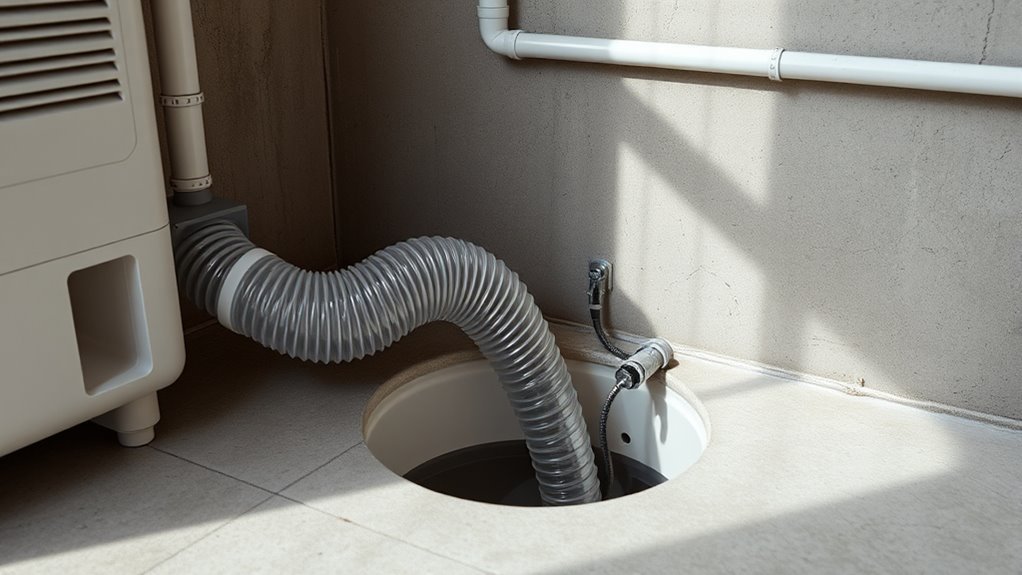
- Drain safely. Empty the bucket regularly or use an approved drain setup that cannot leak near electrical cords or create a trip hazard.
- Clean it regularly. Maintain the tank and filter exactly as the manufacturer directs.
- Track the result. Watch both the humidity reading and your symptoms. If breathing symptoms worsen, follow your asthma action plan and talk with your healthcare provider rather than continuing to adjust the appliance as if it were treatment.
Recommended Products

Upgrade High Efficient Dehumidification: Dehumidifier utilize semi conductor condensation technology, ensuring quiet operation while effectively extracting moisture from the air. This advanced feature helps keep humidity levels below 45%

POWERFUL 2,500 SQ. FT. COVERAGE - Stop letting sticky, heavy air dictate your comfort. The BANABIE dehumidifier utilizes a high-efficiency rotary compressor to deliver heavy-duty moisture removal, extracting 32 pints daily (at 95°F, 90%RH). Engineered with a smart integrated airflow system, this unit effectively covers up to 2,500 Sq. Ft., ensuring that your basement, crawl space, or large open floor plans stay bone-dry

Maintain the Right Room Temperature and Humidity Levels: This wireless indoor thermometer/hygrometer combination is perfect to pair with humidifiers or dehumidifiers
When Does a Dehumidifier Make Sense for Someone With Asthma?
A dehumidifier is most reasonable when indoor humidity repeatedly stays high and you also have evidence of excess moisture, such as condensation, musty odors, damp materials, recurring mildew, or mold risk.
It can be especially useful in humid climates, basements, bathrooms with weak ventilation, laundry areas, and homes where air conditioning does not adequately control moisture. If high humidity affects most rooms, a properly sized whole-home system or an HVAC and building-moisture assessment may make more sense than moving one portable unit from room to room.
A dehumidifier is less likely to affect asthma if your humidity is already within the recommended range or your important triggers are unrelated to dampness. NHLBI’s indoor-allergen guidance also advises against routine allergen-mitigation interventions for people who do not have sensitization to specific indoor allergens or symptoms related to those exposures.
Recommended Products

3 Smart Modes for Every Space — Whether you need everyday moisture control, faster clothes drying, or continuous protection in damp areas, this dehumidifier has you covered. DEHU mode maintains your ideal living room humidity. DRY mode speeds up drying delicate clothes indoors. CONT mode runs nonstop for basements, crawl spaces, and any area that never seems to dry out. All adjusted with a single tap on the LED touchscreen.

【𝐄𝐍𝐄𝐑𝐆𝐘 𝐒𝐓𝐀𝐑 𝐂𝐞𝐫𝐭𝐢𝐟𝐢𝐞𝐝 𝐟𝐨𝐫 𝐄𝐟𝐟𝐢𝐜𝐢𝐞𝐧𝐭 𝐏𝐞𝐫𝐟𝐨𝐫𝐦𝐚𝐧𝐜𝐞】Delivers consistent dehumidification across a variety of real-life conditions. Designed for energy-efficient operation, helping reduce excess power consumption and lower long-term energy costs without sacrificing performance

Dual-Core Power, Faster Performance: Say goodbye to sticky air and persistent dampness. Driven by advanced dual-semiconductor technology, this home dehumidifier reduces moisture twice as fast as single-core models. It extracts up to 40 oz (1182 ml) of water per day to keep indoor air fresh, helps protect your wooden furniture and reduces moisture that may contribute to wallpaper peeling. It is a compact dehumidifier for living rooms, bedrooms, bathrooms, and closets, it quickly creates a fresher, more comfortable space.
What Can’t a Dehumidifier Do for Asthma?
A dehumidifier lowers moisture. It cannot diagnose your asthma triggers, treat airway inflammation, replace prescribed medication, clean existing mold from surfaces, repair leaks, or stop an asthma attack.
It also does not work like an air purifier. A dehumidifier removes water vapor, while an air purifier is designed to filter particles or pollutants according to the type of filter it uses.
If you are not sure whether mold, dust mites, pets, pollen, pests, or another exposure is relevant to your asthma, talk with your clinician. NHLBI guidance notes that history and, when appropriate and feasible, allergy testing can help determine whether a targeted indoor-allergen strategy makes sense.
If you rent and have persistent leaks, dampness, or mold, document the problem and report it to the property owner or manager. Moisture-control problems need to be corrected at their source.
Frequently Asked Questions
Do dehumidifiers help people with asthma?
They may help control a damp indoor environment by reducing excess humidity that supports mold and dust mites. However, clinical studies have not shown strong evidence that mechanical dehumidification itself improves asthma control. Use it as one part of targeted trigger management, not as a replacement for prescribed asthma treatment.
What humidity level is best for asthma?
EPA recommends keeping indoor relative humidity around 30% to 50% for most homes. Use a hygrometer rather than guessing. If humidity is already in that range, additional dehumidification may not provide useful moisture control.
What is the 4-4-4 rule for asthma?
The “4-4-4” or “4x4x4” rule is best known from Australian asthma first-aid guidance for certain blue or grey reliever inhalers: four separate puffs, four breaths after each puff when using a spacer, then wait four minutes before reassessing. Asthma medicines and emergency instructions vary by medication and country, so follow your personal asthma action plan and local emergency guidance.
Do air purifiers dry indoor air?
No. Air purifiers are designed to filter particles or pollutants according to their filter type; they do not remove water vapor from the room. A dehumidifier controls moisture, while an air purifier filters air.
Is a humidifier or dehumidifier better for asthma?
Choose based on measured humidity, not asthma alone. If your home is excessively damp, a dehumidifier may help control moisture. If the air is unusually dry, additional dehumidification is unlikely to help. Aim to keep indoor relative humidity around 30% to 50% and follow your asthma action plan for symptom treatment.
What calms down an asthma attack?
Use the reliever medicine prescribed for you and follow your asthma action plan. Get emergency help if your medicine is not relieving symptoms, breathing remains very hard, you cannot speak comfortably, or symptoms are rapidly becoming severe. A dehumidifier cannot treat or stop an asthma attack.
Sources
- U.S. Environmental Protection Agency — A Brief Guide to Mold, Moisture and Your Home — supports indoor humidity targets, mold prevention, moisture-source control, drying wet materials, and mold-cleanup guidance.
- U.S. Environmental Protection Agency — Asthma Triggers: Gain Control — supports dust mites, mold, HEPA vacuum guidance, and indoor trigger-control recommendations.
- Cochrane — Dehumidifiers in the Home for Asthma — supports the evidence limitation: mechanical dehumidification has not shown significant benefit in most measured asthma-control outcomes.
- National Heart, Lung, and Blood Institute — 2020 Focused Updates to the Asthma Management Guidelines — supports targeted, multicomponent indoor-allergen mitigation and the limited evidence for routine allergen-reduction interventions.
- National Heart, Lung, and Blood Institute — Asthma Treatment and Action Plan — supports reliever medicines, controller treatment, monitoring, and asthma action plans.
- National Heart, Lung, and Blood Institute — Asthma Attack — supports emergency-care guidance when reliever medicine is not working or breathing remains very difficult.
- ENERGY STAR — Dehumidifiers — supports capacity, whole-home sizing, placement, efficiency, and dehumidifier-selection guidance.
- National Asthma Council Australia — Asthma First Aid — supports the Australian context of asthma first-aid instructions and the need to follow medication-specific guidance.
- WHO Guidelines for Indoor Air Quality: Dampness and Mould, via NCBI Bookshelf — supports the relationship between indoor dampness, mold, and respiratory health.
Conclusion
So, does a dehumidifier help with asthma? It may be useful when your home is genuinely too humid and dampness is contributing to mold or dust-mite exposure. Measure first and aim for about 30% to 50% relative humidity rather than making the room as dry as possible.
The evidence does not show that a dehumidifier by itself is a reliable asthma treatment. Fix leaks and mold sources, use targeted allergen-control measures when they are relevant to your asthma, maintain the appliance properly, and let your prescribed treatment and asthma action plan guide symptom management.