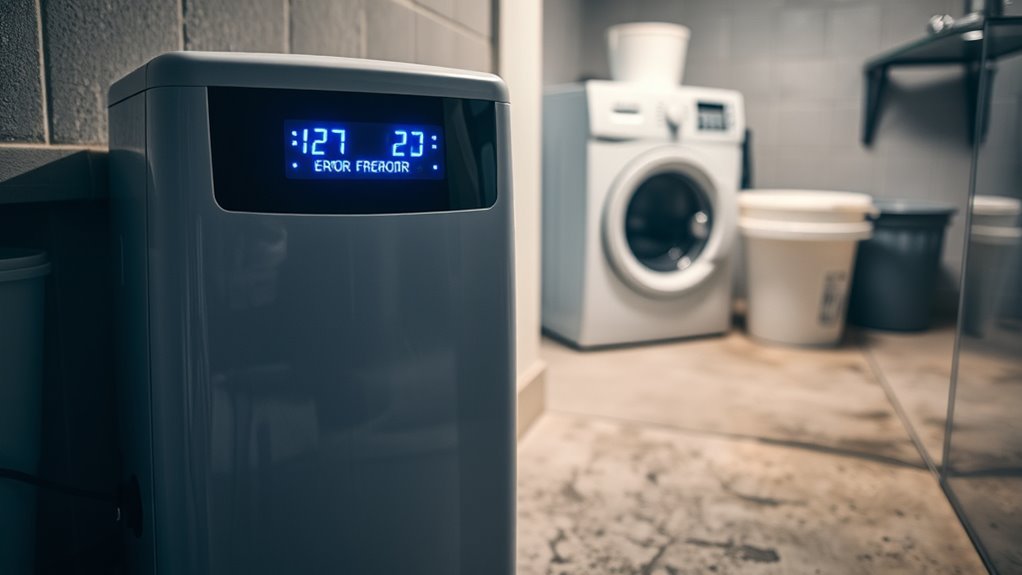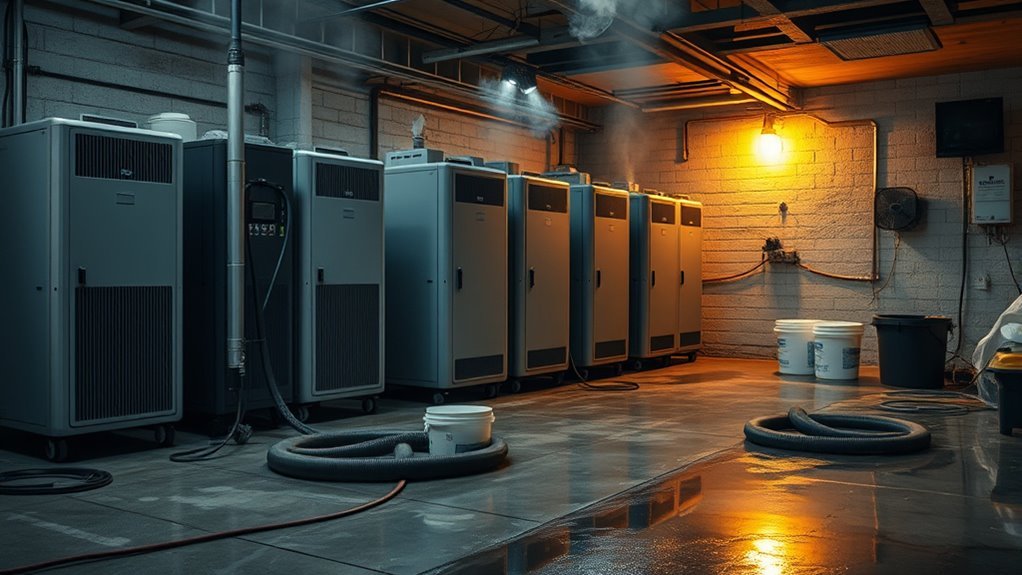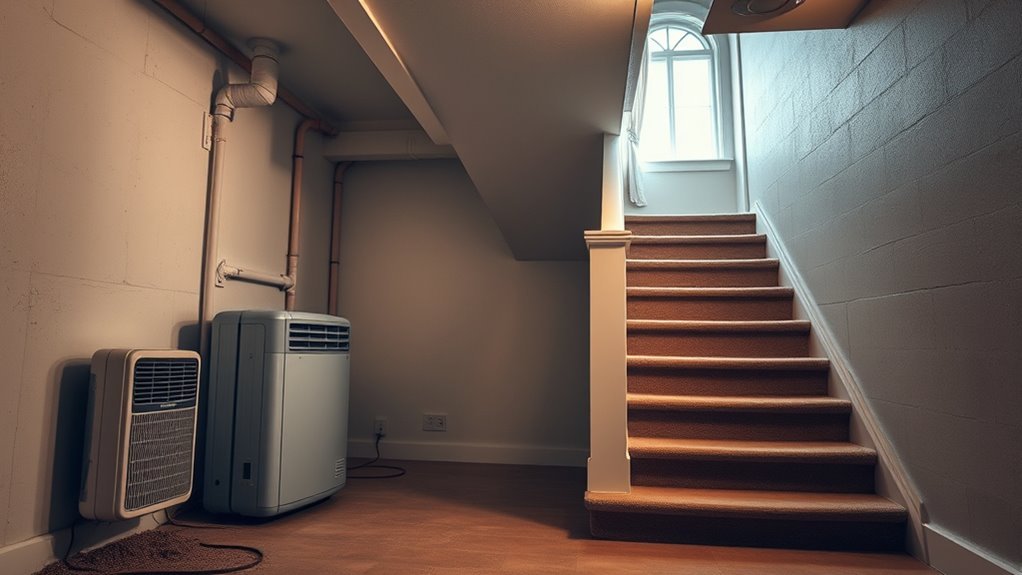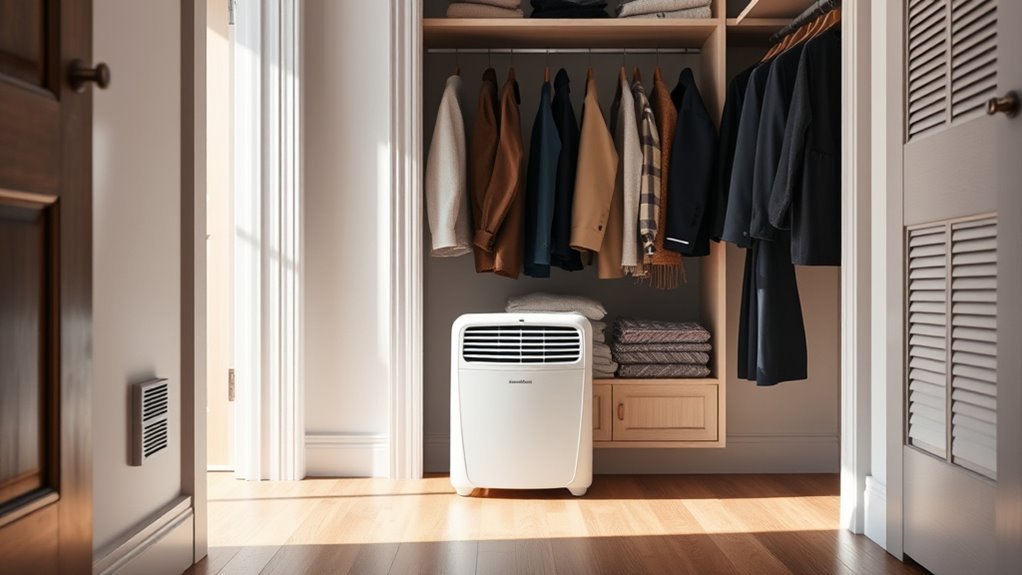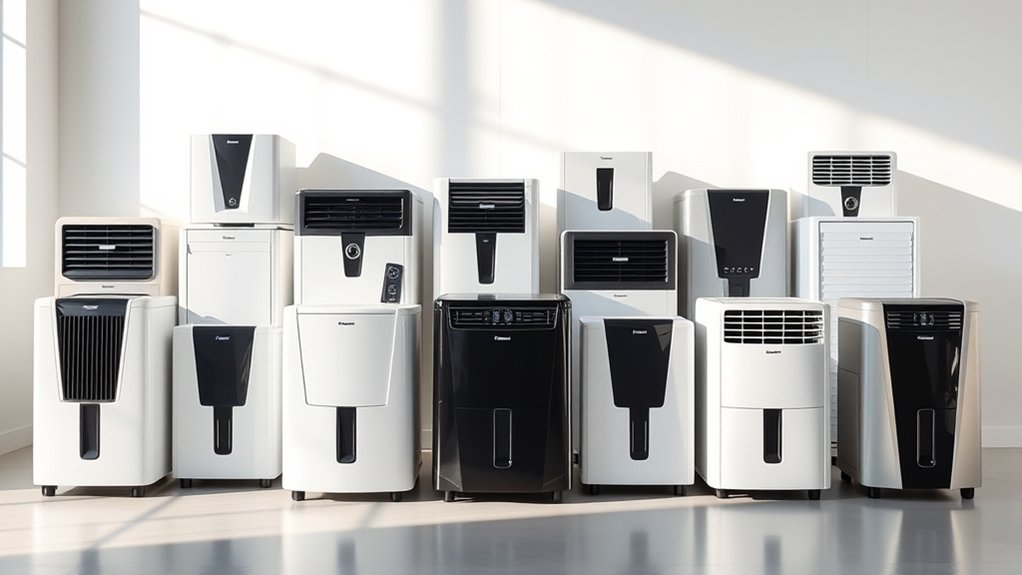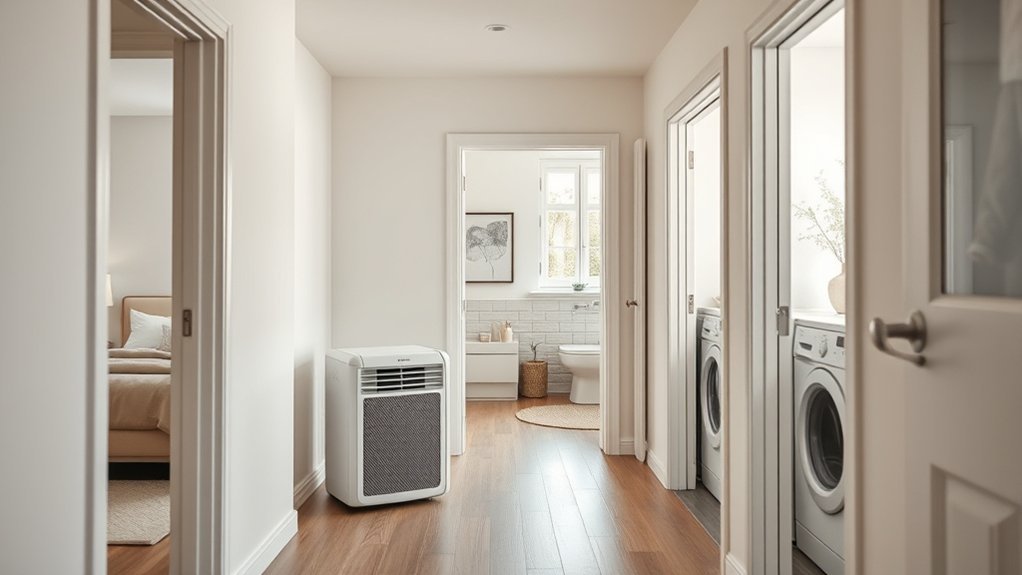
You do not need a dehumidifier in every room of your house. You need humidity control where moisture actually stays high. Bathrooms, kitchens, basements, crawl spaces, laundry areas, and damp bedrooms are the usual trouble spots. The smartest setup starts with a hygrometer, a few days of room-by-room readings, and a unit sized for the space and moisture load.
Quick Answer
No, you usually do not need a dehumidifier in every room. Use one where humidity regularly rises above the target range, especially basements, bathrooms, kitchens, crawl spaces, and laundry rooms. If several rooms stay damp, a whole-house dehumidifier may be easier than running multiple portable units.
Key Takeaways
- Measure humidity before buying. Aim to keep indoor relative humidity below 60%, and ideally around 30% to 50% where practical.
- Start with the wettest spaces: basements, crawl spaces, bathrooms, kitchens, and laundry rooms.
- A portable dehumidifier works well for one problem area, while a whole-house unit is better when several rooms stay humid.
- Fix leaks, drainage problems, and poor ventilation first. A dehumidifier manages moisture; it does not solve water intrusion.
- Size the unit by square footage and dampness level, not by habit or guesswork.
At a Glance
| Time Required | 15–30 minutes to inspect rooms; 24–72 hours to confirm humidity patterns with a hygrometer |
| Difficulty | Easy for portable units; professional help recommended for whole-house systems |
| Tools Needed | Hygrometer, tape measure, notepad or phone, and access to a safe grounded outlet |
| Cost | A humidity meter is often inexpensive; dehumidifier cost depends on capacity, efficiency, drainage features, and installation needs |
Do You Need a Dehumidifier in Every Room?
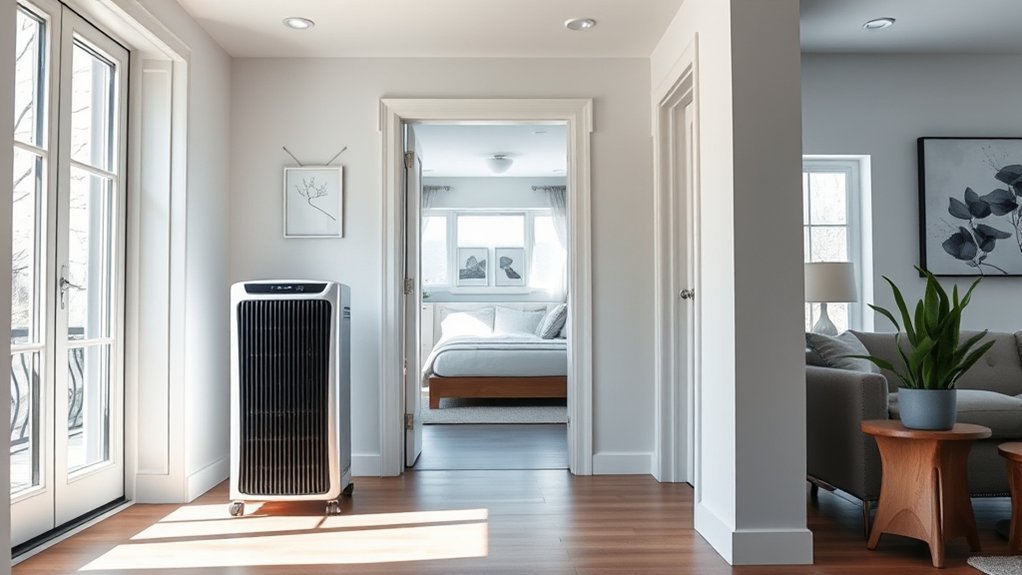
No, most homes do not need a dehumidifier in every room. You need to target spaces where moisture builds up and stays there. The U.S. Environmental Protection Agency recommends keeping indoor relative humidity below 60%, ideally between 30% and 50% where possible. That target gives you a better rule than buying one unit for every bedroom, hallway, and living space.
Start by checking each room with a hygrometer. Take readings in the morning, after showers or cooking, and during damp weather. If a room repeatedly sits above the target range, smells musty, shows condensation, or has damp surfaces, that room deserves attention. If the rest of the house stays comfortable and dry, adding more machines only wastes money, electricity, and floor space.
Pro Tip: Put a hygrometer in each suspected problem room for at least 24–72 hours before buying. Humidity can spike after showers, laundry, storms, or cooking, so one quick reading may not show the real pattern.
Which Rooms Need a Dehumidifier Most?
The rooms that need a dehumidifier most are the ones that create moisture, trap moisture, or sit near damp ground. In many homes, that means basements, crawl spaces, bathrooms, kitchens, laundry rooms, and sometimes bedrooms with poor ventilation.
Target humidity, not habit. A dry guest room may need no unit at all, while one damp basement may need a higher-capacity model with continuous drainage.
- Basements: Concrete, below-grade walls, ground moisture, and limited airflow can keep humidity high.
- Crawl spaces: Soil moisture and poor sealing can feed damp air into the home.
- Bathrooms: Showers and baths create fast humidity spikes, especially without a strong exhaust fan.
- Kitchens: Cooking, boiling water, dishwashing, and poor ventilation add moisture quickly.
- Laundry rooms: Wet clothes, unvented dryers, and drying racks can overload the air with moisture.
- Bedrooms: A bedroom only needs a dehumidifier if readings stay high, the room smells musty, or condensation appears on windows or walls.
- Storage areas: Dehumidification can help protect books, clothing, wood furniture, tools, and seasonal items from damp conditions.
Do not treat every room equally. Put your effort where humidity readings, odors, condensation, or damp materials show a real moisture problem.
Why Basements and Crawl Spaces Need Special Care
Basements and crawl spaces need special attention because they sit close to the ground and often have cooler surfaces, weaker airflow, and more routes for moisture to enter. The University of Minnesota Extension explains that basement moisture can come from rain or groundwater, indoor sources such as cooking and bathing, and humid outdoor air that condenses on cooler surfaces.
High Moisture Risks
High basement or crawl-space humidity can lead to musty odors, mold growth, damaged stored items, warped wood, and poor indoor air quality. The risk is higher when moisture has a steady source, such as seepage, poor grading, clogged gutters, foundation cracks, or exposed crawl-space soil.
- Mold and mildew can grow on damp materials.
- Stored cardboard, fabric, books, and wood can absorb moisture.
- Dust mites and other biological contaminants can become more of a concern in damp indoor environments.
- Moisture can move from lower levels into living areas through ducts, gaps, stairwells, and air leaks.
Poor Ventilation Issues
Poor ventilation lets humid air linger. In bathrooms and kitchens, exhaust fans can remove moisture at the source. In basements and crawl spaces, ventilation alone may not be enough, especially during humid weather when outside air brings more moisture in. In those cases, source control plus a properly sized dehumidifier is usually more reliable.
Specialized Dehumidifier Needs
A basic portable unit may struggle in a large, cool, or constantly damp basement. Look for the right pint-per-day capacity, a built-in humidistat, auto-restart, an accessible washable filter, and a continuous drain option if you do not want to empty a bucket every day. If the area drops below 65°F, choose a model rated for lower-temperature operation because frost can form on coils and reduce performance.
Warning: A dehumidifier is not a substitute for fixing leaks, standing water, unsafe wiring, or drainage problems. Repair water sources first, keep drain hoses away from electrical cords, and plug the unit into a properly grounded outlet.
When a Whole-House Dehumidifier Is Better
A whole-house dehumidifier makes more sense when humidity stays high across multiple rooms, one floor never feels dry, or you are tired of moving portable units and emptying buckets. ENERGY STAR notes that portable room dehumidifiers are usually used for one room or space, while whole-home units are commonly installed with ductwork to dehumidify one or more rooms.
Whole-house systems are especially useful when:
- Several rooms stay above the target humidity range.
- Your basement affects the rest of the home.
- You want automatic drainage instead of bucket emptying.
- Your HVAC system does not remove enough moisture during humid seasons.
- You want steadier comfort across multiple rooms.
The tradeoff is cost and installation. A whole-house unit should be sized and installed by an HVAC professional, especially if it connects to ducts. Poor installation can reduce performance, waste energy, or create comfort problems.
Recommended Products

【The Undisputed Champion — Industry-Leading Dehumidifier Brand】When you choose AEOCKY, you get double market validation. According to data independently verified by Stackline, a leading third-party data analytics company, AEOCKY was an industry‑leading dehumidifier brand on Amazon U.S. in 2025. This means you’re not just choosing a flagship product from a market leader, but a top-performing brand backed by independent market data and trusted by millions of real users, delivering the ultimate combination of performance, quality and trust.

2500 Sq. Ft Dehumidifier - SEMKAP dehumidifier for basement features a quiet, high-performance compressor that removes up to 32 pints of moisture per day (at 95°F, 90% RH). Ideal for basements, offices, bathrooms, bedrooms, kitchens, stockrooms, living rooms, laundry rooms, garages, crawlspaces, or RVs. It helps maintain optimal humidity between 40%–60%RH for healthier, more comfortable living

POWERFUL 2,500 SQ. FT. COVERAGE - Stop letting sticky, heavy air dictate your comfort. The BANABIE dehumidifier utilizes a high-efficiency rotary compressor to deliver heavy-duty moisture removal, extracting 32 pints daily (at 95°F, 90%RH). Engineered with a smart integrated airflow system, this unit effectively covers up to 2,500 Sq. Ft., ensuring that your basement, crawl space, or large open floor plans stay bone-dry
Portable vs. Whole-House Dehumidifiers
The best setup depends on how many rooms are damp and how often the problem returns.
| Setup | Best For | Main Tradeoff |
| Portable room dehumidifier | One damp room, a bathroom, a laundry area, or a small-to-medium basement zone | Needs placement, cleaning, and either bucket emptying or hose drainage |
| Multiple portable units | Separate problem areas that do not share airflow well | More noise, more maintenance, and higher combined electricity use |
| Whole-house dehumidifier | Several humid rooms, whole-floor humidity, or homes with ducted HVAC | Higher upfront cost and professional sizing/installation |
Recommended Products

Semiconductor dehumidifiers use thermoelectric cooling to remove moisture from the air. They create a drier, more comfortable environment by reducing humidity and improving air quality.

✔ EASY TO USE: This mini dehumidifier is spill and mess free. Just hang and go! Non-toxic, child and pet safe! Your small rooms will be dry and odor free. Works for areas up to 333 cubic feet.

🍃Advanced Small Dehumidifier for Home: Designed for lasting home use, our bathroom dehumidifier works gently and steadily to maintain a balanced humidity level. The large 44 OZ (1.3L) water tank minimizes emptying frequency. Suitable for dorm room, camper, apartment, room, office and living room. No more dampness-just fresh, comfortable air everywhere
How to Size a Dehumidifier for Each Space
To size a dehumidifier, measure the space and judge how damp it is without dehumidification. Do not use the old rule of thumb that one pint equals one square foot. That is not how modern dehumidifiers are rated. Dehumidifier capacity is measured in pints of water removed per 24 hours under test conditions, and ENERGY STAR explains that newer DOE test procedures changed how capacity is reported.
Room Size Matters
Start with square footage. Multiply room length by room width, then include connected open areas if air flows freely between them. A small enclosed bathroom needs a different approach than an open basement connected to a laundry area.
Match Moisture Levels
Next, match the dampness level. A room that feels slightly damp needs less capacity than a room with wet walls, seepage, or constant laundry drying. ENERGY STAR’s guidance uses both room size and dampness condition. As a practical starting point:
| Condition Without Dehumidification | Small-to-Medium Space Under 2,000 Sq. Ft. | Large Space Over 2,000 Sq. Ft. |
| Slightly to moderately damp; may feel damp or smell musty at times | About 20–30 pints/day | About 30+ pints/day |
| Very damp; consistently damp smell or damp spots on walls/floors | About 25–40 pints/day | About 40+ pints/day |
| Wet; sweating walls/floors, seepage, or high-load laundry drying | About 30–50 pints/day | About 50+ pints/day |
These are starting ranges, not a substitute for reading the manufacturer’s specifications. If a space has active water intrusion, fix that first. If a basement is cool, choose a model rated for lower-temperature use.
Whole House Or Zone
Choose a zone unit when one room or one basement area is the problem. Choose a whole-house unit when humidity is high across several rooms or when the problem returns even after ventilation and source control. For whole-house systems, ask an HVAC professional to size the unit for your home, climate, HVAC layout, and moisture load.
Where to Place a Portable Dehumidifier
Placement affects performance. Put the unit where air can move freely through the intake and exhaust. Keep it away from walls and furniture unless the manufacturer says the design allows wall placement. Close exterior windows and doors while it runs so the unit is not constantly pulling moisture from outside air.
- For one damp room: Place the unit near the center of the space or near the damp source while keeping airflow clear.
- For a bathroom: Use the exhaust fan first, then use a dehumidifier only if humidity remains high after showers.
- For a basement: Place the unit near the dampest open area, not inside a tiny closed storage corner unless that is the only problem zone.
- For continuous drainage: Use a short, safe hose route to a floor drain, sump, or condensate pump. Avoid trip hazards.
- For bedrooms: Consider noise level, display brightness, and auto mode before running it overnight.
Note: If one portable unit is meant to help nearby rooms, keep interior doors open and use fans only if they improve airflow. If rooms are separated by closed doors or long hallways, one unit may not control them evenly.
What Multiple Dehumidifiers Really Cost
Multiple portable dehumidifiers can look simple at first, but the cost is more than the purchase price. You also pay for electricity, filter cleaning, bucket emptying, replacement parts, and the noise of several machines running at once.
Use this simple formula to estimate operating cost:
Daily cost = watts ÷ 1,000 × hours used × electricity rate per kWh
For example, a 500-watt unit running 12 hours uses 6 kWh. Using the U.S. Energy Information Administration’s March 2026 average residential electricity figure of 18.83 cents per kWh, that would cost about $1.13 per day, or about $34 for a 30-day month. Your real cost may be lower or higher depending on the unit’s wattage, cycling behavior, humidity level, and local electricity rate.
ENERGY STAR-certified dehumidifiers are designed to remove the same amount of moisture more efficiently than comparable non-certified models, so efficiency matters if the unit will run often. Look at the EnergyGuide label, pint capacity, integrated energy factor, drainage option, and noise rating before buying.
How to Choose the Right Dehumidifier Setup
Choosing the right dehumidifier setup is easiest when you follow a simple process instead of guessing.
- Measure humidity room by room. Use a hygrometer and record readings during normal routines.
- Find the moisture source. Look for leaks, condensation, blocked vents, poor bathroom fans, wet crawl spaces, clogged gutters, and grading that slopes toward the foundation.
- Fix water problems first. Repair leaks, improve drainage, vent dryers outdoors, and use kitchen and bathroom exhaust fans.
- Decide whether the problem is local or house-wide. One damp room usually needs one portable unit. Several damp rooms may call for whole-house dehumidification.
- Size the unit by room size and dampness. Use pint-per-day capacity and manufacturer guidance.
- Plan drainage. A bucket is fine for occasional use; continuous drainage is better for basements and long run times.
- Set the humidistat carefully. Start near 50% RH and adjust for comfort, condensation, and manufacturer guidance. Avoid over-drying the room.
Recommended Products

Engineered with Dual Semiconductor Technology - Mecmic dehumidifier is designed with two semiconductor modules work together to remove moisture more efficiently than traditional single-semiconductor designs, up to 34 oz (1000 ml) of moisture per day under ideal conditions,helping your space feel fresher and more comfortable in less time. Specifically for bedrooms, bathrooms, closets, laundry rooms, RVs, and other compact areas.

【Efficient Dehumidification】With 360° dual cooling semiconductor technology, the dehumidification area reaches up to 650sq ft. The Levoair safe dehumidifier with 2000ml(68oz)water tank could absorb up to 35oz (1000ml) of moisture per day in a humid environment (Temperature: 86°F, Humidity: 80%RH) and keep moisture below 45%. Say goodbye to humidity!

98 OZ Small Dehumidifier for Home(White)
When Not to Add Another Dehumidifier
Sometimes the answer is not another machine. Add source control or repairs first if you notice any of these problems:
- Standing water or seepage: Fix drainage, cracks, sump issues, or exterior grading.
- Condensation on cold pipes: Insulate the pipe and reduce humidity.
- Bathroom humidity after showers: Improve or repair the exhaust fan before relying on a dehumidifier.
- Dry indoor air below the target range: Do not run a dehumidifier just because another room is damp.
- Musty HVAC ducts or whole-home humidity: Have the HVAC system inspected instead of adding random portable units.
- Visible mold over a large area: Address moisture and cleanup safely; professional help may be needed for larger or hidden mold problems.
Frequently Asked Questions
Should I put a dehumidifier in every room?
No. Put a dehumidifier only where humidity stays high or where moisture problems appear. Start with basements, bathrooms, kitchens, laundry rooms, crawl spaces, and damp bedrooms. Use a hygrometer to confirm the need before buying extra units.
What humidity level should I aim for indoors?
A good target is below 60% relative humidity, with 30% to 50% ideal where practical. If windows, walls, or pipes collect condensation, lower the humidity and fix the moisture source.
Can one dehumidifier work for multiple rooms?
Sometimes. One unit can help connected open spaces if air moves freely between them. It will not work as well through closed doors, long hallways, or separated floors. For several damp rooms, consider a whole-house system.
Do air purifiers dry indoor air?
No. Air purifiers filter particles such as dust, pollen, smoke, and some airborne allergens, but they do not remove meaningful moisture from the air. To lower humidity, use ventilation, source control, air conditioning, or a dehumidifier.
How much does it cost to run a dehumidifier 12 hours a day?
It depends on wattage and your electricity rate. Multiply watts divided by 1,000 by hours used and your cost per kWh. A 500-watt unit running 12 hours uses 6 kWh, so at 18.83 cents per kWh it costs about $1.13 per day.
Should you use a dehumidifier if you have COPD?
If you have COPD or another lung condition, a dehumidifier may help when indoor humidity is high and dampness or mold is present. Do not over-dry the air, and ask your healthcare provider what humidity range is best for your symptoms and treatment plan.
Is a dehumidifier enough to stop mold?
A dehumidifier can reduce moisture in the air, but it will not fix leaks, wet materials, or existing mold by itself. Mold control starts with moisture control: dry wet materials quickly, repair leaks, improve drainage, and keep humidity in range.
Conclusion
You do not need a dehumidifier in every room. You need the right humidity-control plan for the rooms that actually stay damp. Measure first, target the worst spaces, fix moisture sources, and choose a portable or whole-house setup based on how widespread the problem is. When you size and place the equipment correctly, you can reduce musty air, protect your home, and avoid wasting energy on rooms that were already dry.
Sources
- U.S. Environmental Protection Agency: A Brief Guide to Mold, Moisture and Your Home — indoor humidity targets, mold prevention, hygrometer use, and moisture-control steps.
- ENERGY STAR: Dehumidifiers — portable vs. whole-home dehumidifiers, capacity guidance, water removal options, placement, and efficiency.
- ENERGY STAR: Dehumidifier Testing and Capacity — DOE capacity ratings, integrated energy factor, and updated testing conditions.
- CDC/NIOSH: Health Problems and Mold — health risks associated with damp buildings and mold exposure.
- University of Minnesota Extension: Moisture in Basements — basement moisture sources, movement mechanisms, and corrective steps.
- U.S. Energy Information Administration: Electricity Monthly Update — current electricity-rate context for operating-cost examples.