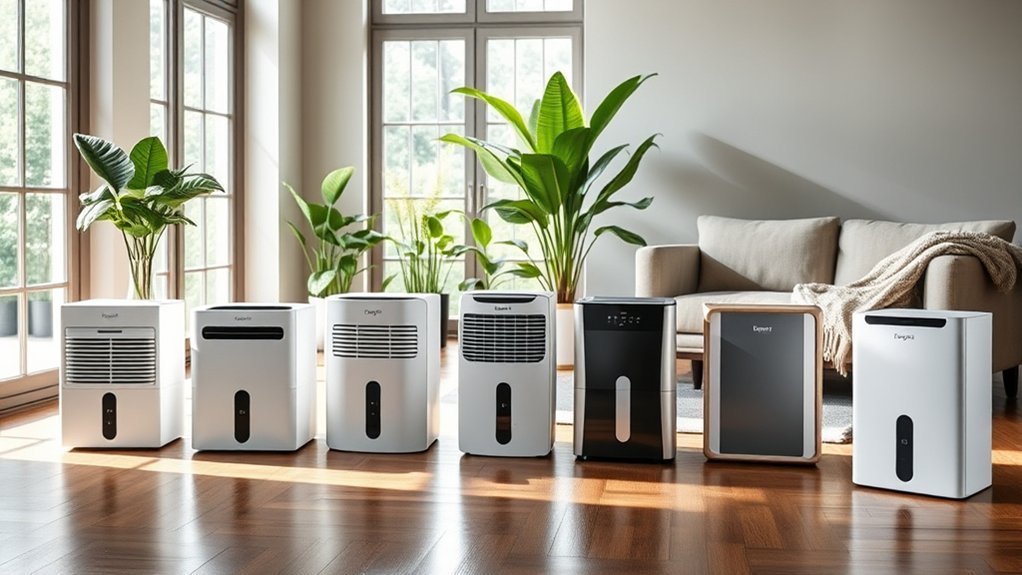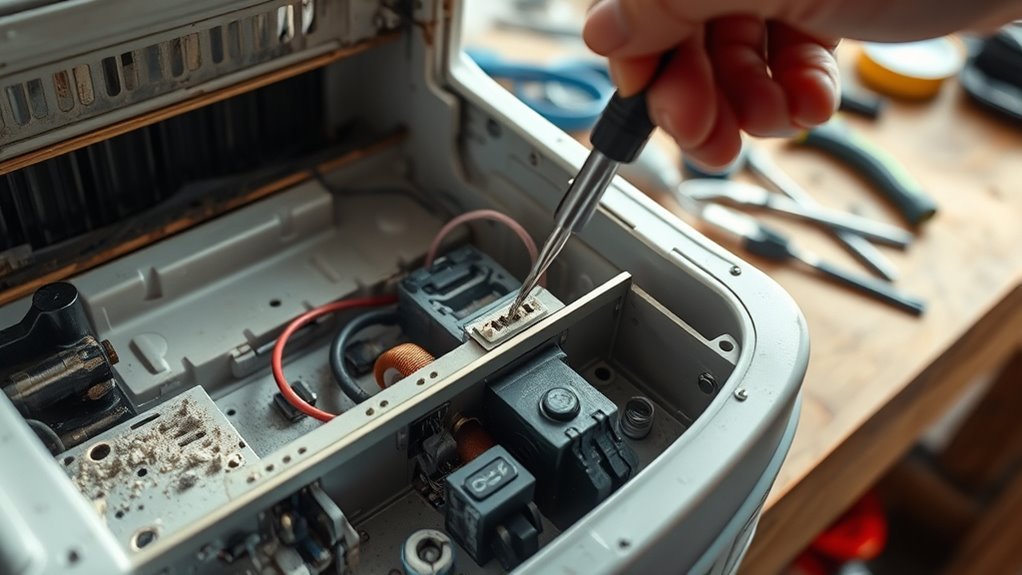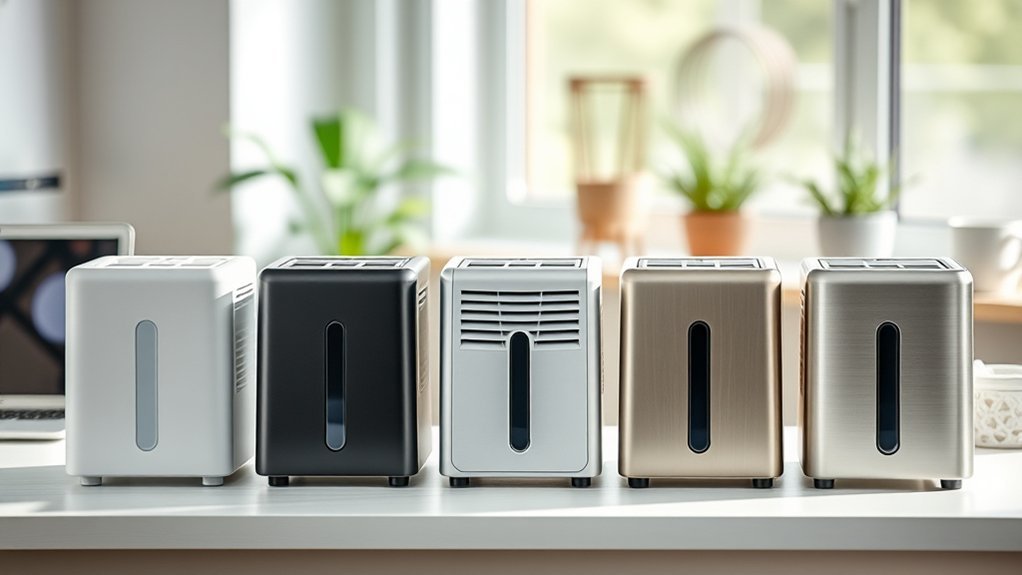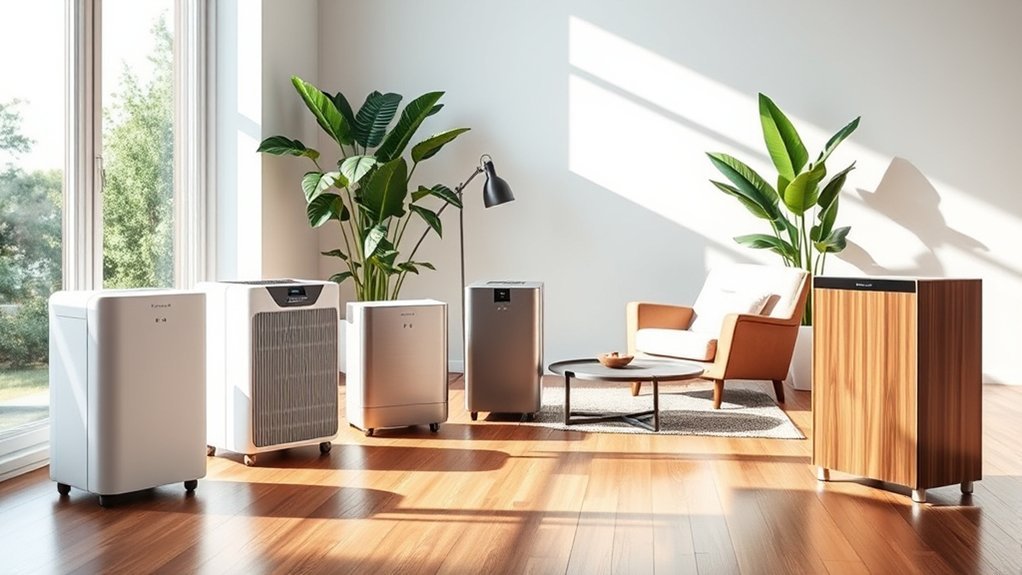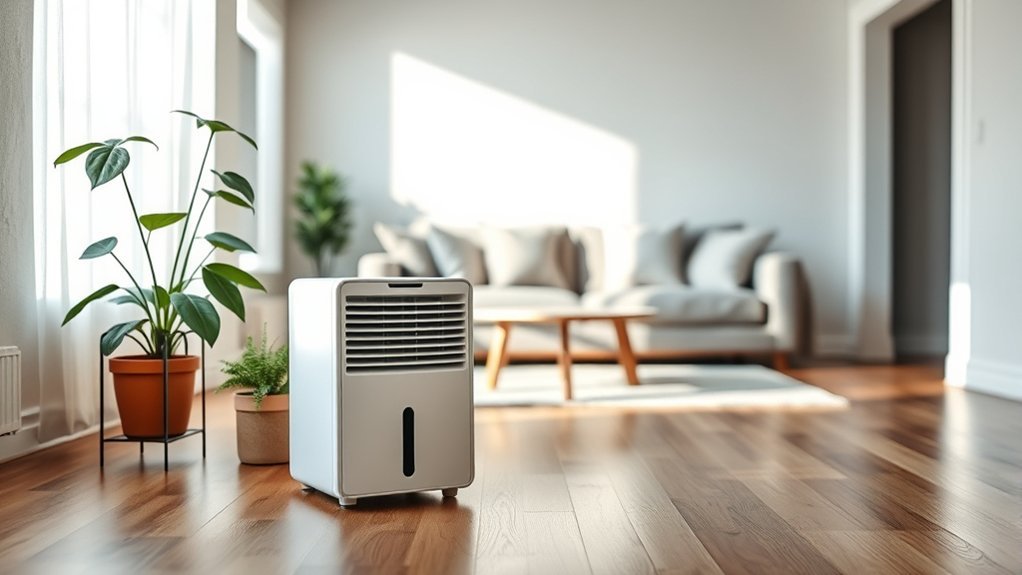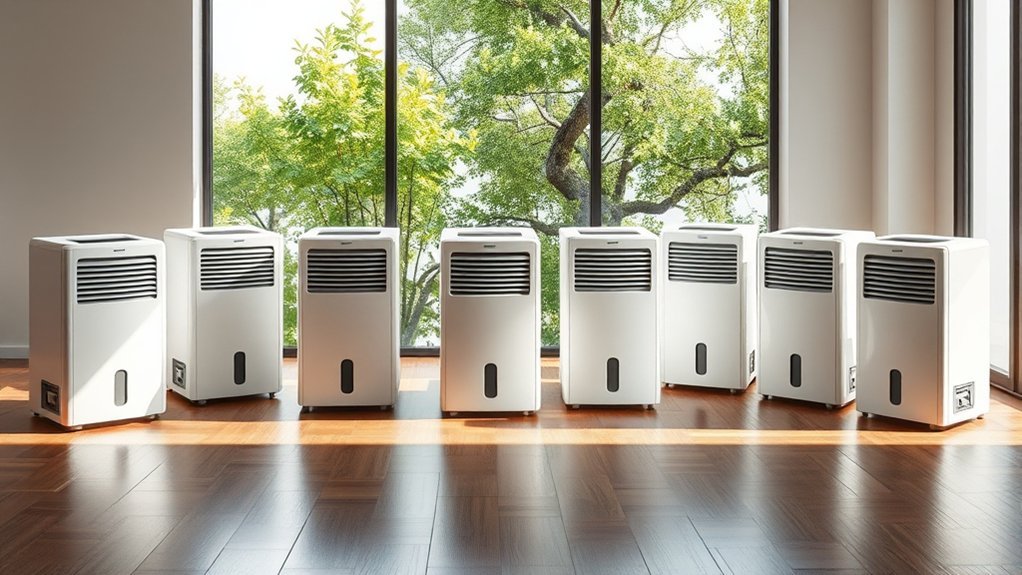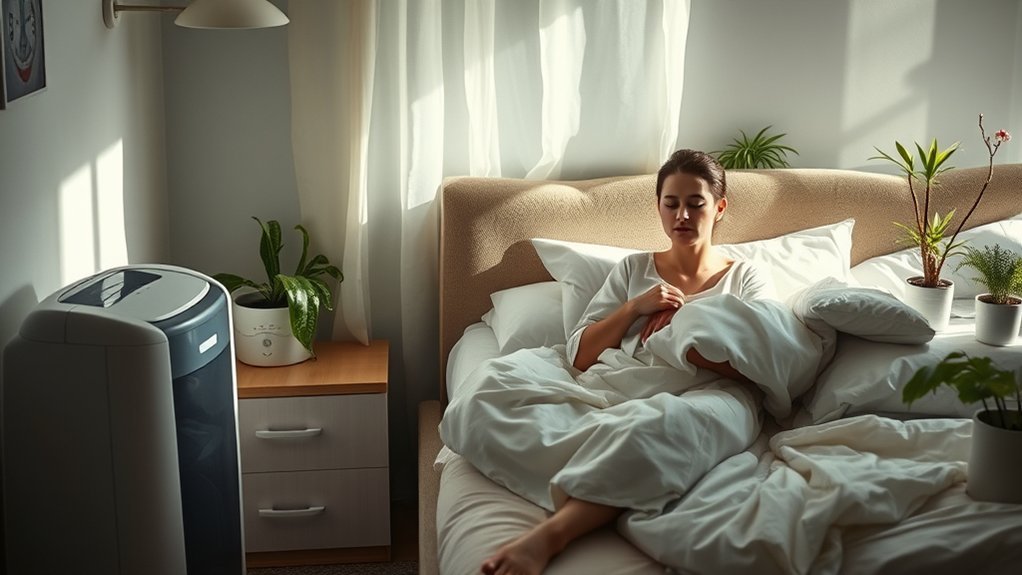
A dehumidifier can help some people with asthma, but only when indoor air is too damp. If the room is already dry, running one can make your throat, nose, and airways feel irritated. The safest approach is not “run it all the time,” but “measure first, then adjust.” For most homes, the practical target is 30% to 50% indoor relative humidity.
Quick Answer
Dehumidifiers are not automatically bad for asthma. They can help if your home is damp because lower humidity can limit mold and dust mites. But if humidity drops below about 30%, dry air may irritate your airways and worsen coughing, tightness, or wheezing.
Warning: A dehumidifier is not an asthma treatment and should not replace prescribed medicine, a rescue inhaler, or an asthma action plan. If you have severe shortness of breath, blue lips or fingernails, trouble speaking, or symptoms that do not improve with your prescribed quick-relief medicine, seek urgent medical care.
Key Takeaways
- Use a dehumidifier when indoor humidity is consistently above 50%, especially in damp basements, bathrooms, bedrooms, or humid climates.
- Aim for about 30% to 50% relative humidity. The EPA says indoor humidity should be kept below 60% and ideally between 30% and 50% where possible.
- Humidity below 30% may feel harsh and can worsen throat irritation, coughing, or tight breathing in some people with asthma.
- A dehumidifier reduces moisture; it does not remove dust mites, mold spores, pollen, smoke, or pet dander from the air by itself.
- Always use a hygrometer or built-in humidistat so you know whether the unit is helping or over-drying the room.
At a Glance
| Time Required | 5 minutes to check humidity; several hours to a few days to stabilize a damp room |
| Difficulty | Easy, as long as you measure humidity and clean the unit regularly |
| Tools Needed | Dehumidifier, hygrometer or built-in humidistat, clean filter, drainage plan or empty bucket |
| Cost | Usually low to moderate: hygrometers are inexpensive, while dehumidifier cost and electricity use depend on capacity and runtime |
Are Dehumidifiers Bad for Asthma?
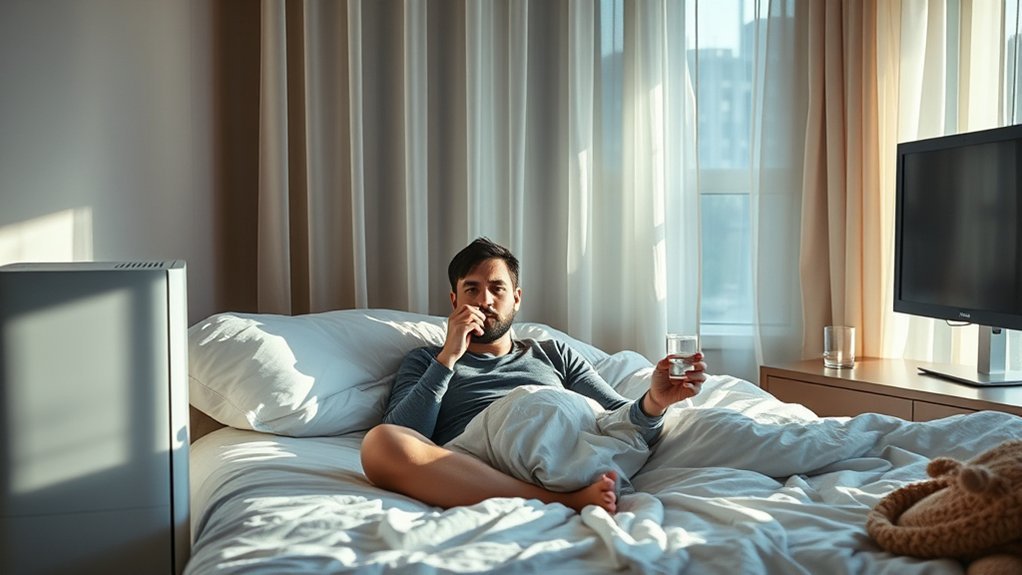
Dehumidifiers are not inherently bad for asthma. The problem is misuse. A dehumidifier can support a healthier indoor environment when humidity is high enough to encourage mold growth or other indoor asthma triggers. But if it pulls too much moisture from the air, the room can become dry enough to irritate your throat, nose, and airways.
The key is to avoid extremes. For many homes, a safe working range is 30% to 50% relative humidity. Below that range, dry air may cause irritation. Above that range, dampness can encourage mold and dust mites, two common triggers for people with allergic asthma.
It also helps to set expectations. A dehumidifier does not treat airway inflammation, open narrowed airways, or replace asthma medication. It simply lowers moisture. That can be useful if dampness is part of your trigger pattern, but it will not fix every asthma flare.
Ideal Indoor Humidity for Asthma
The best humidity level for asthma is usually the middle ground: not damp, not desert-dry. The EPA recommends keeping indoor relative humidity below 60% and ideally between 30% and 50% when possible. The CDC recommends keeping home humidity no higher than 50% throughout the day to help prevent mold growth.
| Humidity Reading | What It Can Mean for Asthma | What to Do |
|---|---|---|
| Below 30% | Air may feel dry and irritating. Some people notice coughing, throat dryness, nose irritation, or tighter breathing. | Turn the dehumidifier off or raise the setting. Check whether heating, ventilation, or winter air is drying the room. |
| 30% to 50% | This is the usual target zone for balancing airway comfort with mold and dust mite control. | Maintain the setting and keep monitoring. Recheck after showers, cooking, storms, or seasonal weather changes. |
| Above 50% | Dampness can support mold and dust mites, especially in bedrooms, basements, bathrooms, and carpeted rooms. | Use a dehumidifier, exhaust fan, air conditioner, or moisture repair strategy until readings return to range. |
| Above 60% | Mold risk becomes more concerning, especially if there is condensation, a musty smell, water damage, or visible growth. | Act quickly. Dry the area, fix the moisture source, and consider professional help for large or recurring mold problems. |
Note: Humidity changes during the day. A bedroom may read 48% at noon and 60% overnight. Check readings at different times before deciding whether the dehumidifier setting is right.
When Dehumidifiers Help Asthma
A dehumidifier can help when excess moisture is feeding asthma triggers in your home. This is most likely when indoor humidity stays above 50%, when you smell musty odors, or when you see condensation on windows, walls, pipes, or basement surfaces.
High humidity matters because damp conditions can support mold and dust mites. Mold can irritate sensitive airways, and dust mites are a major indoor allergen for many people with allergic asthma. The CDC notes that using an air conditioner or dehumidifier can help keep indoor humidity low as part of asthma trigger control.
Dehumidifiers are most useful in:
- basements and crawlspace-adjacent rooms
- bathrooms without strong ventilation
- bedrooms with condensation or musty odors
- laundry areas where clothes dry indoors
- humid climates or rainy seasons
- rooms with past leaks or water damage
A dehumidifier helps asthma only indirectly: it lowers moisture that can support triggers. It does not remove the triggers already sitting in bedding, carpet, dust, or mold-damaged materials.
When a Dehumidifier Can Make Asthma Worse
A dehumidifier can make asthma symptoms worse if it dries the room too far. Dry air can irritate the upper airways, and the American Lung Association notes that cold, dry air can irritate airways and trigger coughing, wheezing, and shortness of breath in people with asthma.
Watch for signs that the air may be too dry:
- dry throat after sleeping
- more coughing in the room where the unit runs
- dry or burning nose
- tighter breathing during exercise or housework
- more nighttime asthma symptoms after running the unit
- humidity readings below 30%
If those symptoms appear, check the hygrometer first. If the room is below 30%, turn the dehumidifier off, raise the humidity setting, or run it for shorter periods. If symptoms continue even when humidity is in range, treat that as an asthma-management issue and talk with your clinician.
Why Dry Air Can Trigger Asthma Symptoms
Your airways work best when the air you breathe is not too dry and not too damp. When air is very dry, your throat and nasal passages can feel irritated. In some people with asthma, that irritation can contribute to coughing, chest tightness, or wheezing.
Dry air can also be a bigger problem during exercise. When you breathe faster, especially through your mouth, your airways may be exposed to cooler or drier air. The AAAAI describes exercise-induced bronchoconstriction as airway narrowing triggered by physical activity, which is common in people with asthma.
This does not mean everyone with asthma needs humid air. It means you should avoid over-drying indoor air with a dehumidifier, especially in winter, in heated rooms, or in homes that already measure below 30% relative humidity.
Asthma Triggers Dehumidifiers Can Reduce
Dehumidifiers can reduce moisture-related conditions that allow certain triggers to thrive. They are most relevant for mold and dust mites.
Mold
Mold needs moisture. If indoor humidity stays high, or if there is a leak, flood, condensation problem, or damp material, mold can grow and release spores or fragments that may irritate sensitive airways. A dehumidifier can help dry the air, but it will not fix the moisture source by itself. You still need to repair leaks, improve ventilation, and remove moldy materials when needed.
Dust Mites
Dust mites live in bedding, mattresses, carpets, upholstered furniture, and curtains. They do best in warm, humid environments. Lowering humidity can make the home less favorable for them, but a dehumidifier does not vacuum dust mites out of your mattress or carpet.
For better dust mite control, combine humidity control with:
- washing bedding weekly in hot water when fabric care instructions allow
- using allergen-resistant mattress and pillow covers
- reducing carpet and heavy fabric in bedrooms when possible
- vacuuming with a HEPA-filter vacuum if available
- keeping clutter low so dust is easier to remove
Musty Odors
A dehumidifier can reduce musty odors caused by dampness, but the odor is a clue, not the root problem. If the smell returns quickly after the unit stops, look for hidden moisture, stored damp items, wet insulation, or mold growth.
What a Dehumidifier Cannot Do for Asthma
A dehumidifier is often confused with an air purifier, but they do different jobs. A dehumidifier removes water vapor from the air. It does not filter fine particles the way a HEPA air purifier does.
| Device | Main Job | Asthma-Relevant Use |
|---|---|---|
| Dehumidifier | Removes moisture | Useful when humidity is high and dampness supports mold or dust mites |
| Humidifier | Adds moisture | May help if air is too dry, but overuse can increase mold and dust mite risk |
| HEPA air purifier | Filters particles | Can reduce airborne particles such as dust, pollen, smoke particles, and pet dander depending on filter quality and room size |
| Ventilation or exhaust fan | Moves moist or polluted air out | Helpful for bathrooms, kitchens, laundry areas, and moisture control after showers or cooking |
How to Use a Dehumidifier Safely
To use a dehumidifier safely with asthma, start with measurement. Guessing by feel is not enough because a room can feel stuffy for reasons other than humidity, including heat, poor ventilation, odors, or particles in the air.
Recommended Products

Face Icon Comfort Indicator: Humidity temperature gauge features face icons to indicate DRY/COMFORT/WET air conditions, quickly informs you how to adjust your humidifier or dehumidifier to achieve optimal comfort.

1-【Widely Application】The digital LCD monitor can be used in home, office, garage, schools, hotels, laboratories, kindergartens, aquaculture, instrument workshop, warehouse, reptile tank terrarium, aquarium, hermit crab habitat, and other places where temperature/humidity measurement is required.

Maintain the Right Room Temperature and Humidity Levels: This wireless indoor thermometer/hygrometer combination is perfect to pair with humidifiers or dehumidifiers
1. Measure the Room First
Use a hygrometer or a dehumidifier with a reliable humidistat. ENERGY STAR recommends using a separate hygrometer if your unit does not show relative humidity clearly. Place the meter away from direct airflow, windows, showers, and the dehumidifier exhaust so you get a more realistic room reading.
2. Set a Safe Target
Set the humidistat around 45% to 50% if the room is damp. That gives you a buffer below 50% without pushing the air too dry. Avoid setting the unit to “continuous” unless you are drying a wet area and checking readings often.
3. Place It in the Dampest Useful Area
Put the dehumidifier in the room where humidity is actually high. Common spots include basements, bathrooms, laundry rooms, and musty bedrooms. Keep it away from walls, curtains, furniture, and bedding so air can move through the intake and exhaust.
4. Keep Doors and Windows Managed
In a damp room, close windows while the dehumidifier runs so it is not constantly pulling moisture from outdoor air. Use bathroom and kitchen exhaust fans during moisture-heavy activities, then let the dehumidifier bring the room back into range.
5. Empty and Clean It
Standing water and dirty filters can become their own indoor-air problem. Empty the bucket before it gets stagnant, rinse it regularly, and clean the filter according to the manual. Many manufacturers recommend checking or cleaning filters about every two weeks during regular use.
6. Recheck Symptoms and Readings
Check the room daily at first. Once humidity stays stable, weekly checks may be enough. If your asthma symptoms get worse after running the unit, compare symptom timing with humidity readings and discuss the pattern with your healthcare provider.
Pro Tip: If your bedroom is the problem area, measure humidity near the bed at night and again in the morning. Overnight readings often reveal moisture problems that daytime checks miss.
Choosing the Right Dehumidifier Size
Dehumidifier size is usually described by pints per day, which means how much water the unit can remove from the air in 24 hours under test conditions. ENERGY STAR explains that this capacity rating identifies the relative amount of moisture a dehumidifier can remove.
For a small bedroom with mild dampness, a compact or smaller-capacity unit may be enough. For a wet basement, large room, or space with water seepage, you may need a higher-capacity model or a whole-home moisture-control solution. The right size depends on:
- room square footage
- current humidity level
- how damp the space feels
- whether there is condensation or water damage
- room temperature
- airflow and whether doors are open
- how often moisture is added by showers, laundry, cooking, or leaks
A unit that is too small may run constantly without lowering humidity enough. A unit that is too large or set too aggressively may dry the room faster than you expect. Either way, the hygrometer reading matters more than the label on the box.
Recommended Products

High Capacity Coverage - This 30-pints dehumidifier effectively collects water from damp spaces up to 2,000 Sq.Ft with doors and windows closed. It extracts up to 30 pints of water vapor per day under high-humidity test conditions (95°F, 90% RH), making it perfect for damp spaces. Engineered to establish a clear operating boundary in localized areas, this dehumidifier for basement handles sticky summers and musty rooms, keeping your fabrics and floors dry while maintaining comfortable air

2,500 SQ. FT. COVERAGE & 32 PINT DAILY MOISTURE REMOVAL - Designed for areas up to 2,500 sq. ft., the BANABIE dehumidifier helps manage excess moisture in basements, bedrooms, living rooms, bathrooms, laundry rooms, and other areas where humidity can build up. It removes up to 32 pints of moisture per day under 95°F and 90% RH conditions, using an efficient rotary compressor and optimized airflow design to help create a more comfortable indoor environment

Semiconductor dehumidifiers use thermoelectric cooling to remove moisture from the air. They create a drier, more comfortable environment by reducing humidity and improving air quality.
When Not to Use a Dehumidifier
Skip or pause the dehumidifier when the room is already dry. If your hygrometer reads below 30%, running a dehumidifier is unlikely to help asthma and may make irritation worse.
You should also avoid relying on a dehumidifier alone when there is:
- active water leakage
- visible mold covering a large area
- sewage or floodwater contamination
- wet drywall, carpet, insulation, or ceiling tiles
- persistent musty odor that returns after drying
- asthma symptoms that are getting worse despite trigger control
In those cases, the solution may require leak repair, ventilation work, safe mold cleanup, material removal, or medical review. Drying the air is helpful only after the moisture source is controlled.
How to Tell If Your Home Is Too Humid
A hygrometer gives the clearest answer, but your home may show signs before you measure. Look for:
- condensation on windows
- musty odors
- mold spots on walls, ceilings, grout, or stored items
- damp carpet or basement smell
- peeling paint or bubbling wallpaper
- dust mite problems despite regular cleaning
- bedding or clothes that feel damp
If these signs appear with humidity readings above 50%, a dehumidifier may be worth using. If the signs appear with normal humidity readings, look for hidden leaks, poor ventilation, or cold surfaces causing condensation.
How to Tell If Your Home Is Too Dry
Air that is too dry can be uncomfortable even when it is clean. A room may be too dry if you notice:
- scratchy throat
- dry nose or nosebleeds
- dry cough after spending time indoors
- static electricity
- dry skin or irritated eyes
- asthma symptoms that worsen after the dehumidifier runs
If your humidity is below 30%, stop dehumidifying that room. If dry air is a recurring winter issue, you may need to reduce heating-related dryness, improve ventilation balance, or ask your clinician whether humidity changes may be affecting your asthma.
Dehumidifier Maintenance for Asthma-Friendly Air
A poorly maintained dehumidifier can become part of the problem. Moisture, dust, and a dirty filter can create odors or spread irritants back into the room.
Use this maintenance routine:
- Empty the bucket often: Do not let collected water sit for days.
- Wash the bucket: Rinse and clean it regularly so slime or odor does not build up.
- Clean the filter: Follow the manual. During regular use, check it every 2 to 4 weeks, or more often in dusty rooms.
- Inspect the coils and intake: Dust buildup makes the unit less efficient.
- Use safe placement: Keep the unit upright and away from bedding, curtains, and walls.
- Check the drain hose: If using continuous drainage, make sure the hose slopes correctly and does not leak.
If cleaning products trigger your asthma, avoid strong fumes. Use mild detergent when the manual allows it, rinse well, and let parts dry fully before restarting the unit.
Recommended Products
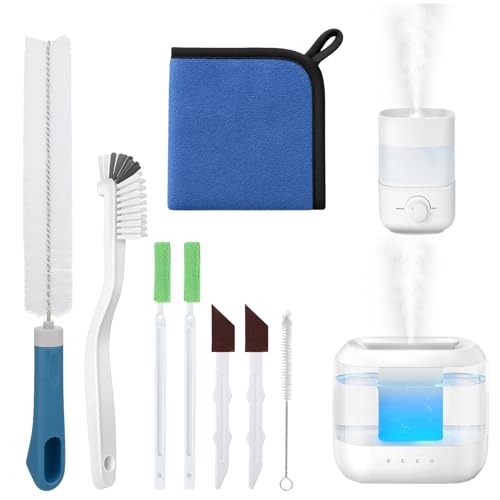
Humidifier Cleaning Solution:Still looking for a cleaning tool that can thoroughly clean your humidifier? Come and try our humidifier cleaning brush set!The nylon brush cleans the stains on the base, the sandpaper brush powerfully removes the severe scale at the bottom, and the long brush can easily reach the air outlet and the interior of the water storage tank, thoroughly cleaning every corner of the humidifier in all aspects, making your humidifier look brand new and more reassuring to use.
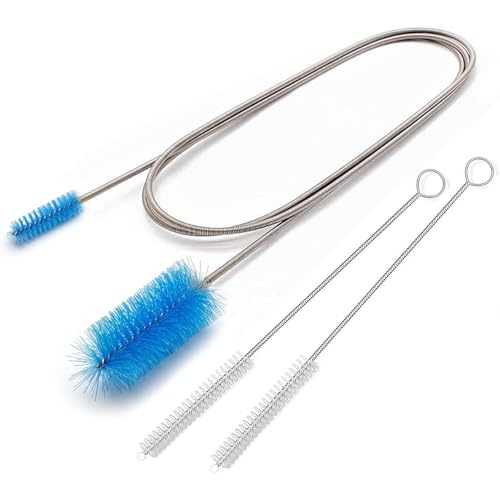
🚫UNCLOG NARROW TUBES INSTANTLY: Tired of water pooling in your fridge or grime clogging your aquarium filters? This 67-inch (170cm) extra-long flexible drain brush is the ultimate problem-solver. It easily snakes through deep, narrow, and curved tubing to effortlessly remove gunky buildup, dirt, and residue.
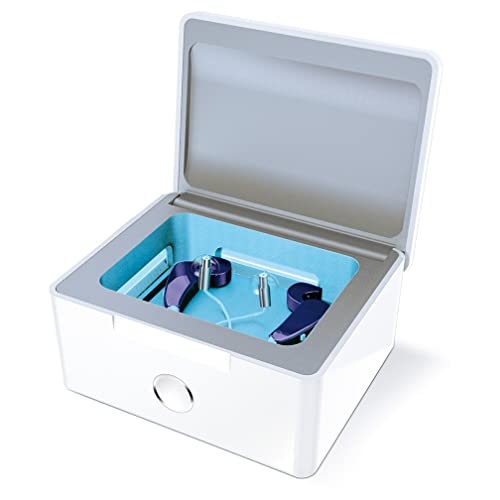
WORLD'S FASTEST, EASIEST HEARING AID DRYER - Open lid. Close lid. Wait 45 minutes. It's THAT simple! Most hearing aid dryers take HOURS to complete a cycle. Ours takes a fraction of that time & automatically shuts off at the end of the cycle, so you never have to worry about leaving your devices in too long.
Should You Sleep With a Dehumidifier On?
You can sleep with a dehumidifier on if the bedroom is too humid and the unit is set to a safe target. This is most useful when the room measures above 50%, smells musty, or has condensation. Use a humidistat setting around 45% to 50% rather than continuous mode.
Do not sleep with it running if the room is already below 30% humidity or if you consistently wake with throat dryness, coughing, or tighter breathing after using it. For asthma, the goal is stable air, not the lowest number possible.
When to Talk to a Doctor or Professional
Talk with a healthcare provider if you notice a clear pattern between indoor humidity and asthma symptoms, especially if symptoms wake you at night, limit activity, or require frequent rescue medication. Asthma triggers can change over time, and your treatment plan may need adjustment.
Consider a home repair, HVAC, or mold professional if humidity stays above 50% despite dehumidifier use, if mold keeps returning, or if you suspect hidden water damage. A dehumidifier can manage moisture in the air, but it cannot repair a roof leak, plumbing leak, foundation issue, or ventilation problem.
Frequently Asked Questions
Can dehumidifiers remove dust mites as well as moisture?
No. A dehumidifier removes moisture from the air, not dust mites from bedding, carpet, or furniture. Lower humidity can make the room less favorable for dust mites, but you still need cleaning, bedding control, allergen covers, and dust reduction.
How often should I clean a dehumidifier filter?
Follow your manual first. During regular use, many units need the filter checked or cleaned about every 2 to 4 weeks. Clean it more often if the room is dusty, the unit runs daily, you have pets, or airflow seems weaker than usual.
Do dehumidifiers increase electricity bills significantly?
They can add to your electric bill, especially if they run continuously. You can reduce cost by choosing the right capacity, using a humidistat, fixing moisture sources, cleaning the filter, and running the unit only when humidity is above your target range.
Which dehumidifier size suits a small bedroom?
For a small bedroom with mild dampness, a smaller-capacity unit is often enough. But size depends on room area, current humidity, dampness level, and airflow. Choose by pint-per-day capacity and confirm performance with a hygrometer instead of guessing.
Can a dehumidifier help with musty basement odors?
Yes, it can help if the odor is caused by excess humidity. But if the smell returns quickly, there may be hidden mold, wet materials, or a moisture source that needs repair. A dehumidifier should support cleanup, not replace it.
Is a humidifier or dehumidifier better for asthma?
It depends on the humidity reading. If the room is above 50%, a dehumidifier may help reduce moisture-related triggers. If the room is below 30%, a dehumidifier may worsen dryness, and adding moisture may be more appropriate if your clinician agrees and you can prevent mold.
Can I run a dehumidifier every day if I have asthma?
You can run it daily during damp periods if humidity stays above 50%, but avoid using it blindly. Check the room reading. If humidity falls near or below 30%, reduce runtime or turn the unit off.
Can a dirty dehumidifier worsen asthma symptoms?
Yes, it can. A dirty filter, dusty intake, or stagnant water bucket can add odors, dust, or microbial growth to the room. Clean and dry the unit as directed in the manual, especially during heavy use.
Conclusion
So, are dehumidifiers bad for asthma? Not when they are used for the right reason and kept in the right range. A dehumidifier can help if your home is damp and humidity is feeding mold, dust mites, or musty air. But it can backfire if it dries the room below about 30% and irritates your airways.
The safest rule is simple: measure first, aim for 30% to 50% indoor humidity, clean the unit, and do not use a dehumidifier as a substitute for asthma treatment. If your symptoms change or worsen, bring the humidity readings and symptom pattern to your healthcare provider.
Sources
- U.S. Environmental Protection Agency: Mold Course Chapter 2 — supports the 30% to 50% ideal indoor humidity range and below-60% mold-control guidance.
- CDC: Controlling Asthma — supports keeping humidity under 50% and using dehumidification as part of indoor asthma trigger control.
- CDC/ATSDR: Environmental Triggers of Asthma — supports dust mites as asthma-relevant indoor triggers and their preference for humid conditions.
- American Lung Association: Cold Weather and Asthma — supports dry air as a possible airway irritant for people with asthma.
- Cochrane: Dehumidifiers in the Home for Asthma — supports the point that direct clinical evidence for dehumidifiers improving asthma control is limited.
- ENERGY STAR: Dehumidifiers — supports hygrometer use and practical dehumidifier operation guidance.