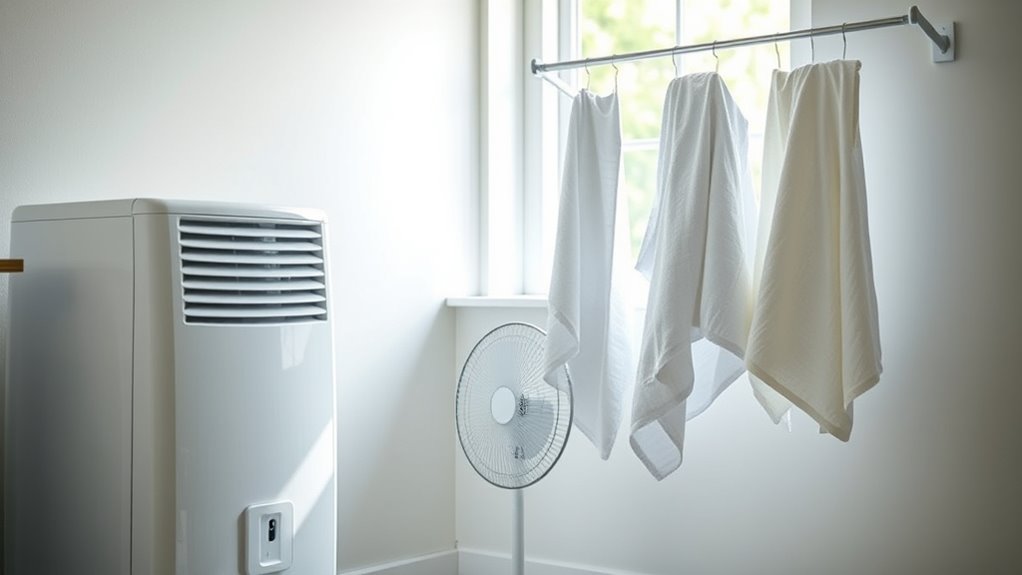
You may not realize that excess humidity can make musty smells stronger by giving mold, mildew, dust mites, and other moisture-loving organisms the damp conditions they need. A dehumidifier can help when the odor is moisture-related, especially in basements, bathrooms, laundry rooms, crawl spaces, and other enclosed areas. It will not remove every smell, though. Odors trapped in carpet, upholstery, drains, ducts, smoke residue, or active mold growth need direct cleaning, repair, or ventilation.
Quick Answer
Yes, a dehumidifier can help with musty smells when excess moisture is the cause. It works by lowering indoor humidity so mold and mildew are less likely to grow. Aim for 30% to 50% relative humidity when possible, and keep indoor humidity below 60% to reduce odor-causing dampness.
Key Takeaways
- A dehumidifier helps most with damp, musty odors caused by high humidity, condensation, mold, or mildew conditions.
- It does not remove odors already embedded in carpet, upholstery, drywall, ducts, drains, smoke residue, or contaminated HVAC parts.
- For odor control, keep relative humidity below 60%; 30% to 50% is the ideal target when your home can comfortably hold it.
- Use a dehumidifier with ventilation, cleaning, leak repair, and source removal for the fastest and most lasting results.
At a Glance
| Time Required | 10 minutes to set up; several hours to a few days to notice less damp odor, depending on the source. |
| Difficulty | Easy for humidity control; moderate if you also need leak repair, deep cleaning, or HVAC inspection. |
| Tools Needed | Dehumidifier, hygrometer or built-in humidistat, clean filter, drain hose if available, exhaust fan or ventilation. |
| Cost | Usually the cost of running an existing unit; extra costs may include a hygrometer, drain hose, replacement filter, or mold cleanup. |
What Causes Odors in Your Home?
Home odors can come from many sources: cooking residue, pets, trash, drains, smoke, dirty laundry, damp carpet, sewer gas, HVAC contamination, or hidden water damage. A dehumidifier helps only when moisture is part of the problem.
Musty odors often start when excess moisture lets mold and mildew grow on damp surfaces or water-damaged materials. The U.S. Environmental Protection Agency says indoor relative humidity should be kept below 60%, and ideally between 30% and 50% when possible. That range gives you a clear target instead of guessing by smell alone.
You’ll notice moisture-related odors most in bathrooms, basements, attics, crawl spaces, laundry rooms, and kitchens. These areas often combine warm air, cool surfaces, weak ventilation, and hidden leaks. HVAC systems can also move musty odor through the home when the condensate drain line clogs, the drain pan holds standing water, the evaporator coil is dirty, or ducts pull humid air from attics or crawl spaces.
Note: A musty smell is a clue, not a diagnosis. It can point to mold or mildew, but it can also come from a dry drain trap, dirty HVAC parts, wet insulation, a damp rug, or a hidden leak.
How Does a Dehumidifier Reduce Odors?
A dehumidifier reduces odors by removing water vapor from the air. When the room gets drier, mold and mildew have a harder time spreading, damp materials dry faster, and stale air feels less heavy. That is why a basement or bathroom can smell fresher after the unit runs consistently.
Think of it as odor prevention and moisture control, not perfume. A dehumidifier does not mask smells. It changes the indoor conditions that allow musty odors to keep coming back.
- Set the unit to 45% or 50% relative humidity to start.
- Keep the room below 60% relative humidity, especially in basements and bathrooms.
- Use a separate hygrometer if the built-in humidity reading seems inaccurate.
- Fix leaks, clean affected surfaces, and move air with exhaust fans or ventilation.
A dehumidifier works best when the odor source is mild dampness, not when the room already has saturated carpet, visible mold, sewage contamination, or odor-soaked materials.
What Smells Can a Dehumidifier Help With?
The easiest way to know whether a dehumidifier will help is to match the odor to the source. If the smell gets worse on humid days or in damp rooms, a dehumidifier is more likely to help. If the smell is chemical, smoky, rotten, sewer-like, or localized to one object, you need source removal first.
| Odor Type | Will a Dehumidifier Help? | What Else to Do |
| Musty basement smell | Yes, often | Seal seepage points, improve drainage, clean damp surfaces, and ventilate. |
| Bathroom mildew smell | Yes, if humidity is high | Run the exhaust fan, clean grout, fix leaks, and dry towels quickly. |
| Damp carpet or upholstery odor | Partly | Dry the material, deep clean it, or replace it if odor remains. |
| Smoke, cooking, pet, or garbage smell | Usually no | Remove the source, clean surfaces, ventilate, and consider activated carbon filtration. |
| Sewer or rotten-egg smell | No | Check floor drains, P-traps, plumbing vents, or gas safety concerns right away. |
Recommended Products

ATTRACTS AND TRAPS EXCESS MOISTURE: Use Arm & Hammer Moisture Absorber and Odor Eliminator Tubs to attract and trap excess moisture from damp spaces.

DON'T JUST COVER UP ODORS, ELIMINATE THEM: DampRid Lavender Vanilla Hanging Moisture Absorbers attract and trap excess moisture from the air, eliminating musty odors and creating fresher, cleaner air. Includes three - 16-ounce bags.

Semiconductor dehumidifiers use thermoelectric cooling to remove moisture from the air. They create a drier, more comfortable environment by reducing humidity and improving air quality.
Why Musty Smells Come From Mold And Mildew
Musty smells are often linked to dampness because mold and mildew need moisture to grow. Mold spores are common indoors and outdoors, but they become a problem when they land on moist materials and have time to develop. The CDC/NIOSH mold guidance explains that excess moisture is generally the major cause of indoor mold growth.
That is why moisture control is the first step. If a room smells musty after rain, after showers, or during humid weather, check for condensation, damp drywall, wet carpet, water stains, plumbing leaks, and poor ventilation. A dehumidifier can lower the moisture level, but you still need to remove or clean materials that already hold odor.
The goal is not to make the room bone-dry. The goal is steady moisture control: below 60% relative humidity, and ideally near 30% to 50% when possible.
Why Basements And Bathrooms Smell Worse
Basements and bathrooms smell worse because they collect moisture faster than many other rooms. Basements sit against cool soil and concrete, so they often deal with seepage, condensation, damp framing, and stagnant air. Bathrooms get repeated bursts of steam from showers and baths, and weak exhaust fans let that moisture linger.
Basement Moisture Traps
Basements are classic moisture traps. Damp soil, cool concrete, foundation cracks, blocked gutters, poor grading, and limited airflow can keep humidity high. A dehumidifier helps by pulling water vapor from the air, but it cannot stop bulk water from entering the room.
To regain control, start with the basics:
- Move water away from the foundation with clean gutters and proper grading.
- Seal small cracks and joints where moisture enters.
- Remove cardboard, damp rugs, and stored fabrics that hold odor.
- Use a dehumidifier sized for the room and dampness level.
- Keep air moving so stale, humid air does not sit in corners.
Bathroom Humidity Buildup
Bathrooms build humidity quickly. Every hot shower sends water vapor into the air, and that moisture can settle on tile, grout, towels, paint, ceiling corners, and cabinets. If the exhaust fan is weak or unused, mildew odor can return even after cleaning.
Use the bathroom fan during the shower and for at least 20 minutes afterward. If the room still stays above 60% relative humidity, a small dehumidifier can help pull moisture down. Also check for slow toilet leaks, damp vanity cabinets, wet bath mats, and towels that never dry fully.
Mold And Mildew Growth
When materials stay wet, mold can develop quickly. The EPA mold guide recommends drying water-damaged areas and items within 24 to 48 hours to help prevent mold growth. That does not mean every damp room becomes moldy overnight, but it does mean you should treat leaks and wet materials quickly.
- Check for plumbing leaks and standing water.
- Dry wet carpet, drywall, and stored items as soon as possible.
- Ventilate after showers, cooking, and laundry.
- Use a dehumidifier to keep humidity below 60%.
Warning: If you see mold over an area larger than about 10 square feet, smell mold from HVAC vents, have sewage or floodwater contamination, or have asthma, COPD, immune suppression, or severe allergies, get professional guidance before disturbing the material.
Does A Dehumidifier Clean The Air?
A dehumidifier removes moisture from the air, but it is not an air purifier. It does not trap fine particles the way a HEPA filter can, and it does not remove gases or odor molecules the way activated carbon may. The EPA guide to air cleaners explains that portable air cleaners and HVAC filters can reduce indoor air pollution, but no air cleaner or filter removes every pollutant in a home.
Moisture Removal, Not Filtration
Use a dehumidifier as a humidity-control device. It can reduce the damp conditions that feed musty odors, but it does not sanitize surfaces or remove mold colonies. If the odor source is already in carpet, drywall, ducts, or furniture, drying the air helps prevent the problem from getting worse, but cleaning or replacement may still be needed.
- A dehumidifier controls moisture.
- An air purifier or HVAC filter targets airborne particles, depending on the filter.
- Activated carbon can help with some odor molecules, but it still will not fix the source.
Helps Allergy Sufferers
Humidity control can help people who react to mold or dust mites. The American Lung Association recommends keeping home humidity below 50% to reduce dust mites, and notes that air conditioning and dehumidifiers can help in humid areas.
That does not mean a dehumidifier treats allergies, asthma, or COPD. It simply helps reduce damp indoor conditions that can support common triggers. If you have a chronic lung condition, keep humidity comfortable, avoid fragrance-heavy odor products, and follow your clinician’s advice.
Safe Humidity Levels
For most odor-control situations, start with a target of 45% to 50% relative humidity. That gives you a practical middle ground: dry enough to discourage musty odors, but not so dry that the air feels harsh.
- Below 60%: the key upper limit for mold prevention.
- 30% to 50%: the ideal range when your home can comfortably hold it.
- Below about 30%: may feel too dry for some people and can irritate skin, eyes, or airways.
What Humidity Level Stops Odors?
Humidity below 60% is the practical threshold for controlling musty odor risk. For a fresher, more comfortable target, aim for 30% to 50% relative humidity when possible. ENERGY STAR notes that ENERGY STAR dehumidifiers include a built-in humidistat, which lets you set a target relative humidity so the unit can cycle on and off as needed.
If your home sits at 65% to 70% humidity for long stretches, mold, mildew, dust mites, and damp materials become harder to control. If it drops below 30%, the air may feel dry and irritating. A hygrometer helps you avoid both extremes.
How Long Does It Take For A Dehumidifier To Remove Musty Smells?
You may notice the air feels less heavy within a few hours, especially in a small damp room. A mild musty smell can improve within a day or two if humidity was the main cause. Stronger odors can take longer because materials such as carpet, drywall, insulation, wood, and upholstery release trapped moisture slowly.
If the smell does not improve after several days of keeping humidity below 60%, look for a source the dehumidifier cannot fix. Check behind furniture, under rugs, inside cabinets, around windows, near drains, around the water heater, and near HVAC equipment.
Pro Tip: Write down the humidity reading before you start, then check it morning and evening for a few days. If the room smells better only when humidity stays below 60%, moisture is probably part of the odor problem.
When Won’t A Dehumidifier Fix Smells?
A dehumidifier will not fix every smell issue. It helps with moisture-related odor, but it cannot erase contamination, remove stains, clean ducts, repair leaks, or neutralize all odor molecules.
- Visible mold: lowering humidity slows the conditions that feed growth, but moldy material still needs proper cleanup.
- Embedded odors: carpet, upholstery, curtains, mattresses, and porous wood may need deep cleaning or replacement.
- Stagnant air: if the room never gets fresh air, stale odors can linger even at a good humidity level.
- HVAC contamination: dirty coils, wet drain pans, and moldy ducts need inspection and cleaning.
- Drain or sewer odors: dry P-traps, plumbing vent problems, or sewer gas are not humidity problems.
- Smoke or fragrance residue: these often require surface cleaning, ventilation, and filtration.
Use the dehumidifier as one tool. For real relief, identify the smell source, treat it directly, and keep the space dry enough that the odor does not return.
Recommended Products

WHY CHOOSE AHAM VERIFIDE AIR PURIFIERS: AHAM (Association of Home Appliance Manufacturers) is an ANSI-accredited organization that sets strict standards for appliance performance. Air purifiers with the AHAM VERIFIDE seal have been independently tested for air cleaning performance and energy efficiency. When you choose an AHAM certified air purifier, you're choosing a product trusted for reliable and effective indoor air quality improvement
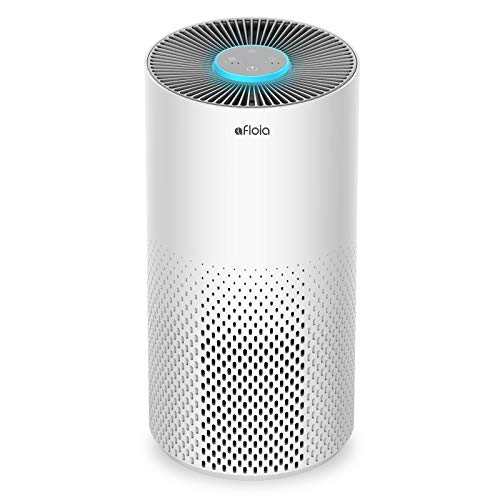
𝐏𝐨𝐰𝐞𝐫𝐟𝐮𝐥 & 𝐅𝐚𝐬𝐭 𝐏𝐮𝐫𝐢𝐟𝐢𝐜𝐚𝐭𝐢𝐨𝐧: Experience rapid air cleaning with 4 complete Air Changes/Hour for rooms up to 374 sq ft. Purify large 1500 sq ft spaces in just one hour.

Cleaner Air In Minutes: Purivortex is proven to filter common pollutants from your home’s air. This air purifier purifies rooms up to 880 ft² in one hour. It can purify a 215 ft² room in about 15 minutes, giving you noticeably fresher air in a short time. Breathe clean, crisp air and feel the difference in your space. (*Tested in an ISO 17025 certified laboratory under typical residential room ventilation conditions.)
Can HVAC Problems Cause Musty Odors?
Yes, HVAC problems can create or spread musty odors. A clogged condensate drain line can trap moisture. A dirty evaporator coil can hold dust and moisture. A drain pan with standing water can support microbial growth. Leaky ducts can pull damp air from attics, crawl spaces, or wall cavities and move that odor through the home.
You cannot out-dehumidify a contaminated HVAC path. If the smell comes from supply vents, gets worse when the system starts, or returns even when room humidity is under control, inspect the condensate line, drain pan, filter, coil, and ductwork. Change filters on schedule, keep condensate drainage clear, and call an HVAC professional if you suspect growth inside the system.
How Should You Use A Dehumidifier For Odor?
Set your dehumidifier to keep indoor humidity below 60%, with 45% to 50% as a practical starting target. Place it in the damp problem area, run it consistently, and combine it with cleaning and ventilation. ENERGY STAR explains that dehumidifier capacity is measured in pints per 24 hours and depends on the size of the space and how damp it is, so a small unit may not solve a large wet basement.
Recommended Products

【The Undisputed Champion — Industry-Leading Dehumidifier Brand】Choose AEOCKY, getting double market validation. According to data independently verified by Stackline, a leading third-party data analytics company, AEOCKY was an industry‑leading dehumidifier brand on Amazon U.S. in 2025. Meanwhile, it stands as a technology-leading rotary desiccant dehumidifier brand on Amazon. This isn’t just an appliance—it’s a complete humidity-control solution for small spaces. Skip low-performance alternatives and trust a brand recognized by the market.
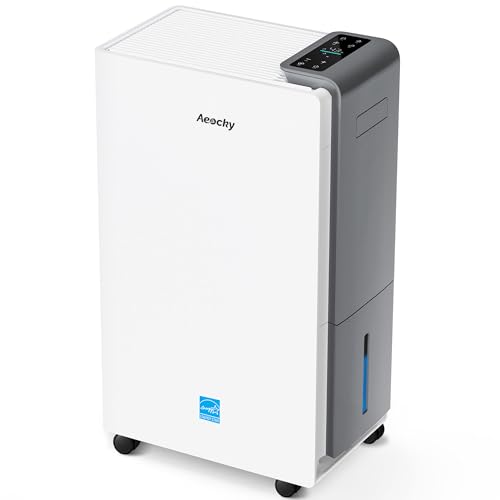
【ENERGY STAR 25 ≠ ENERGY STAR Most Efficient 2025】Don't fall for competitors' word games. With only 2.6% of ENERGY STAR models earning "Most Efficient 2025" title, these options are exceptionally rare on the market. RHEA-001 is one of the few to truly hold this top-tier certification. Many brands use misleading phrases like "Energy Star Efficient 25" or "Energy Star 25" to imply a standard they haven't met. Choosing them is a risk.With AEOCKY, you get verified performance and the peace of mind of authentic, top-tier efficiency.

34 Pint Powerful Moisture Removal for Spaces up to 2,500 Sq. Ft: Designed for large rooms and damp spaces, the TEANEWS compressor dehumidifier removes up to 34 pints of moisture per day at 95°F, 90% RH. It helps control excess humidity in areas up to 2500 sq. ft, making it a great choice for basements, bedrooms, bathrooms, laundry rooms, garages, offices, kitchens, storage areas, crawl spaces and RVs. Simply set your desired humidity level between 30% and 70%, and enjoy a drier, fresher and more comfortable home environment
Step 1: Find The Moisture Source
Before you run the unit, look for the reason the room smells damp. Check for wet carpet, condensation on windows, sweating pipes, foundation seepage, roof leaks, damp boxes, slow plumbing leaks, and a weak exhaust fan. If you skip this step, the dehumidifier may run constantly without solving the problem.
Step 2: Set Ideal Humidity
Use the dehumidifier’s humidistat or a separate hygrometer. Set the target to 45% or 50% relative humidity. If the unit runs constantly and never reaches the target, the room may be too wet, the unit may be undersized, or outside moisture may still be entering.
- Check humidity after storms and seasonal weather shifts.
- Keep the unit away from walls and furniture so air can circulate.
- Close windows when outdoor air is humid.
- Use continuous drainage if the bucket fills quickly.
Step 3: Target Problem Areas
Focus on the dampest odor hotspots: basements, bathrooms, kitchens, laundry rooms, crawl spaces, utility rooms, and enclosed storage areas. You’ll get better odor control when the unit is in the room where moisture builds, not in a dry hallway far from the source.
For larger areas, choose a unit with enough pint capacity for the room size and dampness level. If one unit cannot hold humidity below 60%, consider a larger unit, better drainage, air sealing, or professional moisture control.
Step 4: Combine With Ventilation
Pairing your dehumidifier with proper ventilation makes odor control more effective. The American Lung Association notes that fresh outdoor air helps dilute indoor pollutants and reduce humidity, although ventilation works best when you also control pollution sources.
- Run bathroom and kitchen exhaust fans during moisture-heavy tasks.
- Open windows when outdoor air is dry and clean.
- Do not block HVAC returns or supply vents.
- Use fans to move air across damp corners, but do not blow air directly across visible mold.
Step 5: Maintain The Unit
A dirty dehumidifier can become its own odor source. Empty the bucket before water sits too long, clean the tank, rinse or replace filters as the manual directs, and check the drain hose for slime or blockages. If the unit smells musty, unplug it and clean the bucket, filter, grille, and accessible parts before running it again.
How Do You Keep Your Home Smelling Fresher?
Start with moisture control, then remove odor sources instead of covering them. Keep indoor humidity below 60%, dry wet materials quickly, fix leaks, clean mold-prone surfaces, and improve ventilation. Once the air is dry and the source is gone, your home smells fresher because the odor is no longer being fed.
Use fragrance products carefully. Candles, sprays, wax melts, and strong air fresheners can mask odor, but they do not fix moisture or mold. If anyone in your home has asthma, COPD, allergies, migraines, or fragrance sensitivity, choose source removal, ventilation, and fragrance-free cleaning first.
- Wash and fully dry towels, bath mats, and laundry.
- Remove damp cardboard and stored fabrics from basements.
- Clean trash cans, drains, refrigerator drip areas, and pet zones.
- Use exhaust fans in kitchens, bathrooms, and laundry rooms.
- Replace HVAC filters and inspect condensate drainage.
- Keep humidity steady instead of letting it rebound after rain or showers.
Troubleshooting: Why The Smell Is Still There
If the dehumidifier is running but the odor remains, use the humidity reading to decide your next move.
- Humidity is still above 60%: the unit may be undersized, the room may be too wet, windows may be open, or moisture may still be entering.
- Humidity is below 60% but the smell remains: look for embedded odors in carpet, furniture, drywall, drains, or HVAC parts.
- The dehumidifier smells bad: clean the bucket, filter, grille, and drain hose; stagnant water can smell musty.
- The smell comes from vents: inspect the HVAC filter, coil, drain pan, condensate line, and ducts.
- The smell is rotten, sewage-like, or sulfur-like: stop treating it as a humidity problem and check plumbing or gas safety issues.
Frequently Asked Questions
Can a dehumidifier make your house smell better?
Yes, it can make your house smell better when the odor comes from dampness, mold-friendly humidity, mildew, or musty air. It will not remove odors from smoke, garbage, pet accidents, drains, dirty ducts, or odor-soaked fabrics unless you clean or repair the source.
Should you use a dehumidifier if you have COPD?
A dehumidifier may help if your home is damp or moldy, because humidity control can reduce moisture-related triggers. However, COPD needs individualized medical guidance. Avoid over-drying the air, avoid fragrance-heavy odor products, and ask your clinician what indoor humidity range is best for your symptoms.
Do air purifiers dry indoor air?
No. Air purifiers filter air; they do not remove meaningful moisture from it. Use a dehumidifier for humidity control. Use an air purifier or upgraded HVAC filtration when you want to reduce airborne particles, and consider activated carbon for some odor molecules.
Will a dehumidifier remove bad smells?
It can reduce bad smells caused by dampness, especially musty basement or bathroom odors. It will not remove every bad smell. If the odor comes from moldy material, dirty HVAC parts, drains, smoke, pets, garbage, or chemicals, you need to remove or clean the source.
What humidity should I set my dehumidifier to for smells?
Start at 45% to 50% relative humidity. Keep the room below 60% to reduce mold-friendly dampness, but avoid pushing the air below about 30% because very dry air can feel uncomfortable or irritating.
Can a dehumidifier make a smell worse?
It can seem that way if the unit is dirty, the bucket has stagnant water, the drain hose is slimy, or airflow stirs up odor from damp materials. Clean the unit, empty the tank, check the filter, and inspect the room for hidden wet items.
Conclusion
A dehumidifier can help control home odors when excess humidity is the reason your space smells musty. It lowers moisture, slows the damp conditions that feed mold and mildew, and helps basements, bathrooms, laundry rooms, and storage areas feel fresher. For best results, keep humidity below 60%, aim for 30% to 50% when possible, and pair the unit with leak repair, cleaning, ventilation, and HVAC maintenance.
Just remember: a dehumidifier is not a cure-all. It will not remove odor trapped in fabrics, fix plumbing smells, clean contaminated ducts, or remove active mold by itself. Find the source, dry the space, clean what needs cleaning, and keep moisture from coming back.
Sources
- U.S. Environmental Protection Agency: Mold Course Chapter 2 — backs the recommendation to keep indoor relative humidity below 60%, ideally 30% to 50%.
- U.S. Environmental Protection Agency: A Brief Guide to Mold, Moisture and Your Home — backs moisture control and drying water-damaged materials within 24 to 48 hours.
- U.S. Environmental Protection Agency: Guide to Air Cleaners in the Home — backs the distinction between moisture control and air filtration.
- ENERGY STAR: Dehumidifiers — backs dehumidifier humidistat features, sizing considerations, and pint-per-day capacity guidance.
- American Lung Association: Dust Mites — backs keeping humidity below 50% to help reduce dust mites in humid homes.
- American Lung Association: Ventilation — backs using fresh outdoor air to dilute indoor pollutants and reduce humidity when conditions allow.