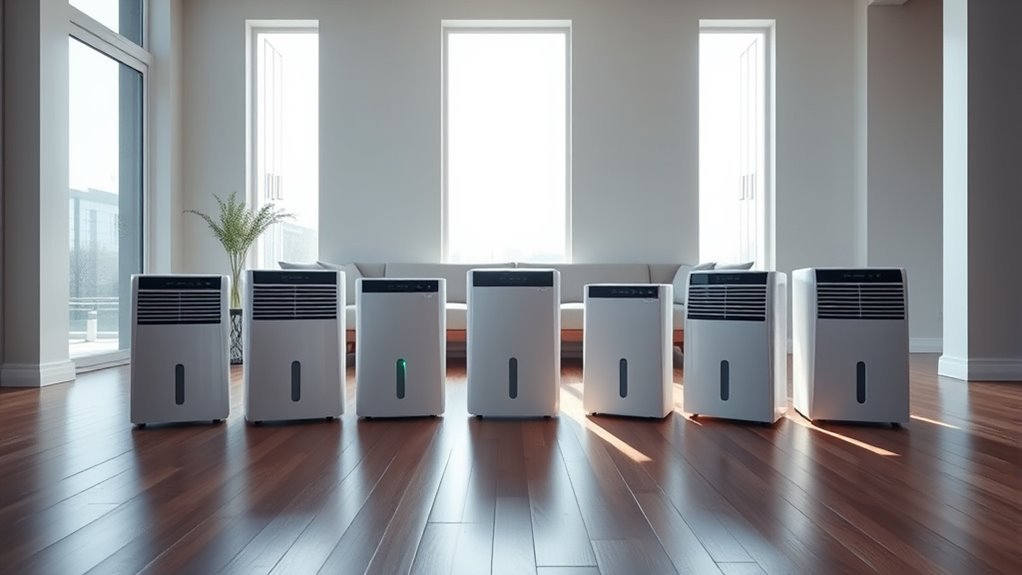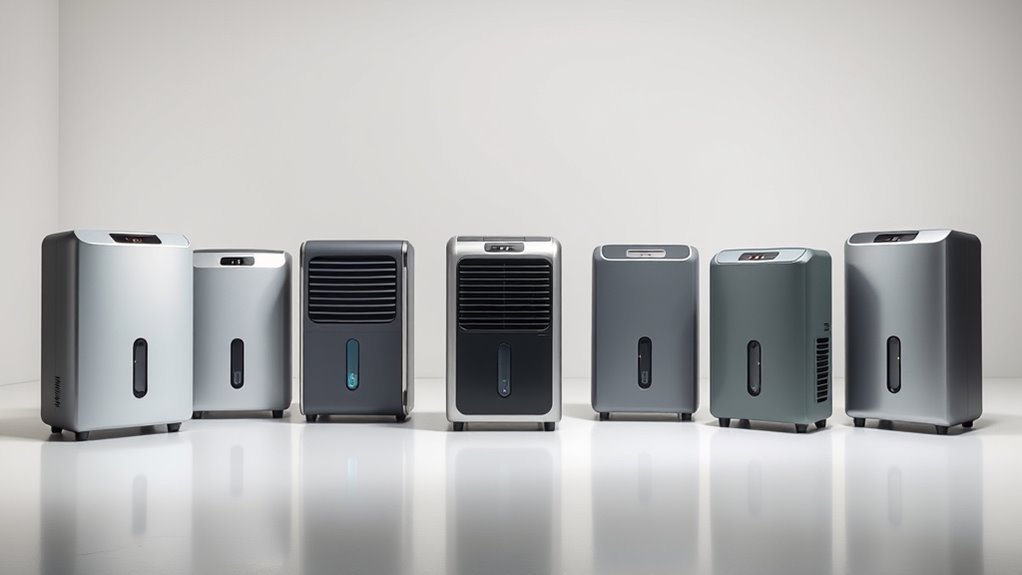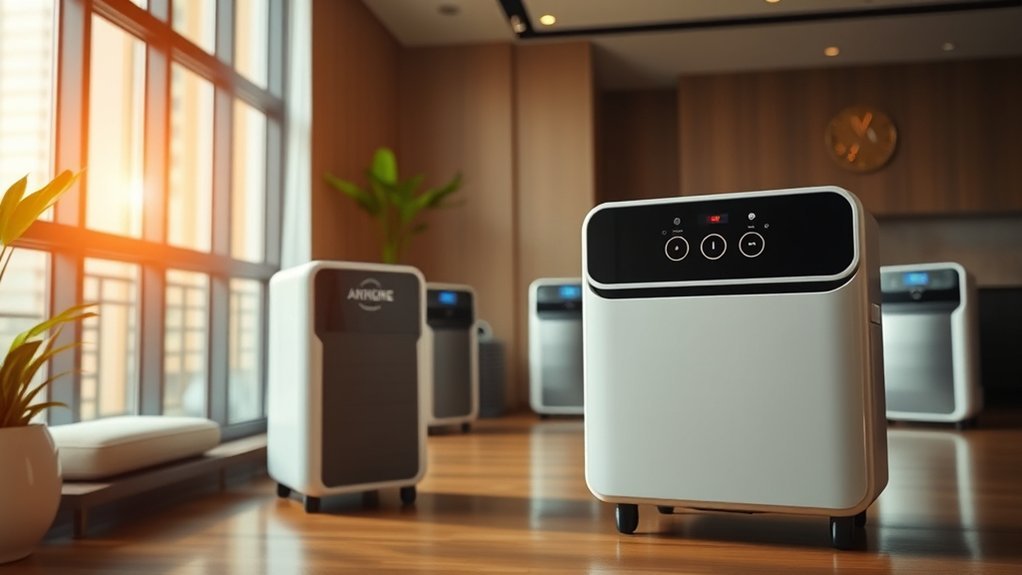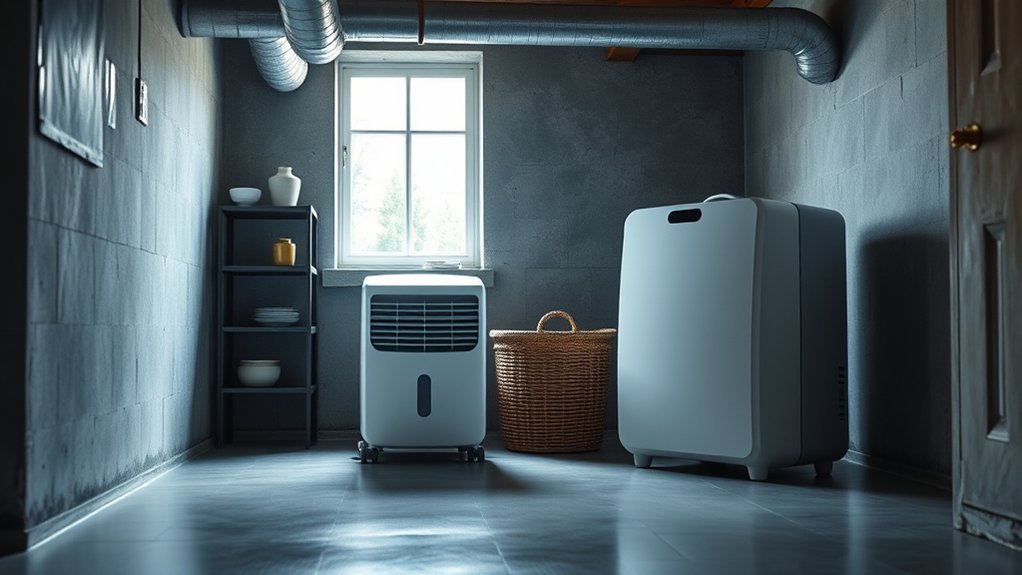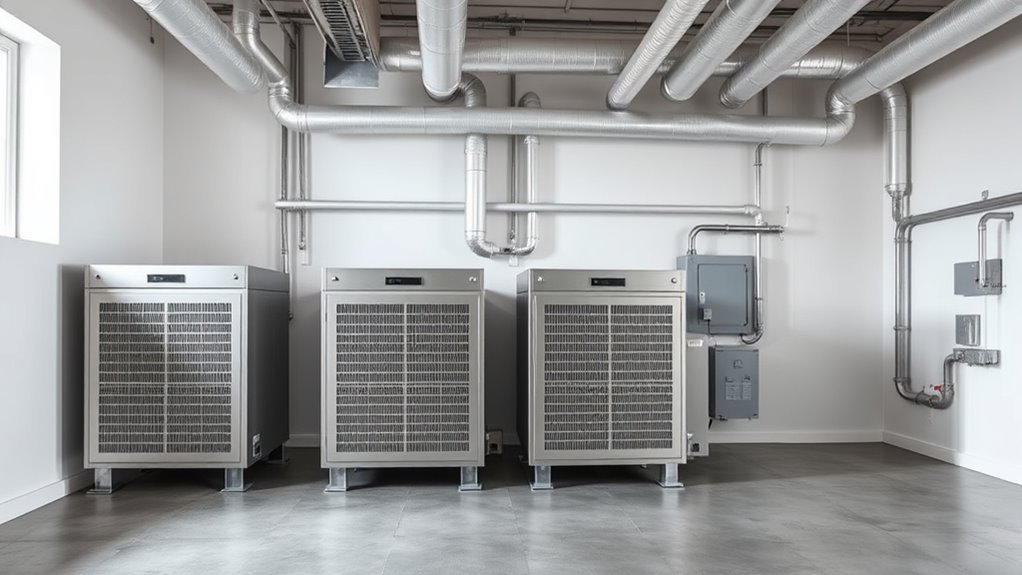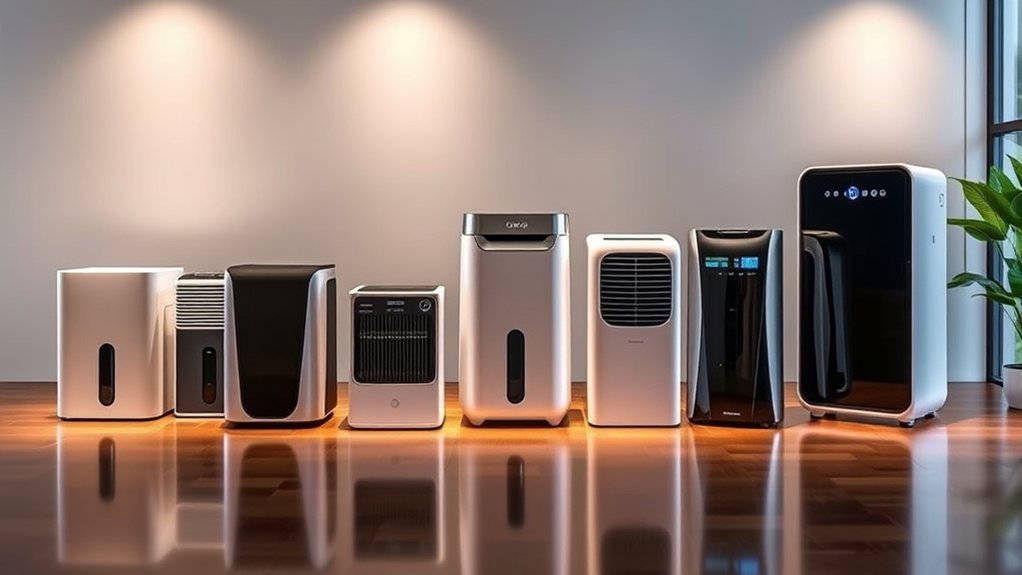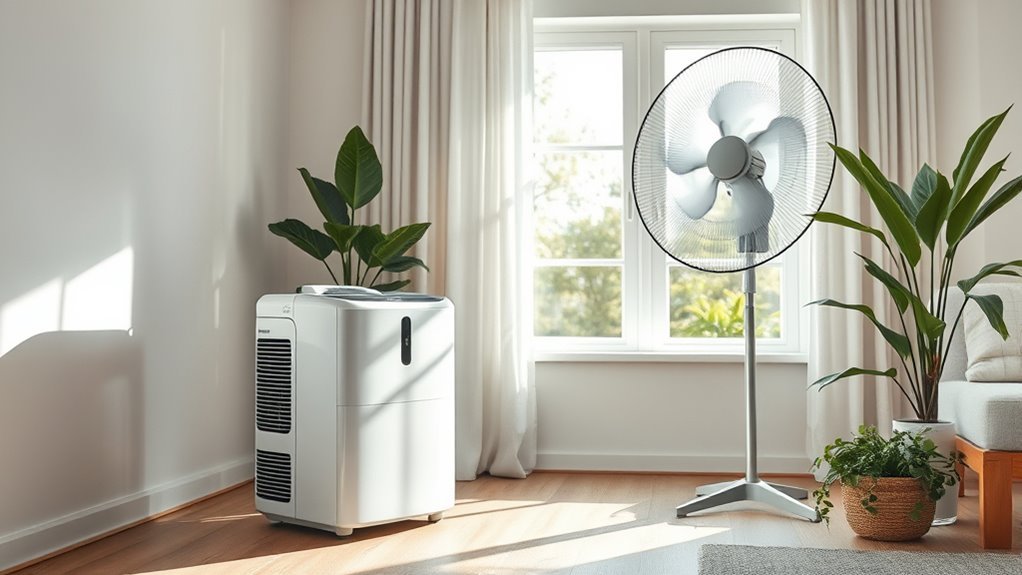
A dehumidifier can look a little like a fan because it pulls air in and blows air back out. But it is not a room fan. A dehumidifier’s main job is to remove moisture from the air, while a fan’s main job is to move air around so you feel cooler. Knowing the difference helps you choose the right tool for sticky rooms, damp basements, musty smells, bathrooms, laundry areas, and hot bedrooms.
Quick Answer
No, a dehumidifier is not a fan. It may have an internal fan that moves air through the machine, but its purpose is moisture removal. A regular fan creates airflow and a cooling sensation, while a dehumidifier lowers humidity so damp air feels less sticky and mold is less likely to grow.
Key Takeaways
- A dehumidifier removes moisture; a fan only moves air unless it vents air outdoors.
- A good indoor humidity target is often 30% to 50% relative humidity, with EPA guidance recommending below 60% when possible.
- A fan can make you feel cooler quickly, but it cannot fix a damp room by itself.
- Using both together can help dry damp spaces faster because the fan circulates air while the dehumidifier collects moisture.
- A dehumidifier may slightly warm the air around it, so use it for humidity control rather than true cooling.
At a Glance
| Time Required | 5–10 minutes to set up a fan and dehumidifier correctly |
| Difficulty | Easy |
| Tools Needed | Dehumidifier, fan, grounded outlet, and a hygrometer or built-in humidistat |
| Cost | No extra cost if you already own both; a basic humidity meter is usually inexpensive |
What Is a Dehumidifier, Really?
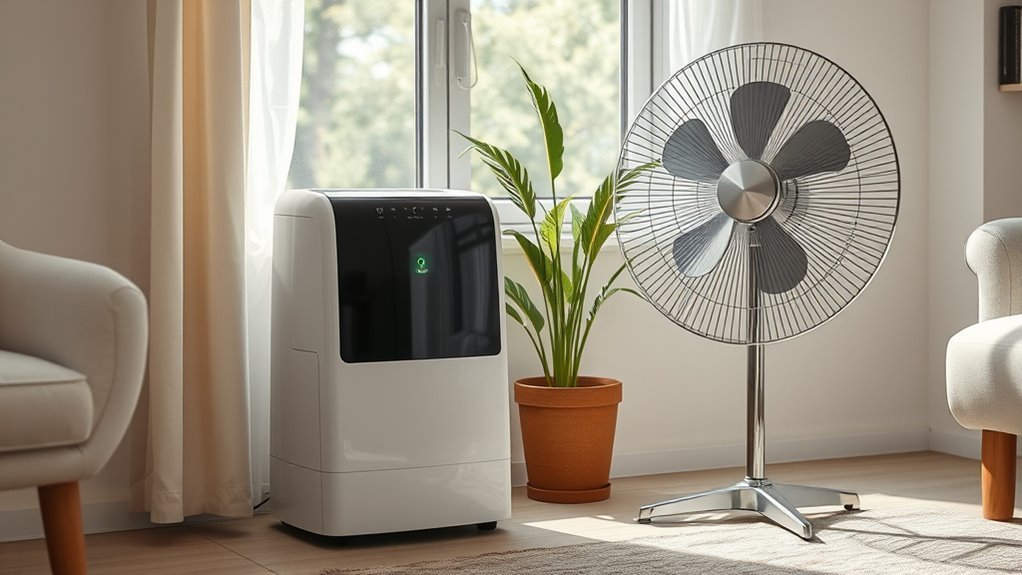
A dehumidifier is a moisture-control appliance. It pulls damp air into the unit, passes that air over cold coils or another moisture-removal system, collects condensed water in a bucket or drain line, and sends drier air back into the room.
That means a dehumidifier does move air through itself, but the airflow is not the point. The point is lowering relative humidity. ENERGY STAR explains that the optimum relative humidity level for a building is generally considered to be 30% to 50%, and anything above that range may promote mold growth.
A dehumidifier is most useful in spaces that feel damp, smell musty, or show signs of condensation. Common examples include basements, laundry rooms, crawl-space-adjacent rooms, bathrooms without strong ventilation, and bedrooms in humid climates.
Note: Do not expect a dehumidifier to chill the room like an air conditioner. As it removes moisture, it may make the air feel more comfortable, but ENERGY STAR notes that a dehumidifier can slightly warm the space around it.
Dehumidifier vs Fan: What’s the Difference?
A fan moves air. A dehumidifier removes water vapor from air. That is the main difference.
| Feature | Dehumidifier | Fan |
|---|---|---|
| Main job | Removes moisture from air | Moves air across a room or person |
| Humidity effect | Lowers relative humidity | Does not lower humidity in a closed room |
| Cooling effect | Can make air feel less sticky, but may slightly warm nearby air | Creates a wind-chill effect on your skin |
| Best use | Damp rooms, musty odors, condensation, mold prevention | Fast airflow, hot dry rooms, personal comfort |
| Water collection | Yes, in a tank or drain hose | No |
The U.S. Department of Energy says circulating fans create a wind-chill effect that makes people feel more comfortable. That is different from removing water from the air.
Recommended Products


High Efficient Dehumidifiers for Home: This compact 44oz dehumidifier efficiently removes excess moisture in rooms with 86°F and 80% RH, collecting up to 11.8oz (349ml) of water in 24 hours. It maintains an ideal humidity level of 45%-55% while operating at ultra-low energy consumption (24W/hour, 576W/day). Perfect for bedrooms, bathrooms, and small spaces.

Upgrade High Efficient Dehumidification: Dehumidifier utilize semi conductor condensation technology, ensuring quiet operation while effectively extracting moisture from the air. This advanced feature helps keep humidity levels below 45%
Does a Dehumidifier Have a Fan Inside?
Yes, most dehumidifiers have an internal fan. That fan pulls room air into the appliance and pushes treated air back out. But that does not make the appliance a normal room fan.
Think of the internal fan as a helper part inside the machine. It supports the moisture-removal process. A standalone fan, on the other hand, is built to create airflow across the room or across your skin. That is why a dehumidifier may feel like it is blowing air, but it usually will not give the same cooling sensation as a box fan, tower fan, ceiling fan, or window fan.
How a Dehumidifier Changes Indoor Comfort
High indoor humidity makes a room feel heavy, sticky, and stale. It can also slow drying on fabrics, walls, floors, and furniture. When a dehumidifier lowers humidity, the room may feel more comfortable even if the thermostat reading does not drop.
The EPA recommends keeping indoor humidity below 60% where possible, ideally between 30% and 50%. The CDC recommends keeping home humidity no higher than 50% all day long to help prevent mold growth.
For most homes, a practical target is 30% to 50% relative humidity. If a room stays above 60%, moisture problems and mold risk become more likely.
Use a hygrometer or the dehumidifier’s built-in humidistat to check the room. Humidity changes during the day, so one reading is not always enough.
Why a Dehumidifier Feels Like It Cools
A dehumidifier can make a room feel cooler because drier air feels less sticky. This is perceived comfort, not true air conditioning.
Lower Humidity Effect
When air holds too much moisture, sweat evaporates more slowly from your skin. That makes hot weather feel worse. Lowering humidity helps your body’s natural cooling process work better, so the room may feel lighter and easier to breathe in.
Less Sticky Air
Damp air clings to skin, bedding, upholstery, and walls. Once a dehumidifier pulls moisture out of the air, those surfaces can dry more easily. This is why dehumidifiers are especially useful in basements, laundry rooms, and rooms where windows fog or walls feel damp.
Not True Cooling
A dehumidifier does not work like an air conditioner. Mayo Clinic describes dehumidifiers as devices that collect extra moisture from the air and lower humidity, working like air conditioners without the cooling effect. In fact, because the appliance uses electricity and releases heat from its system, the air near the unit may feel slightly warmer.
When a Fan Works Better Than a Dehumidifier
A fan is the better choice when your main problem is heat or still air, not excess moisture.
Better Air Circulation
Fans move air quickly. That makes them useful when a room feels stuffy, when you want a breeze while sleeping, or when you need air movement while cooking, cleaning, or working.
Hot, Dry Comfort
In a hot, dry room, a dehumidifier may do little or nothing for comfort because there is not much moisture to remove. A fan usually helps more because it moves air across your skin and creates a cooling sensation.
Faster Comfort
If you walk into a warm bedroom and want immediate relief, turn on a fan. A dehumidifier works gradually. It needs time to pull moisture from the air and collect water.
Note: A regular circulating fan does not remove humidity from a closed room. An exhaust fan or window fan can help remove humid air only when it vents that air outdoors and brings in drier replacement air.
Can You Use a Dehumidifier as a Fan?
You can run a dehumidifier and feel some air coming from it, but you should not use it as a replacement for a fan. It is not designed to create strong room-wide airflow or a direct cooling breeze.
Use a dehumidifier when the room is damp, musty, humid, or prone to condensation. Use a fan when you need air movement. Use both when the room is damp and stale.
This distinction matters most in rooms with moisture problems. A fan alone may move damp air around without solving the cause. A dehumidifier lowers the moisture level, and the fan helps distribute that drier air more evenly.
Why Use a Dehumidifier and Fan Together?
A dehumidifier and fan can work well together because they solve different parts of the same comfort problem. The dehumidifier removes moisture. The fan prevents stagnant air pockets and helps move damp air toward the unit.
Better Air Circulation
Place the dehumidifier where it has clear space around the intake and outlet. Then use the fan to move air from damp corners, wet floors, or drying laundry toward the dehumidifier. This helps the appliance treat more of the room instead of only the air near the unit.
Faster Moisture Removal
Air movement helps moisture evaporate from damp surfaces. Once that moisture enters the air, the dehumidifier can collect it. This pairing is useful after minor leaks, during indoor laundry drying, or in basements where humidity collects in corners.
More Even Comfort
Without airflow, one side of a room can feel dry while another corner still feels damp. A fan helps spread drier air through the room, making humidity control more consistent.
How to Pair a Fan and Dehumidifier
To get the best results, set up both devices so air moves toward the dehumidifier without blocking either machine.
- Close doors and windows in the room you are dehumidifying unless you are intentionally ventilating with outdoor air.
- Place the dehumidifier near the center of the damp area, with open space around the intake and outlet.
- Aim the fan at damp surfaces such as wet carpet, laundry, walls, or corners, but do not blow directly into the dehumidifier from only a few inches away.
- Keep cords and drain hoses clear of walkways so they do not become tripping hazards.
- Watch the hygrometer and stop or lower the setting once the room reaches about 30% to 50% relative humidity.
Warning: Keep dehumidifiers and fans away from standing water. Use properly grounded outlets, keep drain hoses away from electrical cords, and follow the manufacturer’s safety instructions.
Pro Tip: Put a separate hygrometer across the room from the dehumidifier. The built-in humidistat may read the air closest to the unit, not the dampest part of the room.
Dehumidifier vs Fan for Humidity Control
For true humidity control, the dehumidifier wins. A fan can help air move, but it cannot collect water from indoor air.
| Humidity Reading | What It Means | Best Tool |
|---|---|---|
| Under 30% | Air may feel too dry for some people | Avoid dehumidifying further |
| 30%–50% | Good practical target for many homes | Fan for comfort if needed |
| 50%–60% | Watch for condensation, musty odors, or allergy triggers | Dehumidifier if the room feels damp |
| Above 60% | Moisture and mold risk rises | Dehumidifier plus source control |
If humidity stays high, also look for the source. Common causes include leaks, poor bathroom ventilation, indoor clothes drying, blocked dryer vents, wet foundation areas, and poor drainage around the home.
Recommended Products
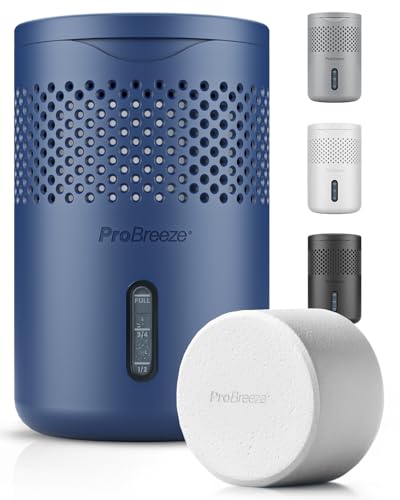
REUSABLE, ECO-FRIENDLY DESIGN: The Osmo Moisture Absorber features a refillable water tank, removing up to 44 fl oz of moisture from the air. Unlike disposable moisture absorbers such as hanging bags or crystals, our Moisture Absorber can be used over and over again, helping to reduce waste and improve your carbon footprint.

Effective Moisture Control for Home Use: OWAAE dehumidifier is designed to reduce excess moisture and help maintain comfortable humidity levels in everyday living spaces. It works best in moderate-to-high humidity environments, improve overall air comfort at home

POWERFUL MOISTURE ABSORPTION: Vacplus moisture absorbers use spherical calcium chloride crystals to capture excess moisture from the air. The moisture is gradually drawn into the collection reservoir, helping maintain a drier environment in moisture-prone spaces.
Which One Should You Choose for Your Space?
Choose based on the problem you are trying to solve.
- Choose a dehumidifier if the room smells musty, feels damp, has condensation, or stays above 50% to 60% relative humidity.
- Choose a fan if the room is hot, dry, still, or uncomfortable because the air is not moving.
- Choose both if the room is humid and stale, or if you are trying to dry damp surfaces faster.
- Choose an exhaust fan if the problem is moisture from showers, cooking, or laundry that needs to be vented outdoors.
For bathrooms and kitchens, a dehumidifier should not be treated as a full replacement for proper ventilation. The EPA recommends using bathroom fans or opening windows when showering and using exhaust fans or open windows when cooking or dishwashing when practical.
Recommended Products

Installation Support: Designed for 4-inch duct. If your existing ductwork is 3 inches, reach out to Amico for a free 4" to 3" duct reducer for quick, trouble-free installation.
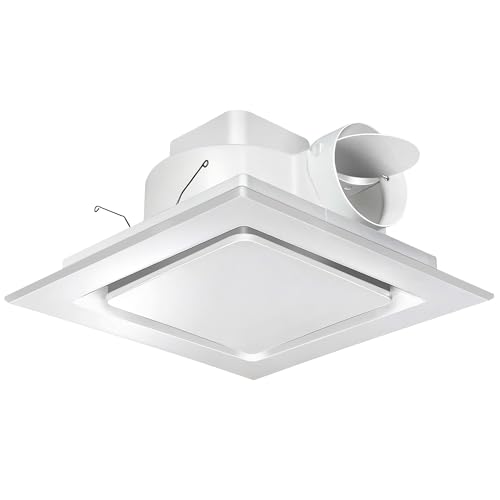
【Banish Bathroom Moisture & Odors for Good】Tired of foggy mirrors, musty smells, and damp walls? Whether you call it a bathroom exhaust fan, a bathroom vent fan, or even a fart fan for bathroom, our model quickly removes steam, humidity, and unpleasant odors—leaving your bathroom fresh, dry, and comfortable.

Installation Support: Designed for 4-inch duct. If your existing ductwork is 3 inches, reach out to Amico for a free 4" to 3" duct reducer for quick, trouble-free installation.
Safety, Health, and Maintenance Considerations
A dehumidifier can help create a drier, more comfortable room, but it works best when it is used safely and cleaned regularly.
Clean the Tank and Filter
Empty the water bucket often and clean the tank according to the manufacturer’s instructions. Mayo Clinic notes that draining and cleaning the moisture tray helps prevent bacteria and mold. If your unit has a washable filter, keep it clean so air can move freely through the appliance.
Do Not Overdry the Room
More dehumidifying is not always better. If indoor humidity drops too low, the air may feel dry and irritating. Use a humidistat or hygrometer instead of guessing.
Be Careful After Water Damage
After a leak or spill, dry wet materials quickly. The EPA says that if wet or damp materials are dried within 24 to 48 hours after a leak or spill, mold usually will not grow. For major flooding, sewage, widespread mold, or soaked walls and insulation, get professional help.
Respiratory Conditions
If you have asthma, COPD, mold allergy, or another respiratory condition, humidity control may help if dampness or mold is a trigger. But it is not a substitute for medical care. Follow your clinician’s advice, and avoid letting the room become either too damp or too dry.
Frequently Asked Questions
Can I use my dehumidifier as a fan?
Not really. A dehumidifier may blow air because it has an internal fan, but that fan is meant to move air through the moisture-removal system. Use a regular fan when you want a breeze or fast airflow.
Does a dehumidifier cool a room?
A dehumidifier can make a humid room feel cooler because drier air feels less sticky. It does not cool like an air conditioner, and the area around the unit may feel slightly warmer while it runs.
Is it healthy to sleep in a room with a dehumidifier?
Yes, it can be fine if the room is too humid and you keep humidity in a reasonable range, such as about 30% to 50%. Do not overdry the room, and clean the tank and filter regularly so the unit does not become dirty.
Will a dehumidifier help dry out plaster?
Yes, a dehumidifier can help plaster dry by lowering humidity in the room. Use gentle airflow from a fan as well, but avoid overheating or drying plaster too aggressively unless the plaster manufacturer or contractor recommends it.
Should you use a dehumidifier if you have COPD?
A dehumidifier may help if high humidity, mold, or dampness worsens your indoor air quality. But COPD care is personal, so follow your doctor’s advice and keep indoor air neither too damp nor too dry.
Should I close the door when using a dehumidifier?
Usually, yes. Closing doors and windows helps the dehumidifier treat the room more efficiently. If you are using an exhaust fan or window fan for ventilation, make sure you are not pulling in more humid outdoor air than you are removing.
Can a fan replace a bathroom dehumidifier?
A bathroom exhaust fan is often better for removing shower steam because it vents humid air outdoors. A dehumidifier can help with leftover dampness, but it should not replace proper bathroom ventilation when an exhaust fan is needed.
Conclusion
A dehumidifier is not the same thing as a fan. A fan moves air and helps you feel cooler quickly. A dehumidifier removes moisture and helps a damp room feel drier, cleaner, and less sticky. If your problem is heat, choose a fan. If your problem is humidity, choose a dehumidifier. If the room is both humid and stale, use both together for better airflow and faster moisture control.
Sources
- ENERGY STAR — Dehumidifiers — backs up humidity targets, humidistat use, setup tips, and the note that dehumidifiers may slightly warm nearby air.
- U.S. EPA — A Brief Guide to Mold, Moisture and Your Home — backs up mold-prevention humidity guidance, ventilation advice, and drying wet materials within 24–48 hours.
- CDC — Mold — backs up keeping home humidity no higher than 50% all day long to help prevent mold growth.
- U.S. Department of Energy — Fans for Cooling — backs up the wind-chill effect and comfort role of circulating fans.
- Mayo Clinic — Humidifiers and Dehumidifiers — backs up dehumidifier moisture removal, lack of true cooling, and cleaning guidance.
- AAAAI — Humidifiers and Indoor Allergies — backs up humidity, dust mite, mold, and allergy context.