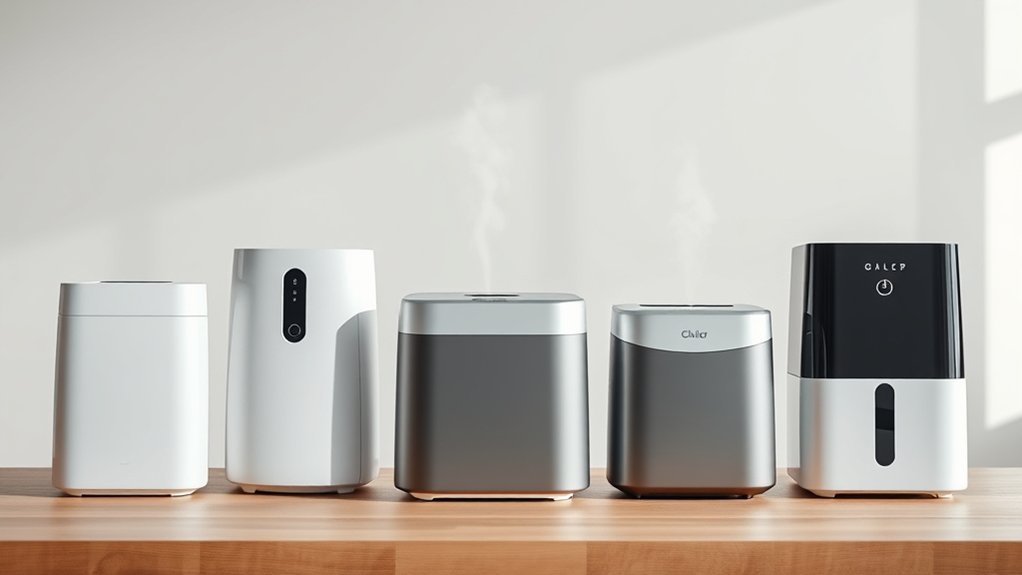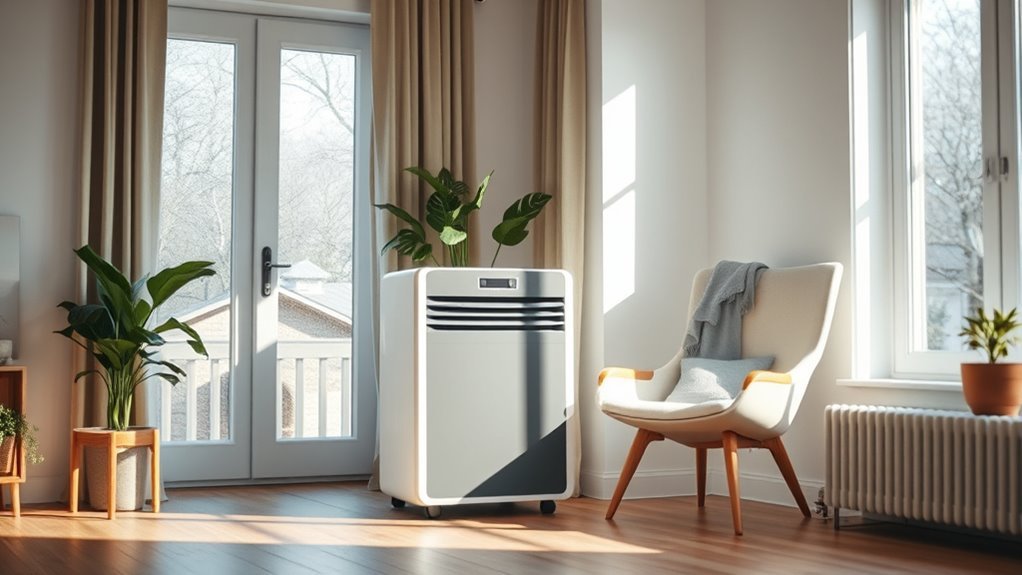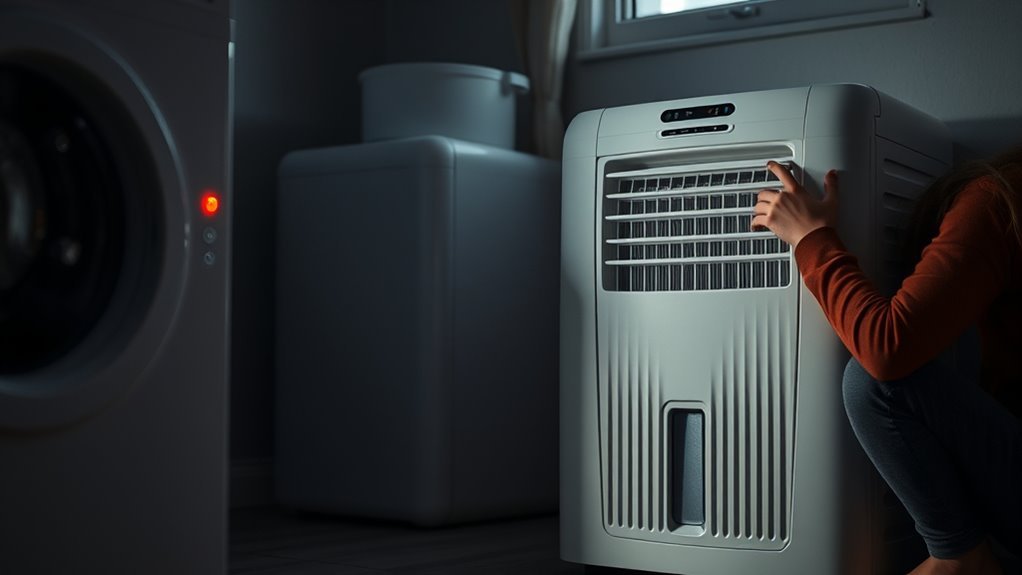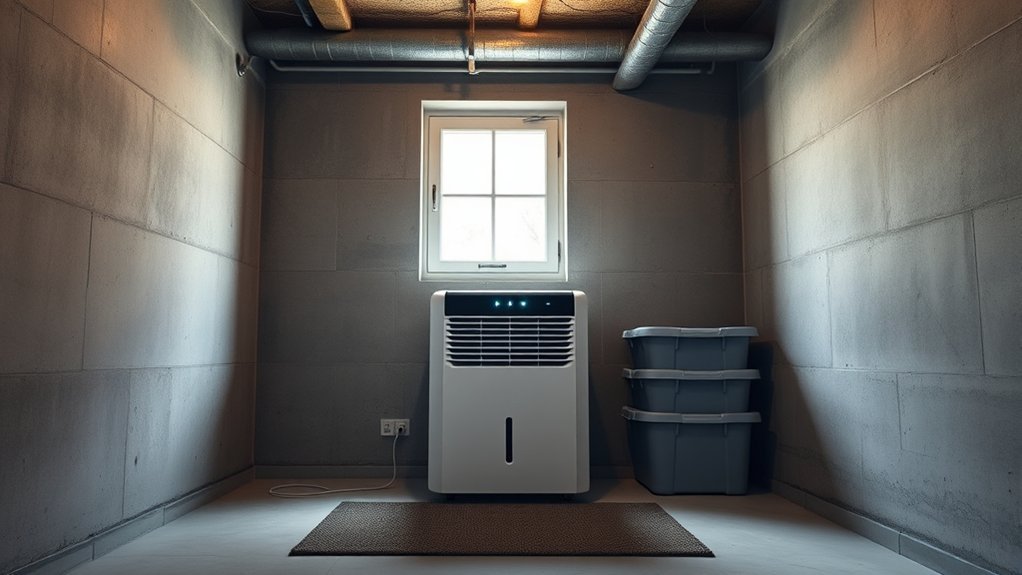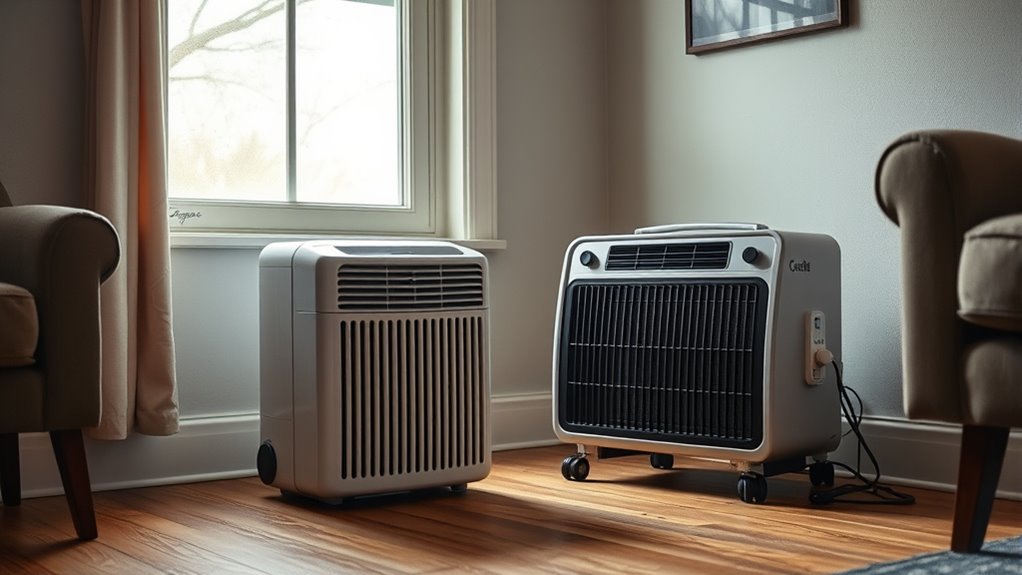
No, you usually do not need a heater with a dehumidifier. A heater can help a refrigerant or compressor dehumidifier when a room is cold enough to reduce water removal or cause frequent defrosting, but heat alone does not remove water from the room. If the space stays consistently cold, a desiccant dehumidifier rated for that temperature may be more practical than running a compressor unit with a separate heater.
Quick Answer
Use a heater only when cold is limiting your dehumidifier’s performance. Check the room temperature against the exact operating range in the appliance manual, use only mild heat when needed, and target about 30% to 50% relative humidity. If a room remains consistently cold, a desiccant model rated for that temperature is often a simpler option.
Key Takeaways
- A dehumidifier removes water from the air; a heater mainly changes air temperature and relative humidity.
- Check the appliance manual because minimum operating temperatures vary by model.
- Aim for roughly 30% to 50% relative humidity, with about 30% to 40% often more suitable during cold heating seasons when windows are condensing.
- Use an electric heater cautiously, keep it away from water and combustibles, and connect appliances only as their manuals and the electrical circuit allow.
- Fix leaks, drainage problems, and poor ventilation before relying on either appliance.
At a Glance
| Heater Needed? | Usually no, if the room is within the dehumidifier’s rated range and humidity is falling normally |
| Use Extra Heat When | Cold is causing weak water collection, repeated defrosting, or operation near the model’s minimum temperature |
| Humidity Target | About 30% to 50% RH; approximately 30% to 40% may reduce winter condensation in colder climates |
| Cold-Room Alternative | A desiccant dehumidifier specifically rated for the room temperature |
Do You Need a Heater With a Dehumidifier?
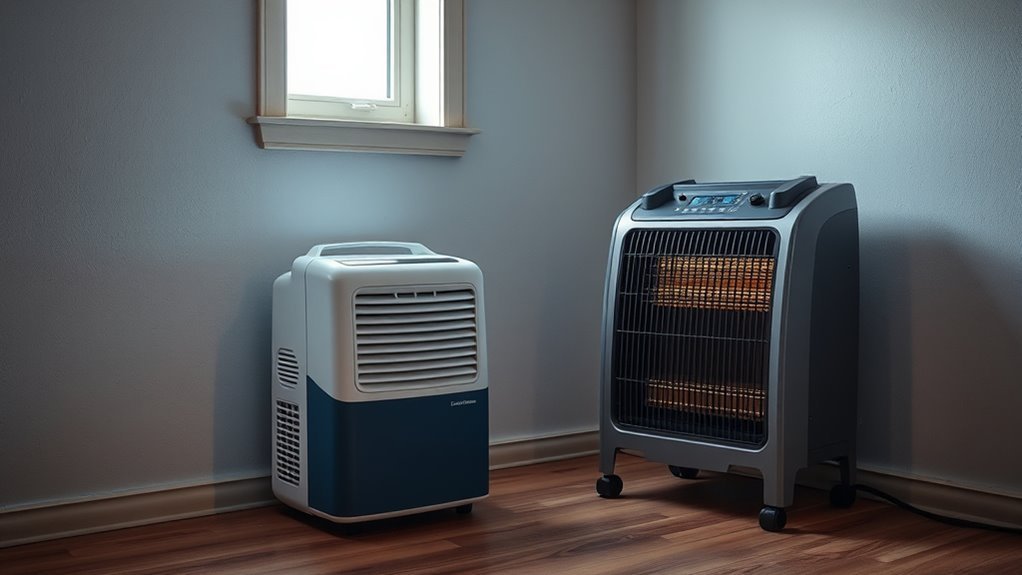
You do not need extra heat when the room is already within the dehumidifier’s approved operating range and the appliance is collecting water or lowering humidity normally. Refrigerant dehumidifiers lose performance as conditions get colder because frost can form on their evaporator coils. GE Appliances states that its dehumidifiers ordinarily will not operate satisfactorily below 41°F (5°C) because the coils may freeze. Other brands and models have different limits, so the manual for your exact unit is the final authority.
A small amount of heat may help when an unheated basement, workshop, storage room, or renovation area is near or below the unit’s useful operating range. Warming the space can reduce coil icing and encourage moisture in damp materials to evaporate into the air. The dehumidifier must still collect and drain that moisture; the heater cannot remove it by itself.
Use three checks before adding heat: measure the temperature beside the dehumidifier, compare it with the operating range in the manual, and confirm whether relative humidity is falling or water is being collected. If all three checks are normal, extra heat is unnecessary.
Pro Tip: Check the indoor temperature beside the dehumidifier, not the outdoor temperature. A basement may remain within the appliance’s operating range even when it is freezing outside, while an unheated garage may not.
What a Heater and a Dehumidifier Actually Do
A heater and a dehumidifier solve different parts of a damp-room problem. National Weather Service guidance explains that, with the same amount of moisture present, warmer air has a lower relative humidity than cooler air. Heating therefore lowers the RH percentage while the air is warm, but it does not by itself remove that water vapor from the room.
| Appliance | What It Changes | What It Does Not Do |
|---|---|---|
| Heater | Raises temperature, lowers relative humidity while the air is warmer, and can encourage surface evaporation | Does not collect or exhaust water vapor |
| Dehumidifier | Removes water vapor and collects or drains the extracted water | Does not repair leaks or replace necessary ventilation |
Most portable dehumidifiers also release some operating heat into the room. If you want a fuller explanation of that effect, see why a dehumidifier releases warm air. In a small enclosed space, the unit’s own heat may be enough to avoid using a separate heater.
Why Moisture Builds Up Indoors
Indoor moisture rises when water vapor enters a room faster than ventilation, drainage, and dehumidification can remove it. Common sources include cooking, showering, indoor laundry, plumbing leaks, damp foundations, occupants, and unvented combustion.
| Source | Effect | Best Response |
|---|---|---|
| Cooking and showering | Adds steam quickly | Use an exhaust fan vented outdoors |
| People and indoor laundry | Adds moisture steadily | Improve ventilation and use controlled dehumidification |
| Leaks or damp foundations | Keeps materials wet | Repair the water source before relying on appliances |
| Poor airflow | Creates damp corners and cold surfaces | Improve circulation without blocking necessary ventilation |
| Unvented fuel-burning heater | Can add water vapor and combustion pollutants | Use properly vented heating and follow carbon-monoxide safety guidance |
Porous materials such as wood, drywall, carpet, fabric, and insulation can store moisture and release it slowly. That is why a dehumidifier may continue collecting water after the room first feels drier. If a leak or flood caused the problem, correct the source and dry wet materials promptly instead of treating the dehumidifier as the only repair.
What a Dehumidifier Does Best
A dehumidifier is designed to remove water vapor from indoor air. Refrigerant models cool air below its dew point so water condenses on a coil. Desiccant models pass air through a moisture-absorbing material and use heat to regenerate that material. Both types control humidity, but their performance differs in cold spaces.
Moisture Removal Power
ENERGY STAR explains that dehumidifier capacity is the amount of water a unit removes in 24 hours under specified test conditions. Actual collection can be lower when the room is cool, humidity is already near the target, airflow is restricted, or the appliance is too small for the moisture load. Compare models by rated capacity, approved operating temperature, and efficiency instead of assuming the rated daily capacity will match every room.
The dehumidifier should also suit the dampness level and area it serves. More capacity can speed moisture removal, but no portable unit can compensate indefinitely for an active leak, rising damp, or missing exhaust ventilation.
Dry Air Benefits
Keeping indoor humidity under control can reduce condensation, musty odors, mold risk, and conditions favorable to dust mites. It can also protect wood, finishes, stored items, tools, and electronics from prolonged dampness. Avoid pushing the room unnecessarily dry because very low humidity can become uncomfortable and may affect moisture-sensitive materials.
Ideal Humidity Range
The U.S. Environmental Protection Agency recommends keeping indoor relative humidity below 60% and ideally between 30% and 50%. ENERGY STAR notes that 30% to 40% may be more suitable during the heating season in colder climates to help prevent window condensation. The most practical target depends on outdoor temperature, insulation, cold surfaces, room use, and whether condensation is forming.
Heating can lower the relative-humidity reading without removing water. Lasting moisture control requires dehumidification, ventilation, drainage, or repair of the water source.
Choose the Right Dehumidifier for a Cold Room
Before adding a heater, identify which dehumidifier technology you have and check the exact operating-temperature range in its manual.
| Room Condition | Usually the Better Approach | Why |
|---|---|---|
| Normal heated room | Compressor or desiccant dehumidifier without extra heat | The room is already within a useful operating range |
| Cool room near the compressor model’s minimum rating | Use the model’s normal defrost system and add mild electric heat only when cold is clearly limiting performance | May reduce excessive defrosting or coil icing without unnecessary heating |
| Consistently cold garage, boat, shed, or storage room | A desiccant dehumidifier rated for that temperature | It does not depend on keeping a refrigerant evaporator coil above its icing range |
| Active leak or standing water | Stop the water source, remove standing water, then dry | An unresolved water source can overwhelm moisture-control appliances |
Note: A frequently quoted 10°C or 50°F cutoff is only a rule of thumb. Compressor performance varies by capacity and design, and some low-temperature models remain useful below that point. Follow your exact model’s operating range rather than one universal temperature.
Recommended Products
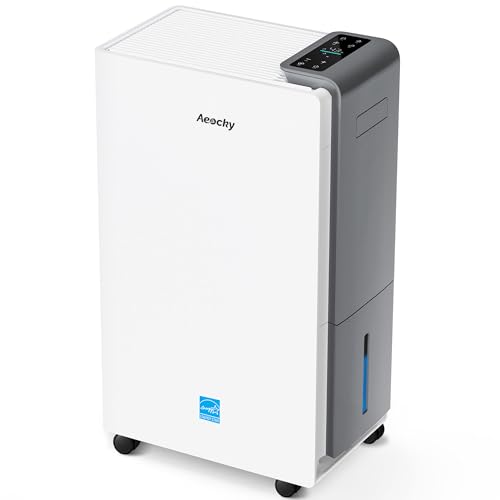
【ENERGY STAR 25 ≠ ENERGY STAR Most Efficient 2025】Don't fall for competitors' word games. With only 2.6% of ENERGY STAR models earning "Most Efficient 2025" title, these options are exceptionally rare on the market. RHEA-001 is one of the few to truly hold this top-tier certification. Many brands use misleading phrases like "Energy Star Efficient 25" or "Energy Star 25" to imply a standard they haven't met. Choosing them is a risk.With AEOCKY, you get verified performance and the peace of mind of authentic, top-tier efficiency.

Semiconductor dehumidifiers use thermoelectric cooling to remove moisture from the air. They create a drier, more comfortable environment by reducing humidity and improving air quality.
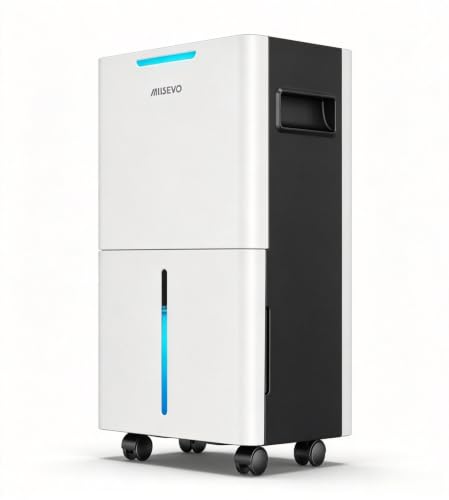
High Efficient Dehumidifier — Equipped with a high-performance compressor, Whether it’s your basement, bedroom, bathroom, living room, bathroom, crawlspace, or even an RV, this dehumidifier effectively keeps your environment dry, comfortable, and healthy.
When a Heater Helps Dry Air Faster
A heater is useful when cold is limiting evaporation or causing a compressor dehumidifier to spend too much time defrosting. It is not automatically useful in every damp room.
Recommended Products

Multi-Season Comfort – This Midea 12000 BTU air conditioner is more versatile than standard AC units, offering powerful cooling and dehumidification in the summer and reliable supplemental heat in the fall. Best for large rooms up to 550 square feet. Note: Heat pump function will not operate if outside temperature is below 41°F.

Multi-Season Comfort - Midea 8000 BTU window air conditioner with heat is better than standard ac units. It will beat the heat in summer with powerful cooling and dehumidification and keep you warm through the fall with supplemental heat. Best for large rooms up to 350 square feet. NOTE: heat pump function works when outside temp> 41°F.
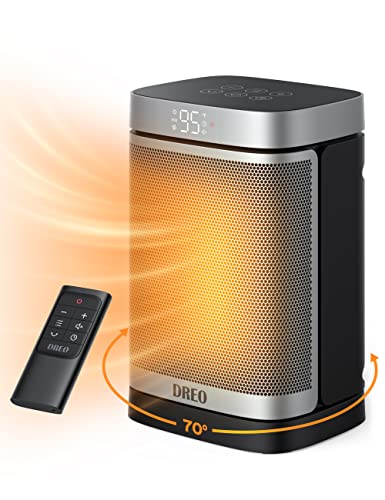
Faster Heat Than Ever: Powered by DREO Hyperamics Technology, Atom One space heater heats up more efficiently with up to 1500W working power, reaching your desired temperature immediately, letting you feel fast, balmy heat straight away. This electric heater is meant to sit by your feet on the floor, near your hands on a desk, or carry around indoors. Add our heaters for indoors use to your cart & experience our amazing heater and customer service
Raising Air Temperature
Gentle heating can bring the room back within the appliance’s approved temperature range. It can also warm cold materials so some of their moisture evaporates into the air, where the dehumidifier can capture it. Heating changes temperature and relative humidity; it does not remove the water by itself.
| Condition | Likely Effect |
|---|---|
| Compressor unit below its rated temperature | Low collection, frequent defrosting, or icing |
| Mild controlled heating | Better evaporation and more stable compressor operation when cold was the limiting factor |
| High heat without dehumidification or ventilation | Lower relative humidity while warm, but the water vapor remains in the space |
Speeding Moisture Removal
For controlled drying, use heat, airflow, and dehumidification as a system:
- Repair or isolate the moisture source.
- Raise the room temperature only enough to stay within the dehumidifier’s recommended range.
- Use suitable airflow to reduce damp dead zones without spreading contaminated dust or mold through occupied areas.
- Keep exterior doors and windows closed while dehumidifying unless intentional ventilation with drier outdoor air is the better moisture-control strategy.
- Drain the collected water safely and recheck both temperature and humidity.
This approach can help in damp basements, indoor-laundry areas, storage rooms, and general building-material drying. For fresh plaster, screed, coatings, or flood-restoration work, follow the material manufacturer’s or restoration professional’s drying instructions before adding heat or aggressive dehumidification. Drying time depends on how wet the materials are, how deeply moisture has penetrated, and whether water is still entering.
Balancing Heat and Dryness
Use only enough heat to keep the room and appliance operating normally. Stop adding heat when the dehumidifier is collecting effectively, the room reaches a suitable temperature, or relative humidity reaches the target. Unnecessary heat increases electricity use and can expose temperature-sensitive items to avoidable stress.
Do not assume that running both appliances reduces total energy use. A separate heater adds another electrical load. In a chronically cold room, a cold-rated desiccant unit or improvements to insulation, drainage, and air leakage may be a simpler solution.
How to Use a Heater and Dehumidifier Safely
You can operate an electric heater and a dehumidifier in the same room when both appliances are suitable for that location and the electrical supply can safely support them. For additional appliance-specific precautions, see the site’s guide to dehumidifier electrical and fire safety.
- Read both manuals. Confirm minimum clearances, approved operating temperatures, permitted room types, and electrical requirements.
- Measure first. Place a hygrometer away from the direct exhaust of either appliance and note the starting temperature and relative humidity.
- Position the dehumidifier correctly. Put it on a stable, level, dry surface with the clearance required by its manual. Keep the intake and exhaust unobstructed.
- Position the heater safely. Follow CPSC space-heater guidance and keep a portable heater at least 3 feet from curtains, bedding, furniture, paper, clothing, and other combustible materials.
- Use proper wall outlets. Plug a portable electric heater directly into a wall outlet, not a power strip or extension cord. Follow the dehumidifier manual’s outlet and grounding requirements. If you are unsure whether the circuit can carry both appliances, do not run them together until the circuit has been checked.
- Keep water and cords apart. Do not place either appliance on a wet floor. Route drain hoses so a leak cannot reach plugs, outlets, or the heater.
- Start with low heat. Raise the temperature only enough to correct the cold-room problem, then let the dehumidifier’s humidistat cycle the unit.
- Monitor the setup. Stop if you notice a hot plug, repeated breaker trips, unusual odors, leaking, abnormal icing, or excessive room temperature.
- Maintain the dehumidifier. Clean its filter and maintain its bucket, hose, and air passages according to the manual.
Warning: Never plug a portable electric heater into a power strip or extension cord. Turn it off when sleeping, keep it at least 3 feet from combustible materials, and do not use an unvented fuel-burning heater as a dehumidification aid. Unvented combustion can add moisture to the room and also creates combustion-safety concerns.
Why Humidity Matters for Comfort
Humidity affects condensation, comfort, odors, and indoor moisture conditions. High relative humidity can leave a room feeling clammy and encourages condensation on sufficiently cold windows, pipes, walls, and other surfaces. Prolonged dampness can support mold growth and damage finishes or stored belongings.
Humidity that is too low can also become uncomfortable. A hygrometer is more reliable than judging by feel alone, especially because heating can make the relative-humidity percentage fall even though the actual amount of water vapor has not been removed.
Best Dehumidifier Settings for Winter
For a normally heated room, start around 40% to 50% relative humidity and adjust based on condensation and comfort. In colder climates during heating season, a target closer to 30% to 40% may be needed to reduce condensation on windows and other cold surfaces. Do not automatically set the appliance as low as possible.
- Place a separate hygrometer in the room to check the built-in humidistat.
- Start around 45% relative humidity in a normally heated room.
- Lower the target gradually if condensation remains on cold surfaces.
- Avoid continuing to lower the setting after condensation is controlled.
- Check room temperature and stop using a compressor unit outside its approved range.
- Empty the bucket or verify continuous drainage before leaving the appliance to cycle as permitted by its manual.
If winter humidity is already below your target and there is no condensation, musty odor, or damp material, the dehumidifier may not need to run.
Recommended Products

Maintain the Right Room Temperature and Humidity Levels: This wireless indoor thermometer/hygrometer combination is perfect to pair with humidifiers or dehumidifiers

Reusable Desiccant: our desiccant dehumidifies quickly and effectively, and is also reusable; When the silica gel car desiccant absorbs more than 150g of moisture (the dots on the bag turn pink), you can simply heat the dehumidifier in the microwave (no more than 600w) for 5 minutes to reuse it or lace the bag on a radiator or in direct sunlight until the indicator light turns from pink to blue! The car desiccant bag can be reused more than 10 times
Signs You Should Skip the Heater
Leave the heater off when it is not solving a clear temperature-related problem. Extra heat is usually unnecessary when:
- The indoor temperature is comfortably within the dehumidifier’s rated range.
- The unit is collecting water normally and reaching the humidity target.
- The dehumidifier’s own operating heat is warming the space enough.
- The room contains heat-sensitive materials or cannot provide the heater’s required clearance.
- The available electrical supply cannot safely support both appliances.
- A desiccant dehumidifier already performs well at the room temperature.
- Relative humidity is already at or below the desired level.
Also skip the heater as a substitute for leak repair. If the tank fills continuously, water stains spread, flooring remains wet, or a musty smell quickly returns, investigate plumbing, roof, drainage, foundation, or ventilation problems.
Troubleshooting Common Problems
The Dehumidifier Ices Up
Turn the unit off and let it defrost according to the manual. Clean the filter, restore the required airflow clearance, and check the room temperature. If icing returns while the room is within the approved operating range, the appliance may need service.
It Collects Little or No Water
Check whether the room is already near the target humidity, whether the bucket is seated correctly, and whether the intake or filter is blocked. Water-removal rates usually fall as conditions become colder and drier. Compare the indoor temperature with the model’s published operating range before assuming the unit has failed.
Humidity Does Not Fall
Close unnecessary exterior openings, improve suitable air circulation, verify the hygrometer reading, and inspect for an active moisture source. The unit may also be undersized for the space or moisture load.
The Room Gets Too Warm
Turn off the separate heater first. A dehumidifier already releases operating heat into the room. If the space remains too warm after humidity reaches the target, reduce unnecessary runtime or use a different moisture-control strategy.
A Breaker Trips or a Plug Feels Hot
Stop using the appliances and disconnect them safely. Do not repeatedly reset a breaker or move the load to a power strip. Have the outlet or circuit checked by a qualified electrician if the problem persists.
Frequently Asked Questions
Does a dehumidifier work better with the heater on?
Sometimes. Mild heat can help a compressor dehumidifier when the room is near or below its useful operating temperature. If the room is already warm enough and humidity is falling normally, a heater usually adds electricity use without a meaningful benefit.
What should you not do with a dehumidifier?
Do not block its airflow, operate it outside its approved temperature range, place it on a wet or unstable surface, ignore a damaged cord, or rely on it instead of repairing a leak. Follow the manual for drainage, cleaning, clearance, power, and unattended operation.
Should I heat the room before running a dehumidifier?
Only if the room is too cold for the dehumidifier to work effectively. Measure the indoor temperature and compare it with the unit’s manual. If the appliance is already collecting water and lowering humidity within its rated range, preheating is unnecessary.
Can you use a dehumidifier and a heater at the same time?
Yes, when both appliances are suitable for the room, their required clearances can be maintained, and the electrical supply can safely support them. Use only enough heat to correct the cold-room problem, and plug a portable heater directly into a wall outlet rather than a power strip or extension cord.
Does a heater remove humidity from a room?
No. Heating can lower relative humidity while the air is warmer, but it does not remove the water vapor. The moisture must be collected by a dehumidifier, exhausted through suitable ventilation, drained, or stopped at its source.
Which dehumidifier is best for a very cold room?
A desiccant dehumidifier rated for the actual room temperature is often a better fit for a consistently cold space. Some compressor models are also designed for lower-temperature operation, so compare the exact operating ranges and performance information before choosing.
Conclusion
A heater is an optional support tool, not a required partner for a dehumidifier. Use mild electric heat only when cold is clearly reducing water removal or pushing a compressor unit outside its useful operating range. If a space remains consistently cold, a properly rated desiccant dehumidifier may be simpler than operating two appliances.
Measure room temperature and humidity, compare both with your appliance specifications, repair moisture sources, maintain airflow, and follow electrical and fire-safety instructions. If the dehumidifier is already collecting normally and reaching a sensible humidity target, leave the extra heater off.
Sources
- U.S. Environmental Protection Agency: Mold, Moisture and Your Home — indoor humidity and moisture-control guidance
- ENERGY STAR: Dehumidifiers — humidity targets, humidistats, winter condensation, and efficiency guidance
- ENERGY STAR: Dehumidifier Testing and Capacity — rated water-removal capacity and standardized test conditions
- GE Appliances: Dehumidifier Ideal Operating Conditions — low-temperature performance and coil icing below 41°F for GE units
- U.S. Consumer Product Safety Commission: Space-Heater Safety — 3-foot clearance, direct-wall-outlet, and sleeping precautions
- National Weather Service: Discussion on Humidity — relationship between temperature, moisture content, and relative humidity
- Meaco: Desiccant or Compressor Dehumidifier? — technology choice for warm and cold rooms
- CHOICE: How to Buy a Dehumidifier — winter heater/dehumidifier use and unflued gas-heater moisture guidance