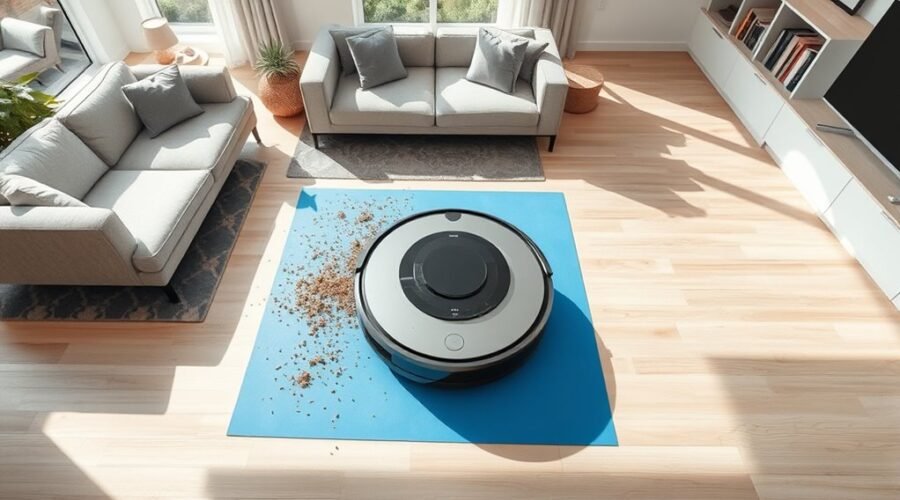
Robot vacuum zone cleaning lets a user target specific areas, like a kitchen spill zone or an entryway, instead of running a full-house cycle. It depends on a reliable map so the robot can stay within the chosen boundaries and clean the right spot. The feature can save time and effort, but its usefulness depends on setup, layout changes, and how the home is used day to day.
What Is Robot Vacuum Zone Cleaning?
Robot vacuum zone cleaning is a targeted feature that lets users mark specific areas on a mapped floor plan for immediate cleaning.
In practice, Zone Cleaning gives robot vacuums a focused task: clean only the selected spots that need attention, such as entryways, kitchen spills, or other high-traffic areas. Up to six zones can usually be created and adjusted in the app, allowing a flexible response to changing needs without wasting effort on untouched rooms.
This makes the feature well suited to on-demand cleaning, since it is built for immediate action rather than scheduled runs. For people seeking more control over their environment, it offers a simple way to direct cleaning resources where they matter most.
Why Accurate Mapping Matters
Accurate mapping keeps zone boundaries stable, allowing the robot vacuum to clean the intended areas with consistency.
When furniture shifts or lighting changes alter the map, the robot may miss zones or clean outside the set boundaries.
Regular map updates or zone resets help maintain reliable performance after layout changes.
Stable Map Boundaries
Stable map boundaries are the foundation of effective zone cleaning because they give the robot precise limits to follow during each cleaning cycle.
Accurate mapping lets the machine know where a room begins and ends, so targeted cleaning stays focused on high-mess areas. When the map remains steady, the robot can clean without drifting into unintended spaces or leaving sections untouched.
This consistency supports reliable zone cleaning and reduces wasted runs, saving time and power. If furniture is rearranged substantially, the map should be updated so the layout still reflects the home accurately.
With clear boundaries, the robot serves the household more effectively, helping the user reclaim effort, attention, and freedom from repetitive manual cleaning.
Furniture Shift Effects
When a home layout changes, even slightly, the robot’s stored boundaries can become less reliable. Accurate mapping keeps zone cleaning aligned with real furniture placement, so the machine follows intended paths instead of drifting into open space or neglecting a corner.
| Change | Effect |
|---|---|
| Sofa moved | Zone edges shift |
| Chair relocated | Cleaning precision drops |
| Stable map kept | Tasks finish efficiently |
Without updated mapping, the robot may repeat cleaned areas or miss dirt inside the target zone. This weakens efficiency and delays completion. Regular map adjustment after major furniture changes preserves cleaning precision and helps the robot work with greater independence, less waste, and more reliable results.
Zone Reset Needs
Zone cleaning depends on a reliable map, because the robot uses those boundaries to cover each designated area fully without drifting into nearby space or leaving dirt behind.
Accurate mapping keeps cleaning modes aligned with real room layouts, so each pass reaches intended spots and avoids waste. When furniture shifts, lighting changes, or a room is rearranged, the saved map can become less precise.
A zone reset restores control, helping the robot navigate efficiently and maintain clean edges in active areas. Regular updates are especially useful in high-traffic zones, where mess patterns change often.
How to Set Up Zone Cleaning
To set up zone cleaning, the user opens the robot vacuum’s app and selects the zone cleaning mode by tapping the “+” option to begin. From there, the map appears, and specific areas can be drawn with care, shaping each zone to match high-mess spots with precision.
Most robot vacuum apps allow up to six zones, giving enough freedom to target multiple problem areas without sending the machine across the whole home. The surrounding space should be cleared of cords, toys, and loose objects so movement stays smooth and the cleaning path remains uninterrupted.
After the zones are saved, the settings are confirmed and the task starts. A test run is wise, because it shows whether the boundaries are accurate and practical.
If furniture shifts later, the zones should be adjusted again so zone cleaning stays efficient and the robot vacuum continues serving the household well.
When to Use Zone Cleaning
Zone cleaning works best in homes where messes tend to gather in specific spots rather than across every room. It suits high-traffic areas and supports targeted cleanups after meals, entry dirt, or pet activity. This gives users freedom from repeating full cycles when only one area needs attention.
| Situation | Best Use | Benefit |
|---|---|---|
| Dining table | Crumbs after meals | Quick cleanup |
| Entryway | Mud and dust buildup | Daily maintenance |
| Pet zone | Fur and scattered debris | Focused cleaning |
| Large home | Several short runs | Handles repeated messes |
Zone cleaning also helps when no-go zones are set to protect rugs, cords, or other spaces that should stay untouched. Accurate mapping matters, so any major furniture change may require new zone setup. When used well, zone cleaning keeps routine care efficient, selective, and orderly.
Zone Cleaning vs Full-House Cleaning
Zone cleaning focuses on targeted area coverage, making it useful for high-traffic spots or mess-prone sections that need quick attention.
Full-house cleaning covers the entire home in one cycle, which suits broader maintenance but usually takes more time and battery.
Choosing the right mode depends on whether the priority is efficient cleanup in specific areas or a complete pass through every room.
Targeted Area Coverage
Targeted area coverage lets the robot vacuum focus on specific mess-prone spots instead of running a full-house cycle across every room.
In zone cleaning, specific areas can be marked for quick attention, giving users more control over daily upkeep and less burden from sweeping the whole home.
- Handles spills in the kitchen fast.
- Clears dirt tracked into entryways.
- Supports up to six targeted areas.
- Uses less battery than broad cleaning runs.
This on-demand approach suits sudden messes and supports multiple sessions in a day when needed.
It offers practical freedom by letting cleaning happen where and when it matters most, without waiting for a larger routine.
Since it is built for immediate tasks, it keeps attention on active trouble spots and away from unnecessary coverage.
Whole-Home Cleaning Scope
Where a full-house cleaning cycle covers every room in one pass, zone cleaning narrows the task to specific areas that need attention. This difference gives zone cleaning a practical edge in homes where messes gather in predictable spots, such as entryways, kitchens, or family rooms.
Instead of sending the robot across untouched spaces, it concentrates effort where dirt is present, saving time and reducing wasted battery use. By contrast, full-house cleaning is built for broad maintenance, taking on the entire home in a single run.
Zone cleaning also supports boundaries and no-go zones, so the robot stays clear of areas that do not need service. For larger homes with uneven dirt patterns, it offers a freer, more responsive way to keep daily upkeep under control.
Choosing the Right Mode
Selecting the right cleaning mode depends on the job at hand. Zone cleaning serves targeted relief for localized messes, while full-house cleaning offers broad, steady upkeep. A practical choice follows the pattern of the home and the urgency of the task.
- Zone cleaning handles dining tables, entryways, and other repeat trouble spots.
- It can define up to six zones, giving flexibility across several rooms.
- Full-house cleaning covers the entire map and suits scheduled maintenance.
- Zone cleaning works on demand, making it useful when immediate action is needed.
For homes with shifting messes, zone cleaning brings control; for routine whole-space care, full-house cleaning delivers completeness. The best mode is the one that matches daily life and preserves freedom from constant manual sweeping.
Tips for Accurate Zone Cleaning
Accurate zone cleaning depends on keeping the robot’s map current, since changes in furniture layout or room configuration can shift zone boundaries. In zone cleaning, the map should be updated in the app whenever furniture moves, so the robot will clean the intended spaces with freedom from guesswork.
Zones should then be drawn clearly around high-mess areas such as entryways and dining areas, allowing precise targeting. Before relying on scheduled runs, a single test should confirm that the robot covers the marked area without overshooting or leaving gaps. Clear pathways around each zone help the machine move without interruption and improve efficiency.
After major rearrangements, zones should be adjusted or reset at once to preserve accuracy. These simple habits reduce wasted motion and keep cleaning directed, dependable, and easy to manage.
Frequently Asked Questions
What Are the Downsides of Using a Robotic Vacuum Cleaner?
Downsides include weak navigation in complex layouts, limited suction on carpets, small dustbins, short battery life, and ongoing costs. Regular maintenance tips matter, since brushes and filters wear out, increasing upkeep and reducing convenience.
What Does “Clean Zone” Mean on an iRobot Vacuum?
A clean zone on an iRobot vacuum means a mapped area set for targeted cleaning, likely concentrating on habitual mess spots. Through iRobot features in the app, it cleans chosen sections efficiently, saving time and effort.
Is It Okay to Run My Robot Vacuum Every Day?
Yes, daily cleaning is usually fine for most robot vacuums and supports robot maintenance by preventing buildup. It helps keep kitchens, entryways, and pet areas tidy, while many models handle frequent use without noticeable strain.
Do Robot Vacuums Clean as Well as Regular Vacuums?
Robot vacuums usually clean adequately for routine dust and crumbs, but regular vacuums still offer greater suction power and deep-cleaning ability. Their cleaning efficiency improves with frequent use, making them practical for daily upkeep and freedom.
Conclusion
Robot vacuum zone cleaning offers a simple way to target messy areas without running a full-house cycle. With accurate mapping, the robot can stay within set boundaries and clean efficiently where it is needed most. It works best for kitchens, entryways, and other high-traffic spaces. As the saying goes, a stitch in time saves nine; small, focused cleanups can prevent bigger messes and keep a home consistently tidier.