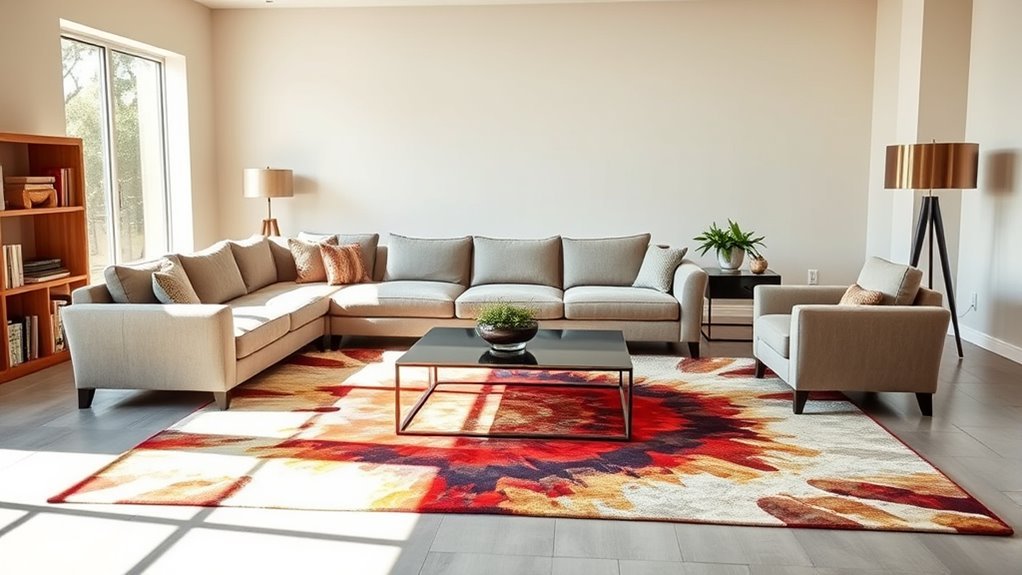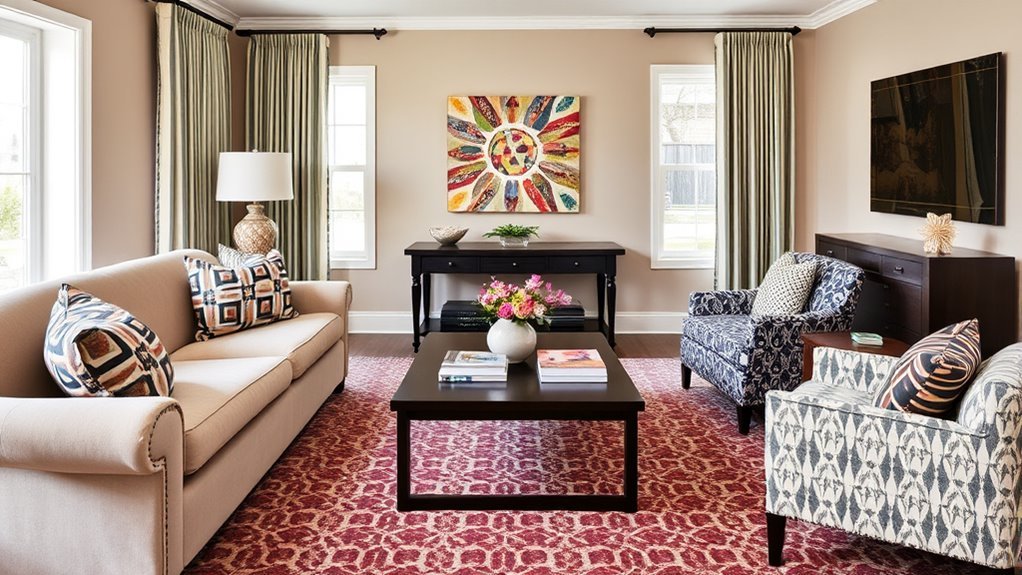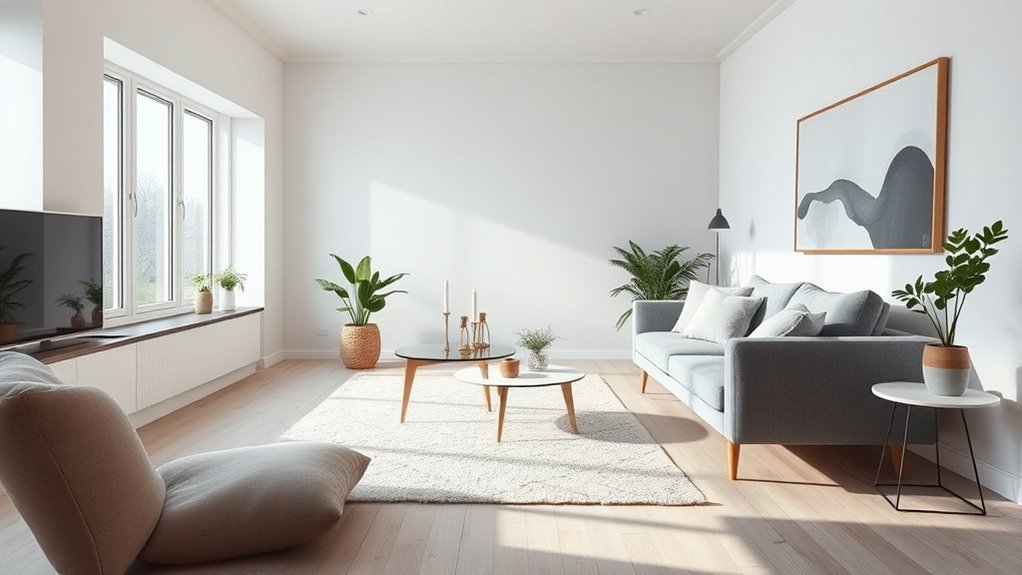
A pet-friendly living room should be comfortable for your dog or cat, easy for you to clean, and polished enough to still feel like a designed space. The best approach is to choose durable floors, washable layers, tightly woven or performance fabrics, smart storage, safe decor, and a simple cleaning routine that keeps fur, odors, scratches, and clutter under control.
Quick Answer
To create a pet-friendly living room, start with scratch-resistant, easy-clean surfaces; choose tightly woven or performance upholstery; add a washable rug; set up a cozy pet zone; hide toys and leashes in attractive storage; avoid toxic plants and fragile decor; and keep a simple daily and weekly cleaning routine.
Key Takeaways
- Choose practical materials first: luxury vinyl, tile, sealed concrete, low-pile washable rugs, leather, microfiber, and performance fabrics are usually easier to live with than soft woods, delicate linen, silk, or high-pile rugs.
- Give your pet a real place in the room with a bed, crate, window perch, feeding station, or toy basket that fits your decor instead of looking like an afterthought.
- Pet safety matters as much as style: secure cords, skip toxic plants, avoid unstable decor, and be careful with essential oils, candles, and strong fragrances.
- A clean pet-friendly room depends on washable layers, quick spot cleaning, regular vacuuming, and odor control rather than one big deep clean.
At a Glance
| Time Required | 30 minutes for a quick refresh; 1 weekend for a full layout, storage, and fabric update |
| Difficulty | Easy to moderate, depending on whether you are changing furniture or flooring |
| Tools Needed | Tape measure, washable covers or throws, lidded baskets, pet bed, rug pad, lint roller, vacuum, enzyme cleaner, cord covers |
| Cost | $25–$100 for storage and washable layers; $150–$800+ for rugs, pet furniture, or upholstery upgrades; more for new flooring |
Choosing the Right Flooring for Pet-Friendly Spaces
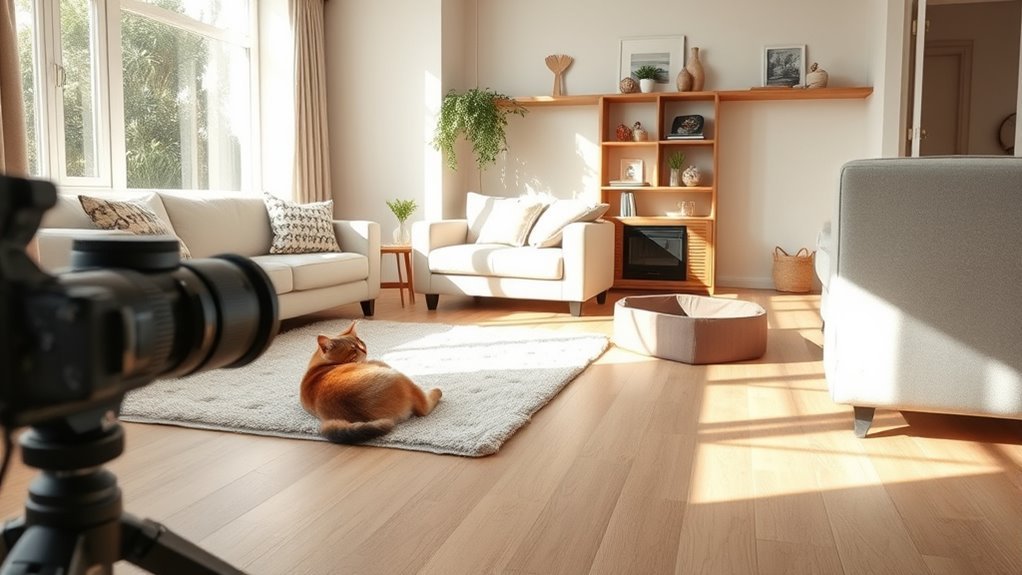
Flooring is the foundation of a pet-friendly living room. The goal is not to find a surface that is completely scratch-proof or mess-proof, because no material is perfect. Instead, choose flooring that handles claws, wet paws, tracked-in dirt, food crumbs, and occasional accidents with the least stress.
Luxury vinyl plank is one of the most practical choices for many pet homes because it gives you a wood-look surface while being easier to clean than real wood. Check the product specifications carefully, though: some vinyl flooring is waterproof, while other products are only water-resistant. The wear layer also matters if you have large dogs, active pets, or furniture that gets moved often.
Porcelain or ceramic tile works well in entryways and high-mess zones because it is tough, moisture-friendly, and simple to wipe down. It can feel cold or slippery, so pair it with washable runners or low-pile rugs that have a secure rug pad underneath.
Sealed concrete can be a sleek option for modern homes, especially when properly sealed. It is durable, but not maintenance-free: it can stain if the sealer wears down, and it may feel hard under older pets. Add washable rugs near sofas, beds, and favorite lounging spots for comfort.
Hardwood can work if you love the look, but choose harder species, a matte or satin finish, and felt pads under furniture. Avoid high-gloss finishes because they show scratches, paw prints, dust, and pet hair quickly.
| Flooring Option | Best For | Pet-Friendly Caution |
|---|---|---|
| Luxury vinyl plank | Busy homes, wet paws, wood-look style | Confirm waterproof vs. water-resistant specs and choose a strong wear layer. |
| Tile | Entryways, feeding zones, accident-prone pets | Use rugs or mats for traction and comfort. |
| Sealed concrete | Modern spaces, large dogs, low-maintenance style | Keep the sealer maintained and soften lounging areas. |
| Hardwood | Warm, classic living rooms | Choose matte finishes, trim nails, and wipe spills quickly. |
| Low-pile washable rugs | Renters, softening hard floors, hiding hair | Use a non-slip rug pad and avoid shag styles that trap fur. |
Warning: Avoid slick rugs, curled rug corners, and high-gloss floors if your pet runs, jumps, or has mobility issues. Slips can be especially hard on senior pets and pets with joint problems.
Recommended Products

LUXURY WOOD-LOOK FLOORING: Authentic natural wood grain self-adhesive vinyl planks bring classic warm vibes to quick home refreshments and match all mainstream home decor themes

Realistic Visual Effects: SULSUMIC flooring faithfully replicates authentic wood grain and natural hues, offering a look and feel that rivals solid wood. It instantly elevates your home’s aesthetics, creating a warm and comfortable living space

Timeless Charm - Stylish wood finishes offer an authentic and natural look that brings the beauty and warmth of nature into your flooring decor.
Selecting Durable and Stylish Furniture Fabrics
The right upholstery is what makes a pet-friendly living room feel intentional instead of constantly protected. You want fabrics that resist snagging, release hair easily, and clean up without turning every small stain into a crisis.
Recommended Products

LUXURY CHENILLE UPHOLSTERY FABRIC: Elevate your furniture with Liz Jordan Hill AC Spirit Tourmaline 15 chenille fabric, featuring a sophisticated textured appearance for sofas, armchairs, dining chairs, cushions and ottomans.

Plush Velvet Upholstery – Luxurious velvet fabric with a soft hand-feel and elegant sheen, designed for refined furniture and décor.

LUXURY CHENILLE UPHOLSTERY FABRIC: Elevate your furniture with Liz Jordan Hill AC Spirit Tourmaline 15 chenille fabric, featuring a sophisticated textured appearance for sofas, armchairs, dining chairs, cushions and ottomans.
Best Fabric Options Available
Performance fabrics such as Crypton, Sunbrella-style indoor upholstery, and other stain-resistant textiles are strong choices for pet homes. They are designed to handle everyday spills better than delicate fabrics, but you should still check the exact cleaning code before buying. Not every “performance” fabric can be cleaned the same way.
Microfiber is another practical option because its tight weave helps reduce snagging and makes pet hair easier to remove with a vacuum, lint roller, or slightly damp rubber glove. Leather can also work well because fur does not cling to it the way it clings to textured fabric. It may scratch, but many people like the patina that develops over time.
For cats, avoid loose weaves, boucle, silk, and delicate linen on main seating pieces. These materials can snag under claws, even if your cat is not trying to damage the furniture. Add a sturdy scratching post or scratch pad near the sofa so the approved scratching spot is more convenient than the upholstery.
Choosing Stain-Resistant Materials
Stain resistance is helpful, but it is not a substitute for quick cleaning. Keep an enzyme-based pet-stain cleaner nearby for accidents, blot spills instead of rubbing them, and follow the care label on your sofa or chair. If you are shopping for new upholstery, ask for fabric samples and test them at home with pet hair, a damp cloth, and your actual lighting.
Washable slipcovers are one of the easiest ways to make a living room more forgiving. They are especially useful for families with puppies, senior pets, muddy yards, or pets that like to nap on the same cushion every day. Choose slipcovers that fit snugly so they look tailored rather than temporary.
Matching Colors With Decor
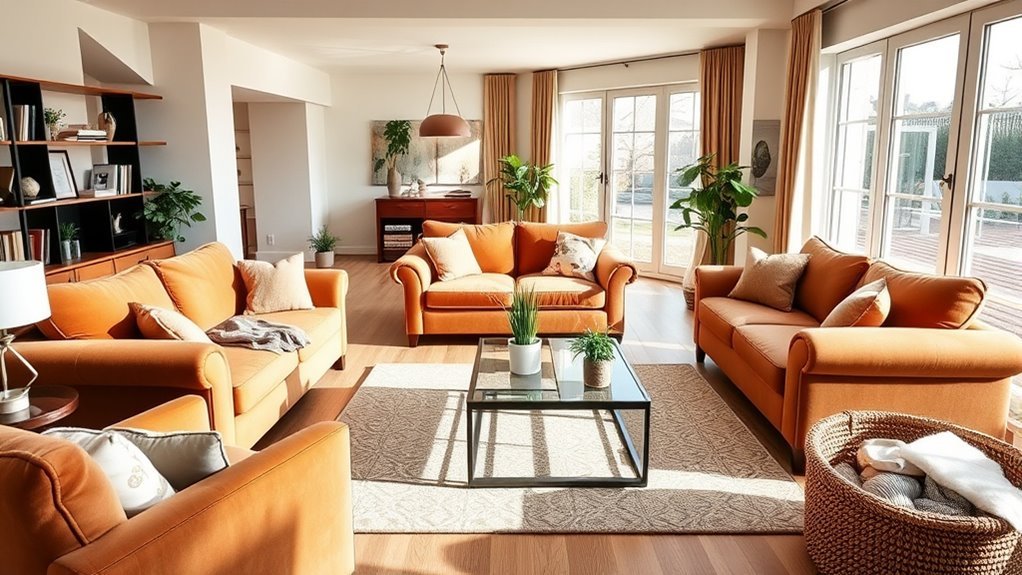
Color is a practical decision, not just a style decision. Mid-tone upholstery usually hides pet hair, lint, and small marks better than stark white or deep black. If your pet sheds light hair, warm beige, oatmeal, camel, greige, and patterned fabrics can help. If your pet sheds dark hair, charcoal, olive, brown, denim blue, and mixed textures are often more forgiving.
- Choose a sofa color that is close to your pet’s fur color if shedding is your biggest concern.
- Use patterned pillows or throws to disguise minor wear without making the room feel busy.
- Keep at least one washable blanket on your pet’s favorite cushion so the main upholstery lasts longer.
Pro Tip: Before buying a sofa, rub a fabric sample with a lint roller, a damp cloth, and a few strands of your pet’s hair. If hair embeds deeply in the sample, it will be annoying on a full-size couch.
Designing a Cozy Pet Zone in Your Living Room
A pet zone gives your dog or cat a place to rest without taking over the entire room. The trick is to make the pet area look like part of your layout. A bed in a matching fabric, a crate styled as an end table, a window perch, or a basket tucked beside the sofa can all feel polished when the colors and materials coordinate with the room.
For dogs, place the bed where they can see the family but are not blocking the main walkway. For cats, think vertically: a window perch, cat tree, wall shelf, or low cabinet near a sunny window can be more appealing than a floor bed. If your pet is anxious, choose a quieter corner away from speakers, exterior doors, and heavy foot traffic.
| Design Choice | How to Make It Pet-Friendly and Stylish |
|---|---|
| Cozy Sleeping Nook | Use a washable bed cover in a color that matches your sofa, rug, or curtains. |
| Feeding Station | Place bowls on a wipeable mat and keep food storage sealed and out of direct sun. |
| Entry Storage Bench | Store leashes, towels, paw wipes, and waste bags where you actually come and go. |
| Cat Perch or Scratcher | Choose wood, sisal, or neutral fabric finishes so the piece blends with the room. |
If your pet uses a crate, do not hide it in the most isolated part of the house unless your pet prefers quiet. Many dogs relax better when their crate is near family activity but slightly tucked away, such as beside a console, behind a sofa, or under a stair landing.
Recommended Products

PET'S COMFORT SPACE: This dog crate, measuring 23.6L x 19.7W x 25.6H inches, is perfect for small dog breeds weighing up to 25 pounds. The large space is enough to support the dog's training,standing,turning,playing,and sleeping comfortably

【Multi-functional】 This pet furniture can be used as pet crate ,also as a side table, end table or night stand.The wide top provides enough place to put some decorations such as small/medium plant, magazines, family picture frames and night lamps and so on.
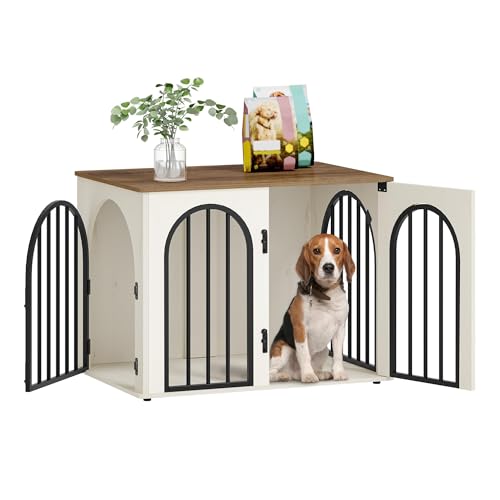
Anti-Chew & Anti-Escape: We know how important it is to keep your pets comfortable. We use 0.4 inch heavy duty iron pipe, double welding points and thickened engineered wood, and each door has 2 locks to provide multiple layers of protection to reduce your dog from escape!
Smart Ways to Store Pet Supplies
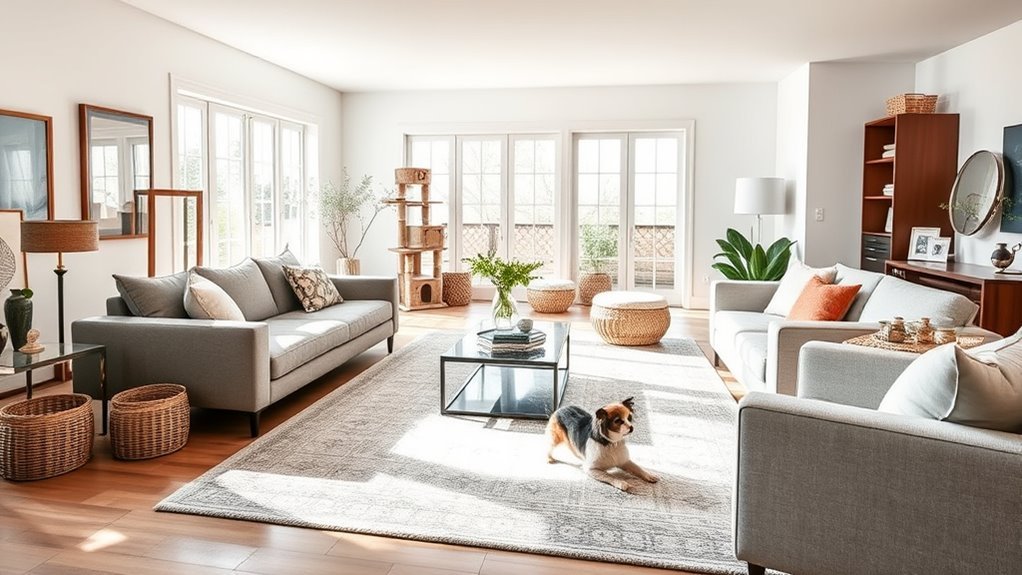
Pet supplies become visual clutter when they do not have a home. A few smart storage choices can keep toys, leashes, treats, grooming tools, blankets, and cleaning supplies close by without making the living room look chaotic.
Stylish Storage Solutions
Lidded baskets are the easiest fix for toys because pets can still access them if you leave the lid off during the day, and you can close everything up before guests arrive. Woven baskets, felt bins, canvas cubes, and storage ottomans all work well as long as your pet does not chew the material.
- Use one open basket for everyday toys and one closed bin for extras you rotate in later.
- Store grooming tools in a drawer near the sofa if you brush your pet while watching TV.
- Keep pet blankets folded in a storage ottoman so they are easy to grab but not always visible.
- Use a washable tray or mat under treats, water bowls, and food containers.
Organizing Pet Accessories
Group supplies by routine. Walk items belong near the entry. Grooming items belong where you brush your pet. Cleaning supplies belong where accidents happen most often, but they should still be stored safely out of reach. If you have multiple pets, label bins by pet or category so leashes, medications, brushes, and seasonal gear do not get mixed together.
Note: Store treats, medications, supplements, and cleaning products in closed cabinets or containers your pet cannot open. Attractive storage should still be safe storage.
Arranging Furniture for Easy Movement and Access
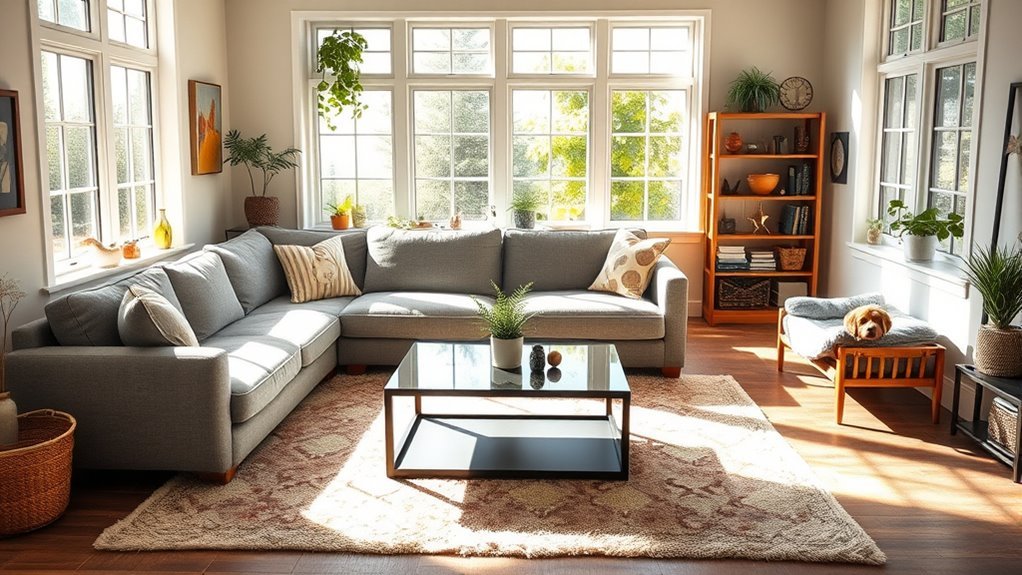
A good pet-friendly furniture layout gives everyone room to move. Pets need clear pathways to beds, bowls, doors, windows, and favorite resting spots. People need a room that does not feel like an obstacle course of toys, gates, and oversized pet furniture.
- Leave open walkways between the sofa, coffee table, TV console, and entry points.
- Keep pet beds out of tight corners where people may step over them.
- Place water bowls where tails, feet, and furniture legs will not knock them over.
- Use low-profile furniture if your pet likes to keep you in sight.
- Choose rounded coffee tables or soft ottomans if your pet runs through the room.
The original “2/3 rule” idea can be useful as a loose design guide: do not fill every inch of floor space. A living room with pets needs breathing room. Instead of pushing every piece against the walls, float the sofa or chairs where they create a natural conversation area and leave a clean path around them.
Layout Ideas for Dogs, Cats, and Multiple Pets
For dogs, prioritize a bed with a clear view of the room and easy access to the door. For cats, preserve window access and add vertical options so they can watch the room from a safe perch. In multi-pet homes, create more than one resting spot so pets are not forced to compete for the same bed, sun patch, or sofa corner.
Selecting Safe and Stylish Decor for Pets
Pet-safe decor starts with one question: what can my pet chew, knock over, climb, sniff, lick, or swallow? Once you look at the room from your pet’s level, it becomes easier to choose pieces that are both beautiful and sensible.
Choose Durable Fabrics
Use durable fabrics on the pieces your pet touches most: sofas, accent chairs, ottomans, benches, and floor cushions. Save delicate materials for items that stay out of reach, such as wall art, high shelves, or decorative pillows you only bring out when guests visit.
- Choose tightly woven textiles over loose, nubby, or looped fabrics.
- Use washable pillow covers instead of spot-clean-only covers.
- Choose low-pile rugs rather than shag rugs that trap fur, crumbs, and dander.
Designate Pet Areas
Designated pet areas make the living room easier to maintain. A toy basket near the sofa, a bed near the conversation area, and a feeding mat in a wipeable corner all help your pet understand where things belong. This is especially helpful for puppies, senior pets, and pets adjusting to a new home.
Incorporate Stylish Storage
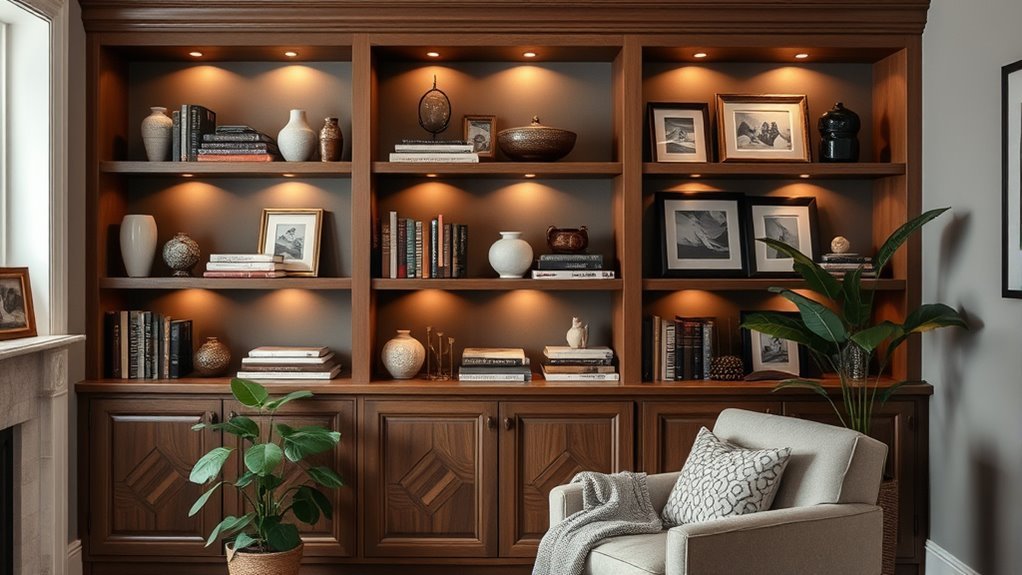
Storage can double as decor when you choose materials that match your room. Try a woven trunk beside the sofa, a storage bench near the entry, a ceramic treat jar on a console, or a cabinet with one drawer dedicated to pet supplies.
Check Plants, Fragrance, and Small Decor
Before adding houseplants, check the ASPCA toxic and non-toxic plant database. Many popular plants can be unsafe for dogs or cats, and even non-toxic plants may cause vomiting or stomach upset if your pet eats enough of them.
Be careful with candles, diffusers, potpourri, and essential oils. Strong fragrance can bother sensitive pets, and some oils are risky if inhaled, licked, spilled onto fur, or absorbed through skin. If you use fragrance at all, keep it light, ventilate the room, and make sure your pet can leave the area.
Warning: If your pet may have eaten a toxic plant, cleaning product, medication, or other unsafe item, contact your veterinarian or a pet poison-control service immediately. Do not induce vomiting or give a home antidote unless a veterinary professional tells you to.
How to Keep Your Space Clean With Pets
A pet-friendly living room stays clean because it is easy to reset. The more washable, wipeable, and reachable your choices are, the less time you spend fighting fur and odors.
Daily, Weekly, and Monthly Cleaning Routine
- Daily: Pick up toys, shake out pet blankets, wipe paw marks, and do a quick fur pass on favorite seating spots.
- Weekly: Vacuum floors, rugs, cushions, and under furniture. Wash pet blankets, removable covers, and washable rugs as needed.
- Monthly: Deep-clean pet beds, wipe storage bins, check under sofa cushions, clean baseboards, and inspect rugs for odor or hidden stains.
For accidents, blot first and then use an enzyme-based cleaner made for pet messes. Avoid steam-cleaning fresh urine stains before treating them, because heat can set odor into some fibers. Always test cleaners in a hidden spot first, especially on rugs and upholstery.
When shopping for household cleaners, look for safer options such as products with the EPA Safer Choice label. EPA says Safer Choice-labeled products are reviewed for safer chemical ingredients and are designed to be safer for people, families, pets, workers, and the environment.
Pro Tip: Keep a small cleaning caddy near the living room with a lint roller, microfiber cloth, enzyme cleaner, waste bags, and a washable towel. Fast cleanup prevents small messes from becoming permanent odors.
Setting Boundaries: Training Your Dogs in Shared Spaces
Design helps, but training is what keeps a shared living room peaceful. Set clear rules for furniture, toys, feeding, and resting areas. If dogs are allowed on the sofa, give them a washable blanket or a specific cushion. If they are not allowed on the sofa, provide a bed that is just as appealing and reward them for using it.
- Teach a “place” cue so your dog knows where to settle when guests arrive.
- Use baby gates or freestanding pet gates when you need temporary boundaries.
- Keep chew toys available so furniture legs, baskets, and pillows are less tempting.
- Reward calm behavior in the living room instead of only correcting unwanted behavior.
For cats, boundaries often work better when you offer a better alternative. Place a scratcher near the sofa, add a window perch if your cat loves the sill, and keep breakable objects off shelves your cat can reach.
Enhancing Air Quality in Your Pet-Friendly Home
Pets add dander, fur, outdoor particles, and odor to a room, so air quality matters. The EPA guide to air cleaners in the home explains that the most effective indoor-air strategy is to reduce or remove pollutant sources and ventilate with clean outdoor air, while filtration can be a helpful supplement.
For a living room, choose a portable air cleaner with a clean air delivery rate, or CADR, sized for the room. If you want better HVAC filtration, EPA recommends a filter rated at least MERV 13 or as high as your system can accommodate. If you are unsure, ask an HVAC technician before upgrading, because a filter that is too restrictive may not work well with every system.
Change filters on schedule, vacuum soft surfaces regularly, wash pet bedding, and open windows only when outdoor air is clean. During wildfire smoke, high pollen, heavy traffic pollution, or poor outdoor air, keep windows closed and rely on filtration instead.
Warning: Avoid air cleaners that intentionally produce ozone. EPA warns that ozone is a lung irritant and says no air cleaner or filter will remove every pollutant from your home.
Maintaining a Chic and Practical Living Room for Pets
A chic pet-friendly living room is not about hiding the fact that you have pets. It is about choosing pieces that age well, clean easily, and give your pet a comfortable place in the room.
Start with the items that get the most use: the sofa, rug, pet bed, and storage. Choose a tight fabric, a washable rug, a pet bed that coordinates with your palette, and baskets that make cleanup fast. Then layer in decor that is safe and sturdy: heavier lamps, secured cords, closed storage, non-toxic plants, and fewer fragile objects at tail height.
- Use washable slipcovers and throws in colors that match your room.
- Choose a low-pile rug with a secure pad instead of a shag rug.
- Keep one pet bed in the living room so your pet has an approved lounging spot.
- Rotate toys weekly so fewer items are scattered around the floor.
- Trim nails regularly to reduce scratches on floors and upholstery.
The most pet-friendly living rooms are not the ones with the most pet products. They are the ones where every pet item has a purpose, a place, and a material that can handle real life.
Budget-Friendly and Renter-Friendly Pet Upgrades
You do not need to renovate to make your living room work better for pets. Start with changes that protect what you already own.
- Under $50: Add a lint roller, washable throw, toy basket, cord clips, and a waterproof mat under bowls.
- $50–$150: Add a washable rug, better pet bed, storage ottoman, scratcher, or freestanding gate.
- $150–$500: Upgrade to a larger washable area rug, a stylish crate, an air cleaner sized for the room, or custom slipcovers.
- Rental-friendly: Use removable hooks, washable runners, furniture covers, non-slip rug pads, freestanding shelves, and cord covers that do not damage walls.
If you can only change one thing, start with the rug or sofa protection. Those two surfaces collect the most fur, odor, and wear in a pet-friendly living room.
Common Pet-Friendly Living Room Mistakes to Avoid
- Choosing a rug only for looks: A beautiful high-pile rug can become a fur, crumb, and odor trap.
- Buying delicate upholstery: Linen, silk, boucle, and loose weaves may not hold up to claws or frequent cleaning.
- Ignoring traction: Slippery floors and loose rugs can be stressful for energetic or senior pets.
- Using too many fragrances: Candles, sprays, and diffusers can irritate some pets and may create safety risks.
- Skipping storage: Without baskets or drawers, toys and leashes quickly take over the room.
- Forgetting your pet’s viewpoint: Check what sits at nose, paw, tail, and jumping height before calling the room finished.
Frequently Asked Questions
What is the 2/3 rule for living rooms?
The 2/3 rule is a loose design guideline, not a strict law. In a pet-friendly living room, it is most useful as a reminder to leave enough open space for movement. Avoid filling every wall and walkway with furniture so pets and people can move comfortably.
How do you create a pet-friendly living space?
Start with durable flooring, washable rugs, tightly woven upholstery, and a clear layout. Add a cozy pet bed or perch, use baskets for toys, secure cords, avoid toxic plants, and keep cleaning supplies handy but safely stored. The goal is a room that is easy to clean and safe for daily pet life.
What is the 3-5-7 rule of decorating?
The 3-5-7 rule is a styling idea that uses odd numbers to make decor feel balanced and natural. For example, you might style three pillows, five objects on a shelf, or seven repeated colors and textures across a room. In pet homes, use the rule with sturdy, safe decor rather than fragile pieces.
Is there a free app that can help me rearrange my room?
Yes. Free and freemium room-planning tools can help you test furniture placement before moving heavy pieces. Look for an app or web planner that lets you enter room dimensions, add furniture, and view the layout in 2D or 3D. Check the current free-tier limits because saving, exporting, or premium furniture libraries may require a paid plan.
What couch material is best for pets?
Performance fabric, microfiber, and leather are often good choices. The best option depends on your pet: dogs that shed may do well with leather or tight microfiber, while cats need fabrics that resist snagging. Always check the cleaning code and test a fabric sample with pet hair before buying.
How can I keep my living room from smelling like pets?
Wash pet bedding, vacuum soft surfaces, clean accidents with an enzyme cleaner, and use an air cleaner sized for the room if needed. Avoid simply covering odors with strong sprays or candles. Removing the source of odor works better than masking it.
Conclusion
Creating a pet-friendly living room is about balancing comfort, safety, and style. Choose durable floors, washable textiles, pet-safe decor, smart storage, and a furniture layout that leaves room for everyone to move. When your pet has a cozy place to rest and your materials are easy to clean, your living room can feel beautiful, practical, and welcoming every day.
Sources
- U.S. EPA: Guide to Air Cleaners in the Home — supports the air-cleaner, CADR, MERV 13, ventilation, and ozone guidance.
- U.S. EPA: Learn About the Safer Choice Label — supports safer cleaning-product guidance for homes with pets.
- ASPCA: Toxic and Non-Toxic Plants List — supports checking houseplants before using them in pet-accessible decor.
- Pet Poison Helpline — supports emergency guidance for suspected poisoning or unsafe ingestion.