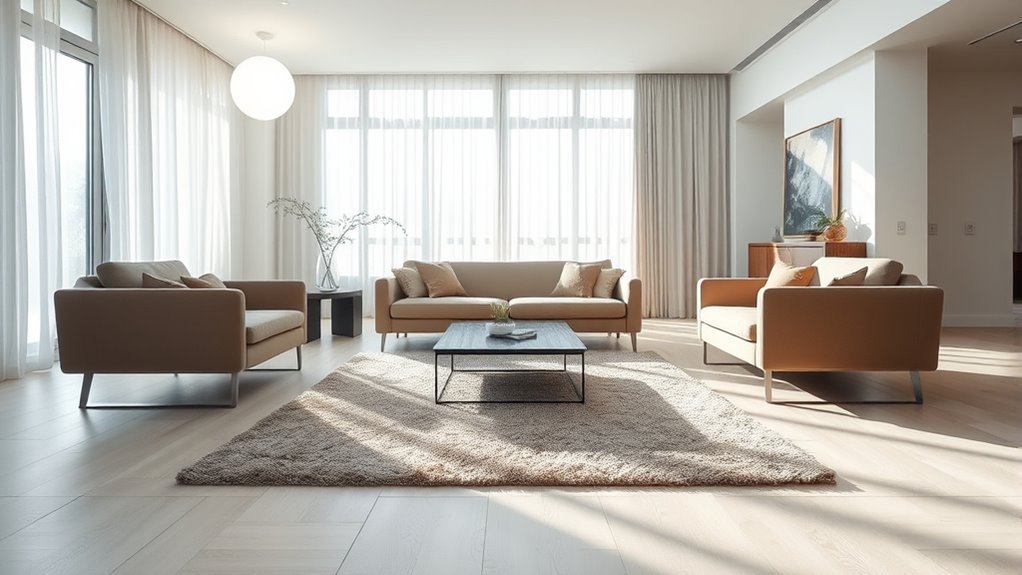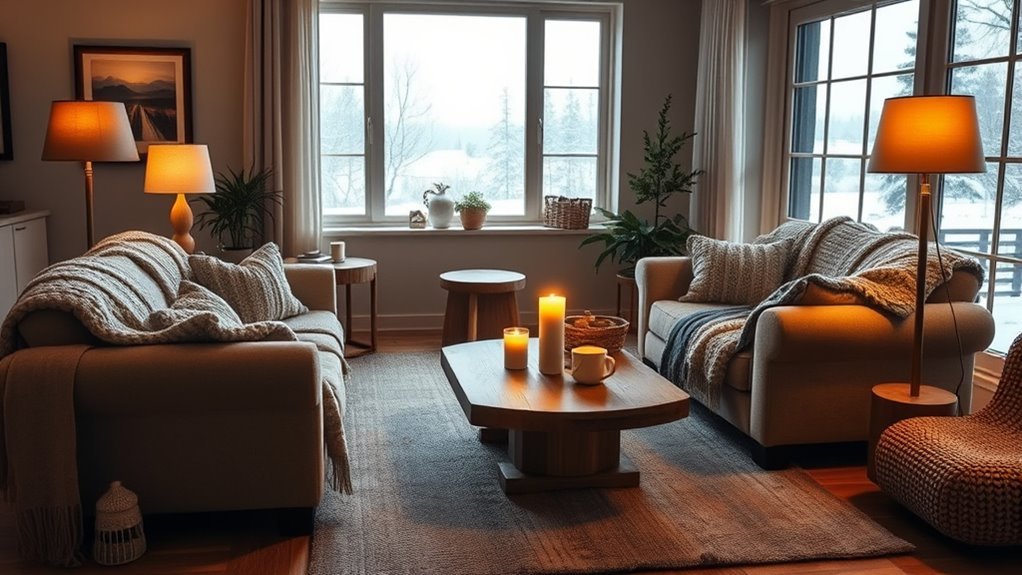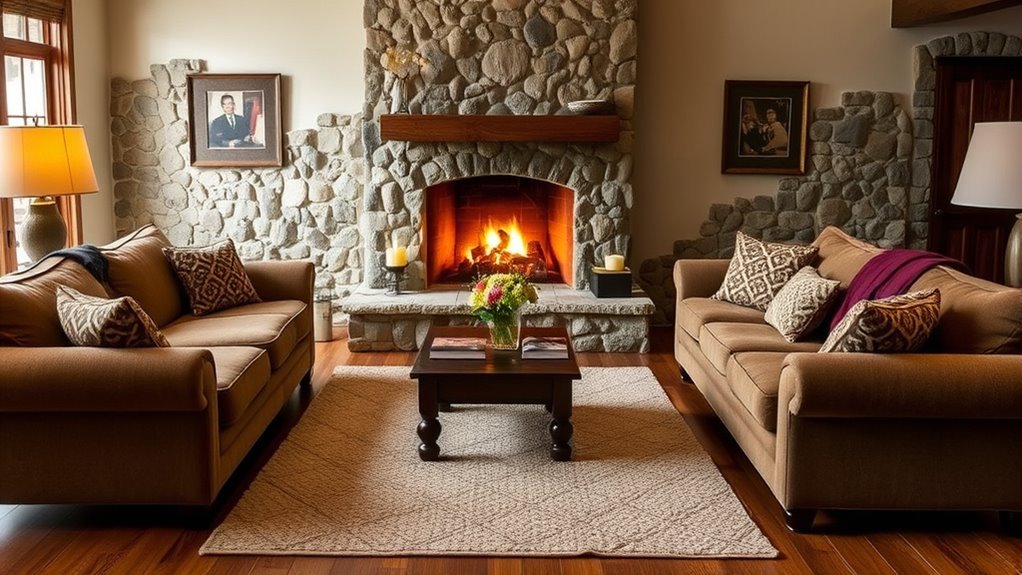
Keeping furniture near a fireplace is all about balancing comfort with clear safety zones. The safest starting point is simple: keep sofas, chairs, rugs, curtains, baskets, books, cords, and other combustible items at least 3 feet from the fireplace opening or appliance face, and follow your fireplace manual if it requires more clearance.
Quick Answer
Furniture should be kept at least 3 feet away from a fireplace, wood stove, or other heating appliance. Measure from the fireplace opening or appliance face to the nearest combustible item, including upholstery, rugs, curtains, baskets, books, and cords. If your manufacturer’s manual requires a larger clearance, use the larger distance.
Key Takeaways
- Keep anything that can burn at least 3 feet from the fireplace, and keep children and pets outside that same 3-foot zone.
- Do not rely on “heat-resistant” upholstery to make close furniture placement safe; distance is the real protection.
- Use a sturdy fireplace screen that fits the opening to help stop sparks and embers from reaching the room.
- Check nearby furniture, rugs, cords, and decor for discoloration, melting, cracking, dryness, or scorch marks before each heating season.
- Have wood-burning fireplaces, chimneys, and vents professionally inspected each year, and keep smoke and carbon monoxide alarms working.
At a Glance
| Time Required | 15–30 minutes for a room check; longer if you need to rearrange heavy furniture |
| Difficulty | Easy |
| Tools Needed | Tape measure, flashlight, furniture sliders, sturdy fireplace screen, smoke alarm, carbon monoxide alarm |
| Cost | $0 if you are only rearranging; more if you need a new screen, alarms, or a professional inspection |
Understanding Fireplace Heat Safety: The Basics
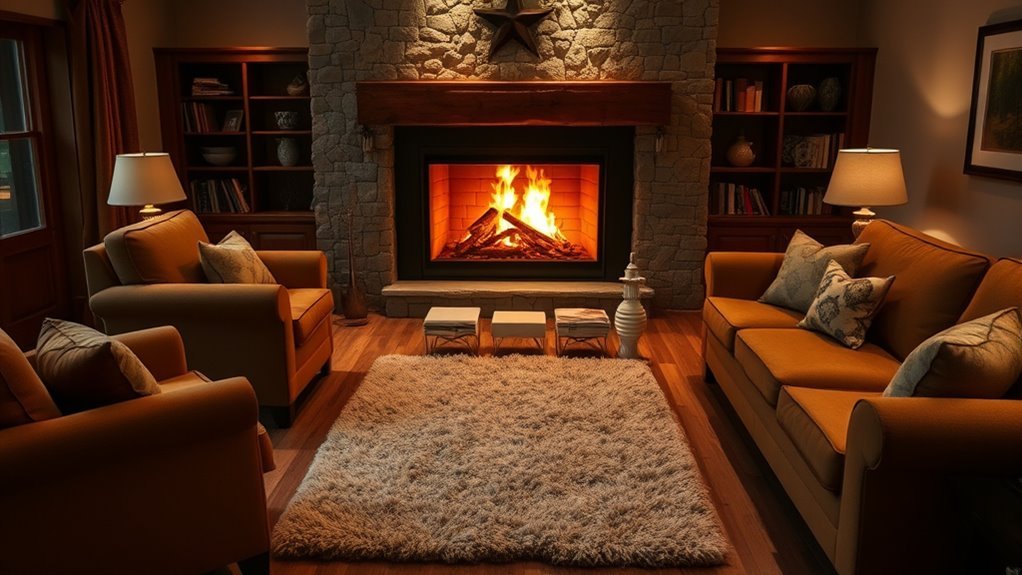
A fireplace creates radiant heat, sparks, embers, hot glass, hot metal, and smoke risks. That is why furniture placement is not just a design choice; it is part of basic home fire prevention. The safest general rule is to keep anything that can burn at least 3 feet away from heating equipment, including fireplaces and wood stoves.
That 3-foot area should stay clear of sofas, chairs, ottomans, rugs, curtains, pillows, blankets, baskets, books, holiday decor, toys, pet beds, and electrical cords. If your fireplace manual, insert manual, stove label, or local code calls for a larger clearance, follow that stricter requirement.
Warning: Do not use the fireplace if smoke enters the room, a gas smell is present, the glass or surround is cracked, the chimney is blocked, nearby furniture shows scorch marks, or you cannot keep combustibles at least 3 feet away.
Importance of Clearance Around Your Fireplace
Clearance is the open space between the fireplace and anything that can burn. For everyday furniture placement, use 3 feet as your minimum safety zone. This space lowers the chance of upholstery drying out, rugs scorching, curtains catching heat, or a shifting ember reaching something flammable.
Clearance also keeps the hearth usable. People need room to load wood, adjust a screen, walk through the room, and move away from the fire without brushing against hot surfaces. In homes with children or pets, treat the 3-foot area as a no-play and no-nap zone.
How to Measure Safe Fireplace Clearance
Use a tape measure before you decide where the sofa, chairs, rug, and coffee table should go. Measure from the fireplace opening, glass front, stove body, or manufacturer-marked clearance point to the nearest edge of each combustible item.
- Measure to the front edge of sofas, chairs, ottomans, and benches.
- Measure to the nearest edge of the rug, not just the furniture legs.
- Check side clearances for curtains, bookcases, baskets, plants, and stacked firewood.
- Keep cords, power strips, and charging cables away from the hearth and hot surfaces.
- Repeat the check after seasonal decorating, parties, or furniture rearranging.
Note: Built-in mantels, fireplace surrounds, inserts, and freestanding stoves can have their own listed clearances. The room-layout rule does not replace your appliance manual or local building/fire code.
Proper Furniture Arrangement for Safety and Comfort
Arrange seating so people can enjoy the fireplace without blocking the safe zone. In most living rooms, the best layout places the main sofa across from the fireplace or at an angle, with chairs forming a conversation area outside the 3-foot clearance line.
| Safety Check | Recommendation | Why It Matters |
|---|---|---|
| Furniture distance | At least 3 feet from the fireplace | Reduces heat, spark, and ember risk |
| Walking path | Keep a clear route around the hearth | Prevents trips near hot surfaces |
| Rugs and textiles | Keep edges outside the clearance zone | Fabric can scorch, melt, or ignite |
| Decor | Avoid paper, dried greenery, baskets, and candles near heat | Lightweight decor can catch quickly |
How to Choose Safer Materials for Fireplace Safety
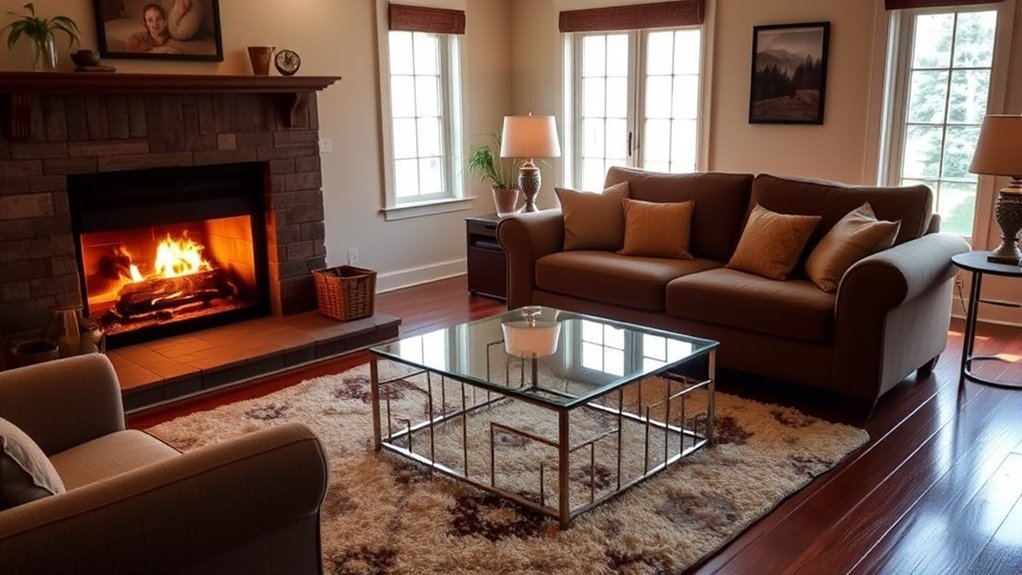
No normal sofa fabric, leather chair, wood coffee table, or synthetic cushion should be treated as safe inside the fireplace clearance zone. Some materials resist heat better than others, but distance is what protects your furniture and your home.
For items near—but still outside—the clearance area, choose sturdy, low-clutter pieces and avoid loose throws, long fringe, paper decor, dried flowers, and lightweight baskets. For accessories close to the hearth, noncombustible materials such as metal, stone, tile, and glass are better choices, as long as the fireplace manufacturer allows them in that location.
For wood-burning fireplaces, burn only dry, split, well-seasoned wood. The EPA recommends seasoned wood and notes that wood burns best at a moisture content below 20 percent. The EPA also warns not to burn trash, plastic, painted wood, coated wood, pressure-treated wood, plywood, particle board, or driftwood because these materials can release harmful chemicals or damage the appliance.
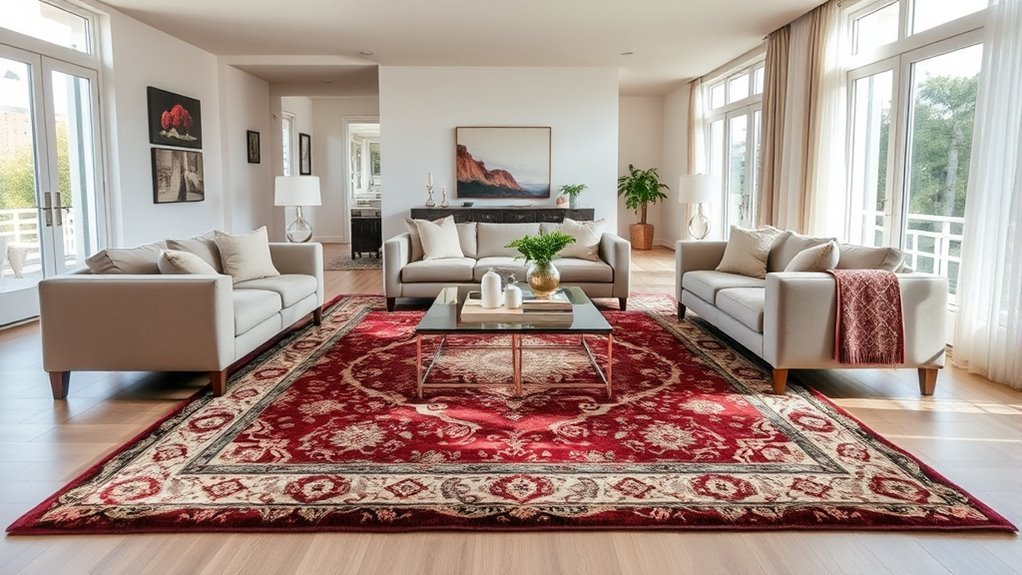
Pro Tip: If you want a rug in a fireplace room, choose one that sits completely outside the 3-foot zone and does not curl at the edges. A curled rug near a hearth is both a trip hazard and a fire hazard.
Recommended Products

Mini-sized Ash Bucket: The Coal/Pellet bucket offers a small sleek design which is perfect for mini fire pits. The bucket measures 6.3" x 8.5" x 12.6" that doesn’t take up much space and still does its job. Perfect for fireplaces, fire pits, hearths, grills, and More.

Measures 31-inch height brass fireplace tools set, works great with most brass fireplace fire screens, brass fireplace log holders and firewood logs racks, fireplace ash buckets, fireplace bellows, fireplace grates or outdoor fire pit tools.

REALISTIC GLOWING EMBER EFFECT – Rock wool mineral fiber glows like live coals wherever the flame makes contact, instantly transforming a gas fireplace or gas log set into a convincing wood-fire scene. Simply pinch small clumps and place near gas ports on the burner pan or on logs where flames touch.
Inspecting Furniture for Heat Damage
Furniture can show heat stress before a serious fire risk becomes obvious. Before the heating season, and again during heavy fireplace use, inspect nearby items with the fireplace off and fully cool.
- Look for discoloration, fading, scorch marks, bubbling finish, peeling veneer, or warped wood.
- Check upholstery for brittle fabric, melted fibers, darkened areas, or a smoky smell.
- Move pillows, blankets, baskets, books, and magazines out of the clearance zone.
- Make sure cords are not running across the hearth, under rugs, or near hot glass or metal.
- Recheck the area after holiday decorating, because garlands, stockings, wrapping paper, and dried greenery can change the risk quickly.
If a furniture piece already shows heat damage, move it farther away before using the fireplace again. Heat damage means the item has been too close, even if it has not caught fire.
How to Use Fire Screens and Guards Effectively
A fire screen is a safety barrier, not a replacement for clearance. Use a sturdy screen that covers the fireplace opening, sits securely, and helps stop sparks or embers from reaching the room. For glass-front gas fireplaces, use the safety barrier supplied or approved by the manufacturer because the glass can become extremely hot during use.
Recommended Products

【FREE-STANDING FLAT GUARD 】Fits flush against hearth for maximum coverage and protection; large scroll front feet and smaller back feet support the screen.Adjustable distance of backrest support bar, suitable for different sizes of fireplace. The front and back has 4 support legs can bear a lot of weight and can holds firmly to the hearth ground for optimal stability.

【High Quality Material】Heavy duty Fireplace screens with strong durable frame and protective handcrafted steel mesh,they are connected by strong hinges.Thus forming a stable metal supporting structure.Adjustable placement angle according to demand, stable support on the ground.

Symmetrical Scroll Center Panel: The center panel features classic wrought-iron scrollwork that adds an elegant, traditional touch of class to your fireplace. Its sleek yet rustic silhouette suits most living-room fireplaces and makes a thoughtful housewarming gift.
Types of Fire Screens
Mesh screens are common for wood-burning fireplaces because they help contain sparks while still allowing airflow and visibility. Tempered-glass screens can create a cleaner look, but they still need to be rated for fireplace use and positioned according to the manufacturer’s instructions. Fixed or mounted screens can be helpful in homes with children or pets because they are harder to tip over than lightweight folding screens.
Proper Installation Methods
Choose a screen wide and tall enough to cover the full fireplace opening. It should sit flat, stand securely, and not wobble if lightly bumped. Do not place a freestanding screen where it creates a trip hazard in the walking path. Do not use a damaged screen with broken mesh, cracked glass, missing feet, sharp edges, or weak hinges.
Keep the 3-foot child and pet zone in place even when a screen is installed. A screen can reduce spark risk, but it does not make the front of the fireplace safe to touch.
Creating Cozy, Safe Spaces
A fireplace room can still feel warm and welcoming without crowding the hearth. Use the fireplace as the visual focal point, then build the seating group outside the clearance line. Angle chairs toward the fire, place a coffee table beyond the safe zone, and keep soft textiles on the seating side of the room instead of near the hearth.
For small rooms, skip oversized sectionals that push into the fireplace zone. Use slimmer chairs, nesting tables, or a smaller rug so the room stays functional. For large rooms, float the sofa away from the hearth and use the space behind it for traffic instead of using the hearth area as a walkway.
Common Mistakes to Avoid Near Fireplaces
Many fireplace hazards come from small changes: a chair pulled forward during a party, a basket of blankets moved beside the hearth, or seasonal decor placed too close to heat. Watch for these common mistakes:
- Placing a sofa, chair, ottoman, rug, or pet bed inside the 3-foot zone.
- Letting curtains, holiday stockings, garland, dried greenery, or paper decor hang near the fireplace.
- Stacking firewood, kindling, magazines, or baskets beside the opening.
- Running electrical cords, power strips, or charging cables near the hearth.
- Leaving a wood fire unattended or falling asleep while it is burning.
- Assuming a screen makes it safe to place furniture closer.
- Using the fireplace when smoke spills into the room or when the chimney has not been inspected.
Best Furniture Arrangements for Fireplaces
The best fireplace furniture arrangement keeps the view open, the traffic path clear, and the 3-foot safety zone empty. These layouts work well in most living rooms:
- Sofa facing the fireplace: Place the sofa across from the fireplace, but keep the front edge at least 3 feet away. Add chairs at the sides to create a conversation area.
- Two chairs angled toward the hearth: This works well in small rooms because chairs are easier to keep outside the clearance line than a deep sectional.
- Sectional beside, not in front of, the fireplace: Keep the chaise or longest section away from the hearth so no one lounges too close to heat.
- Floating layout: In a large room, float the sofa in the center and use the fireplace as a backdrop instead of pushing furniture against the hearth wall.
- TV and fireplace wall: If a TV is mounted above or near a fireplace, follow both the TV and fireplace manufacturer’s clearance requirements. Heat can damage electronics even when furniture placement is safe.
Recommended Products

Freestanding Pet Gate: It can be placed anywhere and stands securely without the need for side wall support. Equipped with side panels to prevent tipping and safely enclose pets. It is lightweight and easy to move, yet sturdy enough that dogs cannot knock it over.

Wide Coverage, Flexible Setup: Secure openings up to 127.5″ wide with this fireplace baby proofing, designed to provide a reliable safety barrier for toddlers and pets in wider spaces. This baby gate for fireplace mounts firmly to straight or awkward angled walls and features a 16.5″ walk-through door that allows people to pass through comfortably without bending or stepping over

Easy Installation: This fireplace mesh gate is designed for simple setup with 4 adhesive hooks and double-sided tapes. Clean and dry the surface before installation, press the hooks firmly, and allow the adhesive to set before attaching the mesh for a better hold
Special Notes for Different Fireplace Types
Wood-burning fireplaces: Keep a sturdy screen in place, burn dry seasoned wood, remove ashes into a covered metal container, and store that container outdoors on a nonflammable surface. Have the chimney and fireplace inspected annually.
Gas fireplaces: Follow the manual for clearances, screens, and mantel or TV placement. Keep furniture away from hot glass and metal surrounds, and stop using the fireplace if you smell gas or notice soot, unusual flame color, or cracked glass.
Electric fireplaces: Treat the heater outlet and front heat vent as a heat source. Keep fabrics, cords, and furniture away from the heat discharge area, and do not block vents.
Freestanding wood stoves and inserts: These often have specific listed clearances to walls, furniture, flooring, and combustibles. Use the appliance label and manual rather than guessing from room layout alone.
Smoke, Carbon Monoxide, and Ventilation Safety
Fireplace safety is not only about furniture distance. Smoke and carbon monoxide are serious hazards. The EPA explains that wood smoke contains fine particles and toxic pollutants, and that more efficient burning with dry, seasoned wood creates less smoke. Install and maintain smoke alarms and carbon monoxide alarms according to the alarm manufacturer’s instructions and local requirements.
If smoke enters the room, stop using the fireplace. Open a window if it is safe to do so, make sure the flue is open, and call a qualified chimney or fireplace professional before using it again.
When to Call a Professional
Call a certified chimney sweep, fireplace technician, or qualified installer if you notice smoke spillage, persistent odor, soot stains, damaged brick or mortar, cracked glass, rusted parts, loose venting, unusual gas flames, or furniture heat damage even when the item is outside the 3-foot zone.
The EPA recommends having wood-burning appliances, chimneys, and vents professionally inspected each year. A professional can check for chimney cracks, clearance problems, creosote buildup, venting issues, and unsafe installation details that may not be visible during a normal room check.
Frequently Asked Questions
What is the 2/3 rule for furniture?
The 2/3 rule is a design guideline, not a fireplace safety rule. It usually means a coffee table or sofa should be about two-thirds the length of the related furniture or wall feature for visual balance. For fireplace safety, use the 3-foot clearance rule instead.
What is the biggest mistake in fireplace furniture placement?
The biggest mistake is placing combustible items too close to the fireplace. Sofas, chairs, rugs, curtains, baskets, books, blankets, toys, and cords should stay at least 3 feet away unless the manufacturer requires more clearance.
Is it okay to put a sofa in front of a fireplace?
Yes, a sofa can face a fireplace if it stays at least 3 feet away from the opening or appliance face and does not block the hearth, screen, vents, or walking path. A deeper sofa or sectional may need more space.
How far away from a fireplace should furniture be?
Keep furniture at least 3 feet away from a fireplace, wood stove, or heating appliance. Measure to the closest edge of the furniture, rug, curtain, basket, or decor. Use a larger distance if your fireplace manual or local code requires it.
Can I put a rug in front of a fireplace?
A rug can work in a fireplace room, but keep the rug edge outside the 3-foot clearance zone. Avoid curled edges, long fringe, lightweight mats, or layered textiles near the hearth because they can trip people or catch sparks.
Does a fireplace screen mean furniture can be closer?
No. A screen helps contain sparks and embers, but it does not remove the need for clearance. Keep furniture, rugs, decor, children, and pets at least 3 feet away even when a screen is installed.
Conclusion
Fireplace furniture safety starts with one clear rule: keep anything that can burn at least 3 feet away from the fireplace, and follow your manufacturer’s manual if it requires more space. Add a sturdy screen, keep the hearth clear, inspect nearby furniture for heat damage, maintain working smoke and carbon monoxide alarms, and schedule annual professional service for wood-burning fireplaces and chimneys. With the right layout, your living room can feel warm and inviting without putting furniture, people, or pets too close to the fire.
Sources
- National Fire Protection Association: Safety with Heating Equipment — supports the 3-foot heating-equipment clearance rule.
- U.S. Environmental Protection Agency: Best Wood-Burning Practices — supports dry seasoned wood, safe ash handling, and what not to burn.
- U.S. Environmental Protection Agency: Wood-Burning Installation and Maintenance — supports annual inspection, proper clearances, and professional maintenance.
- U.S. Environmental Protection Agency: Wood Smoke and Your Health — supports the smoke, fine-particle, and health-safety guidance.
- National Fire Protection Association: Smoke Alarms — supports maintaining working smoke alarms as part of home fire safety.
- National Fire Protection Association: Carbon Monoxide Safety — supports carbon monoxide alarm awareness around fuel-burning appliances.