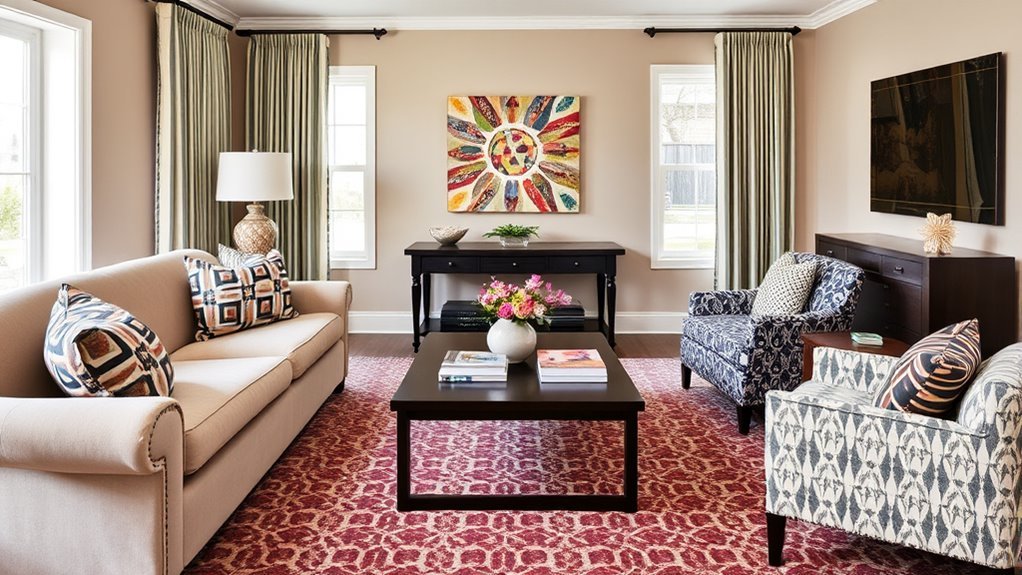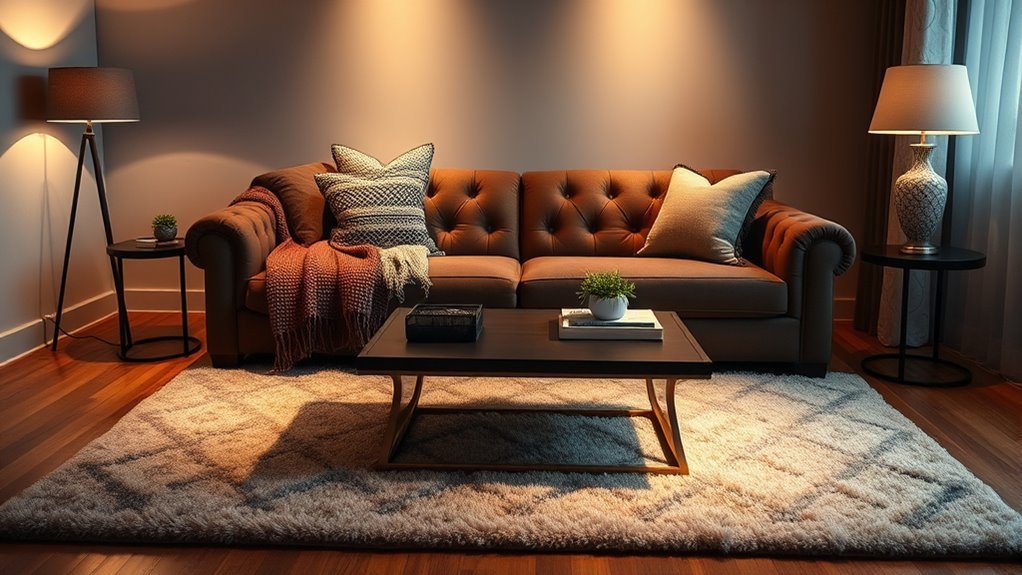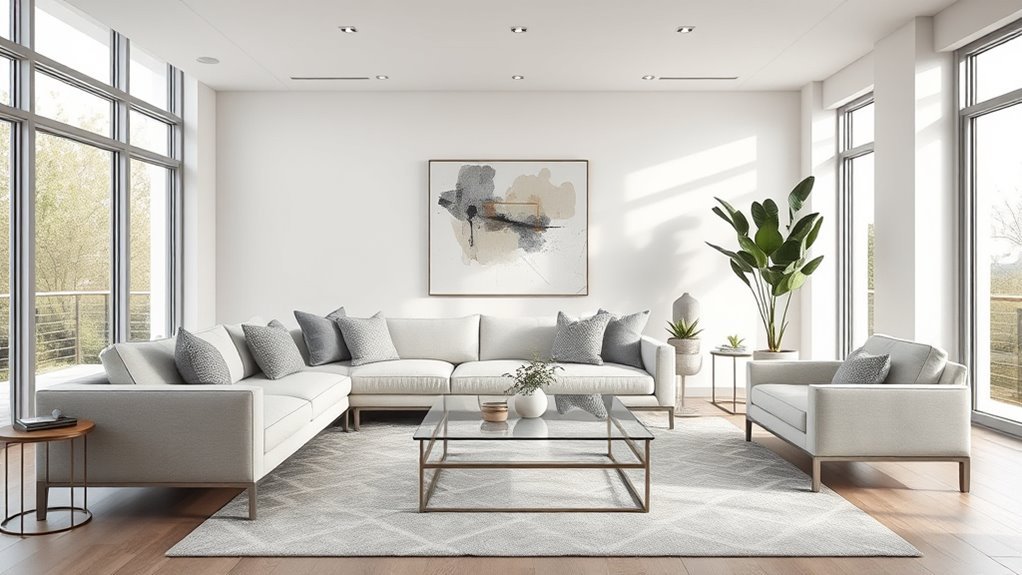
Modern and contemporary living room styles are often confused because both can look clean, open, and uncluttered. The difference is simple: modern design refers to a defined historical style rooted in early-to-mid 20th-century design, while contemporary design reflects what feels current now. Understanding that distinction makes it easier to choose furniture, colors, materials, and decor that fit the way you actually live.
Quick Answer
Modern living rooms are rooted in a specific design era, with clean lines, functional furniture, warm woods, and restrained colors. Contemporary living rooms are more fluid and current, often mixing sleek forms, layered textures, statement lighting, and updated accents that can change as trends evolve.
Key Takeaways
- Modern style is historically defined and usually favors function, simplicity, warm natural materials, and balanced layouts.
- Contemporary style is current and flexible, so it often mixes clean lines with sculptural pieces, contrast, texture, and updated materials.
- Modern rooms tend to feel calm, warm, and timeless; contemporary rooms tend to feel fresher, more edited, and more trend-aware.
- You can blend both styles successfully by choosing one dominant style and using the other as an accent.
What Are Modern and Contemporary Living Room Styles?
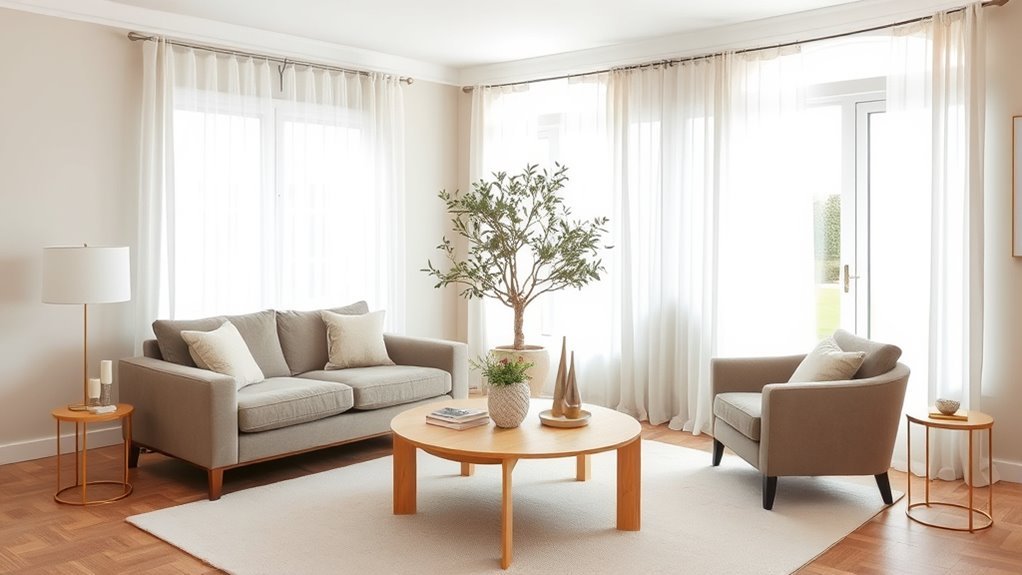
A modern living room is based on a recognized design style rather than whatever happens to be new. In interiors, modern design is commonly linked to early-to-mid 20th-century influences such as Bauhaus, Scandinavian design, Art Deco, Streamline Moderne, and mid-century modern. It usually emphasizes function, clean silhouettes, honest materials, and a room layout that feels practical instead of decorative for decoration’s sake.
A contemporary living room is different because it is not tied to one fixed era. It reflects the design language of the current moment. That may include modern influence, minimalism, organic materials, statement lighting, curved furniture, global design details, or bold art. A contemporary living room can change over time because “contemporary” means current, not historical.
Note: “Modern” does not simply mean new. In interior design, modern usually refers to a style with historical roots, while contemporary means the design feels current today.
Key Characteristics of Modern Living Room Design
Modern living room design is clean, functional, and intentional. It avoids heavy ornamentation and focuses on pieces that serve a clear purpose. The result is usually calm and streamlined, but it should not feel cold when the materials and lighting are chosen well.
- Clean lines: Sofas, chairs, tables, and shelving often have simple profiles without heavy carving or excessive detail.
- Functional furniture: Each piece should earn its place. Storage, seating, and surfaces are chosen for how well they support everyday living.
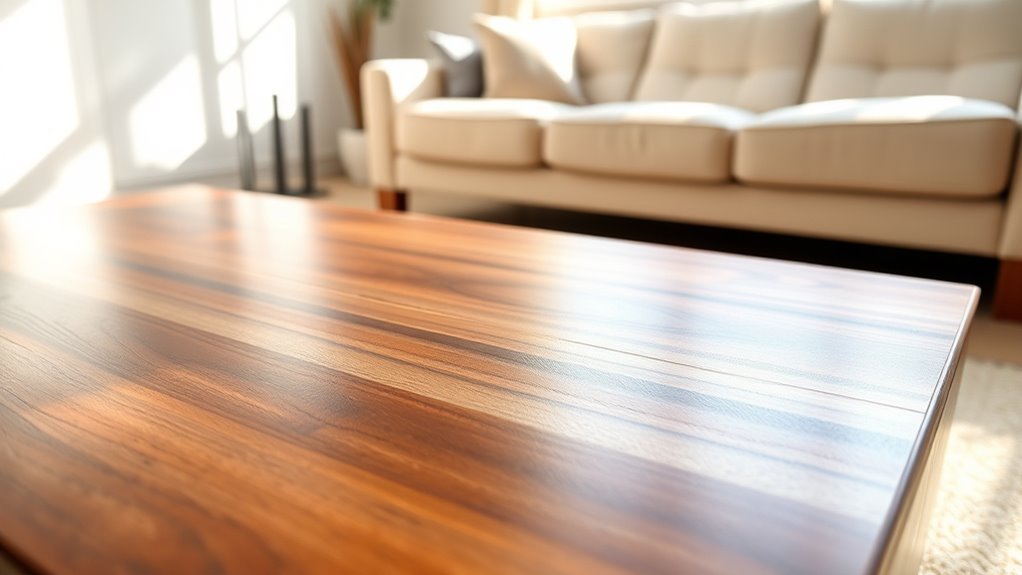
- Warm natural materials: Wood, leather, wool, linen, glass, and metal are common. Mid-century modern rooms often include walnut, teak, or other warm wood tones.
- Neutral or earthy colors: Beige, cream, white, gray, camel, brown, olive, and black are common foundations.
- Balanced layouts: Modern rooms often feel orderly, with clear pathways and visual balance between furniture pieces.
- Minimal decor: Artwork, lamps, and accessories are used selectively so the room feels edited, not empty.
For example, the Eames Lounge Chair and Ottoman, introduced by Herman Miller in 1956, is a strong example of modern design because it combines comfort, function, molded wood, leather upholstery, and a refined silhouette.
Essential Features of Contemporary Living Room Styles
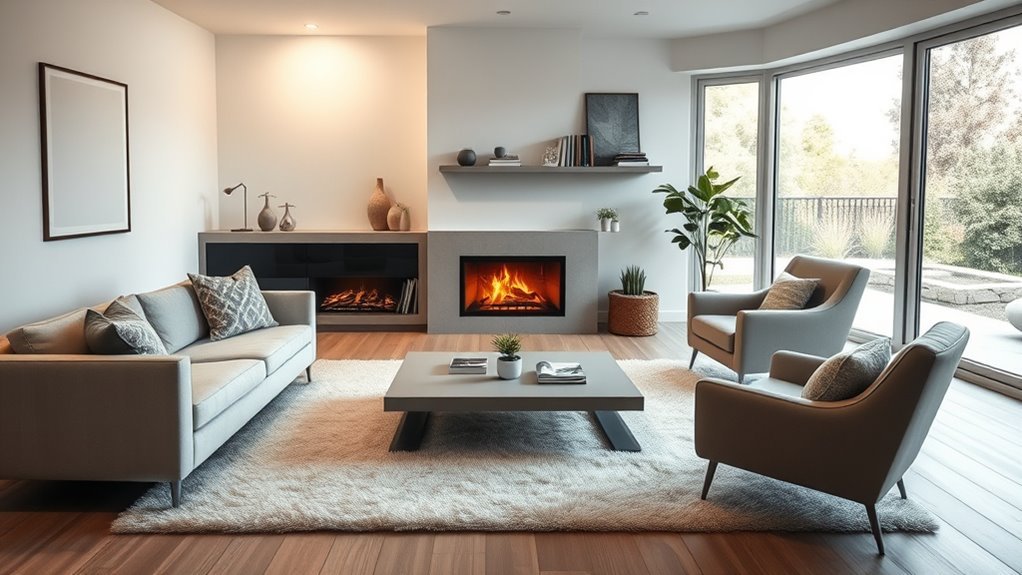
Contemporary living room style is more flexible. It can borrow from modern design, but it is not limited to modern design. The goal is usually a fresh, edited room that feels current, comfortable, and visually interesting.
- Open, uncluttered space: Contemporary rooms often use fewer pieces, but those pieces have stronger shapes, textures, or finishes.
- Layered materials: You might see wood, stone, metal, glass, boucle, linen, wool, ceramic, or recycled materials in one room.
- Statement lighting: Sculptural pendants, oversized floor lamps, or artistic sconces can become focal points.
- Neutral base with contrast: Contemporary rooms often start with white, black, gray, taupe, or warm neutrals, then add contrast through art, rugs, lighting, or accent chairs.
- Curves and sculptural forms: Sofas, coffee tables, and accent chairs may have rounded edges or more dramatic silhouettes than modern pieces.
- Personal expression: Contemporary spaces often feel more collected, mixing new pieces with vintage, handmade, or globally influenced accents.
The key is restraint. A contemporary room can include bold pieces, but it should still feel cohesive. Too many statement items can make the room look busy instead of current.
Modern vs. Contemporary Living Room: Side-by-Side Comparison
| Feature | Modern Living Room | Contemporary Living Room |
|---|---|---|
| Time period | Rooted in early-to-mid 20th-century design | Reflects current design preferences |
| Main priority | Function, simplicity, balance | Freshness, flexibility, visual impact |
| Furniture shapes | Low, linear, leggy, geometric | Sleek, curved, sculptural, mixed |
| Color palette | Warm neutrals, earth tones, wood tones | Neutrals with contrast, texture, or bold accents |
| Materials | Wood, leather, metal, glass, wool | Mixed woods, stone, metal, glass, ceramics, textured fabrics |
| Decor style | Minimal, intentional, often symmetrical | Edited, artistic, often asymmetrical |
| Best for | A timeless, calm, functional room | A fresh, expressive, adaptable room |
Key Differences: Choosing Between Modern and Contemporary Styles
The best choice depends on the mood you want, the architecture of your home, and how often you like to update your space.
Choose modern living room design if you like timeless furniture, warm neutrals, visible wood grain, and a room that feels calm and practical. Modern style is a strong fit if you prefer buying fewer, better pieces and keeping the same look for years.
Choose contemporary living room design if you like a more current look, sculptural furniture, mixed textures, statement lighting, and the option to update accents over time. Contemporary style is a strong fit if you enjoy refreshing art, rugs, pillows, or accent colors as your taste changes.
Pro Tip: If you are unsure, make the expensive pieces more modern and timeless, then use contemporary accents for lower-cost updates. A simple sofa, warm wood table, and clean storage can handle trendier art, lighting, pillows, or rugs.
Color Palettes: Modern vs. Contemporary Living Room Styles
Color is one of the easiest ways to tell these two styles apart, but the difference is not as simple as “modern is neutral and contemporary is bright.” Both can use neutral colors. The difference is in how the palette is handled.
Modern Color Palettes
Modern living rooms often use warm, grounded colors. Think ivory, cream, beige, camel, walnut, charcoal, olive, rust, and soft black. These colors pair well with wood, leather, and natural textiles. The result is usually calm and cohesive.
Contemporary Color Palettes
Contemporary living rooms often use a cleaner contrast. You may see white walls with black window frames, a pale sofa with a dark coffee table, or a neutral room with bold art. Contemporary color can be quiet or dramatic, but it usually feels more current and edited.
| Modern Base | Contemporary Update | How to Use It |
|---|---|---|
| Cream + walnut | Matte black accents | Use black in lighting, frames, or table legs. |
| Taupe + leather | Oversized abstract art | Keep the furniture simple and let the art lead. |
| Soft white + oak | Curved accent chair | Add one sculptural piece for freshness. |
| Gray + camel | Textured rug | Use texture instead of bright color for depth. |
Furniture Selection: Modern vs. Contemporary Pieces
Furniture is where the difference becomes most visible. Modern furniture usually has a clear function and a simple profile. Contemporary furniture may still be functional, but it often adds more shape, softness, or drama.
Key Furniture Features
In a modern living room, look for sofas with straight arms, exposed legs, slim wooden frames, low coffee tables, and storage pieces with flat fronts. The room should feel useful and uncluttered.
In a contemporary living room, look for curved sofas, rounded lounge chairs, sculptural tables, oversized lamps, textured upholstery, or modular seating. These pieces can still be simple, but they usually make a stronger visual statement.
Iconic Design Pieces
Some modern pieces have become design icons because they balance comfort, material innovation, and long-lasting form. Examples include the Eames Lounge Chair and Ottoman, the Saarinen Pedestal Table, the Florence Knoll Sofa, and the Noguchi Table. These pieces are associated with modern and mid-century modern design because their forms are specific, recognizable, and historically rooted.
Contemporary pieces are harder to call “iconic” because the style is still changing. Instead of chasing a single famous contemporary piece, focus on traits: a sculptural coffee table, a curved sofa, a large-scale floor lamp, an oversized artwork, or a textured accent chair can all bring a contemporary feeling into the room.
| Modern Furniture | Contemporary Furniture |
|---|---|
| Low-profile sofa with slim legs | Curved or modular sofa |
| Wood-framed lounge chair | Rounded accent chair in textured fabric |
| Simple rectangular media console | Floating, ribbed, or mixed-material console |
| Glass, wood, or metal coffee table | Sculptural stone, plaster, or organic-shaped table |
Material Choices Comparison
Modern furniture often highlights wood, leather, metal, glass, and wool in simple forms. Contemporary furniture may use the same materials, but it often adds more contrast: matte metal with soft boucle, stone with warm wood, glass with sculptural ceramic, or recycled materials with refined finishes.
When sustainability matters, avoid judging a piece only by a vague “eco-friendly” label. A better approach is to consider durability, repairability, material sourcing, recycled content, low-toxicity finishes, and what happens to the product at the end of its useful life. The U.S. Environmental Protection Agency recommends looking at materials through their full life cycle, from raw material extraction to reuse, maintenance, and end-of-life management.
Tips for Blending Modern and Contemporary Elements in Your Living Room
You do not have to choose only one style. Modern and contemporary elements can work well together because both value clean space, intentional furniture, and visual clarity. The key is to avoid a room that looks random.
Recommended Products

✔【COMBINATION OF FUNCTION & STYLE】This contemporary console table showcases an circular flower shape base with curved lines accents that pair seamlessly with clean tabletop for a minimalist glam look. With a striking geometric design for a touch of impeccable style, this table will be sure to enliven any space. From an entryway to living room and beyond, the entryway table offers room to display decor pieces while also clearing up clutter.

INSTALLATION REQUIRED FOR LAMPSHADE: To minimize unnecessary packaging waste and to save transport fees, we have meticulously sought out the most efficient packing method. This enables us to give customers more cost-effective products, allowing you to buy high-quality items at a more affordable price. The ceramic table lamp comes with all the necessary installation accessories and a manual in the package. Following the instructions, you can set up the farmhouse table lamp easily. If you need any help, 24/7 customer service is here for you.

Choose One Dominant Style
Use a simple 70/30 approach. Let one style make up about 70% of the room, then use the other style for the remaining 30%.
- Mostly modern: Choose a clean-lined sofa, warm wood storage, and a simple rug. Add contemporary lighting or bold artwork.
- Mostly contemporary: Choose a curved sofa, statement lamp, and textured rug. Add modern wood tables or a mid-century lounge chair for warmth.
Harmonize Color Palettes
Start with a shared neutral base. Cream, taupe, warm gray, black, white, and natural wood tones can support both styles. Then choose one or two accent colors or textures. This keeps the room cohesive even when the furniture mixes eras.
Mix Furniture Styles
Mixing furniture works best when pieces share at least one common element. For example, a modern wood coffee table can work with a contemporary curved sofa if both have warm tones. A sculptural black lamp can work in a modern room if other black accents repeat nearby.
Repeat Materials and Shapes
Repetition makes a blended room feel intentional. If you use a black metal floor lamp, repeat black in picture frames or table legs. If you use a curved contemporary chair, echo the curve with a round tray, arched mirror, or oval coffee table.
Warning: Do not add too many statement pieces at once. A bold sofa, sculptural coffee table, dramatic chandelier, patterned rug, and oversized art can compete with each other. Pick one main focal point, then let the rest of the room support it.
How to Choose Your Living Room Style: Modern vs. Contemporary
To choose between modern and contemporary living room styles, look beyond the pictures you like online. Think about your home, habits, and budget.
- Look at your architecture: A mid-century home, ranch, or simple open-plan space often supports modern design naturally. A newer build, loft, or renovated home may suit contemporary design well.
- Consider your maintenance style: Modern rooms are often easier to keep timeless. Contemporary rooms may need occasional updates to stay current.
- Start with your sofa: A straight, low, leggy sofa leans modern. A curved, modular, or oversized sofa leans contemporary.
- Check your color comfort level: If you love warmth and subtlety, modern may suit you. If you like contrast, art, and statement details, contemporary may feel better.
- Think about how the room is used: A family room needs durable upholstery, storage, and comfortable seating before style labels matter.
- Buy slowly: Strong living rooms are built over time. Avoid buying a full matching set just to make the style feel complete.
The American Society of Interior Designers describes interior design as supporting the human experience through function, materiality, safety, accessibility, inclusivity, and the built environment. That is a useful reminder: the best living room is not just modern or contemporary. It works for the people who use it.
Recommended Products

QUALITY MATERIAL: The pillow cover is composed of a soft and comfy corduroy which is a kind of polyester fabric, features a cute and elegant boho stripe design. Our pillow covers are of good workmanship, they are tightly sewn without loose threads.
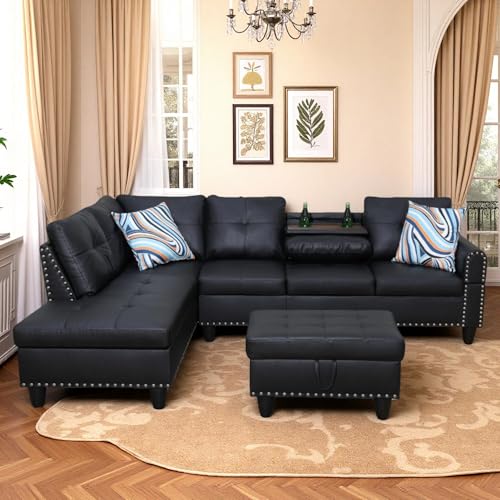
3-Package: Modular sofa ships in 3 separate parcels, with times varying slightly—please be patient. Once all pieces arrive,pat the sofa to help cushions and fabric rebound to their original plush state

【Attractive Sofa Design】 The overall dimensions of this modern minimalist fabric sofa are 32.3"(D) x 71.25"(W) x 36.6"(H). Perfect for smaller spaces such as living rooms, offices and reception rooms.
Common Mistakes to Avoid
- Making modern too bare: Minimal does not mean empty. Add texture, warm lighting, and natural materials so the room feels livable.
- Making contemporary too trendy: Trend-heavy rooms can date quickly. Use trends in accents, not every major investment piece.
- Ignoring scale: A sculptural sofa or oversized lamp needs breathing room. Measure before buying.
- Using only one texture: A room with all smooth surfaces can feel flat. Mix wood, fabric, metal, ceramic, and woven textures.
- Buying a matching furniture set: Matching sets can make both styles feel less personal. Choose pieces that coordinate without looking identical.
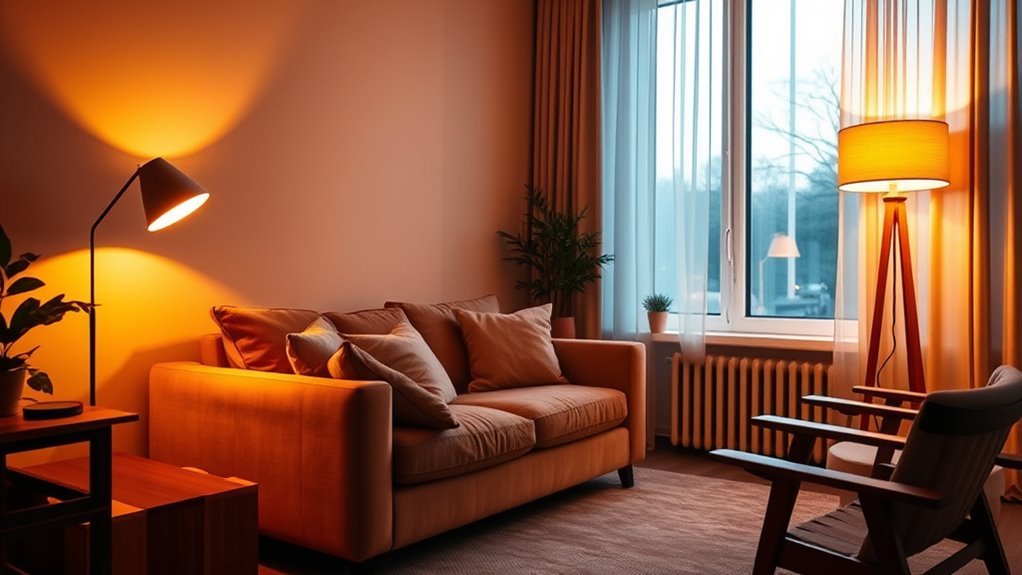
- Forgetting lighting: Modern and contemporary rooms both depend on good lighting. Use a mix of overhead, floor, table, and accent lighting.
Frequently Asked Questions
What is the difference between modern and contemporary living rooms?
A modern living room is based on a defined design style with roots in early-to-mid 20th-century design. It usually emphasizes function, clean lines, warm woods, and restrained decor. A contemporary living room reflects current design preferences, so it is more fluid and may include sculptural shapes, mixed materials, contrast, and trend-aware accents.
Is contemporary and modern the same style?
No. The words are often used casually as synonyms, but in interior design they mean different things. Modern is a historical style with recognizable principles. Contemporary means current, so it changes as design preferences change.
What does “contemporary living room” mean?
A contemporary living room is a living space designed to feel current. It often uses clean lines, open space, neutral colors, layered textures, statement lighting, and selected bold accents. Because contemporary design evolves, a contemporary room from ten years ago may not look contemporary today without updates.
Is my house modern or contemporary?
Your house likely leans modern if it has simple lines, warm wood tones, functional furniture, minimal ornament, and a calm neutral palette. It likely leans contemporary if it has current finishes, sculptural shapes, bold contrast, mixed textures, statement lighting, and decor that changes with current trends.
Can I mix modern and contemporary living room styles?
Yes. The easiest method is to choose one style as the base and use the other for accents. For example, pair a modern sofa and wood coffee table with contemporary lighting and abstract art, or soften a contemporary room with a modern lounge chair and warm wood storage.
Which style is more timeless?
Modern style is usually more timeless because it is based on established design principles and classic furniture forms. Contemporary style can also last, but it depends on how trend-heavy the room is. For longevity, keep large pieces simple and use contemporary trends in smaller accents.
Conclusion
Modern and contemporary living room styles share a love of clean space, thoughtful furniture, and visual clarity, but they are not the same. Modern design is rooted in a defined era and usually feels warm, functional, and timeless. Contemporary design is more fluid, current, and expressive, often using sculptural pieces, layered textures, and updated accents.
If you want a room that stays consistent for years, lean modern. If you enjoy updating your space and adding current design details, lean contemporary. If you like both, blend them carefully: choose one dominant style, repeat materials and colors, and let every piece serve the room instead of competing for attention.
Sources
- Better Homes & Gardens: Contemporary vs. Modern Design — supports the difference between modern and contemporary interior design, including era, function, palette, and flexibility.
- Architectural Digest: Contemporary Interior Design — supports the explanation of contemporary design as current, fluid, mixed, and trend-aware.
- Herman Miller: Eames Lounge Chair and Ottoman — supports the Eames Lounge Chair as a historically rooted modern furniture example introduced in 1956.
- U.S. Environmental Protection Agency: Sustainable Materials Management Basics — supports the lifecycle approach to evaluating materials and sustainability claims.
- American Society of Interior Designers: About Interior Design — supports the point that interior design should serve function, materiality, safety, accessibility, inclusivity, and human experience.