
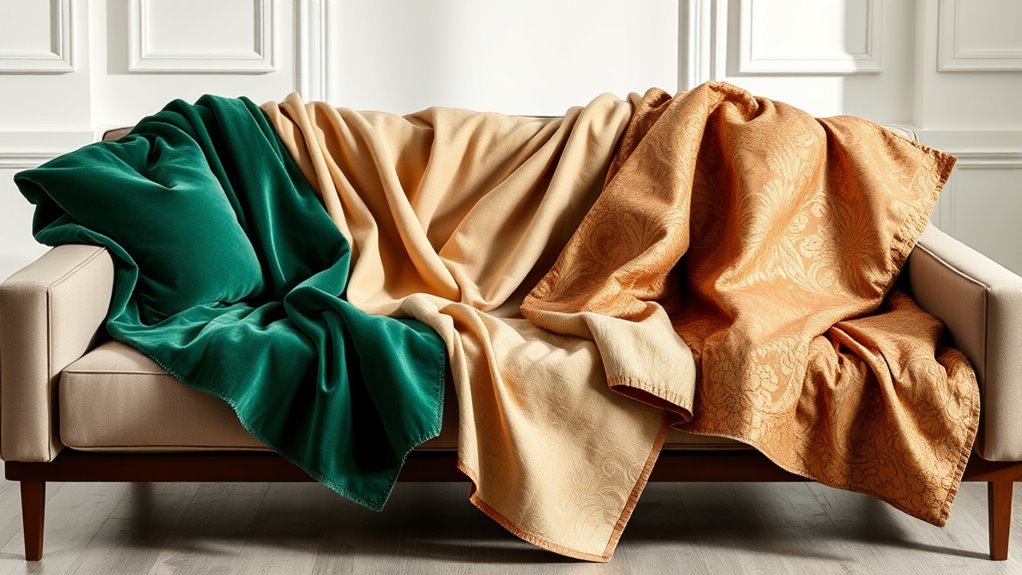
Choosing upholstery fabric for your living room sofa is really a choice about daily life. The best fabric should look good in your room, feel comfortable when you sit on it, and hold up to the way your household actually uses the sofa. Cotton, linen, wool, leather, polyester, microfiber, velvet, chenille, and performance fabrics can all work well, but each one has different strengths for durability, stain resistance, texture, sunlight, pets, kids, and maintenance.
Quick Answer
For most busy living rooms, the best sofa upholstery fabric is a tightly woven performance fabric, microfiber, polyester blend, leather, or wool blend. Choose linen, velvet, silk, or loose textured fabrics only when you can handle extra care, fading risk, or lower resistance to stains, snags, and daily wear.
Key Takeaways
- For a main living room sofa, prioritize tight weaves, cleanability, and abrasion resistance over delicate texture alone.
- Performance fabrics, microfiber, polyester blends, leather, and wool blends are usually stronger choices for homes with kids, pets, food, or daily lounging.
- Natural fabrics like cotton and linen feel breathable and relaxed, but they usually need stain protection, careful cleaning, or a lower-traffic setting.
- Rub-count tests such as Wyzenbeek and Martindale are useful comparison tools, but they do not guarantee exactly how long a sofa will last in your home.
- Always check the fabric content, cleaning code, care instructions, swatch color, and warranty before committing to upholstery.
Understanding Upholstery Fabrics: Key Concepts
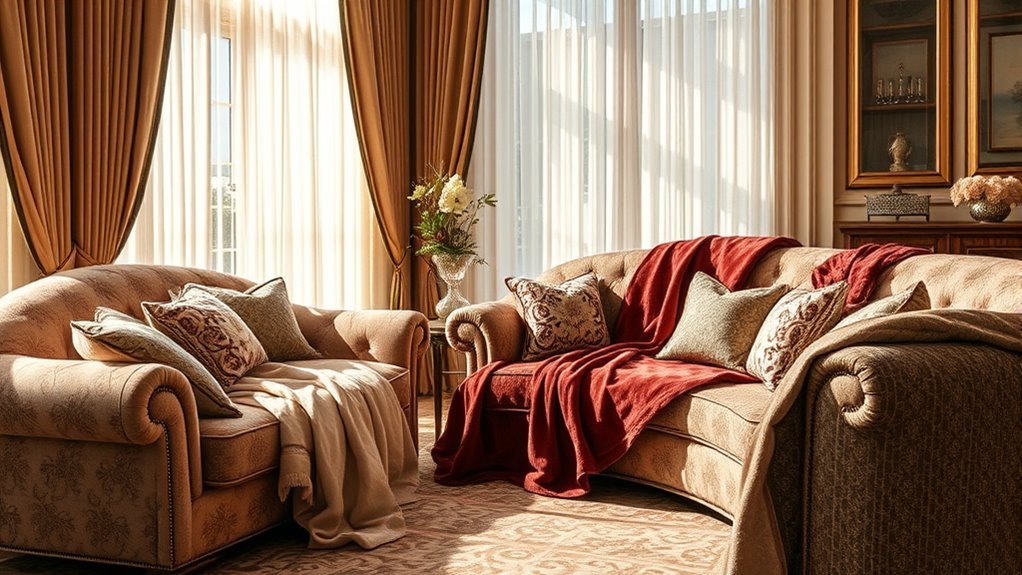
Upholstery fabric is not judged by fiber alone. A cotton canvas can wear very differently from a thin cotton print. A polyester velvet can feel plush but still be more practical than silk velvet. A linen blend may perform better than pure linen because the added fiber can reduce wrinkling or improve durability.
When comparing sofa fabrics, look at four things together:
- Fiber: Cotton, linen, wool, leather, polyester, nylon, acrylic, olefin, rayon, or a blend.
- Construction: The way the fabric is woven or finished, such as canvas, twill, velvet, chenille, bouclé, or microfiber.
- Performance finish: Treatments or built-in technology that improve stain resistance, moisture resistance, fade resistance, or cleanability.
- Care requirements: The cleaning code, manufacturer instructions, and whether the fabric needs professional cleaning.
Note: A fabric name alone is not enough. “Polyester,” “linen,” or “velvet” can describe many different upholstery materials. Ask for the fabric content, cleaning code, abrasion test method, and care sheet before buying.
Why Fabric Choice Is Crucial for Your Living Room Sofa
Your sofa is often the most-used seat in the house. Fabric choice affects how the sofa feels, how often it needs cleaning, how quickly it shows wear, and how well it fits the room. A formal sofa that gets light use can handle more delicate materials. A family room sofa needs fabric that can take crumbs, spills, pets, naps, and repeated sitting in the same spots.
The right upholstery fabric should match your household first and your design style second. A beautiful pale linen sofa may look perfect in a showroom but become stressful in a home with dogs and toddlers. A textured bouclé may add depth to a quiet reading room but snag under cat claws. A performance fabric may not feel as romantic as pure linen or velvet, but it can be the better choice for a sofa that works hard every day.
Best Sofa Fabric by Lifestyle
| Lifestyle | Best fabric choices | Use caution with |
|---|---|---|
| Kids and everyday spills | Performance fabric, microfiber, polyester blend, washable slipcover fabric | Untreated cotton, pale linen, silk, dry-clean-only fabrics |
| Pets | Tightly woven microfiber, performance fabric, leather, smooth polyester weave | Loose bouclé, tweed, open weaves, delicate velvet, fabrics that snag easily |
| Formal living room | Velvet, linen blend, wool blend, high-quality cotton blend | Low-rub decorative fabrics on heavily used seating |
| Sunny room | Fade-resistant performance fabric, solution-dyed acrylic, medium-tone woven fabrics | Dark cotton, untreated linen, silk, some natural dyes, leather without UV protection |
| Budget sofa | Polyester blend, microfiber, tightly woven synthetic fabric | Thin decorative fabric that looks good but pills quickly |
| Luxury comfort | Wool blend, velvet, linen blend, leather, chenille | Anything beautiful but hard to clean if the sofa is used daily |
Recommended Products

Sculpted comfort, built for life: Capri brings a balanced, refined feel to your space with clean lines, square arms, and an inviting depth that encourages you to sink in. It’s a modern essential that fits in without fading out, relaxed enough for everyday lounging, styled enough for hosting. The proportions are generous but not overwhelming, making it a smart choice for homes that want form to follow comfort.

1.STRUDY DURABILITY & PREMIUM WEIGHT: Our chenille fabric is engineered to be thicker, denser, and more substantial than standard options. This heavyweight construction ensures exceptional resistance to wear, sagging, and wrinkles, providing a luxurious, full-bodied drape that elevates any project from ordinary to outstanding.

Water-Repellent & Stain-Resistant Fabric: Upholstered in premium performance fabric with water-repellent, stain-resistant, and easy-clean technology. Spills such as coffee, juice, or wine can be wiped away before penetrating the fabric, Removable and machine-washable sofa cover, making it ideal for homes with kids and pets while keeping your sofa looking beautiful every day.
Natural Fibers: Cotton, Linen, and Wool
Natural fibers are loved for comfort, texture, and a relaxed look. They can be excellent for sofas, but they are not all equally easy to maintain.
Cotton Upholstery
Cotton feels soft, breathable, and familiar. It works especially well in casual spaces when woven as canvas, duck cloth, twill, or a sturdy blend. The drawback is that pure cotton can absorb spills, wrinkle, and show soil unless it has a protective finish or is blended with a stronger fiber.
Best for: casual rooms, slipcovers, relaxed interiors, and people who like a soft natural feel.
Watch for: staining, fading, and wrinkling, especially in light colors or untreated fabrics.
Linen Upholstery
Linen gives a sofa an airy, natural, designer look. It is a beautiful option for calm spaces, but it wrinkles easily and can be less forgiving with stains. Pure linen is often better for formal rooms or adult spaces than for a main family sofa. Linen blends can be more practical because they keep the look while improving durability or reducing creasing.
Best for: formal living rooms, coastal interiors, and low-traffic sofas.
Watch for: wrinkles, soil, shrinkage, sunlight fading, and professional-cleaning needs.
Wool Upholstery
Wool and wool blends are strong, warm, and naturally resilient. They can resist wrinkling and pilling better than many delicate natural fabrics. Many upholstery wool fabrics are blended with synthetic fibers to improve cleanability and reduce felting.
Best for: high-quality sofas, cozy rooms, tailored upholstery, and long-term durability.
Watch for: price, moth risk, special cleaning requirements, and possible sensitivity for some users.
Synthetic and Performance Upholstery Fabrics
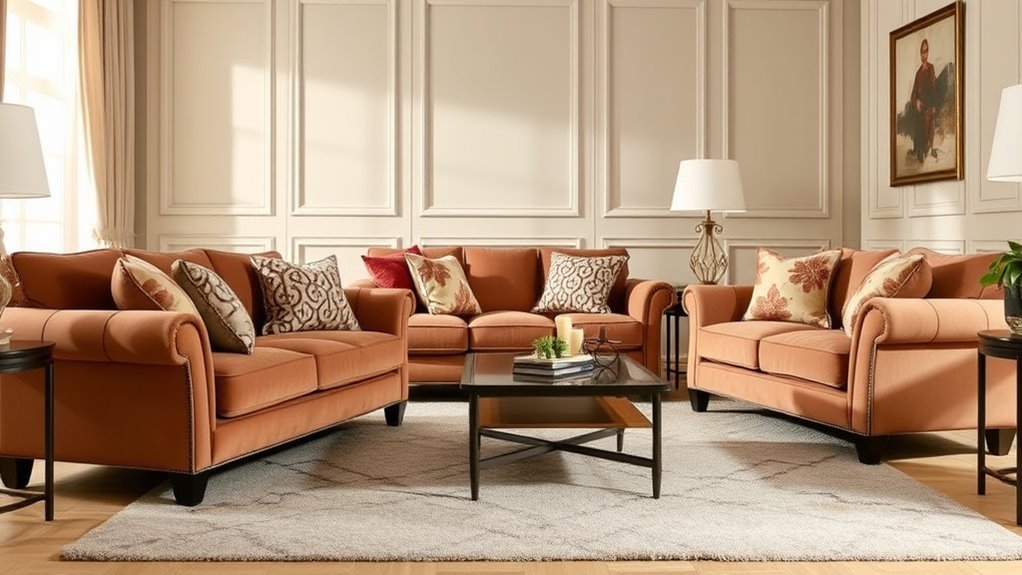
Synthetic fabrics are common for living room sofas because they can be durable, affordable, colorfast, and easier to clean than many natural fibers. The most important thing is quality. A tightly woven synthetic fabric with a good finish can perform very well, while a thin low-quality synthetic may pill or stretch quickly.
Recommended Products

1.STRUDY DURABILITY & PREMIUM WEIGHT: Our chenille fabric is engineered to be thicker, denser, and more substantial than standard options. This heavyweight construction ensures exceptional resistance to wear, sagging, and wrinkles, providing a luxurious, full-bodied drape that elevates any project from ordinary to outstanding.

LUXURY CHENILLE UPHOLSTERY FABRIC: Elevate your furniture with Liz Jordan Hill AC Spirit chenille fabric, featuring a sophisticated textured appearance for sofas, armchairs, dining chairs, cushions and ottomans.

【Heavy Duty Canvas Fabric】This premium 100% polyester canvas fabric by the yard features our signature "Dragon Weave" texture, delivering extreme abrasion and tear resistance for upholstery and outdoor projects
Key Benefits of Polyester
Polyester is one of the most common sofa upholstery fibers because it is versatile, affordable, and often resistant to wrinkling and fading. It can be woven into smooth fabric, textured fabric, velvet, chenille, or microfiber. Polyester also blends well with cotton, linen, wool, rayon, and acrylic.
Choose polyester if: you want a budget-friendly sofa fabric that is easy to live with and available in many colors and textures.
Check first: pilling resistance, rub count, cleaning code, and whether the texture attracts lint or pet hair.
Nylon, Acrylic, and Olefin
Nylon is often blended with other fibers to increase strength and abrasion resistance. Acrylic can mimic wool and is often used where fade resistance matters. Olefin can be strong and moisture-resistant, making it useful in performance upholstery, though quality varies by fabric.
These fibers are best judged by the finished upholstery fabric, not by the fiber name alone. Ask for the full content label and performance information before assuming one synthetic is automatically better than another.
Advantages of Microfiber Upholstery
Microfiber is usually made from very fine polyester fibers. It has a soft, suede-like hand and a dense surface that can make everyday debris easier to remove. For families and pet owners, microfiber is popular because it is comfortable, widely available, and often easier to spot clean than open-weave fabrics.
Choose microfiber if: you want a soft sofa that handles daily lounging, pets, and casual living better than many delicate fabrics.
Check first: whether the fabric is water-safe, solvent-clean only, or vacuum-only. Not all microfiber is cleaned the same way.
Performance Fabrics
Performance fabric is an umbrella term for upholstery designed for better cleanability, stain resistance, moisture resistance, or fade resistance. Some performance fabrics use special yarns; others use protective finishes. Brands and product lines vary, so always read the specific care instructions.
For example, Sunbrella’s upholstery cleaning guide recommends blotting new spills instead of rubbing, using mild soap and water, rinsing thoroughly, and air drying. That is useful guidance, but it applies to that manufacturer’s fabric instructions, not automatically to every performance fabric.
Pro Tip: When a sofa is advertised as “performance fabric,” ask what that means. Look for the cleaning code, fiber content, abrasion test method, stain-cleaning instructions, and whether the protection is built into the yarn or applied as a finish.
What About Textured Fabrics Like Velvet and Chenille?
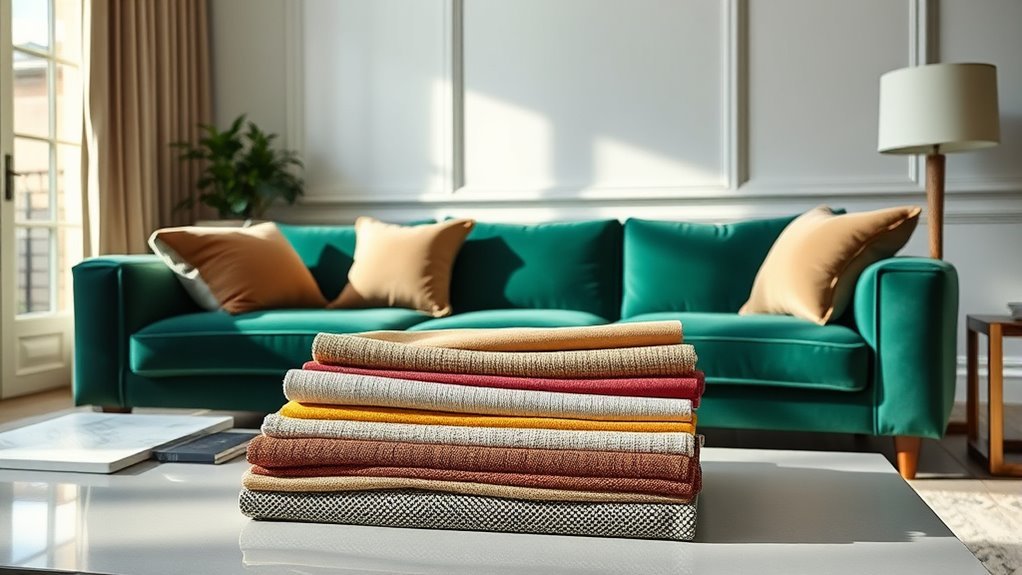
Textured fabrics add depth, softness, and visual interest. They can make a sofa feel more inviting, but texture also affects cleaning and wear.
| Fabric | Why people like it | Best use | Caution |
|---|---|---|---|
| Velvet | Soft, plush, elegant, rich color depth | Formal rooms or durable synthetic velvet in busier spaces | Can show pressure marks, lint, pet hair, and stains |
| Chenille | Cozy, soft, casual, family-friendly feel | Living rooms and relaxed spaces | Can snag if the loops are loose |
| Bouclé | Nubby, modern, sculptural texture | Accent chairs or lower-traffic sofas | Loose loops can catch claws and crumbs |
| Tweed or basket weave | Patterned texture hides minor marks | Traditional, rustic, or transitional rooms | Open weaves may trap dirt or snag |
For pets, choose smooth and tightly woven textures instead of loose loops. For a formal room, velvet or bouclé can be beautiful. For a family sofa, chenille, microfiber, and performance weaves are usually easier to live with.
Recommended Products

【Premium Chenille Quality】Crafted from high-density chenille upholstery fabric with a plush, velvety texture. It offers a soft and inviting touch while maintaining good resilience for everyday use.

Chenille Material: Crafted from quality chenille fabric with a laminated white non-woven backing, offering a smooth, plush hand feel.
How to Evaluate Durability in Sofa Fabrics
Durability is not one single number. A strong sofa fabric depends on fiber, yarn quality, weave, backing, finish, seam strength, pilling resistance, fading resistance, and how the sofa is used. Two homes can buy the same fabric and get different results if one sofa sits in direct sun with pets and the other sits in a quiet formal room.
Fabric Abrasion Resistance
Many upholstery fabrics are tested with abrasion methods such as ASTM D4157, the oscillatory cylinder method often associated with Wyzenbeek testing, or ASTM D4966, the Martindale abrasion tester method. These tests can help compare fabrics, but they should not be treated as a perfect prediction of how long a sofa will last.
Use rub counts as a comparison tool within the same test method. Do not compare Wyzenbeek double rubs and Martindale cycles as if they are the same measurement. Also remember that abrasion resistance does not measure every real-life problem, such as pet claws, spilled food, sunlight, cushion sag, seam stress, or pilling.
Pilling, Snagging, and Fading
Ask whether the fabric has been tested for pilling and colorfastness. A fabric can have a high abrasion result but still pill, snag, or fade in a sunny window. Tightly woven fabrics tend to handle daily friction better than loose weaves. Medium colors and subtle patterns also hide everyday wear better than very pale solids or very dark lint-catching fabrics.
Stain Resistance and Cleanability
Stain resistance does not mean stain proof. A treated fabric may give you more time to blot a spill, but it still needs proper cleaning. Ask for the fabric’s care sheet and cleaning code before buying.
- W: Water-based cleaner is generally allowed.
- S: Solvent-based cleaner only; professional cleaning may be safer.
- W-S or WS: Water-based or solvent-based cleaners may be allowed.
- X: Vacuum or brush only; liquid cleaning can damage the fabric.
Warning: Do not use bleach, vinegar, ammonia, disinfectants, or harsh cleaners on upholstery unless the fabric manufacturer specifically says they are safe. Never mix bleach with other cleaners or disinfectants. The CDC warns that dangerous vapors can be released when bleach is mixed with other cleaning products.
Easy Cleaning: Maintenance Tips for Upholstery
The easiest sofa fabric to maintain is the one that matches your habits. If people eat on the sofa, choose stain-resistant performance fabric or a washable slipcover. If you have pets, choose a tight weave that releases hair during vacuuming. If you prefer low maintenance, avoid dry-clean-only upholstery on the main sofa.
Use these maintenance basics:
- Vacuum weekly using an upholstery attachment, especially along seams and under cushions.
- Blot spills immediately with a clean white cloth. Do not rub, because rubbing can push the spill deeper or distort the fabric pile.
- Test cleaners first in a hidden spot before cleaning a visible area.
- Avoid oversaturating cushions, because trapped moisture can cause water rings, odor, or mildew.
- Clean from seam to seam when the manufacturer recommends it, especially on fabrics that can show water rings.
- Follow the care label instead of using one cleaning method for every sofa.
If your sofa is heavily soiled, has an “S” or “X” cleaning code, uses delicate fabric, or has a stain that keeps spreading, call a professional upholstery cleaner.
Matching Fabrics With Your Home Decor
Your upholstery fabric should work with the architecture of the room, the other textiles, and the mood you want. Smooth fabrics feel cleaner and more modern. Linen and cotton blends feel relaxed. Velvet and chenille feel cozy and layered. Leather adds structure and can make a room feel grounded.
Color Palette Coordination
Neutral sofa colors such as beige, ivory, oatmeal, gray, taupe, camel, charcoal, and navy are flexible because you can change pillows, throws, and rugs without replacing the sofa. If you want a bolder color, choose one you already enjoy living with in clothing, artwork, or rugs.
Light colors can make a room feel open, but they show stains faster. Dark colors can feel dramatic, but they may show lint, pet hair, and fading. Mid-tone colors are often the most forgiving for everyday living.
Pattern and Texture
Subtle patterns, heathered weaves, herringbone, and tweed-like textures can hide crumbs, lint, and minor wear better than flat solid fabrics. Large patterns can look beautiful but may be harder to match across cushions, arms, and seams. Before ordering, view a large swatch if the fabric has a noticeable repeat or directional pattern.
Complementing Furniture Styles
Match the fabric to the sofa shape. Clean-lined modern sofas often look best in smooth weaves, microfiber, wool blends, leather, or low-pile velvet. Slipcovered sofas suit cotton, linen blends, and relaxed performance fabrics. Traditional rolled-arm sofas work well in chenille, velvet, leather, and patterned woven fabrics.
Choosing the Right Color for Your Sofa
Color affects both style and maintenance. Before choosing, place the fabric swatch in your actual room and look at it in morning light, afternoon light, and evening lamp light. A gray fabric can turn blue, green, or purple depending on the room. Beige can look warm in the store but yellow at home.
- Small rooms: lighter neutrals can help the sofa feel less bulky.
- Large rooms: deeper colors can anchor the space.
- Homes with pets: choose a color close to your pet’s fur if shedding is a concern.
- Homes with kids: consider medium tones, heathered textures, or washable slipcovers.
- Sunny rooms: ask for fade-resistant fabric and use window treatments to reduce direct UV exposure.
Pro Tip: Never approve a sofa fabric from a tiny screen image alone. Order or borrow a swatch, rub it, sit it near your window, check it beside your rug and wall color, and test whether pet hair or lint clings to it.
What Makes a Good Sofa Fabric?
A good sofa fabric balances beauty, comfort, durability, and care. The best choice is not always the most expensive fabric or the softest fabric. It is the fabric that fits the way you live.
Before buying, ask these questions:
- What is the full fiber content?
- Is this fabric rated for upholstery, not just decorative use?
- What cleaning code does it have?
- Has it been tested for abrasion, pilling, and colorfastness?
- Is the protection built into the fiber or applied as a finish?
- Will the fabric fade in direct sunlight?
- Does it snag easily?
- Is it comfortable against skin?
- Does the warranty exclude stains, pets, sunlight, or commercial use?
- Can you get a replacement cushion cover or extra yardage later?
The Federal Trade Commission explains that many textile and wool products are subject to labeling requirements for fiber content, country of origin, and the identity of the manufacturer or responsible business. For sofa shoppers, that means it is reasonable to ask for fabric content and care information before making a decision.
What Sofa Fabrics Should You Avoid?
No fabric is always wrong, but some materials are risky for a main living room sofa. Avoid or use extra caution with these:
- Silk: beautiful but delicate, stain-prone, and usually better for formal accent pieces.
- Acetate: can imitate silk but may wear, wrinkle, and fade more easily than stronger synthetics.
- Untreated pale linen: stylish but likely to show stains and wrinkles in a busy household.
- Loose bouclé or open weaves: attractive but prone to snagging from claws, jewelry, and rough use.
- Very low-rub decorative fabric: better for pillows or occasional chairs than a daily sofa.
- Unknown fabric with no care code: risky because you do not know how to clean it safely.
Frequently Asked Questions
What are the different types of fabric for couches?
Common couch fabrics include cotton, linen, wool, leather, polyester, nylon, acrylic, olefin, microfiber, velvet, chenille, bouclé, and performance fabrics. The best choice depends on whether you need softness, durability, stain resistance, pet resistance, fade resistance, or a formal look.
Which fabric is best for a living room sofa?
For most living rooms, a tightly woven performance fabric, microfiber, polyester blend, wool blend, or leather is the most practical choice. For a quiet formal room, linen, velvet, or a luxury wool blend can work well if you are comfortable with more careful maintenance.
What is the best fabric to reupholster a sofa?
The best fabric for reupholstering a sofa is upholstery-weight fabric that matches the sofa’s use. For daily seating, choose a durable woven performance fabric, microfiber, polyester blend, wool blend, or leather. For decorative seating, you can use more delicate fabrics if they meet your care expectations.
What fabric should you avoid for a couch?
Avoid silk, low-rub decorative fabrics, untreated pale linen, loose bouclé, and open weaves on a heavily used couch. These fabrics can stain, fade, snag, or wear faster than tighter, more durable upholstery options.
Is microfiber good for a sofa?
Yes, microfiber can be a very good sofa fabric for everyday use. It is soft, dense, and often easier to clean than loose weaves. Check the cleaning code first because some microfiber is water-safe while other versions require solvent cleaning.
Are performance fabrics worth it?
Performance fabrics are often worth it for sofas used by kids, pets, guests, or anyone who eats and drinks in the living room. They are not all the same, so compare the fabric content, cleaning instructions, stain guidance, and warranty before paying more.
Conclusion
The best upholstery fabric for your living room sofa is the one that fits your real life. Choose performance fabric, microfiber, polyester blends, leather, or wool blends for busy households. Choose linen, velvet, chenille, or other textured fabrics when you want a specific look and can handle the extra care. Before you buy, test a swatch, check the cleaning code, ask for the fabric content, and compare durability information carefully. When comfort, maintenance, and style all line up, your sofa becomes much easier to enjoy for years.
Sources
- ASTM D4157 — Abrasion Resistance of Textile Fabrics, Oscillatory Cylinder Method — supports Wyzenbeek-style abrasion testing caveats.
- ASTM D4966 — Abrasion Resistance of Textile Fabrics, Martindale Abrasion Tester Method — supports Martindale abrasion testing caveats.
- CDC — Cleaning and Disinfecting with Bleach — supports bleach safety and cleaner-mixing warnings.
- Sunbrella — Clean Sunbrella Upholstery — supports manufacturer-specific performance fabric cleaning guidance.
- Federal Trade Commission — Textile and Wool Labeling Requirements — supports checking fiber content and labeling information.


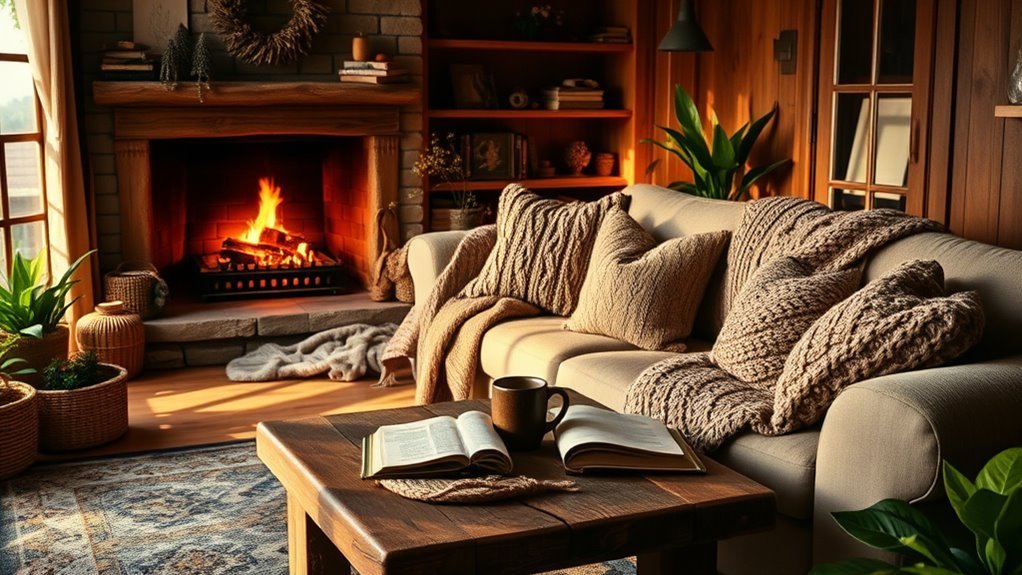

[…] Upholstery Fabric Types Explained for Living Room Sofas […]