Affiliate disclosure: This article contains Amazon affiliate links. We may earn a commission from qualifying purchases at no extra cost to you.
Last updated: August 2, 2026
A dehumidifier can make your home less favorable to dust mites by helping keep indoor relative humidity below 50%. It does not remove mites from bedding or replace allergy treatment, but it can support a wider allergen-control plan when excess moisture is part of the problem.
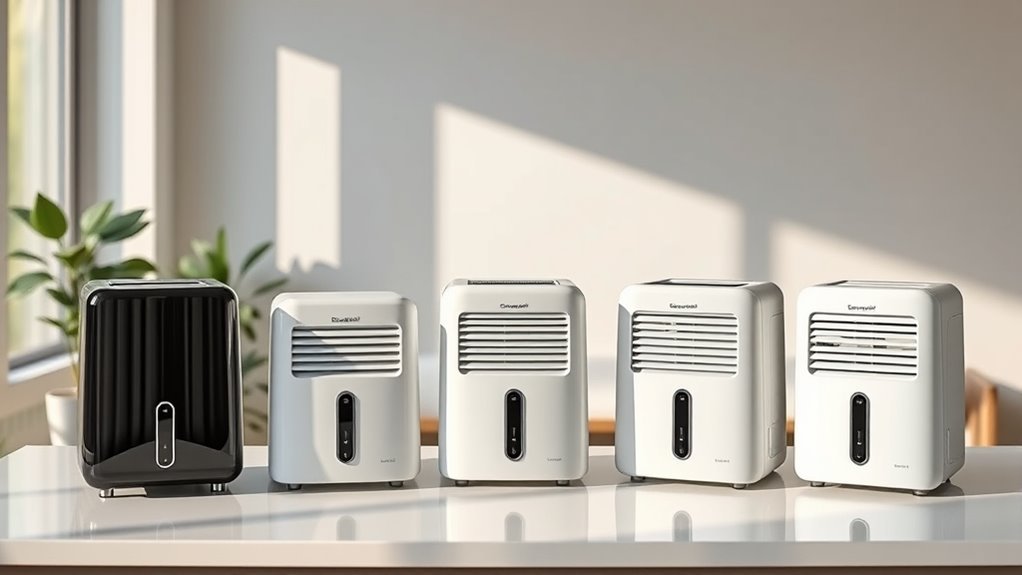
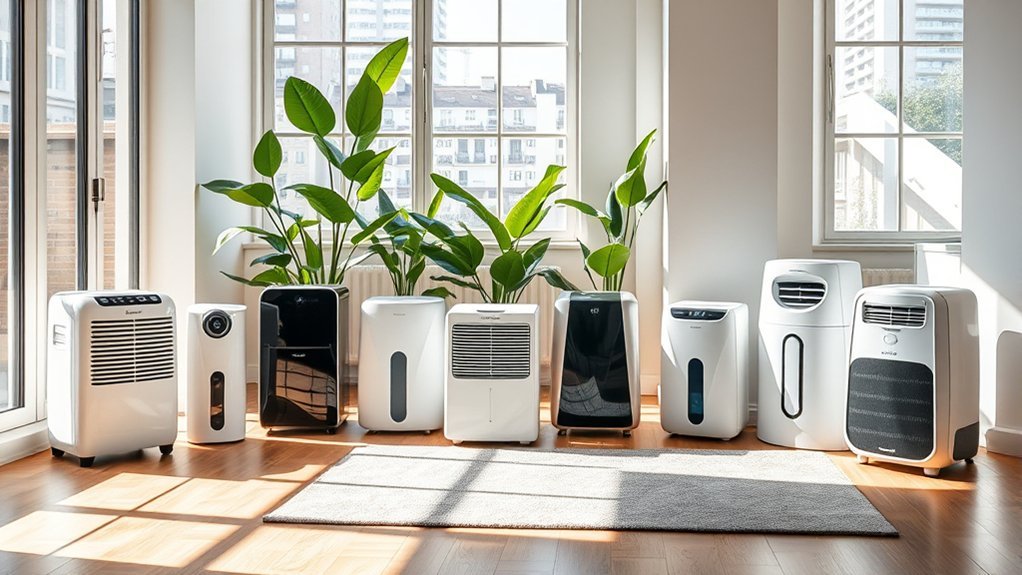
For most bedrooms, living areas, and basements, a compressor dehumidifier with an adjustable humidistat is a better choice than a tiny semiconductor model. The four products below offer useful room-scale moisture-removal capacity, automatic humidity control, and continuous-drain options. The Waykar 34 Pint is the best balanced choice for many homes, while the AEOCKY 50 Pint and Yaufey 80 Pint are better suited to heavier moisture loads. The Midea 22 Pint is a practical smart option for smaller or moderately damp rooms.
Quick Verdict
- Best overall: Waykar 34 Pint for balanced capacity, ENERGY STAR efficiency, and included drainage equipment.
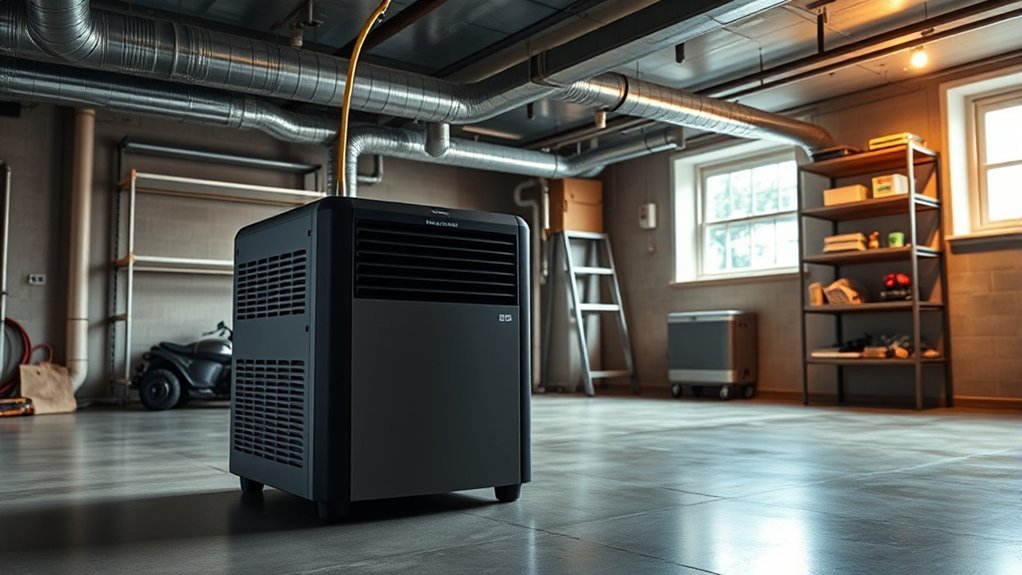
- Best for damp basements: AEOCKY 50 Pint for a higher daily moisture-removal rating in a relatively compact design.
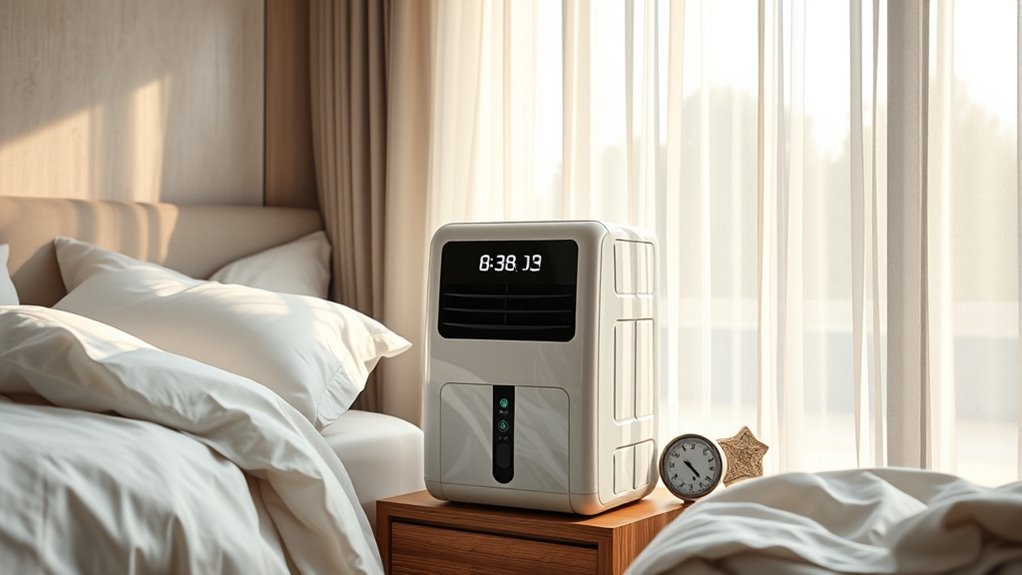
- Best smart option: Midea 22 Pint for bedrooms and moderately damp rooms where app control is useful.
- Best for large or very damp spaces: Yaufey 80 Pint for heavier moisture loads and continuous operation.
Health note: Aim for an indoor relative humidity of roughly 35% to 50%. Humidity that stays above 50% can support dust-mite and mold growth, while excessively dry air may also cause discomfort. Use a separate hygrometer to check the actual humidity in the room.
Quick Comparison
| Product | Daily Capacity | Listed Coverage | Drainage | Best For | Amazon |
|---|---|---|---|---|---|
| Waykar 34 Pint | 34 pints | Up to 2,000 sq. ft. | Bucket or included drain hose | Balanced home use | Check Details |
| AEOCKY 50 Pint | 50 pints | Up to 3,500 sq. ft. | Bucket or included drain hose | Damp basements and larger rooms | Check Details |
| Midea 22 Pint | 22 pints | Up to 1,500 sq. ft. | Bucket or gravity drain connection | Bedrooms and moderately damp rooms | Check Details |
| Yaufey 80 Pint | 80 pints | Up to 5,000 sq. ft. | Bucket or continuous drain | Large or very damp areas | Check Details |
Coverage figures above are manufacturer-listed estimates, not guaranteed room sizes. Temperature, starting humidity, air leakage, ceiling height, water intrusion, and room layout can change real-world performance.
How We Selected These Dehumidifiers
We focused on features that matter when the goal is to maintain steady indoor humidity rather than collect a small amount of condensation from a closet. The main selection factors were:
- Room-scale capacity: A meaningful daily pint rating suitable for bedrooms, living spaces, or basements.
- Adjustable humidistat: The ability to select and maintain a target relative humidity.
- Continuous drainage: A hose connection that can reduce interruptions when a safe downhill drain is available.
- Automatic controls: Full-tank shutoff, automatic defrost, timers, or restart functions where listed.
- Energy use: Preference for ENERGY STAR-certified models when certification was clearly stated.
- Honest limitations: Recognition that advertised coverage is not the same as guaranteed performance in every home.
Waykar 34 Pints Energy Star Dehumidifier — Best Overall
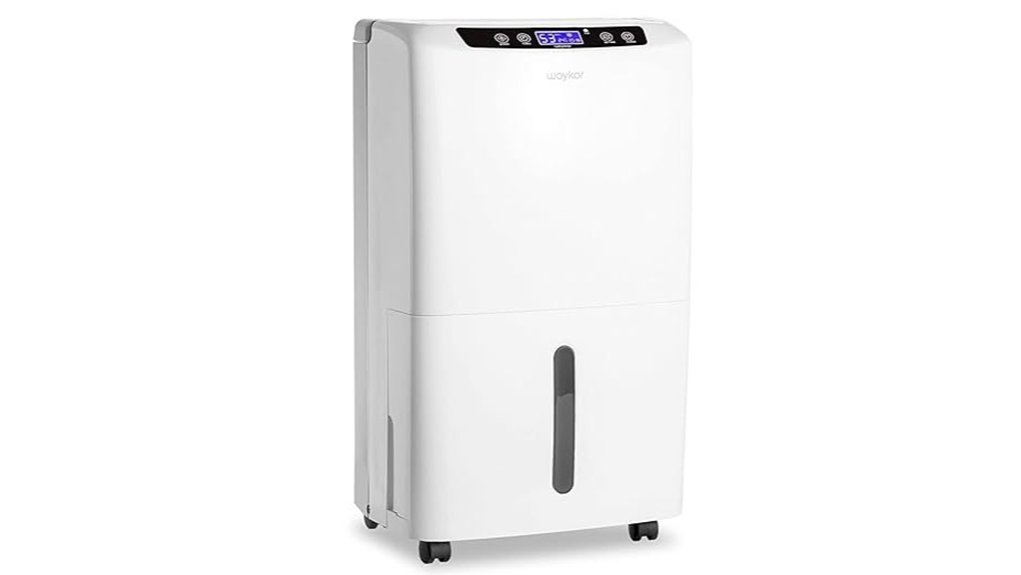
The Waykar 34 Pint Dehumidifier offers the most balanced feature set in this guide. Its capacity is suitable for many moderately damp rooms and basements, while its ENERGY STAR certification may help control operating costs when the unit needs to run regularly.
The adjustable humidity control lets you choose a target instead of running the machine continuously without feedback. It also includes automatic defrost, a washable filter, a removable bucket, and a drain hose for gravity drainage. These features make it easier to maintain stable humidity over long periods.
Best For: Bedrooms, living areas, finished basements, and other moderately damp spaces where balanced capacity and energy efficiency matter.
Why You’ll Like It
- Rated to remove up to 34 pints of moisture per day.
- ENERGY STAR certified.
- Adjustable humidity range for automatic cycling.
- Includes a drain hose for continuous gravity drainage.
- Washable filter reduces routine replacement costs.
Who Should Avoid It
Choose a higher-capacity model if the space has standing water, major seepage, frequent laundry drying, severe basement dampness, or humidity that remains very high throughout the day. The relatively small bucket can also fill quickly if you do not use the drain hose.
Pros:
- Good balance of capacity, controls, and portability.
- Automatic humidity management reduces unnecessary operation.
- Two drainage methods support temporary or continuous use.
Cons:
- The 0.66-gallon bucket may require frequent emptying in damp conditions.
- Gravity drainage requires a drain point below the hose outlet.
- Listed square-foot coverage should not replace moisture-load sizing.
AEOCKY 50 Pint Compressor Dehumidifier — Best for Damp Basements
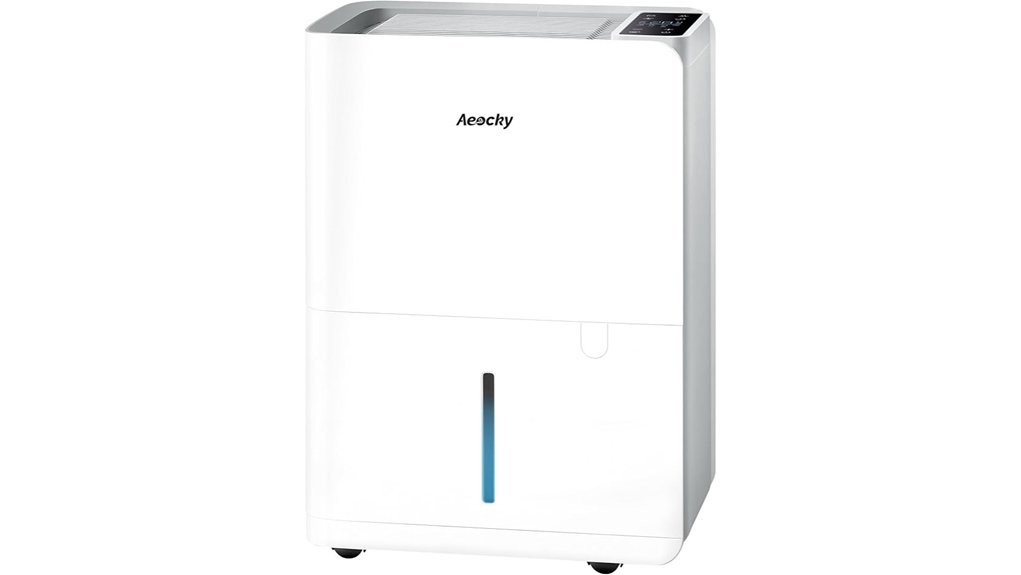
The AEOCKY 50 Pint Compressor Dehumidifier provides more moisture-removal capacity than the Waykar and Midea models. That makes it a stronger option for damp basements, larger connected rooms, garages, and other spaces where a lower-capacity machine may run for long periods without reaching the target humidity.
Its intelligent humidistat allows automatic cycling around your selected setting. The unit can collect water in its 0.8-gallon tank or discharge it through the included drain hose. Continuous drainage is especially useful when the machine must operate every day.
Best For: Damp basements, larger rooms, and homes where a 22- or 34-pint model may be undersized.
Why You’ll Like It
- Rated to remove up to 50 pints per day.
- Humidistat supports automatic humidity control.
- Includes a drain hose for continuous operation.
- Casters make it easier to reposition on a level floor.
- Higher capacity can bring a damp room to the target faster than a very small unit.
Who Should Avoid It
This model may be more machine than you need for a small bedroom with only mild seasonal humidity. It is also still a portable residential dehumidifier, not a substitute for repairing leaks, waterproofing a basement, or installing a whole-home system.
Pros:
- Higher daily capacity for persistent dampness.
- Automatic controls reduce manual adjustment.
- Bucket and hose drainage provide installation flexibility.
Cons:
- Larger compressor units are audible when the fan and compressor are operating.
- The bucket may fill quickly under a heavy moisture load.
- The advertised 3,500-square-foot figure may be optimistic in wet or divided spaces.
Midea 1,500 Sq. Ft. Energy Star Dehumidifier — Best Smart Option
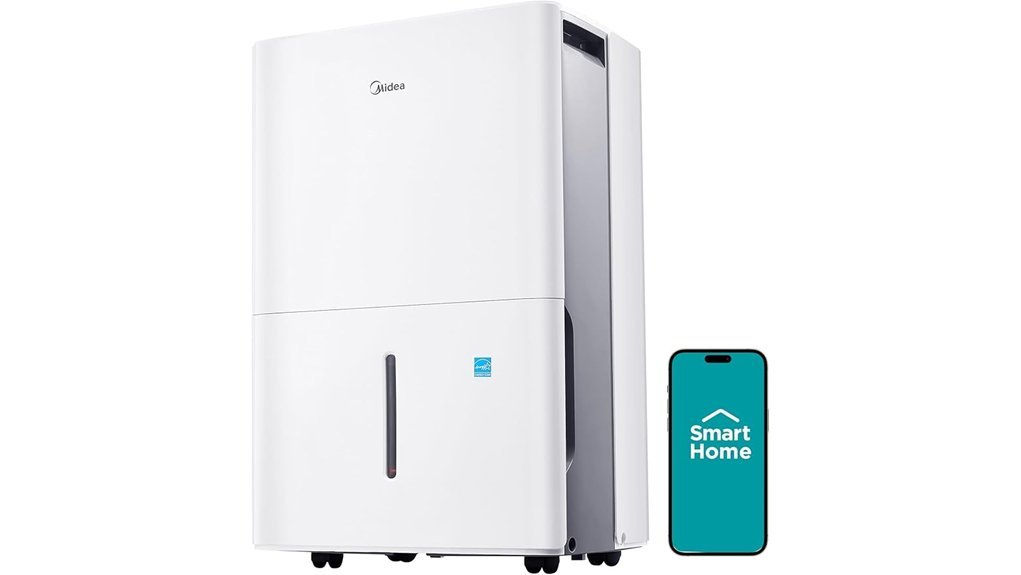
The Midea 22 Pint Dehumidifier is a practical choice for a bedroom, home office, bathroom area, or moderately damp living space. Its lower capacity makes it easier to place than the larger models, while Wi-Fi control allows you to check or adjust settings through the compatible SmartHome app.
The unit is ENERGY STAR certified and includes a reusable filter, timer, automatic humidity control, full-bucket shutoff, and caster wheels. It can use its 0.8-gallon bucket or a gravity-drain connection. A compatible hose may need to be purchased separately.
Best For: Smaller and medium-sized rooms with mild to moderate humidity, especially when remote control is useful.
Why You’ll Like It
- Rated to remove up to 22 pints per day.
- ENERGY STAR certified.
- Wi-Fi control through the compatible mobile app.
- Reusable filter and automatic humidity control.
- Wheels support movement between rooms.
Who Should Avoid It
Do not choose this model for a wet basement, major water intrusion, or a large open area with a heavy moisture load. A 34-, 50-, or 80-pint unit will usually be a better starting point for those conditions.
Pros:
- Useful smart controls for checking settings remotely.
- Appropriate capacity for many bedrooms and moderately damp rooms.
- ENERGY STAR certification supports efficient regular use.
Cons:
- Lower capacity than the other retained products.
- The 0.8-gallon bucket can require frequent emptying.
- A continuous-drain hose may not be included.
Yaufey 5000 Sq. Ft. Energy Star Dehumidifier — Best for Large Spaces
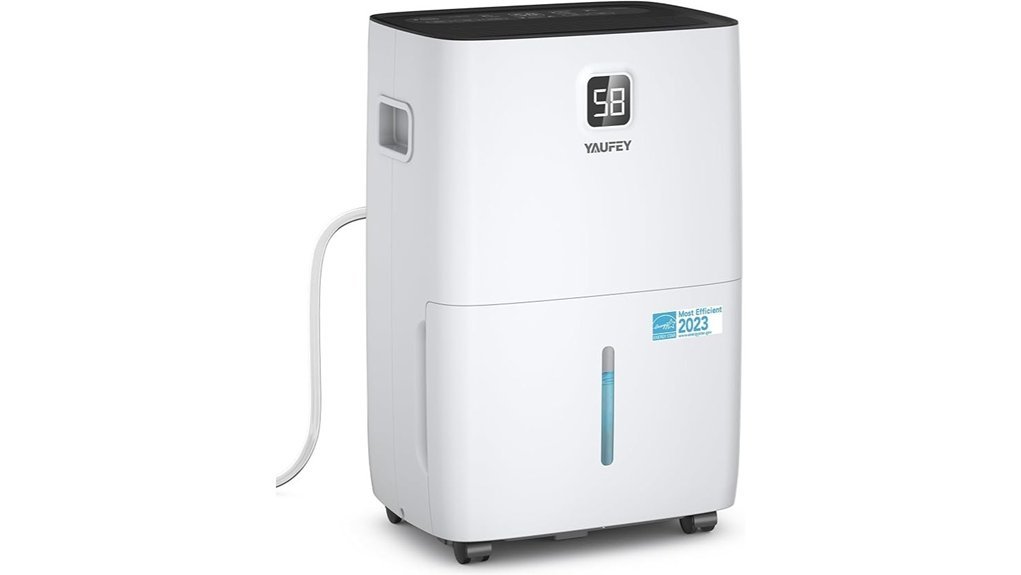
The Yaufey 80 Pint Dehumidifier has the highest listed daily capacity in this guide. It is designed for large rooms, open basements, garages, and other areas with a substantial moisture load.
The unit includes intelligent humidity control, automatic shutoff, a 24-hour timer, a 1.06-gallon bucket, and a continuous-drain connection. Its ENERGY STAR certification is valuable for a machine that may need to cycle frequently in damp conditions.
Best For: Large basements, open living areas, garages, and very damp spaces where lower-capacity models struggle to reach the target humidity.
Why You’ll Like It
- Rated to remove up to 80 pints per day.
- ENERGY STAR certified.
- Supports continuous gravity drainage.
- Automatic humidity control and timer simplify daily operation.
- Wheels and a handle help with occasional repositioning.
Who Should Avoid It
This unit may be unnecessarily large for a single bedroom or a home with only mild seasonal humidity. A higher-capacity compressor can also create more fan and compressor noise than a smaller model.
Pros:
- Highest listed capacity among the retained products.
- Suitable for heavier moisture loads.
- Bucket and continuous-drain options.
Cons:
- Larger and heavier than lower-capacity models.
- The bucket can still fill quickly if continuous drainage is not used.
- Advertised 5,000-square-foot coverage is not guaranteed in wet or divided areas.
Factors to Consider When Choosing a Dehumidifier for Dust-Mite Control
Target Relative Humidity
A practical target for many homes is between 35% and 50% relative humidity. Keeping the reading under 50% can make conditions less favorable for dust mites and mold. Avoid assuming the number shown on a dehumidifier is perfectly accurate. A separate digital hygrometer placed away from the machine gives you a useful second reading.
Focus on Daily Capacity, Not Tank Size
A large water tank does not automatically mean strong dehumidification. The important performance number is how many pints of moisture the machine can remove in 24 hours under standardized conditions.
For a slightly or moderately damp room, a 20- to 30-pint model can be a reasonable starting point. Larger, colder, wetter, or more open areas may need 34, 50, or more pints per day.
Listed Coverage Versus Real-World Use
Square-foot claims are useful for broad comparison, but they should not be treated as guarantees. A 1,500-square-foot open basement and a 1,500-square-foot divided floor plan can place very different demands on the same machine.
Consider:
- Starting humidity
- Room temperature
- Ceiling height
- Open or closed doors
- Air leakage
- Showers, cooking, or laundry
- Leaks or foundation seepage
Compressor Versus Semiconductor Models
Small semiconductor or Peltier dehumidifiers can collect condensation in a closet, cabinet, RV compartment, or tiny bathroom. Their low daily extraction rates make them a poor substitute for a properly sized compressor dehumidifier when the goal is to control humidity throughout a bedroom, basement, or living area.
Continuous Drainage
Continuous drainage can make a major difference when humidity control is needed every day. A gravity hose must slope downward without kinks and discharge into an approved drain. It cannot normally push water upward into a sink.
Use the bucket when a safe drain is unavailable. Check it regularly until you know how quickly it fills in your home.
Noise and Placement
All compressor dehumidifiers produce some fan and compressor noise. For a bedroom, place the unit several feet from the bed when possible and use a lower fan setting after the room reaches the target humidity.
Leave the manufacturer-recommended clearance around the air intake and outlet. Do not hide the machine inside a closed cabinet or push it tightly against a wall.
Filters and Air Cleaning
A washable dehumidifier filter mainly protects the machine from larger dust particles. It should not be treated as a replacement for a suitable HVAC filter or portable HEPA air cleaner.
A dehumidifier manages moisture. It does not directly remove dust mites from mattresses, pillows, carpets, or upholstered furniture.
Maintenance
Clean the filter, bucket, drain connection, and air grilles according to the product manual. A dirty filter restricts airflow, while stagnant water or residue in the bucket can create odors.
Before moving a compressor model, switch it off, unplug it, and empty the tank. If the machine has been tilted, follow the manual’s instructions before restarting it.
Before You Buy
- Measure the room and check its current humidity with a hygrometer.
- Look for the standardized pint-per-day capacity.
- Choose more capacity for cold, wet, open, or below-grade areas.
- Confirm whether the drain hose is included.
- Make sure a gravity drain is lower than the machine’s outlet.
- Check filter-cleaning and warranty instructions.
- Plan where the unit can run without blocked airflow.
Use a Dehumidifier as Part of a Complete Dust-Mite Plan
Humidity control works best when combined with source removal and regular cleaning. Consider these additional steps:
- Use allergen-resistant covers on mattresses and pillows.
- Wash bedding regularly and dry it completely.
- Vacuum carpets and upholstery with a suitable filtered vacuum.
- Damp-dust hard surfaces instead of spreading dry dust into the air.
- Repair plumbing, roof, or foundation leaks.
- Run bathroom and kitchen exhaust fans to the outdoors.
- Reduce clutter that collects dust.
- Discuss persistent or severe symptoms with a qualified healthcare professional.
Frequently Asked Questions
How Do Dehumidifiers Help With Dust Mites?
Dehumidifiers remove water vapor from the air. Keeping relative humidity below 50% can make the indoor environment less favorable for dust-mite growth. The machine does not kill or vacuum up mites already living in bedding, carpet, or furniture.
What Is the Best Humidity for Dust-Mite Allergies?
A range of approximately 35% to 50% is practical for many homes. Try to keep the reading consistently below 50% without making the room excessively dry. Use a separate hygrometer to confirm the actual level.
Does a Dehumidifier Remove Allergens From the Air?
Not in the same way as an air purifier. A dehumidifier controls moisture and may contain a basic washable filter that protects the machine. It does not replace a suitable HVAC filter, HEPA air cleaner, mattress cover, or regular cleaning.
Are Small Peltier Dehumidifiers Good for Dust-Mite Control?
They can help with a closet, cabinet, RV compartment, or very small enclosed area. Most collect far less water per day than compressor models, so they may not be able to maintain an entire bedroom or basement below 50% humidity.
Should I Use Continuous Drainage?
Continuous drainage is useful when the machine runs daily and a safe downhill drain is available. Keep the hose sloping downward, avoid kinks, and check the connection regularly for leaks.
How Often Should I Empty the Water Tank?
Check it at least daily when first using the machine. A bucket may fill within hours in a very damp room or may take several days in milder conditions. Most units stop automatically when the tank is full, but they cannot continue reducing humidity until the tank is emptied.
Can I Use a Dehumidifier in a Bedroom?
Yes, provided the unit is correctly sized, has clear airflow, and can operate without creating an unacceptable noise level. Position it away from bedding and walls, and avoid directing warm exhaust air straight at the bed.
Will a Bigger Dehumidifier Always Work Better?
A larger unit can remove moisture faster, but it may cost more, take up more space, and create more operating noise. Choose enough capacity for the room’s moisture load rather than automatically buying the largest model.
Final Recommendation
The Waykar 34 Pint is the strongest all-around option for many homes because it combines useful room-scale capacity, ENERGY STAR certification, automatic humidity control, and an included drain hose.
Choose the AEOCKY 50 Pint when a basement or larger room has a heavier moisture load. The Midea 22 Pint is better for a bedroom or moderately damp room where Wi-Fi control is useful. For a large, open, or very damp area, the Yaufey 80 Pint provides the highest listed capacity in this comparison.
Bottom line: Buy according to the room’s moisture load and daily pint capacity, not tank size or an optimistic square-foot claim. Use a hygrometer, target a steady reading below 50%, and combine humidity control with bedding protection, cleaning, ventilation, and leak repair.