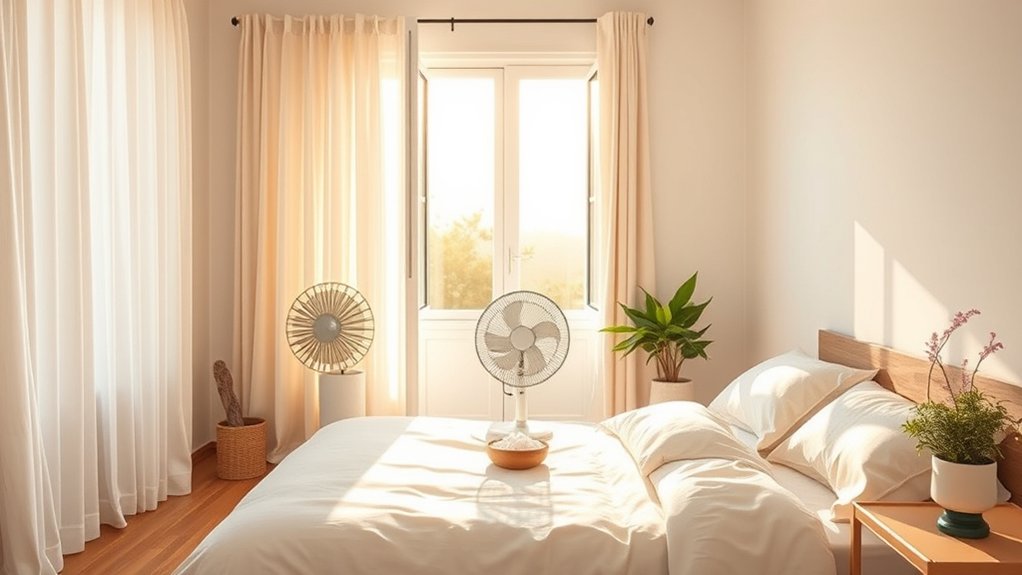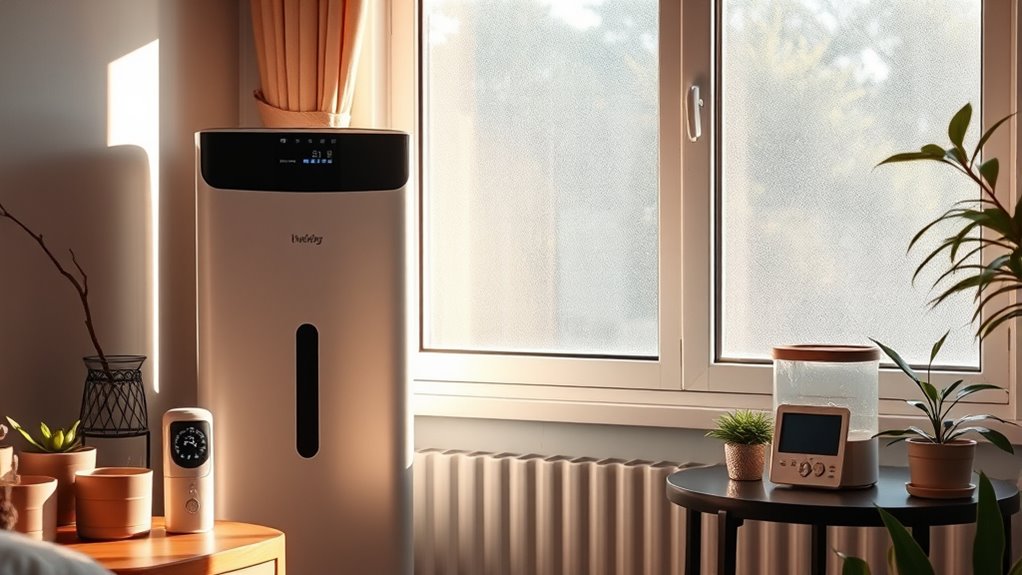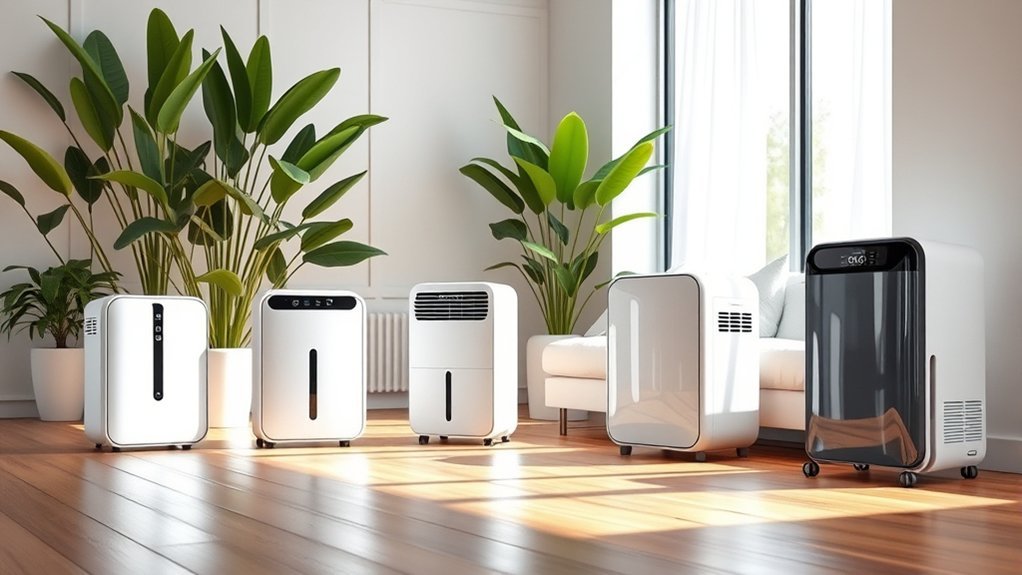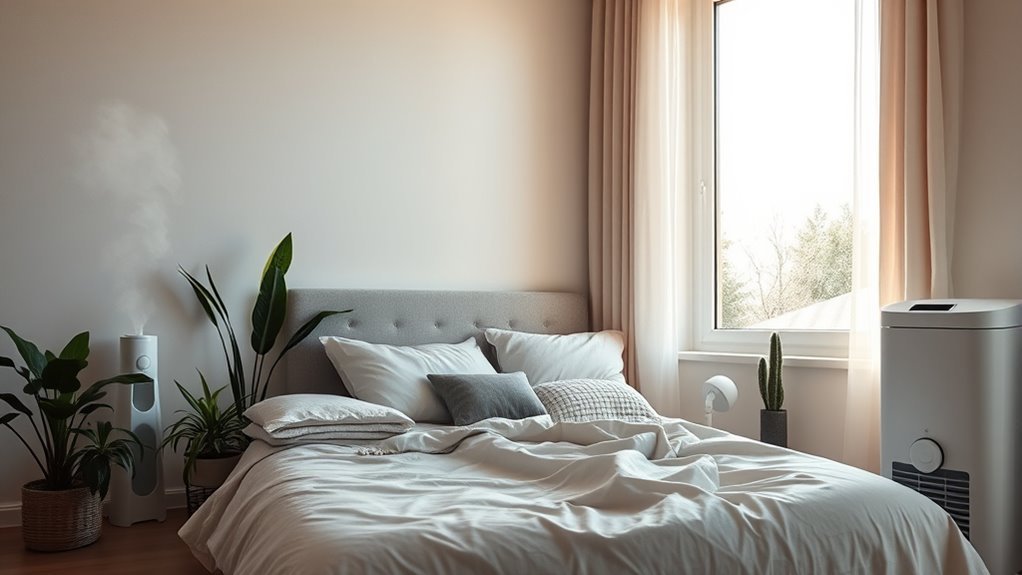
Use a humidifier when your indoor relative humidity stays below 30%, and use a dehumidifier when it stays above 50%. Check the room with a hygrometer first, because symptoms can be misleading: dry skin and static point to dry air, while musty odors, condensation, and mildew point to excess moisture. The goal is not to make the air “wet” or “dry”; it is to keep your home in a comfortable, safer middle range.
Quick Answer
Choose a humidifier if indoor humidity is below 30% and the air feels dry. Choose a dehumidifier if humidity is above 50% and rooms feel damp, smell musty, or show condensation. For most homes, the sweet spot is about 30% to 50% relative humidity.
Key Takeaways
- Below 30% RH usually means the air is too dry, so a humidifier may help.
- Above 50% RH means moisture is getting high enough to encourage mold, mildew, dust mites, and musty odors.
- Measure first with a hygrometer instead of guessing from comfort alone.
- Bedrooms and living rooms often need added moisture in winter; basements, bathrooms, kitchens, and crawl spaces often need moisture removal.
- Clean both devices regularly, because a dirty humidifier or dehumidifier can make indoor air problems worse.
At a Glance
| Time Required | 5 minutes to check humidity; 1 to 3 hours to see early room-level improvement. |
| Difficulty | Easy for portable units; moderate if you need whole-home HVAC equipment or drainage setup. |
| Tools Needed | Hygrometer, humidifier or dehumidifier, clean water, manufacturer manual, and cleaning supplies. |
| Cost | Low to moderate for portable units; higher for whole-home humidifiers or dehumidifiers installed with HVAC systems. |
What Humidity Levels Mean for Your Home
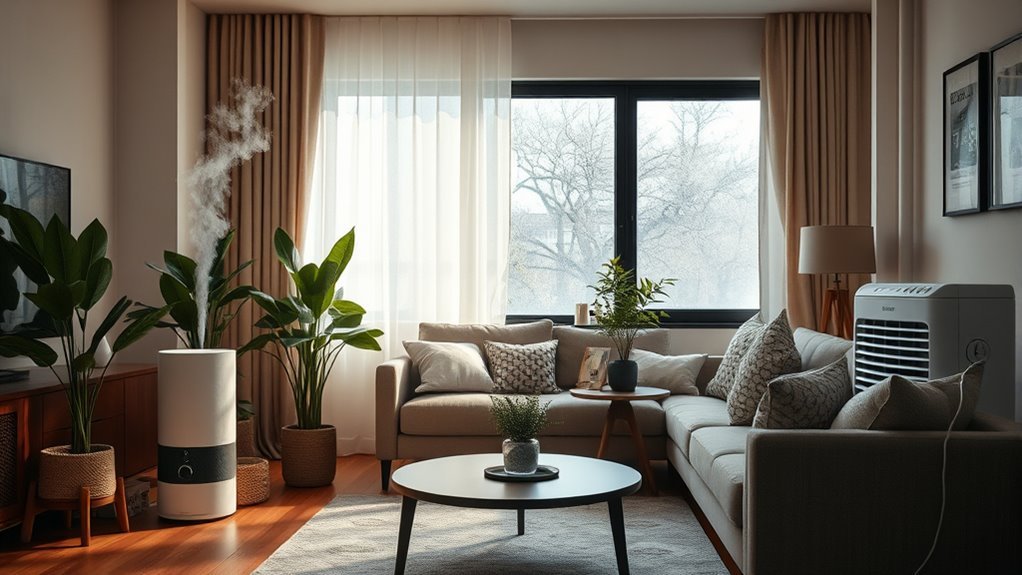
Your home’s indoor humidity is best kept in a middle range. The U.S. Environmental Protection Agency says indoor relative humidity should be kept below 60% and ideally between 30% and 50% when possible. The CDC also recommends keeping home humidity no higher than 50% all day to help prevent mold growth.
Here is the simple way to read your hygrometer:
- Below 30% RH: the air is usually too dry. A humidifier may help restore comfort.
- 30% to 50% RH: this is the normal target range for most homes.
- Above 50% RH: moisture is high enough that a dehumidifier, ventilation, or leak repair may be needed.
- Above 60% RH: act quickly, because sustained dampness raises the chance of mold and mildew.
If humidity drops below 30%, you may notice low humidity symptoms like dry skin, irritated airways, chapped lips, nosebleeds, and static shocks. If humidity rises above 50%, high humidity can encourage mold, mildew, dust mites, sticky air, and musty odors. Seasonal shifts matter too: winter heating often dries indoor air, while summer weather, basements, bathrooms, kitchens, and poor ventilation often push humidity up.
Your hygrometer reading matters more than guesswork. Comfort signs help, but the number tells you whether to add moisture, remove moisture, or leave the room alone.
When to Use a Humidifier
You should use a humidifier when indoor humidity stays below 30%, especially during winter, in arid climates, or in rooms heated by forced-air systems. A humidifier adds moisture to dry air, which may ease dry skin, chapped lips, scratchy throats, dry nasal passages, and static electricity.
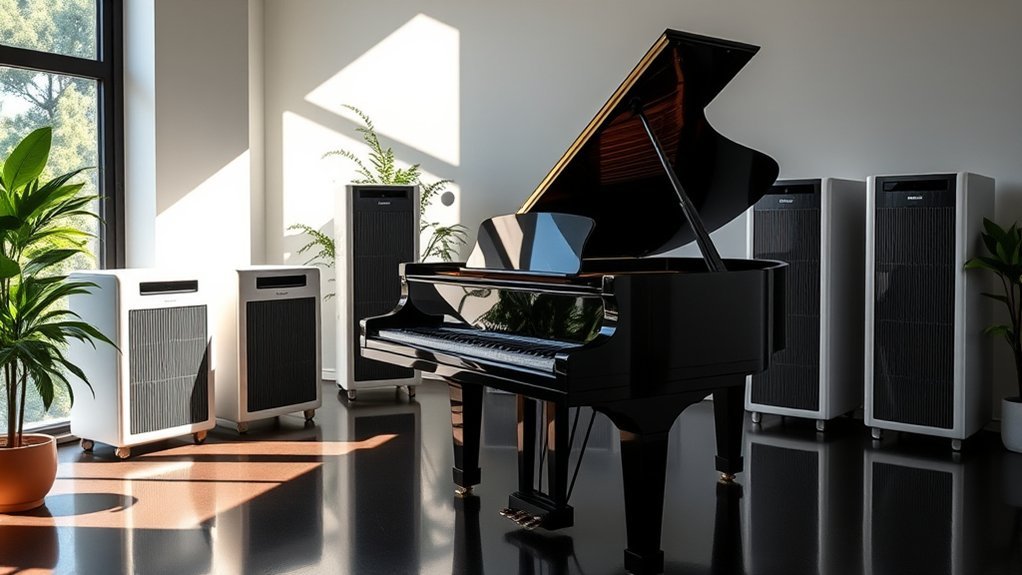
A humidifier can also help protect wood furniture, wood floors, trim, and musical instruments from drying, shrinking, or cracking. The key is controlled moisture. Do not run a humidifier until windows fog or surfaces feel damp, because too much moisture can create the opposite problem.
Recommended Products

Moisturize All Day: With a 0.5-gallon water capacity, enjoy up to 10 hours of hydration at low, 8 hours at medium, and 6 hours at high settings. Combat dry skin, wrinkles, insomnia, and sore throat to create a fully moisturized day.

[3-in-1 Humidifier Meets All You Expect] Cool Mist Humidifier+Aromatherapy+Mood Light, purchase for once to satisfy all you expect! Let Homvana H101 be the best companion in your bedroom.

𝟰𝗟 𝗟𝗮𝗿𝗴𝗲 𝗧𝗮𝗻𝗸 𝗳𝗼𝗿 𝗖𝗼𝗻𝘁𝗶𝗻𝘂𝗼𝘂𝘀 𝗖𝗼𝗺𝗳𝗼𝗿𝘁: Enjoy quiet sleep without congestion, coughing, or dry mouth, DREO baby humidifier's ultrasonic atomization brings noise down to 28dB, while its 4L tank provides up to 36 hours of moisture without the need to refill.
Signs Humidity Is Low
When indoor humidity drops below about 30%, clear warning signs often appear before you check the meter. Common signs include:
- Dry skin, itchy skin, or cracked hands
- Chapped lips or a dry throat
- Dry sinuses, nosebleeds, or irritated nasal passages
- Static shocks when touching doorknobs, laundry, or blankets
- Wood furniture, flooring, or trim shrinking or cracking
- Houseplants wilting faster than usual
If you see these signs and your hygrometer confirms a low reading, a humidifier can help bring the room back into a better range.
Benefits Of Humidifier Use
If your home’s humidity stays below 30%, a humidifier can restore moisture to the air and make dry rooms feel more comfortable. It can reduce dry-air irritation in your throat, nose, lips, and skin. At night, it may ease dryness-related coughing or congestion, especially when the air is dry.
For RSV or cold-like symptoms, Mayo Clinic says a cool-mist humidifier or vaporizer can moisten dry air and help ease congestion and coughing, as long as the unit is kept clean to prevent bacteria and mold growth. A humidifier is not a treatment for RSV, COPD, asthma, or allergies, but clean, balanced air can support comfort.
Warning: If someone in your home has COPD, asthma, RSV, severe allergies, a weakened immune system, or trouble breathing, use humidity devices carefully and follow medical advice. Seek urgent care for fast breathing, blue lips, chest retractions, dehydration, confusion, or worsening breathing symptoms.
How to Use a Humidifier Safely
A humidifier helps only when it is clean and correctly sized. The EPA’s humidifier care guidance recommends using low-mineral water such as distilled water, emptying and refilling portable humidifiers daily, and cleaning portable humidifiers every third day during use.
- Use distilled or low-mineral water to reduce mineral dust and buildup.
- Empty the tank daily instead of letting old water sit.
- Clean every third day or as the manufacturer recommends.
- Keep humidity below 50% so added moisture does not feed mold or dust mites.
- Place the unit on a stable surface away from bedding, curtains, walls, and electronics.
- Avoid warm-mist units around children and pets because hot water and steam can burn.
Pro Tip: Set the humidifier to stop around 40% to 45% RH if the unit has a humidistat. That leaves a buffer before the room reaches the 50% moisture limit.
Signs Your Home Needs More Moisture
Low indoor humidity often shows up as physical and household symptoms before you ever check a hygrometer. When humidity falls below 30%, you may notice dry skin, chapped lips, and respiratory discomfort that make daily life less comfortable. Static shocks after touching doorknobs or laundry also signal dry air and a possible need for a humidifier.
Watch your wood surfaces too. Cracking furniture, gaps in wood flooring, warped trim, or a piano or guitar that will not stay tuned can mean the air is pulling moisture from wood. During winter months, dry sinuses, nosebleeds, and sore throats are common signs that indoor air needs correction. Indoor plants may also wilt, droop, or lose leaves faster when room air is too dry.
Before turning on a humidifier, confirm the reading with a hygrometer. If the room is already between 30% and 50%, another issue may be causing the symptoms, such as dust, allergens, illness, or poor ventilation.
When to Use a Dehumidifier
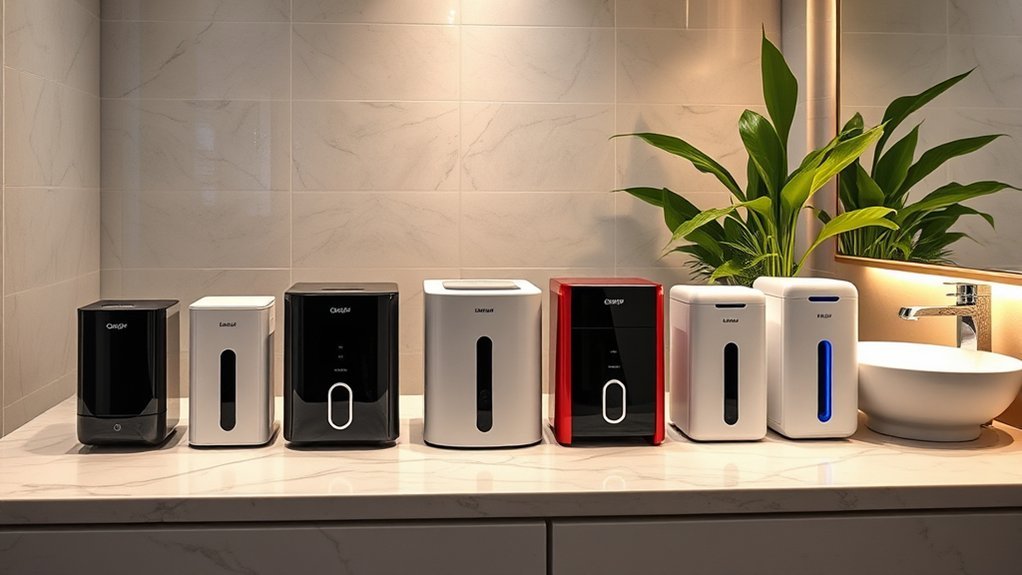
Use a dehumidifier when indoor humidity stays above 50%, especially in basements, bathrooms, kitchens, laundry rooms, crawl spaces, and humid climates. A dehumidifier removes excess moisture from the air and collects it in a tank or sends it through a drain hose.
Too much indoor moisture creates the opposite problem of dry air. Sustained dampness can support mold growth, mildew, dust mites, musty odors, peeling paint, swollen wood, and condensation. In moisture-prone rooms, a dehumidifier helps limit moisture accumulation before it spreads.
For allergy sufferers, lower humidity may also reduce moisture-loving triggers such as mold and dust mites. It should not be presented as a cure for allergies, asthma, or COPD, but it can be one useful part of controlling indoor air quality.
Recommended Products

【45-80 Pints for 4500 Sq.Ft Moisture Control】:This dehumidifier for basement and home features flexible 45–80 pints dehumidification output with an ultra-wide 4500 square feet coverage range, offering premium whole-space moisture control. No matter damp basement, humid bathroom, quiet bedroom for restful sleep, large living room, or compact RV traveling space, this multi-functional dehumidifier for home effortlessly sucks up excess moisture,, maintaining ideal humidity levels for all indoor environments.

【Reduce humidity - Enhance comfort】:Massive Capacity + Wide Coverage. This dehumidifier has dehumidification capacity ranging 45- 80 pints—outperforming standard units while covering 4,500 sq. ft. of living space. Great dehumidifier for basements, large house, garages, bedroom, bathroom and gyms where excess humidity triggers cause unpleasant odors and discomfort. The result? A noticeably drier, fresher, and more comfortable environment for your entire family.
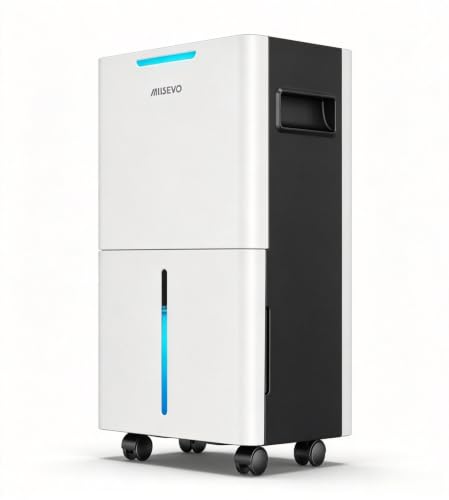
High Efficient Dehumidifier — Equipped with a high-performance compressor, Whether it’s your basement, bedroom, bathroom, living room, bathroom, crawlspace, or even an RV, this dehumidifier effectively keeps your environment dry, comfortable, and healthy.
How to Use a Dehumidifier Safely
- Set the target around 45% to 50% RH for damp rooms.
- Choose the right capacity for the space and dampness level. ENERGY STAR notes that dehumidifier size is usually measured in pints of water removed per 24 hours.
- Empty the tank often or connect a drain hose if the room is very damp.
- Clean the filter and bucket as the manufacturer recommends.
- Keep doors and windows closed while the unit runs so it is not trying to dry outdoor air.
- Fix water sources such as leaks, poor grading, clogged gutters, or missing bathroom ventilation.
Note: A dehumidifier can help control damp air, but it cannot fix a plumbing leak, roof leak, flood-damaged material, or major mold problem by itself.
Signs Your Home Needs Less Moisture
A few clear warning signs tell you your home needs less moisture: indoor humidity that stays above 50%, condensation on windows or other surfaces, and persistent musty odors. When humidity levels remain high, you should run a dehumidifier and look for the moisture source.
Watch for visible condensation, water stains, peeling paint, swollen doors, damp drywall, mildew on grout, or black spotting around windows. These signs show moisture is collecting where it should not. You may also notice indoor allergy symptoms like sneezing or coughing getting worse in damp rooms, especially where mold or dust mites are present.
Musty odors often mean damp air is trapped in rooms, closets, basements, or crawl spaces. Moisture removal can help restore balance, but persistent odors should also trigger a check for leaks, hidden mold, wet carpet, or poor ventilation.
How to Choose Between a Humidifier and Dehumidifier
Start by checking your indoor humidity with a hygrometer. Below 30% points to a humidifier. Above 50% points to a dehumidifier. If the room sits between 30% and 50%, you may not need either device.
Then match the device to your climate, room, symptoms, and moisture source. Dry air needs added moisture. Damp air needs moisture removal. In some homes, both are useful at different times of year: a humidifier in winter and a dehumidifier in summer or in the basement.
Recommended Products

Face Icon Comfort Indicator: Humidity temperature gauge features face icons to indicate DRY/COMFORT/WET air conditions, quickly informs you how to adjust your humidifier or dehumidifier to achieve optimal comfort.

1-【Widely Application】The digital LCD monitor can be used in home, office, garage, schools, hotels, laboratories, kindergartens, aquaculture, instrument workshop, warehouse, reptile tank terrarium, aquarium, hermit crab habitat, and other places where temperature/humidity measurement is required.
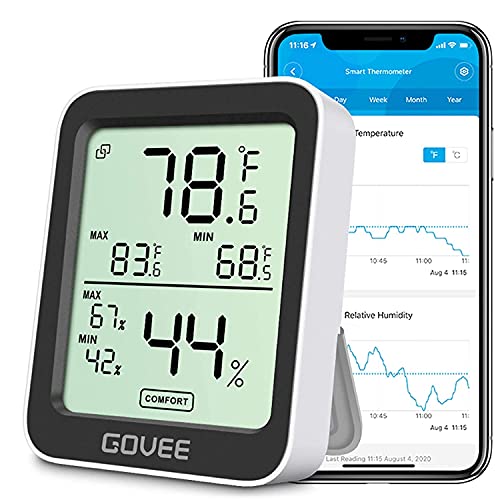
Smart Features: The Govee Wireless Thermometer Hygrometer supports all basic functions as well as smart functions such as remote monitoring and temp humidity graphs. Our humidity meters are reliable and easy to use for homes, greenhouses and more.(Only supports 164ft Bluetooth connection)
Check Indoor Humidity
To choose between a humidifier and a dehumidifier, first check your indoor humidity with a hygrometer. Place the hygrometer away from direct sunlight, vents, humidifier mist, dehumidifier exhaust, windows, and exterior doors. Let it sit for at least 20 to 30 minutes before reading it, then check again at different times of day.
For the best picture, measure the room where symptoms appear. A dry bedroom and damp basement can exist in the same house. You may need a humidifier upstairs and a dehumidifier below grade.
Match Device To Needs
Once you’ve checked indoor humidity, match the device to the condition you are actually dealing with:
- Use a humidifier for dry air, static shocks, dry skin, dry nasal passages, and winter dryness when RH is below 30%.
- Use a dehumidifier for damp air, musty odors, condensation, mildew, basement moisture, and RH above 50%.
- Use neither if the room stays between 30% and 50% and has no moisture warning signs.
- Fix the source first if moisture comes from leaks, flooding, poor drainage, or missing exhaust fans.
Consider Room And Features
What room are you treating, and what features matter most? Bedrooms and living areas usually benefit from quiet humidifiers when winter air is too dry. Basements and bathrooms usually need dehumidifiers because they hold moisture. Kitchens and laundry rooms may need better ventilation first, then a dehumidifier if humidity remains high.
For humidifiers, compare tank size, room coverage, mist type, noise, ease of cleaning, filter cost, auto shut-off, and a built-in humidistat. For dehumidifiers, compare pint capacity, tank size, drain-hose option, pump option, washable filter, auto-defrost, noise level, and ENERGY STAR certification.
Humidifier Types
- Evaporative humidifier: uses a wick filter and fan. It is often less likely to over-humidify because evaporation slows as air gets wetter.
- Ultrasonic humidifier: quiet and popular, but it can release mineral dust if you use hard tap water. Distilled water helps.
- Warm-mist humidifier or steam vaporizer: boils water, but it can burn children or pets if tipped or touched. Avoid it in children’s rooms.
- Whole-home humidifier: connects to HVAC equipment and can cover more space, but it needs professional setup and regular maintenance.
Dehumidifier Types
- Compressor dehumidifier: common for warm, damp rooms and basements. It removes moisture by cooling coils and collecting condensation.
- Desiccant dehumidifier: uses a moisture-absorbing material and can work better in cooler spaces where compressor units may struggle.
- Whole-home dehumidifier: connects to HVAC systems and is useful for large homes with widespread humidity problems.
When a Device Is Not Enough
A humidifier or dehumidifier is helpful only after you understand the cause. If humidity stays high even with a dehumidifier running, check for leaks, standing water, wet crawl spaces, blocked gutters, missing bathroom fans, dryer vents that do not exhaust outdoors, or poor basement drainage.
If you see visible mold larger than a small patch, smell persistent mustiness, or find water-damaged building materials, do not rely on a dehumidifier alone. Fix the water source and consider professional help. If your home is too dry even with a humidifier, check for oversized heating equipment, leaky ducts, air leaks, or ventilation issues.
Frequently Asked Questions
How do I know if I need a humidifier versus a dehumidifier?
Check the room with a hygrometer. If humidity stays below 30%, use a humidifier. If it stays above 50%, use a dehumidifier. If it stays between 30% and 50%, you usually do not need either device unless a specific room has symptoms or moisture damage.
Should you use a dehumidifier if you have COPD?
A dehumidifier may help if your indoor humidity is above 50%, because damp air, mold, and dust mites can make breathing comfort worse for some people. However, COPD symptoms are medical issues, so use a dehumidifier as indoor-air support, not as treatment. Ask your healthcare provider what humidity range is best for you.
What kind of humidifier is best for RSV?
If the air is dry, a clean cool-mist humidifier can help moisten the air and ease congestion or coughing. Keep humidity below 50%, use distilled water when possible, and clean the unit often. A humidifier does not treat RSV. Seek medical care if breathing becomes fast, shallow, noisy, or difficult.
Will a dehumidifier help with termites?
A dehumidifier can reduce damp conditions that attract or support some pest problems, but it will not eliminate termites. Rutgers Extension notes that termite inspections should focus on high-moisture areas with wood or cellulose materials, such as basements, crawl spaces, window sills, and foundations. If you see mud tubes, damaged wood, or swarmers, call a licensed pest professional.
Can I use a humidifier and dehumidifier in the same house?
Yes, but usually not in the same room at the same time. Many homes need a humidifier in dry upstairs bedrooms during winter and a dehumidifier in a damp basement during summer. Measure each room separately and treat the actual reading.
Is 60% indoor humidity too high?
Yes, 60% RH is higher than ideal for most homes. EPA guidance says indoor humidity should be kept below 60% and ideally between 30% and 50% when possible. If your room is at 60% or higher, use a dehumidifier, increase ventilation, and check for moisture sources.
Conclusion
In your home, humidity works like a comfort dial. Too low, and the air dries your skin, nose, throat, wood, and plants. Too high, and mold, mildew, condensation, and musty smells can take hold. Aim for 30% to 50% relative humidity. If your nose feels dry or static shocks jump and your hygrometer reads below 30%, use a humidifier. If windows fog, rooms smell musty, or the air feels sticky above 50%, use a dehumidifier. I once tracked a basement at 72% RH; after dehumidifying and improving airflow, it dropped to 48%, and the musty smell disappeared.
Sources
- U.S. Environmental Protection Agency: A Brief Guide to Mold, Moisture and Your Home — backs up the ideal 30% to 50% indoor humidity range and below-60% mold guidance.
- Centers for Disease Control and Prevention: Mold — backs up keeping home humidity no higher than 50% to help prevent mold.
- U.S. Environmental Protection Agency: Use and Care of Home Humidifiers — backs up distilled water, daily emptying, and cleaning guidance.
- Mayo Clinic: RSV Diagnosis and Treatment — backs up cool-mist humidifier use when air is dry and keeping the unit clean.
- ENERGY STAR: Dehumidifiers — backs up dehumidifier capacity and efficiency considerations.
- Rutgers NJAES: Termite Prevention and Control — backs up termite inspection focus on high-moisture wood and cellulose areas.