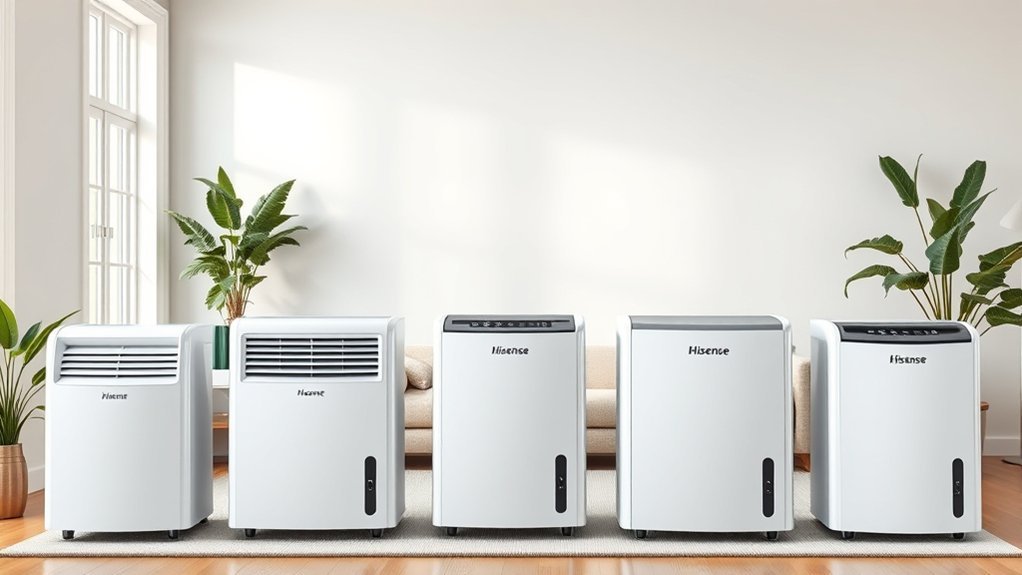
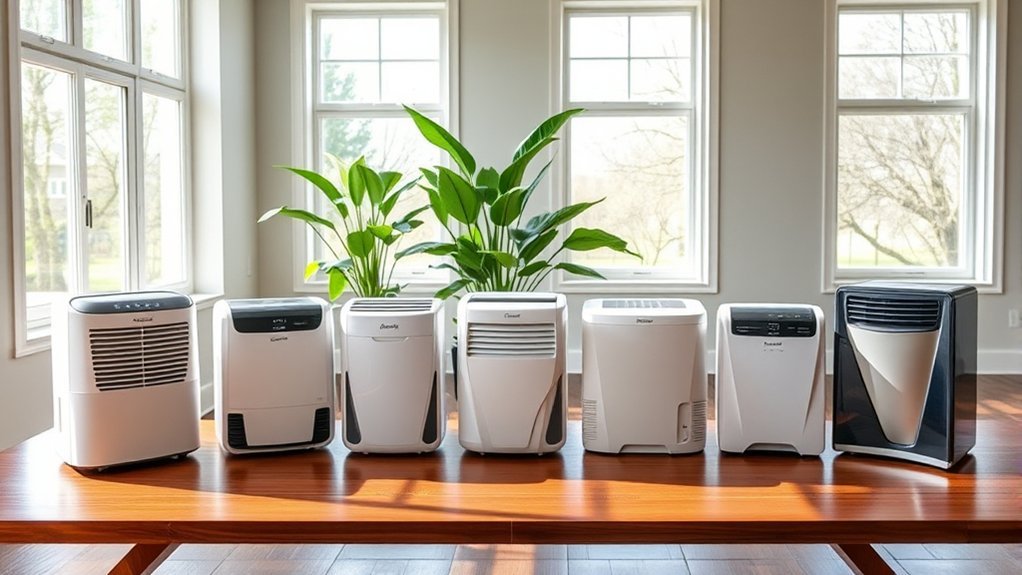
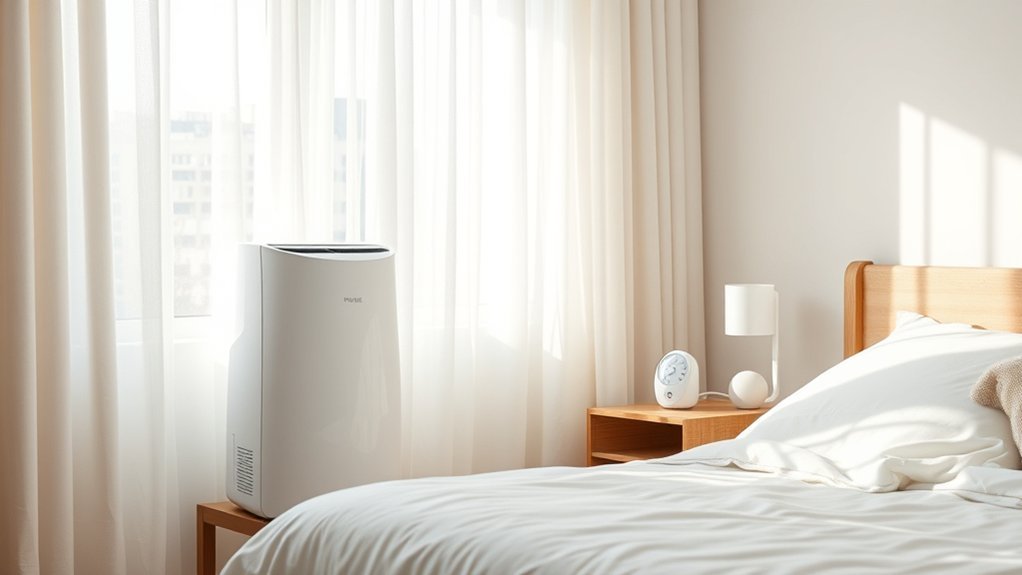
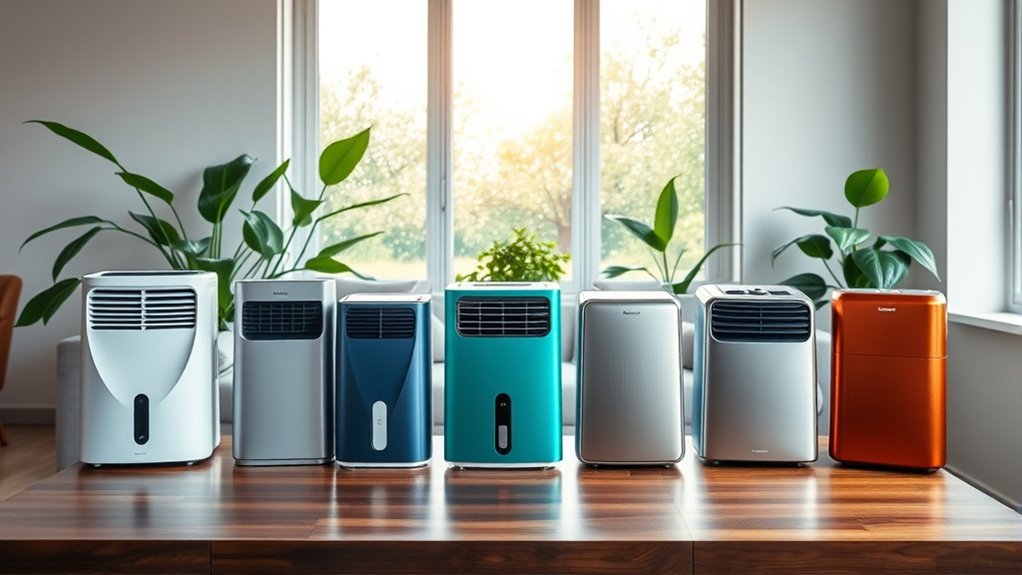
For 2026, you can cut humidity, reduce musty smells, and help make mold less likely with five useful picks: the Hyintell HY-DH16 combo for small rooms, Aiusevo AS280 for spaces up to 1,500 sq. ft., KeepGlad for medium homes, a small 3-in-1 purifier for bedrooms, and the AIRPLUS 70-pint for basements. Each model fits a different moisture problem, from quiet bedroom use to stronger basement drying. Below, you’ll find the best use case, main benefits, limits, and buying tips so you can choose the right air dehumidifier and antimold machine for your space.
Quick Verdict
Choose a small combo unit if you want light moisture control plus air filtration in a bedroom, bathroom, closet, or RV. Choose a compressor-style large-room unit if you need stronger moisture removal in a basement, laundry area, or damp open space. For mold prevention, the best choice is usually the one that can keep your indoor humidity around 30% to 50% without constant emptying.
| Product | Best For | Coverage / Capacity | Main Advantage | Amazon |
|---|---|---|---|---|
| Hyintell HY-DH16 Combo | Small rooms, bathrooms, bedrooms | 700 to 800ml daily removal, 54oz tank | Dehumidifier plus H13 HEPA air cleaning | Check Price on Amazon |
| Aiusevo AS280 | Large rooms, basements, RVs | Up to 1,500 sq. ft., 21 pints daily | Multiple modes and continuous drainage | Check Price on Amazon |
| KeepGlad Dehumidifier | Medium rooms and daily home use | Up to 1,000 sq. ft., 98 oz tank | Quiet sleep mode and real-time humidity display | Check Price on Amazon |
| Small 3-in-1 Dehumidifier | Bedrooms, closets, compact spaces | 1000 ml tank, up to 11 oz daily | Very quiet operation below 30 dB | Check Price on Amazon |
| AIRPLUS 70 Pint | Basements and large damp areas | Up to 4,500 sq. ft., 70 pints daily | Strong moisture removal for serious humidity | Check Price on Amazon |
Before You Buy
Measure your room, check how damp it feels, and decide whether you want tank emptying or continuous drainage. Small thermoelectric units are best for light moisture in compact spaces. Larger compressor units are better when you need stronger mold-prevention support in basements, laundry rooms, or humid open areas.
Affiliate note: This article contains Amazon affiliate links. If you buy through these links, the site may earn a commission at no extra cost to you.
Dehumidifier and Air Purifier Combo with HEPA H13
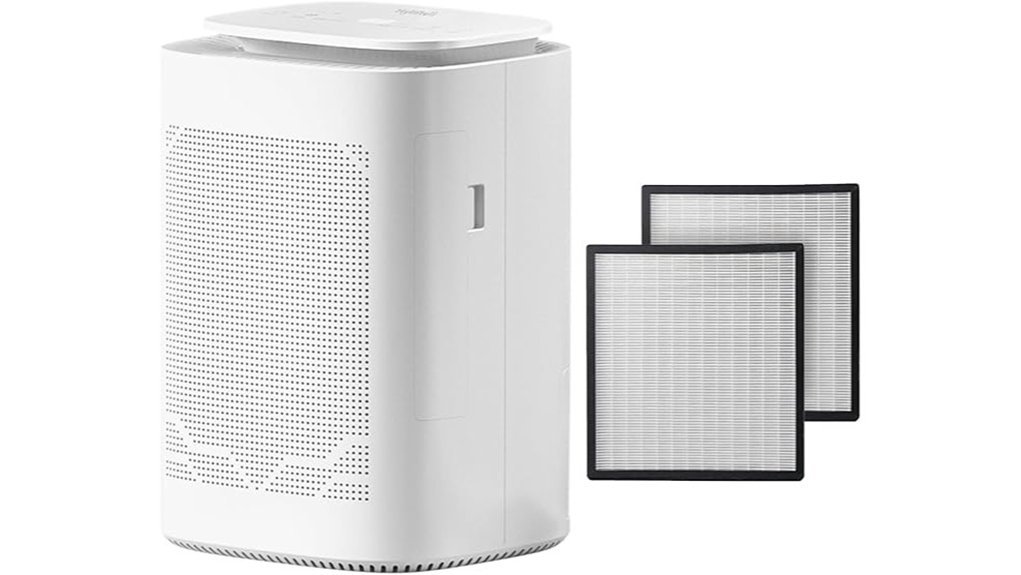
If you’re looking for a compact, whisper-quiet unit that tackles both moisture and airborne irritants, the Hyintell HY-DH16 Dehumidifier and Air Purifier Combo is a strong fit. You get a high-performance H13 HEPA filter plus Negative Air Ion tech, so it helps clean the air while reducing humidity. It can pull 700 to 800ml daily in warm, damp conditions, and its 54oz tank shuts off automatically when full. Use the drain hose for nonstop operation. Choose the 35db low setting for bedrooms or the faster mode for daytime use.
Why You’ll Like It: This is a practical pick when you do not want two separate machines in a small room. It helps manage light humidity while also filtering common airborne particles, which makes it useful for bedrooms, bathrooms, small offices, and closets.
Who Should Avoid This: Skip it for very damp basements or large open spaces. Its moisture-removal capacity is better for small-room support than whole-home drying.
Best For: People who want a compact, quiet combo unit for bedrooms, bathrooms, or other small residential spaces that both dehumidifies and helps improve air quality.
Pros:
- H13 HEPA filtration plus Negative Air Ion technology helps clean and freshen indoor air.
- Quiet 35db low setting makes it suitable for nighttime use.
- Automatic shut-off, 24-hour timer, and drain hose support add convenience.
Cons:
- Best suited for smaller spaces due to its modest 700–800ml daily extraction capacity.
- 54oz tank may require frequent emptying without continuous drainage.
- Fewer advanced controls compared with larger, more feature-rich dehumidifiers.
1500 Sq. Ft. Dehumidifier for Large Rooms
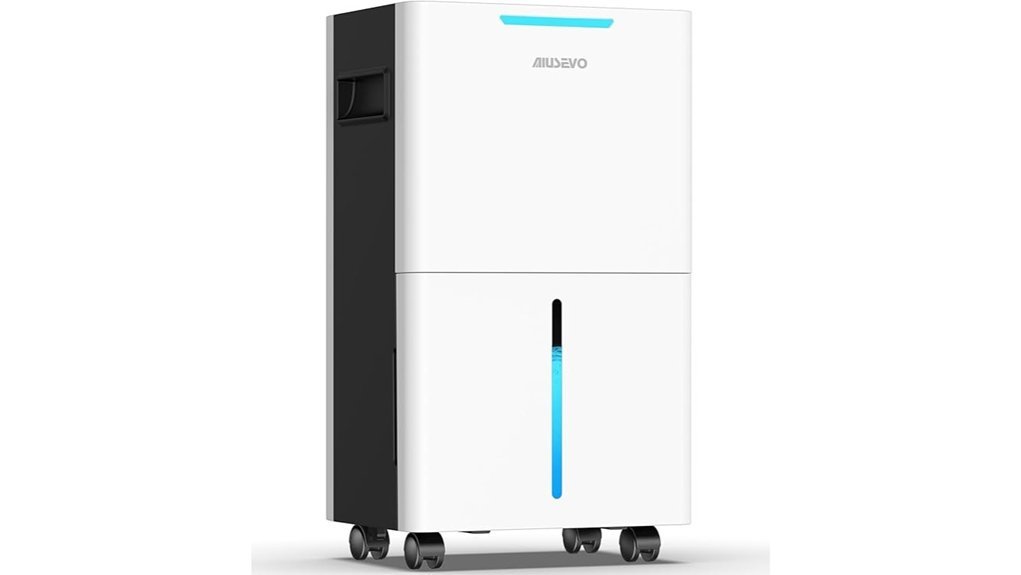
For large rooms up to 1,500 sq. ft., the Aiusevo AS280 handles moisture with ease. You get 21 pints of daily removal, so it works well in basements, bedrooms, bathrooms, living rooms, crawlspaces, and RVs. Use DEHU mode to set humidity from 30% to 80%, DRY mode to speed up laundry, or CONTINUOUS mode for damp areas. It keeps levels near 30% to 50%. The 2L tank shuts off automatically, or you can drain nonstop with the 3.28ft hose. Smart controls, wheels, and handles make it easy to move and manage.
Why You’ll Like It: This model is a stronger option for people who need more than a tiny bedroom dehumidifier but do not want a bulky basement machine. The three operating modes make it easier to match the setting to daily humidity, laundry drying, or constant dampness.
Who Should Avoid This: If your basement is very wet or close to 4,500 sq. ft., a higher-capacity unit will likely be a better fit.
Best For: Homeowners who need a compact, easy-to-move dehumidifier for medium to large spaces like basements, bedrooms, bathrooms, or RVs.
Pros:
- Effective for rooms up to 1,500 sq. ft. with 21 pints of daily moisture removal.
- Multiple modes, including DEHU, DRY, and CONTINUOUS, offer flexible humidity control.
- Smart controls, auto shutoff, and continuous drainage make operation simple and convenient.
Cons:
- The 2L tank may need frequent emptying in very humid conditions if not using the drain hose.
- Best suited for moderate-sized spaces, so it may be less powerful than full-size basement units.
- The compact design may mean a smaller water capacity compared with larger dehumidifiers.
KeepGlad Dehumidifier for Home (98 oz, 1000 sq. ft.)
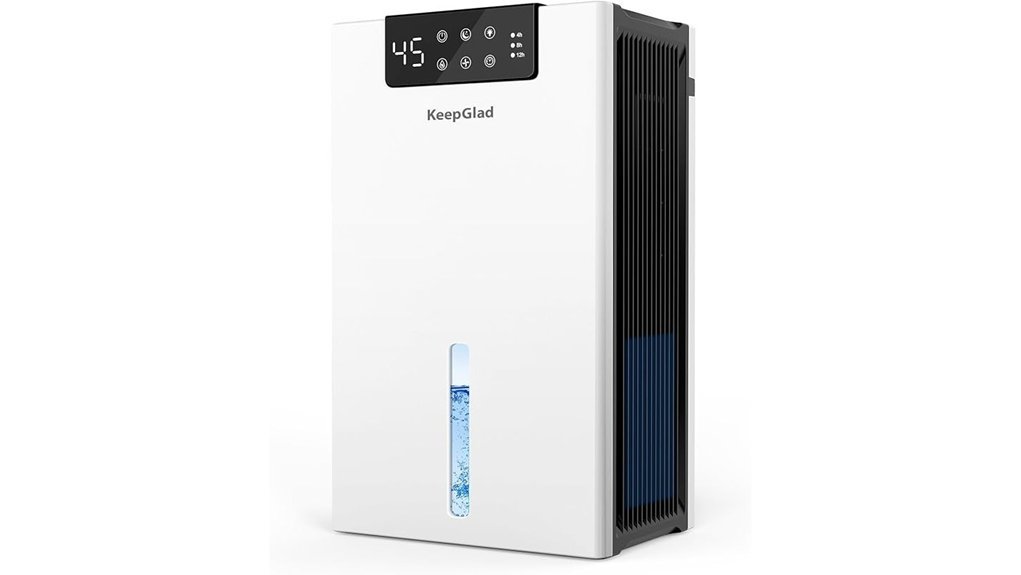
KeepGlad suits medium spaces up to 1,000 sq. ft. where excess moisture lingers. You get a 98 oz tank and strong moisture removal of up to 40 oz a day, which can drop humidity from 80% to 40%. Use the three fan speeds and digital controls to match your room’s needs, and check the real-time humidity display anytime. When the tank fills, auto shut-off kicks in. You can also attach the drain hose for nonstop use. A washable filter, 28 dB sleep mode, and seven ambient lights make it practical and pleasant.
Why You’ll Like It: KeepGlad is a good middle-ground choice if you want quiet operation, a larger tank than many compact models, and a clear humidity display. It is especially useful when you want to see room conditions instead of guessing whether the air is too damp.
Who Should Avoid This: Avoid it if your main problem is a heavily damp basement or a very large open floor plan. It is better for medium rooms and daily comfort control.
Best For: Homeowners, renters, or RV users with medium-sized spaces up to 1,000 sq. ft. who want a quiet, easy-to-maintain dehumidifier with smart controls and continuous drainage.
Pros:
- Removes up to 40 oz of moisture per day and helps lower humidity from 80% to 40%.
- Features 3 fan speeds, digital controls, and a real-time humidity display for convenient operation.
- Includes auto shut-off, a drain hose for nonstop use, a washable filter, and a 28 dB sleep mode.
Cons:
- Best suited for medium spaces, so it may not be enough for larger areas.
- The 98 oz tank may still require frequent emptying without using the drain hose.
- Ambient lighting and multiple modes may be more features than some users need.
Small Dehumidifier with Air Purifying Function
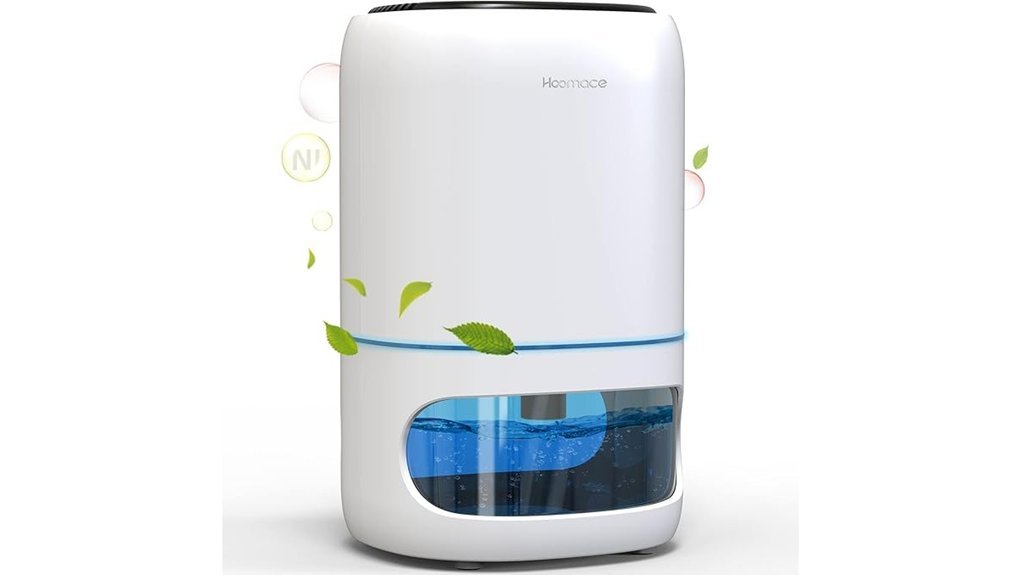
This small dehumidifier suits bedrooms and compact spaces that need quieter, cleaner air. You get a 1000 ml tank that handles areas up to 2500 cubic feet, while the G4 filter traps 90% of dust, dander, and hair. Its 3-in-1 setup dehumidifies, purifies, and releases negative ions for fresher air. Thermoelectric Peltier technology keeps it efficient, and it can remove up to 11 oz of moisture daily. It runs below 30 dB, adds seven LED lights, shuts off when full, and offers 4, 8, or 12-hour timers.
Why You’ll Like It: This unit is built for quiet, low-maintenance moisture control in tight spaces. It works best when you need gentle drying in a bedroom, closet, dorm room, or small bathroom, especially if low noise matters more than maximum extraction power.
Who Should Avoid This: It is not the right choice for fast drying, flood cleanup, or serious basement humidity. Choose a larger compressor dehumidifier for those problems.
Best For: People looking for a quiet, compact dehumidifier for bedrooms or small spaces that also helps purify the air.
Pros:
- 3-in-1 functionality: dehumidifies, purifies air, and releases negative ions
- Quiet operation below 30 dB, making it suitable for sleeping areas
- G4 filter helps capture dust, dander, and hair, plus includes colorful LED lighting
Cons:
- Best suited only for small areas rather than larger rooms
- 1000 ml tank may need frequent emptying in very humid conditions
- Plastic build may feel less premium than metal-bodied alternatives
AIRPLUS 70 Pint Dehumidifier for Basements & Home
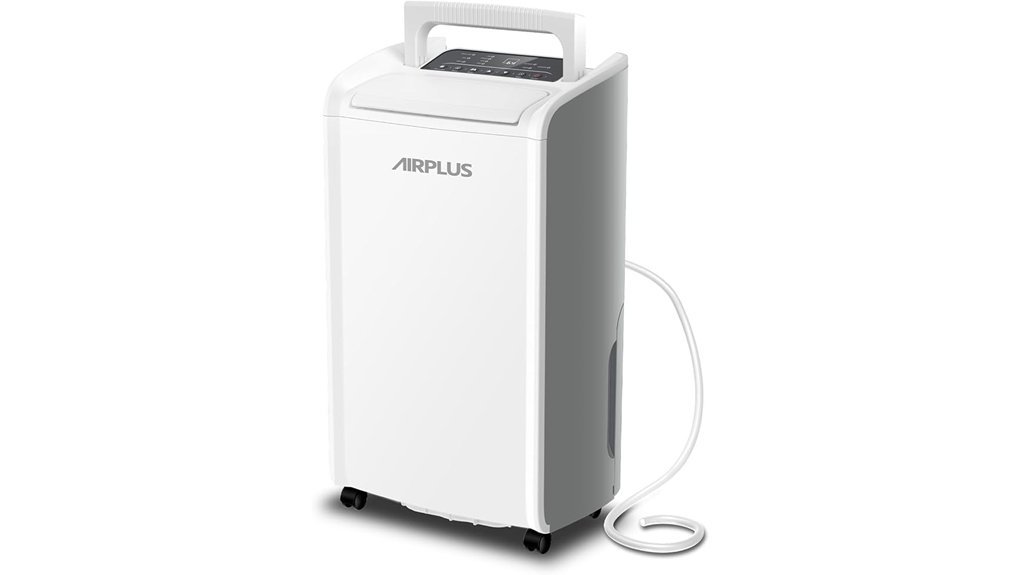
Need serious moisture control for a large space? The AIRPLUS AP20-1905EE handles up to 4,500 sq. ft. and removes 70 pints of moisture daily, so you can tackle damp basements and busy homes with confidence. You get four smart modes, including dry, noise reduction, and sleep mode, plus a digital display for humidity, temperature, and timer settings. Use the 3.9 ft hose for continuous drainage or the 0.7-gallon tank with auto shut-off. Its energy-saving compressor, defrost, restart, and memory functions help you run it easily. The washable filter, child lock, and 24-hour timer make upkeep simple.
Why You’ll Like It: AIRPLUS is the strongest option in this list for big moisture problems. It makes the most sense for basements, large rooms, storage areas, and spaces where small tank-based units fall behind quickly.
Who Should Avoid This: It may be more machine than you need for a small bedroom or closet. It is also heavier than compact units, so check where you plan to place it before buying.
Best For: Homeowners, renters, and basement users who need powerful, large-area moisture control with flexible drainage and easy-to-use features.
Pros:
- Handles up to 4,500 sq. ft. and removes 70 pints of moisture per day.
- Offers multiple smart modes plus a digital display for convenient monitoring.
- Includes continuous drainage, auto shut-off, a washable filter, and a 24-hour timer.
Cons:
- The 0.7-gallon tank may require frequent emptying if continuous drainage isn’t used.
- At 28 pounds, it may be somewhat bulky to move around.
- Best performance is limited by operating conditions, with use up to 95°F.
Factors to Consider When Choosing an Air Dehumidifier and Antimold Machine
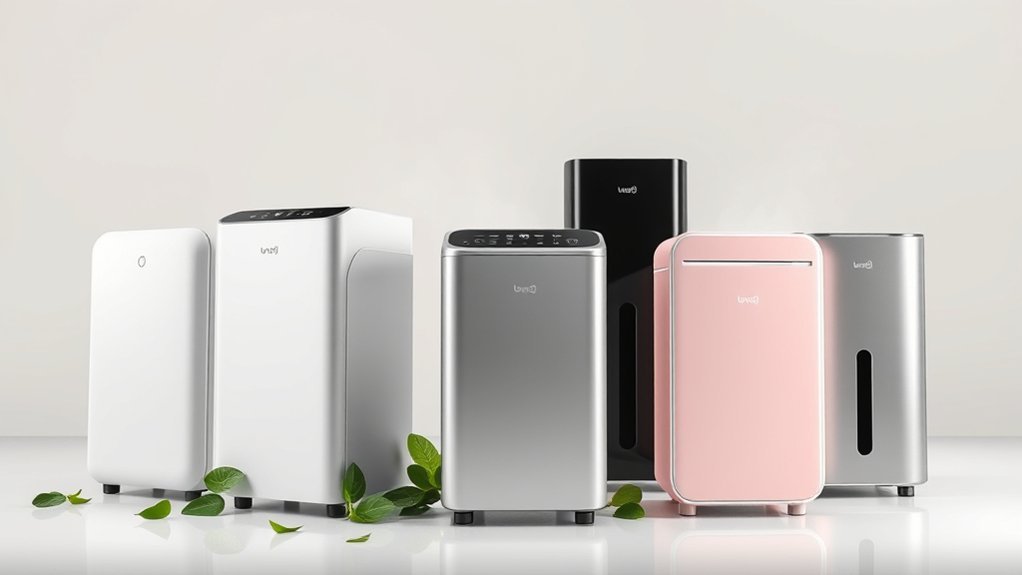
When you choose an air dehumidifier and antimold machine, you’ll want to match its moisture removal capacity to your space and humidity level. You should also check room size coverage, filtration technology, noise level, and drainage options so the unit fits your needs. The right balance helps you keep your air drier, cleaner, and easier to manage.
Best Use-Case Picks
- Best for small rooms: Hyintell HY-DH16 or the small 3-in-1 dehumidifier.
- Best for medium rooms: KeepGlad 98 oz dehumidifier.
- Best for large rooms: Aiusevo AS280.
- Best for basements: AIRPLUS 70 Pint.
- Best for quiet use: KeepGlad or the small 3-in-1 model, based on the listed low-noise settings.
Moisture Removal Capacity
Moisture capacity is the number you want to watch first, because it tells you how much water a dehumidifier can pull from the air in 24 hours, usually measured in pints per day. You’ll see small units remove about 20 to 30 pints daily, while larger models can extract 70 pints or more. Compact units may list removal in ounces or milliliters instead, which usually means they are designed for smaller spaces. Match that output to your dampness level, since hotter, wetter rooms push the machine harder and can boost extraction. If you need steady performance, choose a model with continuous drainage so it can keep working without stopping to empty a tank. That setup helps in persistently moist spaces and keeps humidity control more consistent.
Room Size Coverage
Once you know how much moisture a unit can pull each day, the next step is making sure it can handle the space you want to dry. Check the room size first, because dehumidifiers vary widely in coverage. Some work well in areas up to 1,500 sq. ft., while larger models can manage 4,500 sq. ft. or more. You should also match capacity to the room’s humidity; a damp basement usually needs a stronger unit than a lightly humid bedroom. Don’t ignore layout, either. Furniture, doors, and walls can block airflow and reduce performance. If your space has stubborn moisture, choose a model rated for that environment so it can keep humidity in check without running constantly or falling behind.
Filtration Technology
Filtration technology can make a big difference in how clean your air feels, not just how dry it is. When you choose a dehumidifier with a HEPA filter, you can capture very small airborne particles, which helps cut allergens and pollutants. If you want a fresher feel, look for Negative Air Ion technology, since it can help reduce some airborne particles and odors. Washable filters also help by trapping dust and hair while keeping airflow strong and efficiency high. The best filter for you depends on how much humidity and airborne debris your space has. Don’t forget maintenance, either: clean or replace filters on time so your machine keeps dehumidifying well and purifying the air effectively.
Noise Level
Noise level matters just as much as drying power when you’re choosing an air dehumidifier or antimold machine. You’ll want to check decibel ratings before you buy, especially if you plan to use it in a bedroom, nursery, or study room. Quiet models run around 28 to 35 dB, so they won’t drown out conversation or sleep. Standard units usually sit between 35 and 50 dB, similar to a quiet library or refrigerator. If you need a high-capacity model for a large area, expect more sound, sometimes 50 dB or higher. Look for sleep mode or whisper-quiet settings if you want overnight comfort. A lower noise rating helps you keep your space dry without adding stress or distraction at all.
Drainage Options
Just as a quiet unit can make a room easier to live in, the way a dehumidifier handles water can make it much easier to use every day. You should look for a built-in tank with an automatic shut-off, so the unit stops before it overflows. If you deal with heavy moisture, a continuous drain hose can save you from frequent emptying and keep the machine running without interruption. Larger tanks also help because they hold more water between emptyings. The best models give you both manual and continuous drainage, letting you choose what fits your space and routine. When drainage works efficiently, your dehumidifier can keep humidity in check more consistently, and you won’t have to think about it as often.
Smart Controls
Smart controls can make a dehumidifier much easier to live with, especially if you want steady moisture control without constant manual adjustments. You can set your target humidity, usually between 30% and 50%, and let the unit handle the rest. Real-time humidity readings show you exactly what’s happening in your space, so you can fine-tune settings with confidence. Automatic operation is especially useful because it turns the machine on or off as moisture levels change, helping you save energy without sacrificing comfort. Some models also let you adjust fan speeds, so you can balance airflow and noise to suit your needs. A clear digital display makes daily use simple by showing humidity, timer settings, and mode indicators at a glance.
Portability And Design
Portability matters when you want a dehumidifier or antimold machine to move easily from room to room, so check both its weight and dimensions before you buy. Lighter units save you effort, and compact models fit better in closets, bathrooms, and bedrooms. You’ll also want lift-up handles and 360° wheels, because they make relocating the unit much easier. Look at the design too: a sleek finish can blend with your decor instead of standing out awkwardly. Durable materials such as polycarbonate or ABS help the machine last longer through daily use. Finally, choose a water tank you can empty without hassle. If the tank’s too large, you’ll struggle to manage it; if it’s too small, you’ll empty it often.
Pro Tips for Better Mold Prevention
- Use a separate hygrometer if your dehumidifier does not show real-time humidity.
- Keep doors slightly open when drying connected rooms so air can circulate.
- Clean the filter on schedule, because clogged filters reduce airflow and drying power.
- Use continuous drainage for basements, laundry rooms, or any space that stays damp for hours.
- Place the unit away from walls and furniture so intake and exhaust vents stay clear.
Frequently Asked Questions
How Often Should I Clean a Dehumidifier Filter?
You should clean your dehumidifier filter every two weeks, or more often if you use it daily, have dust, or notice reduced airflow. Check the manual, because some filters need monthly cleaning instead.
Can Dehumidifiers Run Continuously Overnight Safely?
Yes, you can usually run a dehumidifier overnight safely if you set it properly, keep vents clear, and use a model with auto shutoff. You should still check for leaks, overheating, unusual smells, blocked vents, and a full tank. For heavy overnight use, continuous drainage can be more convenient than relying on the tank.
Do Dehumidifiers Remove Musty Odors From Carpets?
Yes, you can reduce musty carpet odors with a dehumidifier by stripping dampness from the air, like morning fog lifting. It won’t clean stains or remove existing mold inside carpet padding, but it can help stop damp smells from growing and lingering. If the carpet is already wet or moldy, dry it quickly and clean the source of the moisture.
What Humidity Level Prevents Mold Growth Best?
You’ll prevent mold best by keeping indoor humidity between 30% and 50%, ideally around 40%. Use a hygrometer, adjust your dehumidifier, and don’t let damp areas stay wet, because mold thrives above 60%.
Are Dehumidifiers Noisy in Bedrooms?
Yes, some are, but you can keep the nighttime buzz to a whisper. You’ll want a bedroom model with a low-decibel setting, sleep mode, or thermoelectric design, so it hums softly while you sleep, not rattles your dreams.
Is an Air Purifier Dehumidifier Combo Worth It?
Yes, it can be worth it for small rooms where you want light moisture control and cleaner-feeling air from one compact unit. But if your main issue is serious dampness, standing water, or basement humidity, a dedicated high-capacity dehumidifier is usually the stronger choice.
Should I Choose a Tank or Continuous Drainage?
Choose a tank if you only run the unit occasionally or use it in a room without a floor drain. Choose continuous drainage if the space stays damp every day, because it saves you from emptying the tank and helps the machine run without interruption.
Final Recommendation
For small spaces, the Hyintell HY-DH16 and the small 3-in-1 model are the easiest picks because they focus on quiet, compact moisture control. For medium rooms, KeepGlad gives you a helpful mix of tank size, sleep mode, and humidity display. For larger rooms, Aiusevo AS280 offers stronger coverage and flexible modes. For basements or serious moisture problems, AIRPLUS 70 Pint is the strongest choice in this list.
Conclusion
When you choose the right dehumidifier, you’re not just drying air—you’re clearing the path for a healthier home. I once watched a damp basement turn from musty to fresh in a week, and it felt like opening a window after a storm. That’s the power of the right machine: it helps you breathe easier, protects your walls, and keeps mold from settling in. So, pick the one that fits your space, match the capacity to your moisture level, and let comfort do the rest.