
To improve indoor air quality in your living room, focus first on removing or reducing pollution sources, then bring in clean outdoor air when conditions are safe, filter particles with the right air purifier or HVAC filter, clean dust-trapping surfaces, and keep humidity under control. A living room collects dust, pet dander, smoke residue, furniture emissions, candle soot, pollen, and mold-related moisture, so the best results come from a simple routine—not one gadget.
Quick Answer
Improve living room air quality by removing pollutant sources, ventilating with clean outdoor air, using a properly sized air purifier with particle filtration and activated carbon when needed, vacuuming and dusting regularly, keeping humidity around 30% to 50%, and avoiding smoke, ozone-producing air cleaners, heavy fragrance, and excess moisture.
Key Takeaways
- Source control comes first: remove smoke, excess fragrance, damp materials, dusty fabrics, and unnecessary chemical products before relying on devices.
- Ventilate wisely: open windows or use exhaust fans when outdoor air is clean, but keep windows closed during wildfire smoke, high pollution, or heavy pollen days.
- Size filtration to the room: choose an air purifier by CADR and room size, then run it long enough for it to matter.
- Control moisture: keep indoor relative humidity below 60%, ideally around 30% to 50%, to reduce mold and dust mite problems.
- Do not rely on plants or scents: plants may make a room feel fresher, but they are not a substitute for ventilation, filtration, and source control.
At a Glance
| Time Required | 10–20 minutes daily, plus 30–60 minutes weekly for deeper cleaning |
| Difficulty | Easy to moderate |
| Tools Needed | HEPA-filter vacuum, microfiber cloths, hygrometer, exhaust fan or window ventilation, properly sized air purifier, replacement filters |
| Cost | $10–$30 for a hygrometer; $50–$300+ for a room air purifier; ongoing filter costs vary by model |
Common Indoor Air Quality Issues and Their Impact
Indoor air quality is the condition of the air inside and around your home, especially as it relates to comfort and health. The most common living-room problems include fine particles from dust, smoke, candles, fireplaces, pet dander, pollen that drifts indoors, and tiny particles generated by cooking or combustion in nearby rooms. These particles can irritate the eyes, nose, throat, lungs, and heart, especially for children, older adults, and people with asthma, allergies, COPD, or heart disease.
VOCs, or volatile organic compounds, are another concern. They can come from paints, varnishes, furniture, rugs, pressed-wood products, air fresheners, cleaning sprays, disinfectants, hobby supplies, and stored chemicals. The U.S. Environmental Protection Agency notes that many VOCs are consistently higher indoors than outdoors, and older EPA studies found several common organic pollutants about 2 to 5 times higher inside homes than outside.
Poor ventilation can make these problems worse because pollutants stay trapped instead of being diluted or removed. High humidity adds another layer of risk by encouraging mold and dust mites. Smoke is one of the most important sources to eliminate: the Centers for Disease Control and Prevention says commercial tobacco smoke contains more than 7,000 chemicals, including hundreds that are toxic and about 70 that can cause cancer.
The cleanest living room is not the one with the strongest fragrance. It is the one with fewer pollutant sources, steady dust control, safe ventilation, and dry, well-filtered air.
Key Sources of Indoor Air Quality Pollution
Before buying a device, walk through the room and look for sources. The EPA’s core indoor-air strategy starts with source control because removing or reducing a pollutant is usually more effective than trying to filter it after it spreads.
- Dust and soft furnishings: Carpets, rugs, curtains, fabric sofas, throw pillows, blankets, and stuffed toys can hold dust, pollen, pet dander, and dust mite debris.
- Pets: Skin flakes, saliva proteins, hair, litter dust, and odors can collect in upholstery and rugs.
- Smoke and combustion: Cigarettes, cigars, fireplaces, wood stoves, candles, incense, and unvented heaters can add particles and gases to the room.
- Cleaning and fragrance products: Sprays, air fresheners, scented plug-ins, disinfectants, and strong solvents can release irritants or VOCs.
- Furniture and building materials: New furniture, pressed-wood products, rugs, adhesives, paint, and finishes can off-gas VOCs, especially when new.
- Moisture: Leaks, damp carpets, wet plant soil, condensation on windows, and poor airflow behind furniture can encourage mold.
- Outdoor air: Traffic pollution, wildfire smoke, pollen, lawn chemicals, and neighborhood smoke can enter through windows, doors, gaps, and HVAC systems.
Note: If you smell gas, suspect carbon monoxide, see widespread mold, or feel symptoms that improve when you leave the room, treat it as a safety issue—not a normal cleaning problem. Contact the appropriate professional or local authority.
Start With Source Control
Source control means reducing pollutants before they spread through the living room. This is the highest-impact step because it lowers the burden on your purifier, HVAC filter, and cleaning routine.
- Make the room smoke-free. Do not allow smoking or vaping indoors. Smoke residue can linger on surfaces, fabrics, and dust.
- Reduce unnecessary fragrance. Skip plug-ins, aerosol air fresheners, heavy room sprays, and frequent incense use. These can mask odors without fixing the source.
- Store chemicals outside the living area. Keep paints, solvents, pesticides, fuels, and strong cleaners in a safe, well-ventilated storage area away from daily living space.
- Choose low-emission products when possible. When buying rugs, furniture, paint, or flooring, look for low-VOC options and air out new items before heavy use.
- Fix moisture quickly. Dry spills and damp materials promptly. If water damage occurs, dry affected areas within 24–48 hours when possible to reduce mold growth risk.
- Limit soot sources. Use candles sparingly, keep wicks trimmed, avoid smoky flames, and make sure fireplaces and wood stoves draft properly.
Warning: Never mix cleaning products unless the label specifically tells you to. Mixing bleach with ammonia or other cleaners can create dangerous fumes.
Step-by-Step Ventilation Tips
Ventilation brings outdoor air in and pushes stale indoor air out. It can lower indoor pollutant concentrations, but only when the outdoor air is reasonably clean. Before opening windows, check local air quality if wildfire smoke, traffic pollution, heavy pollen, or outdoor odors are a concern.
- Open windows briefly when outdoor air is good. Cross-ventilate for 10–20 minutes by opening windows on opposite sides of the home, if weather and safety allow.
- Use kitchen and bathroom exhaust fans. Fans that vent outdoors help remove moisture, cooking particles, odors, and chemical vapors before they drift into the living room.
- Vent during high-emission tasks. Open windows or run exhaust fans while painting, assembling new furniture, using strong cleaners, or doing hobbies that create dust or fumes.
- Do not open windows during smoke or high-pollen events. On poor outdoor-air days, keep windows closed and rely on filtration instead.
- Keep airflow pathways clear. Do not block vents, returns, or purifier intakes with curtains, furniture, or storage bins.
- Use fans as helpers, not filters. A ceiling or portable fan can move air, but it does not remove pollutants unless paired with filtration or ventilation.
If your home is tightly sealed or the living room often feels stale, ask an HVAC professional about ventilation options such as outdoor-air intakes or energy recovery ventilators. Most standard forced-air systems recirculate indoor air and do not automatically bring in fresh outdoor air.
How to Choose an Air Purifier for Your Living Room
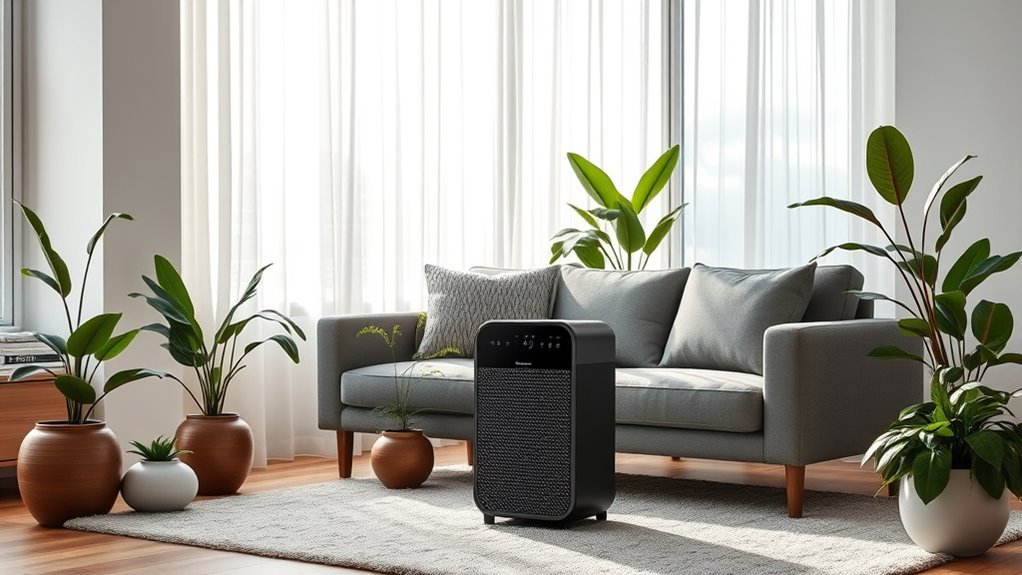
An air purifier can be a strong supplement to source control and ventilation. It is most useful for particles such as dust, pollen, pet dander, smoke particles, and some fine particulate matter. It will not remove every pollutant, and it will not fix the source of mold, smoke, leaks, or chemical odors.
Use this checklist when choosing a unit:
- Match CADR to your room size. CADR stands for Clean Air Delivery Rate. A higher CADR means the purifier filters more particle-laden air per minute. For open floor plans, size the unit for the full connected area, not just the furniture zone.
- Choose particle filtration for dust and smoke. Look for a high-efficiency particle filter and a CADR rating for smoke, dust, and pollen.
- Add activated carbon for gases and odors. Carbon can help with some gases and odors when the filter contains enough carbon, but it becomes saturated and must be replaced.
- Check noise ratings. A purifier only helps when you actually run it. Pick a model quiet enough for TV, reading, and sleep-adjacent use.
- Plan for filter costs. A cheap purifier with expensive filters may cost more over time than a better-sized unit with reasonable replacements.
- Avoid ozone generators. Do not use air cleaners that intentionally produce ozone. Ozone can irritate the lungs.
| Living Room Size | Minimum CADR Starting Point | Best Use |
|---|---|---|
| 100 sq. ft. | About 65 cfm | Small sitting area or reading nook |
| 200 sq. ft. | About 130 cfm | Small living room |
| 300 sq. ft. | About 195 cfm | Average living room |
| 400 sq. ft. | About 260 cfm | Large living room |
| 500–600 sq. ft. | About 325–390 cfm | Open-plan living space |
Place the purifier in the room where you spend the most time. Keep it away from curtains, walls, and furniture that block airflow. Run it on a higher setting when pollution is active, such as after dusting, during high pollen days, or when outdoor smoke has entered the home. Use a lower setting for quiet continuous operation.
Pro Tip: If your living room is connected to a dining room, entry, or kitchen with no door between them, size the purifier for the combined open area.
Recommended Products
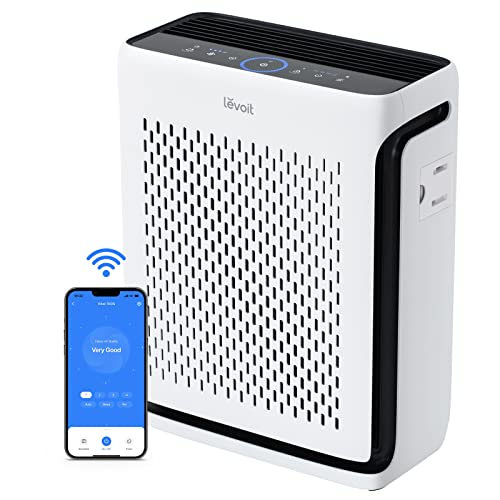
𝐖𝐇𝐘 𝐂𝐇𝐎𝐎𝐒𝐄 𝐀𝐇𝐀𝐌 𝐕𝐄𝐑𝐈𝐅𝐈𝐃𝐄 𝐀𝐈𝐑 𝐏𝐔𝐑𝐈𝐅𝐈𝐄𝐑𝐒: AHAM (Association of Home Appliance Manufacturers) is an ANSI-accredited organization that sets strict standards for appliance performance. Air purifiers with the AHAM VERIFIDE seal have been independently tested for air cleaning performance and energy efficiency. When you choose an AHAM certified air purifier, you're choosing a product trusted for reliable and effective indoor air quality improvement
Upgrade HVAC Filtration Carefully
Your HVAC filter can help reduce particles when the system fan is running. For better filtration, choose the highest-rated filter your system can handle. The EPA recommends selecting at least MERV 13 or as high as your system can accommodate, but some systems need professional evaluation before using thicker or higher-resistance filters.
Replace HVAC filters according to the manufacturer’s schedule, often every 60–90 days, or more often if they look dirty, you have pets, you run the fan frequently, or outdoor smoke and pollen are heavy. Make sure the filter fits snugly so air does not leak around the edges.
Essential Cleaning Habits for Maintaining Air Quality
Cleaning improves indoor air quality when it captures dust instead of stirring it into the air. The goal is to remove particles from surfaces, fabrics, and floors before they become airborne again.
| Task | Frequency | Tools/Products |
|---|---|---|
| Vacuum carpets, rugs, and upholstered furniture | Once or twice a week; more often with pets | Vacuum with HEPA filtration or a sealed high-efficiency system |
| Dust hard surfaces | Weekly | Damp microfiber cloth |
| Wash throw blankets, pillow covers, and washable curtains | Every few weeks or monthly | Fragrance-free detergent when possible |
| Clean pet beds and favorite lounging spots | Weekly | Washable covers, lint roller, HEPA vacuum |
| Replace purifier and HVAC filters | Per manufacturer instructions; sooner if visibly dirty | Correct replacement filters |
| Reduce tracked-in pollutants | Daily | Door mats and a no-shoes indoor habit |
Use a damp cloth instead of a dry duster, which can push dust into the air. Vacuum slowly, especially over rugs and sofa cushions. If someone in the household has asthma or severe allergies, have them leave the room while vacuuming and return after particles have settled or the purifier has run for a while.
How to Manage Humidity Levels for Healthy Air
Humidity strongly affects comfort, mold growth, dust mites, and musty odors. Use a simple hygrometer to measure relative humidity in the living room. The EPA recommends keeping indoor humidity below 60% and ideally between 30% and 50%.
Recommended Products

Wellness Indicator: This humidity meter with humidity level icon indicates air conditions - DRY/COMFORT/WET, allowing this humidity sensor to ensure you’re always aware of changes to your home/household with just a quick glance

Face Icon Comfort Indicator: Humidity temperature gauge features face icons to indicate DRY/COMFORT/WET air conditions, quickly informs you how to adjust your humidifier or dehumidifier to achieve optimal comfort.

Smart Features: The Govee Wireless Thermometer Hygrometer supports all basic functions as well as smart functions such as remote monitoring and temp humidity graphs. Our humidity meters are reliable and easy to use for homes, greenhouses and more.(Only supports 164ft Bluetooth connection)
Ideal Humidity Range
For most homes, a target of 30% to 50% relative humidity is practical. If the air is too dry, you may notice static, dry skin, or irritated nasal passages. If it is too humid, you may notice condensation on windows, musty smells, damp rugs, or mold spots near cold exterior walls and behind furniture.
- Below 30%: Consider adding moisture carefully, especially in winter, but do not over-humidify.
- 30% to 50%: Best everyday target for comfort and mold prevention.
- Above 60%: Take action with dehumidification, ventilation, leak repair, or HVAC help.
Dehumidifiers and Humidifiers
Use a dehumidifier if the living room, basement-adjacent area, or open-plan space stays damp. Empty and clean it regularly so it does not become a mold source. Use a humidifier only when the room is genuinely dry, and clean it according to the manufacturer’s instructions. Dirty humidifiers can release minerals, microorganisms, or musty odors into the air.
Warning: An air purifier cannot solve a mold problem. If mold is growing, fix the water or moisture source, clean up the mold safely, and get professional help for large areas, sewage-related water damage, or suspected mold inside HVAC equipment.
Natural Methods to Enhance Indoor Air Quality
Natural methods can help, but they work best when they reduce sources rather than simply adding scents or decor. Start with these low-tech habits:
- Use fresh air when it is clean. Open windows briefly on good outdoor-air days.
- Choose unscented or low-fragrance products. “Clean smell” is not the same as clean air.
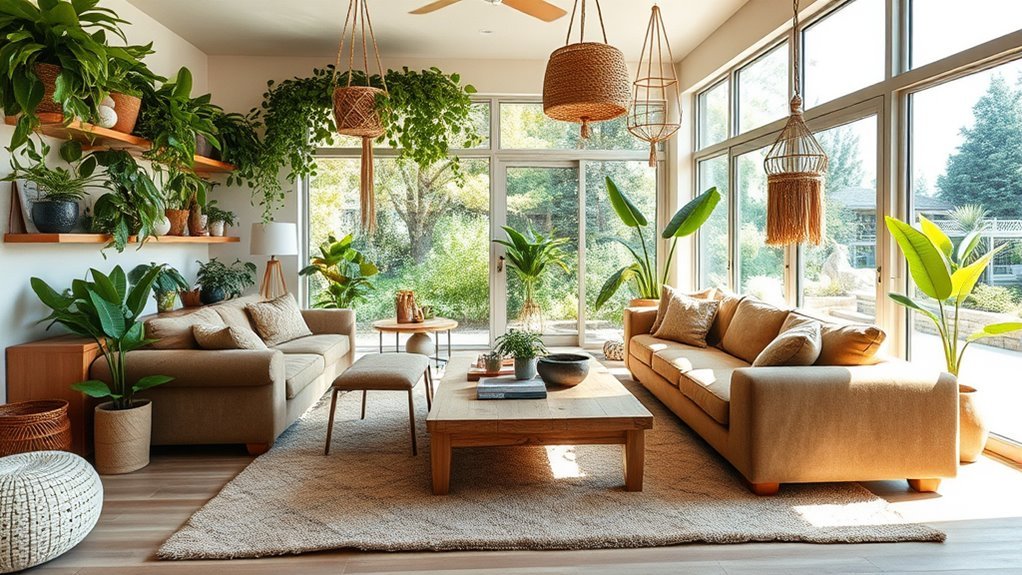
- Keep plants modest and dry. Houseplants can make a room feel calmer, but do not rely on them to purify the air. Avoid overwatering because damp soil can encourage mold or microorganisms.
- Use washable fabrics. Choose throw blankets, covers, and curtains that can be cleaned easily.
- Reduce clutter. Fewer dust-catching objects means easier cleaning and less particle buildup.
- Let new items air out. Unbox new rugs, cushions, or furniture in a ventilated space when possible before heavy use.
Be careful with essential oils. They may smell pleasant, but they add airborne compounds and can bother people with asthma, migraines, allergies, pets, babies, or chemical sensitivities. If you use them, use small amounts, avoid continuous diffusion, ventilate, and stop immediately if anyone develops irritation.
Troubleshooting Living Room Air Quality Problems
If the room still feels stale, dusty, or irritating after basic improvements, use the symptoms to narrow the cause.
- Musty smell: Check humidity, window condensation, damp carpet, plant soil, exterior walls, and furniture placed tightly against cold walls.
- Dust returns quickly: Replace HVAC filters, vacuum upholstered furniture, wash textiles, seal gaps, and check whether shoes or pets are tracking in particles.
- Odors after cleaning: Switch to fragrance-free products, use less product, ventilate during cleaning, and store chemicals outside the living area.
- Smoke smell: Remove the source, clean fabrics and hard surfaces, replace filters, and use a purifier with particle filtration plus substantial activated carbon.
- Symptoms improve when you leave home: Look for pollutant sources, moisture, combustion problems, pests, or chemical irritants, and consider professional evaluation.
Frequently Asked Questions
How often should I replace air purifier filters?
Follow the manufacturer’s schedule, because filter life depends on the model, fan speed, room pollution, pets, smoke, and runtime. Many particle filters last several months, while activated carbon can saturate sooner when used for odors or VOCs. Replace filters earlier if they look dirty, smell musty, or airflow drops.
Can pets affect indoor air quality?
Yes. Pet dander, saliva proteins, hair, litter dust, and odors can build up in rugs, sofas, curtains, and HVAC filters. Vacuum soft surfaces regularly, wash pet beds weekly, keep pets off fabric furniture when possible, and use a properly sized air purifier if someone in the home is sensitive.
What are the best plants for air purification?
Plants such as snake plants, pothos, peace lilies, and spider plants are popular indoor choices, but they should not be treated as air purifiers. In real homes, a reasonable number of houseplants is not proven to remove significant pollutants. Use plants for comfort and decor, and rely on source control, ventilation, filtration, and humidity management for air quality.
How does indoor air quality affect sleep?
Poor indoor air quality can worsen congestion, coughing, throat irritation, asthma symptoms, odors, and general discomfort, which may make it harder to sleep. Although this article focuses on the living room, the same principles apply to bedrooms: reduce dust and fragrance, control humidity, ventilate safely, and use properly sized filtration when needed.
Are essential oils safe for improving air quality?
Essential oils do not clean indoor air. They add fragrance compounds to the room and may irritate some people or pets. If you use them, diffuse lightly, avoid continuous use, ventilate, keep oils away from children and pets, and stop if anyone notices headaches, coughing, wheezing, eye irritation, or throat irritation.
Should I open windows every day?
Open windows when outdoor air is clean, comfortable, and safe. Avoid opening windows during wildfire smoke, heavy traffic pollution, high pollen, strong outdoor odors, or extreme humidity. On poor outdoor-air days, keep windows closed and use filtration instead.
Do air purifiers remove VOCs?
Some air purifiers with substantial activated carbon or other gas-phase media can reduce certain gases and odors, but performance varies and carbon becomes saturated. For VOCs, the first step is source control: remove or reduce the product causing the emission, ventilate with clean outdoor air, and store chemicals away from living spaces.
Conclusion
Improving your living room’s air quality is not about one dramatic fix. It is a layered routine: remove pollutant sources, ventilate when outdoor air is clean, use a properly sized purifier or HVAC filter, clean dust-trapping surfaces, control humidity, and respond quickly to smoke, odors, leaks, or mold. With these habits in place, your living room becomes more than a comfortable gathering space—it becomes a cleaner, healthier part of your home.
Sources
- U.S. EPA — Introduction to Indoor Air Quality — indoor pollutant sources, ventilation, humidity, and health effects.
- U.S. EPA — Improving Indoor Air Quality — source control, ventilation, filtration, and houseplant limitations.
- U.S. EPA — Guide to Air Cleaners in the Home — CADR, activated carbon, MERV 13, filter limits, ozone warnings, and maintenance.
- U.S. EPA — Volatile Organic Compounds’ Impact on Indoor Air Quality — VOC sources, health effects, and indoor/outdoor concentration comparisons.
- U.S. EPA — A Brief Guide to Mold, Moisture and Your Home — mold prevention, humidity targets, moisture cleanup, and safety precautions.
- CDC — About Secondhand Smoke — secondhand smoke chemicals, health risks, and prevention guidance.






[…] leave indoor air irritating. If a room feels heavy or stuffy after your project, see our guides to improving indoor air quality in a living room and improving air […]