
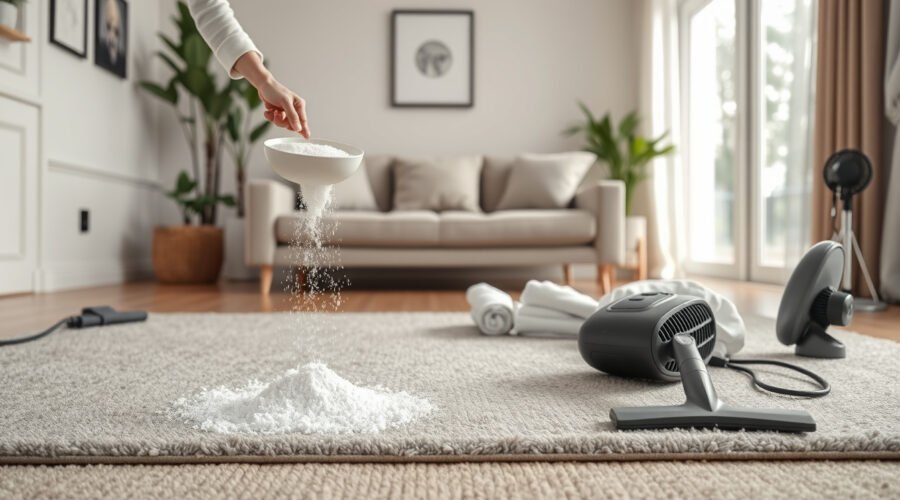
To get odors out of your living room rug, start by finding the source of the smell, then choose the gentlest method that fits your rug material. Most stale odors can be improved with thorough vacuuming, baking soda, good ventilation, and fast spill cleanup. Pet urine, mildew, smoke, and soaked-in spills need more targeted treatment.
Quick Answer
To remove odors from a living room rug, vacuum slowly first, sprinkle baking soda over dry fibers, let it sit for several hours, then vacuum again. For pet urine or food spills, blot first and use an enzyme cleaner. For musty smells, dry the rug quickly and check for mold before using wet cleaners.
Key Takeaways
- Always check the care label and spot-test cleaners before using vinegar, enzyme cleaner, or any wet method.
- Baking soda works best for light, dry, stale odors, but it will not remove urine, mildew, or spills trapped in the rug backing.
- For pet urine, avoid steam or heat because it can set the stain and smell; use blotting, cool water extraction, and an enzyme cleaner instead.
- If the rug smells musty after getting wet, dry it fast, improve airflow, and call a rug cleaner if the odor returns.
At a Glance
| Time Required | 20 minutes of hands-on work, plus 2–12 hours of sitting and drying time |
| Difficulty | Easy for light odors; moderate for pet urine, smoke, or musty smells |
| Tools Needed | Vacuum, baking soda, white cloths, spray bottle, white vinegar, water, enzyme cleaner, fan |
| Cost | Usually under $20 if you already own a vacuum; more if you need a pet enzyme cleaner or professional rug cleaning |
Identify the Source of the Rug Odor
Identifying the cause of the odor matters because each smell needs a different fix. A stale, dusty smell usually means trapped dirt, pet hair, dander, or everyday household debris. A sour smell may come from food or drink spills. A sharp ammonia-like smell often points to pet urine. A damp, musty smell can mean the rug stayed wet too long and may have mildew or mold in the fibers, backing, pad, or floor underneath.
Start by checking the most common odor sources:
- Pet accidents: urine, vomit, feces, saliva, fur, and dander can cling to fibers and backing.
- Food and drink spills: milk, wine, juice, coffee, sauces, and greasy foods can sour over time.
- Moisture: spills, humidity, over-wetting, leaks, or damp floors can create a musty odor.
- Smoke and cooking odors: smoke, fried foods, and strong seasonings can settle into rug fibers.
- High-traffic dirt: tracked-in soil, dust, pollen, and outdoor debris can make a rug smell stale.
Warning: If the rug smells musty, was soaked by a leak, or has visible mold, do not keep adding wet cleaners. The U.S. Environmental Protection Agency recommends drying water-damaged items within 24–48 hours to help prevent mold growth. Moldy porous materials, including carpet, can be difficult to clean completely.
Check the Rug Material Before Cleaning
Before using baking soda, vinegar, or enzyme cleaner, check the care label and rug material. Some rugs handle light moisture well, while others can shrink, bleed dye, yellow, stiffen, or develop backing damage.
Use extra caution with these rugs:
- Wool rugs: can handle some professional cleaning, but harsh scrubbing, too much water, or high-pH products can damage fibers.
- Silk, viscose, rayon, or bamboo silk rugs: often water-spot easily and should usually be handled by a professional.
- Jute, sisal, seagrass, and other natural-fiber rugs: hold moisture and can brown, shrink, or mildew.
- Antique, hand-knotted, Oriental, Turkish, or Persian rugs: may need specialist cleaning, especially if dyes are not colorfast.
- Rubber-backed rugs: can trap moisture underneath, which can create odor in the backing or floor.
To spot-test, apply a small amount of your cleaning solution to a hidden corner. Blot with a clean white cloth. If color transfers, the texture changes, or the area looks lighter or darker after drying, stop and use a dry method or call a rug cleaner.
Essential Tools for Effective Odor Removal
To effectively tackle odors in your rug, gather the right tools before you start. This keeps you from over-wetting the rug or mixing products that should not be combined.
- Vacuum with good suction: Removes dust, hair, dander, and dry soil before deodorizing.
- Baking soda: Helps absorb light odors and moisture from dry rug fibers.
- White cloths or plain white paper towels: Best for blotting because colored towels can transfer dye.
- White vinegar and water: Useful for some sour or stale smells on colorfast, moisture-safe rugs.
- Enzyme cleaner: Best for organic odors such as pet urine, vomit, feces, food spills, and bodily fluids.
- Fan or open windows: Speeds drying and reduces the chance of musty odors returning.
The Carpet and Rug Institute recommends regular vacuuming, quick cleanup of spots and spills, and professional deep cleaning every 12–18 months for carpet maintenance. Those same principles help keep living room rugs fresher, too.
Vacuum Your Rug for a Fresh Start
Start fresh by giving your rug a thorough vacuuming. Odors often cling to dry soil, pet hair, dust, crumbs, and pollen, so removing loose debris first makes every deodorizing method work better.
Vacuum slowly in overlapping passes. Go north to south, then east to west, so the suction reaches more sides of the rug pile. Pay extra attention to high-traffic areas, pet resting spots, corners, and the edge near the sofa. If the rug is safe to move, lift it and vacuum the floor underneath because trapped dust and moisture under the rug can also smell.
For area rugs with fringe, use gentle suction near the edges and avoid catching fringe in the beater bar. For delicate, antique, or hand-knotted rugs, use low suction or a screen barrier, or ask a professional cleaner for the safest method.
Pro Tip: Empty the vacuum canister or bag before deodorizing. A dirty vacuum can blow dusty, stale odors back into the room.
Applying Baking Soda to Deodorize Your Rug
Baking soda is one of the easiest ways to deodorize a dry rug. It is best for light, general odors from dust, shoes, pet hair, and everyday use. It is not enough for urine soaked into the backing, mildew, mold, or old spills that need actual cleaning.
Here is the safest way to use it:
- Make sure the rug is completely dry.
- Vacuum the rug slowly to remove loose debris.
- Sprinkle a light, even layer of baking soda over the rug.
- Let it sit for at least 2–4 hours. For stronger stale smells, leave it overnight.
- Vacuum slowly and thoroughly until the powder is gone.
- Repeat once if the odor improves but does not fully disappear.
Avoid dumping a thick layer of baking soda onto deep-pile rugs because the powder can settle near the backing and become hard to remove. If you have pets, skip essential oils in the baking soda. Many fragrance oils can irritate sensitive animals, and the scent may only mask the problem instead of removing it.
Using Vinegar and Water to Deodorize Your Rug
Using vinegar and water can help with some sour, stale, or light food-related odors, but it should not be treated as safe for every rug. Vinegar is acidic, and too much moisture can damage rug fibers, backing, dyes, or the floor beneath the rug.
Vinegar Properties Explained
White vinegar contains acetic acid, which can help neutralize some odor-causing residues. It is most useful as a light mist, not a soaking treatment. Vinegar is not a replacement for a disinfectant, and it will not solve pet urine that has soaked into the rug pad or floor.
Use vinegar only after a hidden spot test. Do not use it on silk, viscose, rayon, jute, sisal, seagrass, antique rugs, non-colorfast rugs, or any rug labeled dry clean only.
Mixing Ratio Guidelines
For light odors, mix equal parts cool water and white vinegar in a spray bottle. For delicate or uncertain rugs, make the solution weaker by using one part vinegar to two parts water. Stronger is not always better; too much vinegar can leave a sharp smell and may affect sensitive fibers.
Never mix vinegar with bleach, ammonia, or other cleaning products. Use one method at a time, rinse or blot as directed, and let the rug dry fully before trying another cleaner.
Application Techniques Overview
Lightly mist the smelly area without soaking the rug. Let the solution sit for 5–10 minutes, then blot with a clean white cloth. Open windows or run a fan so the rug dries quickly. If the rug still smells after it dries, the odor source may be deeper than the surface, especially if the smell comes from pet urine, mildew, or an old spill.
Note: Vinegar has its own strong smell while wet. The scent usually fades as the rug dries, but poor airflow can make the room smell sour longer.
Why Does Baking Soda Work for Odor Removal?
Baking soda can help with odor removal because it absorbs some moisture and helps reduce certain acidic smells. It is also a dry method, which makes it useful when you want to freshen a rug without adding water.
That said, baking soda does not “clean” the rug by itself. It cannot break down urine crystals, remove mold, disinfect the fibers, or pull a spill out of the backing. Think of it as a first step for dry, light odors. If the smell returns after vacuuming, look for a deeper cause.
If the odor comes back after the rug dries, the smell is probably not just in the surface fibers. Check the backing, pad, and floor underneath before repeating the same deodorizing step.
Using Enzyme Cleaners and Vodka for Tough Odors
For tough odors, enzyme cleaners are usually more useful than homemade deodorizers. Enzyme products are designed to break down organic messes such as urine, vomit, feces, food spills, dairy, and bodily fluids. The American Cleaning Institute recommends enzyme-containing products for many biological stains, including bodily fluids.
Use an enzyme cleaner this way:
- Blot up as much liquid or residue as possible with a clean white cloth.
- If the product label allows it, lightly rinse or blot the area with cool water first.
- Apply the enzyme cleaner according to the label directions.
- Give it the full dwell time listed on the bottle. Enzymes need time to work.
- Blot away excess moisture and let the rug dry completely.
- Vacuum after drying to lift the pile.
Vodka is sometimes suggested as a quick deodorizing spray because it contains alcohol, but it is not the best first choice for rugs. Alcohol can affect dyes, backing, adhesives, and finishes. If you use it at all, use only a very light mist on a synthetic, colorfast rug after spot testing, keep the room ventilated, and keep it away from flames, heaters, pets, and children until dry. For pet urine or food odors, choose an enzyme cleaner instead.
How to Remove Pet Urine Smell From a Rug
Pet urine is one of the hardest rug odors because it can soak through the fibers into the backing, pad, or floor. If you only deodorize the surface, the smell may return when the room gets humid.
Follow this process for fresh accidents:
- Blot the liquid immediately with a clean white towel. Press down; do not scrub.
- Use a wet/dry vacuum or hand extractor with cool water if the rug label allows moisture.
- Apply a pet enzyme cleaner made for carpet or rugs.
- Let the product sit for the full label dwell time.
- Blot again and dry the rug with airflow from a fan.
- Check the floor underneath once the rug is dry.
Warning: Do not use a steam cleaner or hot water on urine spots. Heat can set both the stain and the smell. Use cool water extraction and an enzyme cleaner, or call a certified carpet and rug cleaner for severe accidents.
How to Handle Musty or Mildew Smells
A musty rug usually means moisture is trapped somewhere. First, find out whether the rug is damp, the floor underneath is damp, or the room has poor airflow. Do not cover a musty smell with fragrance. Drying and source control matter more than scent.
Try this safe sequence:
- Move the rug to a dry, well-ventilated area if the rug can be moved safely.
- Check the back of the rug and the floor underneath for dampness or discoloration.
- Run fans and a dehumidifier if the room is humid.
- Once the rug is fully dry, vacuum both sides if the rug construction allows it.
- Use baking soda only after the rug is dry.
- Call a professional if the smell is strong, the rug was soaked, or visible mold is present.
If the rug padding or floor smells musty, cleaning the top of the rug will not solve the problem. The odor source needs to be dried, cleaned, repaired, or replaced.
How to Keep Your Rug Smelling Fresh
Keeping your rug smelling fresh is easier when you prevent odors from settling in. Build a simple routine instead of waiting until the rug smells bad.
- Vacuum weekly: Vacuum more often in high-traffic areas and homes with pets.
- Blot spills immediately: Use clean white towels and blot from the outside toward the center.
- Use mats at doors: Less tracked-in dirt means fewer stale odors.
- Remove shoes indoors: This reduces soil, oils, and outdoor contaminants.
- Improve airflow: Open windows when weather allows or run a fan after cleaning.
- Clean pet bedding: Pet odors often transfer from beds, blankets, and toys to rugs.
- Schedule deep cleaning: Professional cleaning every 12–18 months is a good general benchmark for many carpets and rugs, especially in busy homes.
When choosing cleaning products, look for options that match your rug material and the odor source. The EPA Safer Choice program can help you identify cleaning products with ingredients that are safer for human health and the environment.
When to Call a Professional Rug Cleaner
DIY deodorizing is fine for light, surface-level odors. Call a professional rug cleaner when:
- The rug is wool, silk, viscose, antique, hand-knotted, or valuable.
- The odor comes from repeated pet accidents.
- The rug was soaked by a leak, flood, or over-wetting.
- You smell mildew or see mold.
- The odor returns after the rug dries.
- Color transfers during a spot test.
- The rug has a rubber backing, pad, or floor underneath that also smells.
A professional can clean both sides of the rug, control moisture, rinse residues, and dry the rug more thoroughly than most home methods.
Recommended Products
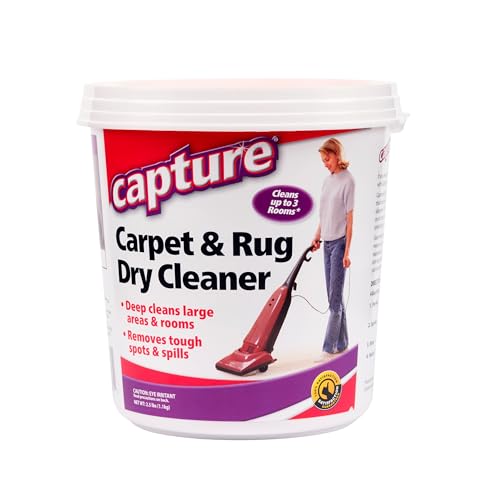
ABSORBENT DEEP DRY CLEANING: Wet cleaners cause wicking by leaving moisture in carpets, rugs, upholstery, furniture, sofa, and couch. With Capture Powder Cleaner, the spots do not reappear, it acts like heavy-duty sponges to absorb dirt and spills.
Related Guides
Frequently Asked Questions
Does sprinkling baking soda on carpet deodorize it?
Yes, baking soda can deodorize light, dry carpet and rug odors by absorbing some moisture and reducing stale smells. Sprinkle a thin layer, let it sit for several hours, then vacuum thoroughly. It will not fix urine, mildew, mold, or old spills trapped in the backing.
How do you deep clean and deodorize carpet?
Vacuum first, treat spots based on the stain type, avoid scrubbing, and use a carpet-safe cleaner according to the label. For pet odors, use an enzyme cleaner. For urine, avoid heat or steam. If odor is widespread or deep, hire a professional cleaner.
How do you deep clean a rug at home?
Check the care label first. Vacuum both sides if the rug allows it, spot-test your cleaner, treat stains by blotting, and avoid over-wetting. Wash only rugs labeled washable. Wool, silk, viscose, jute, antique, and hand-knotted rugs are safer with professional cleaning.
How long does it take for a rug to stop smelling?
A lightly deodorized rug may smell better the same day after baking soda and vacuuming. A wet-cleaned rug may need 6–24 hours to dry. Pet urine, smoke, mildew, or soaked-in spills can take longer and may need repeated enzyme treatment or professional cleaning.
Can vinegar damage a rug?
Yes, vinegar can damage or discolor some rugs, especially delicate, natural-fiber, antique, or non-colorfast rugs. Always dilute vinegar, spot-test in a hidden area, use only a light mist, and avoid using it on rugs labeled dry clean only.
Why does my rug still smell after cleaning?
The odor may be in the rug backing, pad, or floor underneath. It can also come from leftover cleaner residue, slow drying, pet urine crystals, mildew, or a spill that was not fully removed. Check underneath the rug and dry the area completely before repeating treatment.
Conclusion
Getting odors out of a living room rug is easiest when you match the method to the source. Vacuum and baking soda are great for light, stale smells. Vinegar-water can help some surface odors on colorfast, moisture-safe rugs. Enzyme cleaners are the better choice for pet accidents and organic spills. For musty smells, valuable rugs, or odors that keep returning, drying and professional cleaning are the safer path.
Sources
- The Carpet and Rug Institute: Cleaning and Maintenance — supports vacuuming, spill cleanup, pet odor precautions, and professional cleaning frequency.
- U.S. Environmental Protection Agency: A Brief Guide to Mold, Moisture and Your Home — supports moisture control, 24–48-hour drying guidance, and mold cautions.
- American Cleaning Institute: Stain Removal Guide — supports prompt stain treatment and enzyme-containing products for biological stains.
- U.S. Environmental Protection Agency: Safer Choice — supports selecting cleaning products with ingredients safer for people and the environment.


[…] How to Get Odors Out of a Living Room Rug: Step-By-Step Guide […]