By Editorial Team · Reviewed for accuracy · Last updated July 7, 2026
Curtains can help with temperature control, but fit and fabric matter more than the label. Thick, lined, close-fitting curtains reduce solar heat gain in summer and help slow heat loss in winter. The best setup covers the full window, overlaps the frame, hangs close to the wall, and closes during the hottest or coldest parts of the day.
Use this guide to choose curtain fabric, length, lining, layering, and hanging placement for a more comfortable room. Curtains will not seal a leaky window, but they can work well with caulk, weatherstripping, window film, shades, or blinds.
Quick Answer
Curtains and drapes help control room temperature when they use thick, tightly woven, or lined fabric and cover the window closely. For cooling, close light-backed curtains on sunny windows during the day. For warmth, open curtains on sunny winter days, then close them at night to reduce cold drafts and heat loss.
Key Takeaways
- Choose thick, tightly woven, or thermal-lined curtains to slow heat transfer.
- Hang curtain rods several inches above and beyond the window frame to reduce drafts.
- Use floor-length panels when you want stronger insulation around the window.
- Layer sheer curtains with heavier drapes when you want light control and insulation.
- Seal window gaps first because curtains reduce drafts but do not stop air leaks.
| Window Problem | Best Curtain Choice | How to Use It |
|---|---|---|
| Hot afternoon sun | Light-colored blackout or thermal-lined curtains | Close them before direct sun hits the glass. |
| Cold glass at night | Floor-length lined drapes | Close them at sunset and reduce side gaps. |
| Drafty frame | Heavy curtains plus weatherstripping | Seal the leak first, then use curtains as a buffer. |
| Need daylight and privacy | Sheers plus heavier outer drapes | Use sheers by day and close drapes for heat or cold. |
| Large patio door | Wide, full-height thermal panels | Overlap the center and sides as much as practical. |
Struggling With Room Temperature? Discover How Curtains Can Help

If you struggle to keep a room comfortable, your windows may play a bigger role than you think. Curtains act as a soft barrier between the glass and your living space. They help reduce heat gain from direct sun and help hold warmth inside when outdoor air turns cold.
The effect depends on coverage. A curtain that stops at the sill and leaves wide side gaps will do less than a lined panel that reaches the floor and overlaps the frame. For sunny rooms, blackout or light-backed curtains help most when you close them before the sun heats the glass.
What Research Says About Curtains and Temperature Control
The U.S. Department of Energy says drapery performance depends on fabric type, weave, color, and fit. It also reports that medium-colored draperies with white-plastic backings can reduce summer heat gains by 33%, while most conventional draperies can reduce winter heat loss from a warm room by up to 10% when drawn in cold weather. Source: U.S. Department of Energy.
Fit is the main lesson. Close curtains on windows receiving direct sunlight during hot weather. In winter, open coverings on sunny windows during the day, then close them at night. For maximum insulation, hang drapes close to the window, let them fall to the sill or floor, and reduce gaps at the top, sides, and center.
How Thermal Insulation in Curtains Works
Curtains improve comfort because they slow the movement of heat through windows. Glass transfers heat more easily than insulated walls, so a covered window often feels less drafty. Thick fabric, lining, and close coverage all help create a buffer zone.
The best curtain setup limits three problems: heat from sunlight, cold air near the glass, and drafts around the frame. Curtains cannot replace proper window sealing, but they can make a clear difference in how a room feels.
Types of Thermal Fabrics
The right fabric can improve comfort without making the room feel heavy or dark. Thick polyester, velvet, and tightly woven cotton all reduce airflow better than thin, loose fabric. Thermal-backed curtains add a lining that helps slow heat movement.
| Fabric Type | Insulation Strength | Best Use |
|---|---|---|
| Heavy Polyester | High | Bedrooms and living rooms |
| Velvet | High | Cold rooms and formal spaces |
| Tightly Woven Cotton | Moderate | Casual rooms with softer light |
| Thermal-Lined Fabric | High | Rooms with drafts or strong sun |
Insulation Properties Explained
Curtains insulate best when they reduce open gaps around the window. A thick panel creates a still layer of air between the room and the glass. That layer helps slow heat loss in winter and heat gain in summer.
Heavier fabrics usually perform better than lightweight sheers. Blackout linings can also help because they block direct sunlight and add more material between the room and the window.
Energy Efficiency Benefits
Energy-efficient curtains can reduce the need for heating and cooling, especially in rooms with large or older windows. The exact savings depend on your window type, climate, curtain fit, and how often you open or close the panels. You’ll usually see the best results when curtains cover the full window and sit close to the wall.
Curtain color can also affect comfort. Light colors and white backings reflect more sunlight, which helps in hot rooms. Dark colors may absorb more warmth, so they can make sunny rooms feel hotter if the backing faces the sun.
Curtains vs. Drapes: Which Insulates Better?
People often use the words curtains and drapes together, but the fit can differ. Curtains usually cover the window opening. Drapes often run to the floor, use heavier fabric, and feel more formal. For temperature control, the better choice is the one that covers the most glass with the fewest air gaps.
Choose drapes for cold rooms, large windows, patio doors, and bedrooms that need stronger light blocking. Choose curtains for smaller windows, kitchens, or rooms where easy washing matters more than maximum insulation. Either option works better when the fabric is lined and the rod extends beyond the frame.
Recommended Products
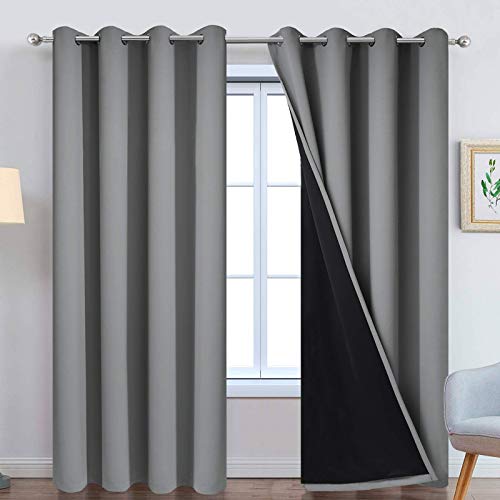
PACKAGE MADE:2 panels per package. Each Lined Curtain measures 52" wide x 84" long. 8 Silvery Grommets per panel. This silvery grommet (1.6 inch inner diameter) fits many rods. Easy to hang and smooth to slide. The simple design gives people a sense of ease.
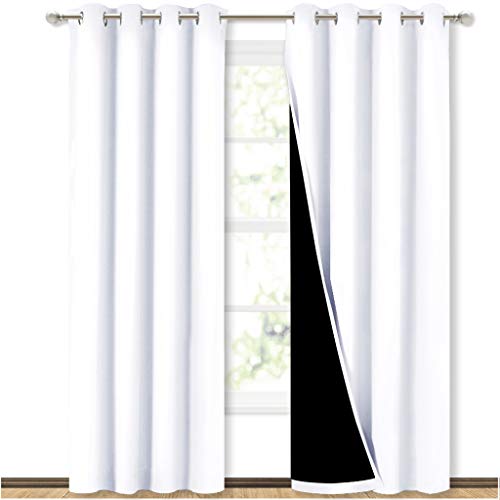
Ready Made: 2 panels per package. Each Classic Curtain measures 52" wide x 84" long (Total width is 104"). The unique design of the silver grommet (1.6 inch inner diameter) creates casual elegance for your house, which makes the curtains easy to install and slide.

Pair Sold: Each package includes 2 panels of blackout curtains. Each panel measures 40"W x 84"L, with a pair measuring 80"W x 84"L. Each panel has 6 anti-rust silver grommets(1.6 inch inner diameter) which would fit most standard curtain rods
How to Select Thermal Curtains for Better Temperature Control
Choose thermal curtains with thick fabric, tight weaving, and a lined or coated back. These details help the curtain block drafts, reduce glare, and slow heat transfer. A heavier panel often hangs better and creates fewer gaps along the sides.
Look for curtains that clearly state thermal or insulating features on the label. For sunny rooms, blackout or light-blocking linings can reduce heat from direct sun. For cold rooms, choose floor-length panels that cover the full window area.
Pro tip: For the strongest temperature control, pair thermal curtains with sealed window gaps and weatherstripping.
Recommended Products

SIZE & MATERIAL:Set includes 2 panels blackout curtains(52" Wide by 84" Long). Each panel has 8 grommets.The interior diameter of hole is 1.6 inch.It's easy to hang. Curtains are made by quality faux linen.

100% Total Blackout & UV Blocking: Achieve perfect darkness with these blackout curtains! The dedicated liner blocks 100% sunlight and UV rays, ideal for any bedroom or living room. This blackout curtain protects furniture from fading and helps regulate room temperature year-round.

SET DETAILS: Set of 2 light gray total blackout curtain panels per package. Each lined curtain measures 42 inch wide by 63 inch long with 6 silver metal grommets (1.6 inch inner diameter) on top, easy to install and slide.
How to Measure Windows for Optimal Curtain Coverage
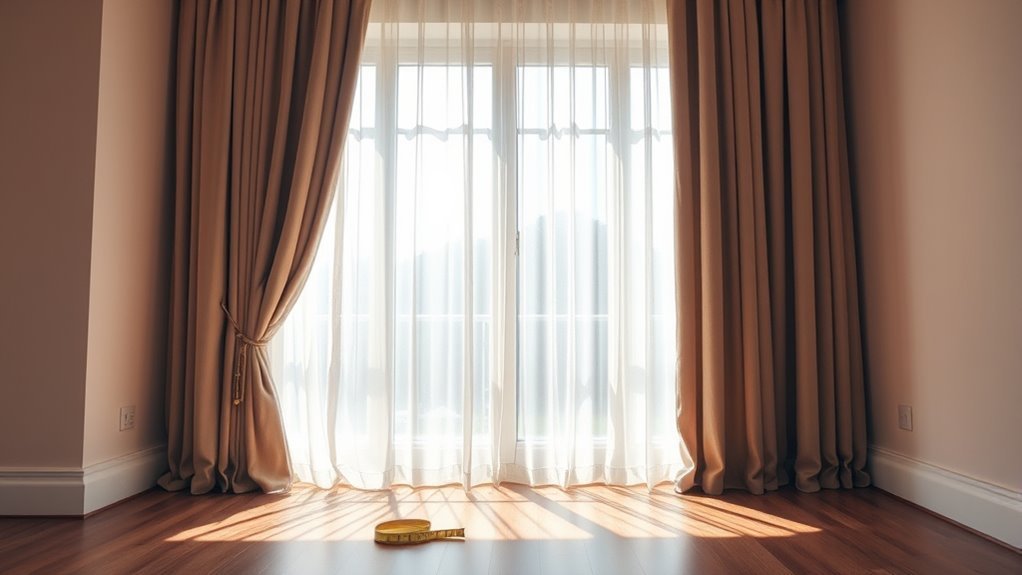
Accurate measurements help your curtains cover the window without leaving side gaps. Measure the window width first, then add 4 to 10 inches on each side for better coverage. This wider setup helps block drafts and makes the window look larger.
For fullness, choose curtain panels with a combined width about 2 to 2.5 times the window width. Measure from the planned rod height to the floor or sill, based on your preferred length. Floor-length curtains should hover about 1/2 inch above the floor for a clean look.
How to Hang Curtains to Boost Energy Efficiency
The way you hang curtains matters as much as the fabric you choose. Mount the rod several inches above the window frame to reduce exposed glass. Extend the rod beyond the frame so the panels can cover side gaps when closed.
Hang curtains close to the wall when you can. A closer fit helps trap air near the window and limits drafts around the edges. Use sturdy brackets so heavier drapes stay level and close smoothly.
- Mount rods high enough to cover the top of the window fully.
- Extend rods wide enough to let panels cover the frame edges.
- Choose enough panel width so curtains look full when closed.
- Use center overlap, wraparound rods, or side fasteners if drafts are severe.
- Close curtains during the hottest or coldest parts of the day.
How Curtain Length Affects Temperature Regulation
Curtain length affects how much air can move around the window. Short curtains may look neat, but they leave more space for warm or cold air to pass through. Longer curtains create a better barrier because they cover more of the wall and window area.
Short Curtains Can Let in More Heat and Drafts
Short curtains can allow more sunlight, heat, and air movement around the lower part of the window. That may make a room feel warmer in summer and colder in winter. They work best when style, safety, or radiator clearance matters more than insulation.
- More sunlight: Short curtains leave more glass exposed and can increase heat gain.
- Less insulation: They block less airflow than longer panels.
- More temperature swings: Open gaps can make rooms feel less stable.
Long Curtains Improve Coverage and Comfort
Long curtains can improve comfort because they cover more of the window area. Floor-length panels help block drafts near the sill and lower frame. For stronger results, choose heavy or lined fabric.
| Curtain Length | Insulation Quality | Best Use |
|---|---|---|
| Floor-Length | High | Temperature control |
| Mid-Length | Moderate | Casual rooms |
| Short | Low | Kitchens and small windows |
| Heavier Fabrics | Best | Drafty or sunny windows |
| Lighter Fabrics | Low | Light filtering |
When Curtains Are Not Enough
Curtains help comfort, but they do not fix structural air leaks. If curtains move when the window is closed, or you hear whistling during wind, seal the gaps before relying on fabric. Use caulk for fixed gaps, weatherstripping for moving parts, or window film as a temporary seasonal layer.
Also check what sits under the window. If long curtains cover a radiator or heat register, they may trap warm air behind the fabric instead of letting it circulate into the room. In that case, use sill-length curtains, blinds, or a layered setup that leaves the heat source clear.
Recommended Products

WINDOW AND AIR CONDITIONER SEALING TAPE: Stop drafts and energy loss instantly with a tape designed to seal gaps around windows, doors, and AC units. Whether you are filling spaces around a window air conditioner or sealing a drafty frame, this tape keeps your home comfortable in every season.

Upgraded Wedge Design: This window draft stopper features an upgraded wedge design, tapering from 5/32" to 11/32" (0.16"–0.35") to fit a wide variety of gap sizes. Ideal for use on various doors and windows
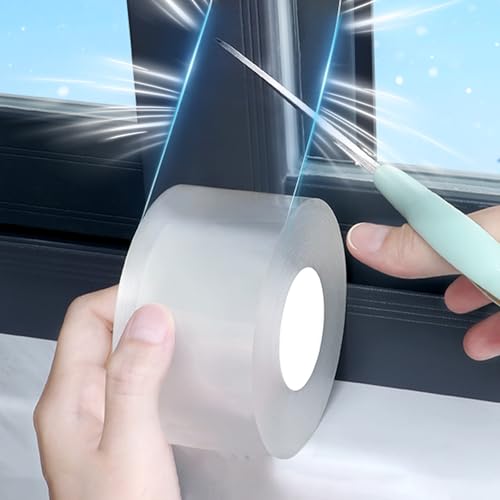
1. 💪 INSTANTLY SEALS DRAFTS AND STOPS ENERGY WASTE. APORNI clear weather sealing tape seals window gaps, door frames, and drafty cracks in seconds. Just cut, peel, and press — no tools, no mess, no skills required. The 20 mil thick tape creates an invisible barrier that keeps warm air in during winter and cool air in during summer — giving you year-round comfort while reducing your energy bills starting from day one.
Layering Techniques for Improved Insulation
Layering curtains gives you more control over light, privacy, and temperature. A sheer layer can soften light during the day, while a heavier drape adds insulation when closed. This setup works well in bedrooms, living rooms, and rooms with strong sun.
- Pair sheers with heavier drapes: Use sheers for light control and drapes for insulation.
- Add thermal or blackout liners: Use liners to reduce heat gain and heat loss.
- Use double-layered designs: Add more fabric layers to reduce drafts near the glass.
Keep each layer easy to move. Curtains only help temperature control when you open and close them at the right times.
Seasonal Curtain Schedule for Better Comfort
Use curtains differently by season. In summer, close curtains on east-facing windows in the morning and west-facing windows before afternoon sun. South-facing windows also need daytime coverage in hot climates. Open windows and curtains only when outdoor air feels cooler than indoor air.
In winter, open curtains on sunny windows during the day so sunlight can warm the room. Close them before the glass cools in the evening. Keep curtains closed overnight on cold windows, especially if the room has single-pane glass or noticeable drafts.
Tips for Maintaining Effective Curtains
Clean curtains work better and look better. Dust can build up on fabric and make panels harder to open and close. Follow the care label so you do not shrink, fade, or damage lined curtains.
Check the rod, brackets, rings, and hooks a few times a year. Tight hardware helps curtains hang close to the wall and cover the window evenly. Replace bent hooks or weak brackets when panels start to sag.
- Vacuum curtains with a soft brush attachment.
- Wash or dry-clean panels based on the care label.
- Close curtains during peak sun on hot days.
- Open curtains on sunny winter days to let warmth in.
- Close panels at night to reduce heat loss.
Energy-Efficient Curtain Design Trends to Consider
Energy-efficient curtains now combine comfort, style, and easier daily use. Many designs use thermal lining, blackout backing, or tightly woven fabrics. These features help you control light and temperature without giving up style.
- Thermal lining: Lined panels add insulation and help rooms feel more stable.
- Blackout curtains: Light-blocking designs help reduce glare and solar heat gain.
- Layered window treatments: Sheers, blinds, and drapes let you adjust light and insulation through the day.
- Eco-conscious fabrics: Organic cotton and recycled fibers can support a lower-waste home.
Choose the trend that fits your room’s main problem. A sunny bedroom may need blackout curtains, while a cold living room may need heavy thermal drapes.
Common Mistakes That Reduce Curtain Insulation
Small hanging mistakes can weaken even high-quality curtains. Panels that stop too short, sit too narrow, or leave a gap at the top will let air move around the window. Poor fullness can also make curtains look thin and reduce coverage.
Avoid rods that match the exact window width. Use a wider rod so closed curtains overlap the frame on both sides. Choose enough fabric so the panels stay full instead of stretching flat across the window.
Sources and Methodology
This guide prioritizes energy-agency guidance over retailer claims. The main references are the U.S. Department of Energy’s window covering guidance and window weatherization tips, plus Energy.gov.au guidance on close-fitting lined curtains, floor-length coverage, and sealing gaps. DOE window coverings · DOE window tips · Energy.gov.au windows.
Frequently Asked Questions
Do Curtains Help With Temperature Control?
Yes. Curtains help with temperature control by blocking direct sun, slowing heat transfer through glass, and reducing the cold feeling near windows. They work best when the fabric is thick or lined and the panels cover the window closely.
What Is the Correct Way to Put Curtains?
Mount the rod above the window frame and extend it several inches past each side. Choose panels that fully cover the window and hang close to the floor when you want better insulation. Use sturdy brackets that can support the fabric weight.
What Is the Current Trend for Curtains?
Current curtain trends focus on layered looks, natural textures, thermal lining, and soft neutral colors. Many homeowners also choose blackout or energy-efficient curtains for bedrooms and sunny rooms. The best trend is the one that solves your room’s comfort problem.
What Are the Common Mistakes in Hanging Curtains?
Common mistakes include hanging rods too low, choosing panels that are too narrow, and using curtains that stop too far above the floor. Thin fabric can also reduce insulation if the room has drafts or strong sun. Measure carefully before you buy panels.
How Many Curtains for a 72 Inch Window?
For a 72-inch window, use two panels with a combined width of about 144 to 180 inches for good fullness. Wider panels cover better and hang with softer folds. Choose longer panels if you want stronger insulation.
Do Thermal Curtains Work in Summer and Winter?
Thermal curtains can help in both seasons. In summer, they reduce heat from direct sun when closed during peak heat. In winter, they help hold warmer indoor air away from cold glass.
Are Blackout Curtains the Same as Thermal Curtains?
No. Blackout curtains mainly block light. Thermal curtains focus on insulation. Many curtains do both, but a blackout label alone does not guarantee strong insulation. Look for thick fabric, tight weave, lining, and close coverage.
Are Curtains Enough to Fix Drafty Windows?
Curtains can reduce the feeling of drafts, but they do not seal air leaks. If you feel strong airflow around the frame, seal gaps with caulk, weatherstripping, or window film. Curtains work best as part of a full window comfort plan.
Conclusion
The right curtains can make your room feel more stable, comfortable, and energy smart. Focus on thick fabric, full coverage, proper length, and careful hanging before you worry about style details. Start with your draftiest or sunniest window, then choose curtains that solve that room’s main problem.
For the biggest improvement, combine curtains with better window sealing. Close panels during peak heat, open sunny windows in winter, and close curtains at night when the glass turns cold. With a few smart changes, your windows can work harder for your comfort every day.