Choosing between a leather and fabric sofa comes down to more than looks. The better option depends on how your household actually lives: pets, kids, allergies, budget, climate, cleaning habits, and how long you expect the sofa to stay in your home. Leather is often easier to wipe clean and can age beautifully, while fabric offers more color, texture, softness, and budget flexibility.
Quick Answer
Leather is usually easier to wipe clean and often has a durability edge when it is high-quality, finished leather. Fabric is usually softer, warmer, more affordable, and available in more styles. For busy homes, the best choice is often finished leather or a high-performance fabric with a clear cleaning code and strong abrasion rating.
Key Takeaways
- Choose leather if you want easy spill cleanup, a polished look, and a material that can develop character with age.
- Choose fabric if you want softness, more colors and patterns, a lower upfront price, or a cozy feel in cold rooms.
- For pets and kids, compare finished leather against performance fabric rather than basic cotton or low-grade bonded leather.
- For allergies, leather may be easier to wipe clean, but no sofa is allergen-proof; regular dust control still matters.
- For long-term value, frame quality, cushion density, warranty, seams, and care habits matter as much as the upholstery material.
Key Considerations When Choosing Leather vs. Fabric Sofas
When comparing leather vs. fabric sofas, focus on five practical questions: How messy is your household? How often will the sofa be used? Do you have pets or children? Do you prefer a cool, sleek surface or a soft, warm one? And how much maintenance are you willing to do?
| Category | Leather Sofa | Fabric Sofa |
| Cleaning | Finished leather usually wipes clean quickly after small spills. | Needs vacuuming, fast blotting, and cleaner matched to the fabric code. |
| Comfort | Can feel cool at first, then warms with body heat. | Usually feels softer and warmer immediately. |
| Style | Classic, tailored, modern, rustic, or luxury depending on leather type. | More color, pattern, weave, and texture options. |
| Best for | Spills, formal rooms, modern spaces, and easy wipe-down care. | Cozy rooms, colorful decor, tight budgets, and washable or performance upholstery. |
Durability Comparison: Which Sofa Lasts Longer?
A high-quality leather sofa can outlast many basic fabric sofas, but the material alone does not decide the sofa’s lifespan. A strong hardwood or engineered-wood frame, supportive suspension, dense cushions, tight stitching, and good care often matter just as much as the cover.
Leather durability depends on the type of leather. Full-grain and top-grain leather are usually the strongest choices for long-term use. Corrected-grain leather can still be practical, but it may not age as naturally. Bonded leather and some faux leathers are usually the riskiest choices if you want long service life because they can peel, crack, or flake when the surface layer wears down.
Fabric durability depends on fiber, weave, backing, stain treatment, and abrasion testing. If you are buying a fabric sofa for a busy room, ask for the upholstery’s Wyzenbeek or Martindale abrasion information. These tests are commonly referenced through standards such as ASTM D4157 for oscillatory-cylinder abrasion testing and ASTM D4966 for Martindale abrasion testing. Higher ratings can help, but they should be considered alongside stain resistance, pilling, seam quality, and manufacturer warranty.
Note: A cheap leather-look sofa is not the same as a quality leather sofa. When durability matters, compare full-grain or top-grain leather against high-performance fabric, not against bonded leather or thin faux leather.
Recommended Products
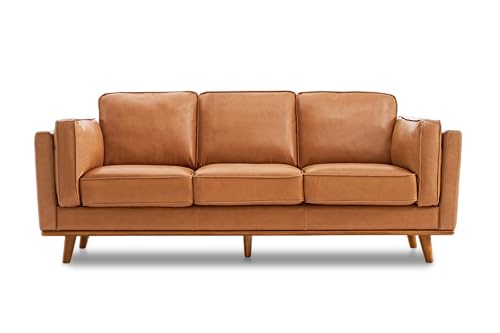
Luxurious Materials: The Artisan couch from Valencia is fully upholstered in Italian Nappa Leather that is Italian tanned leather, offering unparalleled luxury and a premium feel that only top-quality materials can provide.

Genuine Top Grain Leather: Featuring a vintage sheen and an incredibly soft feel, office sofa is crafted from premium genuine leather. Each piece is expertly treated to highlight its natural color variations, wrinkles, and creases, creating a unique and authentic look.

AUTHENTIC LEATHER TOUCH - Enjoy a luxurious feel with a combination of leather and faux leather featuring 100% genuine top-grain leather on inside seating areas with skillfully matched exterior covers
Maintenance Made Easy: Cleaning Leather vs. Fabric
Leather is usually easier for everyday spills, especially when it is finished or protected. Fabric needs more routine care because dust, crumbs, pet hair, and body oils can settle into the weave. Either way, always check the manufacturer’s care label before using water, soap, solvent, conditioner, or a machine cleaner.
Cleaning Leather Simply
Finished leather usually needs light dusting, gentle vacuuming in crevices, and quick wiping with a barely damp soft cloth. For deeper care, follow the sofa maker’s instructions and use a leather-safe product. Better Homes & Gardens recommends regular dusting and vacuuming for leather furniture and notes that conditioner is commonly recommended every 6 to 12 months, depending on the piece and manufacturer guidance.
Warning: Do not soak leather, scrub aggressively, or use bleach, ammonia, glass cleaner, hydrogen peroxide, or harsh household cleaners. Test any leather product in a hidden spot first.
Fabric Stain Management
Fabric sofas are not automatically hard to own, but they demand faster action. Blot spills immediately with a clean, absorbent cloth instead of rubbing. Then follow the sofa’s cleaning code. A “W” code usually means water-based cleaners are allowed, “S” means solvent-based cleaning, “WS” or “SW” means either may be allowed, and “X” means vacuum-only cleaning. Current couch-cleaning guidance from Good Housekeeping also emphasizes checking the care label before treating stains.
Regular Maintenance Routine
A simple routine keeps both materials looking better for longer. Leather needs gentle dust removal and occasional conditioning. Fabric needs more frequent vacuuming and prompt spot treatment.
| Maintenance Task | Leather | Fabric |
| Weekly care | Dust with a soft cloth; vacuum crevices gently. | Vacuum cushions, seams, arms, and under loose cushions. |
| Spills | Wipe quickly; dry the surface afterward. | Blot immediately; treat according to the cleaning code. |
| Deep cleaning | Condition as recommended by the manufacturer. | Use upholstery-safe methods or hire a professional for delicate fabrics. |
How Maintenance Impacts Comfort: Leather vs. Fabric
Maintenance affects comfort because dirt, oils, pet hair, and dust change how a sofa feels. A neglected fabric sofa can feel dull, dusty, or compressed. Neglected leather can dry out, crack, or lose its supple feel.
Cleaning Ease Comparison
For everyday cleanup, leather usually wins. Small spills sit on the surface longer, giving you a better chance to wipe them away before they become a problem. Fabric is more varied. Some performance fabrics resist stains well, while untreated natural fibers may absorb spills quickly.
Fabric sofas do have an advantage when covers are removable and washable. If the manufacturer allows machine washing, removable covers can make a fabric sofa much easier to live with in a family room.
Comfort Over Time
Leather and fabric feel different as they age. Quality leather can soften and develop a patina, which many people love. Fabric may feel softer from day one, but it can pill, fade, stretch, or hold odors if the material is low quality or poorly maintained.
Pro Tip: Always order swatches before buying. Rub the swatch, spill a few drops of water on it, check how it feels against bare skin, and view it in your room’s natural light.
Cost Breakdown: Leather vs. Fabric Long-Term Value and Initial Investment
Leather sofas usually cost more upfront than fabric sofas, especially when the leather is full-grain or top-grain. Fabric sofas usually offer more budget options, but the price range is wide because performance fabrics, custom upholstery, and designer brands can cost as much as leather.
Instead of judging value by the sticker price alone, compare the cost per year of use. A more expensive sofa can be the better value if it has a strong frame, durable cushions, repairable upholstery, and a warranty that fits your household. A cheaper sofa can still be a smart choice if you are renting, decorating temporarily, or expect your style to change soon.
The best long-term value is not always leather or fabric. It is the sofa with the right upholstery, frame, cushion quality, warranty, and care routine for your home.
Recommended Products

Electric Recline for Customized Relaxation: Easily adjust to your desired position with the touch of a button. This electric recliner couch allows you to recline effortlessly, offering a fully customizable lounging experience.

Fully upholstered in the finest 100% Italian Nappa 11000 top grain leather for a premium and sophisticated look and feel.

Cloud-Like Comfort for Real Living Rooms: Sink into the oversized cloud comfort of this sectional sofa—designed for the way you actually live. With extra-deep 25" seats, double-stuffed with 2.0-lb high-density foam wrapped in a feather-poly blend, it cradles your entire body from head to toe. Lofty, adjustable back and arm pillows let you prop your neck, back, and arms at the perfect angle. Rated medium-soft (3/5), the no-sag sinuous springs and elastic webbing deliver layered, plush support that holds its shape, with a 350 lb weight capacity per seat.
Finding the Right Sofa for Your Lifestyle
The right sofa material should match your daily routine. Here is the simplest way to decide.
Choose Leather If
- You want quick wipe-down cleaning for minor spills.
- You prefer a sleek, tailored, modern, rustic, or luxury look.
- You do not want to vacuum upholstery fibers as often.
- You like the character of patina and natural aging.
- You are choosing high-quality finished leather, not bonded leather.
Choose Fabric If
- You want the widest range of colors, patterns, and textures.
- You prefer a softer, warmer feel immediately.
- You are shopping on a tighter budget.
- You want removable covers or washable cushion covers.
- You are choosing a performance fabric with stain resistance and a clear care code.
Best Choice for Pets, Kids, and Allergies
For pets, finished leather can be easier to wipe clean, but claws can scratch it. A tightly woven performance fabric may hide scratches better, but it can hold pet hair and odors if not vacuumed often. For children, both materials can work: finished leather handles many small spills well, while performance fabric can offer a softer feel and better color variety.
For allergy concerns, leather may be easier to wipe because dust is less likely to settle deep into fibers. Still, no sofa removes allergens on its own. Mayo Clinic recommends reducing dust reservoirs, using damp dusting methods, vacuuming padded furniture with an appropriate filter, and keeping indoor humidity low to help manage dust mites.
Style Considerations: Match Your Aesthetic Preferences
Leather gives a room a more structured look. Brown leather feels warm and classic, black leather feels modern and bold, and tan leather works well in mid-century, rustic, and transitional spaces. Leather also pairs easily with wood, metal, wool rugs, and linen accents.
Fabric offers more creative freedom. You can choose velvet, boucle, linen blends, microfiber, chenille, or flatweave upholstery. Fabric is also the stronger choice if you want a specific color, a patterned sofa, a soft coastal look, or a cozy family-room feel.
What to Check Before Buying Either Sofa
- Frame: Look for a sturdy hardwood or high-quality engineered frame.
- Cushions: Ask about foam density, down blend, fiber fill, and whether cushions can be rotated.
- Suspension: Sinuous springs, webbing quality, and eight-way hand-tied springs all affect comfort and longevity.
- Upholstery details: Check seams, piping, zipper quality, cushion fit, and how the material wraps around corners.
- Care instructions: Read the label before buying, not after the first spill.
- Warranty: Compare frame, cushion, fabric, leather, and mechanism coverage separately.
- Swatches: Test color, texture, scratching, water reaction, and pet hair visibility at home.
Recommended Products

STOP FURNITURE FROM MOVING: Furniture cups locks furniture in place while protecting hardwood, tile, laminate, linoleum, and any floors surface from damage from furniture. Square furniture pads won't scratch or damage the floor, the friction is excellent to reduce noise, it's safety & useful for any floors or carpet

STOP FURNITURE FROM MOVING: Furniture cups locks furniture in place while protecting hardwood, tile, laminate, linoleum, and any floors surface from damage from furniture. Square furniture pads won't scratch or damage the floor, the friction is excellent to reduce noise, it's safety & useful for any floors or carpet

1. Anti-Slipping Pad – Anti-slip rubber rail pads will keep all furniture in place and protect the floor from ugly scratches.
Frequently Asked Questions
Do leather or fabric sofas last longer?
High-quality leather often has a durability advantage, especially when it is finished leather and cared for properly. However, a strong performance fabric can outlast cheap bonded leather or low-quality faux leather. Frame construction, cushion quality, use, sunlight, pets, and maintenance all affect the final lifespan.
Is it better to have a leather or fabric sofa?
Leather is better if you want a polished look, easy wipe-down cleaning, and a material that can develop patina. Fabric is better if you want softness, more colors, more texture options, and a lower starting price. For active homes, compare finished leather with performance fabric.
What sofa material is the easiest to maintain?
Finished leather is usually the easiest for small spills because it can often be wiped clean quickly. Fabric requires more vacuuming and faster stain response. That said, removable washable covers and modern performance fabrics can make fabric much easier to maintain than older untreated upholstery.
Is leather or fabric better for pets?
It depends on the pet. Leather is easier to wipe free of fur and small messes, but claws can scratch it. Performance fabric may hide scratches better and feel cozier, but it can trap hair and odors. Choose tight weaves, durable finishes, and colors that disguise everyday pet wear.
Is leather or fabric better for allergies?
Leather may be easier to wipe clean and may trap less dust in fibers than many fabric sofas. But no sofa is allergy-proof. If dust mites or indoor allergens are a concern, combine your sofa choice with regular vacuuming, damp dusting, humidity control, and washable textiles.
Conclusion
Leather and fabric sofas can both be excellent choices, but they serve different homes best. Choose leather if you value easy wipe-down care, a structured look, and natural aging. Choose fabric if you want softness, color variety, pattern options, and a lower upfront price. For the most durable choice, look beyond the cover material and compare the leather grade or fabric rating, frame construction, cushion quality, warranty, and care instructions.
Sources
- Mayo Clinic — Dust mite allergy diagnosis and treatment — supports allergy and dust-control guidance for padded furniture, humidity, vacuuming, and dust reduction.
- Better Homes & Gardens — How to clean leather furniture — supports leather dusting, vacuuming, and conditioning guidance.
- Good Housekeeping — How to clean any couch — supports checking care labels, vacuuming, blotting spills, and using material-appropriate cleaning methods.
- ASTM D4157 — Abrasion resistance of textile fabrics — supports reference to Wyzenbeek-style abrasion testing for upholstery fabrics.
- ASTM D4966 — Martindale abrasion resistance of textile fabrics — supports reference to Martindale abrasion testing for upholstery fabrics.