How to Arrange Living Room Furniture for Better Flow
Arrange living room furniture for better flow by planning the walking path first, then placing the sofa, chairs, coffee table, rug, and storage around that route. Keep main walkways 30 to 36 inches wide, keep the coffee table about 16 to 18 inches from seating in most rooms, and leave doorways clear so people can enter without stepping around furniture. Once the movement path works, use rugs, lighting, and table placement to make the seating area feel intentional.
Quick Answer
For good living room flow, keep main walkways 30 to 36 inches wide. Place coffee tables 16 to 18 inches from seating in most rooms, or up to 24 inches when people need to pass between the sofa and table. Leave about 3 feet clear near doorways, and pull sofas a few inches from walls when space allows. These spacing rules help you move with ease while keeping the room warm and inviting.
Key Takeaways
- Keep main walkways 30 to 36 inches wide so people can move without bumping into furniture.
- Place coffee tables about 16 to 18 inches from sofas and chairs for easy reach and comfortable knees.
- Leave about 3 feet clear in front of doorways, entry points, and busy paths.
- Use flexible seating, such as ottomans, poufs, and side chairs, to add seats without crowding the room.
- Define zones with rugs, tables, and furniture placement so each area has a clear purpose.
Living Room Furniture Spacing Cheat Sheet
Use this spacing table before you move heavy furniture. It gives you a practical starting point, then you can adjust for small rooms, mobility needs, open-plan spaces, and furniture scale.
| Layout Area | Best Starting Clearance | Small-Room Adjustment | Why It Matters |
|---|---|---|---|
| Main walkway | 30 to 36 inches | Use 30 inches only where space is tight | Keeps daily movement comfortable and reduces squeeze points |
| Secondary path | 18 to 24 inches | Use only for short, low-traffic routes | Lets people reach a side table, lamp, or window without wasting floor space |
| Sofa to coffee table | 16 to 18 inches | Use a round table or ottoman if corners feel tight | Keeps drinks within reach while leaving legroom |
| Doorway or entry route | About 36 inches clear | Keep the swing area open even if the room is small | Makes entry and exit feel natural |
| Facing conversation seats | About 4 to 8 feet apart | Angle chairs inward instead of adding more pieces | Supports eye contact and normal conversation |
Start With the Main Traffic Path
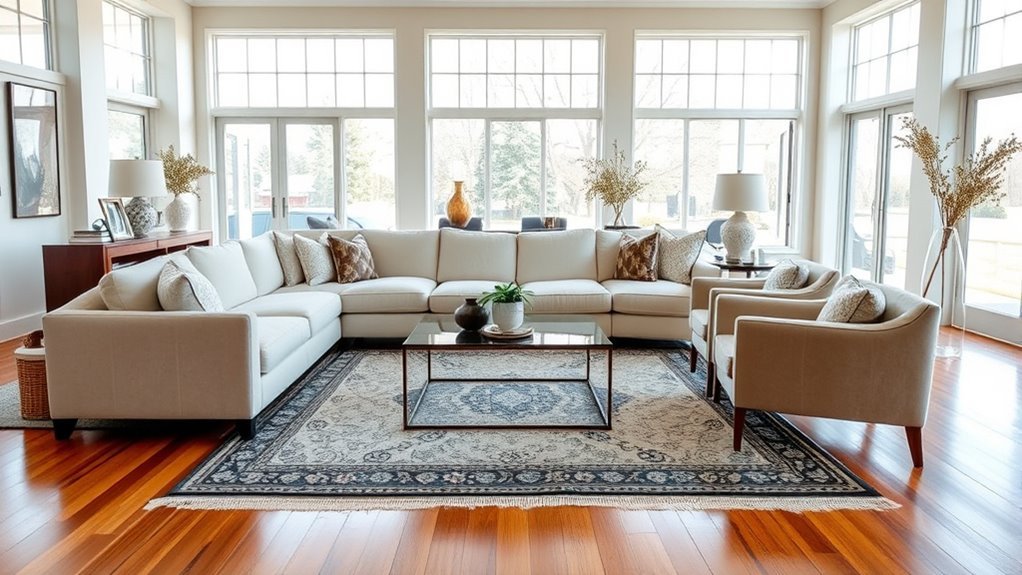
Start by choosing the main path through your living room. This route usually connects the doorway to the sofa, TV, fireplace, window, hallway, dining area, or patio door.
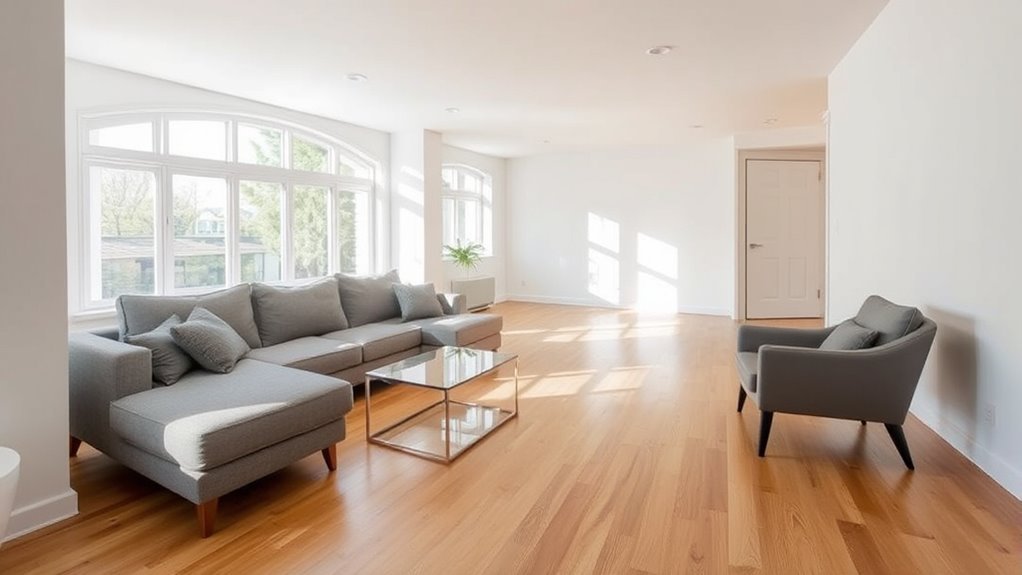
Keep that path clear before you decide where each sofa, chair, and table should go. If the fastest route cuts through the middle of the seating group, shift the furniture so people can walk around the conversation area instead of through it.
Pull sofas 3 to 5 inches away from walls when the room allows it. This small gap improves airflow, softens the layout, and helps the room feel less boxed in.
For a deeper definition of movement paths, read our guide to traffic flow in a living room layout.
Essential Clearance Measurements for Furniture
Clearance measurements turn guesswork into a simple layout plan. Use these numbers as a starting point, then adjust them for your room size, furniture scale, and daily habits.
Recommended Products

Powerful Magnetic Hook: Rare earth magnetic hook securely grips onto ferrous metals.

2 Pack Soft Fashion Measuring Tape Set. Double sided, 60 inch / 150 cm, portable,durable tape measure. Small and light pocket size measuring tape.
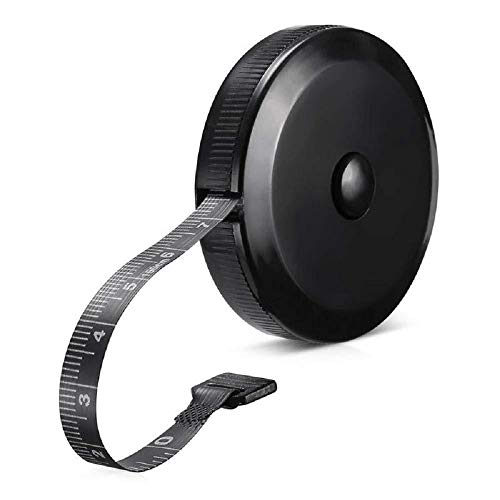
Package Include:1 Pack Soft Retractable Black Dual Sided Tape Measure Body Measuring Tape Set, Dual sided, 150cm/60inch in length, large and clear markings in both Inches and CM for easier reading, Retractable black measuring tape size 2 x 2 x 0.5 inches, weight 0.02 KG/0.7 OZ
Minimum Walkway Width Requirements
Keep main walkways at least 30 to 36 inches wide. This range gives you enough space to walk through the room without turning sideways.
In tighter spots, keep at least 18 to 24 inches of clearance for short, low-traffic paths. For open-concept layouts, leave wider paths between zones so the living area does not block the dining area or kitchen.
Clearance Around Furniture Pieces
Leave 16 to 18 inches between a sofa and coffee table in most rooms. If people often walk between the sofa and table, or the room has a large sectional, you can stretch that distance closer to 20 to 24 inches.
Keep about 3 feet clear in front of doorways, entry points, and busy paths. If you use dining chairs near the living area, leave enough space behind each chair so people can pull it out and sit down with ease.
Pro tip: Measure your largest furniture first, then tape the outline on the floor before you move heavy pieces.
Smart Ways to Add Extra Seating Without Overcrowding
You can welcome guests without packing every corner with chairs. Choose seating that moves, stacks, stores, or tucks away when you don’t need it.
- Use lightweight ottomans or benches that tuck under tables or against walls.
- Add side chairs that you can pull into the conversation area when guests arrive.
- Layer poufs or stools for casual seating that does not create visual clutter.
- Turn an empty corner into a reading nook with one chair and a small side table.
- Choose storage ottomans that work as seating, surfaces, and hidden storage.
Keep at least 3 feet of clearance around busy routes, even when you add more seats. A flexible layout works best when guests can still move through the room with ease.
For a deeper seating plan, see our step-by-step guide to arranging living room seating for conversation.
Recommended Products

【Perfect Footstool】Comfortable foot stool is length 17 x width 13 x height 13 inches (43x33x33 cm), the perfect size and new thickened foam cushion can make it a good footstool, sitting on the sofa and putting your feet on the ottoman can be a good way to relax your legs, relax your whole body, reduce stress, and enjoy a pleasant time!

Foldable & Quick Setup: This foldable storage ottoman allows effortless tool-free quick assembly within just minutes. The storage bench can fold completely flat when unused and neatly tucked under bed or closet to save extra indoor storage space

Generous Hidden Storage: Measuring 16.9"D x 16.9"W x 18.1"H (43 x 43 x 46 cm), this square ottoman offers a 12-gallon (45.3 L) of storage space—perfect for tucking away books, clothes, and blankets to keep your home neat and organized
How to Define Zones With Thoughtful Furniture Placement
Zones help your living room support more than one activity. You might create one area for conversation, one for reading, and one for watching television.
Use a focal point, such as a fireplace, media wall, coffee table, or large artwork, to guide your main seating group. Face sofas and chairs toward that point while keeping clear paths around the group.
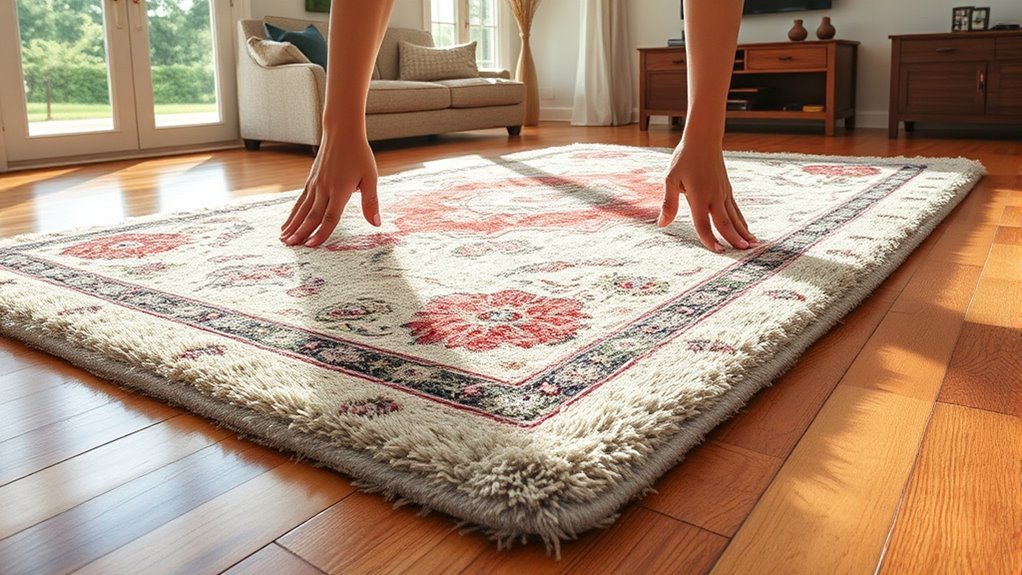
Area rugs can define zones without adding walls. Place the front legs of sofas and chairs on the rug to connect the seating area and make it feel intentional.
Console tables, side tables, and open shelving can separate lounge areas from dining or work zones. Mix furniture heights and shapes so each zone feels useful without feeling crowded.
If your room lacks a clear anchor, use our guide to living room focal points before you finalize the layout.
Best Layout Adjustments by Room Type
The same spacing rules apply to most living rooms, but the best layout changes with the room shape. Use these adjustments before buying new pieces.
Recommended Products

Mid-Century Elegance: Featuring smooth lines and a minimalist build, this coffee table emanates a refined mid-century aura, seamlessly fitting any decor. Its naturally textured surface is ideal for showcasing decor or daily items, instantly enhancing home sophistication as a stylish centerpiece.
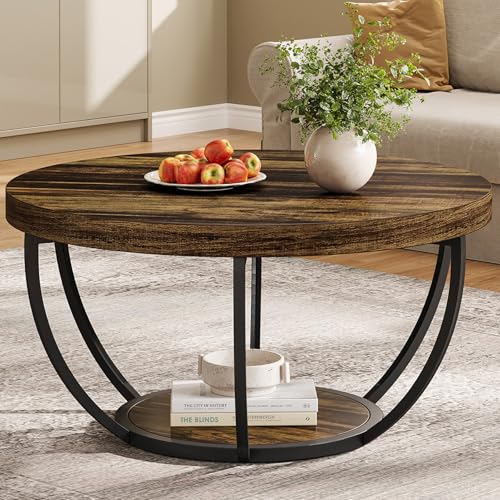
Large Storage Space: Featuring a distinct and robust 2-tier design, this round coffee table boasts a large surface area(31.5" x 31.5"), with a fellow 18.11" x 18.11" base perfect for all your essentials. Its smooth top offers an ideal space for your beverages, and snacks, or a premium display space for those statement décor pieces

Style Reigns: Discover the MAEZO Collection—a furniture line featuring streamlined designs, tapered legs, and smooth, curved transitions. Each piece adds a touch of mid-century modern flair to your home.
Small Living Room
Use fewer large pieces and keep the longest wall for the sofa. Choose a round coffee table, nesting tables, or an ottoman tray if sharp table corners make the walkway feel tight.
Long Narrow Living Room
Divide the room into two zones instead of lining furniture along both long walls. Place the main seating group at one end, then use a rug, slim console, or reading chair to define the second zone.
Open-Concept Living Room
Float the sofa to create a soft boundary between the living area and dining or kitchen area. Keep the path between zones wider than the gaps inside the seating group so the room feels connected, not blocked.
For open-plan comfort beyond furniture placement, read our guide to managing echo and noise in an open-concept living room.
Common Pitfalls to Avoid in Living Room Furniture Layout
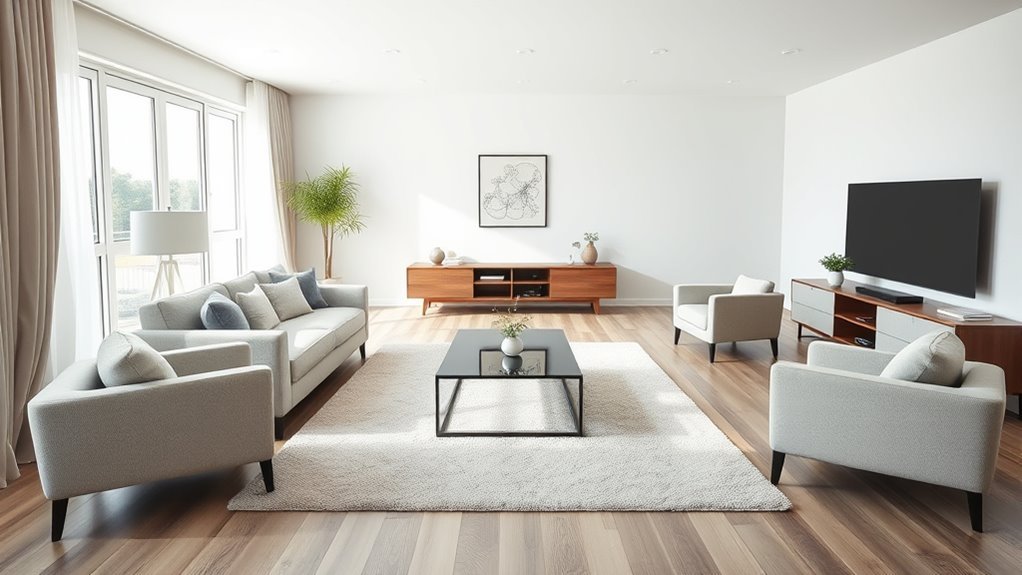
A few common layout mistakes can make a living room feel cramped, even when you have enough square footage. Check your room for these issues before you buy more furniture.
- Avoid pushing every piece against the wall, which can make conversation feel distant.
- Keep natural pathways open so people do not weave around tables and chairs.
- Limit the room to one or two focal points so the layout feels calm.
- Mix pieces with care instead of relying on a full matching furniture set.
- Choose furniture that fits the room scale, not just your style preference.
Note: Oversized furniture often causes more layout problems than a lack of space.
Optimizing Walkways for Easy Navigation in Your Living Room
Good walkways help the room feel calm before anyone sits down. They also make daily tasks easier, from carrying coffee to opening curtains.
Walkway Rules for Daily Use
Aim for a main walkway width of about 90 cm, or roughly 36 inches. This gives most people enough room to pass through comfortably.
- Keep about 3 feet clear in frequently used passageways.
- Leave 16 to 18 inches around coffee tables for easy access from seating.
- Allow a small gap between seats so guests can turn and talk comfortably.
- Keep doorways clear so entry and exit feel natural.
- Arrange furniture around windows and doors instead of blocking them.
Furniture Placement Considerations
Place your largest furniture first, then fit smaller pieces around it. Sofas, sectionals, and media units shape the flow more than accent tables or lamps.
Keep your coffee table close to the height of your sofa seat cushions. A table that sits much higher or lower can feel awkward to use and can disrupt the visual balance.
Enhancing Open Flow
Open flow depends on both space and sightlines. You should be able to see the main seating area without looking through a wall of furniture backs.
Choose lower-profile pieces near windows, doorways, or open-plan boundaries. This keeps light moving through the room and helps each zone connect without feeling cluttered.
How to Measure Your Living Room Before Moving Furniture
Measure the room before you lift or buy anything. Record the length and width of the room, then mark doors, windows, outlets, vents, and built-ins.
Next, measure each large furniture piece. Compare those numbers with your walkway targets so you know whether the layout will work before you move heavy items.
You can sketch the room on paper or use painter’s tape on the floor. This simple step helps you spot tight paths, oversized pieces, and unused corners early.
The 10-Minute Flow Test
After you tape the furniture footprint, walk through the room from every doorway. Carry a mug, open nearby curtains, sit in every seat, and stand up from the sofa as if guests were visiting.
If your hip clips a table corner, your knees hit the coffee table, or you need to turn sideways near a doorway, adjust the layout before styling the room.
Personalizing Your Space: Balancing Functionality and Style
Your living room should support the way you live, not just the way you want it to look. Choose furniture that fits your habits, from movie nights to quiet reading.
Use multi-functional pieces when you need more storage or flexibility. Ottomans with lids, nesting tables, and small benches can add function without making the room feel packed.
Add personality through cushions, side tables, lamps, and art. Keep a clear color palette and repeat a few textures so the room feels pulled together.
Sources and References
- U.S. Access Board: Accessible Routes — supports the 36-inch clear-width accessibility reference.
- Homes & Gardens: How to Plan the Perfect Living Room Layout — supports living room flow, focal point, walkway, and coffee-table spacing guidance.
- Good Housekeeping: Common Living Room Mistake — supports measuring first, sofa scale, 18-inch coffee-table spacing, and 3-foot walkway guidance.
- Style by Emily Henderson: Living Room Rules — supports 30- to 36-inch walkway guidance and tighter 18- to 24-inch spacing allowances.
- The Spruce: Rules for Arranging Furniture — supports pulling furniture slightly away from walls when space allows.
Frequently Asked Questions
How Much Space Should You Leave Between a Couch and a Walkway?
Leave 30 to 36 inches between your couch and a main walkway. In a small room, you can use about 24 inches for a low-traffic path, but wider space will feel more comfortable.
What Is the 2/3 Rule for Living Rooms?
The 2/3 rule suggests that major furniture or rugs should take up about two-thirds of the visual area they anchor. For example, a rug often looks balanced when it spans about two-thirds of the seating area.
What Is the 4-Inch Rule?
The 4-inch rule often refers to keeping a coffee table within about 4 inches of your sofa seat height. For easier use, many layouts feel best when the coffee table is level with the seat cushions or slightly lower.
How Wide Should a Walkway Be in a Living Room?
A living room walkway should usually be 30 to 36 inches wide. For a main traffic route, choose the wider end of that range whenever your room allows it.
How Do You Make a Small Living Room Feel Less Crowded?
Use fewer large pieces, choose furniture with exposed legs, and keep main paths clear. You can also use nesting tables, wall-mounted storage, and smaller accent chairs to save floor space.
Should Living Room Furniture Touch the Walls?
Furniture can touch the walls in a very small room, but avoid pushing every piece against the walls by default. Even a small gap behind a sofa or chair can make the layout feel softer and more intentional.
Where Should the Sofa Face in a Living Room?
The sofa should face or frame the room’s main purpose. In a TV room, face the media wall. In a conversation room, face chairs inward. In a room with a fireplace or view, angle seating so people can enjoy the focal point without blocking walkways.
Conclusion
The best living room layout gives you clear paths, comfortable seating, and a natural place to gather. Start with the main walkway, then adjust your sofa, coffee table, and accent chairs around it.
Before you buy anything new, tape the furniture outline on the floor and walk the route from every doorway. With smart spacing and a quick flow test, your living room can feel both polished and relaxed.