Looking for a capable phone without paying flagship prices? Here are three well-known, budget-friendly picks that still show up regularly in the sub-$500 unlocked market: the Samsung Galaxy Note8, prized for its dual-camera system and built-in S Pen; the Apple iPhone 11 (Renewed), which pairs strong everyday photography with Apple’s long software-support track record; and the Samsung Galaxy S8, still known for one of the sharpest Infinity Displays in its class. These are proven, well-reviewed devices rather than brand-new releases — read on for an honest breakdown of specs, current software support, durability, and who each phone actually fits best.
- Best for photography & productivity: Samsung Galaxy Note8 (dual camera + S Pen)
- Best overall value & longest software support: Apple iPhone 11 (Renewed)
- Best display for the price: Samsung Galaxy S8
| Phone | Display | Rear Camera | Water/Dust Rating | Software Support |
|---|---|---|---|---|
| Galaxy Note8 | 6.3″ Super AMOLED, 2960×1440 | Dual 12MP w/ OIS | IP68 | Ended (no security patches since 2021) |
| iPhone 11 (Renewed) | 6.1″ Liquid Retina HD, 1792×828 | Dual 12MP w/ Night Mode | IP68 (2m / 30 min) | Actively supported by Apple |
| Galaxy S8 | 5.8″ Super AMOLED, 2960×1440 | 12MP w/ OIS | IP68 | Ended (no security patches since 2021) |
Samsung Galaxy Note8 Unlocked Android Phone (64GB)
Best For: Photography & Productivity
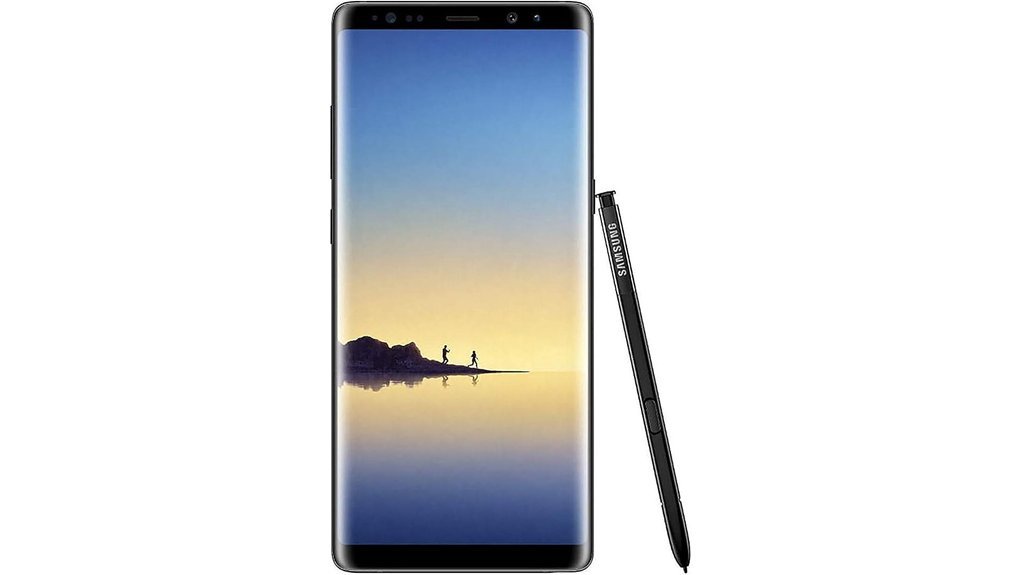
The Samsung Galaxy Note8 stands out for its robust dual-camera system, making it an appealing choice for photography enthusiasts who want strong image quality without paying flagship prices today. It features a 6.3-inch Dual Edge Super AMOLED display at 2960 x 1440 resolution, 64GB of internal storage expandable up to 256GB, and 6GB of RAM for smooth multitasking. The 3300mAh battery supports up to 22 hours of talk time, and its IP68 rating offers water and dust resistance, while the built-in S Pen adds note-taking and productivity features you won’t find on most budget phones.
Best For: Photography enthusiasts and S Pen/productivity users who don’t need the newest operating system.
Pros:
- High-quality dual-camera system with Optical Image Stabilization.
- Expandable storage up to 256GB.
- IP68 water and dust resistance.
- Built-in S Pen for notes, sketches, and productivity.
Cons:
- Shipped on Android 7.1 and was later updated to Android 9 — its final supported version.
- Samsung ended official software support for this device in 2021; it no longer receives security patches.
- Larger form factor may not suit one-handed use.
Who Should Avoid This: Buyers who need active security updates or rely on apps with strict OS-version requirements.
Apple iPhone 11, 64GB, Black – Unlocked (Renewed)
Best For: Overall Value & Longest Support
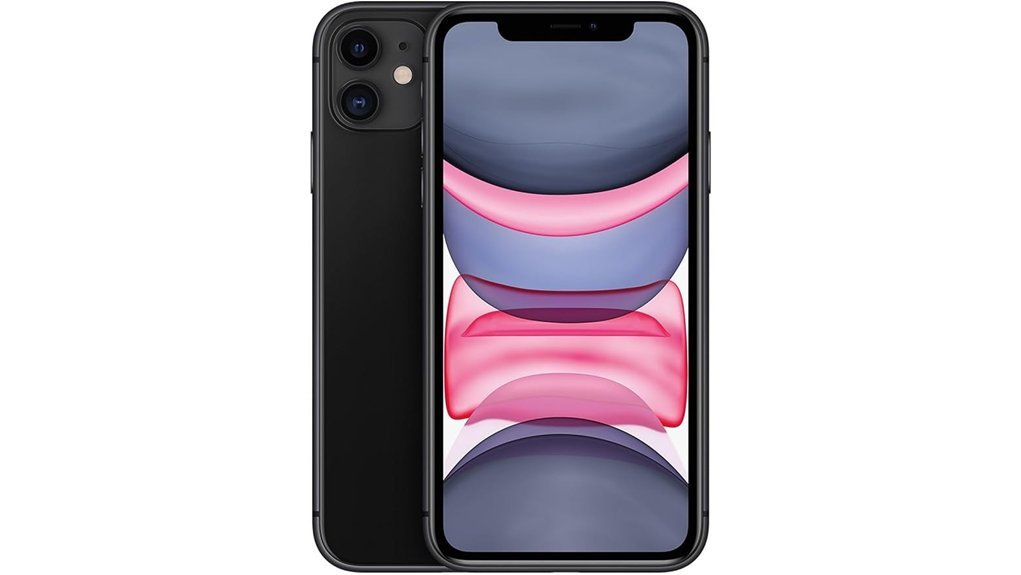
For budget-conscious consumers seeking reliability, the Apple iPhone 11 stands out — not just for its camera, but because Apple has kept it on active software support years longer than most Android devices in this price range. It features a 6.1-inch Liquid Retina HD display (1792 x 828), 64GB of storage, and support for both GSM and CDMA networks. The dual 12 MP camera system includes Night Mode for stronger low-light shots, and the 3110 mAh battery provides up to 17 hours of usage. At just 194g, it’s a lightweight, accessible option that still receives current iOS updates.
Best For: Budget-conscious buyers who want the longest realistic software runway in this price range.
Pros:
- Vibrant 6.1-inch Liquid Retina HD display.
- Dual 12MP camera with Night Mode for low-light photography.
- IP68 water and dust resistant (2 meters / 30 minutes).
- Unlocked and compatible with both GSM and CDMA networks.
- Continues to receive official iOS updates from Apple.
Cons:
- Renewed (used/refurbished) condition — check the seller’s renewal grading and warranty terms before buying.
- Lacks newer-iPhone features like advanced computational photography or the latest chip performance.
- 64GB of storage may be tight for users with large media libraries.
Who Should Avoid This: Buyers who want the newest camera/AI features or a brand-new (non-renewed) device.
Samsung Galaxy S8 Unlocked Smartphone (64GB, SM-G950)
Best For: Display Quality
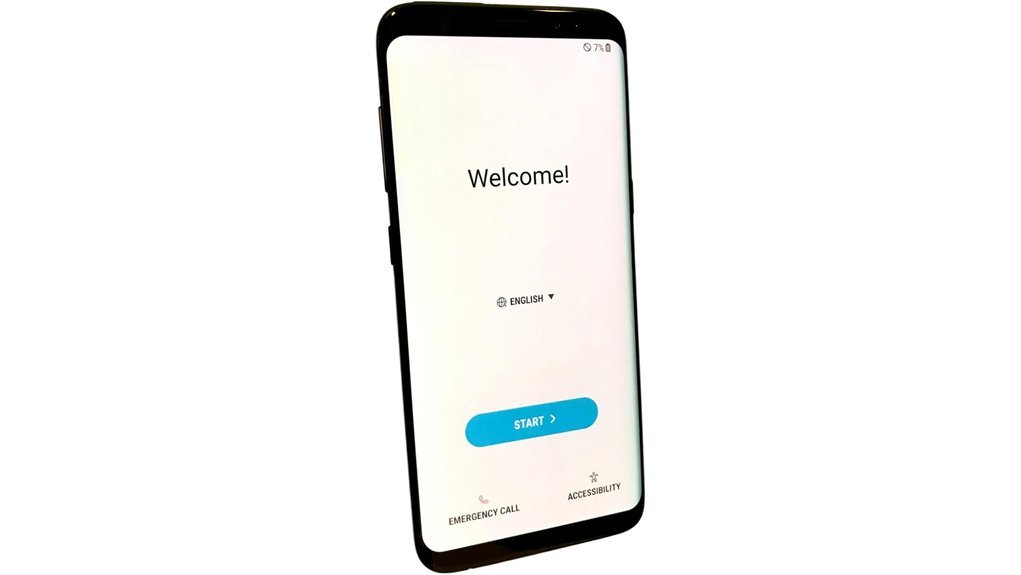
The Samsung Galaxy S8 offers an impressive Infinity Display, making it a strong pick for anyone who prioritizes screen quality on a budget. The 5.8-inch Super AMOLED screen has a Quad HD+ resolution of 2960 x 1440. A 12 MP rear camera with Optical Image Stabilization and an 8 MP front camera handle photos and 4K video, powered by a Snapdragon 835 processor and 4GB of RAM.
Best For: Buyers who want a standout display and don’t need current software support.
Pros:
- Impressive Infinity Display with vibrant colors and sharp resolution.
- Strong camera performance: 12MP rear with OIS, 4K video capture.
- IP68 water and dust resistance.
Cons:
- Shipped on Android 7.0 and was later updated to Android 9 — its final supported version.
- Samsung ended official software support for this device in 2021; it no longer receives security patches.
- Only 64GB of built-in storage.
- 3000 mAh battery may not last a full day of heavy use.
Who Should Avoid This: Buyers who need active security updates or plan to use the phone for mobile banking/sensitive data.
Factors to Consider When Choosing Phones Under $500 2026: Smart Tech Picks for Everyday Use
When selecting a phone under $500 in 2026, several critical factors come into play. Performance and speed, camera quality, battery life, display characteristics, and durability are essential considerations for everyday use. Evaluating these aspects guarantees consumers find a device that meets their needs without exceeding their budget.
Performance And Speed
While many budget phones excel in affordability, performance and speed remain essential for a satisfactory user experience. To guarantee smooth multitasking and app performance, it is advisable to select devices with at least 4GB of RAM. A processor speed of 2.5 GHz or higher typically enhances performance for demanding applications and gaming. Phones equipped with Snapdragon or equivalent processors are often efficient for everyday tasks. Additionally, the operating system version can greatly impact performance; opting for devices that run the latest versions guarantees access to improved speed and features. Finally, considering devices with expandable storage options allows for increased memory capacity, preventing slowdowns caused by full internal storage and contributing to an overall enhanced experience.
Camera Quality Assessment
Camera quality is a crucial consideration for anyone seeking a budget-friendly smartphone under $500 in 2026. High megapixel counts, such as 12MP or more, enhance image resolution and detail, particularly in rear cameras. Optical Image Stabilization (OIS) plays an important role in minimizing blur and improving video quality, especially in low-light environments. Features like Night Mode can further elevate low-light photography, capturing better exposure and detail. For social interactions, front cameras with autofocus, ideally around 8MP, deliver sharper selfies and clearer video calls. Additionally, video resolution options, such as 1080p or 4K, are essential for producing high-quality recordings, offering smoother playback and enhanced detail. These factors collectively influence the overall camera experience in affordable smartphones.
Battery Life Expectations
Battery life is a key factor in the overall user experience of budget smartphones under $500. When evaluating battery performance, devices should ideally have a minimum capacity of 3000 mAh, ensuring sufficient daily usage for most users. Standby times of 300 hours or more are excellent indicators of a phone’s ability to conserve battery when idle. Long talk times, preferably around 20 hours, enhance reliability during calls. Additionally, quick charge capabilities that allow full charging in about an hour considerably reduce downtime. Finally, opting for devices equipped with energy-efficient processors and display technologies can extend battery life without sacrificing performance, making them ideal choices for everyday use in this price range.
Display Characteristics Overview
When selecting a budget smartphone under $500, display characteristics play an essential role in user satisfaction. A higher resolution display, such as Quad HD+ (2960 x 1440 pixels), delivers clearer visuals than lower resolutions like HD or Full HD. AMOLED technology enhances this experience with better contrast and deeper blacks, resulting in vibrant colors. Screen size also influences usability; larger displays (over 6 inches) can improve media consumption but may be less comfortable for one-handed use. Features like True Tone and wide color support adjust the display for various lighting conditions, while higher refresh rates (60 Hz or more) provide smoother animations and scrolling. Consequently, these factors substantially impact the overall viewing experience in budget smartphones.
Durability And Resistance
Durability and resistance are essential factors to evaluate for anyone seeking a reliable smartphone under $500. Buyers should prioritize devices with an IP68 rating, indicating water and dust resistance, which allows for submersion in water up to 1.5 meters for 30 minutes. Additionally, models featuring Gorilla Glass or similar technologies offer enhanced protection against scratches and drops. It’s advisable to contemplate phones that pass military-grade durability tests, ensuring they can withstand harsh conditions. Devices with metal or reinforced plastic bodies generally provide greater resilience compared to those made entirely of glass. Finally, checking for warranties or manufacturer guarantees covering accidental damage can further reflect a brand’s confidence in its device’s durability and longevity.
Operating System Considerations
Exploring the landscape of operating systems is fundamental for consumers seeking smartphones under $500, as it directly influences user experience and functionality. Buyers should verify the chosen operating system still receives updates — variations in Android versions and end-of-support dates can affect app availability, security, and performance. User interface preferences also matter, with iOS being more streamlined and Android offering greater customization. Additionally, the frequency and longevity of software updates from manufacturers are essential for security and feature enhancements — this matters even more with older or renewed devices, where official support may have already ended. Evaluating the app ecosystem is significant, as iOS typically has a wider selection of optimized apps, while Android provides flexibility in app installation.
Before You Buy: Quick Checklist
- Confirm the listing’s condition (new, renewed, or used) and what warranty or return window applies.
- Check whether the phone still receives security updates if you’ll use it for banking or storing sensitive data.
- Verify carrier compatibility (GSM/CDMA, bands) with your specific network before buying.
- For S Pen or camera-focused buyers, confirm accessories (S Pen tips, cases) are still sold for older models.
- Check current battery health disclosures on renewed/used listings — batteries degrade with age regardless of original capacity.
Frequently Asked Questions
What Are the Best Budget Phone Brands in 2026?
In 2026, the best budget phone brands include Xiaomi, Motorola, and OnePlus. These companies consistently offer reliable performance, solid build quality, and impressive features, making them popular choices for consumers seeking affordable smartphones.
How Do Unlocked Phones Differ From Carrier-Locked Devices?
Unlocked phones offer flexibility to switch carriers and use international SIM cards, while carrier-locked devices restrict users to a specific network. This difference influences user choice based on personal needs and travel habits.
Can I Use a Prepaid SIM Card With These Phones?
Yes, prepaid SIM cards can typically be used with unlocked phones, allowing users flexibility in choosing their service providers. This compatibility enhances user experience, enabling cost-effective plans and greater freedom in mobile connectivity options.
What Is the Average Lifespan of Budget Smartphones?
The average lifespan of budget smartphones typically ranges from two to three years of active use, though many phones keep working well beyond that. Factors such as software update cutoffs, hardware quality, and user care can influence longevity, with many users experiencing decreased performance or security support over time.
Are Refurbished Phones Reliable for Long-Term Use?
Refurbished phones can be reliable for long-term use, provided they undergo thorough testing and certification. Their performance often matches new devices, but buyers should research warranty options, seller reputation, and remaining software support before buying.
Conclusion
To sum up, budget smartphone shoppers have several proven options to consider, including the Samsung Galaxy Note8, Apple iPhone 11 (Renewed), and Samsung Galaxy S8. Each device balances performance and affordability differently — the Note8 for productivity and camera versatility, the iPhone 11 for longer software support, and the S8 for display quality — so the right pick depends mainly on how long you need active security updates versus how much you value a specific feature today.