As an Amazon Associate, we may earn a commission from qualifying purchases made through the links below, at no extra cost to you.
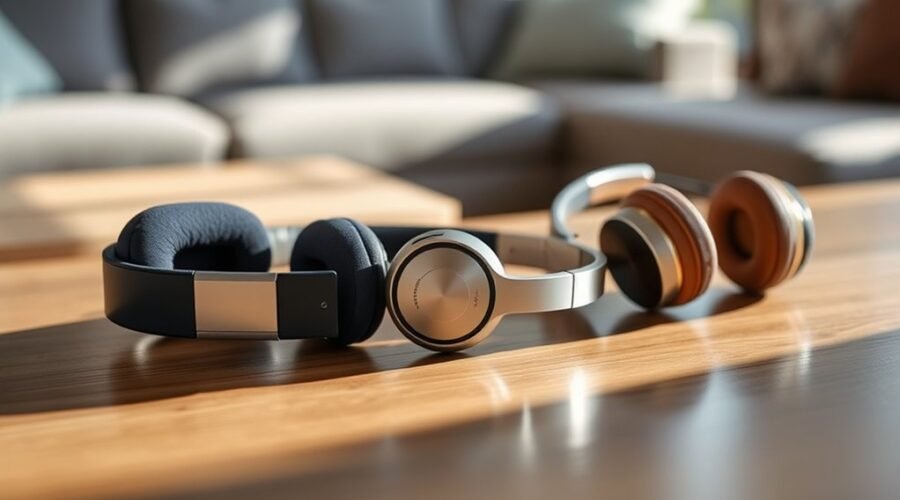
Two standout headphone options for hearing aid users are the Sony WH-CH720N and the SHOKZ OpenMove. The Sony WH-CH720N offers adjustable ambient sound and noise cancellation with exceptional day-long comfort. The SHOKZ OpenMove uses bone conduction technology, leaving your ear canal fully open so you can wear it alongside your hearing aids. Both prioritize comfort and sound clarity, but they solve different problems — one focuses on quiet, in-home listening, the other on staying aware of your surroundings while active. Here’s a closer look at both, plus what to check before you buy.
- Best Overall Comfort: Sony WH-CH720N — lightweight over-ear design with adjustable ambient sound.
- Best for Active Use & Awareness: SHOKZ OpenMove — open-ear bone conduction, keeps ears unblocked.
Sony WH-CH720N Wireless Noise Cancelling Headphones — Best Overall Comfort
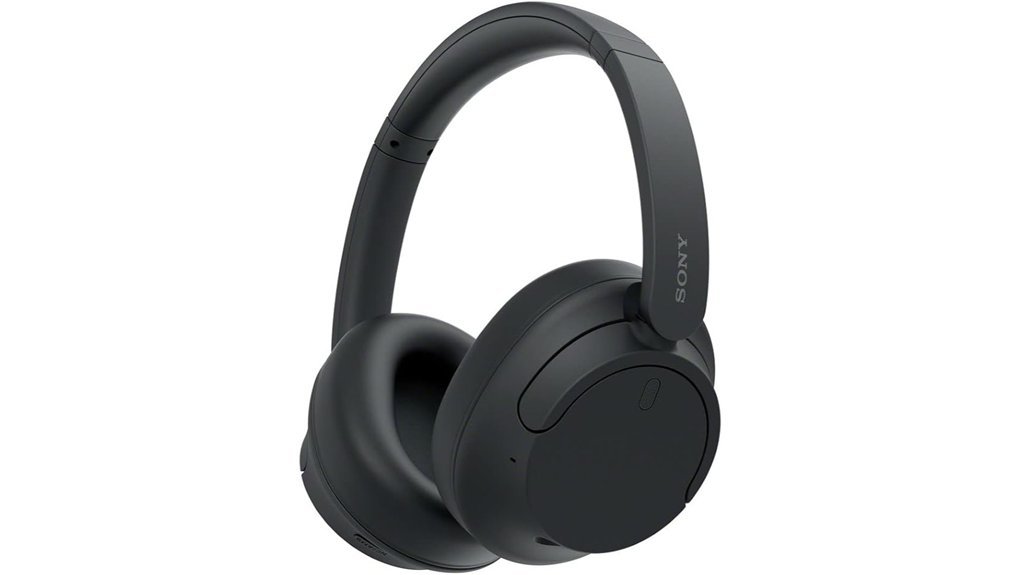
The Sony WH-CH720N Wireless Noise Cancelling Headphones are a strong option for hearing aid users who want a comfortable over-ear fit for everyday listening. Weighing only 192g, they’re designed for all-day wear. Equipped with Dual Noise Sensor Technology and an Integrated Processor V1, they offer noise cancellation with an adjustable ambient sound mode so you can dial in how much of the outside world you want to hear. Sound quality is enhanced by the Digital Sound Enhancement Engine for clearer vocals, and battery life runs up to 35 hours with quick charging support.
Best For: Anyone who wants a lightweight, comfortable headphone with adjustable noise cancellation for long, mostly indoor or stationary listening sessions.
Who Should Avoid This: If you need to stay fully aware of your surroundings at all times (e.g., while walking or exercising outdoors), an open-ear design like the SHOKZ OpenMove below is a better fit.
Pros:
- Lightweight design at only 192g, ensuring comfort for extended wear.
- Adjustable ambient sound mode lets you control how much outside noise comes through.
- Battery life of up to 35 hours, plus quick charging.
Cons:
- Over-ear cups may not suit everyone wearing behind-the-ear hearing aids — check fit carefully.
- Fewer premium touches (like touch controls) than higher-end models.
- Not designed as a dedicated “hearing aid compatible” certified product.
SHOKZ OpenMove Open-Ear Bluetooth Sport Headphones — Best for Active Use & Awareness
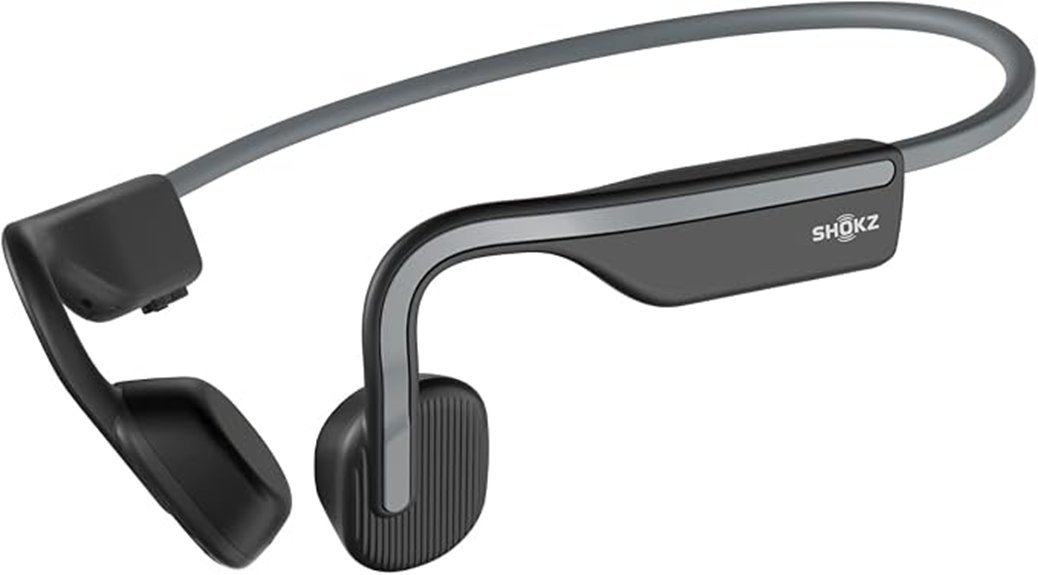
SHOKZ OpenMove Open-Ear Bluetooth Sport Headphones use bone conduction, which sends sound through the cheekbone rather than into the ear canal — a design many hearing aid users find easier to combine with their existing devices since nothing blocks the ear. The open-ear structure supports all-day comfort without ear fatigue and works well for running or hiking. The lightweight, wraparound titanium frame gives a secure fit, and the sweatproof design holds up during workouts. Battery life is about six hours per charge with quick-charge support, and PremiumPitch sound delivers balanced audio and clear calls.
Best For: Anyone who wants to stay aware of their surroundings — traffic, conversations, alerts — while still enjoying audio during workouts or daily activity.
Who Should Avoid This: If you want deep bass, strong sound isolation, or all-day battery life without recharging, the Sony WH-CH720N above is the better match.
Pros:
- Open-ear design allows all-day comfort and keeps ears unblocked.
- Sweatproof construction suited to workouts and outdoor activity.
- Quick charging helps offset the shorter battery life.
Cons:
- Battery life (~6 hours) is short compared to over-ear wireless models — plan around charging for longer sessions.
- Bone conduction won’t isolate sound the way traditional headphones do, so it’s less ideal in loud environments.
- Fit can vary by head shape, so comfort during vigorous movement may differ person to person.
Quick Comparison: Sony WH-CH720N vs. SHOKZ OpenMove
| Feature | Sony WH-CH720N | SHOKZ OpenMove |
|---|---|---|
| Design | Over-ear, closed cups | Open-ear, bone conduction |
| Weight | 192g | Lightweight wraparound frame |
| Battery Life | Up to 35 hours | About 6 hours |
| Best Use Case | Indoor, everyday listening | Workouts, outdoor activity |
| Ambient Awareness | Adjustable via ambient sound mode | Always-open ear canal |
Factors to Consider When Choosing Headphones for Hearing Aid Users: Comfortable Audio Picks
When selecting headphones for hearing aid users, several key factors come into play. Comfort and fit are paramount, as well as sound quality, which can greatly enhance the listening experience. Additionally, features like noise cancellation, connectivity options, and battery life should be carefully considered to guarantee the best use.
Comfort and Fit Considerations
Comfort and fit are paramount for headphone users, particularly those who also rely on hearing aids. Lightweight models, ideally around 192g, help reduce fatigue during extended listening sessions. Open-ear designs, such as those utilizing bone conduction technology, can prevent ear fatigue while maintaining situational awareness. Cushioned ear pads made from memory foam enhance comfort and sound isolation, ensuring a snug fit without exerting pressure on the ears. Adjustable features, including customizable sound settings, allow users to tailor their listening experience to individual preferences. Additionally, a secure fit is essential for active users; headphones with wraparound frames provide stability during movement, making them suitable for sports and outdoor activities. These factors collectively enhance the overall user experience for hearing aid users.
Sound Quality Importance
Sound quality is crucial for hearing aid users, as it directly impacts their ability to discern various frequencies and tones. High-quality sound reproduction enhances clarity, allowing users to distinguish subtle audio nuances that might otherwise be lost. Features like Digital Sound Enhancement Engine (DSEE) can greatly improve the quality of compressed audio files, delivering richer sound profiles. Additionally, adjustable sound modes, such as Ambient Sound control, allow users to customize their listening experience based on their surroundings. Quality microphones are essential as well, capturing clear audio while minimizing distractions. Overall, these sound quality factors are critical for ensuring that hearing aid users enjoy a fulfilling auditory experience, enhancing both communication and entertainment.
Noise Cancellation Features
While many headphones boast various features, effective noise cancellation stands out as a vital consideration for hearing aid users. This technology greatly enhances the listening experience by minimizing background noise, allowing for clearer sound perception. Advanced noise cancellation systems, such as dual noise sensors, adapt to different environments, providing tailored sound control for ideal hearing. Additionally, adjustable ambient sound modes enable users to stay aware of their surroundings while still enjoying noise-canceling benefits. High-quality audio processing, including digital sound enhancement, improves the clarity of music and speech, making it easier for hearing aid users to engage with audio content. These features work together to create a more enjoyable and immersive listening experience for those using hearing aids.
Connectivity Options Available
Choosing the right connectivity options is essential for hearing aid users seeking ideal headphone performance. Headphones with multipoint connectivity allow users to switch seamlessly between devices like smartphones and tablets, which is particularly beneficial for those relying on multiple audio sources. Bluetooth compatibility is vital, enabling clear audio transmission with hearing aids without the hassle of wires. Many modern headphones offer universal compatibility across various operating systems, such as Android, iOS, and Windows, catering to diverse user needs. Additionally, headphones with adjustable sound settings—like noise cancellation and ambient sound modes—permit users to customize their audio experience. Quick charging capabilities can also be advantageous, ensuring that headphones remain functional throughout the day.
Battery Life Necessities
Battery life is a critical factor for hearing aid users when selecting headphones, as extended usage without frequent recharging enhances the overall listening experience. Users should seek headphones that provide a battery life of 20 hours or more for all-day indoor use. For those who enjoy long listening sessions at a desk or at home, over-ear wireless models that last 30+ hours (like the Sony above) help prevent interruptions. Note that compact, open-ear sport models like bone-conduction headphones typically trade battery life for a smaller, lighter build — a 6-hour rating is normal for that category and isn’t a flaw, just a different design priority. Quick charging capabilities help offset shorter runtimes by delivering meaningful playback from just a few minutes of charging.
Safety and Awareness Aspects
Finding the right headphones involves more than just battery life; safety and awareness are also key considerations for hearing aid users. Open-ear designs, particularly those utilizing bone conduction technology, allow users to enjoy audio while staying aware of their surroundings, making them ideal for active environments. Additionally, headphones equipped with adjustable ambient sound modes enable users to customize their listening experience, ensuring they remain alert to essential external sounds. Lightweight and comfortable designs help prevent fatigue during prolonged use, which is particularly important for those who also wear hearing aids. Connectivity features like multipoint pairing facilitate seamless shifts between devices, while clear microphone quality supports effective communication for hearing aid users.
Frequently Asked Questions
Can Headphones Interfere With Hearing Aids’ Functionality?
Headphones can potentially interfere with hearing aids, particularly if they emit electromagnetic signals or create feedback. Users may experience diminished sound quality or disruptions, so it’s worth testing fit and sound with your own hearing aids, or checking with your audiologist, before committing to a purchase.
What Should I Look for Instead of a Specific Brand?
Rather than chasing a particular brand, focus on design type: open-ear or bone-conduction models (like the SHOKZ OpenMove above) tend to work best alongside hearing aids since they don’t cover the ear canal, while lightweight over-ear models (like the Sony WH-CH720N) suit quieter, stationary listening.
How Do I Clean My Headphones Properly?
To clean headphones properly, one should use a soft, damp cloth for the exterior and a dry cotton swab for crevices. Avoid moisture near electronic components, and regularly remove and clean ear tips for hygiene.
What Is the Ideal Volume Level for Hearing Aid Users?
The ideal volume level for hearing aid users typically ranges from 60 to 80 decibels. This guarantees clarity while minimizing distortion, allowing the best sound quality without causing discomfort or further auditory damage.
Can I Use Headphones While Charging My Hearing Aids?
Headphones can typically be used while charging hearing aids, but users should verify the hearing aids are not physically obstructed. It’s advisable to monitor battery levels and audio output to maintain ideal sound quality during use.
Conclusion
Headphone technology continues to cater to hearing aid users, offering both comfort and solid sound quality. The Sony WH-CH720N and SHOKZ OpenMove stand out for very different reasons: one for all-day indoor comfort with adjustable ambient sound, the other for staying aware of your surroundings during active use. Neither is a certified “hearing aid compatible” device, so if that matters for your specific hearing aids, check with your audiologist first. Otherwise, choosing between them comes down to how and where you plan to listen.