For 2026, the Chicco LullaGo Anywhere SE ranks as a top choice for a bedside bassinet. Weighing only 12 pounds, it offers convenience with its portable design and quick assembly. Its firm, flat sleep surface, paired with GREENGUARD Gold certification, is designed to support safety and healthy air quality. The breathable mesh panels enhance visibility and airflow, while a waterproof mattress helps maintain hygiene. Budding parents will appreciate its versatile design and ease of storage. Further insights await on top picks and essential features.
Quick Verdict: Both picks below are from Chicco’s LullaGo Anywhere line, weigh just 12 lbs, and are GREENGUARD Gold certified. Choose the Anywhere SE for the simplest, lightest everyday bedside setup, or the Carry Bag version if you’ll be moving it between rooms or traveling often.
Chicco LullaGo Anywhere SE Portable Baby Bassinet | Lightweight
BEST OVERALL
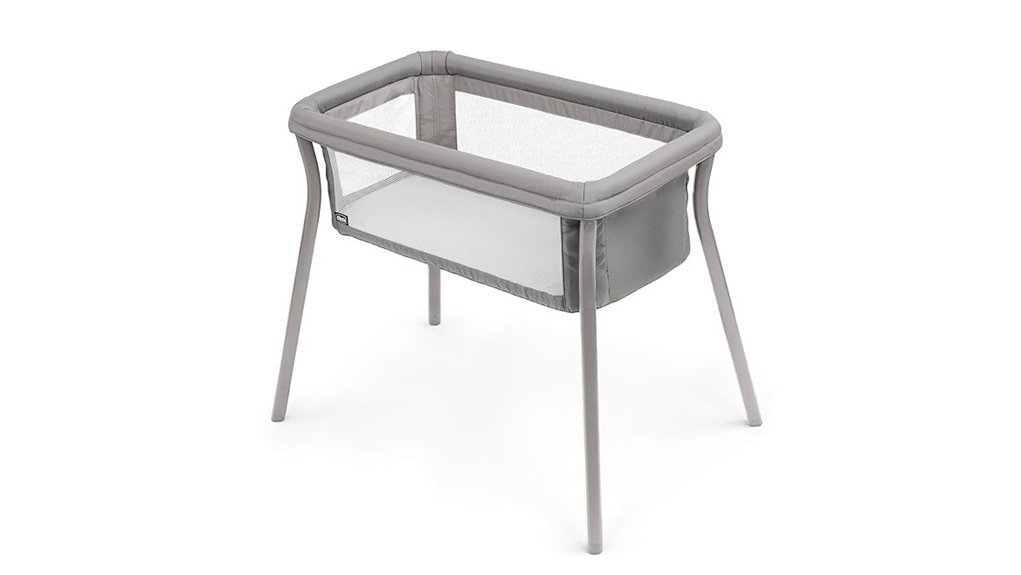
The Chicco LullaGo Anywhere SE Portable Baby Bassinet stands out as an ideal choice for parents seeking a lightweight and versatile sleeping solution for their infants. Weighing only 12 pounds, its compact design facilitates easy movement and travel. The bassinet features a firm, flat sleep surface with a waterproof mattress, supporting comfort and safety. Its GREENGUARD Gold certification reflects independent testing for low chemical emissions, supporting healthier air quality. Additionally, breathable mesh side panels enhance visibility and airflow. With sturdy metal legs that snap on quickly, setup is effortless, and it conveniently folds flat for storage or travel, making it a practical option for families. It’s designed for infants up to about 20 pounds or until they can push up on hands and knees, whichever comes first.
Best For: Parents looking for a lightweight, portable sleeping solution for their infants that prioritizes safety and comfort.
Why You’ll Like It: At 12 pounds it’s one of the easier bassinets to lift and reposition between rooms, and the flat-fold design tucks away easily when not in use.
Pros:
- GREENGUARD Gold certified, supporting healthier air quality.
- Breathable mesh side panels provide excellent visibility and airflow for the baby.
- Easy setup and portability with a foldable design, making it a solid option for travel.
Cons:
- Rated for use only up to around 20 lbs or until baby pushes up on hands/knees — you’ll need a crib transition after that.
- The compact size might not suit parents wanting a larger sleep space.
- Fabrics need regular washing to maintain cleanliness.
Who Should Avoid This: Parents wanting a bassinet with a built-in carry bag for frequent travel — see the option below instead.
Chicco LullaGo Portable Bassinet with Carry Bag
BEST FOR TRAVEL
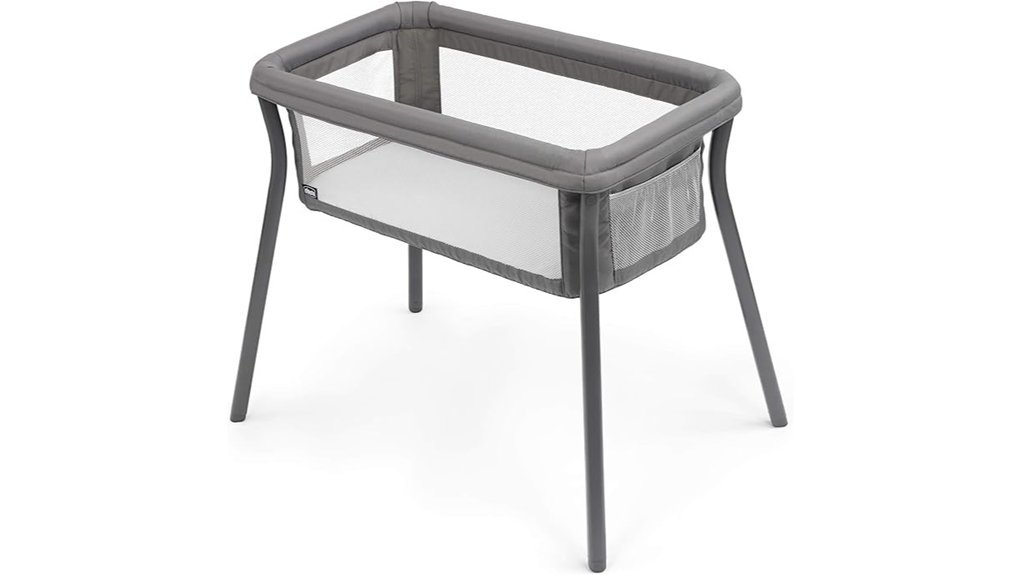
For parents seeking convenience and portability, the Chicco LullaGo Portable Bassinet with Carry Bag stands out. Weighing only 12 pounds, it features a lightweight, space-saving design that folds flat for easy transport. It is GREENGUARD Gold certified for low chemical emissions. Its firm, flat sleep surface includes a waterproof mattress, fitted sheet, and machine-washable fabrics. Mesh side panels enhance visibility and airflow, while a convenient storage pocket keeps essentials within reach. Quick assembly is facilitated by sturdy metal legs that snap into place, and the included carry bag makes it an easy travel companion. Like the Anywhere SE, it’s designed for infants up to about 20 pounds or until they begin pushing up on hands and knees.
Best For: Parents looking for a lightweight and portable sleeping solution for their newborns during travel or at home.
Why You’ll Like It: The included carry bag makes this the easier of the two to pack for trips to grandma’s house or a hotel stay.
Pros:
- Convenient carry bag for easy transport and travel readiness.
- GREENGUARD Gold certified for low chemical emissions.
- Mesh side panels provide excellent visibility and airflow, enhancing comfort.
Cons:
- Same ~20 lb weight limit as the Anywhere SE, so it’s a short-term solution before a crib transition.
- Setup still requires attaching the legs, which is a minor extra step versus a ready-to-use option.
- Storage pocket is small, limiting how many essentials it can hold.
Who Should Avoid This: Parents who don’t need the carry bag and want the simplest, lowest-cost version of the same design — see the Anywhere SE above.
Quick Comparison
| Feature | Anywhere SE | Carry Bag Version |
|---|---|---|
| Weight | 12 lbs | 12 lbs |
| Weight limit | ~20 lbs / pre-mobility | ~20 lbs / pre-mobility |
| GREENGUARD Gold | Yes | Yes |
| Carry bag included | No | Yes |
| Storage pocket | No | Yes |
| Best for | Everyday bedside use | Travel and frequent moves |
| Link | Check Price | Check Price |
Factors to Consider When Choosing Bedside Bassinets 2026: Top Picks and Buying Guide
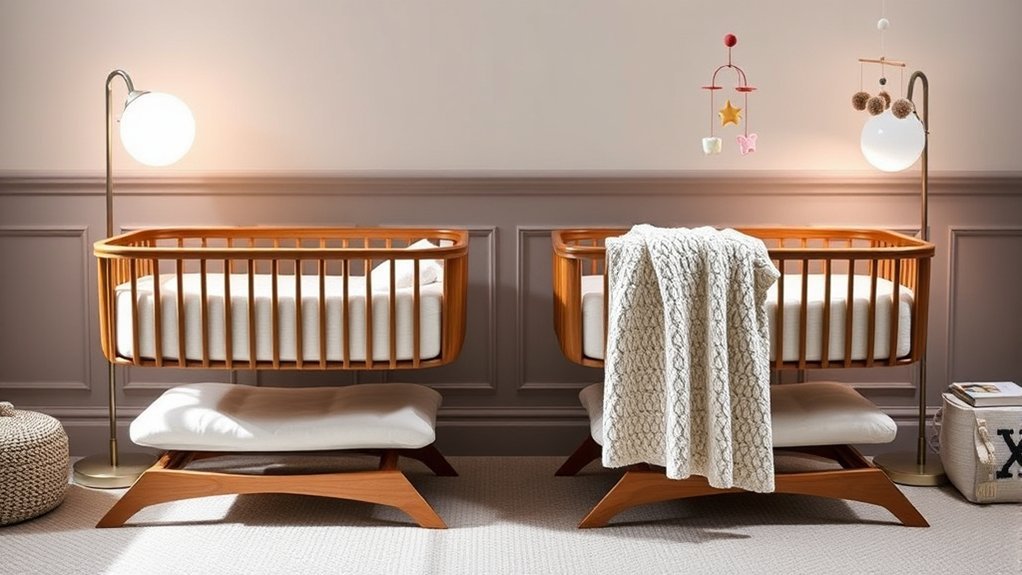
When selecting a bedside bassinet, several key factors come into play. Safety certification standards help confirm that a product meets essential health guidelines, while portability and weight affect convenience for parents. Additionally, aspects such as sleep surface quality, ease of assembly, and breathability contribute greatly to both comfort and usability.
Before You Buy Checklist:
- Confirm the bassinet’s weight limit matches how long you plan to use it (both picks above are rated to about 20 lbs).
- Check that the mattress is firm and flat — soft or padded surfaces are not recommended for infant sleep.
- Decide if you need a carry bag or storage pocket for travel or nighttime essentials.
- Look for independent safety/emissions certifications like GREENGUARD Gold.
- Plan for the transition to a crib once your baby approaches the weight limit or starts pushing up.
Safety Certification Standards
Safety in baby products is a top priority for new parents, particularly when selecting bedside bassinets. Safety certification standards help confirm that these products meet health and safety requirements, protecting infants from harmful substances and potential hazards. Bassinets with GREENGUARD Gold certification have undergone independent testing for low chemical emissions, supporting healthier indoor air quality. Compliance with safety standards typically involves evaluations for structural integrity, stability, and the absence of sharp edges or small parts that could create choking risks. Bassinets sold in the U.S. also need to meet federal safety regulations covering sleep surface firmness and suffocation prevention. Staying informed about current safety certification standards helps consumers make informed choices for their infants.
Portability and Weight
Portability and weight are essential factors for parents selecting bedside bassinets, especially for those who prioritize convenience and flexibility. Lighter models, typically around 12 pounds, ease movement and transport, allowing parents to relocate them without much effort. A compact design is helpful for setup in various locations, whether at home or on trips. Choosing bassinets that fold flat enhances storage and transport convenience, making them a good fit for travel scenarios. Additionally, an included carry bag can meaningfully improve portability. Quick assembly features, such as snap-on legs, make setup easier so parents can focus on their baby.
Sleep Surface Quality
Selecting a bedside bassinet involves careful consideration of various factors, with sleep surface quality being paramount. A firm, flat sleep surface is recommended for reducing sleep-related risks and supporting safe sleep practices. Waterproof mattresses help with hygiene by preventing spills and accidents from soaking in. The inclusion of fitted sheets and machine-washable fabrics makes maintenance easier, which matters for infant care. Breathable mesh side panels improve air circulation and visibility. A compact and portable design also allows for safe sleep arrangements in multiple locations.
Assembly and Setup Ease
When choosing a bedside bassinet, the ease of assembly and setup is an important consideration. Models with sturdy metal legs that snap on easily tend to offer a quick, hassle-free assembly process. A lightweight design, typically around 12 pounds, improves portability and makes it simpler to move and set up. Compact configurations that fold flat are helpful for storage and travel, especially in smaller spaces. Selecting bassinets with machine-washable fabrics also simplifies maintenance after use.
Breathability and Airflow
Breathability and airflow are important for a comfortable sleep environment for infants, helping regulate body temperature and reduce the risk of overheating. Many bedside bassinets incorporate mesh side panels, which support ventilation while letting parents keep an eye on their baby. Adequate airflow helps prevent stuffiness, and a bassinet made from breathable materials with a flat sleep surface further supports air circulation. Bassinets that are GREENGUARD Gold certified also indicate low chemical emissions, supporting overall air quality around the sleeping baby.
Storage Options Available
Storage options matter when choosing the right bedside bassinet, especially for families with limited space. Many models feature compact designs, making them a good fit for small living spaces or travel. Some bassinets come with carry bags, which improve portability and simplify storage when not in use. A bassinet that folds flat can reduce the space needed for storage, allowing for easy placement in closets or under beds. Certain models also include mesh pockets for keeping essential items handy during nighttime feedings. Lightweight designs, typically around 12 pounds, further make relocation and storage easier.
Design Versatility Features
Choosing a bedside bassinet with versatile design features can enhance both functionality and aesthetics in a nursery. Lightweight models, typically around 12 pounds, support easy mobility and transport for parents on the go. Compact footprints allow for convenient placement without overwhelming a room. Breathable mesh side panels improve visibility and airflow. Options with zip-off, machine washable fabrics make maintenance and hygiene easier. A firm, flat sleep surface combined with a waterproof mattress rounds out safe sleep practices in the nursery setup.
Comfort for Baby
Comfort for a baby is an important consideration when selecting a bedside bassinet, since it can affect sleep quality and overall well-being. A firm, flat sleep surface is recommended for safe sleep and can support proper positioning. Waterproof mattresses help with hygiene by preventing moisture buildup. Breathable mesh side panels improve airflow and visibility, helping keep the baby cool while allowing caregivers to monitor them easily. Fabrics that are easy to clean and machine washable contribute to a healthy sleep space without excessive hassle. Portable bassinets that are lightweight and foldable make it easier to set up a consistent sleep space in different locations.
Safety Note: Bassinets are intended for a limited window — generally the first few months, up to a stated weight limit, or until baby can push up on hands and knees, whichever comes first. Always follow the manufacturer’s age, weight, and setup instructions, use only the mattress provided with the bassinet, and avoid adding blankets, pillows, or padding to the sleep surface.
Frequently Asked Questions
How Do I Clean a Bedside Bassinet Effectively?
To clean a bedside bassinet effectively, remove all bedding and accessories, wipe surfaces with a mild detergent solution, rinse thoroughly, and allow to air dry. Regular cleaning helps maintain hygiene and safety for the baby.
Can I Use a Bassinet for a Newborn and a Toddler?
A bassinet is designed primarily for newborns, not toddlers. Using it for both can pose safety risks, as toddlers may exceed weight limits or outgrow the space, compromising comfort and security for the newborn.
What Safety Certifications Should I Look for in Bassinets?
When selecting a bassinet, look for compliance with recognized safety standards such as ASTM, JPMA, and CPSC requirements. These help confirm the product has been evaluated against established safety criteria, which can offer added peace of mind for caregivers.
How Long Can a Baby Sleep in a Bassinet?
Most babies can use a bassinet for approximately three to six months, though this varies by product and by baby. As the infant grows, shifting to a crib becomes necessary once they reach the bassinet’s weight limit or begin pushing up on hands and knees.
Are There Weight Limits for Bedside Bassinets?
Yes, bedside bassinets have weight limits that vary by model, often somewhere in the 15–30 lb range; the two picks in this guide are each rated to about 20 lbs. Parents should always consult the specific manufacturer’s guidelines for their bassinet to confirm safe usage for their baby’s size and developmental stage.
What’s the Difference Between the Two Picks in This Guide?
Both are 12-pound, GREENGUARD Gold certified bassinets from Chicco’s LullaGo Anywhere line with the same firm, flat sleep surface and mesh side panels. The main difference is that the Carry Bag version adds a dedicated travel bag and a small mesh storage pocket, while the Anywhere SE is the simpler, everyday version.
Conclusion
In a world where parents aim for the ultimate in convenience and safety, the top bedside bassinets of 2026 aim to deliver both. While they help babies sleep soundly just inches away, the real challenge for most families remains the sleepless nights that come with a newborn. Ultimately, these bassinets, designed for ease, become cozy, practical sleep spaces for infants, while parents work through the everyday realities of early parenthood.