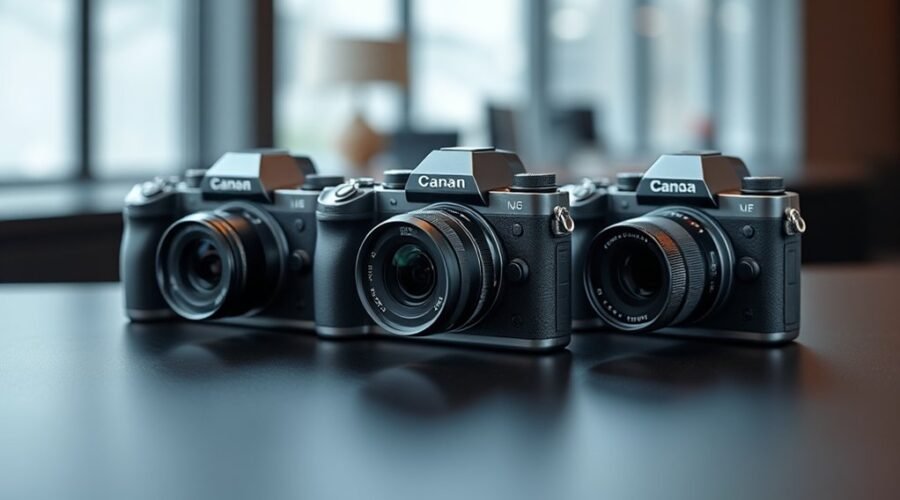
The three best cameras for beginners in 2026 are the Fujifilm X-T30 II, Canon EOS RP, and Sony Alpha a6400. The Fujifilm offers fast autofocus and vibrant image quality. The Canon EOS RP adds a full-frame sensor, Dual Pixel AF, and a helpful vari-angle touchscreen. The Sony a6400 stands out with Real-Time Eye AF and strong 4K video. Each is compact, easy to use, and suited to new photographers who want more guidance ahead.
Fujifilm X-T30 II Body – Black
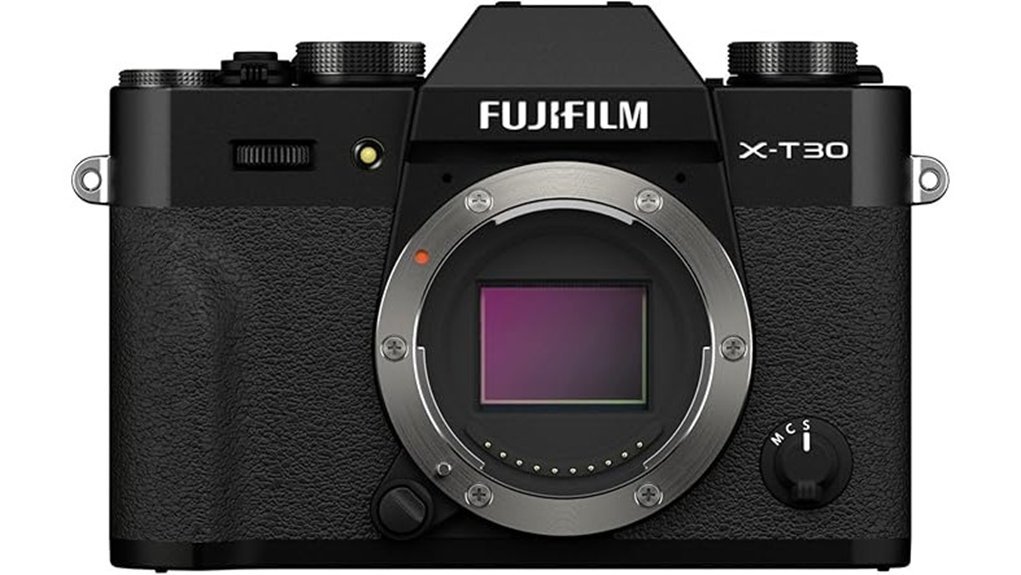
The Fujifilm X-T30 II Body – Black is a strong choice for beginners who want a compact camera that still delivers serious image quality and speed. Its 26.1MP X-Trans CMOS 4 sensor helps reduce noise while preserving vivid color, and the X-Processor 4 enables autofocus in as little as 0.02 seconds. It also supports 30fps continuous shooting and 4K video at 30fps, plus 1080p slow motion. A tilting touchscreen, SR Auto mode, Bluetooth, and Wi-Fi make it practical. The camera’s lightweight body and vintage styling add appeal.
Best For: Beginners and enthusiasts who want a compact, lightweight mirrorless camera with fast autofocus, strong image quality, and solid 4K video features.
Pros:
- 26.1MP X-Trans CMOS 4 sensor delivers sharp, vibrant images with low noise.
- Fast autofocus and 30fps continuous shooting make it great for action and everyday photography.
- 4K video, slow-motion options, tilting touchscreen, and Wi-Fi/Bluetooth add versatility and convenience.
Cons:
- Single SD card slot may be limiting for backups or professional workflows.
- Battery life and ergonomic grip may feel modest for extended shooting sessions.
- Advanced video and manual controls may be more than a true beginner needs.
Canon EOS RP Full Frame Mirrorless Camera
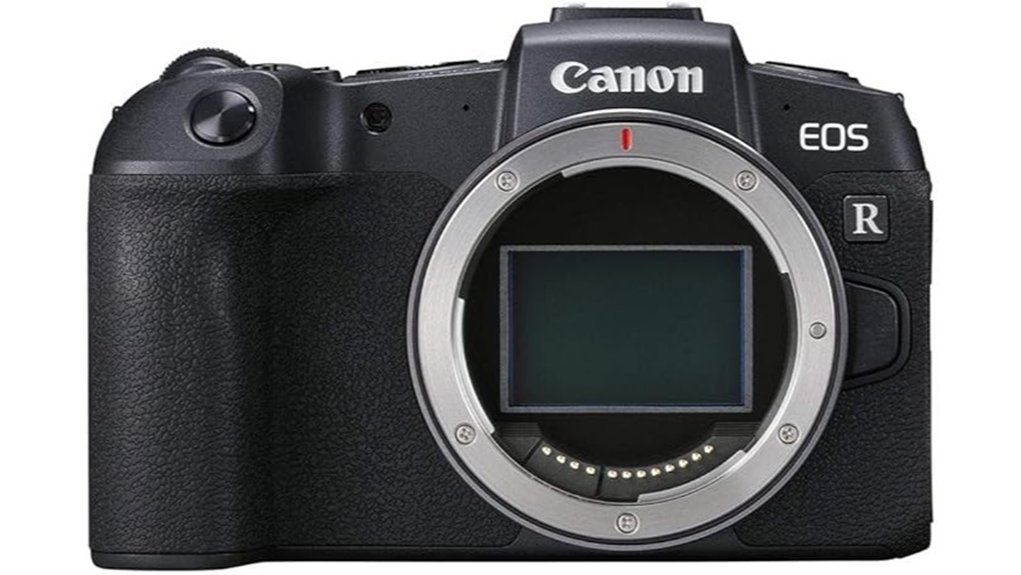
Canon EOS RP suits beginners seeking full-frame image quality in a compact mirrorless body. Its 26.2MP CMOS sensor and DIGIC 8 processor produce detailed JPEG and RAW files, while Dual Pixel CMOS AF supports reliable focusing in stills. The vari-angle touchscreen and electronic viewfinder aid framing, and Wi-Fi plus Bluetooth simplify sharing. 4K UHD video, clean HDMI, and webcam support add versatility. Canon RF compatibility, plus EF and EF-S support through an adapter, expands lens options. A single SD UHS-II slot and 5 fps shooting keep operation straightforward for new photographers.
Best For: Beginners and casual photographers who want full-frame image quality in a compact mirrorless camera with easy-to-use controls and solid connectivity.
Pros:
- 26.2MP full-frame sensor with DIGIC 8 delivers detailed JPEG and RAW images.
- Dual Pixel CMOS AF, vari-angle touchscreen, and electronic viewfinder make shooting and framing easier.
- Wi‑Fi, Bluetooth, clean HDMI, and webcam support add useful modern connectivity.
Cons:
- 4K video is available, but performance is limited compared with more advanced hybrid cameras.
- Single SD card slot and 5 fps burst shooting may not suit fast-action or backup-focused users.
- Full-frame RF lenses and adapters can increase overall system cost.
Sony Alpha a6400 Mirrorless Camera Body (4K)
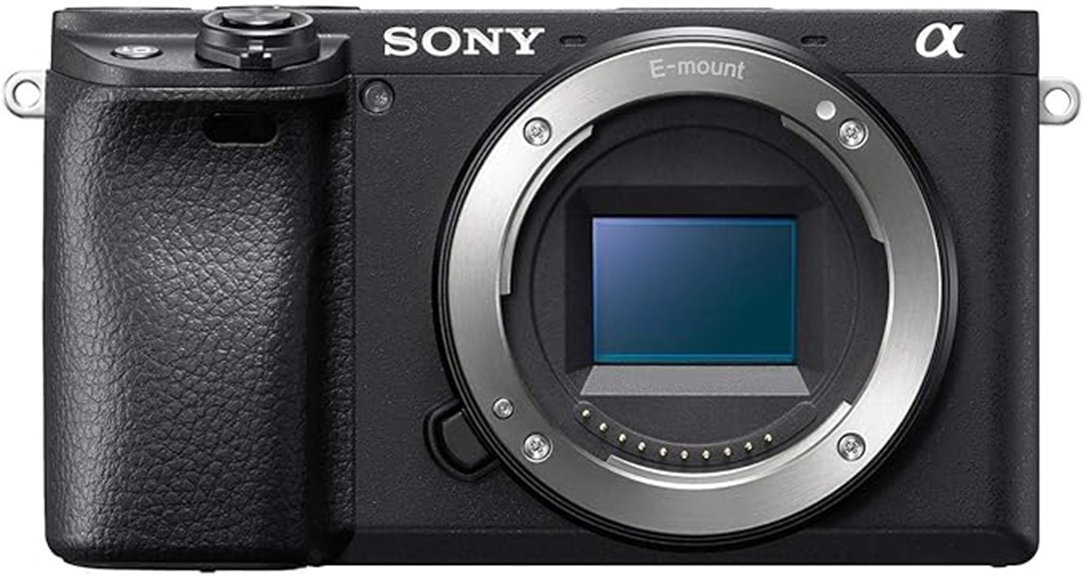
Sony’s a6400 suits beginners who want advanced autofocus without moving into pro-level complexity. The APS-C mirrorless body offers 24.2 MP stills, 4K video, and up to 11 fps shooting for fast-moving subjects. Its Real-Time Eye AF and 425-point hybrid autofocus system help keep portraits and action sharp. A 3-inch tilting touchscreen aids framing, while Bluetooth, Wi-Fi, and Micro-HDMI support easy sharing and monitoring. With ISO 100–32,000, it remains flexible in varied light. The included battery, strap, and body cap make it ready to use immediately.
Best For: Beginners and enthusiast photographers who want advanced autofocus, 4K video, and fast burst shooting in a compact APS-C mirrorless body.
Pros:
- Real-Time Eye AF and 425-point hybrid autofocus deliver sharp results for portraits and moving subjects.
- 24.2 MP stills, 4K video, and up to 11 fps shooting make it versatile for photo and video use.
- Tilt touchscreen plus Bluetooth, Wi-Fi, and Micro-HDMI add convenience for framing, sharing, and monitoring.
Cons:
- No in-body image stabilization, so steady handheld shooting may depend on lens stabilization or technique.
- The 3-inch screen is useful but lower in resolution than some newer competitors.
- Uses the older NP-FW50 battery, which may offer shorter life than larger modern batteries.
Factors to Consider When Choosing Cameras for Beginners 2026: Top Picks and Buying Guide
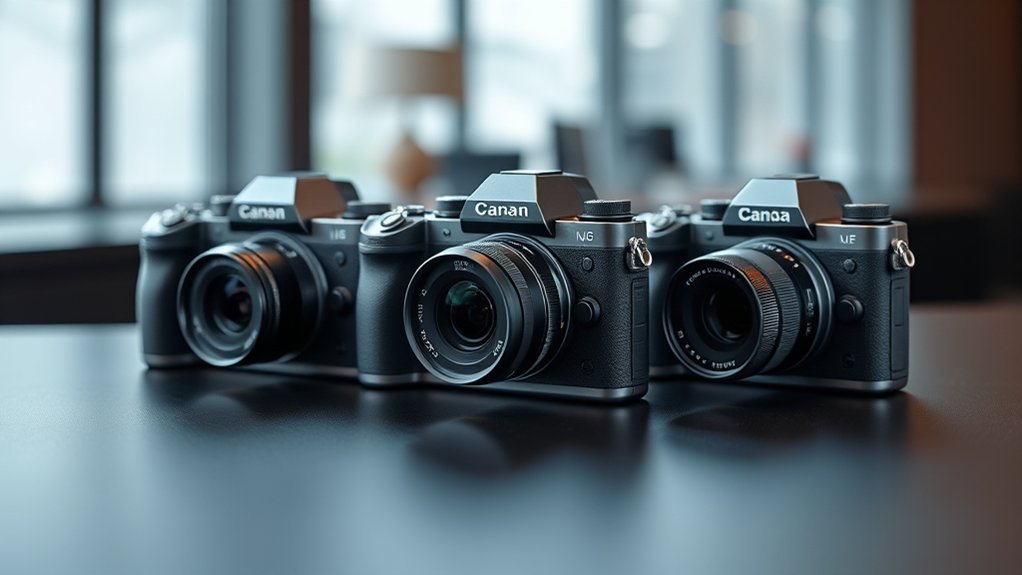
Choosing a beginner camera in 2026 starts with the basics: sensor size, autofocus performance, and video features shape image quality and shooting confidence. Ease of use also matters, since simple controls and clear menus can help new photographers learn faster. Connectivity options, such as Wi‑Fi and Bluetooth, add convenience for quick sharing and remote control.
Sensor Size Matters
Sensor size is one of the most important factors for beginner cameras because it directly affects image quality, low-light performance, and dynamic range. Larger sensors capture more light, which usually improves detail and reduces noise in dim conditions. APS-C sensors are often the most practical choice for new photographers, offering a strong mix of image quality, manageable size, and lower cost. Full-frame sensors can deliver greater detail and more control over depth of field, but they usually require a bigger budget and heavier gear. Smaller sensors in compact cameras are easier to carry, yet they generally perform worse in low light. It also helps to understand crop factor, since it changes the effective focal length of lenses and influences framing.
Autofocus For Beginners
Fast autofocus can make a beginner camera far easier to use, especially when a subject moves unexpectedly or the shot lasts only a moment. Systems that lock focus in about 0.02 seconds help reduce missed shots and boost confidence. Tracking features are also valuable, since they keep moving people or pets sharp in busy, unpredictable scenes. Dual pixel autofocus adds smooth, accurate focus acquisition, which supports consistent results for still images and makes operation feel straightforward. Fast burst shooting, reaching up to 30 frames per second, gives beginners more chances to catch the best expression or gesture. Low-light autofocus matters as well; sensitivity down to -7EV can improve focus in dim rooms, evening streets, or indoor events, where many entry-level cameras struggle.
Video Features
For beginners who want to shoot video as well as photos, key features can make the learning curve much easier. Cameras with 4K recording deliver sharp footage that suits social media, streaming, and future-proof projects. High frame rates, such as 240fps at 1080p, add slow-motion options for more expressive clips. Recording formats like AVCHD and XAVC matter because they broaden editing compatibility and give more control in post-production. Reliable autofocus is also important; systems such as Real-Time Eye AF or Dual Pixel CMOS AF help keep moving subjects in focus during filming. Connectivity should not be overlooked, either. HDMI and USB ports simplify transferring clips to computers, monitors, and other devices, making sharing and editing more efficient for first-time video creators.
Ease Of Use
Ease of use is a major factor for beginners, since intuitive controls and a straightforward interface can make early learning far less frustrating. Cameras with clear menus, well-labeled buttons, and logical layouts reduce confusion and help new users focus on taking photos rather than searching for settings. A vari-angle touchscreen adds flexibility, making framing simpler from high, low, or awkward positions. Automatic shooting modes, including scene recognition or advanced SR Auto, are valuable because they select suitable settings with minimal effort. Lightweight, compact bodies also improve handling and portability, encouraging regular practice. Models that include instructional guides or built-in tutorials can further support learning by explaining functions and techniques. Together, these features create a smoother start and a more confident experience for first-time photographers.
Connectivity Options
Connectivity options can make a beginner camera far more convenient to use, especially when sharing photos or moving files quickly. Bluetooth and Wi‑Fi should be high on the checklist, since they let images move easily to smartphones and tablets through companion apps. Support for JPEG and RAW files also matters, because it gives beginners flexibility between simple sharing and deeper editing. An HDMI port can be useful for connecting to monitors or TVs during presentations or video playback. USB connectivity adds value by enabling straightforward file transfer and, on some models, charging during travel. Compatibility with smartphone printers and other accessories can further expand creative options, making it easier to produce physical prints and streamline a simple, beginner-friendly workflow.
Frequently Asked Questions
How Long Do Beginner Camera Batteries Typically Last?
Beginner camera batteries typically last 300 to 700 shots, or about one to three hours of casual use. Battery life varies by model, screen use, video recording, and temperature, with spares often recommended.
Can Beginners Use Vintage Lenses on Modern Cameras?
Yes, beginners can use vintage lenses on modern cameras with the proper adapter. They often offer manual focus and aperture control, which can teach fundamentals, though compatibility, metering, and lens condition vary.
Do Beginner Cameras Support Wireless Photo Transfer?
Yes, many beginner cameras support wireless photo transfer. Who wouldn’t want instant sharing? Most include Wi‑Fi or Bluetooth, letting users send images to phones or tablets, though setup and speed vary by model.
Are Beginner Camera Sensors Easy to Clean?
Beginner camera sensors are not especially easy to clean; they are delicate and dust-prone. Many users prefer professional cleaning or careful use of a blower, since improper contact can damage the sensor surface quickly.
What Accessories Are Essential for First-Time Camera Owners?
A first-time camera owner needs a sturdy strap, extra battery, memory card, lens cloth, and protective case. Like a toolkit for a new craft, these essentials keep shooting smooth, safe, and uninterrupted.
Conclusion
In the end, the Fujifilm X-T30 II, Canon EOS RP, and Sony a6400 stand out as strong beginner-friendly choices for 2026. Each balances image quality, usability, and room to grow, making them practical first cameras. One interesting statistic is that mirrorless cameras now account for over 70% of interchangeable-lens camera sales in many markets, showing how quickly this category has become the standard for new photographers.