Disclosure: This post contains Amazon affiliate links. We may earn a commission on qualifying purchases, at no extra cost to you.
In 2026, comfort and mobility stand out in the best gloves and hand-warming accessories for neuropathy. Janmercy Arthritis Compression Gloves provide targeted support with an ergonomic design that allows dexterity. For outdoor enthusiasts, Ihuan Winter Waterproof Ski Gloves guarantee warmth and functionality. And for extra cold days, the HotHands Hand Warmers Bulk Pack offers a simple instant heat add-on that pairs with gloves rather than replacing them. These choices enhance daily activities while accommodating individual needs. Explore further to discover additional features and recommendations for ideal neuropathy hand-comfort options.
Safety Note: Neuropathy symptoms and severity vary widely from person to person. These products are comfort and warmth aids, not medical treatments. If you experience persistent numbness, pain, or circulation changes in your hands, talk to a healthcare professional before relying on any glove or accessory for symptom management.
Quick Comparison
| Product | Best For | Key Feature | Get It |
|---|---|---|---|
| Janmercy Arthritis Compression Gloves | Best Overall for Everyday Relief | Open-finger compression, 3 pairs included | Check Price |
| Ihuan Winter Waterproof Ski Gloves | Best for Outdoor Cold-Weather Use | Waterproof shell, fleece lining, touchscreen fingers | Check Price |
| HotHands Hand Warmers Bulk Pack | Best Warming Add-On for Extra-Cold Days | Up to 10 hours of heat, slips inside gloves or pockets | Check Price |
Janmercy Arthritis Compression Gloves for Hand Pain Best Overall
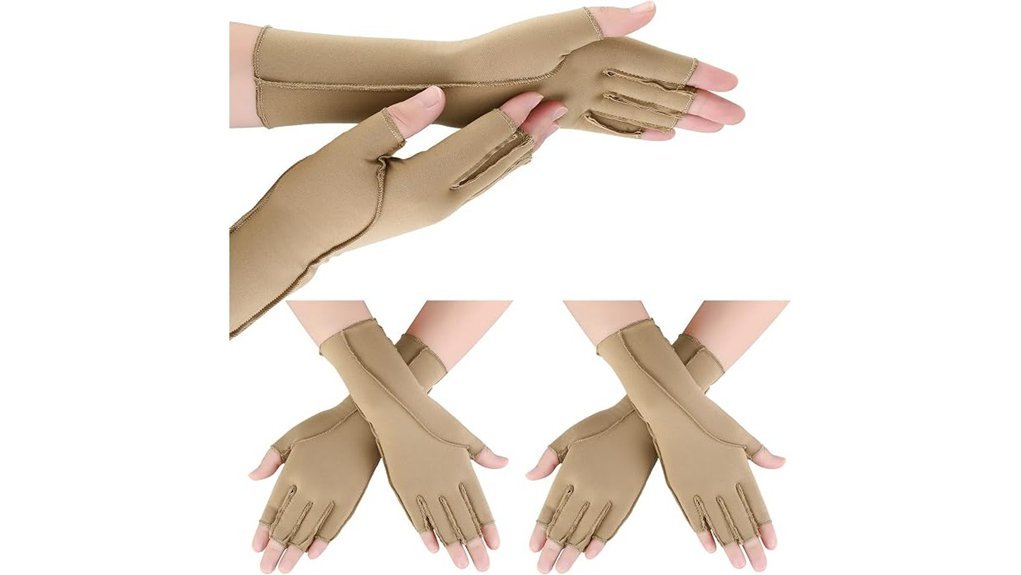
Janmercy Arthritis Compression Gloves stand out for their ergonomic design, offering targeted support for individuals dealing with conditions like arthritis and carpal tunnel. These gloves feature an open finger design, allowing users to perform tasks such as typing and knitting without restriction. Constructed from lightweight nylon, they enhance dexterity while helping ease stiffness and support circulation. The outside seams help prevent skin irritation, aiming for all-day comfort. Ideal for a variety of activities, from working at home to sports, they come in a pack of three pairs, making them a thoughtful gift for anyone seeking hand-comfort support.
Best For: Individuals managing arthritis, carpal tunnel symptoms, or neuropathy-related hand discomfort during daily activities.
Why You’ll Like It: The open-finger design means you don’t have to remove the gloves to type, cook, or use your phone — a common frustration with bulkier compression wear.
Who Should Avoid This: Anyone needing insulated warmth for cold outdoor conditions — these are lightweight compression gloves, not winter gloves.
Pros:
- Ergonomic design provides targeted support and may help support circulation.
- Open finger design allows for full dexterity while performing tasks like typing and knitting.
- Comfortable material designed for all-day wear without irritation.
Cons:
- Sizing may vary; users need to refer to the size chart for proper fit.
- May not provide enough compression for severe conditions.
- Lightweight material might not be suitable for extremely cold environments.
Ihuan Winter Waterproof Ski Gloves for Men and Women Best for Cold Outdoor Use
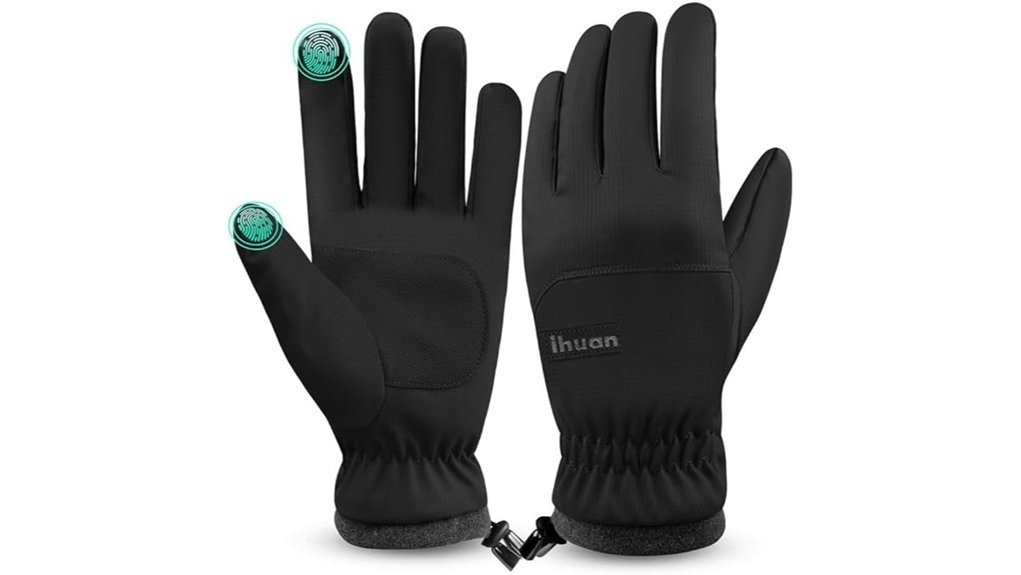
The Ihuan Winter Waterproof Ski Gloves are built for those who need warmth and comfort during cold outdoor activities, including people with cold-sensitive hands. Designed for both men and women, these gloves perform best in temperatures ranging from 20°F to 32°F. Their soft fleece lining and waterproof outer layer provide protection against harsh weather. Additionally, the adjustable windproof cuff helps keep snow and ice from entering. Featuring a non-slip palm and touchscreen capability, users can maintain grip and operate devices without removing the gloves. Lightweight and functional, these gloves are ideal for skiing, cycling, and other winter pursuits.
Best For: Individuals seeking warmth and comfort during outdoor winter activities, particularly those with cold-sensitive or neuropathy-affected hands.
Why You’ll Like It: The touchscreen-compatible fingers mean you can check your phone or use a fitness tracker mid-hike without exposing bare hands to the cold.
Who Should Avoid This: Anyone in consistently sub-20°F conditions or heavy rain — the cuff area isn’t fully waterproof, and the glove isn’t rated for extreme cold.
Pros:
- Warm and waterproof: Soft fleece lining and waterproof fabric keep hands warm and dry in cold conditions.
- Touchscreen compatible: Allows easy use of devices without removing gloves, enhancing convenience.
- Non-slip grip: Microfiber leather palm provides excellent grip, making it suitable for various activities like skiing and cycling.
Cons:
- Not fully waterproof: The wrist area is made of flexible material and is not waterproof, limiting protection in heavy rain.
- Care instructions: Requires careful hand washing and air drying, which may be less convenient for some users.
- Temperature range: Best performance is limited to 20°F–32°F, potentially unsuitable for extremely cold conditions.
HotHands Hand Warmers Bulk Pack (40 Pairs) Best Warming Add-On
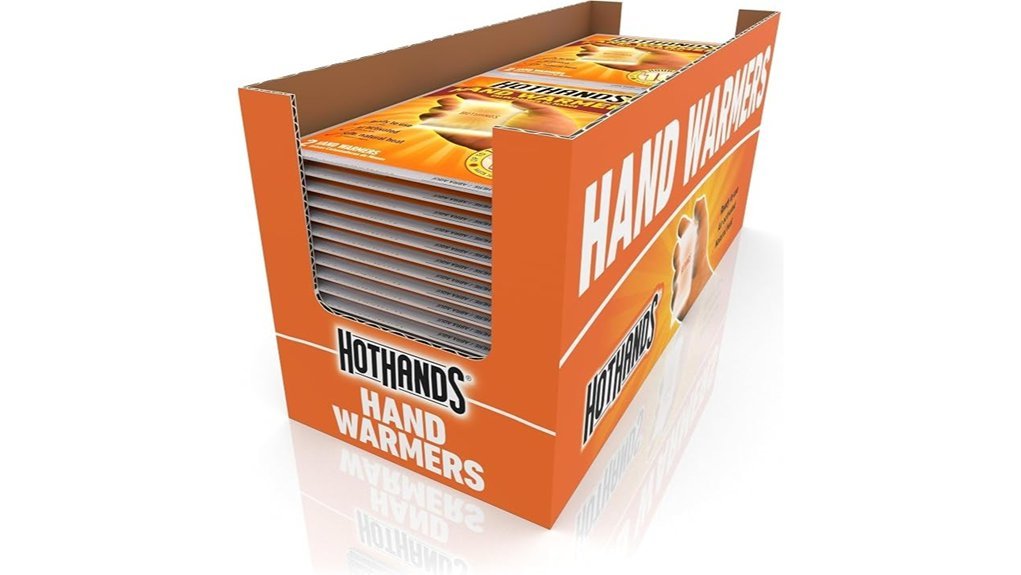
For individuals with cold-sensitive hands, including those managing neuropathy discomfort, staying warm can make a real difference — and the HotHands Hand Warmers Bulk Pack is a simple way to add extra heat. Note that this is a heat-pack accessory, not a glove — it’s meant to be tucked inside gloves or pockets for added warmth, not worn on its own. This bulk pack contains 40 pairs of instant hot packs. Each warmer provides up to 10 hours of natural heat and activates simply by exposure to air. Compact enough to fit in pockets or gloves, they’re versatile for activities like tailgating, hiking, skiing, and outdoor work.
Best For: Pairing with gloves (like the two picks above) on especially cold days, or for anyone who wants extra portable heat for cold hands.
Why You’ll Like It: Slipping one of these into an existing glove or pocket is an easy, no-effort way to add hours of extra warmth without buying heated gear.
Who Should Avoid This: Anyone looking specifically for a glove — this product doesn’t provide hand coverage, dexterity support, or compression on its own.
Pros:
- Provides up to 10 hours of natural heat, offering long-lasting warmth.
- Easy to activate; simply expose to air without any preparation.
- Compact design allows for easy storage in pockets or gloves, making them convenient for on-the-go use.
Cons:
- Single-use, leading to waste if not all warmers are utilized.
- Effectiveness may vary depending on environmental conditions.
- Not suitable for individuals with certain skin sensitivities due to heat generation.
- Does not replace a glove — provides heat only, not coverage or compression.
Factors to Consider When Choosing Gloves for Neuropathy 2026: Comfort and Mobility Picks
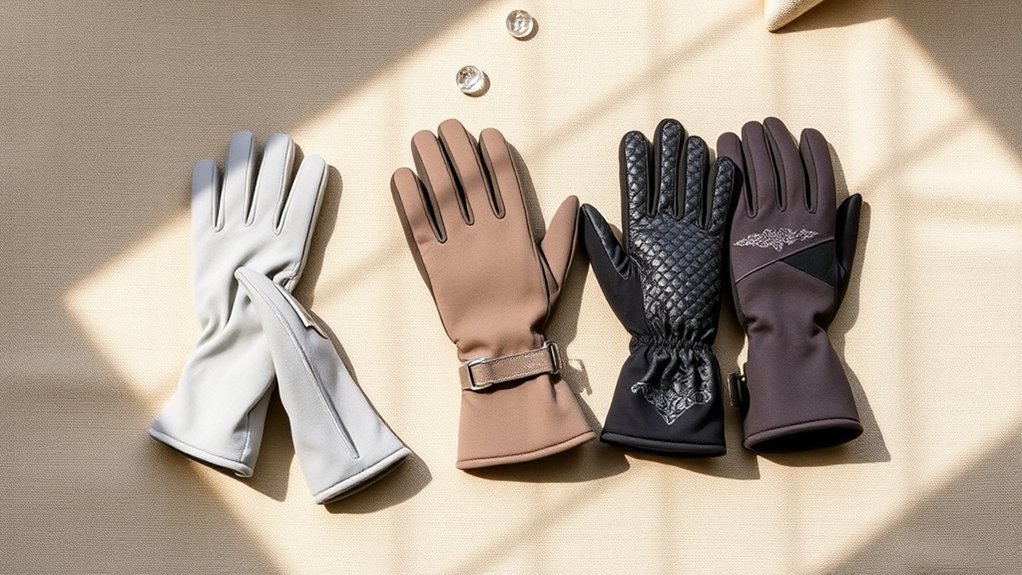
When selecting gloves for neuropathy, several key factors merit attention. Material quality, finger flexibility, and mobility are essential for ensuring comfort and ease of use. Additionally, considerations such as compression support and temperature regulation can greatly enhance the overall experience for users.
Material Quality Considerations
Choosing the right materials for gloves designed for neuropathy is fundamental for enhancing comfort and mobility. High-quality materials, such as lightweight nylon or breathable fabrics, help prevent overheating, an important factor for individuals with neuropathy. Softer, flexible fabrics enhance dexterity, enabling users to perform daily tasks with ease. Compression fabrics may help support circulation and reduce swelling, providing additional comfort. Additionally, durable materials help with longevity, resisting wear during daily activities or physical therapy. Moisture-wicking properties are also useful, keeping hands dry and comfortable while minimizing irritation. Together, these material qualities meaningfully contribute to how well gloves support comfort for people managing neuropathy symptoms.
Finger Flexibility and Mobility
While selecting gloves for neuropathy, finger flexibility and mobility emerge as essential factors that can greatly influence daily functioning. Enhanced dexterity is important for performing everyday tasks such as typing or gripping objects. Gloves featuring an open finger design allow users to maintain grip without restriction, thereby promoting ease of movement. Ergonomic designs may help reduce stiffness, fostering better circulation and overall comfort. Lightweight and stretchable materials are beneficial, as they support weakened muscles while facilitating finger movement. Additionally, ensuring the right fit is vital; poorly fitting gloves can hinder flexibility and worsen discomfort, making it important for individuals with neuropathy to choose gloves that prioritize both mobility and comfort.
Compression and Support Levels
Finger flexibility and mobility are vital, but compression and support levels also play a significant role in selecting gloves for neuropathy. Compression gloves may help ease neuropathy-related discomfort by supporting blood circulation and reducing swelling, though they are not a medical treatment for neuropathy itself. It’s important to choose the right level of compression based on individual comfort, as excessive pressure may restrict movement or cause discomfort. Gloves with ergonomic designs maintain dexterity while providing necessary support for daily tasks. Breathable, moisture-wicking materials enhance comfort during prolonged use, preventing overheating and irritation. Additionally, adjustable features like wrist cuffs allow for a customized fit, accommodating varying degrees of swelling or sensitivity.
Temperature Regulation Features
When selecting gloves for neuropathy, temperature regulation features are worth paying attention to for maintaining ideal warmth. Gloves with insulated materials like fleece or thermal linings provide necessary warmth while allowing breathability to prevent overheating. Additionally, waterproof or windproof outer layers protect hands from cold and damp conditions, helping them stay dry during outdoor activities. Adjustable cuffs are another useful feature, helping to seal in warmth and block out cold air and moisture. Moreover, touchscreen compatibility is increasingly useful, enabling users to interact with devices without removing their gloves. For extra-cold days, a warming accessory like an air-activated heat pack can supplement glove insulation without needing to buy heated gear.
Ease of Use Design
Selecting gloves designed for ease of use is important for individuals with neuropathy, as these features greatly enhance functionality and comfort. Gloves with an open finger design enable tasks like typing and writing without removal, improving usability. Outside seams are beneficial, reducing irritation on sensitive skin and increasing wearability throughout the day. Additionally, adjustable wrist cuffs or open seams provide both coverage and support, making them easier to put on and adjust. Lightweight materials enhance dexterity, allowing for better finger movement and minimizing stiffness.
Size and Fit Options
Finding the right size and fit for gloves designed for neuropathy is essential for ensuring comfort and functionality. Proper sizing helps avoid circulation issues while providing necessary support. Utilizing a size chart specific to the gloves can help individuals identify the most comfortable fit, enhancing mobility and reducing discomfort. Gloves with adjustable features, such as wrist cuffs or straps, can accommodate varying hand sizes, ensuring a secure fit. Additionally, materials that offer a snug yet stretchy fit enhance dexterity, making daily tasks easier for those with neuropathy.
Versatility for Activities
Versatile gloves for neuropathy are useful for individuals who engage in various daily activities, as they provide both comfort and functionality. An open finger design allows users to type and write without removing the gloves, enhancing mobility. Lightweight materials contribute to ease of movement and improved dexterity. Adjustable cuffs help ensure a snug fit, preventing cold air and moisture from entering while maintaining comfort. Non-slip features are significant for better grip, particularly when handling tools or devices, making these gloves a helpful resource for those managing neuropathy while navigating everyday tasks.
Frequently Asked Questions
Can Gloves for Neuropathy Improve Circulation in My Hands?
Gloves designed for neuropathy may help support circulation by providing gentle compression and warmth, which can promote comfortable blood flow. However, individual results vary, and consulting a healthcare professional is advisable to determine the most suitable options for your specific condition.
Are There Specific Materials to Avoid for Sensitive Skin?
For sensitive skin, it’s advisable to avoid materials like latex, wool, and certain synthetic fibers that may cause irritation. Opting for soft, breathable fabrics like cotton, bamboo, or nylon can enhance comfort and reduce discomfort.
How Do I Properly Clean Compression Gloves?
To properly clean compression gloves, hand wash them in lukewarm water with mild detergent. Rinse thoroughly and air dry away from direct sunlight to help maintain their elasticity and prolong their effectiveness.
Will Wearing Gloves Affect My Grip Strength?
Wearing gloves can initially affect grip strength, depending on their fit and material. However, well-designed gloves may enhance grip by providing additional support and stability, which can improve overall hand function and comfort during activities.
Can I Wear Neuropathy Gloves While Sleeping?
Many people find wearing compression gloves at night comfortable for warmth and gentle support, but individual preferences vary — it’s worth assessing your own comfort level, and checking with a doctor if you have circulation concerns, before making it a regular habit.
Are Hand Warmers a Substitute for Neuropathy Gloves?
No. Hand warmers like the HotHands packs provide heat only — they don’t offer compression, dexterity support, or hand coverage. They work best as a companion to a proper glove, tucked inside for extra warmth on especially cold days, rather than as a standalone solution.
Conclusion
To sum up, selecting the right gloves — and the right supporting accessories — can meaningfully improve comfort for those managing neuropathy. The options explored, from compression gloves to insulated winter gloves and warming add-ons, cater to different needs, whether that’s daily hand support, outdoor cold protection, or extra warmth on the coldest days. By prioritizing comfort, fit, and functionality, individuals can make a more informed choice for their day-to-day hand care.