
As an Amazon Associate, we earn from qualifying purchases.
For 2027, a top pick for non-slip shoes is the Hytest Unisex Black Composite Toe, EH, Waterproof 6 Inch Boot. It pairs a waterproof leather upper with insulation and composite toe protection, making it a strong option for professionals working in wet, cold, or hazardous environments. Below you’ll find a full look at the boot, plus the key factors — material quality, comfort, safety features, and traction performance — that matter most when choosing non-slip footwear.
Quick Verdict: The Hytest Composite Toe Waterproof Boot is best for workers who need an EH-rated, slip-resistant boot for wet, cold, or hazardous job sites.
Hytest Unisex Black Composite Toe, EH, Waterproof 6 Inch Boot
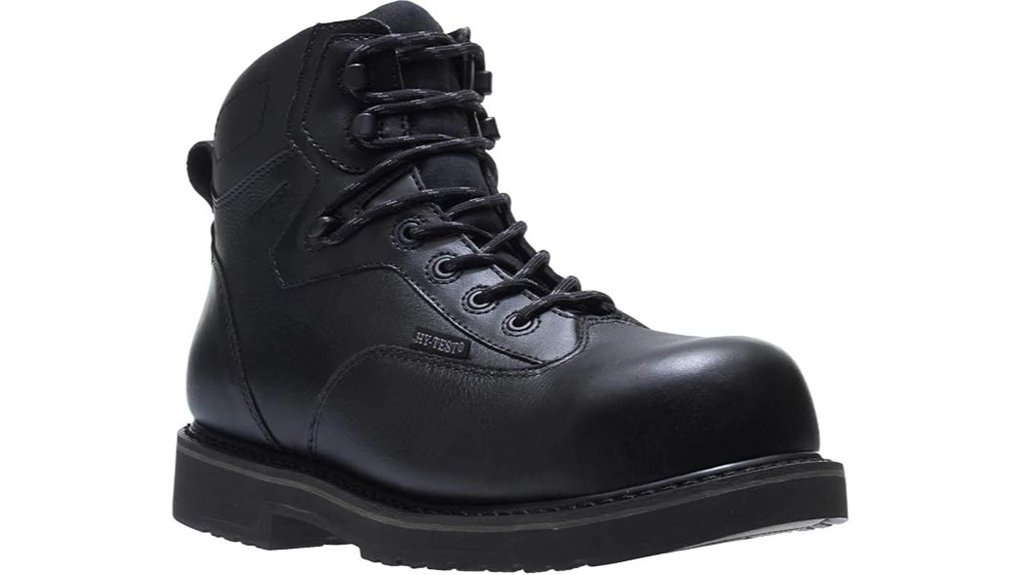
The Hytest Unisex Black Composite Toe, EH, Waterproof 6 Inch Boot stands out as an ideal choice for professionals seeking reliable safety footwear in demanding environments. Constructed with a waterproof full-grain black leather upper and a mesh lining featuring a waterproof barrier bootie, it helps keep feet dry in wet conditions. The boot’s Goodyear welt construction enhances durability, while 100 grams of Thinsulate insulation provides warmth. Comfort is prioritized with a fully padded tongue and collar alongside a removable full cushion footbed. Safety features include composite toe protection and an ASTM F2413-18 M/I/C EH compliance, complemented by an oil and slip-resistant outsole. Always confirm the exact footbed material, sizing, and current certifications on the Amazon listing before purchasing, as manufacturer specs can change.
Best For: Professionals in wet and demanding work environments who require durable and protective footwear.
Pros:
- Waterproof construction helps keep feet dry in wet conditions.
- Comfortable fit with padded tongue, collar, and cushioned footbed.
- Safety features include composite toe protection and EH compliance.
Cons:
- Insulation may be excessive for warm climates.
- Break-in period required for optimal comfort.
- Weight may be heavier compared to non-safety footwear.
Why You’ll Like It
If you spend your day on wet floors, icy loading docks, or job sites where a slip or a dropped object is a real risk, this boot is built around those exact problems — a slip-resistant outsole for grip, a composite toe for impact protection without the weight of steel, and a waterproof upper so wet ground doesn’t mean wet socks.
Who Should Buy This
- Tradespeople and warehouse workers needing EH-rated, slip-resistant boots.
- Anyone working outdoors in wet or cold conditions.
- Buyers who want composite (non-metal) toe protection.
Who Should Avoid This
- Those in consistently hot climates who don’t need Thinsulate insulation.
- Buyers wanting an ultra-lightweight, non-safety-rated shoe.
Factors to Consider When Choosing Non-Slip Shoes: 2027 Buying Guide
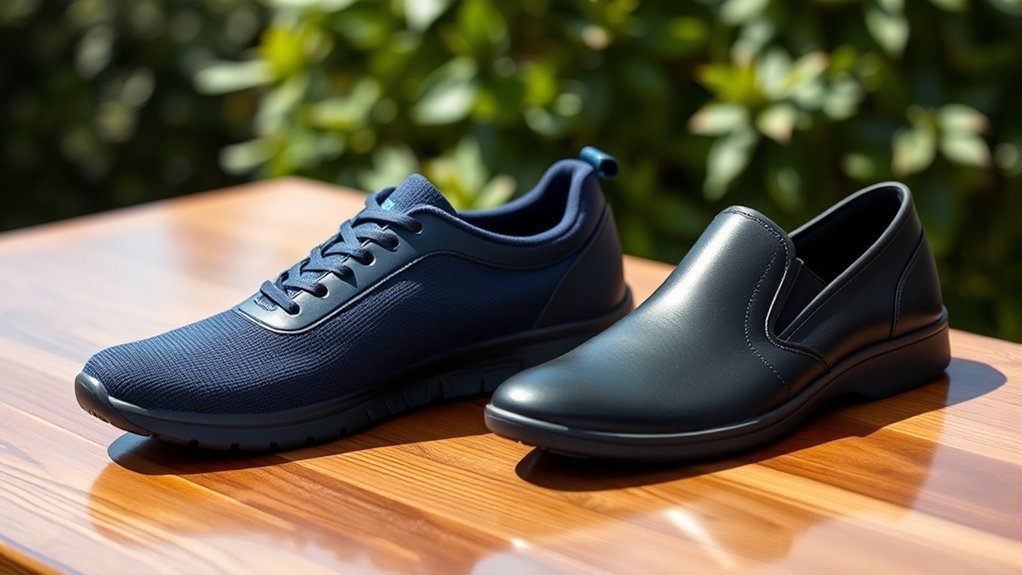
When selecting non-slip shoes, several key factors come into play. Material quality and durability guarantee longevity, while comfort and fit affect overall wearability. Additionally, safety features, traction performance, and versatility for various activities are critical for making an informed choice.
Material Quality and Durability
Choosing non-slip shoes necessitates careful consideration of material quality and durability, as these factors directly influence performance and longevity. Full grain leather is often preferred for its superior resistance to wear and tear compared to synthetic materials. The construction method also plays an important role; shoes with Goodyear welt construction can be easily resoled, greatly extending their lifespan. Additionally, waterproof materials prevent moisture penetration, which can compromise the shoe’s integrity over time. High-quality insulation, such as Thinsulate, helps regulate temperature and moisture, enhancing durability. Moreover, dual density outsoles made from polyurethane are essential for providing both slip resistance and durability, ensuring that non-slip shoes maintain grip on various surfaces under challenging conditions.
Comfort and Fit
Comfort and fit play a pivotal role in the selection of non-slip shoes, as even the most advanced slip-resistant technologies cannot compensate for improper sizing. A proper fit is essential; shoes that are too tight can cause discomfort and restrict movement, while loose shoes may lead to slips and falls. Features like padded collars and tongues enhance comfort during prolonged wear, reducing foot fatigue. Breathable mesh linings improve air circulation, keeping feet dry and comfortable during active use. Additionally, shoes with removable insoles allow for customization of fit and extra cushioning tailored to individual foot shapes. Finally, the height and style of the shoe should provide adequate ankle support, vital for maintaining stability during dynamic activities.
Safety Features and Regulations
Selecting non-slip shoes requires careful consideration of safety features and regulations to guarantee ideal protection and performance. Compliance with safety standards, such as ASTM F2413-18, assures that shoes meet essential criteria for impact and compression resistance, as well as electrical hazard protection. Key features to look for include composite toe protection, which offers safety while maintaining comfort and reducing weight. Slip-resistant outsoles, often crafted from dual-density materials, are essential for enhancing grip on various surfaces, minimizing accident risks. Additionally, insulation and waterproofing are important for outdoor use, assuring comfort and safety in adverse conditions. Proper construction techniques, like Goodyear welt construction, enhance durability and stability, further contributing to the overall safety of non-slip footwear.
Traction and Grip Performance
Traction and grip performance are essential factors in the effectiveness of non-slip shoes, influencing safety and stability in various environments. The outsole material primarily determines traction, with rubber compounds providing superior grip on diverse surfaces. The tread pattern also plays an important role; deeper grooves and unique designs enhance stability and minimize slipping. Shoes with a higher coefficient of friction offer better control during dynamic movements and quick directional changes. A dual-density outsole is ideal, balancing cushioning and grip for peak performance. Additionally, environmental factors, such as wet or dusty surfaces, greatly impact traction, making it essential to select shoes specifically designed for the conditions in which they will be used.
Versatility for Various Activities
While the primary function of non-slip shoes is to provide safety, their versatility across various activities greatly enhances their appeal. These shoes are designed for a range of environments, from casual outings to professional settings, guaranteeing safety without sacrificing style. Key features include oil and slip-resistant outsoles that enhance grip on multiple surfaces, making them suitable for both work and leisure. Waterproof materials offer protection for outdoor activities, while added insulation and cushioning assure comfort during prolonged wear. Additionally, lightweight and flexible designs facilitate better mobility, allowing wearers to shift seamlessly between active use and daily tasks. This adaptability makes non-slip shoes a valuable addition to any wardrobe, catering to diverse lifestyles and needs.
Care and Maintenance Tips
Maintaining non-slip shoes is essential for guaranteeing their longevity and effectiveness. Regular cleaning of the outsoles is vital to remove dirt and debris that can diminish traction. Inspecting the outsoles for wear and tear allows users to identify when replacement is necessary, especially when tread patterns become ineffective. Proper storage in a cool, dry place away from direct sunlight helps prevent material degradation. It’s important to use cleaners that are safe for the specific shoe materials, avoiding harsh chemicals that can compromise grip. Additionally, rotating non-slip shoes with another pair enables proper air circulation, maintaining their structural integrity and slip-resistant qualities over time. Following these care tips guarantees peak performance and safety.
Frequently Asked Questions
How Do Non-Slip Shoes Differ From Regular Shoes?
Non-slip shoes feature specialized outsoles designed to provide better traction, reducing the risk of slips on wet or oily surfaces. In contrast, regular shoes often lack these enhancements, making them less suitable for slippery environments.
Can Non-Slip Shoes Be Used for Outdoor Activities?
Non-slip shoes can be suitable for outdoor activities, depending on their design and materials. They provide traction on various surfaces, but it’s crucial to verify they are durable and weather-resistant for peak performance outdoors.
Are Non-Slip Shoes Machine Washable?
Non-slip shoes can be machine washed, but it’s essential to check the manufacturer’s instructions first. Many materials may tolerate washing, while others could be damaged, affecting the shoe’s effectiveness and longevity.
What Materials Enhance Non-Slip Properties?
Rubber soles, textured patterns, and specialized polymers enhance non-slip properties in shoes. The theory that softer materials provide better grip holds true, as they adapt to surfaces, increasing friction and reducing slippage considerably.
How Often Should Non-Slip Shoes Be Replaced?
Non-slip shoes should typically be replaced every six to twelve months, depending on usage and wear. Regular inspection for signs of wear can help maintain safety and guarantee peak performance in slippery environments.
Conclusion
In summary, selecting the right non-slip shoes is essential for ensuring safety and comfort in demanding environments. The Hytest Unisex Black Composite Toe, EH, Waterproof 6 Inch Boot stands out as a strong choice for 2027, combining waterproof protection, EH-rated composite toe safety, and a slip-resistant outsole. By carefully considering material quality, fit, safety features, and traction, you can choose footwear that keeps you steady, protected, and ready for whatever the job site brings.




[…] Best Non-Slip Shoes for 2027: Top Pick and Buying Guide […]