You might think your dehumidifier is simply pulling extra moisture from the air, but it needs the same kind of care as any appliance that handles water, dust, and airflow. A dirty tank, clogged filter, blocked vent, or overly low humidity setting can leave your room feeling worse instead of better. The good news is simple: keep the unit clean, keep indoor humidity in a safe range, and pay attention when symptoms appear after the unit runs.
Quick Answer
Yes, a dehumidifier can make you feel sick if it is dirty, moldy, poorly placed, or set so low that it over-dries the air. Keep indoor humidity around 30% to 50%, clean the tank and filter regularly, and stop using the unit if musty odors or symptoms appear.
Key Takeaways
- A dehumidifier is usually safe when it is clean, sized correctly, and used to keep indoor humidity in the EPA-recommended 30% to 50% range.
- A dirty tank, filter, vent, or drain hose can develop odors and may expose you to mold, dust, or other irritants.
- Air that is too dry can irritate your nose, throat, eyes, and skin, and dry air is a common trigger for nosebleeds.
- Clean the tank often, check the filter frequently during heavy use, and let all parts dry fully before reassembling the unit.
- If you have asthma, chronic lung disease, immune concerns, repeated nosebleeds, or symptoms that persist, treat this as a health issue and contact a healthcare professional.
Can a Dehumidifier Make You Sick?
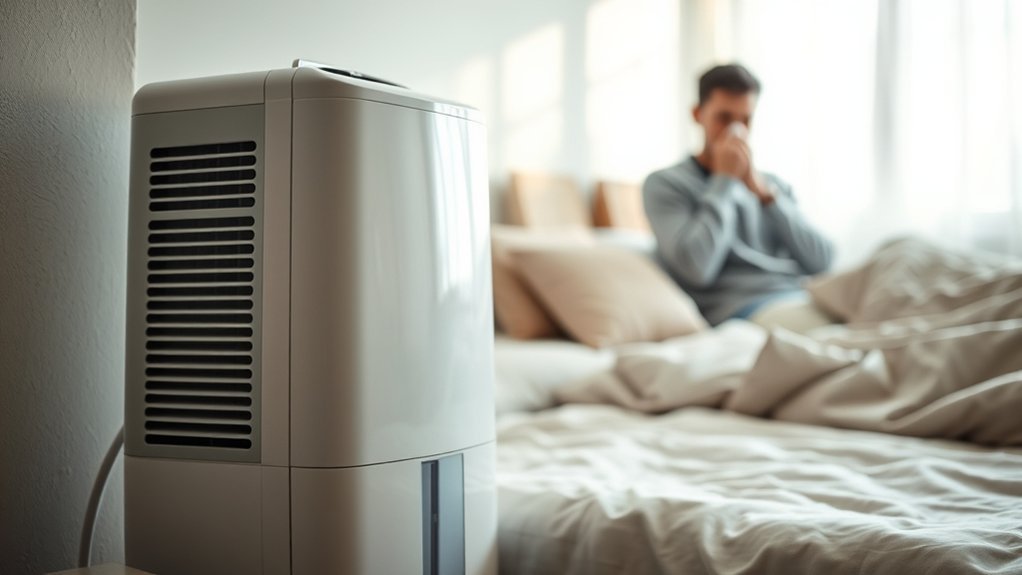
Yes, a dehumidifier can make you feel sick if it is used or maintained poorly. The appliance itself is not the usual problem. The problem is what can happen inside and around it: standing water, dust buildup, mold growth, blocked airflow, or humidity that drops too low.
The CDC notes that damp and moldy environments may cause symptoms such as stuffy nose, sore throat, coughing, wheezing, burning eyes, or skin rash, especially in people with asthma, mold allergy, chronic lung disease, or weakened immune systems. A neglected dehumidifier can add to those indoor-air problems if the tank, filter, coils, vents, or drain hose are dirty.
Over-drying is the second risk. A dehumidifier that pulls indoor humidity too low can leave your nose, throat, eyes, and skin feeling irritated. Cleveland Clinic explains that dry air can dry and irritate nasal membranes, making nosebleeds more likely.
The goal is not to make indoor air as dry as possible. The goal is controlled humidity: usually 30% to 50%, with a clean unit and good airflow.
Dirty Dehumidifier Risks to Watch For
A dirty dehumidifier can become a source of odor and irritation instead of a tool for better air. The tank collects water, the filter traps dust, and the vents move room air through the unit. When those parts are ignored, the unit may smell musty, run less efficiently, and move unpleasant air through the room.
Watch for these warning signs:
- Musty odor: A damp or earthy smell often points to stagnant water, dirty plastic surfaces, a dirty filter, or nearby mold.
- Visible residue: Slime, discoloration, cloudy buildup, or floating debris in the tank means the tank needs cleaning before the unit runs again.
- Symptoms after it runs: Coughing, throat irritation, itchy eyes, sneezing, or asthma symptoms that flare after the dehumidifier starts should be taken seriously.
- Poor airflow: Weak airflow, louder operation, or a filter packed with dust can reduce performance and may spread stale odors.
- Humidity does not improve: If the room stays damp even while the unit runs, the dehumidifier may be undersized, blocked, iced over, dirty, or fighting an active leak.
Warning: Do not keep running a dehumidifier that smells moldy, leaks water, has visible residue in the tank, or causes symptoms every time it turns on. Unplug it, clean it, inspect the room for moisture problems, and restart only when the unit and area are dry and clean.
If you see or smell mold in the room itself, the dehumidifier is only part of the fix. The EPA says the key to mold control is moisture control: clean up mold promptly and fix the water problem, or the mold problem is likely to come back.
When Dry Air Starts Causing Symptoms
Dry air can cause its own problems. If you set the dehumidifier too low or run it nonstop in a room that is already dry, you may notice dry cough, scratchy throat, dry eyes, irritated sinuses, dry skin, or nosebleeds.
Use a separate hygrometer if your dehumidifier only has a basic dial or if the reading seems unreliable. A room may feel damp near a cold wall, window, or laundry area while the center of the room reads differently. That is why one small humidity gauge placed away from the dehumidifier’s air stream can give you a better room reading.
For most homes, aim for 30% to 50% relative humidity. ENERGY STAR also notes that colder climates may need a lower winter target, often around 30% to 40%, to reduce window condensation during heating season. If you are getting nosebleeds, cracked skin, or irritated airways, raise the setting and let the room settle before running the unit again.
Safe Humidity Levels and Best Placement
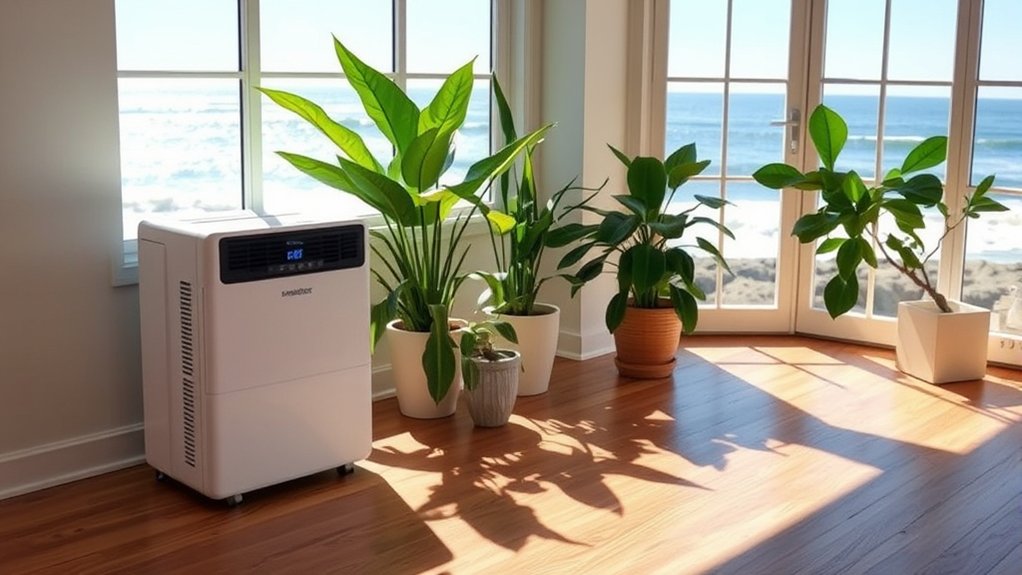
A dehumidifier works best when the room is set up for it. Closing windows and exterior doors helps stop outdoor humidity from undoing the work. Keep the unit where air can circulate freely, and do not press it tightly against furniture, curtains, or walls unless your specific model allows that setup.
Use these placement rules:
- Keep airflow open: Leave space around the intake and discharge vents according to your owner’s manual.
- Avoid dust sources: Do not place it next to woodworking tools, litter boxes, heavy dust, or lint-heavy areas if you can avoid it.
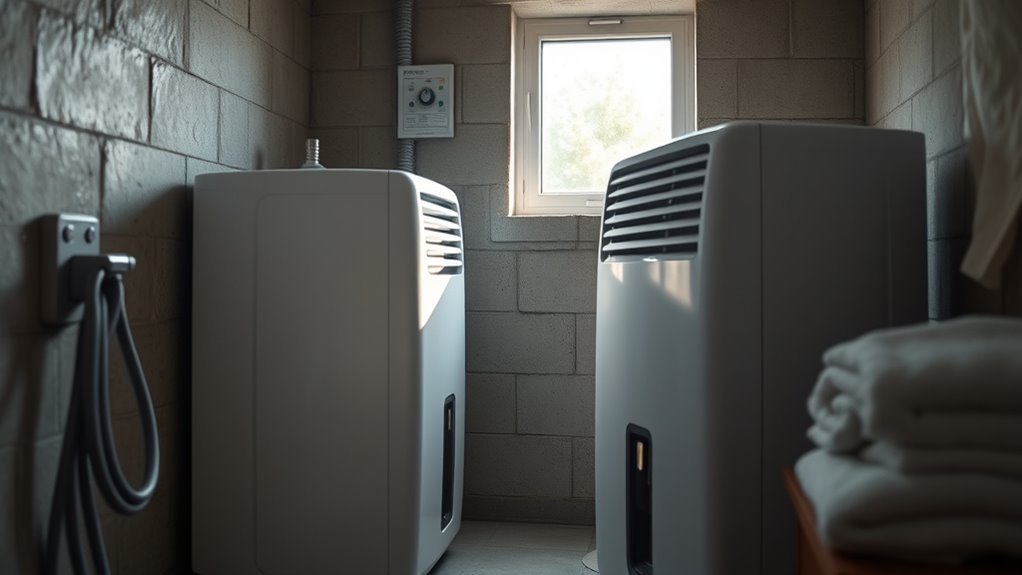
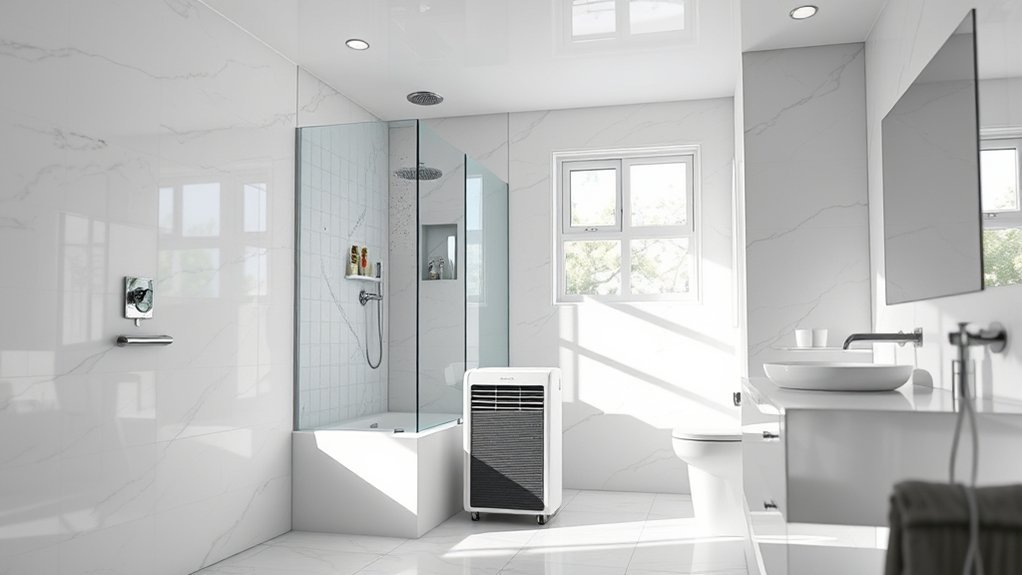
- Avoid splash zones: Bathrooms, laundry rooms, and basements can be good places to remove moisture, but the unit should not sit where water can splash onto it.
- Watch drain hoses: If you use continuous drainage, keep the hose away from electrical cords and walkways.
- Check the room, not just the display: Condensation, musty odors, and damp walls may mean you have a leak or ventilation issue, not just high humidity.
Note: A dehumidifier can help manage humidity, but it cannot fix a roof leak, plumbing leak, wet carpet, flooded drywall, or a ventilation problem by itself. If materials stay wet, dry them quickly and fix the moisture source.
Recommended Products

Multi-Purpose Hose, 6ft Cut-to-Fit:This 6-foot hose is designed for various applications, including dehumidifier drainage and gardening tasks. It can be easily cut to the desired length for flexible use. Please confirm the required length before purchase.

[Convenient] This drain hose automatically drains water from the dehumidifier to the drain for uninterrupted use.

MULTIFUNCTIONAL UNIVERSAL DRAIN HOSE: This drain hose has multiple uses, in addition to being suitable for dehumidifier drainage, it is also suitable for air conditioner drainage as well as being suitable for a variety of gardening tasks. Additionally our dehumidifier drain hose can be cut to your desired length to customize it for different situations.
How to Use a Dehumidifier Safely
Use your dehumidifier as a controlled tool, not as an appliance that runs forever without attention. Set a reasonable target, check the room humidity, and clean the parts that handle water and air.
- Set the target humidity: Start around 45% to 50% if the room is damp. Adjust lower only if condensation or musty odors continue.
- Use a hygrometer: Place it across the room from the dehumidifier so you are not only measuring the air right next to the machine.
- Close windows and exterior doors: This helps the unit remove indoor moisture instead of fighting outdoor air.
- Empty standing water: Do not let water sit in the bucket longer than necessary, especially during daily use.
- Check the filter: A clogged filter reduces airflow and can make the unit louder, less efficient, and dirtier inside.
- Listen and smell: New rattling, dripping, ice buildup, burning smells, or musty air are signs to stop and inspect the unit.
Pro Tip: If your dehumidifier has a built-in humidistat, use it, but verify it with a separate hygrometer at first. Built-in readings can vary by model and placement.
At a Glance
| Time Required | 5 minutes for a daily tank check; 15–25 minutes for a basic tank, filter, and vent cleaning |
| Difficulty | Easy, as long as you unplug the unit and follow the owner’s manual |
| Tools Needed | Hygrometer, mild dish soap, warm water, soft cloth or sponge, small brush, vacuum brush attachment, clean towel |
| Cost | Usually $0–$15 if you already have soap and cloths; about $10–$25 for a basic hygrometer if needed |
Recommended Products

Wellness Indicator: This humidity meter with humidity level icon indicates air conditions - DRY/COMFORT/WET, allowing this humidity sensor to ensure you’re always aware of changes to your home/household with just a quick glance

Face Icon Comfort Indicator: Humidity temperature gauge features face icons to indicate DRY/COMFORT/WET air conditions, quickly informs you how to adjust your humidifier or dehumidifier to achieve optimal comfort.

2-in-1 Thermometer & Hygrometer Meter: Equipped with a high-precision sensor, this temperature and humidity meter provides accurate readings, making it ideal for monitoring indoor environments like homes, offices, or greenhouses
How to Clean Filters, Tanks, and Vents
Once you set safe humidity levels, the next step is keeping the unit itself clean. Always unplug the dehumidifier before cleaning it. Do not spray water into the motor, control panel, plug, cord, or electrical openings.
Recommended Products


BUY WITH CONFIDENCE This genuine replacement water panel was designed and manufactured in the USA by AprilAire – the leader in indoor air quality solutions to optimize the performance of your AprilAire Humidifier Models: 300, 350, 360, 560, 560A, 568, 600, 600A, 600M, 700, 700A, 700M, 760, 760A, 768
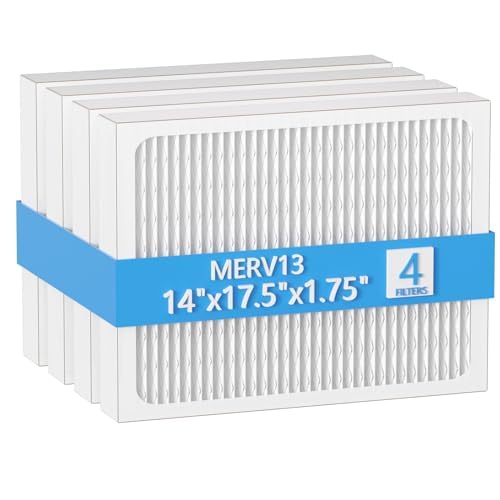
【Compatibility】 Our 14 x 17.5 x1.75 MERV 13 Replacement Dehumidifier Filter Media is Compatible with Honeywell DR90 & DR120 dehumidifier models.
Clean the Water Tank
- Turn the unit off and unplug it.
- Remove the water tank and empty it.
- Wash the tank with warm water and mild dish soap.
- Use a soft brush or cloth to clean corners, seams, and the float area if your model has one.
- Rinse well so no soap residue remains.
- Let the tank air-dry completely before reinstalling it.
If you use the dehumidifier every day, rinse or wipe the tank often and wash it at least weekly. If water ever looks cloudy, slimy, or smells musty, clean the tank before the next use.
Clean or Replace the Filter
Most portable dehumidifiers have a removable air filter. Check your manual before washing it, because some filters are washable and others should be replaced.
- Remove the filter after the unit is unplugged.
- Vacuum loose dust with a brush attachment.
- If the manual allows washing, rinse the filter gently with lukewarm water.
- Let the filter dry fully before putting it back.
- Replace disposable or damaged filters on the schedule listed by the manufacturer.
During heavy use, check the filter every few weeks. A dusty home, pets, laundry lint, construction dust, or basement dust may require more frequent cleaning.
Clear the Vents and Drain Hose
Dusty vents reduce airflow and can make the unit work harder. Wipe exterior vents with a dry or lightly damp cloth, then dry the area. If you use continuous drainage, inspect the hose for kinks, slime, trapped water, or blockages. Make sure it slopes correctly toward the drain and does not create a tripping hazard.
Warning: Never mix bleach with ammonia or other cleaners. If you use any disinfecting product, follow the product label, ventilate the area, wear gloves if needed, and rinse surfaces that the manufacturer says should be rinsed.
Troubleshooting When Something Feels Wrong
If the air feels worse after the dehumidifier runs, use the symptoms and signs to narrow down the problem.
- Musty smell from the unit: Clean the tank, filter, vents, and drain hose. Check the room for hidden moisture or visible mold.
- Humidity stays above 50%: Close windows and doors, check unit size, clean the filter, inspect for leaks, and verify readings with a hygrometer.
- Air feels too dry: Raise the humidity setting, reduce run time, or stop using the unit until the room returns to a comfortable range.
- Ice or frost appears: Turn the unit off and check the manual. The room may be too cold for that model, airflow may be blocked, or the unit may need service.
- Water leaks: Check whether the tank is seated correctly, the drain hose is kinked, or the bucket float is stuck.
- Symptoms continue away from the unit: Look beyond the appliance. Mold, dust mites, pests, leaks, poor ventilation, smoke, VOCs, and other indoor pollutants can also cause symptoms.
When to Stop Using It or Get Help
Stop using the dehumidifier until it is cleaned or repaired if it has a burning smell, visible mold inside, repeated leaks, electrical issues, heavy residue, or a musty odor that returns right after cleaning.
Call a mold remediation professional or qualified contractor if you have a large mold area, repeated water damage, sewage-contaminated water, wet carpet or drywall that cannot dry quickly, or a moisture problem you cannot find. NIOSH notes that finding and correcting dampness sources is more effective for preventing health problems than relying on air samples alone.
Talk with a healthcare professional if you have asthma, chronic lung disease, immune suppression, repeated nosebleeds, shortness of breath, wheezing, fever, chest tightness, or symptoms that improve when you leave the home and return when you come back. This article is general indoor-air information, not a medical diagnosis.
Frequently Asked Questions
What are the symptoms of a dirty dehumidifier?
A dirty dehumidifier may be linked with musty odors, coughing, throat irritation, sneezing, itchy or burning eyes, worsened allergy symptoms, or asthma flare-ups. Symptoms are more concerning if they start soon after the unit runs or improve when you leave the room.
Is it bad to stay in a room with a dehumidifier?
No, it is usually fine to stay in a room with a dehumidifier if the unit is clean, the room has safe electrical setup, and indoor humidity stays around 30% to 50%. If the air feels painfully dry, smells musty, or triggers symptoms, turn the unit off and check the humidity, tank, filter, and room for moisture problems.
Can a dehumidifier make you feel poorly?
Yes, it can make you feel poorly if it is dirty, moldy, clogged, leaking, or set too low. Poor placement can also make readings inaccurate. Check the humidity with a separate hygrometer, clean the tank and filter, and stop using the unit if symptoms continue.
What are the symptoms of humidity sickness?
High humidity can support mold, dust mites, musty odors, and damp materials, which may worsen congestion, coughing, wheezing, itchy eyes, skin irritation, asthma symptoms, and sleep discomfort in sensitive people. Low humidity can cause dry throat, dry skin, irritated sinuses, dry eyes, and nosebleeds.
What humidity should I set my dehumidifier to?
A good target for most homes is 30% to 50% relative humidity. Many people start around 45% to 50% and adjust from there. In cold winter climates, 30% to 40% may help reduce window condensation, but avoid going so low that your skin, nose, throat, or eyes feel irritated.
How often should I clean a dehumidifier?
Empty the tank whenever it fills, rinse or wipe it often during regular use, and wash it at least weekly if the unit runs daily. Check the filter every few weeks during heavy use, or more often in dusty rooms. Always follow your model’s manual for washable filters, replacement filters, coils, and drain hoses.
Can I drink the water from a dehumidifier tank?
No. Do not drink water collected in a dehumidifier tank. It may look clear, but it can contain dust, residue, metals from internal parts, cleaning-product traces, or microbes from standing water. Empty it down a drain unless your owner’s manual gives another safe disposal use.
Conclusion
Yes, a dehumidifier can make you sick or uncomfortable if you let mold, bacteria, dust buildup, standing water, or overly dry air go unchecked. The safest approach is simple: keep indoor humidity around 30% to 50%, clean the tank and filter regularly, keep airflow open, and investigate any musty smell or symptom flare right away. When the unit is clean and controlled, it can help reduce dampness and support healthier indoor air instead of working against you.
Sources
- U.S. Environmental Protection Agency: Care for Your Air — supports the 30% to 50% indoor humidity range and use of a humidity gauge.
- U.S. Environmental Protection Agency: A Brief Guide to Mold, Moisture and Your Home — supports moisture control, mold cleanup, drying wet materials quickly, and fixing water problems.
- Centers for Disease Control and Prevention: Mold — supports mold-related symptoms, sensitive groups, and mold prevention guidance.
- ENERGY STAR: Dehumidifiers — supports dehumidifier placement, closed windows/doors, humidistats, and relative humidity guidance.
- Cleveland Clinic: Nosebleed (Epistaxis) — supports dry air as a common cause of nosebleeds and nasal irritation.
- CDC/NIOSH: Mold in the Workplace — supports the connection between dampness, mold, and respiratory health concerns, and the importance of correcting dampness sources.