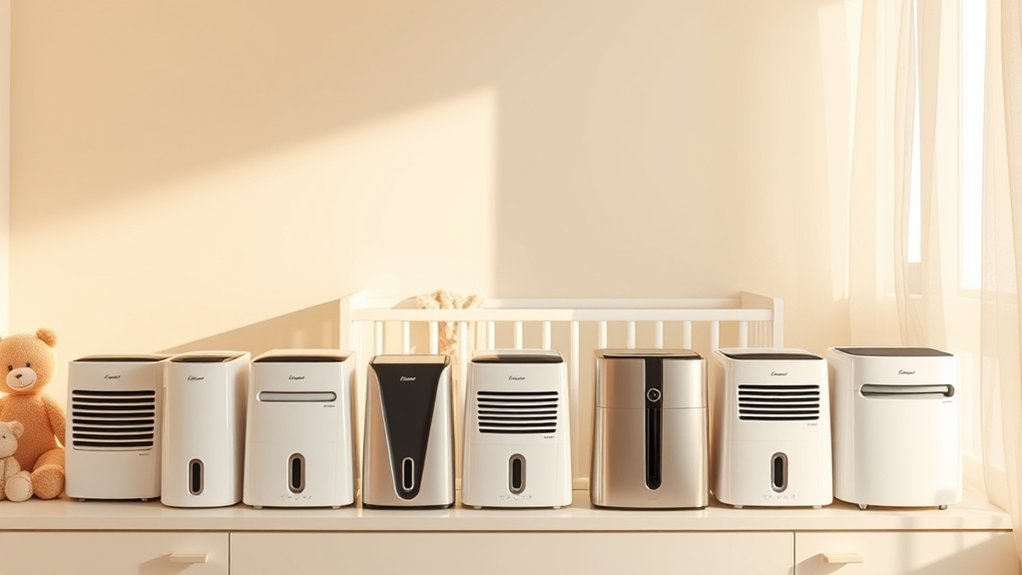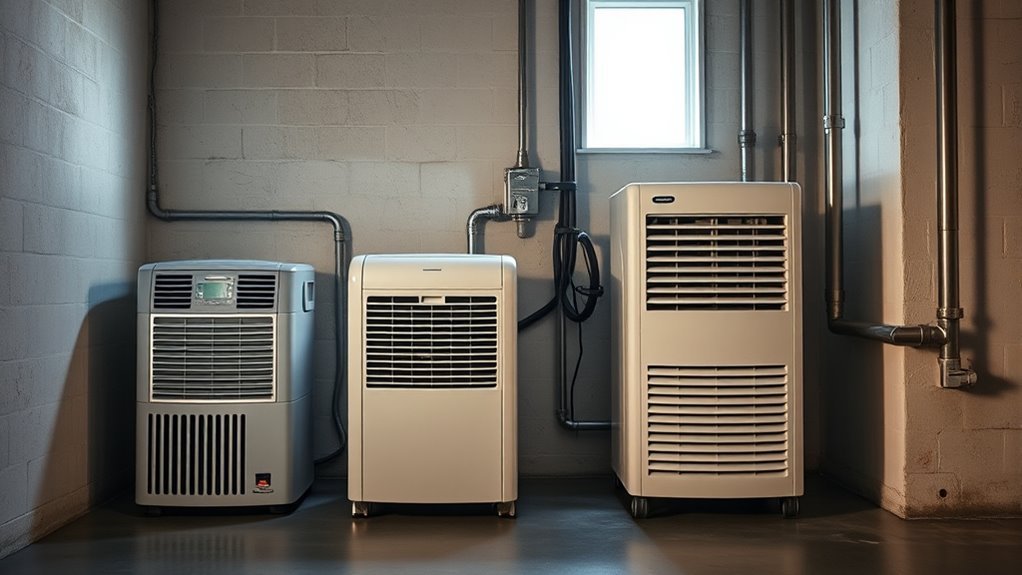
A dehumidifier can help a cough when your room is damp enough to support mold, dust mites, musty odors, or condensation. It will not treat the cough itself, but it may reduce indoor triggers that irritate your airways. The goal is balanced air, not bone-dry air: most homes should stay around 30% to 50% indoor relative humidity.
Quick Answer
Yes, a dehumidifier can help a cough if high humidity, mold, dust mites, or musty indoor air are irritating your throat or lungs. It can make a cough worse if it drops humidity too low, so use a hygrometer and aim for about 30% to 50% humidity.
Key Takeaways
- Use a dehumidifier when indoor air feels damp, smells musty, or leaves condensation on windows.
- Keep indoor humidity around 30% to 50%; going too dry can irritate your throat and worsen a dry cough.
- A dehumidifier may reduce mold and dust mites, but it will not cure asthma, COPD, infection, reflux, or allergies.
- Clean the tank and filter regularly so the unit does not become another source of irritation.
At a Glance
| Time Required | 5 minutes to check humidity; ongoing use as needed |
| Difficulty | Easy |
| Tools Needed | Hygrometer, dehumidifier, clean tank, manufacturer’s manual |
| Cost | Usually $10–$20 for a hygrometer, plus electricity and dehumidifier cost |
Can a Dehumidifier Help a Cough?
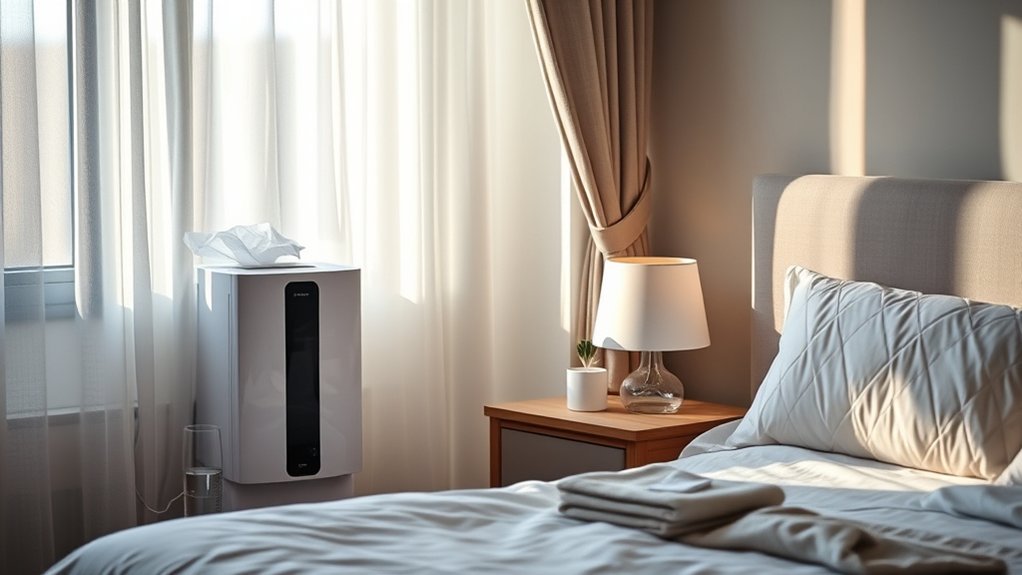
Yes—a dehumidifier can help ease a cough when excess indoor moisture is part of the problem. High humidity can make your home more welcoming to mold and dust mites, both of which can irritate sensitive airways. Lowering humidity does not cure a cough, but it can remove one common indoor trigger.
This is especially useful in basements, bedrooms, bathrooms, laundry areas, and homes with musty odors or window condensation. If your cough gets worse after you spend time indoors, or if symptoms improve when you leave the house, humidity and indoor allergens may be part of the pattern.
Note: A dehumidifier is an environmental tool, not a medical treatment. If you have asthma, COPD, allergies, reflux, an infection, or a cough that will not go away, use it alongside your normal care plan and medical advice.
When Humid Air Can Trigger Coughing
Humid air can trigger coughing when it creates the right conditions for mold, dust mites, and musty indoor air. The CDC notes that damp and moldy environments may cause a stuffy nose, sore throat, coughing, wheezing, burning eyes, or skin rash in some people. People with asthma, mold allergy, weakened immune systems, or chronic lung disease may be more sensitive.
You may have too much indoor moisture if you notice:
- Condensation on windows, walls, pipes, or toilet tanks
- A musty smell in bedrooms, closets, basements, or bathrooms
- Visible mold on walls, ceilings, fabrics, or window frames
- Bedding, rugs, or upholstered furniture that feels damp
- A cough that flares after time indoors, especially at night
Too much indoor humidity can fuel mold and dust mites. Too little humidity can dry your throat. The cough-friendly target is balanced air, not extreme dryness.
How Dehumidifiers Reduce Mold and Dust Mites
Dehumidifiers pull moisture from the air, which makes the room less favorable for mold growth and dust mites. The EPA says the key to mold control is moisture control and recommends keeping indoor humidity below 60%, ideally between 30% and 50%.
Dust mites also depend heavily on moisture. The American Lung Association says dust mites thrive in warm, humid settings and recommends keeping home humidity below 50% to reduce them. AAFA similarly recommends keeping humidity between 30% and 50% for dust mite control.
Lowering humidity can help reduce:
- Mold-friendly dampness on surfaces
- Musty odors caused by moisture problems
- Dust mite survival in bedding, carpets, and upholstered furniture
- Airway irritation linked to damp rooms
But a dehumidifier cannot remove existing mold by itself. If you see or smell mold, clean it safely and fix the moisture source, such as a leak, condensation problem, poor ventilation, or water intrusion.
Recommended Products

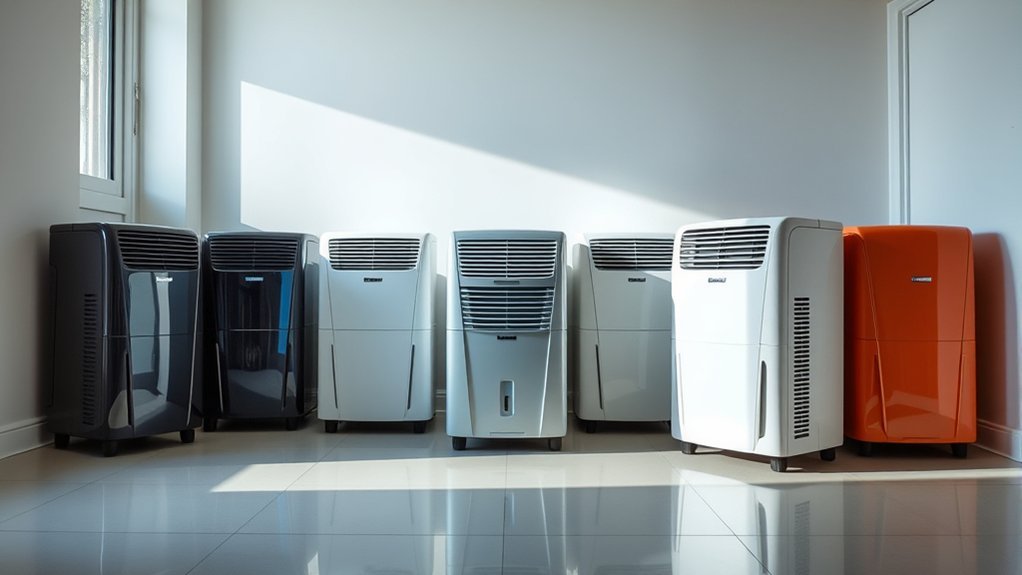
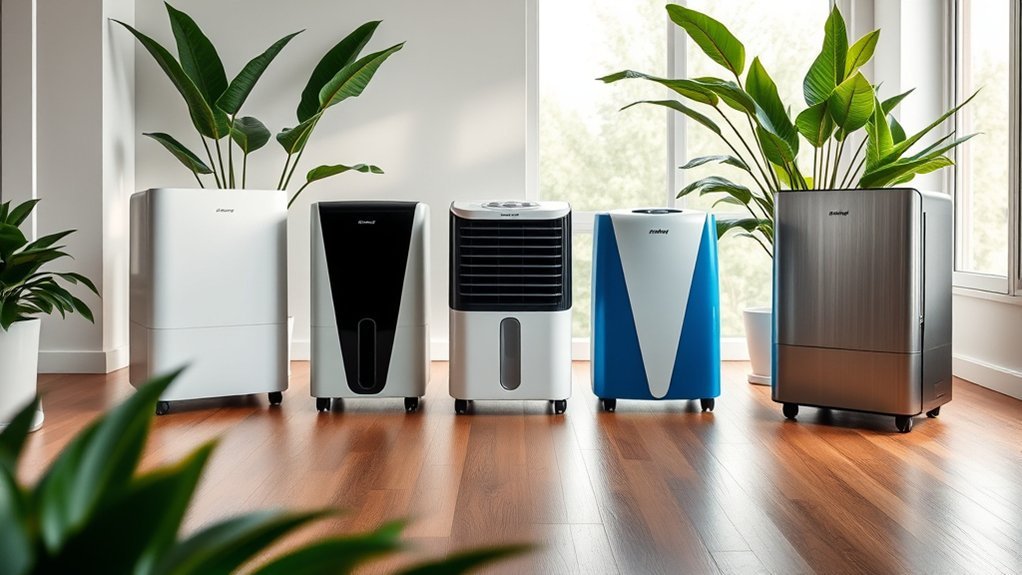
Semiconductor dehumidifiers use thermoelectric cooling to remove moisture from the air. They create a drier, more comfortable environment by reducing humidity and improving air quality.

【Reduce humidity - Enhance comfort】:Massive Capacity + Wide Coverage. This dehumidifier has dehumidification capacity ranging 45- 80 pints—outperforming standard units while covering 4,500 sq. ft. of living space. Great dehumidifier for basements, large house, garages, bedroom, bathroom and gyms where excess humidity triggers cause unpleasant odors and discomfort. The result? A noticeably drier, fresher, and more comfortable environment for your entire family.

High Efficient Dehumidifiers for Home: This compact 44oz dehumidifier efficiently removes excess moisture in rooms with 86°F and 80% RH, collecting up to 11.8oz (349ml) of water in 24 hours. It maintains an ideal humidity level of 45%-55% while operating at ultra-low energy consumption (24W/hour, 576W/day). Perfect for bedrooms, bathrooms, and small spaces.
When a Dehumidifier Can Make a Cough Worse
A dehumidifier can worsen a cough if it dries indoor air too much. Low humidity can make your throat, nose, and airway lining feel scratchy. That is why guessing is risky: a room can feel uncomfortable for reasons other than humidity.
Turn the unit down or off if you notice:
- A drier, harsher cough after the dehumidifier runs
- Scratchy throat, dry nose, or nosebleeds
- Dry eyes or tight skin
- Humidity readings below 30%
- No dampness signs in the room to begin with
Warning: Get urgent medical help for shortness of breath, difficulty breathing, a swollen face or throat, or trouble swallowing. Contact a health care provider promptly if your cough produces blood, comes with fever, produces thick foul-smelling yellow-green phlegm, or lasts longer than 10 to 14 days.
Best Humidity Levels for Easier Breathing
The best humidity range for most homes is about 30% to 50%. This range is moist enough to avoid harsh, dry air but dry enough to discourage mold and dust mites. The easiest way to stay in range is to use a small digital hygrometer in the room where you sleep or spend the most time.
Ideal Indoor Humidity
For easier breathing, start with a target of 40% to 50% in damp seasons and 30% to 40% in cold weather when window condensation is a problem. Do not chase the lowest number. If your cough feels dry or your throat becomes scratchy, the air may be too dry for comfort.
- 30% to 50%: best target range for most homes
- Below 30%: may irritate dry throat, nose, skin, or eyes
- Above 50% to 60%: may support dust mites, mold, and condensation
- Hygrometer: the best tool for checking instead of guessing
Too Dry or Too Damp
If the room feels sticky, smells musty, or shows condensation, use the dehumidifier and recheck humidity after a few hours. If the room feels harsh and your cough is dry, stop the dehumidifier and consider whether dry air, heating, smoke, fragrances, cleaning products, or illness may be the real trigger.
Humidifier or Dehumidifier: Which Is Better for a Cough?
The better choice depends on the air in your home and the type of cough you have.
- Choose a dehumidifier if your home is damp, musty, moldy, or above 50% humidity.
- Choose a humidifier if the air is dry, humidity is below 30%, and your throat feels scratchy or parched.
- Use neither continuously if your room is already in the 30% to 50% range.
A humidifier adds moisture; a dehumidifier removes it. Using the wrong one can make the room less comfortable. For example, adding moisture to a moldy bedroom can make the problem worse, while drying an already dry room can irritate your throat.
Recommended Products

[3-in-1 Humidifier Meets All You Expect] Cool Mist Humidifier+Aromatherapy+Mood Light, purchase for once to satisfy all you expect! Let Homvana H101 be the best companion in your bedroom.
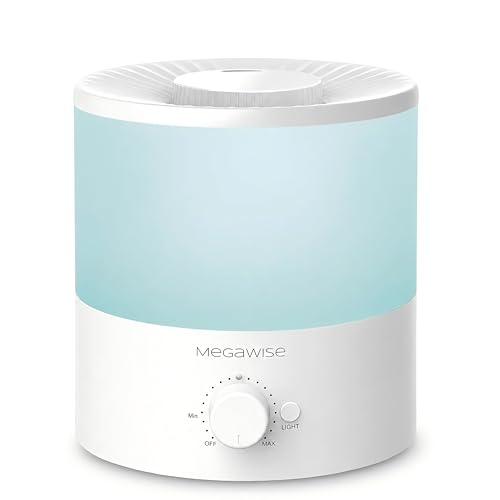
EASY TOP FILLING: Lift off the lid to add water directly from above, without turning the tank upside down; the recommended fill is 1.5L, with a maximum tank capacity of 1.8L
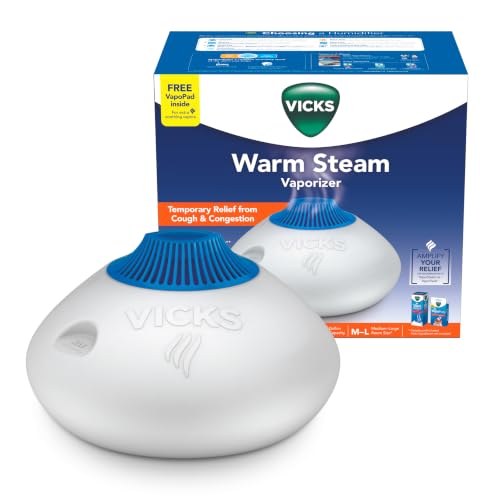
Soothing warm mist for restful sleep: this Vicks humidifier helps relieve dry air discomfort during cold season; warm mist humidifier compatible with Vicks VapoPads and VapoSteam for extra soothing comfort in bedrooms and nurseries
Signs Your Home Is Too Humid
A cough alone does not prove your home is too humid. Look for moisture clues before running a dehumidifier for long periods.
- Indoor humidity consistently above 50% to 60%
- Condensation on windows or walls
- Musty odor when you enter a room
- Visible mold or mildew
- Damp carpet, bedding, closets, or basement corners
- Allergy or asthma symptoms that feel worse indoors
If you see water damage, leaks, or recurring mold, fix the source first. A dehumidifier can help control moisture, but it cannot solve a plumbing leak, roof leak, poor drainage, or hidden water damage on its own.
Best Dehumidifier Features for Cough Relief
To support cough relief, choose a dehumidifier that helps you control moisture precisely instead of drying the room blindly. The best features include:
- Built-in humidistat: lets you set a target humidity level.
- Auto-shutoff: helps prevent over-drying and overflow.
- Washable filter: makes maintenance easier and protects airflow.
- Continuous drain option: useful for basements or very damp rooms.
- Quiet operation: important for bedrooms and nighttime coughing.
- Proper capacity: small rooms need less power; basements or very damp spaces need more.
Pro Tip: Buy a separate hygrometer even if your dehumidifier has a built-in display. Place it across the room from the unit for a more realistic reading of the air you are breathing.
Recommended Products

【The Undisputed Champion — Industry-Leading Dehumidifier Brand】Choose AEOCKY, getting double market validation. According to data independently verified by Stackline, a leading third-party data analytics company, AEOCKY was an industry‑leading dehumidifier brand on Amazon U.S. in 2025. Meanwhile, it stands as a technology-leading rotary desiccant dehumidifier brand on Amazon. This isn’t just an appliance—it’s a complete humidity-control solution for small spaces. Skip low-performance alternatives and trust a brand recognized by the market.
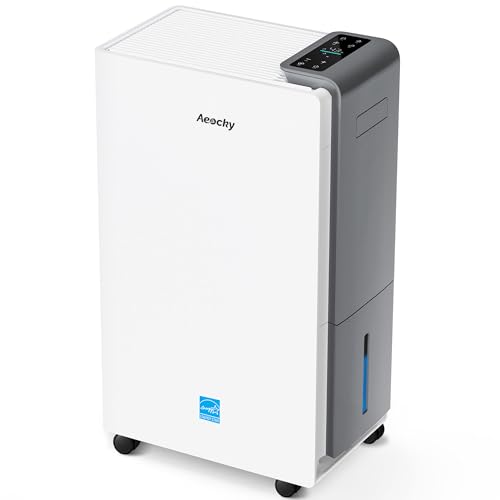
【ENERGY STAR 25 ≠ ENERGY STAR Most Efficient 2025】Don't fall for competitors' word games. With only 2.6% of ENERGY STAR models earning "Most Efficient 2025" title, these options are exceptionally rare on the market. RHEA-001 is one of the few to truly hold this top-tier certification. Many brands use misleading phrases like "Energy Star Efficient 25" or "Energy Star 25" to imply a standard they haven't met. Choosing them is a risk.With AEOCKY, you get verified performance and the peace of mind of authentic, top-tier efficiency.

【The Undisputed Champion — Industry-Leading Dehumidifier Brand】When you choose AEOCKY, you get double market validation. According to data independently verified by Stackline, a leading third-party data analytics company, AEOCKY was an industry‑leading dehumidifier brand on Amazon U.S. in 2025. This means you’re not just choosing a flagship product from a market leader, but a top-performing brand backed by independent market data and trusted by millions of real users, delivering the ultimate combination of performance, quality and trust.
How to Use a Dehumidifier Safely at Home
You will get better results if you measure first, set a target, and maintain the unit. Follow these steps to reduce dampness without over-drying your air.
1. Measure Humidity First
Place a hygrometer in the room where coughing is worst. If the reading is above 50% and you notice dampness signs, a dehumidifier may help. If the reading is already below 30%, do not run the dehumidifier for cough relief.
2. Set the Right Target
Set the unit around 45% to 50% at first. If condensation or musty odor remains, adjust gradually. Avoid setting the unit extremely low because dry air can irritate your throat.
3. Place It Correctly
Put the dehumidifier on a level surface with open space around the air intake and outlet. Keep it away from walls, curtains, bedding, and furniture so air can circulate. Close outside windows and doors while it runs, but keep interior airflow reasonable if you are treating a larger area.
4. Clean the Tank and Filter Regularly
A dehumidifier’s tank should be emptied often and cleaned regularly so standing water does not become a source of odor or microbial growth. Follow your manufacturer’s instructions, because cleaning methods vary by model.
| Task | Frequency | Purpose |
|---|---|---|
| Empty tank | Daily during heavy use | Prevents stagnant water and overflow |
| Clean tank | Weekly or per manual | Reduces residue, odor, and microbial buildup |
| Check or clean filter | Every 2–4 weeks or per manual | Maintains airflow and performance |
5. Avoid Overdrying Air
Check the hygrometer after the unit has run for a few hours. If humidity drops below 30% or your throat feels worse, pause the unit. The safest setup is one that keeps humidity stable rather than swinging from damp to desert-dry.
When to Call a Doctor About a Cough
Indoor humidity may be only one part of the problem. According to MedlinePlus, you should call emergency services for shortness of breath, difficulty breathing, or swelling of the face or throat with trouble swallowing. Contact a health care provider promptly if your cough lasts longer than 10 to 14 days, produces blood, comes with fever, or produces thick, foul-smelling yellow-green phlegm.
You should also get medical advice if you have asthma, COPD, heart disease, a weakened immune system, unexplained weight loss, night sweats, chest pain, or a cough that keeps waking you up.
Frequently Asked Questions
Will a dehumidifier help with a cough at night?
It can help if your bedroom is humid, musty, or above 50% humidity. Nighttime coughing can also come from postnasal drip, asthma, reflux, dry air, infection, or allergens, so check the room humidity before assuming moisture is the cause.
Does humidity reduce coughing?
Balanced humidity can make breathing feel more comfortable, especially if air is very dry. But too much humidity can encourage mold and dust mites, which may worsen coughing in sensitive people. Aim for about 30% to 50% indoor humidity.
Do air purifiers dry indoor air?
Most standard air purifiers do not meaningfully dry indoor air because they filter particles rather than remove water vapor. They may help reduce airborne particles, but you need a dehumidifier to lower humidity or a humidifier to add moisture.
Is a humidifier or dehumidifier better for coughing?
A humidifier is better when the air is too dry and your throat feels scratchy. A dehumidifier is better when the air is damp, musty, or above 50% humidity. Use a hygrometer so you choose the right tool.
Can a dehumidifier help asthma or allergies?
It may help if dampness, mold, or dust mites are triggers for your asthma or allergies. It is not a replacement for asthma medicine, allergy treatment, or a doctor’s care plan. If symptoms are frequent or severe, get medical advice.
How long should I run a dehumidifier for cough relief?
Run it until the room returns to the target range, usually around 30% to 50% humidity. In a damp room, that may mean several hours or regular daily use. Stop or reduce use if humidity falls below 30% or your throat feels drier.
Conclusion
A dehumidifier can help your cough when excess indoor moisture is feeding mold, dust mites, musty air, or condensation. The key is balance: keep indoor humidity around 30% to 50%, clean the unit regularly, and avoid drying the air so much that your throat feels irritated. If your cough is severe, persistent, or comes with warning symptoms, treat humidity control as a comfort step—not a substitute for medical care.
Sources
- U.S. Environmental Protection Agency: A Brief Guide to Mold, Moisture and Your Home — supports mold prevention, moisture control, dehumidifier use, and the 30% to 50% humidity target.
- Centers for Disease Control and Prevention: Mold — supports dampness, mold, cough, wheeze, asthma, chronic lung disease, and prevention guidance.
- Asthma and Allergy Foundation of America: Dust Mite Allergy — supports dust mite triggers, cough/asthma symptoms, and 30% to 50% humidity guidance.
- American Lung Association: Dust Mites — supports dust mites as indoor asthma triggers and home humidity below 50%.
- MedlinePlus: Cough — supports cough red flags and when to contact a medical professional.