By Nordic Design Blog · Last updated July 7, 2026
To dehumidify a car fast, treat the cabin like a small water-damage job: remove liquid water first, dry the materials that hold moisture, move air through hidden areas, then use A/C or a dehumidifier for leftover humidity. A moisture absorber helps with prevention, but it will not fix soaked carpet padding, wet seat foam, a clogged HVAC drain, or a leaking door seal.
Quick Answer
To dehumidify a car fast, remove wet mats and loose items, extract water with a wet/dry vacuum, towel-blot damp fabric, then run fans across the footwells, seats, and trunk. Use the A/C while driving to pull moisture from cabin air, and fix leaks, clogged drains, or wet padding so the dampness does not return.
Key Takeaways
- Extract standing water before relying on silica gel, charcoal bags, or a plug-in dehumidifier.
- Dry wet carpets, mats, and upholstery as soon as possible; moisture left for 24–48 hours can raise the risk of mold growth.
- Use the A/C while driving to help remove moisture from the air, but never idle the engine in a closed or attached garage.
- A musty smell usually means moisture is still trapped somewhere, often under mats, in seat foam, in the trunk, or inside the HVAC system.
- If the dampness returns after rain, focus on leak repair before buying more moisture absorbers.
At a Glance
| Time Required | 30 minutes for basic setup; several hours to 48+ hours for drying, depending on how wet the cabin is |
| Difficulty | Easy for light dampness; moderate if carpet padding or the trunk liner is soaked |
| Tools Needed | Towels, wet/dry vacuum, fan, small dehumidifier or moisture absorbers, mild cleaner, gloves, and optional humidity meter |
| Cost | No-cost if you already have towels and fans; extra if you buy absorbers, a humidity meter, or a compact dehumidifier |
How to Dehumidify a Car Fast
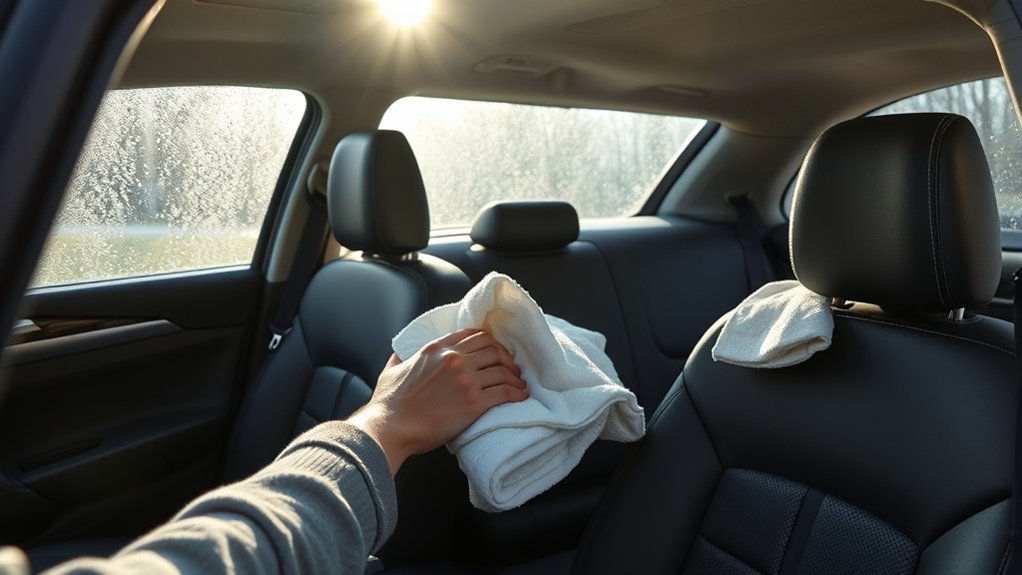
If you need to dehumidify a car fast, start by removing moisture at the source instead of trying to mask it with air fresheners. Pull out wet floor mats, towels, clothing, umbrellas, and anything else holding water. Blot wet fabric with clean towels, then use a wet/dry vacuum on carpets, seats, footwells, and the trunk liner.
After extraction, move air through the cabin. Put a fan near an open door, aim another fan at the footwells if you have one, and crack the windows when outdoor air is dry enough. If you can park in sunlight safely, the added warmth helps moisture evaporate from fabric and foam.
Use the car’s A/C while driving. Air conditioning cools humid air so water vapor can condense and drain outside the vehicle, while heat can help damp materials release moisture faster. For best results, use fresh-air mode at first to flush damp air out, then use A/C to dry the air.
Warning: Never idle your car in a closed garage, attached garage, or other enclosed space to dry the interior. Vehicle exhaust can produce carbon monoxide, a colorless and odorless gas. Run the HVAC while driving, not while the car sits in an enclosed space.
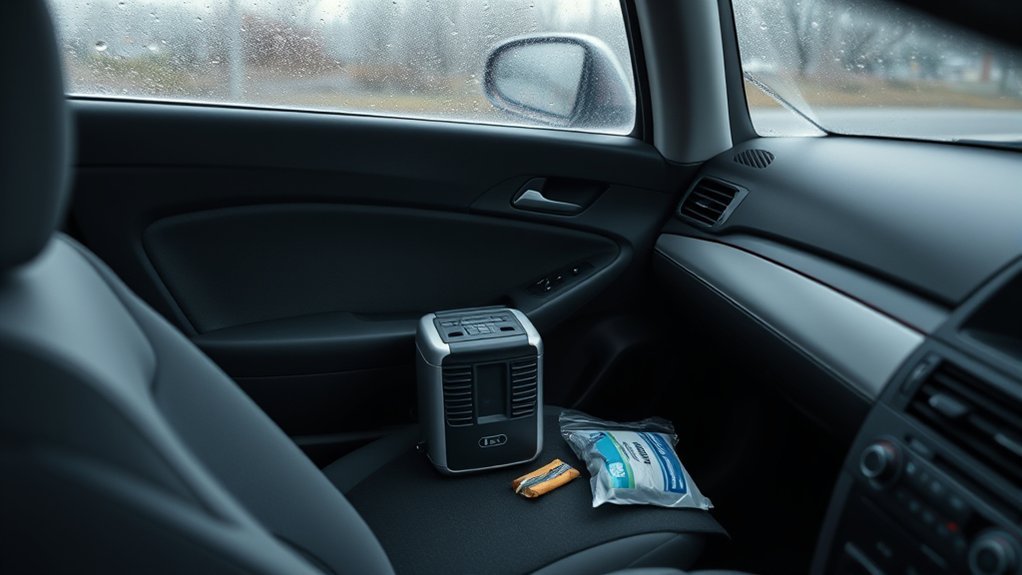
Once the wettest areas are extracted, add a compact electric dehumidifier or passive moisture absorbers such as silica gel packs, charcoal bags, or calcium-chloride tubs. These help with leftover humidity, but they work best after you remove liquid water.
What Order Should You Dry a Car In?
The fastest drying method follows a clear order: remove wet items, extract liquid water, expose hidden damp areas, move air, then absorb leftover humidity. Skipping straight to dehumidifier bags wastes time because carpet backing, foam, and trunk padding can keep releasing moisture for hours after the surface feels dry.
- Remove: Take out mats, towels, clothing, trash, child-seat liners, and wet cargo.
- Extract: Use towels and a wet/dry vacuum until the carpet no longer squishes when pressed.
- Expose: Lift removable liners, move seats, and check the spare-tire well and under mats.
- Airflow: Aim fans across wet surfaces and into low footwells.
- Dehumidify: Use A/C while driving or a compact dehumidifier in a closed, safely parked car.
- Recheck: Press paper towels into low carpet areas after a few hours and again the next morning.
What’s Causing Moisture in Your Car?
Moisture in your car usually comes from one of four places: water getting in, water being carried in, condensation forming inside, or moisture left behind after a spill. Finding the cause matters because dehumidifying the cabin will only be a temporary fix if rainwater keeps entering.
Common sources include worn door seals, cracked or loose window weatherstripping, a leaking windshield seal, blocked sunroof drains, clogged door drains, a wet trunk or spare-tire well, and a blocked HVAC evaporator drain. Wet shoes, gym clothes, umbrellas, snow, and drink spills can also soak fabric and raise cabin humidity.
| Symptom | Likely Source | What to Check First |
| Wet floor after rain | Door, windshield, sunroof, or cowl leak | Weatherstripping, sunroof drains, door drains, and windshield edges |
| Passenger footwell wet after A/C use | Blocked evaporator drain | A/C drain outlet and water path behind the firewall |
| Sweet smell or greasy window film | Possible heater-core coolant leak | Coolant level, heater performance, and mechanic inspection |
| Musty smell from vents | Damp cabin filter or HVAC moisture | Cabin air filter, cowl area, and evaporator drain |
| Fog returns every morning | High cabin humidity or wet materials | Under mats, trunk liner, wet gear, and humidity meter reading |
Condensation happens when warm, moist air contacts cold glass or trim. That is why fogged windows are common on rainy days, cold mornings, and after people sit in the car with damp coats. The higher the moisture level, the more likely the cabin is to smell musty or fog up again after you clean the glass.
Note: If the car gets damp again after every rainstorm or car wash, treat it as a leak problem first. Drying tools will not solve a failed seal, clogged drain, or wet carpet padding.
Dry Wet Seats and Carpets
Wet seats and carpets hold far more water than they appear to. The surface may feel only slightly cool while the padding underneath is still wet. Work from the wettest materials outward: mats, carpets, seat fabric, trunk liner, and low spots where water collects.
Recommended Products
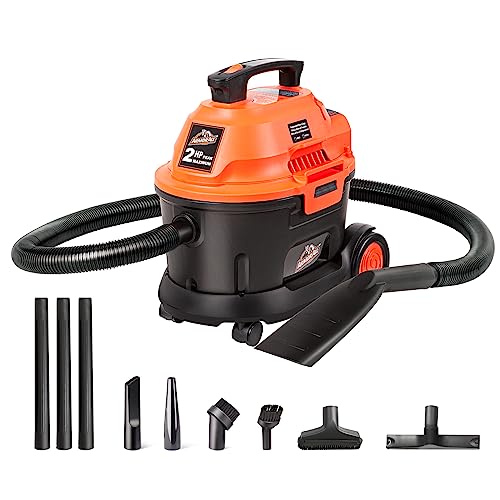
STRONG SUCTION: 2 Peak HP to quickly clean-up wet and dry messes

Beast Series High-Performance Motor with 320 Air Watts of Power, 20kPa

Premium Stainless Steel 8-Gallon Tank
Remove Excess Water
Pull out floor mats right away. If they are rubber, wipe both sides and dry them outside the car. If they are carpeted, hang them where air can reach both sides. Then press towels firmly into wet fabric and carpet to lift as much water as possible before vacuuming.
Use a wet/dry vacuum slowly. Push the nozzle into damp areas, hold it in place for a few seconds, and overlap each pass. Pay extra attention to the driver’s footwell, under the pedals, the rear footwells, under child seats, and the trunk. If the carpet squishes when pressed, keep extracting.
| Area | Best First Action |
| Floor mats | Remove, towel-dry, and hang outside the car |
| Carpet and padding | Extract with a wet/dry vacuum and use fans |
| Seats | Blot, vacuum gently, and dry with airflow |
| Trunk or spare-tire well | Remove liner, wipe metal surfaces, and dry completely |
Speed Up Drying
After you remove standing water, use forced airflow and controlled moisture removal. Keep doors open only when the car is parked somewhere secure and dry. If outdoor air is humid or rain is falling, keep the cabin mostly closed and use a dehumidifier or A/C instead.
- Move the front seats back and forward so air reaches hidden carpet areas.
- Lift removable mats and trunk liners until both sides are fully dry.
- Run a fan across the carpet instead of straight down at one spot.
- Use baking soda only after the surface is no longer wet; let it sit, then vacuum it thoroughly.
- Check under mats again after a few hours because moisture can wick back up from padding.
Pro Tip: A small humidity meter helps you know whether the cabin is improving. Use the 30–50% indoor-humidity range as a practical benchmark when the car is parked and closed. If the inside reading stays high overnight or rises again after rain, look for a leak instead of adding more moisture absorbers.
Choose the Best Car Dehumidifier
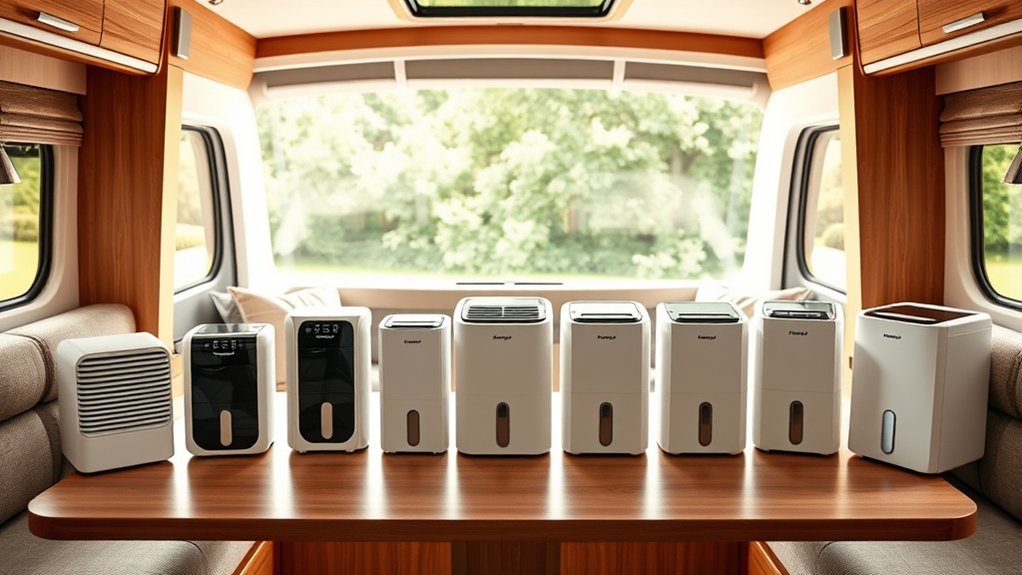
The best car dehumidifier depends on how wet the interior is. Passive absorbers are good for light dampness and prevention. A compact electric dehumidifier is better when the cabin has persistent humidity, but it still will not replace water extraction if the carpet or seat foam is soaked.
Recommended Products

【Transparent Window】The clear window makes it easy to monitor the silica gel's moisture absorption, allowing you to conveniently check the absorption level of the desiccant packs. A color change from orange to light green signifies that the environmental RH is above 50% and that moisture absorption is nearing saturation, indicating the need for reactivation.

Efficient Dehumidification: Traps excess moisture quickly. Vacplus moisture absorbers use spherical calcium chloride to enlarge the absorbing area. The large collecting capacity of this moisture remover keeps a long time dry.
Silica Gel Packs
Silica gel packs are simple, reusable, and easy to place around the cabin. Put them on the dashboard, in the back seat, under seats, and in the trunk. They are best for mild condensation, foggy windows, and ongoing moisture prevention after the car has already been dried.
- Use larger rechargeable packs rather than tiny packets from packaging.
- Place packs where air can move around them.
- Keep them away from children and pets.
- Recharge them only according to the product label.
- Replace packs that leak, tear, or stop recharging properly.
Electric Dehumidifiers
An electric dehumidifier gives you active moisture removal in a closed cabin. Choose a compact unit meant for small enclosed spaces, and place it on a stable, flat surface where it cannot tip. If it uses a power cord, route the cord safely and do not pinch it in the door.
Electric units work best when the car is closed, the wettest materials have already been vacuumed, and the water tank is emptied regularly. Performance changes with temperature and humidity, so treat daily capacity ratings as estimates rather than guarantees.
Moisture Absorbers
Moisture absorbers give you a low-power way to keep humidity down after the main drying work is done. They are especially useful for parked cars, vehicles stored outdoors, and cabins that fog up during wet seasons.
- Silica gel packs: reusable and compact for light dampness.
- Charcoal bags: help with mild moisture and odor control.
- Calcium-chloride tubs: stronger moisture absorption, but they must stay upright to avoid spills.
- DIY rice or rock salt socks: cheap short-term backups, not a fix for soaked carpet.
If any absorber fills with liquid, leaks, or becomes saturated quickly, that is a sign the car may still have a leak or hidden wet padding.
Boost Airflow to Dry Faster
Airflow speeds drying because it moves damp air away from wet materials. Crack the windows only when outside conditions help. Dry, breezy weather is useful. Rainy or very humid weather can slow drying and may add moisture back into the cabin.
For a parked car, open the doors for a short flush of air, then use fans to move air through footwells, seat gaps, and the trunk. For a moving car, use the A/C to remove moisture from the air. If the windows fog, turn on the defroster with A/C enabled and use fresh-air mode until the glass clears.
| Action | Effect | Best Use |
| Cracked windows | Lets damp air escape | Dry weather while parked safely |
| Fans | Moves air across wet fabric | Carpets, seats, trunk liner |
| A/C | Condenses moisture and drains it outside | Driving, defogging, damp weather |
| Dehumidifier | Pulls moisture from closed cabin air | Overnight drying after extraction |
Remove Mildew and Musty Smells
A musty smell usually means moisture is still trapped or mold has started growing on a damp surface. Check the lowest areas first: under floor mats, under seats, the trunk liner, the spare-tire well, and around seat rails. Also check the cabin air filter if the odor comes through the vents.
Vacuum loose debris first. Then clean hard, non-porous surfaces with mild detergent and water or an appropriate automotive interior cleaner. For fabric, test any cleaner on a hidden spot before treating the visible area. After cleaning, dry the surface fully with airflow.
Warning: Never mix bleach with ammonia, vinegar, or other cleaners. Use cleaning products only as directed, keep doors open for fresh air, and wear gloves. If mold covers a large area, keeps returning, or affects someone with asthma, COPD, allergies, immune suppression, or chronic lung disease, get professional help.
Use baking soda for mild leftover odor only after the fabric is mostly dry. Sprinkle a light layer, let it sit for several hours, then vacuum it out. Charcoal bags can help with lingering odors, but they will not remove mold or dry soaked padding.
Recommended Products

GHOST AWAY BAD SMELLS - Ghosted Odor Eliminator by Chemical Guys effectively removes bad smells instead of just masking them.

FAST RELEASE - Lakota Naturals chlorine dioxide car deodorizer odor eliminator kit begins working immediately to eliminate any odors caused by pets, food, oils, smoke and more. Remove smoke smell from car fast!

VERSATILE USE IN ANY ENCLOSED SPACE: These car accessories work in cars, trucks, SUVs, RVs, home, office, dorm rooms, and shared spaces - anywhere a fresh cherry car scent and active odor neutralizer would be welcome on a daily basis
Keep Moisture Out for Good
To keep a car dry long term, inspect the seals around the windows, doors, windshield, trunk, and sunroof. Look for cracked rubber, flattened weatherstripping, water tracks, rust-colored stains, and damp areas after rain or a car wash. Fix leaks quickly because even a small gap can keep the cabin humid.
Clean the interior regularly so damp dirt and organic debris do not feed odors. Remove wet towels, sports gear, snow brushes, and umbrellas instead of storing them in the car. In wet seasons, keep moisture absorbers in the cabin and trunk, and recharge or replace them on schedule.
Also check the HVAC system. A clogged cabin air filter, blocked cowl drain, or plugged evaporator drain can keep moisture and odors around the vents. If the passenger footwell gets wet after using the A/C, have the evaporator drain inspected.
How to Tell Your Car Is Fully Dry
Your car is not fully dry just because the windows stop fogging for one drive. Check the places that hold moisture longest. Press a clean paper towel into the carpet near the pedals, rear footwells, and seat mounts. If the towel comes up damp or cool spots return, keep drying.
- The cabin should smell neutral, not musty or sweet.
- Windows should stay clear after the car sits overnight.
- Carpet should feel dry under mats and near the edges.
- The trunk liner and spare-tire well should be dry to the touch.
- A humidity meter should trend downward when the doors are closed.
If the interior dries and then becomes damp again, repeat the leak inspection. Moisture returning after rain is a repair issue, not a dehumidifier issue.
When to Call a Professional
Call a professional detailer, mechanic, or water-damage specialist if the car has been flooded, if water may contain sewage or road contamination, if electrical components got wet, or if mold covers a large area. You should also get help if the carpet padding is soaked, the smell returns after cleaning, or you cannot find the leak source.
Professional drying may include removing seats, lifting carpet, drying or replacing padding, cleaning HVAC components, and checking electrical connectors. That costs more than a DIY setup, but it can prevent repeat mold, corrosion, and long-term odor.
Frequently Asked Questions
How do you get moisture out of a car fast?
Remove wet mats and items, blot fabric, extract water with a wet/dry vacuum, then use fans, A/C, and a compact dehumidifier or moisture absorbers. Focus on liquid water first because absorbers work slowly when carpets or seat foam are soaked.
Does A/C dehumidify a car?
Yes. A working car A/C helps dehumidify cabin air by cooling humid air so water condenses and drains outside. Use A/C with defrost when windows fog, and start with fresh-air mode if the cabin is very damp.
Why is the carpet wet under my car mats?
Wet carpet under mats can come from tracked-in rain or snow, a drink spill, a leaking door or windshield seal, blocked sunroof or door drains, or a clogged A/C evaporator drain. If it returns after rain or A/C use, inspect the leak source before adding more absorbers.
Would a dehumidifier help with COPD?
A dehumidifier may help reduce dampness, mold risk, and musty odors that can bother sensitive lungs, but it is not a COPD treatment. Very dry air can also irritate some people. If you have COPD, asthma, allergies, immune suppression, or chronic lung disease, ask a healthcare professional what humidity range is safest for you and avoid cleaning mold yourself.
What kills mold permanently in a car?
No cleaner keeps mold away permanently if moisture keeps returning. Clean visible growth from safe surfaces, dry the interior fully, replace materials that cannot be cleaned, and fix the leak or dampness source. Moisture control is the real long-term fix.
How long does it take to dry out a car with a dehumidifier?
Light condensation may improve in a few hours, but wet carpets, seat foam, and trunk padding can take 24–48 hours or longer. A dehumidifier works faster after you extract standing water with towels and a wet/dry vacuum. If the car has a leak, it will not stay dry until the leak is fixed.
Can I leave moisture absorbers in my car all the time?
Yes, you can keep moisture absorbers in the car for prevention, especially in wet weather. Place them where they will not spill, block pedals, or distract the driver. Recharge or replace them as directed, and treat fast saturation as a sign of a hidden leak.
Should I use heat or cold air to dry a damp car?
Use both strategically. Heat helps wet materials release moisture, while A/C helps remove moisture from cabin air by condensing it and draining it outside. Use the HVAC while driving, and pair it with airflow and water extraction for faster drying.
Conclusion
You can dehumidify your car fast by following the right order: remove wet items, extract standing water, move air through the cabin, use A/C safely, and add a dehumidifier or moisture absorbers for leftover humidity. If the smell or dampness comes back, inspect seals, drains, carpet padding, and the trunk before repeating the drying process. A dry car starts with moisture removal, but it stays dry only when the source is fixed.
Sources
- U.S. Environmental Protection Agency: Mold Course Chapter 4 — supports 24–48 hour drying guidance, wet vacuuming, airflow, and dehumidifier use for wet carpet/backing.
- U.S. Environmental Protection Agency: Care for Your Air — supports moisture-control guidance and the 30–50% indoor humidity benchmark.
- Centers for Disease Control and Prevention: Mold Clean Up Guidelines — supports cleaner-safety, ventilation, and respiratory-health cautions.
- Centers for Disease Control and Prevention: Carbon Monoxide Poisoning Basics — supports the warning not to run a vehicle inside an attached garage.
- AutoZone: How to Prevent Condensation in Your Car — supports A/C, defrost, fresh-air, HVAC drain, and cabin-filter troubleshooting guidance.