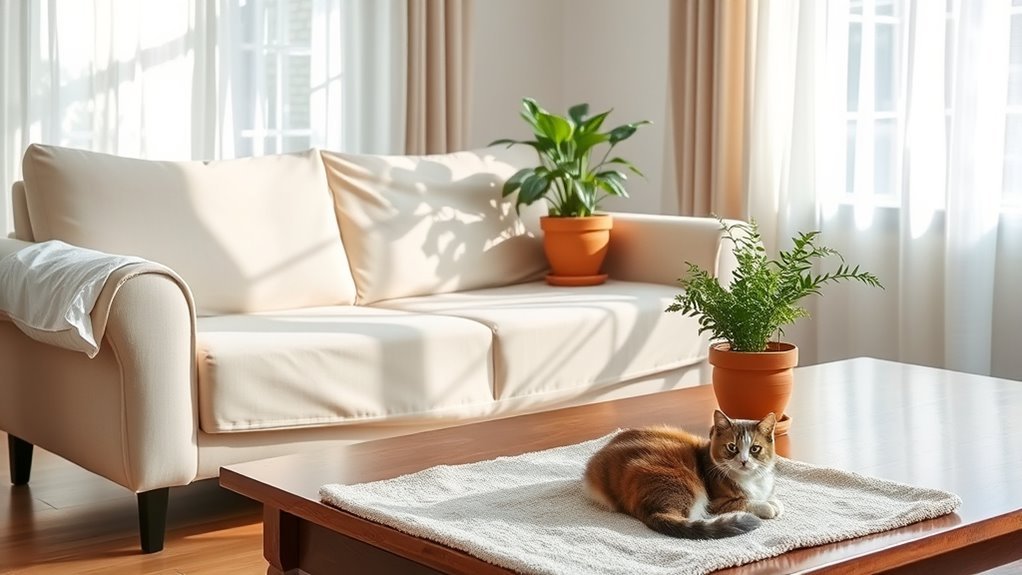
Pets bring comfort, personality, and a lot of real-life mess into a living room. The good news is that you can protect your upholstery from scratches, fur, drool, and stains without banning your dog or cat from the space. The best approach combines durable fabric choices, washable layers, regular grooming, smart scratching outlets, pet-safe cleaning habits, and a cozy spot your pet actually wants to use.
Quick Answer
To protect upholstery from pets, choose tight-weave or performance fabrics, add washable waterproof covers, keep nails trimmed, brush pets regularly, redirect cats to sturdy scratchers, and clean accidents quickly with a pet-safe enzyme cleaner. Always spot-test cleaners and check the upholstery care tag before using water or solvents.
Key Takeaways
- Tight-weave microfiber, performance fabric, canvas, and many outdoor fabrics usually handle claws and stains better than loose, nubby upholstery.
- Washable slipcovers, throws, and waterproof pet blankets protect high-contact areas without permanently changing your sofa.
- Regular nail trims, brushing, and safe claw caps reduce the damage pets can cause during normal play, climbing, and resting.
- Cats need acceptable places to scratch; place sturdy sisal, cardboard, or wood scratchers near the furniture they already target.
- For accidents, blot first, spot-test, follow the fabric care code, use an enzyme cleaner when appropriate, and let the area dry fully before pets return.
At a Glance
| Time Required | 20–30 minutes to set up protection; 5–10 minutes weekly for grooming and upkeep |
| Difficulty | Easy |
| Tools Needed | Washable cover, pet brush, nail clippers or grinder, scratcher, clean cloths, pet-safe enzyme cleaner, upholstery vacuum attachment |
| Cost | $0–$150+, depending on whether you use existing throws or buy covers, scratchers, and cleaning supplies |
Select Durable Pet-Friendly Fabrics to Safeguard Your Sofa
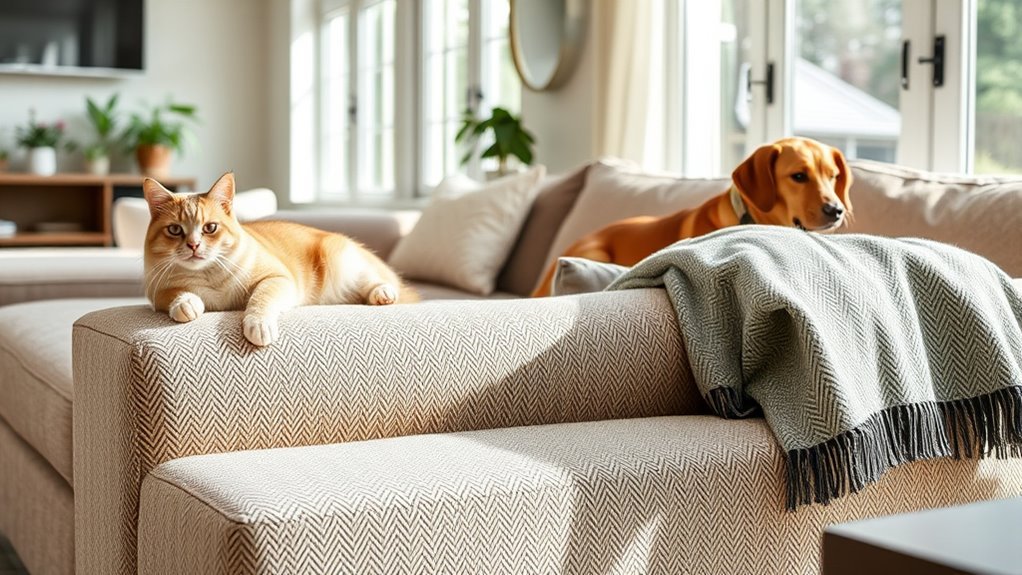
When you’re choosing upholstery for a sofa, start with the fabric. Pets are hard on loose weaves, looped textures, delicate linen, silk, velvet that crushes easily, and nubby fabrics that claws can catch. A tighter, smoother weave is usually easier to vacuum, less tempting for scratching, and better at hiding everyday wear.
Good pet-friendly upholstery options include:
- Microfiber: Soft, tightly woven, and often easier to clean than loose-weave fabrics.
- Performance fabric: Designed to resist stains and everyday abrasion; check the manufacturer’s cleaning instructions before buying.
- Outdoor or indoor-outdoor fabric: Often built for moisture and heavy use, making it a practical choice for busy homes.
- Canvas or denim-style slipcovers: Casual, sturdy, and usually easy to remove for washing.
- Finished leather: Easy to wipe, but not scratch-proof. Claws can still leave punctures, so use it with covers, nail trims, and a pet blanket.
Note: Before cleaning any sofa, check the upholstery care tag. “W” usually allows water-based cleaners, “S” means solvent-based cleaners, “WS” allows either, and “X” means vacuum only. When in doubt, spot-test in a hidden area or call a professional upholstery cleaner.
Recommended Products

Superior Fabric: 80% Polyester+20% Spandex, high quality stretchy jacquard fabric, soft and comfortable.
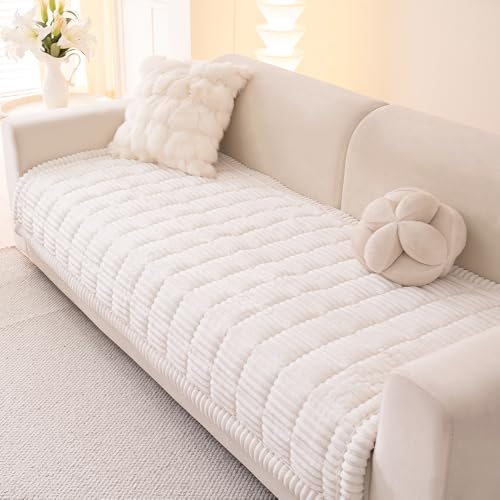
Modern Style : The modern fuzzy pet couch cover has soft colors and delicate patterns that blend perfectly with any home decor. It helps to protect your furniture, floor or sofa surface from scratches or stains.
Use Stylish Covers for Sofa Protection
Protecting your sofa from pets doesn’t mean sacrificing style. A well-chosen cover can make the room feel intentional while shielding the areas your pet uses most. Focus on the seat cushions, arms, back cushions, and corners, because these spots take the most claw pressure, fur, drool, and paw prints.
For the best protection, use washable slipcovers, waterproof pet blankets, or tightly woven throws that can go straight into the laundry. If your pet only uses one side of the sofa, a folded throw over that cushion may be enough. For pets with accidents, choose a waterproof layer under the decorative throw so liquid does not seep into the cushion.
For high-traffic areas, layer protection: place a waterproof sofa cover underneath and a washable throw on top. The throw gives you an easy-to-style surface, while the waterproof layer protects the upholstery when spills or accidents happen.
Recommended Products
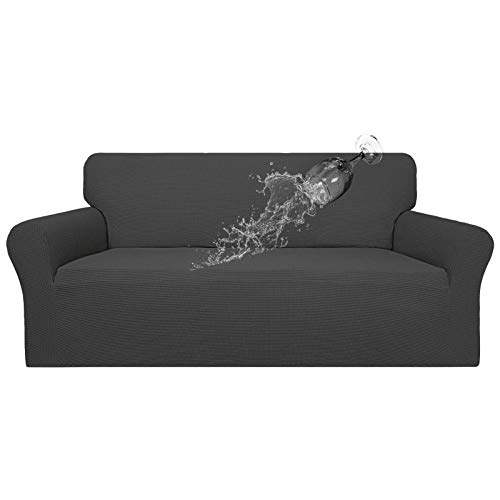
100% Waterproof Fabric: Top Fabric is processed with waterproof treatment, and back coated with waterproof layer. Dual waterproof feature can guarantee 100% waterproof effect.

[Double Waterproof Fabric] Smiry stretch couch cover have TPU membrane backing, and the surface is processed with waterproof coating. Featuring dual waterproof protection, the couch cushion cover effectively prevents liquid stains and shields your furniture from spills, wear, and daily scratches

100% Waterproof Fabric: Top Fabric is processed with waterproof treatment, and back coated with waterproof layer. Dual waterproof feature can guarantee 100% waterproof effect and leakproof.
Keep Your Pet Well-Groomed for a Clean Home
A clean sofa starts before your pet jumps onto it. Grooming reduces loose fur, sharp nail tips, dirty paws, and accidental scratches. It also gives you a chance to notice skin irritation, overgrown nails, or stress behaviors before they turn into bigger household problems.
Regular Nail Trimming
Trim your pet’s nails often enough that they do not click loudly on hard floors or catch on fabric. For many dogs and cats, that means every few weeks, but the right schedule depends on age, activity level, nail growth, and whether your pet wears their nails down outdoors.
| Pet Care Task | When to Do It | Why It Helps Upholstery |
|---|---|---|
| Nail trim | When nails click, snag, or look overgrown | Reduces punctures, pulls, and accidental scratches |
| Nail file or grinder | After clipping or between trims | Smooths sharp edges that catch on woven fabric |
| Paw wipe | After walks, rain, mud, or litter tracking | Keeps dirt, grit, and residue off cushions |
Warning: Do not cut into the quick, the sensitive part of the nail that contains nerves and blood vessels. If your pet has dark nails, anxiety, or a history of painful trims, ask your veterinarian or groomer to show you the safest technique.
Frequent Brushing Routine
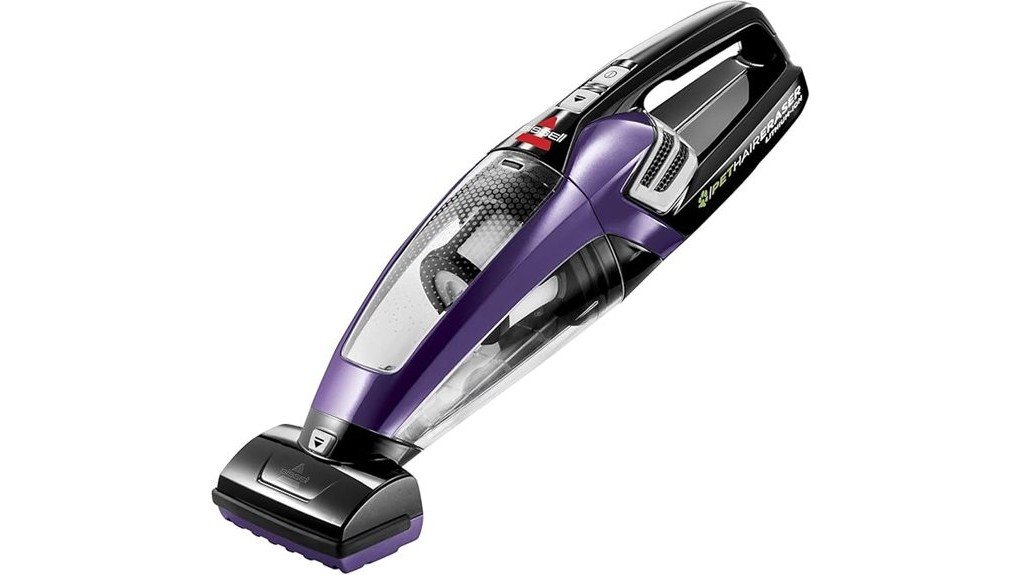
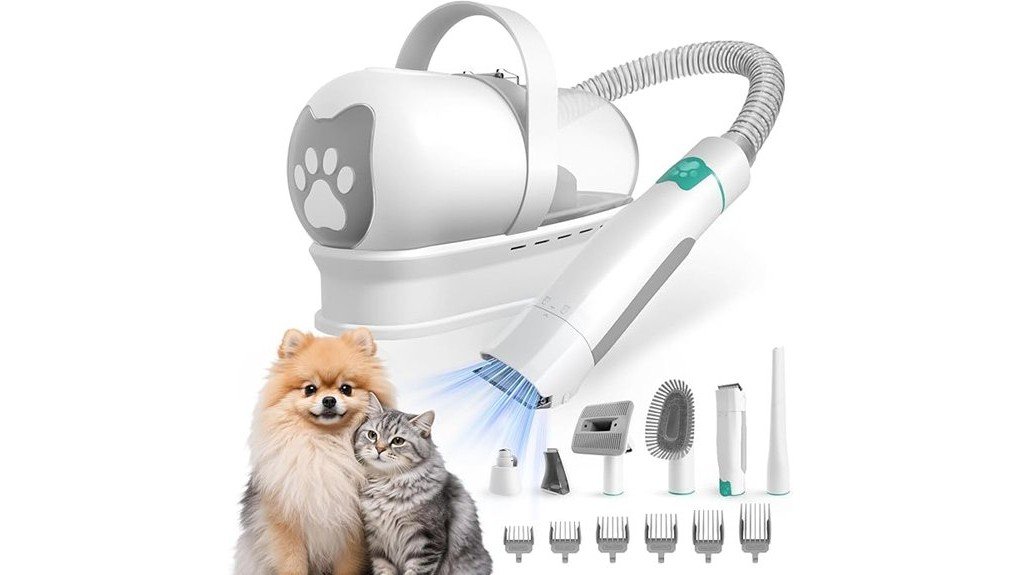
Brushing is one of the easiest ways to protect upholstery from fur buildup. Short-haired pets may only need brushing once or twice a week, while long-haired or double-coated pets may need it daily during shedding seasons. Use a tool made for your pet’s coat type: a grooming glove for short coats, a slicker brush for longer coats, or a de-shedding tool when your veterinarian or groomer recommends one.
Brush before fur reaches the sofa, then vacuum the upholstery with a pet-hair attachment. For stubborn fur, put on a slightly damp rubber glove and run your hand over the cushion; the hair will gather into clumps you can lift away.
Use Paw Protectors
Paw protectors and nail caps can soften the impact of claws on upholstery. For cats, plastic claw caps are a humane, temporary option that attach to the claws with adhesive and usually need replacement as the nails grow or shed. The ASPCA notes that these caps are temporary and typically last four to six weeks.
Check caps regularly to make sure they are still attached comfortably. Stop using them and contact a veterinarian if you notice swelling, limping, chewing at the paws, or irritation. Nail caps reduce damage, but they do not replace scratching posts, grooming, or training.
Redirect Scratching With Smart Solutions
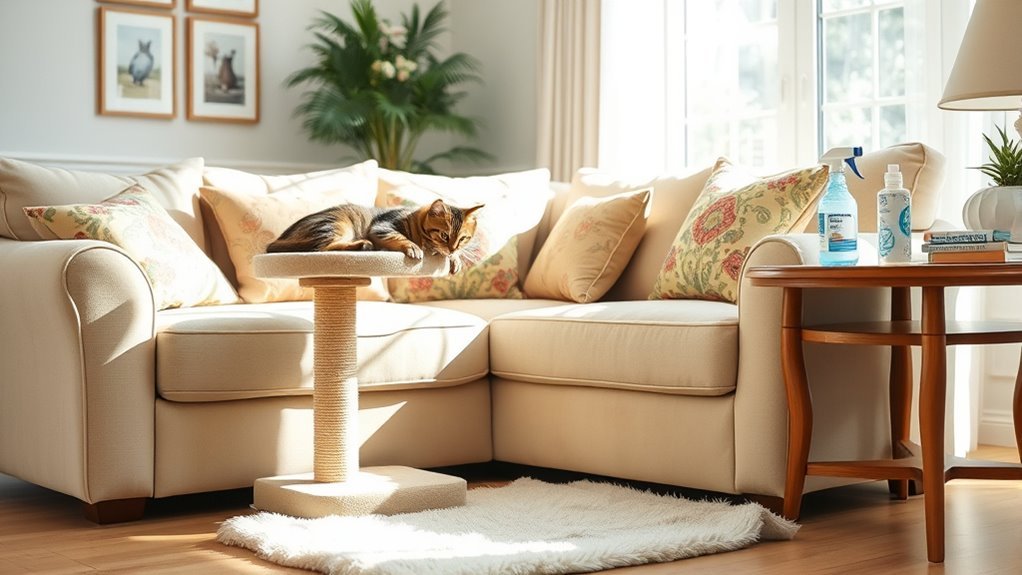
Cats scratch because it is normal, useful behavior. Scratching helps cats stretch, maintain their claws, and leave visual and scent signals. The goal is not to stop scratching; it is to make the right scratching surface more appealing than your sofa.
Veterinary behavior research in the Journal of Feline Medicine and Surgery recommends suitable scratching substrates and notes that many cats prefer sturdy sisal posts, while cardboard, wood, and carpet can also appeal to different cats. Offer more than one option so your cat can choose the angle and texture they prefer.
For better results, choose scratchers that are:
- Stable: The post should not wobble when your cat leans into it.
- Tall enough: Many cats like to stretch fully while scratching; a post around 3 feet tall works well for many adult cats.
- Varied: Offer vertical, horizontal, and angled scratchers.
- Well placed: Put scratchers near sleeping spots, windows, room edges, and the exact furniture your cat already scratches.
- Rewarded: Praise, treats, or play near the scratcher can make the new habit stick.
Pro Tip: Place the new scratcher directly beside the scratched sofa corner for two to three weeks. Once your cat uses it consistently, move it a few inches at a time to a better-looking spot instead of relocating it all at once.
Avoid yelling, forcing your cat’s paws onto the post, or spraying them with water. These reactions can create fear and stress, and stress may increase unwanted scratching. Instead, cover the damaged sofa area temporarily with a throw, plastic furniture shield, or double-sided furniture-safe tape, then reward the scratcher every time your cat uses it.
Recommended Products
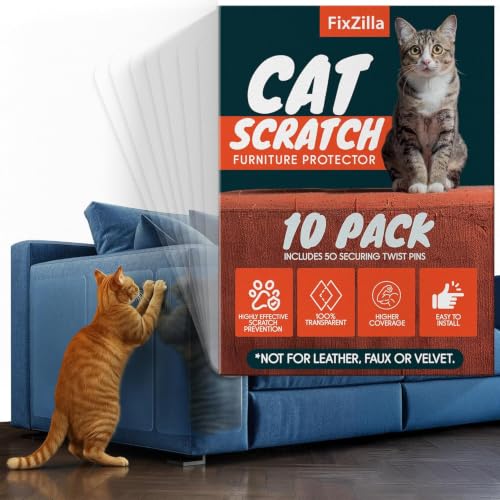
Effective - Cat scratch deterrent for furniture and stop cats from scratching furniture. These adhesive cat scratch protectors for furniture reliably defend upholstery against clawing & scratching. Not recommended for use on leather, faux, or velvet.

【Value 2-Pack – More for Less】 Get two high density L-shaped cat scratchers at a better price compared to buying one individually. Perfect for homes with multiple cats, or to place in different rooms.

COUCH CORNER DESIGN: Specially shaped to snugly fit furniture edges, providing a convenient and stable vertical scratching space for cats of all sizes.
Train Your Pet to Respect Furniture Boundaries
Furniture boundaries work best when everyone in the home follows the same rule. Decide whether your pet is allowed on the sofa, allowed only on a blanket, or not allowed on upholstered furniture at all. Mixed signals make training harder.
Use a calm, repeatable routine:
- Place a pet bed, blanket, or mat close to the sofa.
- When your pet approaches the upholstery, guide them to their spot with a treat or toy.
- Reward them the moment they settle in the correct place.
- Use the same cue each time, such as “bed,” “place,” or “off.”
- Keep the reward high-value until the habit becomes automatic.
For dogs, a “place” cue can protect upholstery during meals, guests, and movie nights. For cats, give them a nearby perch or soft bed so they can stay close without needing the couch arm or cushion.
Clean up Spills Quickly With Pet-Safe Products
When your pet has an accident, speed matters. Blot liquid immediately with a clean white cloth or paper towel. Do not rub, because rubbing can push the mess deeper into the fibers and spread the stain. Once you have absorbed as much liquid as possible, check the sofa’s care tag and spot-test your cleaner in a hidden area.
For urine, vomit, drool, and other organic stains, a pet-specific enzyme cleaner is often the best choice for washable or moisture-safe upholstery. Enzyme cleaners break down odor-causing organic material instead of simply masking the smell. Follow the product label exactly, give the cleaner enough dwell time, and keep pets away until the area is fully dry.
For safer product selection, look for fragrance-free or lightly scented formulas and consider products recognized by the EPA Safer Choice program. EPA explains that Safer Choice-labeled products are reviewed for safer chemical ingredients, product performance, pH, packaging, and other criteria.
Warning: Avoid spraying homemade essential oil blends, strong fragrances, ammonia, bleach, or harsh disinfectants on upholstery your pets touch. Cats, birds, and small animals can be especially sensitive to concentrated fragrances and residues. Use pet-safe cleaners as directed and let the fabric dry before pets return.
Create a Cozy Pet Zone to Protect Your Sofa
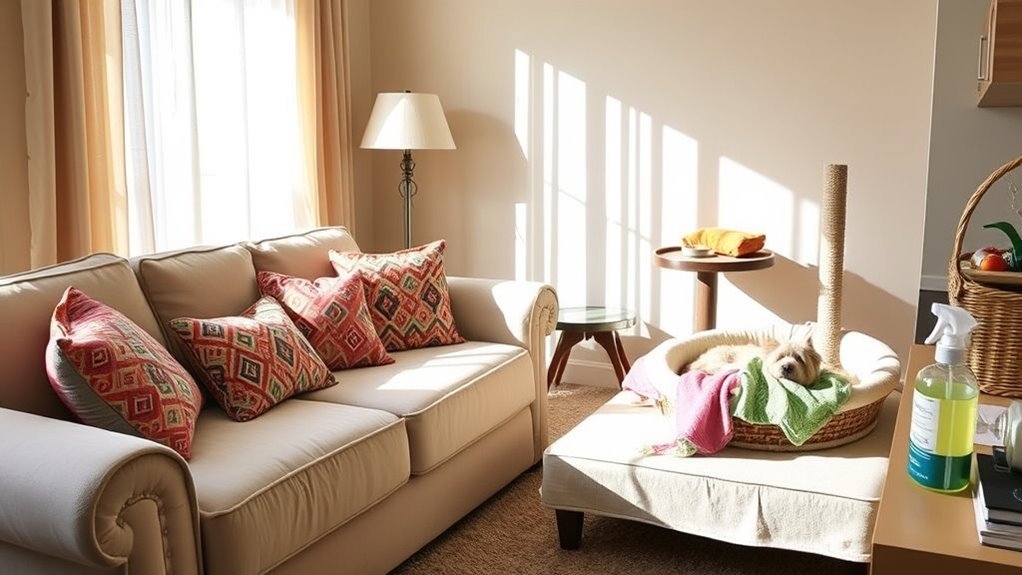
Creating a cozy pet zone is one of the most reliable ways to keep pets from choosing the sofa every time. The space should be close enough that your pet still feels included, but comfortable enough to compete with the couch.
| Essential Item | Purpose | Best Placement Tip |
|---|---|---|
| Comfortable pet bed | Encourages resting off the sofa | Place it near the living-room seating area |
| Scratching post or pad | Redirects normal cat scratching | Keep it near scratched furniture or a favorite nap spot |
| Washable blanket | Adds familiar scent and easy cleaning | Wash weekly or after accidents |
| Rotating toys | Reduces boredom and attention-seeking damage | Swap toys every few days to keep interest high |
The AAFP and ISFM feline environmental guidelines emphasize that cats need access to key resources, including resting, play, toileting, feeding, water, and claw-scratching areas. A pet zone works best when it supports these natural needs rather than simply blocking access to furniture.
Handle Tough Problem Areas
If your sofa keeps getting damaged in the same spot, treat that spot as a clue. Repeated scratching on one arm of the couch often means the scratcher is in the wrong location, the post is too short or unstable, or the texture is less appealing than the sofa. Put a better scratcher right beside the problem area and cover the sofa corner temporarily while your pet builds the new habit.
If accidents happen repeatedly, cleaning alone is not enough. Lingering odor can invite repeat marking, and frequent accidents can point to stress, litter box issues, urinary problems, digestive upset, or mobility trouble. Clean the upholstery thoroughly, then contact your veterinarian if the accidents are new, frequent, or paired with changes in appetite, energy, litter box behavior, or drinking habits.
If your dog chews sofa corners, add more appropriate chew outlets, increase exercise and enrichment, and block unsupervised access until the habit changes. Chewing can come from boredom, teething, anxiety, or learned attention-seeking, so the fix should address the cause instead of only covering the furniture.
Frequently Asked Questions
How do I protect my couch from dog scratches?
Trim your dog’s nails before they click or snag, smooth sharp edges with a file or grinder, use a washable sofa cover, and wipe paws after outdoor walks. If your dog jumps onto the sofa with force, add a pet ramp or train a calm “up” and “off” cue to reduce claw pressure on the cushions.
How do I protect a fabric sofa from cat scratches?
Place a sturdy scratching post or pad beside the scratched area, reward your cat for using it, and temporarily cover the sofa corner with a throw or furniture-safe barrier. Choose tightly woven upholstery when buying new furniture, because loose or nubby fabric gives claws more to grab.
What can I put on a couch so my cat does not scratch it?
Use a washable throw, clear furniture shield, furniture-safe double-sided tape, or a slipcover on the targeted area. Pair the barrier with a better scratching option nearby. Barriers alone may only move the scratching to another spot if your cat does not have an appealing scratcher.
What can I spray on furniture to keep cats from scratching?
Skip harsh deterrent sprays and homemade essential-oil blends. Many cats dislike strong smells, but concentrated fragrances can create safety concerns and may increase stress. A better plan is to clean the scratched area with warm water if the fabric allows it, cover it temporarily, add a sturdy scratcher nearby, and reward the scratcher.
Are leather sofas good for homes with pets?
Finished leather can be easier to wipe than many fabrics, but it is not scratch-proof. Dog nails and cat claws can leave marks, punctures, or worn spots. If you choose leather, keep nails trimmed, use a pet blanket, and avoid letting pets dig, launch, or scratch on the surface.
What is the best cleaner for pet stains on upholstery?
For urine, vomit, and other organic messes, a pet-specific enzyme cleaner is often the best option if your upholstery care tag allows moisture. Blot first, spot-test in a hidden area, follow the label’s dwell time, avoid over-wetting the cushion, and let the fabric dry completely.
Conclusion
You do not need to choose between a beautiful sofa and a pet-friendly home. The best protection comes from layers: durable upholstery, washable covers, regular grooming, safe nail care, smart scratching outlets, pet-safe stain cleanup, and a cozy pet zone your furry friend enjoys. Set up the right habits now, and your upholstery can stay cleaner, calmer, and far less tempting to scratch or stain.
Sources
- ASPCA — Destructive Scratching — backs up why cats scratch, how to redirect scratching, nail clipping, claw caps, and declawing caution.
- Journal of Feline Medicine and Surgery — Common feline problem behaviors: Destructive scratching — supports scratcher substrate, placement, positive reinforcement, and avoiding punishment.
- AAFP and ISFM Feline Environmental Needs Guidelines — supports providing cats with resting, play, scratching, and other key environmental resources.
- U.S. EPA — Learn About the Safer Choice Label — supports choosing cleaning products reviewed for safer chemical ingredients and performance.
- Better Homes & Gardens — What Is an Enzyme Cleaner? — supports enzyme-cleaner use for pet messes on upholstery, carpets, and other washable surfaces.