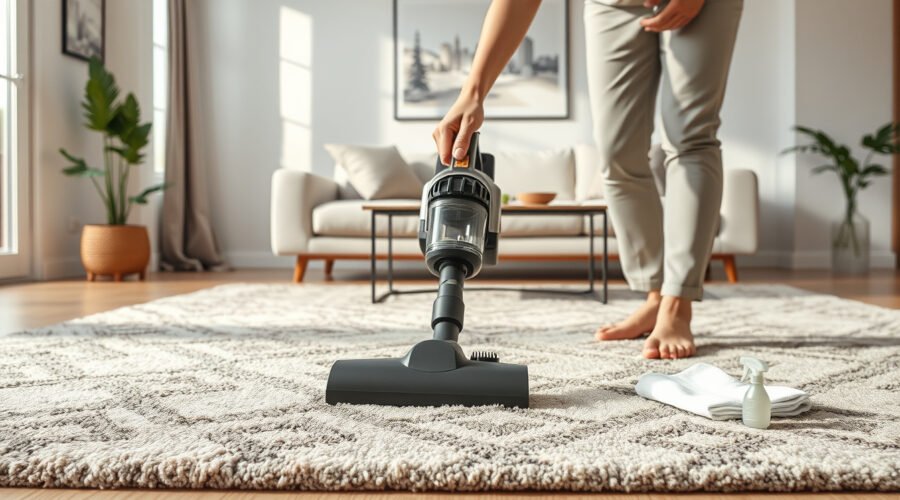
To extend your area rug’s life, build a simple care routine around gentle vacuuming, fast spill response, regular rotation, the right rug pad, and safe deep cleaning. The best method depends on the rug’s fiber, backing, dye, age, and care label, so always check the manufacturer’s instructions before using water, soap, steam, or a machine washer.
Quick Answer
Vacuum area rugs gently, blot spills immediately, rotate them every 6–12 months, use a quality rug pad, and deep-clean only according to the care label. Avoid harsh chemicals, overwetting, beater bars on delicate rugs, and DIY cleaning on silk, viscose, antique, or bleeding-dye rugs.
Key Takeaways
- Vacuum low-pile and synthetic rugs weekly, but use suction-only or a gentle attachment on hand-knotted, shag, vintage, cowhide, and delicate rugs.
- Blot spills from the outside toward the center with a clean white cloth; never scrub aggressively.
- Rotate rugs every 6–12 months to balance foot traffic, sunlight exposure, and furniture pressure.
- Use a rug pad that matches your floor type and replace it when it gets thin, sticky, brittle, or uneven.
- Call a professional for silk, viscose, antique, hand-knotted, moldy, heavily soiled, or dye-bleeding rugs.
At a Glance
| Time Required | 5–15 minutes for routine vacuuming; 10–30 minutes for spot cleaning; several hours for safe drying after wet cleaning. |
| Difficulty | Easy for routine care; moderate for stain removal; professional-level for delicate, antique, silk, viscose, or dye-unstable rugs. |
| Tools Needed | Vacuum with adjustable suction, upholstery or soft-brush attachment, clean white cloths, mild dish soap, spray bottle, towels, fan, rug pad, and care-label instructions. |
| Cost | Usually $0–$25 for routine care supplies; professional cleaning varies by rug size, material, condition, and local rates. |
Area Rug Care Schedule
A rug lasts longer when care is consistent instead of reactive. Use this schedule as a starting point, then adjust for pets, children, shoes, sunlight, and foot traffic.
| Task | How Often | Why It Matters |
|---|---|---|
| Vacuum | Weekly; more often in high-traffic homes | Removes grit before it cuts into fibers. |
| Blot spills | Immediately | Prevents stains from spreading or setting. |
| Rotate rug | Every 6–12 months | Balances fading, furniture marks, and foot traffic. |
| Clean under rug and pad | Every 1–3 months | Removes trapped grit and protects flooring. |
| Deep clean or professional clean | About every 12–18 months, or when visibly dirty or odorous | Removes embedded soil that routine vacuuming cannot reach. |
Before Cleaning Your Area Rug
Before you vacuum, spot-clean, or deep-clean, identify what you are working with. A wool rug, washable cotton rug, outdoor polypropylene rug, jute rug, cowhide, and silk heirloom rug should not all be treated the same way.
- Read the care label first. Follow the manufacturer’s directions for cleaning method, water temperature, detergent, drying, and machine washing.
- Test for colorfastness. Dab a hidden corner with a damp white cloth and a tiny amount of the cleaner you plan to use. If dye transfers, stop and call a professional.
- Remove loose dirt first. Vacuum or shake the rug before adding moisture so dirt does not turn into muddy residue.
- Protect the floor underneath. If spot-cleaning in place, place towels or a waterproof barrier under the treated area when possible.
- Dry completely. Use towels, airflow, and a fan. Do not return a damp rug or pad to the floor.
Warning: Do not soak rugs made from jute, sisal, seagrass, silk, viscose, antique wool, unstable dyes, or unknown fibers. Excess moisture can damage backing, cause browning, loosen dyes, and create mold risk. The U.S. Environmental Protection Agency notes that porous materials such as carpet may be difficult or impossible to clean completely once moldy.
Essential Vacuuming Techniques for Different Rug Types
Vacuuming is one of the easiest ways to extend an area rug’s life because dry soil acts like sandpaper underfoot. The goal is to remove grit without pulling, fuzzing, or breaking fibers.
Recommended Products

Home Essentials: Holikme dryer vent cleaner kit can easily help you to remove years of built up lint from your dryer vent, making your appliance runs more efficiently and securely; Suitable for most dryer types, please kindly check our product size information for reference in order to better shopping experience

Compatibility: ChangTa sp1106 skim vacuum plate adapter compatible with Hayward pool skimmer models SP1082, SP1084, SP1085, and SP1075 pool in-ground skim vac

[Stretch Universal Connector] PetOde dryer lint vacuum cleaner attachment is designed with a premium elasticated stretch universal connector that can be connected to most vacuum cleaners! Say goodbye to the worry of purchasing incompatible attachment models
How to Vacuum Common Rug Types
- Low-pile synthetic rugs: Use regular suction and slow, overlapping passes. Avoid aggressive beater bars if the rug is thin or has a loose edge.
- Wool rugs: Use adjustable suction and avoid high heat or harsh cleaners during any later spot cleaning. New wool rugs may shed at first; gentle vacuuming helps manage loose fibers.
- Hand-knotted, antique, Oriental, Persian, silk, or viscose rugs: Use suction-only or a covered upholstery attachment. Avoid beater bars, rotary brushes, and high suction that can stress knots and fringe.
- Shag rugs: Use suction-only on the front, then flip the rug and vacuum the back to loosen trapped debris. Shake outdoors if the rug size allows.
- Jute, sisal, seagrass, and other plant-fiber rugs: Vacuum frequently and keep moisture low. These fibers can brown, shrink, or weaken when wet.
- Cowhide rugs: Vacuum in the direction of the hair with suction only. Do not use rotating brush heads.
- Washable rugs: Vacuum before washing so grit, hair, and dust do not enter the machine.
- Outdoor rugs used indoors: Vacuum or shake regularly; their durable fibers still trap grit that can scratch floors underneath.
Pro Tip: Vacuum slowly. Fast passes leave grit behind, especially in dense pile. For large rugs, divide the surface into sections and overlap each pass by a few inches.
Fringe and Tassel Care
Do not run a vacuum directly over fringe or tassels. They can twist around the brush roll, fray, or pull away from the rug foundation. Instead, straighten fringe by hand and clean it gently with a soft brush or low-suction upholstery tool.
Quick Spill Management Tips
When a spill happens, speed and restraint matter. The safest first step is usually blotting, not scrubbing. Rubbing can spread the stain, distort the pile, and push liquid deeper into the rug.
Quick Action Steps
- Remove solids first. Lift food, mud, wax, or paint gently with a spoon or dull knife. Do not grind it into the fibers.
- Blot liquid immediately. Use a clean white cloth or plain white paper towel. Press lightly and repeat with dry sections of cloth.
- Work outside to center. This keeps the stain from spreading outward.
- Add water only when safe. For many synthetic rugs, a light mist of cool water can help dilute a water-based spill. For jute, sisal, silk, viscose, antique, or dye-unstable rugs, avoid wet cleaning and call a professional.
- Use mild soap sparingly. If the care label allows it, mix a few drops of mild dish soap with cool water. Apply lightly; do not pour solution onto the rug.
- Rinse residue. Blot with a clean cloth dampened with plain water so soap does not attract more dirt.
- Dry fully. Blot with towels and use airflow. If the rug remains damp, lift it so air reaches both sides.
Blotting Techniques
| Blotting Method | Why It Helps |
|---|---|
| Use a clean white cloth | Prevents dye transfer from colored towels. |
| Blot from outside to center | Controls the stain edge and limits spreading. |
| Press, lift, and repeat | Pulls liquid upward without roughing the pile. |
| Avoid rubbing | Protects fibers, knots, backing, and texture. |
| Dry from both sides when possible | Reduces moisture trapped in the rug and pad. |
Common Stain Solutions
Stain removal depends on the rug’s material and the spill type. Always test first, use the least aggressive method that works, and stop if colors bleed or texture changes.
| Stain Type | First Safe Step | When to Call a Pro |
|---|---|---|
| Water, tea, coffee, juice, or wine | Blot immediately, then lightly dab with cool water if the care label allows. | If dye remains, the rug bleeds, or the fiber is silk, viscose, jute, sisal, antique, or hand-knotted. |
| Grease or oil | Blot, then use a dry absorbent such as cornstarch on compatible rugs before vacuuming. | If the spot darkens, spreads, or remains slick after dry absorption. |
| Pet accidents | Blot liquid, keep moisture controlled, and use only a rug-safe enzymatic cleaner if allowed by the label. | If odor persists, urine reached the pad, or the rug is wool, silk, viscose, antique, or valuable. |
| Mud | Let it dry, gently break it up, then vacuum before spot treatment. | If soil is embedded in a thick, hand-knotted, shag, or natural-fiber rug. |
| Ink, paint, dye, mildew, or old stains | Do not experiment with multiple chemicals. Blot if fresh and keep the area dry. | Immediately. These stains can become permanent or worsen with DIY cleaning. |
Why Regular Rug Rotation Matters
Rotating your area rug is one of the simplest ways to keep it looking even. Foot traffic, sunlight, furniture weight, and doorway placement rarely hit a rug evenly. Turning it 180 degrees helps spread that stress across the whole surface.
Prevents Uneven Wear
Rotate most area rugs every 6–12 months. In a sunny room, busy hallway, dining area, or home with pets, rotate every 3–6 months. This helps prevent one side from fading, flattening, or collecting more wear than the rest of the rug.
Maintains Aesthetic Appeal
Rotation also keeps your room looking fresher. A rug that fades only on one edge or compresses only under one chair can look older than it is.
| Benefit | Description | Suggested Frequency |
|---|---|---|
| Color Preservation | Helps reduce uneven fading from sunlight exposure. | Every 6–12 months |
| Texture Balance | Spreads compression from feet and furniture. | Every 6–12 months |
| Fresh Decor | Makes a room feel refreshed without buying new furnishings. | Whenever the room layout changes |
| Longer Rug Life | Keeps one area from aging faster than the rest. | Ongoing maintenance |
Choosing the Right Rug Pad for Longevity
A good rug pad protects both the rug and the floor. It reduces slipping, cushions foot traffic, helps the rug lie flat, and limits friction between the rug backing and hard flooring.
- Choose the right material. Felt pads add cushion, rubber or natural rubber blends add grip, and felt-rubber combinations work well for many living areas.
- Match the pad to the floor. Use a pad labeled safe for your flooring, especially hardwood, luxury vinyl, laminate, heated floors, or stone.
- Use the right thickness. A 1/4-inch pad works well under many living room rugs. Doorways and dining chairs usually need a thinner, lower-profile pad.
- Trim slightly smaller than the rug. The pad should sit about 1 inch inside the rug edge so it does not show or create a trip edge.
- Replace worn pads. Replace pads that crumble, smell, stick to the floor, ripple, flatten, or no longer grip.
Note: Some cheap PVC or adhesive-style pads can discolor certain floors over time. Choose a floor-safe pad and follow both the rug maker’s and floor manufacturer’s care instructions.
Recommended Products

Upgraded Cushioning and Grip: Unlike other pure felt pads, our pad has a durable natural rubber backing to increase gripping and durability. 1/4" thick felt forming a dense, cushioned surface, aims to make your rugs cozier and provide extra comfort underfoot, even the thinnest rugs can feel soft and comfortable. Dense fibers surface securely holds rugs in place without bunching, while offering noise reduction and insulation

Unique Design: Do you still worry about the traditional glue rug tape harm your floor ? This gripper uses VACUUM TECH design which grips hard smooth floors firmly and easily, this design can protect your floor perfectly as no glue used on floor. But it does not work for rug on carpeted floor. It does not work for rubber backed rug ,jute rug or fluff backing rug.
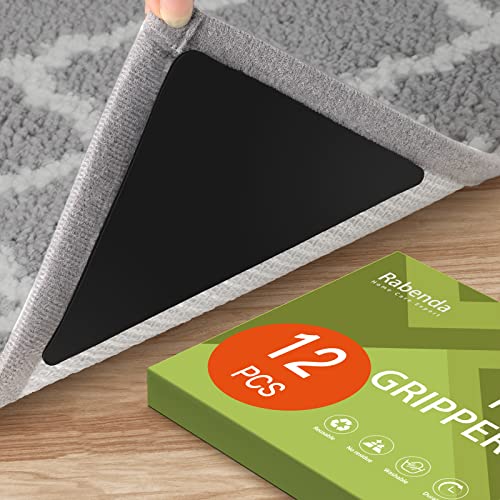
Advantaged Triangle Design: The Triangle Design grippers for area rugs and hardwood floors will maximum increase the contact surface. The strong adhesion will help stick firmly and keep your area rugs in place. Moreover, the rug stickers for wood floors will prevent the rug corners and edges curling and always keep your rugs steady and safe
Is It Time for Professional Rug Cleaning?
Regular vacuuming and spot cleaning help, but they cannot remove every layer of embedded soil, odor, or residue. A professional rug cleaner can wash, rinse, extract, and dry rugs more thoroughly than most home setups.
Consider professional cleaning every 12–18 months for many regularly used rugs, and sooner if the rug has heavy traffic, pets, sticky residue, odor, dullness, or repeated spills. Always use professional care for silk, viscose, antique, heirloom, hand-knotted, dye-unstable, moldy, or water-damaged rugs.
Recommended Products
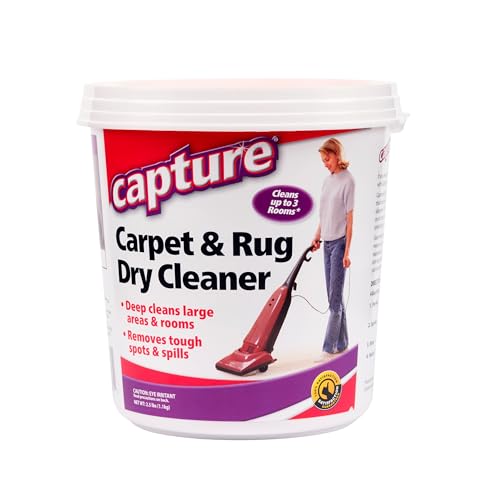
ABSORBENT DEEP DRY CLEANING: Wet cleaners cause wicking by leaving moisture in carpets, rugs, upholstery, furniture, sofa, and couch. With Capture Powder Cleaner, the spots do not reappear, it acts like heavy-duty sponges to absorb dirt and spills.

PERMANENTLY removes tough stains like red wine, fruit juice, make-up, food grease, vegetable oil, cola, soy sauce, grape jelly, blood, urine, and more.

3X ACTION FORMULA: Cleans, Deodorizes, and Deters pets from remarking. Eliminates organic odors and stains from carpets, upholstery & soft surfaces.
Signs Your Rug Needs a Professional
- Persistent odor after vacuuming and spot cleaning
- Stains that return after drying
- Crunchy or sticky texture from cleaner residue
- Dye bleeding during a colorfastness test
- Visible mold, mildew smell, or long-lasting dampness
- Fringe damage, unraveling, holes, buckling, or delamination
- Fine materials such as silk, viscose, antique wool, or hand-knotted construction
How to Use Outdoor Rugs Effectively Indoors
Outdoor rugs can work beautifully indoors because many are made with durable synthetic fibers that handle moisture and foot traffic better than delicate natural fibers. They are especially useful in kitchens, mudrooms, laundry rooms, covered entries, playrooms, and casual dining areas.
- Use them in high-traffic spaces. Outdoor rugs are practical where spills, shoes, and pets are common.
- Check the backing. Make sure the rug and pad are safe for your indoor flooring.
- Clean underneath. Even outdoor rugs can trap grit below the backing, which may scratch floors.
- Dry after wet cleaning. Do not leave a damp outdoor rug flat on wood or laminate flooring.
- Coordinate style intentionally. Use bold patterns for busy family spaces and softer textures where comfort matters.
Common Mistakes to Avoid in Rug Maintenance
Many rug problems come from good intentions done too aggressively. The safest approach is to clean gently, test first, and stop before damage spreads.
- Using a beater bar on delicate rugs: This can fray edges, damage knots, pull hair from hides, or fuzz wool.
- Scrubbing stains: Scrubbing can distort pile and drive stains deeper.
- Overwetting: Too much water can damage backing, cause browning, loosen dyes, or create odor.
- Layering cleaners: Mixing products can leave residue, discolor fibers, or create unsafe reactions.
- Skipping the color test: Dye transfer on a white cloth is a warning sign to stop.
- Ignoring the rug pad: Dirty, thin, or sticky pads can damage floors and reduce rug life.
- Putting furniture back too soon: Furniture on a damp rug can leave rust marks, dye transfer, dents, or mildew risk.
- Machine-washing the wrong rug: Only wash rugs labeled machine-washable and make sure your washer can handle the wet weight.
Engaging With the Community for Rug Care Tips
Online communities and local home decor groups can be useful for product ideas, layout inspiration, and real-life maintenance tips. Treat community advice as a starting point, not a substitute for the care label or professional guidance.
- Use social media for inspiration. Instagram, Pinterest, and home forums can show how rug pads, washable rugs, and outdoor rugs perform in everyday spaces.
- Ask material-specific questions. Mention whether your rug is wool, synthetic, jute, sisal, silk, viscose, cowhide, washable, or outdoor-rated.
- Verify before trying hacks. Avoid viral cleaning mixtures on valuable or delicate rugs unless the manufacturer or a qualified cleaner approves the method.
Warning: Do not use bleach, ammonia, oxygen cleaners, vinegar, hydrogen peroxide, steam, or enzyme cleaners on an area rug unless the care label confirms the method is safe for that material and dye.
Maintaining the Aesthetics of Your Area Rug
To keep your area rug looking its best, protect it from the three biggest appearance problems: embedded grit, uneven fading, and moisture damage.
- Vacuum frequently enough for the room. High-traffic rugs need more attention than bedroom rugs.
- Use window treatments in sunny rooms. Strong sunlight can fade one edge faster than the rest.
- Rotate furniture pressure points. Use furniture cups or rearrange small pieces occasionally to reduce dents.
- Keep shoes and grit under control. Entry mats and a no-shoes habit reduce abrasive soil.
- Act quickly on spills. Fast blotting protects color and texture.
- Air out rugs when safe. On a dry day, shaking or airing a sturdy rug outdoors can refresh it. Avoid direct harsh sun for delicate dyes.
A rug usually wears out from small repeated stresses: grit underfoot, one-sided sunlight, excess moisture, harsh scrubbing, and the wrong vacuum setting. Fix those habits, and the rug keeps its color, shape, and texture longer.
Frequently Asked Questions
How do you vacuum an area rug?
Check the care label, adjust suction, and vacuum slowly in overlapping passes. Avoid fringe and tassels. Use suction-only or an upholstery attachment for delicate, hand-knotted, antique, shag, silk, viscose, cowhide, or loosely woven rugs.
How do you bring an area rug back to life?
Start by vacuuming both sides if the rug construction allows it. Rotate the rug, clean underneath it, replace a worn rug pad, treat safe stains gently, and groom the pile with a soft brush. If the rug still looks dull, smells musty, or has deep soil, schedule professional cleaning.
Does vacuuming extend carpet and rug life?
Yes. Vacuuming removes dry grit before it abrades fibers underfoot. It also helps reduce dust, pet hair, crumbs, and debris that can settle into the pile. The key is using the right suction level and attachment for the rug type.
What should you sprinkle on carpet before vacuuming?
For odor control on compatible rugs, plain baking soda can be sprinkled lightly, left briefly, and vacuumed thoroughly. Do not use powders on damp rugs, delicate rugs, shag rugs, antique rugs, or rugs where residue may be hard to remove. Avoid scented powders if anyone in the home is sensitive to fragrance.
Can you machine-wash an area rug?
Only machine-wash rugs clearly labeled machine-washable. Small cotton, polyester, nylon, olefin, and microfiber rugs may be washable if the backing and washer capacity allow it. Do not machine-wash wool, silk, jute, sisal, antique, hand-knotted, sheepskin, viscose, or heavy rugs unless the manufacturer says it is safe.
How often should you rotate an area rug?
Rotate most area rugs every 6–12 months. Rotate every 3–6 months in high-traffic rooms, sunny rooms, dining areas, hallways, and homes with pets or children.
When should you stop DIY cleaning and call a professional?
Stop and call a professional if dye transfers during testing, the rug is silk, viscose, antique, hand-knotted, valuable, moldy, heavily soaked, or has persistent pet odor, ink, paint, mildew, or old set-in stains.
Sources
- U.S. Environmental Protection Agency — Mold Cleanup in Your Home — supports moisture, drying, and mold cautions for porous materials such as carpet.
- Better Homes & Gardens — How to Clean an Area Rug — supports care-label checks, material-specific care, blotting, rotation, and deep-cleaning intervals.
- Architectural Digest — How to Clean a Rug — supports manufacturer-guideline checks, color testing, material-specific cleaning, and professional-care cautions.
- Southern Living — How To Extend The Lifespan Of Your Rug — supports rug-pad, gentle vacuuming, and harsh-chemical cautions.
- Schema.org — FAQPage — supports FAQ structured data.
- Schema.org — HowTo — supports how-to structured data.
Conclusion
Treat your area rug like a long-term home investment: vacuum it gently, handle spills quickly, rotate it regularly, support it with the right rug pad, and clean it according to its material. Small habits make the biggest difference. When you avoid harsh scrubbing, excess moisture, and the wrong vacuum setting, your rug keeps its color, shape, and texture for years longer.