Disclosure: As an Amazon Associate, we earn from qualifying purchases. If you click a link on this page and make a purchase, we may receive a small commission at no extra cost to you.
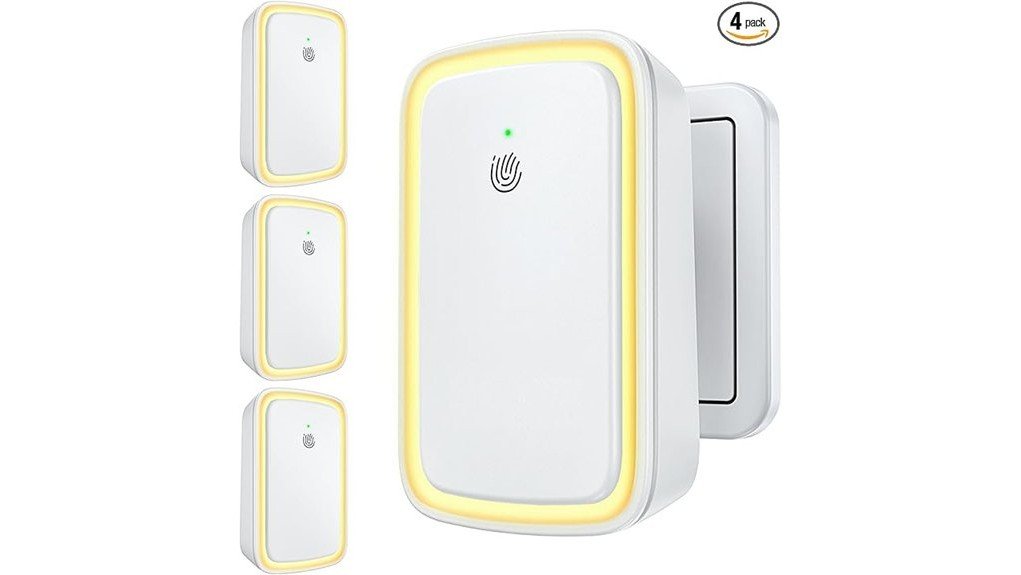
A bulky air purifier is not practical in every bedroom, office, bathroom, or travel bag. This Plug-in Air Ionizer takes a different approach by using negative-ion technology in a compact, filter-free format that plugs directly into an outlet. Its small size and quiet operation are its main attractions, but an ionizer does not work like a HEPA purifier and should not be treated as a direct substitute. This review explains where the device may be useful, where its technology has limits, and what you should check before using it in an occupied room.
Quick Verdict
Rating: Recommended with caveats
Best For: Buyers who want a compact, quiet, filter-free ionizer for a small personal space.
Bottom Line: The plug-in format saves space and avoids replacement filters. The tradeoff is that ionization charges particles rather than capturing them in a HEPA filter, and the exact ozone-emission specifications for this model should be confirmed before purchase.
| Specification | Detail |
|---|---|
| Product Type | Plug-in air ionizer |
| Air-Treatment Method | Negative-ion technology |
| Design | Compact direct-to-outlet format |
| Filter | Filter-free design described in the product copy |
| Power Source | Wall outlet |
| Noise | Described as quiet or near-silent; exact dB rating not verified |
| Routine Upkeep | Periodic exterior and vent cleaning |
| Best Use | Small bedrooms, offices, bathrooms, or other personal spaces |
| Important Safety Check | Confirm the manufacturer’s ozone-emission and certification information before use |
Key Takeaways
- The compact plug-in design uses almost no floor or desk space.
- Its filter-free operation removes the recurring task and cost of replacing a conventional particle filter.
- Negative-ion technology can charge airborne particles, encouraging some of them to settle on nearby surfaces.
- An ionizer does not mechanically capture particles the way a HEPA purifier does, so you should choose the technology based on your actual air-quality problem.
- Quiet operation makes this format appealing for bedrooms and work areas, although the exact noise specification for this model is not confirmed.
- You should verify the product’s ozone-emission information and follow the manufacturer’s instructions before operating any electronic ionizer in an occupied room.
What Is the Plug-in Air Ionizer?
This product is a small electrical air-treatment device designed to plug directly into a wall outlet. Instead of pulling room air through a disposable HEPA or carbon filter, it uses ionization technology to release charged ions into the surrounding air.
Those ions can attach to airborne particles. Once charged, some particles may combine with other particles or deposit onto nearby walls, floors, furniture, and other surfaces. That distinction matters because the particles are not necessarily trapped inside the device.
The format is most attractive when you value compact size, quiet operation, and low routine maintenance. It is less suitable when your main goal is high-efficiency mechanical filtration of dust, pollen, smoke particles, or other airborne material.
Who Should Buy It?
Best For
- You want a small air-treatment device that plugs directly into a wall outlet.
- You prefer a filter-free design with little routine maintenance.
- You need quiet operation in a bedroom, study area, bathroom, or office.
Skip If
- You specifically need a HEPA purifier that mechanically captures airborne particles.
- You need documented room-size performance, CADR data, or verified filtration efficiency.
- You cannot confirm suitable ozone-emission information for the exact unit you are considering.
Before You Buy: Do not assume that every product marketed as an air purifier works like a HEPA purifier. This model uses ionization, so check its manual, safety information, ozone-emission details, and intended room use before relying on it for indoor air-quality concerns.
How Negative-Ion Technology Works
An ionizer electrically charges particles suspended in the air. Charged particles can then attract one another or collect on nearby surfaces. This may reduce the amount of some material remaining airborne, but it does not mean that the device has permanently removed every particle from the room.
This is especially important when comparing an ionizer with mechanical filtration. A HEPA-style purifier uses airflow to pull air through a filter that captures particles inside the appliance. A basic ionizer may not include that collection stage.
You may therefore notice more settled dust on nearby furniture or surfaces during use. Normal room cleaning remains important because deposited material can return to the air when disturbed.
Design, Noise, and Maintenance
Compact Plug-in Design
The biggest practical advantage is the small direct-to-outlet format. You do not need to give up floor space, a bedside table, or a section of your desk. That can make the device easier to use in a tight bedroom, bathroom, office, dorm-style room, or travel accommodation with a compatible outlet.
The original product copy contains conflicting measurements, so exact dimensions should be checked on the current product listing rather than assumed from older descriptions.
Quiet Operation
The article describes the ionizer as near-silent, which makes sense for a device intended for sleeping or working areas. There is no verified decibel rating available for this exact ASIN, however, so you should not compare it with another purifier based on a specific noise number.
For a bedroom, the absence of obvious fan noise can be an advantage. You should still consider any indicator light or electrical sound that may matter to a sensitive sleeper.
Filter-Free Upkeep
There is no replacement filter described for this unit. That reduces recurring filter costs and eliminates filter-change schedules, but it does not make the device maintenance-free.
Dust can collect around vents, the housing, the outlet area, and nearby room surfaces. Keeping those areas clean helps you avoid letting deposited particles simply build up around the device.
Particle and Odor Performance
The original article claimed that the ionizer could eliminate airborne particles, allergens, smoke, pet odors, and cooking odors. Those claims are too broad without product-specific testing.
Ionization can influence airborne particles by giving them an electrical charge, but it should not be presented as equivalent to capturing dust, pollen, pet dander, or smoke inside a high-efficiency filter. Performance also depends on the room, particle type, ventilation, placement, and the design of the ionizer itself.
Odor control deserves similar caution. Many household odors come from gases or ongoing sources such as cooking, smoke, damp materials, litter boxes, or waste. Removing the source and improving ventilation are often more important than relying on a small electronic air-treatment device.
Pro Tip: Place the ionizer where it has open space around it instead of hiding it behind furniture or curtains. Clean nearby surfaces regularly because charged particles may settle there rather than being captured inside the unit.
How It Performs in Real Use
In a Bedroom
The compact, quiet format is well suited to a bedroom where a larger fan-powered purifier may take up too much space. The main advantage here is convenience rather than proven high-volume filtration. Position the device according to its instructions and do not block the outlet or the unit with bedding, furniture, or curtains.
In a Home Office
A plug-in ionizer can stay out of the way while you work because it needs no desktop space. Quiet operation is also useful during calls and focused work. If your office has a specific dust, pollen, smoke, or ventilation problem, however, a properly sized mechanical purifier may be a more appropriate solution.
Near Pet or Odor-Prone Areas
The device may appeal to pet owners because it is easy to position near an odor-prone room. You should still clean litter boxes, pet bedding, floors, and other odor sources directly. An ionizer should support normal cleaning and ventilation rather than replace them.
For Travel
The small plug-in format is easier to pack than a full-size purifier. Before traveling, confirm that the outlet type and electrical requirements match your destination. Also remember that a tiny ionizer cannot be assumed to provide the same air-cleaning performance as a larger purifier designed and tested for a specific room size.
Placement and Maintenance Tips
| Task | Why It Helps | Practical Guidance |
|---|---|---|
| Keep space around the unit | Prevents furniture or fabric from crowding the device | Follow the manufacturer’s placement instructions |
| Wipe the exterior | Removes settled dust from the housing | Unplug first and follow the care instructions |
| Inspect vents or openings | Helps prevent visible dust buildup | Do not insert tools or liquids into the device |
| Clean nearby surfaces | Ionized particles may settle on surrounding surfaces | Include walls, shelves, floors, and furniture in normal cleaning |
A fixed two-week cleaning schedule is not appropriate for every room because dust conditions vary. Inspect the device regularly and follow the cleaning interval provided by the manufacturer.
Safety and Ozone Considerations
Electronic ionizers deserve more safety scrutiny than a basic passive household accessory. Some ionizing technologies can generate ozone as a by-product. Ozone can irritate the respiratory system, so you should not assume that an unspecified ionizer is automatically suitable for continuous occupied-room use.
The exact ozone-emission level, certification status, and electrical specifications for this ASIN could not be independently confirmed. Check the current packaging, manufacturer documentation, and applicable certification information before purchase. This is particularly important if you plan to use the unit continuously in a bedroom, child’s room, pet area, or other frequently occupied space.
An ionizer also does not replace source control or ventilation. Smoke, mold, excessive moisture, strong chemical fumes, and other significant indoor-air problems should be addressed at their source. If indoor air is causing health symptoms, seek appropriate professional guidance instead of relying on a small plug-in device as a treatment.
Pros and Cons
Pros
- Compact plug-in format uses almost no floor or desk space.
- No replacement filter is described, reducing recurring maintenance costs.
- Quiet operation is practical for sleeping and working areas.
- Easy to move between compatible outlets and small rooms.
- Simple operation compared with a larger multi-filter purifier.
Cons
- Does not mechanically capture particles like a HEPA purifier.
- Exact room coverage, power draw, noise level, and ozone output are not confirmed.
- Requires cleaning of the unit and nearby surfaces where charged particles may settle.
Is It Worth the Price?
The value of this Plug-in Air Ionizer depends less on headline purification claims and more on what you expect it to do. It makes the most sense when you specifically want a compact ionization device that does not need replacement filters and can stay out of the way in a small room.
It is harder to justify if you are shopping primarily for measurable particle filtration. Without verified CADR, room-coverage, ozone-emission, or filtration-efficiency data for this exact model, you cannot compare its performance directly with a tested HEPA purifier.
Before buying, compare the current price with the cost of a small mechanical purifier and decide whether compact size and filter-free operation matter more to you than documented particle-capture performance.
How It Compares to Alternatives
The Clarifion Plug-In Air Ionizer is another compact negative-ion option worth comparing if you specifically want this type of filter-free technology. Its main similarity is the direct-outlet format rather than mechanical HEPA filtration.
If your priority is capturing airborne particles, models such as the Levoit Core 300-P or Coway Airmega AP-1512HH represent a different category. They use fan-driven filtration and take up more space, but they are better suited to shoppers who want documented mechanical filtration rather than a basic plug-in ionizer. The reviewed Plug-in Air Ionizer makes the most sense when minimal size, quiet use, and no replacement filter are your main priorities.
Frequently Asked Questions
Does this Plug-in Air Ionizer have a HEPA filter?
No HEPA filter is described in the original product copy. The unit is presented as a filter-free ionizer, so it should not be treated as a mechanical HEPA purifier.
How does the ionizer deal with dust and airborne particles?
Ionization gives particles an electrical charge. Some charged particles can combine or settle onto nearby surfaces, which means regular cleaning remains important because the device does not necessarily trap those particles inside itself.
Can I use the air ionizer in a large room?
There is no independently verified room-coverage rating for this exact model. Treat it as a compact personal-space device unless the current manufacturer documentation provides tested coverage information.
Can an air ionizer produce ozone?
Some ionizing air-cleaning technologies can generate ozone as a by-product. Because the ozone-emission specification for this exact ASIN was not verified, check the current manual, labeling, and certification information before operating it in an occupied room.
Is it safe to use around children and pets?
Do not assume safety based only on the compact design or quiet operation. Confirm the manufacturer’s instructions, electrical requirements, intended-use guidance, and ozone-emission information before using any ionizer around children or pets.
How often should I clean the ionizer?
Inspect it regularly rather than relying on an arbitrary schedule. Unplug the unit before cleaning, follow the manufacturer’s care directions, and clean nearby room surfaces because ionized particles can settle outside the device.
Who should choose a HEPA purifier instead?
A mechanical purifier is the better category to compare if you specifically want airborne particles captured inside a filter or need documented CADR and room-coverage performance. The plug-in ionizer is better suited to buyers prioritizing compact size and filter-free operation.
The Bottom Line
The Plug-in Air Ionizer is worth considering when you want a compact, quiet, filter-free device for a small personal space and understand how ionization differs from mechanical filtration. Skip it if you need proven HEPA particle capture, documented room coverage, or if you cannot confirm suitable ozone-emission information for the exact model.
Its strongest advantages are convenience and low routine upkeep. Its biggest limitation is the lack of independently verified product-specific performance and safety specifications.
Ready to Buy?
Check the latest product specifications, safety information, and price before you decide.