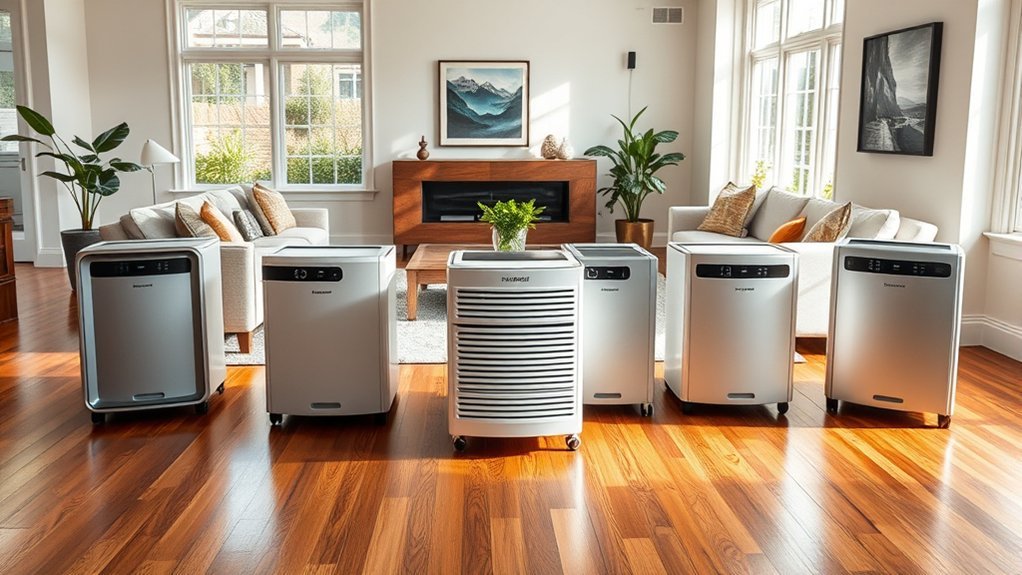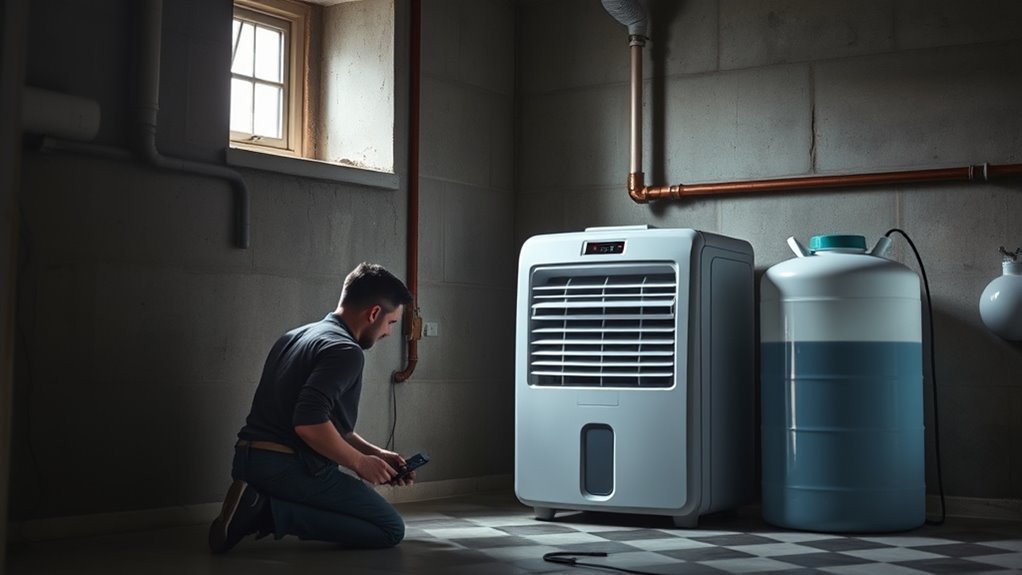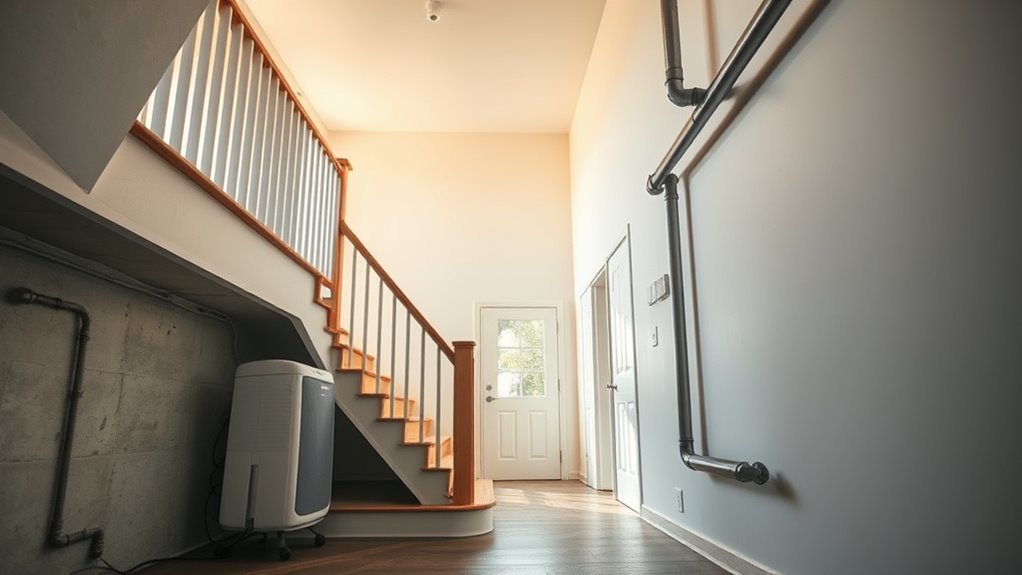
Put your dehumidifier on the floor with the higher humidity, not simply upstairs or downstairs by default. In many homes, that means the basement or lower level first, but upstairs bathrooms, laundry rooms, and bedrooms can need help too. Check each floor with a hygrometer for several days, then place the unit where readings stay high, condensation appears, or musty odors start.
Quick Answer
A dehumidifier usually works best downstairs if the basement or crawl space is damp, musty, or above 50% relative humidity. Put it upstairs when bathrooms, laundry areas, or bedrooms stay humid after showers or drying clothes. If both floors stay humid, use one unit on each level.
Key Takeaways
- Use a hygrometer first. Place the dehumidifier where humidity repeatedly rises above 50% RH or where condensation and musty smells show up.
- Basements, crawl spaces, laundry rooms, and bathrooms are the most common moisture zones.
- One portable dehumidifier cannot reliably dry a whole multi-story home if doors are closed or airflow is poor.
- Keep the unit away from blocked airflow, heat sources, dust, and unsafe drainage routes.
- Fix leaks, dryer vent problems, and drainage issues instead of relying on a dehumidifier alone.
At a Glance
| Time Required | 3 to 7 days of humidity checks, then 10 minutes to place the unit |
| Difficulty | Easy |
| Tools Needed | Hygrometer, dehumidifier, grounded outlet, optional drain hose |
| Cost | About $10–$50 for a hygrometer; operating cost depends on wattage, run time, and your electricity rate |
How to Decide Where to Put a Dehumidifier
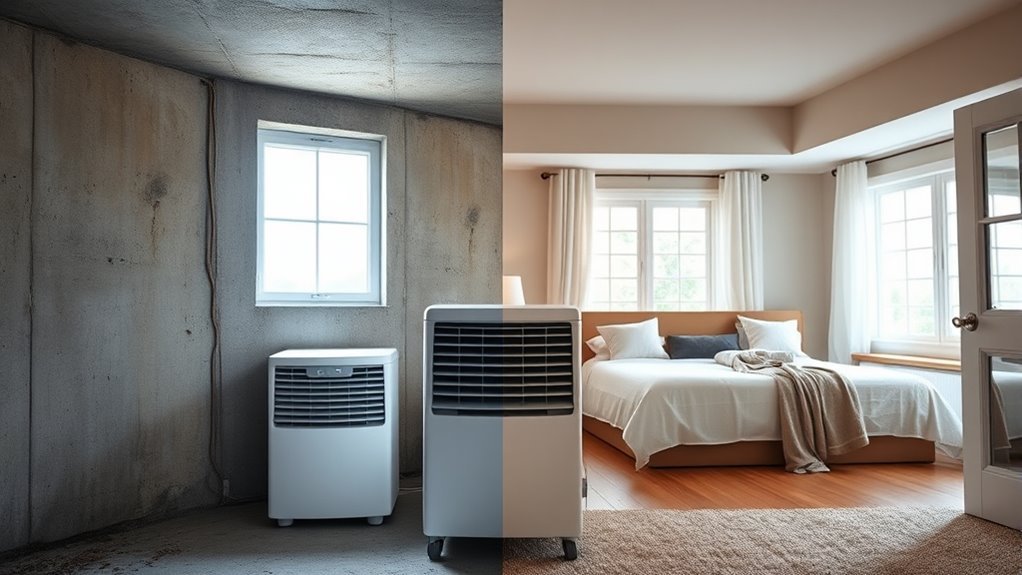
Start with measurements, not guesswork. The EPA recommends keeping indoor humidity below 60% if possible, ideally between 30% and 50%. A dehumidifier is most useful in the area that stays above that comfort range or shows moisture signs such as condensation, damp smells, water stains, sweating pipes, or slow-drying laundry.
In many homes, the first place to check is downstairs. Basements and crawl spaces often run cooler, have less ventilation, and sit close to foundation moisture. That does not mean upstairs is always fine. Bathrooms, kitchens, laundry areas, and bedrooms can spike after showers, cooking, breathing, or drying clothes indoors.
Note: A dehumidifier controls moisture already in the air. It does not fix a roof leak, plumbing leak, bad dryer vent, clogged gutter, or water draining toward the foundation.
Check Humidity on Each Floor
Measure each floor for several days before deciding where the unit belongs. A single reading can fool you because humidity changes after showers, laundry, rain, cooking, and overnight temperature drops.
Measure Each Floor
Place a hygrometer in the basement or lower level, then check the upstairs hallway, bathroom area, laundry space, and any room that smells musty. Write down morning and evening readings for at least three days. If you can, measure during a rainy period too.
- 30% to 50% RH: usually a good indoor target for comfort and mold prevention.
- Above 50% RH: watch closely, especially if it stays there for hours or days.
- Above 60% RH: act quickly by improving ventilation, fixing moisture sources, and running a dehumidifier if needed.
Track Moisture Hotspots
Some rooms need attention even if the whole floor does not. Track humidity in bathrooms after showers, laundry rooms while clothes dry, kitchens during cooking, and basement storage rooms after rain. Musty odor, condensation on windows, damp carpet, peeling paint, and water stains are all signs that the dehumidifier may need to work closer to that spot.
Compare Basement and Upper Levels
Once you have readings, compare floors instead of assuming the basement is the only problem.
| Area | Common Moisture Clue | Best Action |
|---|---|---|
| Basement or crawl space | Musty smell, damp storage, sweating walls or pipes | Start downstairs and check drainage, leaks, and foundation water |
| Upstairs bathroom area | Fogged mirrors, wet windows, damp ceiling, slow-drying towels | Use exhaust fans first, then place a unit near the bathroom door if RH stays high |
| Laundry room | Condensation, damp air, indoor clothes drying | Vent dryers outdoors and run a nearby dehumidifier during drying |
| Large or divided home | One floor dries while another stays damp | Use two units or consider a whole-home dehumidifier |
Put a Dehumidifier Upstairs for Bathrooms and Laundry
Put a dehumidifier upstairs when your upper floor has the real moisture problem. Bathrooms, laundry rooms, kitchens, and bedrooms can all hold damp air, especially in tight homes with weak exhaust fans or poor airflow.
Recommended Products

Efficient Dehumidification: Traps excess moisture quickly. Vacplus moisture absorbers use spherical calcium chloride to enlarge the absorbing area. The large collecting capacity of this moisture remover keeps a long time dry.

【2,500 Sq. Ft 35 Pint Dehumidifier】This is a dehumidifier that can keep the humidity of the room within a healthy range of 30%-80%. 35 pints and 2,500 Sq. Ft coverage make the dehumidifier more suitable for small to medium homes and rooms. Dehumidifiers are suitable for use in basements, homes, garages, bathrooms, bedrooms, offices, kitchens, laundry rooms, storage rooms and RVs. The dehumidifier is newly improved and smaller in size, you deserve it!

38 Pint Moisture Removal for Large Rooms - DR.PREPARE compressor dehumidifier removes up to 38 pints of moisture per day at 95°F, 90% RH. Designed for 2000-2500 sq.ft spaces such as basements, bedrooms, bathrooms, living rooms, garages and RVs. Adjustable humidity from 30% to 80% helps maintain a drier, more comfortable indoor environment.
Bathroom Steam Control
For bathroom steam, run the exhaust fan during the shower and for at least 20 minutes afterward. If the hallway or bathroom area still stays above 50% RH, place the dehumidifier near the bathroom door or on a central landing, not inside a wet shower area. Keep interior doors open when you want the unit to pull moisture from nearby rooms.
Avoid placing the unit where water can splash onto it. Plug it directly into a properly grounded wall outlet, and follow the manufacturer’s clearance and electrical-safety instructions.
Laundry Moisture Removal
Use an upstairs dehumidifier near the laundry area if clothes drying, washer use, or poor dryer venting raises humidity. If you hang clothes indoors, place the unit several feet away from the rack so air can circulate without blocking the intake or discharge. A fan can help move damp air toward the dehumidifier, but do not crowd the unit with clothing.
Pro Tip: If laundry is the main moisture source, choose a unit with a humidistat and continuous-drain option. That keeps the machine from shutting off because the bucket is full.
Put a Dehumidifier Downstairs for Basements and Crawl Spaces
Put a dehumidifier downstairs when the basement, crawl space, or lower-level utility room is musty, damp, or repeatedly above 50% RH. Lower levels often collect moisture from foundation seepage, poor ventilation, cooler surfaces, and appliances such as washers, dryers, water heaters, and sump pits.
Set the unit in the dampest open area, away from walls and furniture unless the model’s manual says wall placement is allowed. Close exterior doors and windows while it runs so the unit is not trying to dry outdoor air. Keep interior doors open if you want one unit to help nearby rooms.
Warning: Cold basements can reduce performance. If the space often drops below 65°F, look for a dehumidifier rated for lower-temperature operation or one with auto-defrost.
Place the Unit for Airflow and Safety
Good placement helps the dehumidifier work faster and use less energy. Bad placement makes it cycle longer, collect less water, or shut off early.
- Give it breathing room. Keep the intake and exhaust clear. If the unit does not have top-mounted discharge, leave space between the unit, walls, furniture, and storage boxes.
- Keep exterior doors and windows closed. Open windows bring in more humid outdoor air.
- Open interior doors when drying a larger zone. This lets damp air move toward the machine.
- Avoid dust and dirt. Woodworking dust, lint, and debris can clog coils and grilles.
- Keep it away from heat sources. Direct heat or sunlight can affect readings and performance.
- Use a safe outlet. Plug the unit into a grounded wall outlet and avoid unsafe extension-cord setups.
- Plan drainage carefully. If using a hose, keep it sloped toward a floor drain, sump, or condensate pump, and do not create a tripping hazard.
Fix the Moisture Source Too
A dehumidifier helps, but moisture control starts with the source. Before you keep a unit running every day, check the home for simple causes.
- Repair plumbing leaks quickly.
- Vent clothes dryers outdoors.
- Use bathroom and kitchen exhaust fans.
- Clean gutters and extend downspouts away from the foundation.
- Make sure soil slopes away from the house.
- Clean air-conditioning drip pans and keep drain lines open.
- Remove or replace water-damaged porous materials when they cannot dry fully.
Moisture control is the real mold-control strategy. A dehumidifier is a tool, not a substitute for fixing leaks, drainage problems, or poor ventilation.
Do You Need One Dehumidifier or Two?
If humidity problems show up on both floors, one portable dehumidifier may not be enough. A single unit works best in one open area. Stairs, closed doors, long hallways, and separated rooms limit how much air it can pull in.
| Your Readings | Best Setup |
|---|---|
| Downstairs high, upstairs normal | Use one unit downstairs near the moisture source |
| Upstairs high, downstairs normal | Use one unit upstairs near bathrooms, laundry, or the central hallway |
| Both floors high | Use two portable units or consider a whole-home dehumidifier |
| Whole house stays above 55% RH | Ask an HVAC professional about whole-home dehumidification |
Two smaller units often work better than one oversized unit when moisture is split between floors. For a large, sealed home with central air and high readings throughout, a whole-home dehumidifier may be the better long-term fix.
Recommended Products

🍃Advanced Small Dehumidifier for Home: Designed for lasting home use, our bathroom dehumidifier works gently and steadily to maintain a balanced humidity level. The large 44 OZ (1.3L) water tank minimizes emptying frequency. Suitable for dorm room, camper, apartment, room, office and living room. No more dampness-just fresh, comfortable air everywhere

POWERFUL 2,500 SQ. FT. COVERAGE - Stop letting sticky, heavy air dictate your comfort. The BANABIE dehumidifier utilizes a high-efficiency rotary compressor to deliver heavy-duty moisture removal, extracting 32 pints daily (at 95°F, 90%RH). Engineered with a smart integrated airflow system, this unit effectively covers up to 2,500 Sq. Ft., ensuring that your basement, crawl space, or large open floor plans stay bone-dry

Effective Moisture Control for Home Use: OWAAE dehumidifier is designed to reduce excess moisture and help maintain comfortable humidity levels in everyday living spaces. It works best in moderate-to-high humidity environments, improve overall air comfort at home
How to Pick the Right Dehumidifier
Pick the dehumidifier by capacity, room conditions, drainage, temperature, and noise. ENERGY STAR explains that dehumidifier capacity is usually measured in pints per 24 hours, and the right size depends on the space and how damp it is.
- Slightly to moderately damp rooms: a smaller portable unit may be enough.
- Very damp basements: choose a higher-capacity unit, especially if damp spots appear on walls or floors.
- Wet areas or laundry loads: look for higher removal capacity and continuous drainage.
- Cold spaces: choose a model rated for low-temperature use or auto-defrost.
- Living areas: compare noise ratings, controls, bucket access, and auto mode.
- Energy use: choose an ENERGY STAR certified model when possible.
For convenience, choose a unit with a built-in humidistat. Set it around 45% to 50% for most damp areas, or closer to 35% to 40% in cold-weather rooms where window condensation is a problem. Do not over-dry the air; too little humidity can feel uncomfortable.
Recommended Products
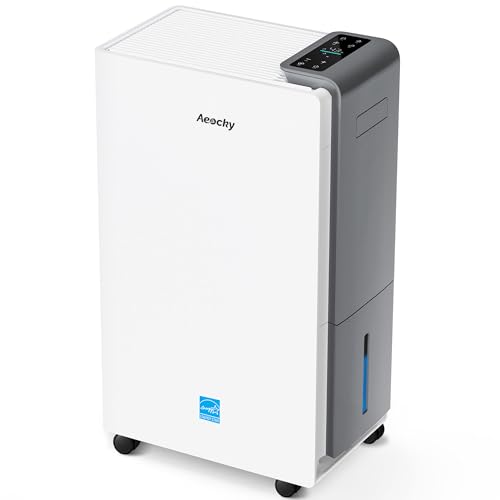
【ENERGY STAR 25 ≠ ENERGY STAR Most Efficient 2025】Don't fall for competitors' word games. With only 2.6% of ENERGY STAR models earning "Most Efficient 2025" title, these options are exceptionally rare on the market. RHEA-001 is one of the few to truly hold this top-tier certification. Many brands use misleading phrases like "Energy Star Efficient 25" or "Energy Star 25" to imply a standard they haven't met. Choosing them is a risk.With AEOCKY, you get verified performance and the peace of mind of authentic, top-tier efficiency.

Efficient ENERGY STAR Certified Dehumidifier - The Glowells dehumidifier isn't just powerful—it's "Energy Srar" certified. Effectively absorb moisture and energy saving up to 45% than non-cetificated dehumidifier. Max Dehumidification of 52 Pint/D (95℉, 95% RH) Perfect for large spaces 4500 sq.ft like basements, garages, and living rooms. (Note: 52 Pints ≠ Tank Capacity)
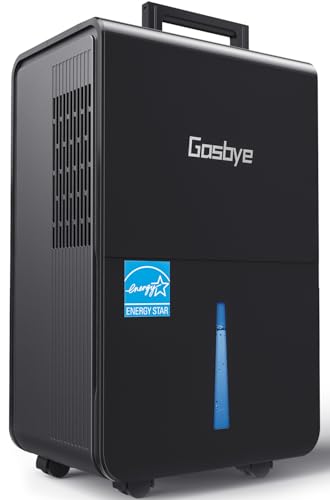
[43-Pound Solid Build] Gasbye DryPrime dehumidifier pulls up to 115 pints/day at 86°F, 80% RH, 73 pints/day at 80°F, 60% RH, and 50 pints/day at 65°F, 60% RH. Since we don’t inflate the pints/day performance figures, what you see is what you get. Dimensions: 11" D × 15" W × 24" H, which may be larger compared to some other "mini" models with inflated pints/day ratings
How to Maintain a Dehumidifier
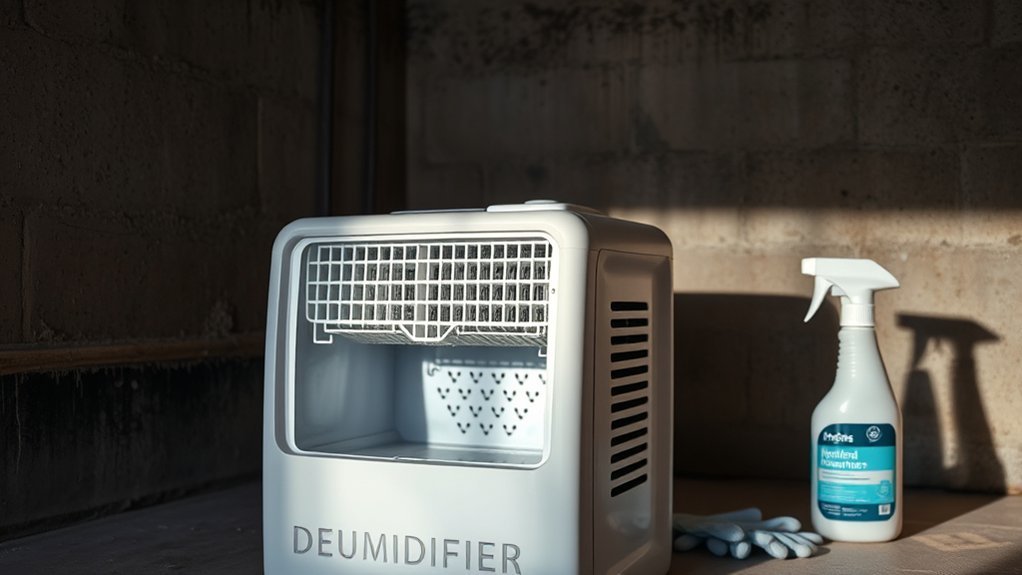
Maintenance matters because the unit is constantly pulling water, lint, and airborne particles through itself. Follow your manual first, then use these basic habits.
- Empty and rinse the bucket often if you are not using a drain hose.
- Clean the filter on the schedule in your manual.
- Check the drain hose for kinks, clogs, and poor slope.
- Keep the area around the unit free of dust and stored items.
- Clean the tank and bucket area regularly to prevent grime and odor.
- If the unit freezes or stops removing water, turn it off and check the room temperature, filter, and coils.
If you use a dehumidifier because of allergies, asthma, or recurring dampness, clean it consistently. Mayo Clinic recommends using a dehumidifier in basements to reduce dampness and cleaning it weekly.
Frequently Asked Questions
Is a dehumidifier more effective upstairs or downstairs?
It is more effective on whichever floor has the higher humidity. In many homes, that is downstairs because basements and crawl spaces trap moisture. But if upstairs bathrooms, laundry rooms, or bedrooms stay above 50% RH, place the unit upstairs instead.
Should you use a dehumidifier if you have COPD?
A dehumidifier may help keep dampness, mold risk, and dust-mite-friendly humidity under control, but it is not a COPD treatment. If you have COPD, asthma, severe allergies, or another lung condition, ask your clinician what indoor humidity range is safest for you.
Where should you not put a dehumidifier?
Do not put it where airflow is blocked, where water can splash onto it, near heat sources, in dusty work areas, or where the drain hose creates a tripping hazard. Avoid tight closets unless the unit is designed for that space and has enough airflow.
How much does it cost to run a dehumidifier for 4 hours?
Use this formula: watts ÷ 1,000 × hours × your electricity rate. For example, a 700-watt dehumidifier running 4 hours uses 2.8 kWh. At $0.18 per kWh, that costs about $0.50. Your actual cost depends on the model, humidity level, and local rate.
Can one dehumidifier dry the whole house?
Usually not if the home has multiple floors, closed doors, long hallways, or separate damp zones. One portable unit works best in one open area. If both floors stay humid, use two units or look into a properly sized whole-home dehumidifier.
Should interior doors be open or closed when using a dehumidifier?
Open interior doors when you want the unit to pull damp air from nearby rooms. Close exterior doors and windows while it runs so outdoor humidity does not keep coming in.
Conclusion
The best place for a dehumidifier is the floor or room where humidity stays highest. Start downstairs if your basement or crawl space is musty, damp, or above 50% RH. Start upstairs if bathrooms, laundry areas, or bedrooms stay humid after daily use. If both levels have moisture problems, use two units or consider a whole-home system. Measure first, place the unit for airflow, drain it safely, and fix the moisture source so the dampness does not keep coming back.
Sources
- U.S. Environmental Protection Agency: A Brief Guide to Mold, Moisture and Your Home — backs indoor humidity targets, mold prevention, condensation, leak repair, and moisture-control guidance.
- ENERGY STAR: Dehumidifiers — backs capacity, placement, drainage, cold-temperature, humidistat, and energy-efficiency guidance.
- American Lung Association: Mold — backs dampness, mold, respiratory irritation, moisture-source control, and below-50% humidity guidance.
- Mayo Clinic: Allergy-proof your home — backs basement dehumidifier use, weekly cleaning, and humidity no higher than 50% for allergy control.
- U.S. Energy Information Administration: Average Price of Electricity to Ultimate Customers — backs electricity-rate context for calculating operating cost.