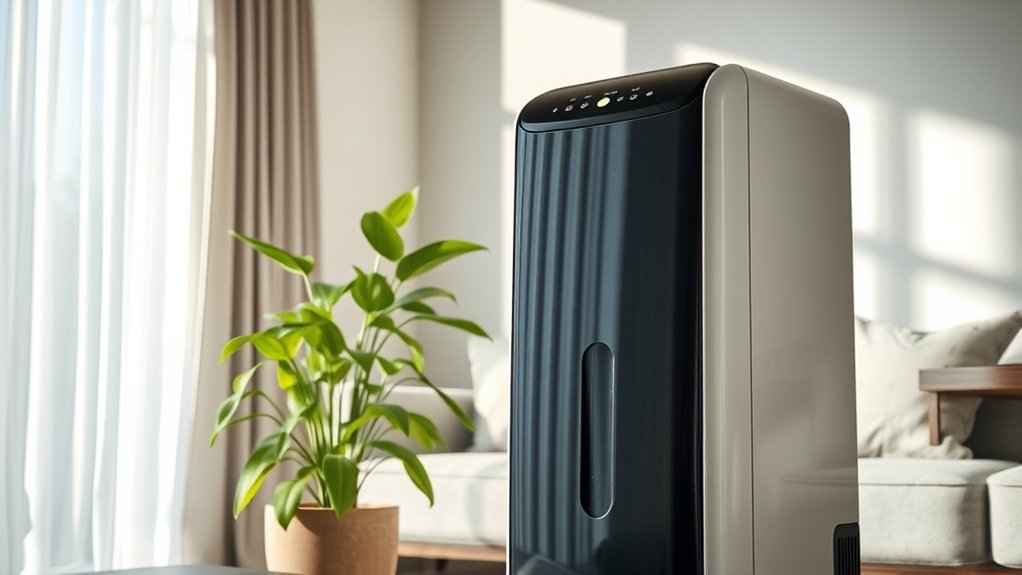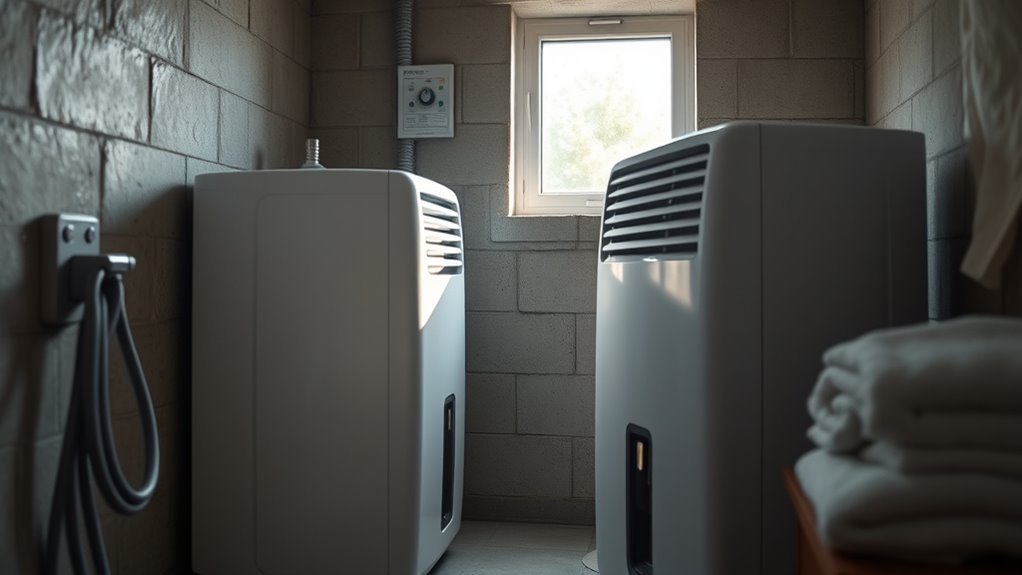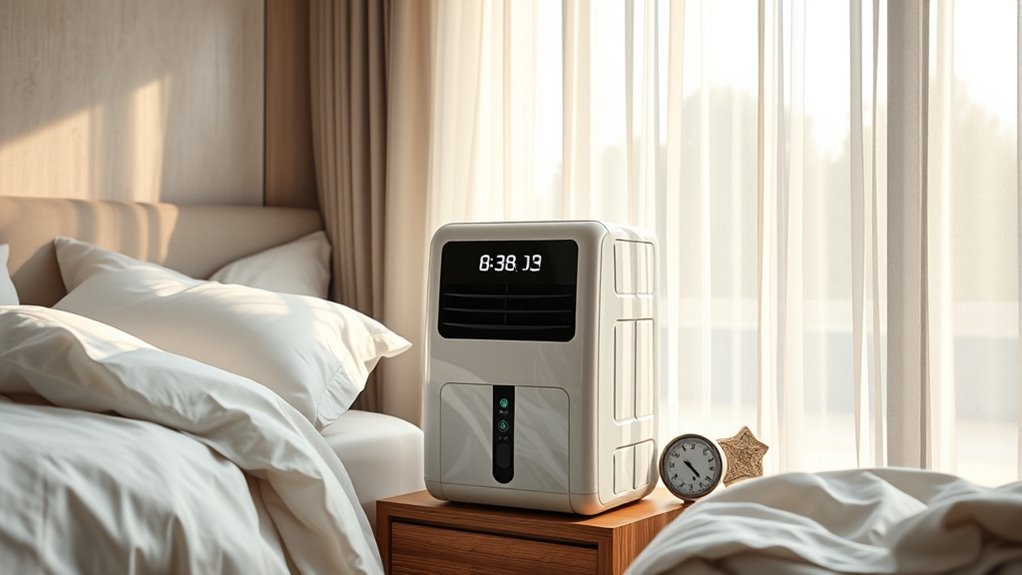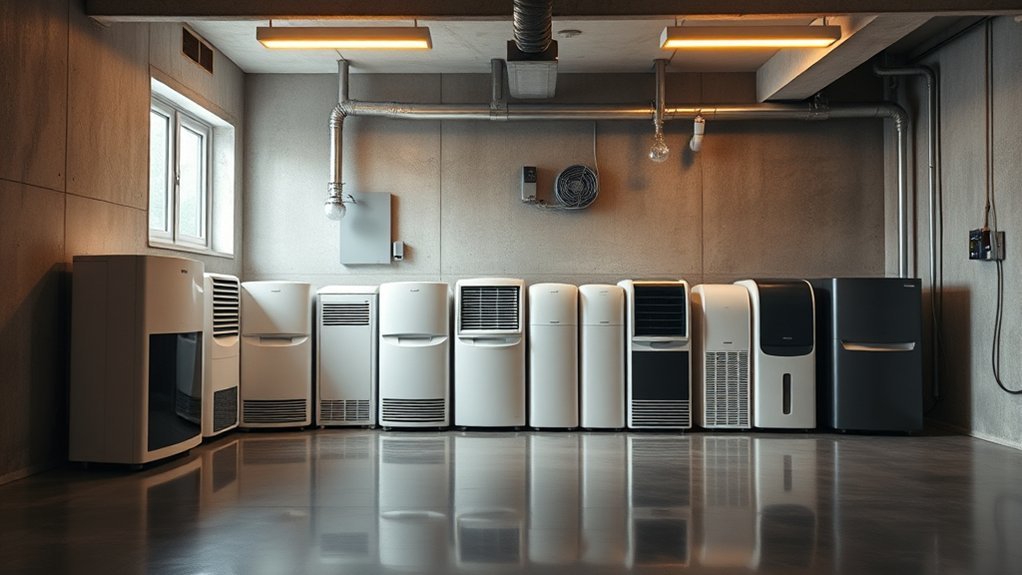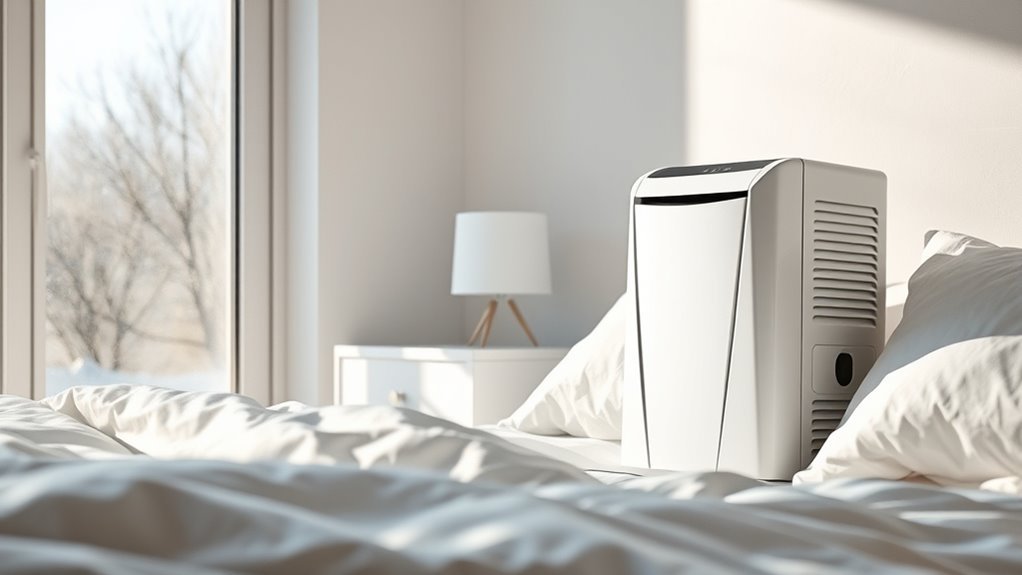
Dehumidify means to remove excess moisture from the air so a room feels drier, less sticky, and more comfortable. In a home, you usually dehumidify with a dehumidifier, an air conditioner, better ventilation, or by fixing moisture sources such as leaks, wet basements, and poor bathroom exhaust. The goal is not bone-dry air. The goal is balanced indoor humidity, usually around 30% to 50% relative humidity.
Quick Answer
To dehumidify means to lower humidity by removing water vapor from the air. A dehumidifier pulls in damp air, condenses moisture into water, and returns drier air to the room. This helps reduce musty odors, condensation, mold-friendly conditions, and dust mite activity when humidity is kept in a healthy range.
Key Takeaways
- Dehumidifying removes moisture; humidifying adds moisture.
- A good indoor humidity target is usually 30% to 50% relative humidity.
- Use a hygrometer to check humidity before guessing whether a room is too damp.
- Dehumidifiers reduce damp conditions, but they do not fix leaks, remove existing mold, or treat pest infestations.
- For best results, combine dehumidifying with ventilation, drainage, leak repair, and proper appliance sizing.
At a Glance
| Time Required | A few hours to several days, depending on room size, dampness, airflow, and moisture sources |
| Difficulty | Easy for one room; moderate if leaks, drainage, crawl spaces, or whole-home humidity are involved |
| Tools Needed | Hygrometer, dehumidifier or AC, exhaust fan, drain hose if available, and basic leak-control supplies |
| Cost | Low for a hygrometer; moderate for a portable dehumidifier; higher for whole-home systems or moisture repairs |
What Does Dehumidify Mean?
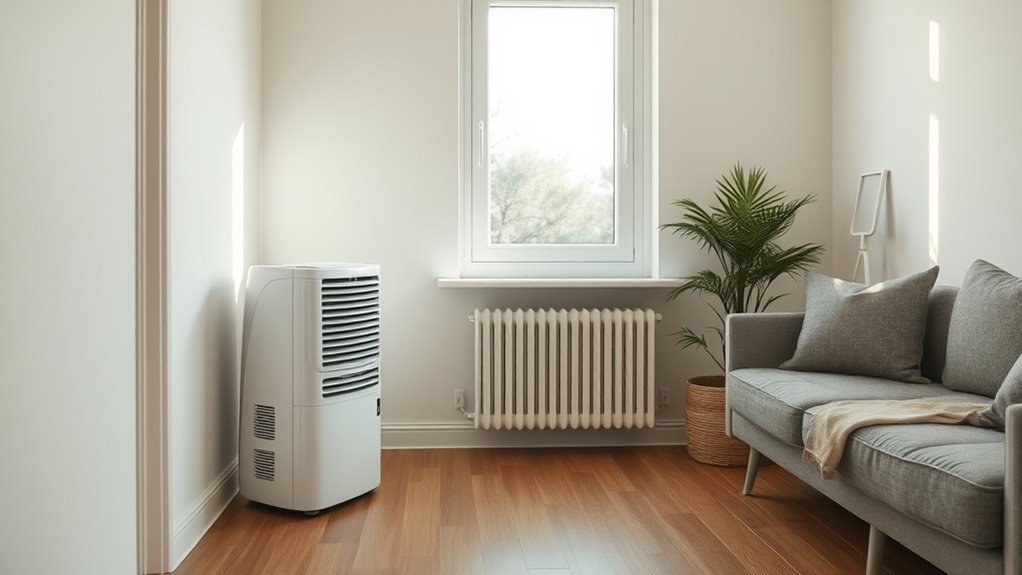
To dehumidify means to remove moisture from the air and lower the room’s relative humidity. Relative humidity is the amount of water vapor in the air compared with how much water vapor the air can hold at that temperature.
High humidity makes a room feel warmer, heavier, and harder to cool. It can also lead to condensation on windows, musty odors, damp materials, and conditions that support mold and dust mites. The U.S. Environmental Protection Agency recommends keeping indoor humidity below 60% when possible, ideally between 30% and 50%.
Dehumidifying is useful in basements, bathrooms, laundry areas, crawl spaces, bedrooms, and any room that feels damp or smells musty. It is most effective when you also fix the source of moisture, such as a roof leak, plumbing leak, poor drainage, unvented dryer, or weak bathroom ventilation.
Note: Dehumidifying helps control moisture in the air. It does not remove existing mold, repair water damage, or solve hidden leaks by itself.
How Dehumidification Works at Home
Most home dehumidifiers use a fan and a refrigeration system. The fan pulls humid air into the unit. The air passes over cold coils, where water vapor condenses into liquid water. That water collects in a bucket or drains through a hose. The unit then sends drier air back into the room.
A room dehumidifier may make the air near the unit feel slightly warmer. That is normal. Unlike an air conditioner, a portable dehumidifier does not move heat outdoors. Its main job is moisture removal.
Moisture Removal Basics
A dehumidifier’s capacity is usually measured in pints of water removed per 24 hours. The right size depends on room size and how damp the space is. According to ENERGY STAR, portable dehumidifier sizing should account for both the square footage and the room condition, such as slightly damp, very damp, or wet.
For example, a mildly damp small-to-medium room may need a lower-capacity unit, while a large wet basement may need a 50+ pint-per-day unit or a whole-home system. If your whole house stays above 55% humidity, a properly sized whole-home dehumidifier may be worth discussing with an HVAC professional.
Airflow and Cooling
Airflow matters because humid air has to reach the dehumidifier before the unit can remove moisture. Keep interior doors open when you want to dry connected spaces, but keep outside windows and doors closed while the dehumidifier is running. Otherwise, humid outdoor air keeps entering and makes the unit work harder.
Air conditioning can also dehumidify because cooling coils condense moisture as the system runs. This is why an AC can make humid rooms feel more comfortable. However, an air conditioner is mainly controlled by temperature, not humidity. When the room is already cool but still damp, a dehumidifier is usually the better tool.
Signs of Lower Humidity
You can often feel lower humidity before you see it. The air feels less sticky, bedding and upholstery feel drier, and musty odors fade. Windows may stop fogging, walls may feel less clammy, and bathrooms may dry faster after showers.
The best way to confirm progress is to use a hygrometer. Place it away from direct airflow, sunlight, and wet surfaces. If the reading stays near 30% to 50%, your room is usually in a better comfort range. If it stays above 50% to 60%, keep looking for moisture sources.
A hygrometer is one of the cheapest and most useful tools for moisture control. Without a humidity reading, you are guessing.
Signs Your Home Needs Dehumidifying
Your home may need dehumidifying if you notice one or more of these signs:
- Musty odors: A damp, stale smell often points to moisture in carpets, walls, basements, closets, or stored items.
- Window condensation: Fog or water droplets on windows can mean the room is holding too much moisture.
- Visible mold or mildew: Mold grows when moisture is present. Drying the air helps, but visible mold still needs proper cleanup.
- Peeling paint or wallpaper: Excess moisture can weaken adhesives and finishes.
- Warped wood or swollen trim: Wood can absorb moisture and change shape.
- Dust mite allergy flare-ups: The Asthma and Allergy Foundation of America notes that dust mites like humidity above 50%.
- Persistent basement dampness: Damp walls, sweating floors, or stored items that feel wet often need more than a small moisture absorber.
Warning: If you see widespread mold, smell mold but cannot find it, or have water damage that was not dried quickly, do not rely on a dehumidifier alone. Fix the moisture source and consider professional inspection or remediation.
Recommended Products

Upgrade High Efficient Dehumidification: Dehumidifier utilize semi conductor condensation technology, ensuring quiet operation while effectively extracting moisture from the air. This advanced feature helps keep humidity levels below 45%
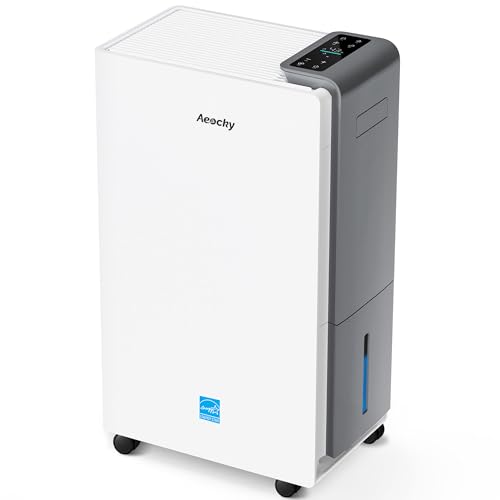
【ENERGY STAR 25 ≠ ENERGY STAR Most Efficient 2025】Don't fall for competitors' word games. With only 2.6% of ENERGY STAR models earning "Most Efficient 2025" title, these options are exceptionally rare on the market. RHEA-001 is one of the few to truly hold this top-tier certification. Many brands use misleading phrases like "Energy Star Efficient 25" or "Energy Star 25" to imply a standard they haven't met. Choosing them is a risk.With AEOCKY, you get verified performance and the peace of mind of authentic, top-tier efficiency.

Effective Moisture Control for Home Use: OWAAE dehumidifier is designed to reduce excess moisture and help maintain comfortable humidity levels in everyday living spaces. It works best in moderate-to-high humidity environments, improve overall air comfort at home
Dehumidifying vs. Humidifying: What’s the Difference?
Dehumidifying and humidifying do opposite jobs. Dehumidifying removes moisture when air is too damp. Humidifying adds moisture when air is too dry.
What Dehumidifying Does
Dehumidifying lowers moisture in the air. You use it when a room feels sticky, smells musty, shows condensation, or measures above the ideal humidity range. It is common in basements, bathrooms, laundry rooms, crawl spaces, and humid climates.
| Action | Result | Best Use |
|---|---|---|
| Dehumidify | Lowers moisture | Humid or damp rooms |
| Humidify | Raises moisture | Dry winter air |
| Balance | Keeps comfort stable | Seasonal changes |
What Humidifying Does
Humidifying adds water vapor to dry air. People often use humidifiers during winter when heating systems make indoor air feel dry. A humidifier can ease dryness in the nose, throat, and skin, but too much humidity can create new problems.
If you use a humidifier, monitor the room with a hygrometer. Do not keep adding moisture once humidity is already near the healthy range. High humidity can support mold and dust mites.
Key Differences Explained
The difference is simple: use a dehumidifier when air is too wet, and use a humidifier when air is too dry. The right choice depends on the humidity reading, not just how the room feels.
If the room is above 50% to 60% relative humidity, dehumidify. If the room is below 30% and people feel dryness, humidify carefully. In both cases, measure first and adjust slowly.
Best Ways to Dehumidify a Room
The most effective way to dehumidify a room is to combine the right equipment with moisture-source control. A dehumidifier can dry the air, but it works much better when you also stop water from entering or building up indoors.
Recommended Products

【Efficient Dehumidification】With 360° dual cooling semiconductor technology, the dehumidification area reaches up to 650sq ft. The Levoair safe dehumidifier with 2000ml(68oz)water tank could absorb up to 35oz (1000ml) of moisture per day in a humid environment (Temperature: 86°F, Humidity: 80%RH) and keep moisture below 45%. Say goodbye to humidity!
Step 1: Measure the Humidity
Start with a hygrometer. If the room is above 50%, moisture control is worth taking seriously. If it is above 60%, mold-friendly conditions become more likely, especially on cool surfaces or damp materials.
Step 2: Fix the Moisture Source
Look for leaks, wet walls, clogged gutters, poor grading, damp crawl spaces, unvented dryers, bathroom steam, and indoor clothes drying. The CDC recommends fixing roof, wall, and plumbing leaks so mold does not have moisture to grow.
Step 3: Use the Right Size Dehumidifier
Choose capacity based on the room’s size and dampness. A slightly damp bedroom needs less power than a wet basement. If the space has seepage, standing water, or repeated flooding, solve that water problem first.
Step 4: Place It Correctly
Put the dehumidifier where air can circulate freely. Keep it away from walls and furniture unless the manufacturer says wall placement is allowed. Keep it away from heavy dust, sawdust, and dirt that can clog coils and filters.
Step 5: Close Windows and Empty or Drain the Bucket
Close outside windows and doors while the unit is running. Empty the bucket before it fills, or connect a drain hose if your model supports continuous drainage. Keep drain hoses away from electrical cords and walkways.
Step 6: Improve Ventilation Where Moisture Starts
Run bathroom and kitchen exhaust fans that vent outdoors. Use the fan during showers and for a short time afterward. Vent clothes dryers outdoors. In small closets or storage bins, desiccant packs can help with minor moisture, but they will not dry a damp room.
Pro Tip: Set the humidistat around 45% to 50% for everyday use. That is low enough to reduce dampness but not so low that the unit runs constantly in most homes.
Why Dehumidifying Improves Comfort and Air Quality
Dehumidifying improves comfort because lower humidity helps sweat evaporate more easily and makes warm rooms feel less sticky. This can reduce the urge to overcool the room with air conditioning.
It can also support indoor air quality by reducing damp conditions that allow mold and dust mites to thrive. The EPA states that moisture control is the key to mold control, and the CDC recommends keeping humidity as low as practical, no higher than 50% all day, to help prevent mold growth.
Dehumidifying also protects materials. Wood, drywall, paint, books, fabrics, and stored items can all suffer when moisture stays high. Lower humidity can help reduce swelling, peeling, musty odors, and long-term damage.
When a Dehumidifier Is Not Enough
A dehumidifier is a tool, not a complete repair. You may need professional help if:
- Humidity stays high even after running the unit for several days.
- You see water seepage, flooding, or damp foundation walls.
- You smell mold but cannot find the source.
- Visible mold covers a large area or keeps returning.
- Wood is soft, swollen, or structurally damaged.
- You see termite mud tubes, swarmers, shed wings, or damaged wood.
- The entire house stays humid despite central air conditioning.
For termites, lowering moisture can make the structure less inviting, but it will not eliminate an infestation. The University of Kentucky Department of Entomology recommends reducing moisture near foundations and crawl spaces, removing wood-to-soil contact, and using professional pest control when needed.
Recommended Products

120 PPD Crawl Space Dehumidifier: The Sentinel HD55S Energy Star Certified dehumidifier removes up to 120 pints of moisture per day at saturation (55 PPD at AHAM) and effectively controls humidity in spaces up to 1,300 sq. ft. Its rugged metal housing is built for demanding environments and long-term reliability, making it ideal for crawl spaces, basements, warehouses, offices, factories, and storage areas

PRO-GRADE 70-PINT PERFORMANCE – This AlorAir Crawl Space Dehumidifier removes up to 70 pints per day under saturated conditions (35 pints per day under AHAM standards). The advanced R32 system efficiently controls humidity in areas up to 1,000 sq. ft. Ideal for crawl spaces, basements, garages, attics, commercial and industrial environments. Serious performance meets modern efficiency.
Frequently Asked Questions
Is it good to dehumidify a room?
Yes, it is good to dehumidify a room when humidity is too high. Aim for about 30% to 50% relative humidity. This range helps reduce dampness, musty odors, condensation, mold-friendly conditions, and dust mite activity. Do not over-dry the room below 30% unless a specialist recommends it.
What does dehumidify mode do?
Dehumidify mode, often called dry mode on an air conditioner, focuses more on moisture removal than strong cooling. It usually runs the system in a way that condenses water from the air while limiting temperature drop. It can help on muggy days, but a standalone dehumidifier is better for rooms that stay damp when cooling is not needed.
What does it mean to dehumidify a room?
To dehumidify a room means to lower the room’s relative humidity by removing excess water vapor from the air. You can do this with a dehumidifier, air conditioner, exhaust fan, better drainage, leak repair, or a mix of methods.
Will a dehumidifier help with termites?
A dehumidifier can help reduce moisture that attracts termites, especially in damp basements and crawl spaces. But it will not kill termites or remove an infestation. If you see mud tubes, swarming termites, shed wings, or damaged wood, contact a licensed pest professional.
Should I run a dehumidifier all day?
You can run a dehumidifier as long as needed if it is in good condition, placed safely, and used according to the manufacturer’s instructions. Models with a humidistat are best because they cycle on and off once the target humidity is reached.
Why is my dehumidifier icing up?
Many refrigerant dehumidifiers can frost or ice up in cooler rooms, especially below about 65°F. If this happens, turn the unit off and let it defrost. For colder spaces, look for a model rated for low-temperature operation or ask an HVAC professional about other moisture-control options.
Conclusion
Dehumidifying means removing excess water vapor from indoor air. When you keep humidity in a balanced range, your home feels less sticky, smells fresher, and is less likely to support mold, dust mites, condensation, and moisture damage. Start with a hygrometer, aim for about 30% to 50% relative humidity, and use a properly sized dehumidifier when needed. For lasting results, fix leaks, improve ventilation, manage drainage, and get professional help for mold, water intrusion, termite signs, or whole-home humidity problems.
Sources
- U.S. EPA: A Brief Guide to Mold, Moisture and Your Home — humidity targets, mold prevention, condensation, and moisture control.
- CDC: About Mold — mold prevention, health effects, leaks, ventilation, and keeping humidity no higher than 50%.
- ENERGY STAR: Dehumidifiers — capacity, sizing, humidistats, placement, drainage, efficiency, and operating temperature guidance.
- Asthma and Allergy Foundation of America: Dust Mite Allergy — dust mites, humidity, allergens, and indoor prevention steps.
- University of Kentucky Department of Entomology: Protecting Your Home Against Termites — moisture reduction, crawl space humidity, and termite prevention limits.