Shoppers searching for a steam mop for bamboo floors often run into conflicting advice. Appliance brands market steam cleaners for “all sealed hard floors,” yet bamboo is a compressed grass bonded with heat-sensitive resins rather than solid timber. Injecting 212°F (100°C) pressurized vapor into plank seams can break down internal adhesives, cloud factory finishes, trigger edge cupping or delamination, and immediately void your flooring warranty.
Quick Verdict: Never use active steam on bamboo flooring unless your flooring manufacturer gives explicit written approval. The BISSELL SpinWave SmartSteam 3897A is the only machine included here because it features a dedicated no-steam mode that spins microfiber pads without heat.
Best routine method: Sweep or vacuum with a hard-floor brush attachment daily, then damp-mop weekly using a barely misted microfiber pad and a pH-neutral cleaner (pH 7).
Last checked: October 18, 2026. Dates and figures were verified against official sources.
Affiliate disclosure: This article contains an Amazon affiliate link. If you buy through it, we may earn a commission at no extra cost to you. Product suitability still depends on your flooring manufacturer’s care and warranty instructions.
Before You Buy a Steam Mop for Bamboo Floors
Do not rely on a mop manufacturer’s claim that an appliance is “safe for sealed hardwood.” Bamboo care rules are set by the flooring manufacturer, and a factory polyurethane or aluminum oxide topcoat does not seal the microscopic click-lock or tongue-and-groove joints between planks. Always check your installation manual and warranty before buying or using any powered floor cleaner.
Whether you have horizontal, vertical, engineered, or ultra-dense strand-woven bamboo, pressurized vapor forces moisture into the unsealed edges of the boards. Major brands including CALI Bamboo care and maintenance guidelines and the Teragren residential maintenance and warranty guide strictly prohibit steam cleaners, string mops, and sponge mops on bamboo planks.
| Cleaning Need | Better Approach | Important Limit |
|---|---|---|
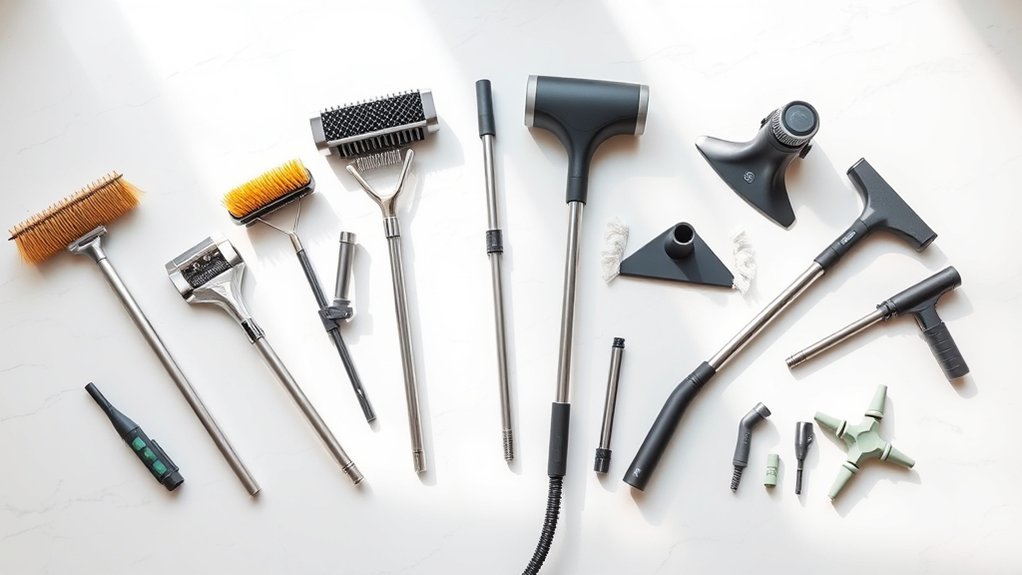
| Daily dust, pet hair, and grit | Soft bristle broom, dry microfiber dust mop, or canister vacuum on hard-floor mode | Disengage any rotating vacuum beater bar so bristles do not scratch the aluminum oxide finish |
| Weekly routine floor cleaning | Flat microfiber spray mop misted with a manufacturer-approved pH-neutral cleaner (pH 7) | Moisture must evaporate off the planks within 15 to 30 seconds; never leave standing water |
| One machine for bamboo plus tile or stone | A spin mop with a dedicated no-steam mode, used strictly without heat on bamboo | Activate 212°F steam modes only on ceramic tile, porcelain, or sealed stone where permitted |
| Sticky spills or dried residue | Spray approved cleaner onto a soft microfiber cloth, wipe gently, and buff dry with a towel | Never flood plank seams or scrub with green scouring pads, steel wool, or abrasive powders |
Conditional Pick: BISSELL SpinWave SmartSteam Electric Hard Floor Steam Mop (3897A)
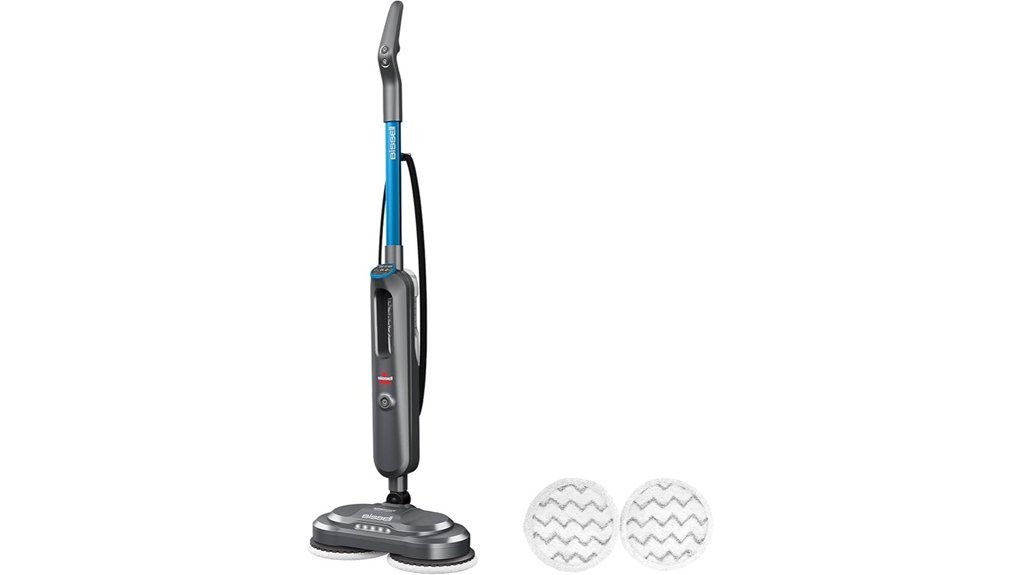
The BISSELL SpinWave SmartSteam 3897A (typically retailing around $139.99) is the only practical machine in this category for a mixed-floor household because it includes two steam levels plus a separate no-steam mode. When set to no-steam mode, the dual counter-rotating microfiber pads scrub at 220 RPM without activating the 212°F boiler. That lets you use one appliance to dry-damp buff approved bamboo rooms and steam-sanitize ceramic tile bathrooms.
Bamboo Use Rule: Select no-steam mode on the fingertip controller, pre-dampen clean microfiber pads lightly with a pH-neutral floor cleaner, and test an inconspicuous closet corner first. If your flooring warranty prohibits rotary powered mops or any damp mopping, do not use this machine on your bamboo floor.
| Specification | BISSELL SpinWave SmartSteam 3897A Detail | Bamboo Floor Impact |
|---|---|---|
| Cleaning Modes | 2 steam levels + 1 dedicated no-steam mode | Use only no-steam mode on bamboo; reserve steam for tile |
| Pad Rotation Speed | 220 RPM (Low) / 254 RPM (High) | Lifts stuck-on footprints without harsh downward pressure |
| Cleaning Path & Weight | 14.5-inch width; approximately 9 lbs unit weight | Self-propelling spin reduces arm fatigue across wide rooms |
| Water Tank & Heat-Up | 18.2 oz removable tank; 15-second steam heat-up (212°F) | Keep tank empty or steam off when working over bamboo |
| Cord Length & Warranty | 25-foot corded reach; 2-year limited manufacturer warranty | Covers open-concept floor plans with fewer outlet changes |
Why You May Like It
The 3897A stands out because its rotating pads still operate when steam generation is completely disabled. Instead of dragging a passive cloth across dried kitchen spills, the motorized head glides across the floor while LED headlights illuminate fine dust and pet hair under cabinets.
- True no-steam mode: Lets the dual pads spin at 220 RPM without heating water, which is the sole reason this model qualifies for conditional use.
- Motorized scrubbing power: Counter-rotating pads loosen dried mud and food spots on compatible sealed floors with minimal hand pressure.
- Extended 25-foot reach: A 25-foot power cord, 14.5-inch cleaning path, and swivel head cover large rooms and maneuver around chair legs easily.
- Machine-washable pads: Reusable microfiber scrubby pads pop straight into the washing machine, cutting out disposable pad costs.
- Clear LED status screen: The handle display confirms your active cleaning mode, temperature readiness, and water tank status at a glance.
Who Should Buy This
Consider the BISSELL 3897A if your house combines bamboo living areas with ceramic or porcelain tile kitchens and bathrooms, and your bamboo manufacturer permits lightly damp microfiber cleaning. You can mist a clean set of pads with a pH-neutral bamboo cleaner for no-steam buffing on bamboo, then switch to distilled water and high steam for sanitizing tile grout.
Who Should Avoid This
Skip this machine if your bamboo floor warranty forbids rotary powered scrubbers, damp mopping, or any moisture application. It is also unnecessary if your home has 100% bamboo flooring, where a lightweight $40 manual microfiber spray mop is safer, lighter than 9 pounds, and impossible to accidentally switch into steam mode.
Best For: Mixed-floor households that want motorized scrubbing on tile and a verified no-steam mode for manufacturer-approved damp buffing on bamboo.
Pros:
- Verified no-steam setting allows mechanical microfiber buffing without 212°F vapor exposure
- Dual spinning pads (220–254 RPM) and LED headlights tackle dried messes faster than manual mopping
- 18.2-ounce removable water tank, 25-foot cord, and machine-washable pads simplify routine upkeep
Cons:
- Both steam levels must stay off over bamboo unless your flooring maker explicitly approves steam in writing
- At roughly 9 pounds corded, it is bulkier to carry up stairs than a manual microfiber spray mop
- Chemical floor cleaners cannot be poured inside the internal water tank
Why Most Steam Mops Were Not Recommended
Standard steam-only mops rely on continuous 212°F (100°C) vapor to loosen dirt, which directly conflicts with bamboo flooring chemistry. Even when a steamer advertises a “low/dust” steam setting or a “sealed hardwood” label, it still pushes heated moisture into plank joints where bamboo is unsealed.
Unlike domestic hardwoods cut as solid boards, bamboo flooring is manufactured from sliced or shredded stalks of Moso bamboo grass bonded together under heat and pressure with resin adhesives. Exposing those planks to pressurized steam creates three distinct failure modes:
- Adhesive breakdown and delamination: Repeated heat and moisture weaken the internal laminating resins, causing horizontal or vertical bamboo strips—or the top wear layer on engineered planks—to separate and peel.
- Dimensional swelling and cupping: Bamboo fibers are hygroscopic and absorb vapor along tongue-and-groove or click-lock edges, making plank edges curl higher than the center (cupping) or buckle upward (crowning).
- Finish hazing and blistering: High heat softens factory UV-cured aluminum oxide coatings, trapping moisture beneath the film and leaving cloudy white patches that cannot be buffed out.
Generic multi-function steam mops were also excluded when their exact steam cut-off controls, boiler temperatures, or manufacturer warranty terms could not be verified. No homeowner should risk a multi-thousand-dollar floor on an unverified marketplace claim.
Warning: Never pour pH-neutral floor cleaners, vinegar, wax, or essential oils into a steam mop’s internal water tank. Heating cleaning chemicals inside a boiler can corrode internal seals, void the appliance warranty, and spray sticky or acidic residue onto your floor finish.
Factors to Consider Before Cleaning Bamboo Floors
Keeping bamboo floors clean without triggering moisture damage comes down to five practical controls: following your brand’s care sheet, limiting liquid evaporation time, using soft microfiber, choosing a true pH-neutral solution, and maintaining stable indoor humidity.
Flooring Manufacturer Instructions
Your flooring manufacturer’s care and maintenance guide is the legally binding document for warranty coverage. Check it for explicit clauses covering steam cleaners, wet mops, rotary scrubbers, and approved cleaning brands. If you moved into a home with existing bamboo floors and do not know the brand, follow the strictest industry standard: dry sweep daily and use only a lightly misted manual microfiber pad.
Moisture Control
Bamboo planks expand and contract in response to both liquid water and indoor air humidity. Most manufacturers require keeping indoor relative humidity between 35% and 65% (with Bona hardwood floor care recommendations and Ambient Bamboo Floors targeting 40% to 60%) and room temperatures between 60°F and 80°F. When damp-cleaning, apply only a fine mist so no water pools in V-groove bevels or plank seams.
Pro Tip: Use the 15-to-30-second evaporation test every time you clean. Mist your microfiber pad (not the floor directly) and wipe a 4-foot section; the thin sheen of moisture should evaporate completely within 15 to 30 seconds. If droplets remain visible longer, wring or swap the pad immediately.
Pad Material Quality
Always use clean, plush microfiber pads rather than string mops, cellulose sponge mops, or stiff scrubbing bristles. Because fine sand grains have sharp edges that act like sandpaper under a moving pad, sweep or vacuum with a soft felt or brush floor head before mopping. Machine-wash microfiber pads without fabric softener (which coats fibers and streaks floors) and replace them once the pile wears flat.
Cleaner Compatibility
Clean bamboo only with a non-abrasive, pH-neutral (pH 7) hardwood or bamboo floor cleaner such as Bona Hardwood Floor Cleaner or Bam-Brite. Household DIY mixtures frequently ruin factory aluminum oxide finishes:
- Vinegar and lemon juice (pH 2–3): Acidic solutions slowly etch and dull protective polyurethane and aluminum oxide topcoats.
- Oil soaps and liquid castile soap: Leave a waxy, gummy film that attracts dirt, flakes off over time, and blocks future maintenance coats from bonding.
- Ammonia, bleach, and mineral spirits: Strip surface coatings and discolor caramelized or carbonized bamboo tones.
- Paste wax and acrylic floor polish: Bamboo’s dense surface does not absorb wax; polishes create a slippery build-up that requires chemical stripping.
Machine Weight and Control
While a 9-pound rotary spin mop reduces manual scrubbing effort, heavier appliances require steady control along transition strips, baseboards, and beveled edges. Keep the mop moving continuously so spinning pads do not over-wet a single plank, and remove damp pads from the mop head as soon as you finish cleaning.
Before You Buy Checklist
- Read your bamboo flooring manufacturer’s care sheet and written warranty exclusions.
- Verify that active steam cleaning is prohibited on your specific product line.
- Confirm whether slightly damp microfiber cleaning or rotary pad buffing is allowed.
- Ensure any multi-floor machine has a dedicated, zero-heat no-steam mode.
- Stock a pH-neutral bamboo floor spray and soft, non-abrasive microfiber pads.
- Test your cleaning method on a leftover plank or inside a closet before mopping the room.
Frequently Asked Questions
Can I Use a Steam Mop on Bamboo Floors?
No, you should not use an active steam mop on bamboo floors. Steam mops release moisture at 212°F (100°C), which penetrates unsealed plank joints, breaks down internal resin adhesives, and causes warping, cupping, or finish failure. Always follow your bamboo manufacturer’s care guide rather than a mop brand’s general “sealed hard floor” label.
Does Sealed Bamboo Make Steam Cleaning Safe?
No, factory-sealed bamboo is still vulnerable to steam damage. While a UV-cured aluminum oxide topcoat protects the upper face of a plank from everyday spills, it does not hermetically seal the tongue-and-groove or click-lock seams between boards. Pressurized vapor bypasses the surface finish and swells the raw bamboo edges underneath.
Is Strand-Woven or Engineered Waterproof Bamboo Safe to Steam Mop?
No, neither solid strand-woven bamboo nor engineered waterproof bamboo is safe for steam cleaning. Although strand-woven planks are compressed for high dent resistance and some engineered planks use water-resistant cores, extreme 212°F heat still degrades their bonding resins and voids residential structural warranties.
Can I Use the BISSELL No-Steam Mode on Bamboo?
Yes, you can use the BISSELL SpinWave SmartSteam 3897A in no-steam mode if your flooring manufacturer allows lightly damp microfiber cleaning. Keep the steam setting turned off, mist the clean microfiber pads lightly with an approved pH-neutral cleaner, and make sure the floor dries within 15 to 30 seconds.
What Is the Safest Way to Clean Bamboo Floors?
The safest way to clean bamboo floors is daily dry sweeping or hard-floor vacuuming (with the beater bar turned off) followed by weekly damp mopping with a flat microfiber spray mop. Use a pH-neutral hardwood or bamboo cleaner sprayed sparingly onto the pad so moisture evaporates almost immediately.
What Cleaning Solutions Should Never Be Used on Bamboo Floors?
Never use vinegar, lemon juice, oil soaps, ammonia, bleach, furniture polish, or paste wax on bamboo flooring. Acidic mixtures like vinegar etch the protective finish, while oil soaps and waxes leave a dull, peeling film that traps dirt and ruins recoating adhesion.
Can Steam Cleaning Void a Bamboo-Floor Warranty?
Yes, major bamboo manufacturers including Ambient Bamboo Floors, CALI Bamboo, and Teragren explicitly state that using a steam mop voids their structural and finish warranties. Inspectors can easily identify steam damage by checking for localized seam swelling, edge cupping, and whitened finish lines.
What Should I Do If My Bamboo Floor Starts Cupping?
Stop all wet or steam cleaning immediately, wipe away any surface moisture, and stabilize room humidity between 40% and 60% using a dehumidifier or HVAC system. Never sand a cupped bamboo floor while it is still damp, as sanding raised edges will leave permanent hollows once the planks dry and flatten.
Final Recommendation
Best decision for most bamboo floors: Skip steam mops altogether. Stick to daily dry grit removal and weekly cleaning with a barely damp microfiber spray mop and a pH-neutral bamboo cleaner.
Conditional machine pick: The BISSELL SpinWave SmartSteam 3897A is worth buying only if you have a mixed-floor home and want one machine that can steam-clean ceramic tile while running in zero-heat no-steam mode on bamboo.
Before you plug in any floor machine, check your flooring warranty PDF and test a hidden closet corner so your planks stay flat, glossy, and protected for decades.
Source note: Review the care guide for your exact floor. General bamboo-care references used for this update include Ambient Bamboo Floors and The Bamboo Flooring Company. Product mode and specification details should be checked against the BISSELL 3897A product page before purchase.
Sources
- CALI Bamboo Care & Maintenance Guide: Prohibitions on steam and wet mopping, rapid moisture evaporation, vacuum beater-bar limits, and 35%–65% relative humidity and 60°F–80°F indoor climate ranges.
- Teragren Residential Maintenance & Warranty Guide: Prohibitions on steam cleaners, string mops, and sponge mops, plus 35%–55% relative humidity maintenance standards.
- Ambient Bamboo Floors Cleaning & Care Guide: Warranty exclusions for steam mopping, 40%–60% indoor humidity guidelines, sacrificial plank testing, and warnings against oil soaps, wax, and vinegar.
- The Bamboo Flooring Company Care Guide: Daily soft-bristle sweeping, weekly pH-neutral microfiber spray mopping, and products to avoid on bamboo planks.
- Bona Hardwood Floor Care Guide: Maintaining 40%–60% indoor humidity and using residue-free microfiber pads on wood and bamboo finishes.
- BISSELL SpinWave SmartSteam 3897A Official Product Page: Two steam levels plus no-steam mode, 220/254 RPM rotating pads, 15-second heat-up time, 25-foot cord, 14.5-inch path, and 2-year limited warranty.