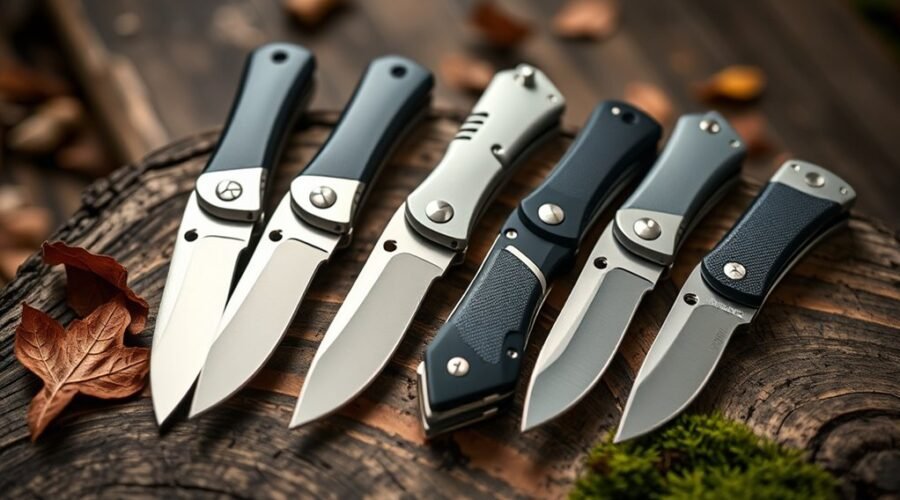
The top pocket knives for 2027 feature high-quality designs and materials. The Spyderco Delica 4 is praised for its lightweight construction and precision cutting. The Tac Force TF-723PC offers a stylish assisted opening mechanism. Buck’s 112BRS Ranger combines tradition with practicality, while the OPINEL No. 08 boasts a sustainable wooden handle. Finally, the CRKT Drifter is an excellent choice for everyday use. To explore these options and their key features further, continue to the detailed guide.
Spyderco Delica 4 Lightweight Folding Knife
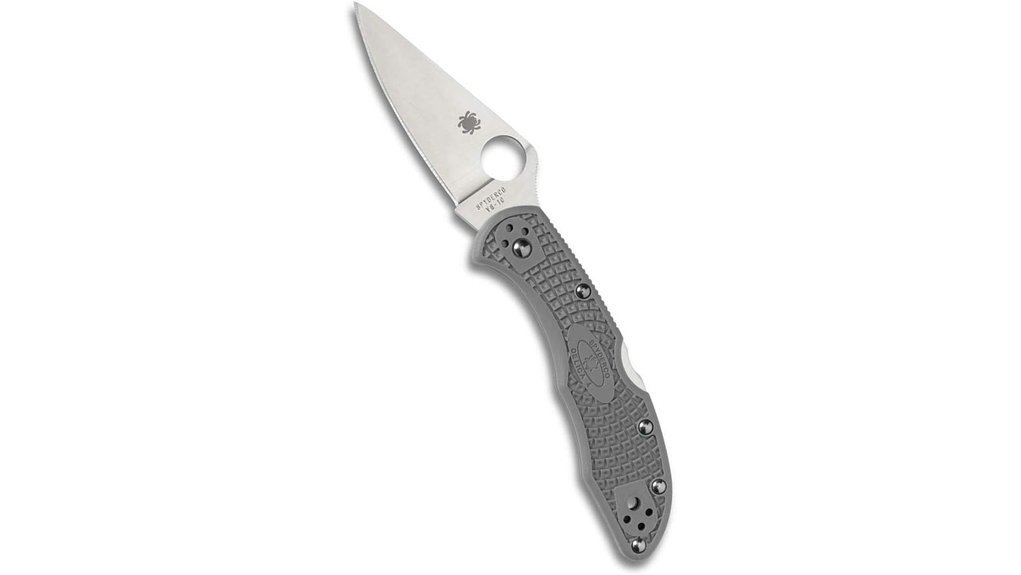
The Spyderco Delica 4 Lightweight Folding Knife stands out as an ideal choice for outdoor enthusiasts and everyday carry users alike, thanks to its lightweight design and robust construction. Measuring 7.15 inches in total length, it features a 2.90-inch flat-ground VG-10 steel blade with a PlainEdge for precision cutting. The handle is crafted from high-strength FRN and is available in various colors, ensuring both style and practicality. With bi-directional texturing for grip and slip resistance, alongside a 13mm opening hole for easy access, the Delica 4 is equipped with a four-way clip, enhancing its versatility for any user.
Best For: The Spyderco Delica 4 Lightweight Folding Knife is best for outdoor enthusiasts and everyday carry users seeking a lightweight and reliable cutting tool.
Pros:
- Lightweight design makes it easy to carry without compromising durability.
- Bi-directional texturing on the handle provides excellent grip and slip resistance.
- Versatile four-way clip allows for multiple carry options, accommodating various user preferences.
Cons:
- Limited blade length may not be suitable for heavy-duty tasks.
- VG-10 steel might require regular maintenance to prevent corrosion.
- Price point may be higher compared to other folding knives in the market.
Tac Force Tactical Assisted Opening Folding Knife – TF-723PC
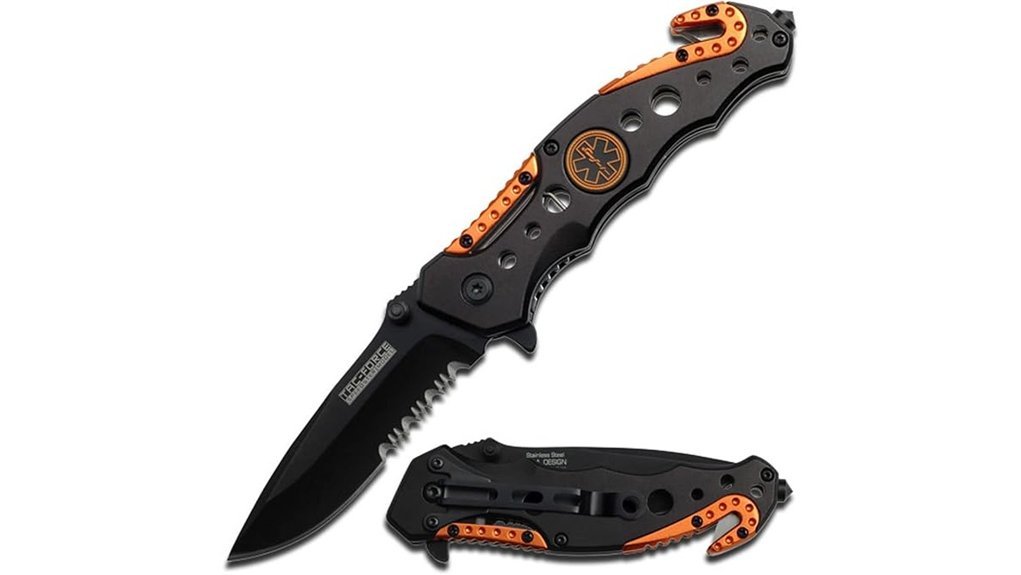
For those seeking a reliable and stylish pocket knife, the Tac Force Tactical Assisted Opening Folding Knife – TF-723PC stands out. Measuring 7 3/4 inches overall with a 3 1/4-inch 440 stainless steel blade, it combines durability and functionality. The handle, crafted from striking black and orange aluminum, features a rubber EMT logo, enhancing its tactical appeal. Its Speedsafe thumb stud assisted opening mechanism guarantees quick access, while the lightweight design at just 5 ounces adds to its portability. Equipped with a pocket clip, this knife is ideal for everyday carry, making it a versatile choice for enthusiasts and professionals alike.
Best For: Individuals seeking a reliable and stylish tactical knife for everyday carry and outdoor activities.
Pros:
- Durable 440 stainless steel blade ensures longevity and reliable performance.
- Lightweight design at just 5 ounces makes it easy to carry without adding bulk.
- Speedsafe thumb stud assisted opening allows for quick and convenient access.
Cons:
- Plain blade design may not appeal to those looking for decorative elements.
- Limited color options as it only features black and orange aluminum.
- Potentially less suitable for heavy-duty tasks compared to larger knives.
Buck Knives 112BRS Ranger Folding Knife with Sheath
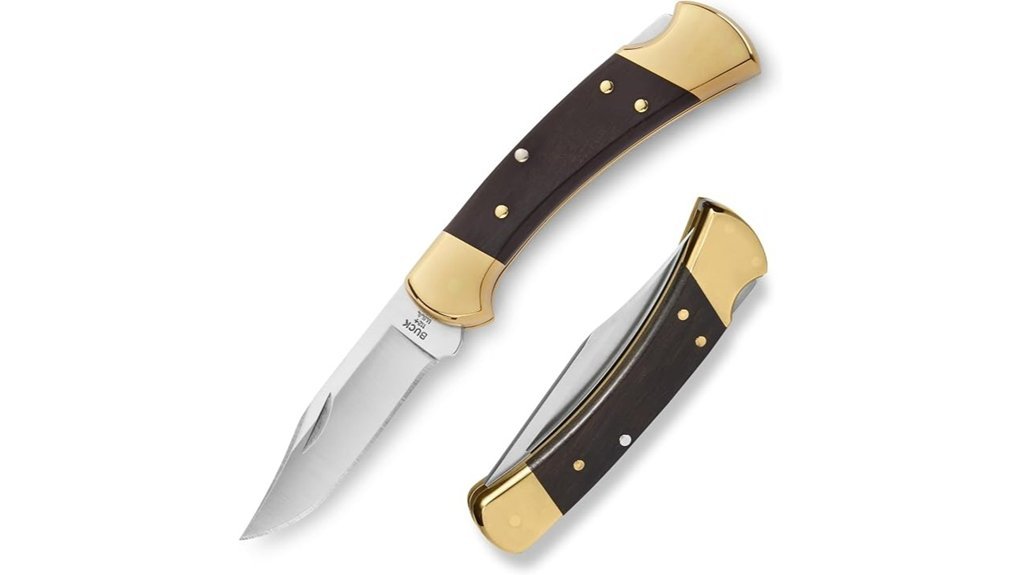
Compact and reliable, the Buck Knives 112BRS Ranger Folding Knife is ideal for outdoor enthusiasts and everyday carry users. Featuring a 3-inch clip point blade crafted from 420HC stainless steel, it offers exceptional strength, edge retention, and corrosion resistance due to a rigorous heat treatment process. This compact version of the iconic 110 Folding Hunter includes a lockback mechanism for security and a nail notch for easy opening. Weighing just 5.6 ounces and folding to 4-1/4 inches, it includes a genuine leather sheath for secure carrying. Proudly handcrafted in the USA, Buck Knives also provides a lifetime warranty.
Best For: Outdoor enthusiasts and everyday carry users seeking a reliable and compact folding knife.
Pros:
- Durable 420HC stainless steel blade ensures long-lasting sharpness and corrosion resistance.
- Compact design and lightweight construction make it easy to carry and handle.
- Includes a genuine leather sheath for secure and convenient transport.
Cons:
- Blade length may be too short for some heavy-duty tasks.
- Lockback mechanism may require more effort to operate compared to other designs.
- Limited color options may not appeal to all users.
OPINEL No. 08 Carbon Steel Folding Pocket Knife
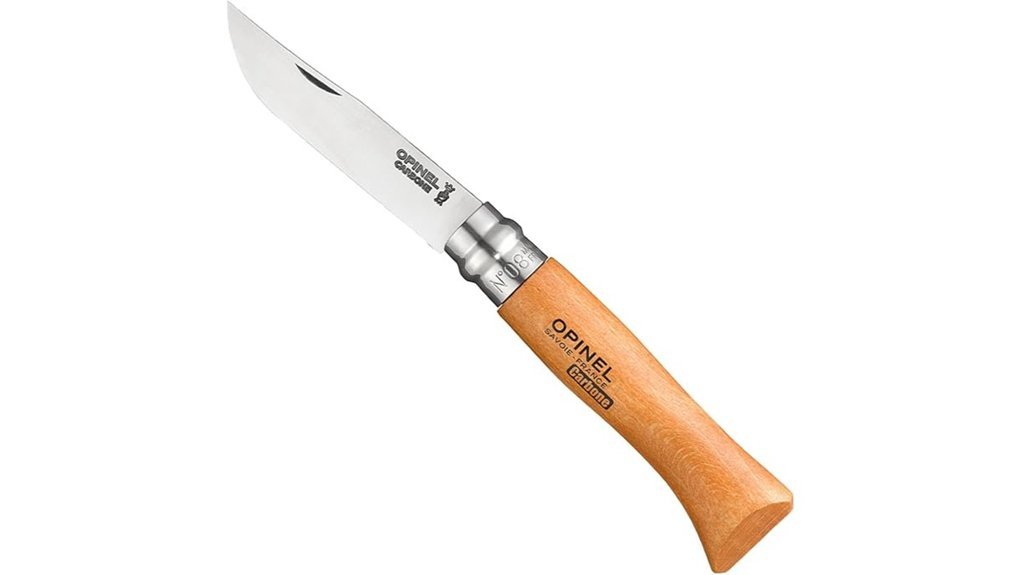
Renowned for its exceptional cutting quality, the OPINEL No. 08 Carbon Steel Folding Pocket Knife appeals to outdoor enthusiasts and everyday users alike. Featuring an XC90 carbon steel blade, it excels in hardness, cutting performance, and wear resistance, though it requires careful maintenance to prevent corrosion. With a blade length of 3.35 inches and an open length of 7.5 inches, the No. 08 is celebrated for its versatility. Its patented Virobloc safety mechanism guarantees reliable locking during use. Additionally, the sustainable beech handle reflects Opinel’s commitment to ecological responsibility, making it not just functional, but also a cultural icon of French craftsmanship.
Best For: Outdoor enthusiasts and everyday users looking for a reliable, high-quality folding knife.
Pros:
- Exceptional cutting performance thanks to the XC90 carbon steel blade.
- Patented Virobloc safety mechanism ensures secure locking during use.
- Sustainable beech handle made from ecologically managed wood.
Cons:
- Requires regular maintenance to prevent corrosion.
- Not stainless steel, which may deter some users concerned about rust.
- Limited color options compared to other knife brands.
CRKT Drifter EDC Pocket Folding Knife (6450K)
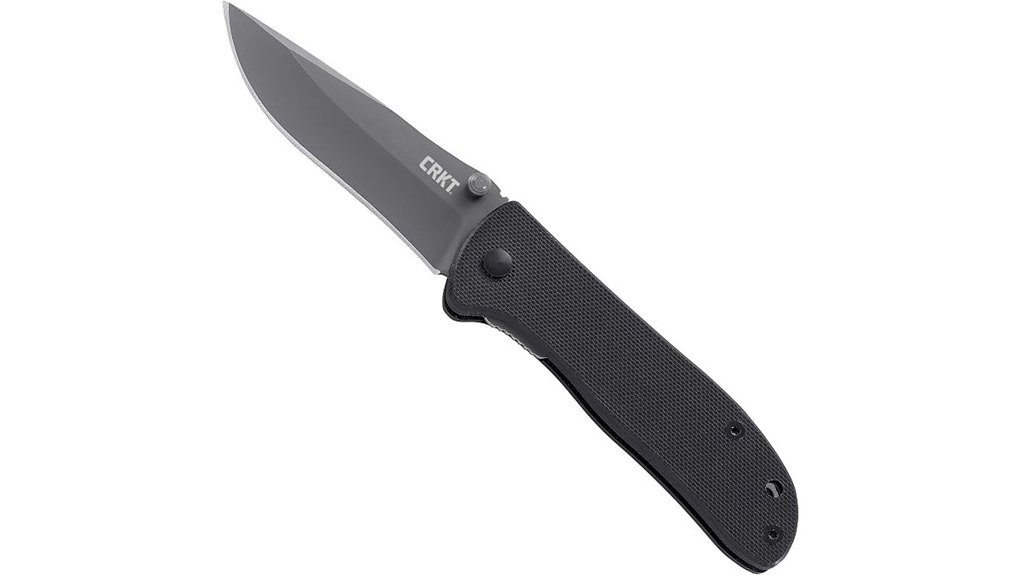
The CRKT Drifter EDC Pocket Folding Knife (6450K) stands out for its exceptional grip and reliable performance. Featuring a stainless steel plain edge blade, this knife is coated in gray titanium nitride, enhancing its corrosion resistance. The G10 handle provides a secure grip in various conditions, ensuring comfort during use. Its thumb stud design allows for swift one-handed opening, making it a practical choice for everyday carry. Additionally, the knife comes with a limited lifetime warranty, covering defects in materials or workmanship, which underscores CRKT’s commitment to quality and customer satisfaction.
Best For: Everyday users seeking a reliable and durable pocket knife for various tasks.
Pros:
- Exceptional grip provided by the G10 handle for secure handling in all conditions.
- Corrosion-resistant stainless steel blade coated with gray titanium nitride for longevity.
- Fast one-handed opening mechanism via the thumb stud, enhancing convenience.
Cons:
- Limited blade options, as it features only a plain edge design.
- Liner lock mechanism may not be preferred by users who favor other locking systems.
- Weight and size might not suit those looking for an ultralight EDC option.
Factors to Consider When Choosing Pocket Knives 2026: Top Picks and Buying Guide
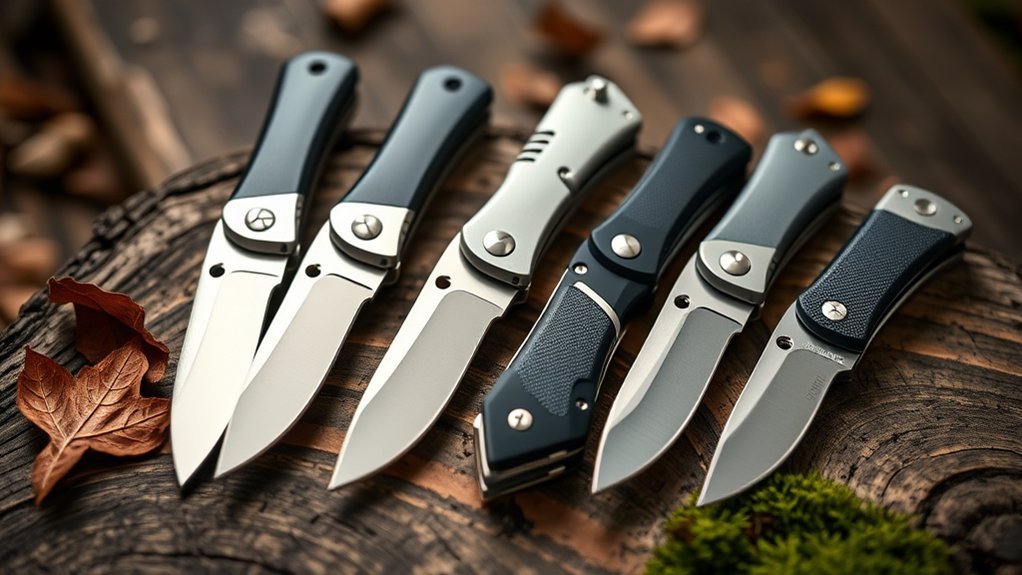
When selecting a pocket knife, several critical factors come into play. Buyers should assess blade material types, handle ergonomics, and locking mechanisms to guarantee safety and usability. Additionally, weight and portability, along with various opening mechanisms, will influence the overall experience and practicality of the knife.
Blade Material Types
Choosing the right blade material is essential for anyone seeking a reliable pocket knife. Stainless steel is popular for its rust and corrosion resistance, with grades like 440 and VG-10 balancing toughness and edge retention. Carbon steel excels in sharpness and regrinding ease but necessitates regular maintenance to prevent rust. High-carbon stainless steel merges the advantages of both types, offering premium edge retention and corrosion resistance. Ceramic blades, while exceptionally hard and long-lasting in sharpness, can be brittle and prone to chipping. Finally, tool steel provides outstanding durability and edge retention, often seen in high-end knives, though it requires careful maintenance to avoid rust. Each material presents distinct advantages, catering to various user needs and preferences.
Handle Ergonomics
While evaluating pocket knives, handle ergonomics plays an essential role in ensuring user comfort and control. The choice of handle material, such as FRN, aluminum, or G10, affects both grip comfort and durability, with options available for reduced weight and enhanced slip resistance. Features like bi-directional texturing improve grip, making the knife easier to control during tasks. Ergonomic designs often incorporate jimping on the spine, which enhances control and minimizes slippage. A lightweight handle, supported by skeletonized liners, maintains usability while ensuring strength. Additionally, handle configurations with carry options like a four-way clip allow for personalized user experiences, accommodating various preferences for comfort and accessibility during use.
Locking Mechanisms
Handle ergonomics greatly enhance the overall user experience of a pocket knife, but the safety and functionality of the tool largely hinge on its locking mechanism. Crucial for preventing accidental blade closure, locking mechanisms guarantee user safety during tasks. Common types include liner locks, which secure the blade with a metal liner, and lockback mechanisms that utilize a spring-loaded bar. The reliability of these systems is often assessed by their ability to withstand lateral pressure, keeping the blade securely open. Modern designs may feature advanced locks like the Axis or compression locks, allowing for quick access while maintaining stability. Regular maintenance, including cleaning and lubrication, is essential for peak performance and longevity of the locking mechanism.
Weight and Portability
Portability is a critical factor when selecting a pocket knife, as it directly impacts usability during various activities. The weight of a pocket knife plays a significant role, with lighter models typically ranging from 2 to 6 ounces, ensuring ease of carry. Many folding knives utilize lightweight materials, such as high-strength fiberglass reinforced nylon or aluminum, which enhances portability without sacrificing durability. A compact closed length, ideally under 5 inches, allows for easy storage in pockets or bags. Additionally, design features like skeletonized liners help reduce weight while maintaining structural integrity. Consideration of carry options, such as pocket clips and sheaths, further influences how easily a knife can be transported and accessed during outdoor adventures.
Opening Mechanisms
Selecting the right opening mechanism in a pocket knife can greatly enhance its usability and overall user experience. Various options exist, including thumb studs, assisted opening, and manual folding, each offering distinct levels of ease and speed. Assisted opening mechanisms, such as SpeedSafe, utilize springs to facilitate rapid blade deployment, making them popular for tactical and everyday carry purposes. In contrast, manual methods like nail notches or thumb holes require more user engagement, providing a traditional feel. Thumb studs and holes are generally preferred for quick, one-handed operation. Additionally, safety features like locks and detents are essential, ensuring the blade remains securely in place during use and transport, further influencing the choice of opening mechanism.
Blade Length Considerations
When considering a pocket knife, blade length plays a vital role in determining its effectiveness for specific tasks. Shorter blades, typically around 2.5 to 3 inches, are favored for everyday carry due to their portability and ease of concealment. A blade length of 3 to 4 inches strikes a balance between versatility and control, making it suitable for various activities, from camping to daily chores. Blades exceeding 4 inches cater to heavy-duty tasks like outdoor work or hunting, though local laws may restrict their use. Additionally, the overall length, including the handle, impacts usability; longer blades often require larger handles for comfort. Personal preference and intended use are essential in selecting the appropriate blade length.
Aesthetic and Design
While functionality is paramount in choosing a pocket knife, aesthetic and design elements significantly influence a buyer’s decision. The visual appeal of a knife can range from sleek and modern to rugged and traditional, reflecting personal style. Material selection, such as high-strength FRN, aluminum, or wood, affects not only appearance but also durability and grip. Color choices and finishes, including titanium nitride coatings or vibrant handles, enhance visual charm while providing functional benefits like corrosion resistance. Additionally, blade shapes—such as clip point or flat-ground—contribute to the overall aesthetic and utility, catering to diverse user needs. Ergonomic features like texturing and jimping seamlessly blend form with function, enhancing both usability and visual interest.
Price and Value
Price and value play an essential role in the decision-making process for pocket knife buyers. When selecting a pocket knife, consumers should balance price and quality, as higher-priced options often utilize superior materials and craftsmanship, enhancing durability and performance. It is vital to take into account warranties and customer support, as a solid warranty can provide reassurance about the investment. The intended use of the knife also influences price; specialized tools for hunting or tactical applications may warrant a higher cost. Researching user reviews and expert opinions can help assess whether a knife offers good value, factoring in features and maintenance needs. Additionally, long-term costs, including maintenance and potential replacements, should be examined when evaluating overall value.
Frequently Asked Questions
What Is the Best Way to Maintain Pocket Knives?
The best way to maintain pocket knives involves regular cleaning, oiling the pivot points, and honing the blade. Proper storage and avoiding exposure to moisture further guarantee longevity and peak performance of the knife.
Are Pocket Knives Legal to Carry in All States?
Pocket knives are not universally legal to carry in all states. Regulations vary considerably, with some states imposing restrictions based on blade length, type, or concealed carry. It’s crucial to check local laws before carrying.
How Do I Choose the Right Blade Material?
Choosing the right blade material is like selecting a fine wine; personal preference and intended use matter. Users should consider factors like corrosion resistance, edge retention, and ease of sharpening to find the ideal match.
Can Pocket Knives Be Customized or Personalized?
Pocket knives can indeed be customized or personalized. Many manufacturers offer options for unique blade designs, handle materials, and engraving, allowing users to create a knife that reflects their individual style and preferences.
What Safety Features Should I Look for in a Pocket Knife?
Safety features in a pocket knife are like a sturdy seatbelt in a car. One should look for locking mechanisms, blade guards, ergonomic grips, and thumb studs to guarantee secure handling and prevent accidental injuries.
Conclusion
In conclusion, selecting the right pocket knife in 2027 hinges on personal needs and preferences, with options ranging from lightweight designs to robust models. An interesting statistic reveals that over 30% of outdoor enthusiasts now consider pocket knives essential tools for survival and everyday tasks. Therefore, investing in a quality knife not only enhances practicality but also elevates one’s outdoor experience, making informed choices vital for every adventurer and everyday user.