You rely on lenses to turn vision into images, so choosing the right glass matters more than ever. This guide helps you pick lenses that balance modern autofocus, optical sharpness, low-light performance and handling so you can shoot confidently across portraits, travel, landscapes and close-up work.
Understanding these options saves you time and money by matching a lens to how you actually shoot.
Top Picks
|
Category |
Product |
Score |
|---|---|---|
|
🏆 Best Telephoto Zoom |
96/100 |
|
|
🎯 Best Portrait Prime |
95/100 |
|
|
🚀 Best Wide Angle |
92/100 |
|
|
💰 Best Budget Prime |
89/100 |
|
|
🔬 Best Macro Lens |
93/100 |
Selection Criteria
You want lenses that deliver on image quality, autofocus reliability and real-world handling, so those were our first priorities. Optical resolution across apertures, bokeh character and coatings that reduce flare tell you how a lens will render scenes and handle contrast. Autofocus speed, tracking, and compatibility with modern camera bodies determine how usable a lens is for action or video.
Build quality, weather sealing and weight affect portability and durability, while stabilization and focal range define how versatile a lens will be for your assignments. Finally, price and long-term value matter because glass often outlives camera bodies.
Sony 70-200

You get a telephoto that feels like an upgrade in every shoot. The 70-200mm range with a constant f/2.8 gives you reach for sports and wildlife while still delivering portraits with pleasing separation.
Autofocus is tuned for fast tracking and the optical stabilization keeps handheld shots usable in lower light. If you want one lens that covers events, travel safaris and pro assignments without fuss, this is a practical, professional choice you can rely on.
What People Say
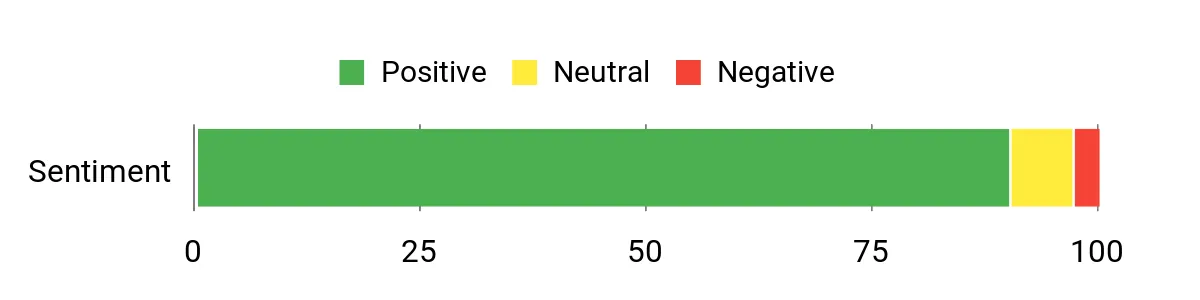
You’ll notice reviewers commonly highlight the razor-sharp image quality and how well the lens holds focus on moving subjects. Many mention the improved balance and lighter feel compared with the previous generation, and photographers frequently praise the smooth bokeh and reliable stabilization for handheld work.
Overall Sentiment: Positive
Long-Term Value
High-quality glass tends to outlast camera bodies, so buying well-built, optically superior lenses reduces future upgrade costs. Durable construction and weather sealing mean fewer repairs and better resale value when you decide to change systems.
Return on Investment
You recoup time and missed shots by owning a lens that locks focus and performs in real conditions, which is especially valuable if you shoot paid gigs. Better images straight out of camera also cut down editing time, effectively increasing productivity per shoot.
Situational Benefits
|
Situation |
How It Helps |
|---|---|
|
Sports and Wildlife |
The 70–200 reach and fast AF let you track action at a distance while maintaining sharpness and subject separation. |
|
Portraits and Events |
Wide aperture and smooth bokeh produce flattering subject isolation and quick subject acquisition in crowded environments. |
|
Travel and Safaris |
Improved balance and stabilization reduce fatigue on long outings and make handheld shooting more practical. |
|
Video and Hybrid Work |
Quiet, accurate autofocus and consistent optics across the zoom range deliver clean, cinematic handheld footage. |
Versatility
The 70–200mm span covers a wide set of assignments from environmental portraits to medium-distance wildlife, making it a go-to for shooters who want one reliable telephoto instead of several niche lenses.
Aesthetic
You get a pleasing rendering that balances clinical sharpness with a natural character; the bokeh is smooth and the lens preserves highlight rolloff in a way that flatters skin tones and subject separation.
Innovation
Updated optical design and Nano AR Coating II reduce flare and improve contrast, while a lighter, better-balanced build and enhanced AF algorithms make the lens feel modern and easier to use.
Problem Solving
This lens solves common field problems: it keeps fast subjects in focus, holds up in mixed light, tames flare, and reduces the need for constant lens swaps by covering a broad focal range.
Travel
At around 4 pounds it’s not the lightest option, but improved balance, a tripod collar and solid ergonomics make it manageable for travel and long shoots when you need reach without sacrificing stability.
Key Benefits
- Consistently sharp across the zoom range, even at f/2.8
- Fast, accurate autofocus and subject tracking
- Creamy bokeh that flatters portraits and isolates subjects
- Optical stabilization and improved balance for longer shoots
- Robust build with weather resistance for demanding conditions
Rating: 4.8 (total: 288+)
Sony 50mm

You get a 50mm prime that does more than just sit in your bag. The f/1.2 aperture gives you real control over depth of field and makes low-light shooting noticeably easier, while autofocus stays quick and quiet for both photos and video. The lens balances character and clarity, so portraits pop without feeling clinical, and the weather-resistant build means you can use it on location without worry.
If you want one prime that elevates everyday shooting and special sessions alike, this is a smart pick.
What People Say
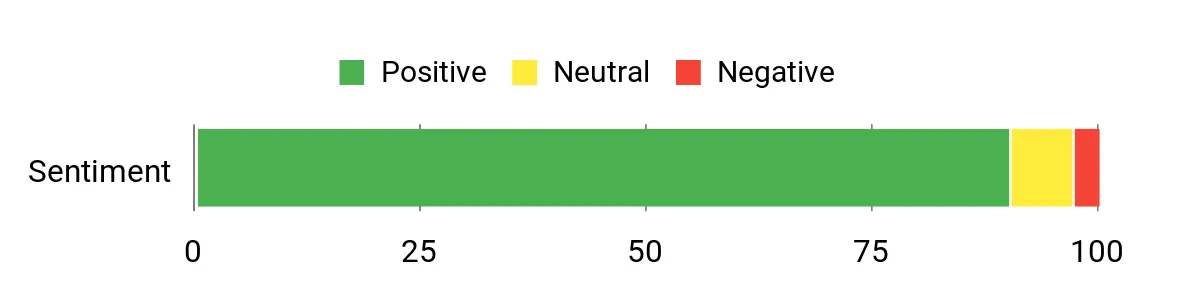
You’ll find reviewers consistently impressed with the lens’s sharpness at wide apertures and the smooth, pleasing bokeh. Users often highlight the dependable autofocus and the pro-level build, noting that it handles rain and tough conditions well.
Some mention the weight and substantial feel, but most feel the performance justifies it.
Overall Sentiment: Positive
Long-Term Value
High-quality optics tend to retain value and remain useful across camera upgrades, so this lens can be a long-lived investment in your kit. Durable construction and strong resale appeal mean lower lifetime cost compared with repeatedly swapping cheaper glass.
Return on Investment
You recover time and opportunities by owning gear that nails focus and renders beautifully straight from the camera, which reduces editing and increases reliability for paid work. For regular portrait and event shooters this lens pays back through better deliverables and fewer reshoots.
Situational Benefits
|
Situation |
How It Helps |
|---|---|
|
Portraits |
Wide aperture isolates subjects with soft background separation and flattering rendering of skin tones. |
|
Low Light |
The f/1.2 aperture lets you shoot at lower ISOs and faster shutter speeds with better image quality. |
|
Street and Lifestyle |
Compact focal length and responsive AF make it easy to capture candid moments with character. |
|
Video and Hybrid Work |
Silent, low-vibration AF and consistent optics across frames help produce smooth, cinematic footage. |
Versatility
This lens works for a wide range of shoots: portraits, environmental work, low-light events and video, making it a reliable all-round prime when you want a single lens that handles varied assignments.
Aesthetic
The rendering balances clinical sharpness with pleasing character, delivering smooth highlight rolloff and natural bokeh that enhances subject separation without looking artificial.
Innovation
Advanced optical design and Nano AR coatings improve contrast and reduce flare, while modern AF mechanisms offer quiet, accurate tracking for hybrid shooters.
Problem Solving
This lens addresses common shooting challenges: it enables low-light work without excessive ISO, isolates subjects for cleaner compositions, and reduces the need to swap lenses during fast-moving shoots.
Travel
At about 1.7 pounds it’s heavier than small 50mm primes but still manageable; the weather resistance and included soft case help when you need reliable performance on the road.
Key Benefits
- Exceptional sharpness even wide open at f/1.2
- Creamy, natural bokeh that flatters subjects
- Fast, quiet autofocus suitable for stills and video
- Solid build quality with weather resistance
- Compact for its class and reliable operability
Rating: 4.8 (total: 264+)
Canon 15-35

You get a wide, flexible zoom that makes framing expansive landscapes or cramped interiors much easier. The bright f/2.8 aperture and effective image stabilization mean usable results in lower light, and Nano USM keeps autofocus smooth and quiet for both photos and video. It’s the kind of lens you reach for when you need dependable edge-to-edge sharpness and a rugged build that stands up to field use.
If your kit needs a go-to wide-angle for travel, architecture or run-and-gun shoots, this lens is a sensible, professional choice.
What People Say
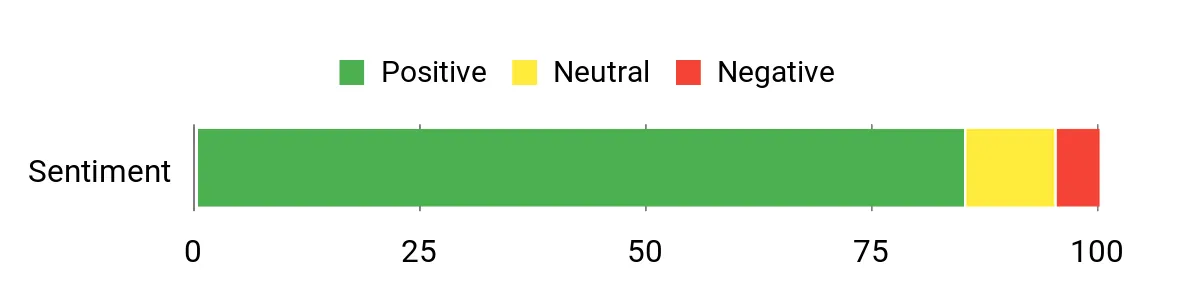
You’ll see consistent praise for the sharp, high-quality glass and how well the lens handles wide compositions. Reviewers often note the fast, quiet focusing and effective stabilization, and many appreciate that it performs well for both stills and video. A few users mention the lens’s weight, but most feel the build and image quality justify it.
Overall Sentiment: Positive
Long-Term Value
Optical L-series glass tends to stay useful across multiple camera upgrades, so the lens is a durable investment that reduces the need to replace kit frequently. Good resale value and reliable build quality also lower total ownership costs over time.
Return on Investment
You recover time and missed opportunities by using a single versatile lens that handles diverse scenarios, from nighttime cityscapes to interior work. Fewer lens swaps and strong image quality straight from camera translate into faster delivery and less post-processing.
Situational Benefits
|
Situation |
How It Helps |
|---|---|
|
Landscapes |
Wide coverage and edge-to-edge sharpness let you capture sweeping scenes with rich detail. |
|
Architecture |
Short focal length and minimal distortion make it easier to capture buildings and interiors accurately. |
|
Low-Light Events |
Bright aperture plus stabilization helps you keep shutter speeds reasonable without cranking ISO. |
|
Video |
Quiet Nano USM focusing and consistent optics produce smooth, professional-looking footage. |
Versatility
This lens covers a broad set of uses, from dramatic landscapes to close interior work and video, making it a strong choice if you want one wide-angle zoom that does many jobs well.
Aesthetic
Rendering is clean and true-to-life, with solid contrast and color that complements Canon bodies; it gets out of the way so your compositions shine.
Innovation
Nano USM focuses smoothly and quietly for hybrid shooters, while advanced coatings and stabilized optics help deliver high contrast and reduced flare in varied lighting.
Problem Solving
It solves the need for a single wide-angle solution that performs in tight spaces, low light and while shooting handheld, reducing the number of lenses you have to carry.
Travel
Weighing about 840 g, it’s on the heavier side for a travel kit but the rugged build and reliable optics make it practical for serious trips where durability matters.
Key Benefits
- Wide field of view ideal for landscapes and architecture
- Bright f/2.8 aperture for low-light control and shallow depth
- Up to 5 stops of stabilization for handheld shooting
- Smooth, quiet Nano USM autofocus suited to hybrid work
- Robust L-series construction with weather sealing
Rating: 4.7 (total: 370+)
Canon 50mm

You get a lightweight, no-nonsense 50mm that makes everyday shooting easier. The f/1.8 aperture helps with low-light scenes and gives you pleasant background separation, while the compact size means you’re more likely to keep it on the camera.
Autofocus is smooth and suitable for quick portraits, street work and casual video, and the optical corrections keep images clean across common shooting situations. If you want a go-to prime that’s unobtrusive and dependable, this is a solid pick.
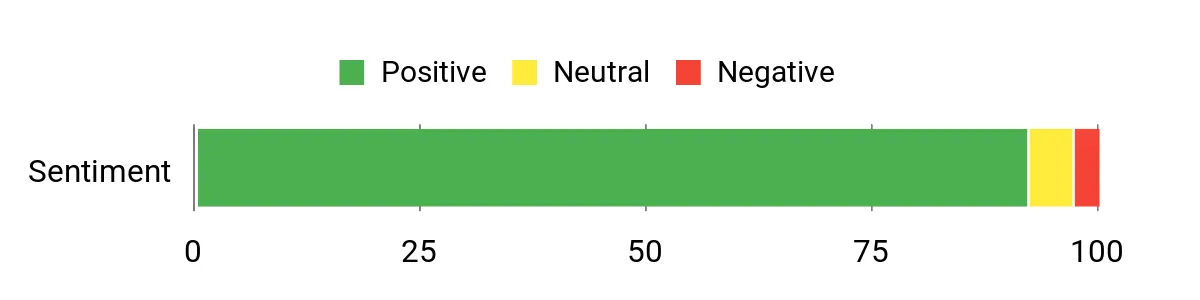
What People Say
Reviewers frequently praise how easy the lens is to carry and use, especially for street and everyday portrait work. You’ll see consistent notes about reliable autofocus and surprisingly good image quality for a compact prime. A few users mention limited weather sealing and a simpler build, but most appreciate the lens’s balance of performance and convenience.
Overall Sentiment: Positive
Long-Term Value
Primes like this tend to be durable and keep their usefulness across camera upgrades, so you get years of reliable performance with minimal maintenance. Because it covers a common focal length well, you may find fewer reasons to buy multiple similar lenses.
Return on Investment
You gain efficiency by carrying a lens that encourages more shooting and captures usable images quickly, which can translate into more usable shots per outing and less time spent swapping gear or doing heavy editing.
Situational Benefits
|
Situation |
How It Helps |
|---|---|
|
Portraits |
The f/1.8 aperture provides subject separation and smooth background blur for flattering headshots. |
|
Street Photography |
Small size and light weight make it easy to stay mobile and capture candid moments unobtrusively. |
|
Low Light |
Wider aperture lets you maintain lower ISO or faster shutter speeds in dim conditions. |
|
Video |
STM autofocus runs quietly and smoothly, helping produce cleaner focus transitions for handheld clips. |
Versatility
This 50mm performs well across genres you’re likely to encounter daily, from portraits and street scenes to lifestyle and simple video work, making it a practical single-prime choice.
Aesthetic
Rendering leans natural with pleasant bokeh and accurate color, giving images a classic 50mm look without being overly clinical.
Innovation
Use of PMo aspherical glass and improved coatings reduces aberrations and flare for a compact optical package that performs above its size class.
Problem Solving
It solves the everyday dilemma of whether to carry a lens by being light, unobtrusive and capable enough to cover most common shooting needs without frequent swaps.
Travel
At roughly 5.6 ounces, it’s easy to pack and carry all day, which makes it a natural travel companion when you want quality without bulk.
Key Benefits
- Compact and very lightweight for everyday carry
- Large f/1.8 aperture for low-light and shallow depth
- STM autofocus offers smooth, quiet focusing for video
- Good optical corrections for sharp, clean images
- Easy to use on EOS R bodies with minimal fuss
Rating: 4.8 (total: 3220+)
Canon 100mm

You get a purpose-built macro that also shines as a short telephoto for portraits. The 1.4x magnification combined with precise AF and Hybrid IS makes handheld close-ups far more practical, and the SA control ring gives creative options for soft-focus effects.
It’s well suited to studio macro work, field wildlife close-ups and portraits where fine detail matters. If you want a single lens that covers true macro needs without forcing you to use extension tubes or adapters, this is a dependable choice.
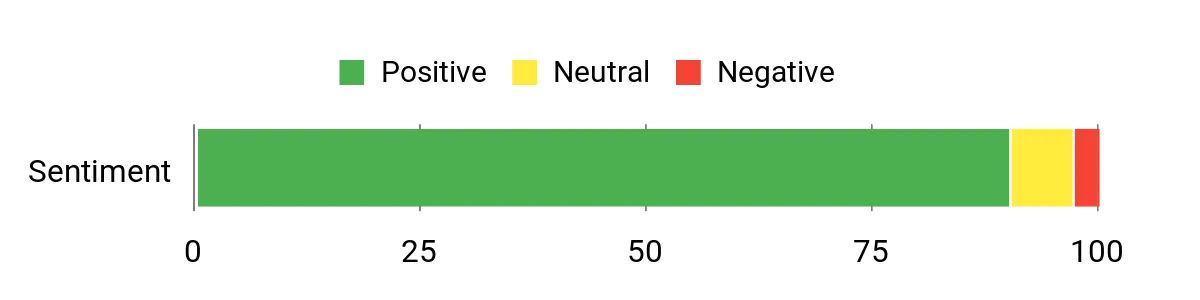
What People Say
You’ll notice users consistently praise the outstanding sharpness and color rendition, and many call out how the stabilization and AF make handheld macro work practical. Photographers also appreciate the lens’s dual role as a portrait lens, while a few mention the SA control is useful but not essential for everyone.
Overall Sentiment: Positive
Long-Term Value
This L-series macro holds its usefulness across camera upgrades and maintains strong resale value, so investing in it reduces the need to buy multiple specialty lenses over time. Built durability and reliable optics lower repair and replacement frequency.
Return on Investment
You gain more keepers per session thanks to accurate AF, effective stabilization and high image quality, which reduces reshoots and editing time. For commercial or serious hobby work this lens can quickly justify itself through improved deliverables.
Situational Benefits
|
Situation |
How It Helps |
|---|---|
|
Macro Photography |
1.4x magnification and precise AF let you capture fine details of insects, textures and small products with minimal rigging. |
|
Portraits |
Medium telephoto reach and f/2.8 aperture produce flattering subject separation and crisp facial detail. |
|
Handheld Field Work |
Hybrid IS plus optical stabilization keep close-up shots steady when you don’t have a tripod. |
|
Video and Hybrid Shoots |
Quiet FLM focusing, strong IS and consistent rendering deliver smooth, usable handheld footage and frame-to-frame continuity. |
Versatility
This lens moves smoothly between studio macro, outdoor close-ups and portrait work, so you won’t need separate specialized optics for most detailed assignments. That flexibility makes it a practical single-lens solution for many shooters.
Aesthetic
Rendering is crisp and natural with attractive bokeh that keeps subjects isolated without harsh transitions, delivering a classic L-series look that favors true-to-life color and contrast.
Innovation
Offering native 1.4x magnification, an SA control ring and Canon’s Hybrid IS in one package, the lens blends optical creativity with practical stabilization and modern AF systems for hybrid shooters.
Problem Solving
It solves the common trade-offs of macro work by combining high magnification with autofocus and stabilization, reducing the need for extension tubes, overly long setups or constant tripod use.
Travel
At about 730 g it’s not the lightest prime, but the lens is compact enough for field trips and the stabilization makes handheld shooting feasible, which reduces the gear you need to carry.
Key Benefits
- True 1.4x magnification with autofocus for critical close-ups
- Strong optical stabilization and Hybrid IS for handheld shooting
- Sharp, high-contrast rendering with pleasing bokeh for portraits
- SA control ring for creative softness without post work
- Rugged L-series build with weather resistance
Rating: 4.8 (total: 364+)
FAQ
How Do I Choose The Right Lens?
Start by identifying your primary use—portraits, travel, landscapes, sports or macro—because focal length and aperture affect results more than brand. Consider how much weight you will carry, whether you need fast autofocus for action, and if stabilization or weather sealing matters for your shooting conditions.
Try to match lenses to the bodies you already own, and if you can, rent or test a lens on assignment before committing so you know how it handles in real situations.
Is Image Stabilization Necessary?
Image stabilization matters most when you’re shooting handheld at long focal lengths, doing macro work, or recording video where smooth footage counts. Lenses with IS paired with a camera that has IBIS offer the best handheld performance, but if you shoot mostly on a tripod or use very fast shutter speeds it becomes less critical.
For practical testing, compare shots with and without stabilization in the conditions you shoot most often to see the real benefit.
Will These Lenses Work With My Camera?
Check mount compatibility first, since native mounts ensure full autofocus and electronic control; adapters can bridge systems but sometimes limit AF performance or features. Firmware updates on both lens and camera can improve behavior, and manufacturers list compatible bodies so use that as a starting point.
Also confirm features like weather sealing and stabilization interact well with your camera body—trying a lens on your camera or reading compatibility notes will save surprises when you shoot.
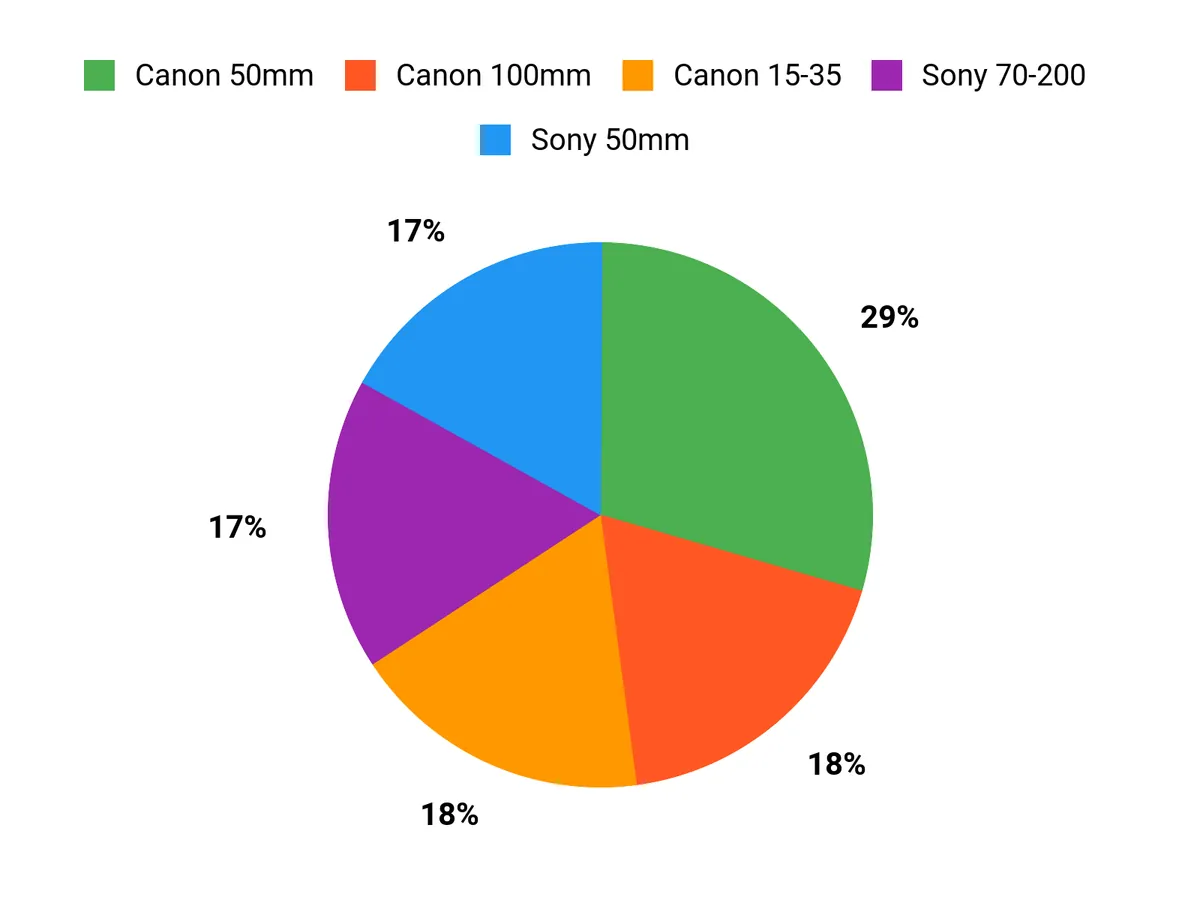
Customer Preferences
You typically prioritize what you shoot most: reach, tracking and stabilization for action and wildlife push you toward the Sony 70–200; creamy bokeh and low-light control make the Sony 50mm the choice for portraits and intimate work; and wide coverage with robust build and steady autofocus draws people to the Canon 15–35 for landscapes, architecture and run‑and‑gun video. Match the lens to your primary use and handling preferences—weight, weather sealing and how the lens renders highlights often decide which one you keep on the camera.
Wrapping Up
If you need reach and professional-grade speed for sports, wildlife or events, the Sony FE 70-200mm F2.8 GM OSS II ($3,098.00) is the most capable telephoto in this set. For creamy bokeh and low-light portraits the Sony FE 50mm F1.2 GM ($2,198.00) gives you a fast, characterful prime.
If your work leans toward landscapes, architecture or wide environmental shots, the Canon RF 15-35mm F2.8 L IS USM ($2,399.00) covers you with robust build and a bright aperture. When you want excellent everyday results without breaking the bank, the Canon RF50mm F1.8 STM ($209.99) is compact, sharp and pocketable.
For close-up and macro work that doubles as a beautiful short telephoto, the Canon RF100mm F2.8 L Macro IS USM ($1,349.00) delivers unmatched magnification and stabilization. Match the lens to your primary use and you will get the biggest improvement in your images and workflow.
| Product Name | Image | Rating | Focal Length | Maximum Aperture | Image Stabilization | Weight |
|---|---|---|---|---|---|---|
| Sony FE 70-200mm F2.8 GM OSS II |
|
4.8/5 (288 reviews) | 70-200mm | f/2.8 | Optical | 4 pounds |
| Sony FE 50mm f/1.2 GM |
|
4.8/5 (264 reviews) | 50mm | f/1.2 | None | 1.7 pounds |
| Canon RF 15-35mm F2.8 L is USM |
|
4.7/5 (370 reviews) | 15-35mm | f/2.8 | Optical | 840 g |
| Canon RF50mm F1.8 STM |
|
4.8/5 (3,220 reviews) | 50mm | f/1.8 | Digital | 5.6 ounces |
| Canon RF100mm F2.8 L Macro is USM |
|
4.8/5 (200 reviews) | 100mm | f/2.8 | Optical | 730 g |
This Roundup is reader-supported. When you click through links we may earn a referral commission on qualifying purchases.