Choosing a camera lens starts with two questions: what do you shoot most, and which lens mount does your camera use? This roundup compares five full-frame mirrorless lenses across telephoto, portrait, wide-angle, everyday and macro photography so you can match the lens to your actual shooting needs.
This is a cross-system shortlist, not a list of five interchangeable lenses. The Sony options use Sony E-mount, while the Canon options use Canon RF mount. Confirm your camera mount before buying.
Affiliate Disclosure: This roundup is reader-supported. When you click through qualifying Amazon links, we may earn a referral commission at no additional cost to you.
Top Picks
|
Category |
Product |
Camera Mount |
|---|---|---|
|
🏆 Best Telephoto Zoom |
Sony E |
|
|
🎯 Best Portrait Prime |
Sony E |
|
|
🚀 Best Wide-Angle Zoom |
Canon RF |
|
|
💰 Best Budget Prime |
Canon RF |
|
|
🔬 Best Macro Lens |
Canon RF |
Before You Buy
Sony E-mount and Canon RF lenses are not natively interchangeable. Confirm the mount on your camera first. Then compare focal length, maximum aperture, autofocus needs, stabilization, weight and how often you will realistically carry the lens.
Selection Criteria
Image quality, autofocus reliability and real-world handling are the main priorities. Focal length determines framing and working distance, while maximum aperture affects low-light flexibility, shutter-speed options and depth-of-field control.
Autofocus behavior matters for action and video, while lens weight, stabilization and weather-resistant construction can make a major difference during long handheld shoots. Compatibility comes first: a technically excellent lens is still the wrong purchase if it does not match your camera system.
Sony FE 70-200mm F2.8 GM OSS II
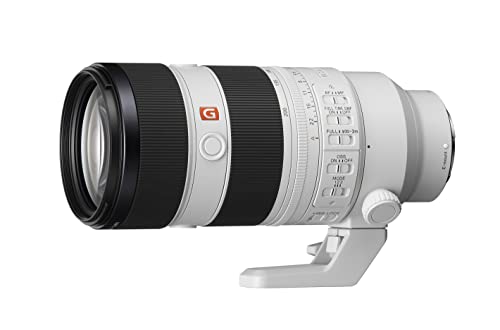
The Sony FE 70-200mm F2.8 GM OSS II is a full-frame E-mount telephoto zoom built for photographers who need reach without giving up a bright constant f/2.8 maximum aperture. The range is particularly useful for events, sports, portraits and subjects that cannot easily be approached.
Built-in Optical SteadyShot helps with handheld shooting, while the lens is designed for fast autofocus and subject tracking on compatible Sony bodies. It weighs approximately 1,045 g (36.9 oz) without the tripod mount, making it substantially lighter than the earlier generation.
What People Say
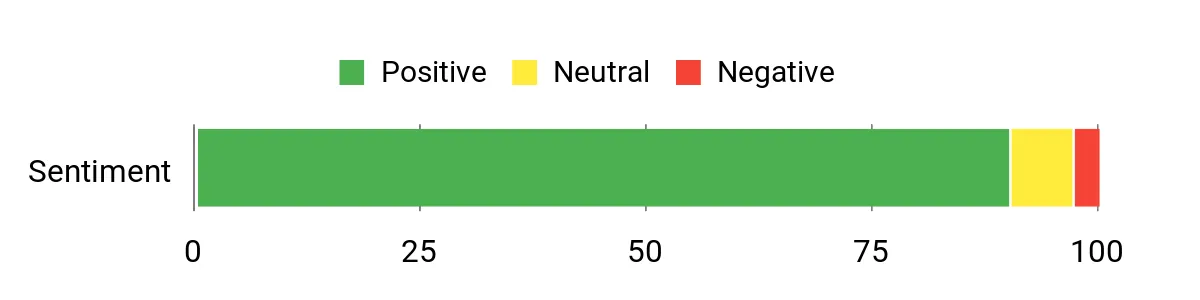
Sharpness, autofocus performance, subject isolation and the reduced weight compared with the first-generation model are commonly discussed strengths of this type of professional 70-200mm lens. Your results will still depend on the camera body, autofocus settings, shutter speed and shooting conditions.
Its underlying review sample and methodology were not provided, so it should be treated as directional rather than independently verified.
Long-Term Value
A high-quality 70-200mm f/2.8 can remain useful across multiple camera-body upgrades as long as you stay within the Sony E-mount system. Its broad event, portrait and action applications also make it more versatile than a narrowly specialized telephoto.
Return on Investment
The strongest case for this lens is practical rather than financial: photographers who regularly need a bright telephoto zoom can cover several assignments without switching between multiple primes. Occasional shooters should consider whether they will use the size, reach and f/2.8 aperture often enough to justify a premium lens.
Situational Benefits
|
Situation |
How It Helps |
|---|---|
|
Sports and Action |
The 70-200mm range gives useful working distance while the constant f/2.8 aperture supports faster shutter speeds when light levels fall. |
|
Portraits and Events |
The telephoto range and wide aperture can provide strong subject separation without requiring you to stand close to the subject. |
|
Wildlife at Moderate Distance |
The zoom range can work well for larger or relatively close wildlife, although photographers needing substantial distance may prefer a longer telephoto. |
|
Video and Hybrid Work |
Optical stabilization and modern autofocus support handheld and moving-subject work on compatible Sony cameras. |
Versatility
The 70-200mm range covers portraits, ceremonies, indoor sports, outdoor events and medium-distance subjects. It is especially useful for photographers who frequently need to change framing without physically moving closer.
Aesthetic
The constant f/2.8 aperture gives photographers strong control over depth of field throughout the zoom range, making it easier to separate subjects from busy backgrounds.
Innovation
Sony combines a redesigned optical system, Nano AR Coating II, Optical SteadyShot and a lighter construction than the previous generation. The lens also supports Sony’s compatible 1.4x and 2.0x teleconverters when additional reach is needed.
Problem Solving
This lens addresses a common problem for event and action photographers: getting tighter framing from a distance without repeatedly changing lenses. The trade-off is that it remains much larger and heavier than a small prime or standard zoom.
Travel
At approximately 1,045 g without the tripod mount, it is relatively light for its professional 70-200mm f/2.8 class but still substantial for casual travel. It makes the most sense when telephoto reach is a planned part of the trip.
Key Benefits
- 70-200mm full-frame telephoto range with a constant f/2.8 maximum aperture
- Built-in Optical SteadyShot stabilization
- Fast autofocus designed for moving subjects
- Approximately 1,045 g without the tripod mount
- Dust- and moisture-resistant construction, although not guaranteed to be completely weatherproof
Check Current Amazon Availability
Sony FE 50mm F1.2 GM
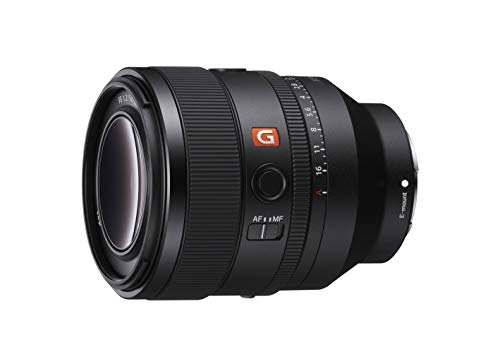
The Sony FE 50mm F1.2 GM is a premium full-frame E-mount prime for photographers who prioritize shallow depth of field, low-light flexibility and a natural standard-lens perspective. Its f/1.2 maximum aperture gives considerably more light-gathering ability than slower everyday primes.
It uses Sony’s XD linear-motor autofocus system and weighs approximately 778 g (27.5 oz). The lens itself does not include optical stabilization, so stabilization depends on the capabilities of the camera body.
What People Say
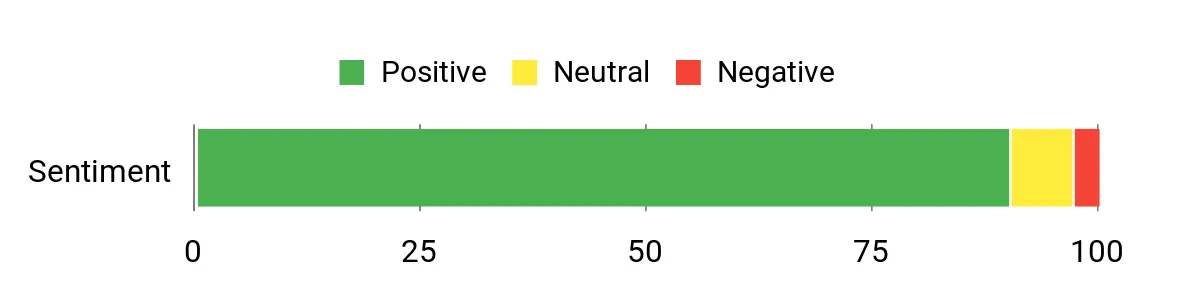
The main attractions are the very wide f/1.2 aperture, high-end optical design and autofocus capability. The biggest buying hesitation is straightforward: it is substantially larger, heavier and more specialized than compact 50mm alternatives.
Its underlying review sample and methodology were not provided, so it should be treated as directional rather than independently verified.
Long-Term Value
A 50mm prime can remain useful across many styles of photography, and this model is designed as a premium option for photographers staying within Sony’s E-mount system. Buyers who rarely shoot near f/1.2 may get more practical value from a smaller, slower 50mm lens.
Return on Investment
The value proposition is strongest for portrait, wedding, event and low-light photographers who can regularly use the f/1.2 aperture. For general daylight photography, its premium size and cost may be harder to justify.
Situational Benefits
|
Situation |
How It Helps |
|---|---|
|
Portraits |
The f/1.2 aperture provides very shallow depth of field when you want pronounced subject separation. |
|
Low Light |
The large maximum aperture can help maintain faster shutter speeds or lower ISO settings when ambient light is limited. |
|
Street and Lifestyle |
The 50mm focal length provides a familiar perspective for people, details and everyday scenes, although the lens is heavier than compact 50mm primes. |
|
Video and Hybrid Work |
Quiet linear-motor autofocus and a de-clickable aperture ring can be useful to photographers who move between stills and video. |
Versatility
A 50mm full-frame lens can cover portraits, lifestyle photography, events, environmental details and general photography. The f/1.2 aperture makes this model especially appealing when background separation and available-light shooting matter.
Aesthetic
The wide aperture gives you substantial control over background blur and subject isolation. As with any f/1.2 lens, depth of field can become extremely shallow at close distances, so accurate focus placement matters.
Innovation
The lens uses an advanced optical design with XA elements, Nano AR Coating II and four XD linear motors driving two focusing groups.
Problem Solving
It helps photographers work in dim environments and create strong subject separation without moving to a longer focal length. The main compromise is size and weight compared with slower 50mm primes.
Travel
At approximately 778 g, it is portable enough for professional assignments but considerably heavier than compact standard primes. Travelers should decide whether the f/1.2 aperture is worth the extra space in the bag.
Key Benefits
- Very bright f/1.2 maximum aperture
- 50mm full-frame focal length for portraits and general photography
- Fast XD linear-motor autofocus
- Dust- and moisture-resistant design, though not completely weatherproof
- Approximately 778 g with a relatively compact design for its f/1.2 class
Check Current Amazon Availability
Canon RF15-35mm F2.8 L IS USM

The Canon RF15-35mm F2.8 L IS USM is a professional RF-mount wide-angle zoom designed for full-frame EOS R-series cameras. Its 15-35mm range is useful for landscapes, architecture, interiors, travel and environmental scenes where a standard zoom is not wide enough.
The constant f/2.8 aperture provides useful low-light flexibility, while built-in optical image stabilization is rated by Canon for up to five stops of correction under its stated test conditions. Nano USM handles autofocus, and the lens weighs approximately 840 g (1.85 lb).
What People Say
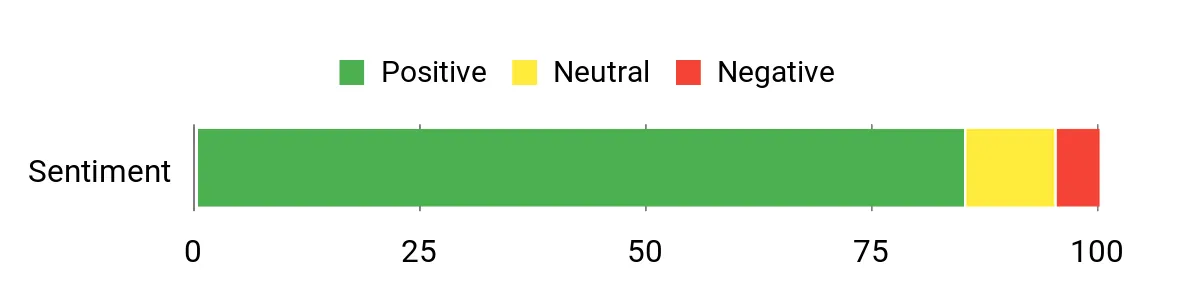
The main reasons to consider this lens are its very wide 15mm starting point, constant f/2.8 aperture, built-in stabilization and RF-mount integration. Its weight and premium positioning are the principal trade-offs for photographers who only occasionally need an ultra-wide view.
Its underlying review sample and methodology were not provided, so it should be treated as directional rather than independently verified.
Long-Term Value
A bright wide-angle zoom can remain useful for years if architecture, interiors, landscapes, events or video are central to your work. Buyers who rarely shoot wider than a standard zoom may not benefit enough from carrying a separate 840 g lens.
Return on Investment
The strongest practical value comes from replacing several wide-angle focal lengths with one stabilized f/2.8 zoom. It is particularly useful when you move between interiors and outdoor scenes and cannot constantly change lenses.
Situational Benefits
|
Situation |
How It Helps |
|---|---|
|
Landscapes |
The 15-35mm range makes it easier to frame expansive scenes while still giving you flexibility to tighten composition. |
|
Architecture and Interiors |
The ultra-wide end can fit more of a room or building into the frame when space limits how far you can step back. |
|
Low-Light Shooting |
The f/2.8 aperture and built-in optical stabilization provide more handheld flexibility than a slower unstabilized wide zoom. |
|
Video |
Nano USM autofocus and optical stabilization support handheld video work on compatible EOS R-series bodies. |
Versatility
The 15-35mm range covers dramatic ultra-wide compositions through more natural wide-angle framing. That makes it useful for photographers who need one lens to handle both confined interiors and broad outdoor scenes.
Aesthetic
The lens can produce dramatic perspective at the 15mm end, especially when foreground elements are placed close to the camera. As with any ultra-wide lens, careful framing helps prevent unwanted perspective distortion.
Innovation
Canon combines Nano USM autofocus, built-in Optical IS, three aspherical elements and two UD elements in an RF-mount L-series design.
Problem Solving
It solves the problem of fitting large scenes into the frame when backing up is impossible. The zoom range also gives more compositional flexibility than carrying a single ultra-wide prime.
Travel
At approximately 840 g, this is not a lightweight travel lens. It is best suited to trips where landscapes, interiors, architecture or serious wide-angle photography are central to the itinerary.
Key Benefits
- 15-35mm ultra-wide to wide-angle zoom range
- Constant f/2.8 maximum aperture
- Built-in Optical IS rated for up to five stops under Canon’s stated conditions
- Smooth Nano USM autofocus
- Approximately 840 g with L-series construction
Check Current Amazon Availability
Canon RF50mm F1.8 STM

The Canon RF50mm F1.8 STM is a compact RF-mount prime aimed at photographers who want a simple everyday lens with a brighter aperture than a typical kit zoom. The 50mm focal length works well for portraits, street photography, family photos and general-purpose shooting.
It weighs approximately 160 g (0.35 lb), focuses with an STM motor and has a minimum focusing distance of about 0.30 m. It does not have built-in optical image stabilization, although compatible EOS R-series cameras with in-body stabilization can provide body-based shake correction.
What People Say
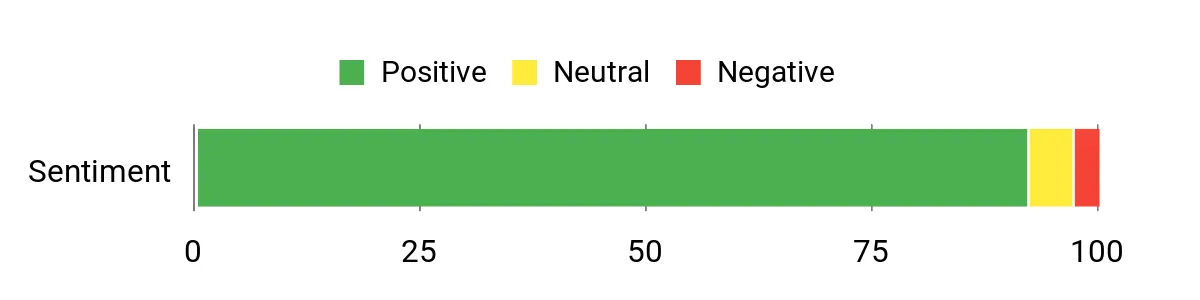
The strongest reasons to choose this lens are portability, simplicity and the useful f/1.8 aperture. Buyers should keep expectations realistic: this is a compact non-L-series prime rather than a weather-focused professional lens.
Its underlying review sample and methodology were not provided, so it should be treated as directional rather than independently verified.
Long-Term Value
A small 50mm prime remains useful for many styles of photography and is easy to keep in a bag even after adding more specialized RF lenses. Its simplicity also makes it a practical first prime for photographers moving beyond a kit zoom.
Return on Investment
The main value comes from getting a bright aperture and useful 50mm focal length without carrying a large lens. It is especially appealing to photographers who want a lightweight lens they are likely to take with them regularly.
Situational Benefits
|
Situation |
How It Helps |
|---|---|
|
Portraits |
The f/1.8 aperture can create stronger subject separation than slower kit zooms at similar focal lengths. |
|
Street Photography |
Its 160 g weight and small dimensions make it easy to carry for long periods. |
|
Low Light |
The f/1.8 aperture gives you more light than common variable-aperture kit zooms, helping with shutter speed or ISO control. |
|
Video |
STM autofocus supports smooth focus operation, while stabilization depends on the capabilities of the camera body. |
Versatility
The 50mm focal length suits portraits, everyday scenes, food, details, street photography and simple video work. On an APS-C EOS R-series body, the field of view becomes tighter than it is on full frame.
Aesthetic
The f/1.8 aperture allows noticeable background blur at suitable subject distances while retaining the familiar perspective associated with a standard 50mm lens on full frame.
Innovation
The optical design includes one PMo aspherical element in a compact six-element, five-group construction. A combined focus/control ring helps keep the barrel small.
Problem Solving
This lens gives Canon RF users a way to add a brighter standard prime without committing to the size of a professional f/1.2 lens. The main compromises are the simpler construction and lack of in-lens Optical IS.
Travel
At approximately 160 g, it is the easiest lens in this roundup to carry all day and can fit into compact camera bags with minimal impact on overall kit weight.
Key Benefits
- Compact 50mm RF-mount prime
- Bright f/1.8 maximum aperture
- Approximately 160 g for easy everyday carry
- STM autofocus for stills and video
- Simple, accessible option for EOS R-series photographers
Check Current Amazon Availability
Canon RF100mm F2.8 L Macro IS USM

The Canon RF100mm F2.8 L Macro IS USM is an RF-mount macro lens that reaches up to 1.4x maximum magnification, allowing subjects to be reproduced larger than life-size on the image sensor. Its 100mm focal length also makes it useful for portraits and detailed product photography.
Canon equips the lens with Dual Nano USM autofocus, built-in Optical IS and Hybrid IS behavior for close-focus work. It weighs approximately 730 g (1.6 lb). Availability can vary by retailer, so check the linked listing before making a buying decision.
What People Say
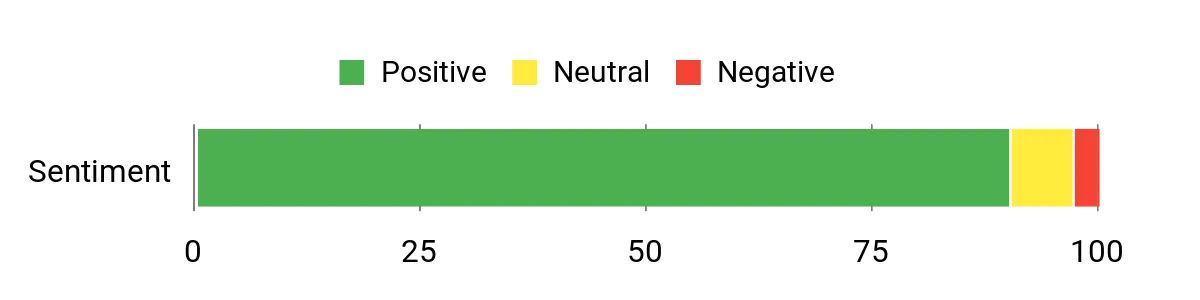
The unusual 1.4x magnification, stabilization and dual-purpose macro/portrait focal length are the key reasons to consider this lens. The SA Control Ring provides additional control over spherical aberration and bokeh character, but it is a specialized feature that not every photographer will need.
Its underlying review sample and methodology were not provided, so it should be treated as directional rather than independently verified.
Long-Term Value
Macro lenses can remain useful for years because their purpose is distinct from standard zooms and everyday primes. This model also doubles as a 100mm portrait lens, which broadens its usefulness beyond close-up subjects.
Return on Investment
The practical value is strongest for photographers who regularly shoot products, food, flowers, insects, jewelry or other small subjects and can make use of the 1.4x magnification. Buyers who only want an occasional close-up may not need such a specialized lens.
Situational Benefits
|
Situation |
How It Helps |
|---|---|
|
Macro Photography |
Up to 1.4x magnification lets you fill the frame with very small subjects without relying on extension tubes. |
|
Portraits |
The 100mm focal length and f/2.8 aperture provide useful working distance and subject separation for portraits. |
|
Handheld Close-Ups |
Built-in Optical IS and Hybrid IS support handheld shooting, although stabilization becomes less effective as magnification increases and careful technique remains important. |
|
Video and Hybrid Shoots |
Dual Nano USM provides smooth autofocus operation, while stabilization can help when capturing handheld details. |
Versatility
The lens moves between high-magnification macro work, product photography and portrait shooting more easily than a highly specialized manual-focus macro lens.
Aesthetic
The 100mm focal length naturally provides a narrower field of view than standard primes, while the f/2.8 aperture and close-focusing ability give photographers substantial control over subject separation.
Innovation
The combination of 1.4x maximum magnification, autofocus, Hybrid IS and an SA Control Ring distinguishes this lens from more conventional 1:1 macro designs.
Problem Solving
It lets photographers move beyond 1:1 magnification without adding extension tubes while retaining autofocus and stabilization. At very high magnification, however, depth of field remains extremely shallow and careful focusing technique is essential.
Travel
At approximately 730 g, it is heavier than compact primes but manageable for dedicated macro trips. Its ability to double as a portrait lens can reduce the need to pack another short telephoto.
Key Benefits
- Up to 1.4x maximum magnification
- 100mm f/2.8 design suitable for macro and portraits
- Built-in Optical IS with Hybrid IS for close-focus work
- Dual Nano USM autofocus
- SA Control Ring for additional control over spherical aberration and bokeh character
Check Current Amazon Availability
FAQ
How Do I Choose The Right Lens?
Start with camera mount compatibility, then identify what you shoot most. Portrait photographers may prioritize a bright prime, sports and event photographers often need telephoto reach and autofocus speed, landscape photographers may prefer a wide-angle zoom, and macro photographers need high magnification and short minimum focusing distances.
Also consider weight, stabilization, maximum aperture and how often you will realistically carry the lens. Renting or trying an expensive lens before buying can help you determine whether its handling suits your camera and shooting style.
Can I Use A Canon RF Lens On A Sony Camera?
Not natively. The Canon lenses in this roundup are designed for Canon RF-mount cameras, while the Sony lenses use Sony E-mount. Do not assume that two mirrorless lenses are interchangeable simply because both are designed for full-frame cameras.
Is Image Stabilization Necessary?
Image stabilization is especially useful when shooting handheld at slower shutter speeds, with longer focal lengths, during close-up work or while recording handheld video. It does not freeze subject movement, so action photography can still require a sufficiently fast shutter speed.
Also distinguish between in-lens stabilization and in-body image stabilization (IBIS). Some lenses in this roundup have built-in optical stabilization, while others depend on a compatible camera body.
Will These Lenses Work With My Camera?
Check the mount first. The Sony FE 70-200mm F2.8 GM OSS II and Sony FE 50mm F1.2 GM use Sony E-mount. The Canon RF15-35mm F2.8 L IS USM, Canon RF50mm F1.8 STM and Canon RF100mm F2.8 L Macro IS USM use Canon RF mount.
After confirming the mount, check your camera manufacturer’s compatibility information for autofocus, stabilization, firmware and other body-specific features.
Do I Need F1.2 Or F2.8 For Low-Light Photography?
A wider aperture can allow more light to reach the sensor and can help you use faster shutter speeds or lower ISO values. However, extremely wide apertures also produce shallower depth of field. The right choice depends on how much of the scene you need in focus and whether the subject is moving.
Customer Preferences
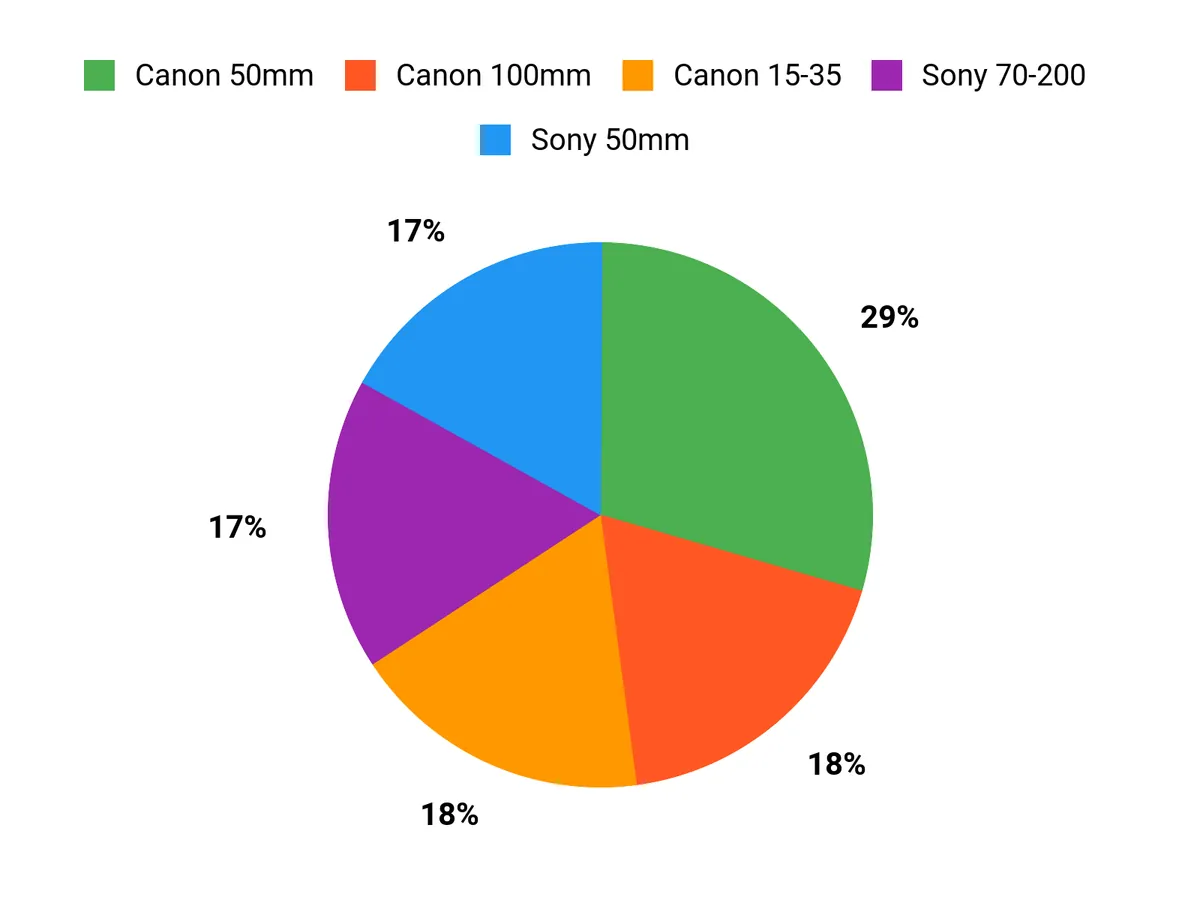
Your best match depends more on use case and camera system than on a universal ranking. Sony E-mount photographers who need telephoto reach can look toward the Sony FE 70-200mm F2.8 GM OSS II, while those prioritizing a very bright standard prime may prefer the Sony FE 50mm F1.2 GM.
Canon RF users needing an ultra-wide professional zoom can consider the RF15-35mm F2.8 L IS USM. The RF50mm F1.8 STM emphasizes portability and simplicity, while the RF100mm F2.8 L Macro IS USM is the specialized option for high-magnification close-up work.
Wrapping Up
If you shoot sports, events or portraits on Sony E-mount and regularly need telephoto reach, the Sony FE 70-200mm F2.8 GM OSS II combines a useful professional zoom range with a constant f/2.8 aperture and built-in stabilization. Sony shooters who care more about low-light capability and shallow depth of field at a normal focal length should compare that against the FE 50mm F1.2 GM.
For Canon RF users, the RF15-35mm F2.8 L IS USM is the wide-angle specialist, while the RF50mm F1.8 STM is far smaller and better suited to lightweight everyday use. The RF100mm F2.8 L Macro IS USM serves a different purpose, offering up to 1.4x magnification for photographers who need serious close-up capability.
Do not choose between these lenses by score alone. Confirm your camera mount, identify your most common subject and focal-length need, and then decide whether the lens’s aperture, stabilization and weight solve a problem you actually encounter.
| Product Name | Image | Camera Mount | Focal Length | Maximum Aperture | Image Stabilization | Weight |
|---|---|---|---|---|---|---|
| Sony FE 70-200mm F2.8 GM OSS II |
 |
Sony E | 70-200mm | f/2.8 | Built-in Optical SteadyShot | 1,045 g / 36.9 oz without tripod mount |
| Sony FE 50mm F1.2 GM |
 |
Sony E | 50mm | f/1.2 | No in-lens stabilization | 778 g / 27.5 oz |
| Canon RF15-35mm F2.8 L IS USM |
 |
Canon RF | 15-35mm | f/2.8 | Built-in Optical IS | 840 g / 1.85 lb |
| Canon RF50mm F1.8 STM |
 |
Canon RF | 50mm | f/1.8 | No in-lens stabilization | 160 g / 0.35 lb |
| Canon RF100mm F2.8 L Macro IS USM |
 |
Canon RF | 100mm | f/2.8 | Built-in Optical IS with Hybrid IS | 730 g / 1.6 lb |
This Roundup is reader-supported. When you click through links we may earn a referral commission on qualifying purchases.