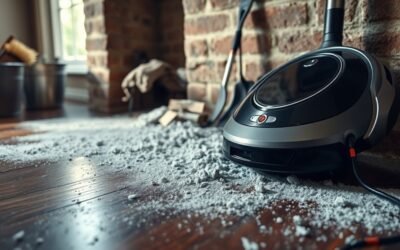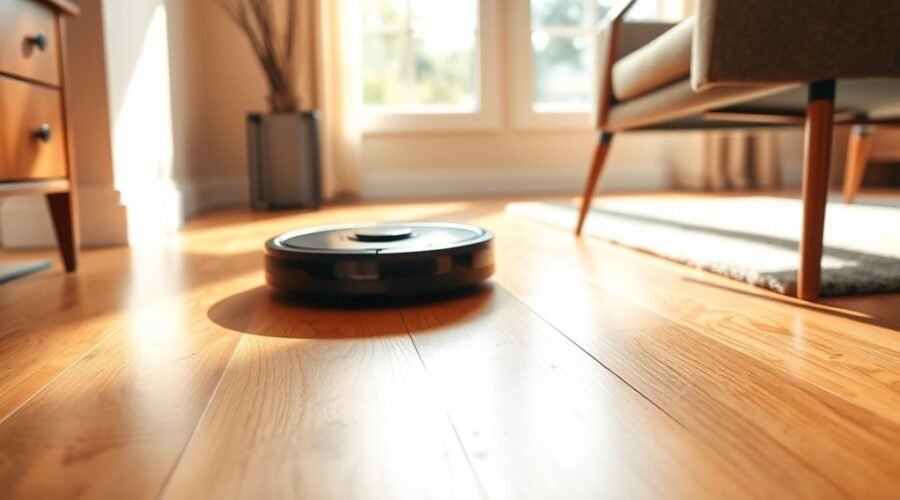
Robot vacuums can scratch hardwood floors, but it is not common when the machine is in good condition. The real risk usually comes from trapped grit, worn wheels, or a front caster that jams and drags. Softer woods can show marks sooner, especially with pet hair and debris involved. Some models are safer than others, and basic upkeep often makes the difference between smooth cleaning and unwanted wear.
Can a Robot Vacuum Scratch Hardwood Floors?
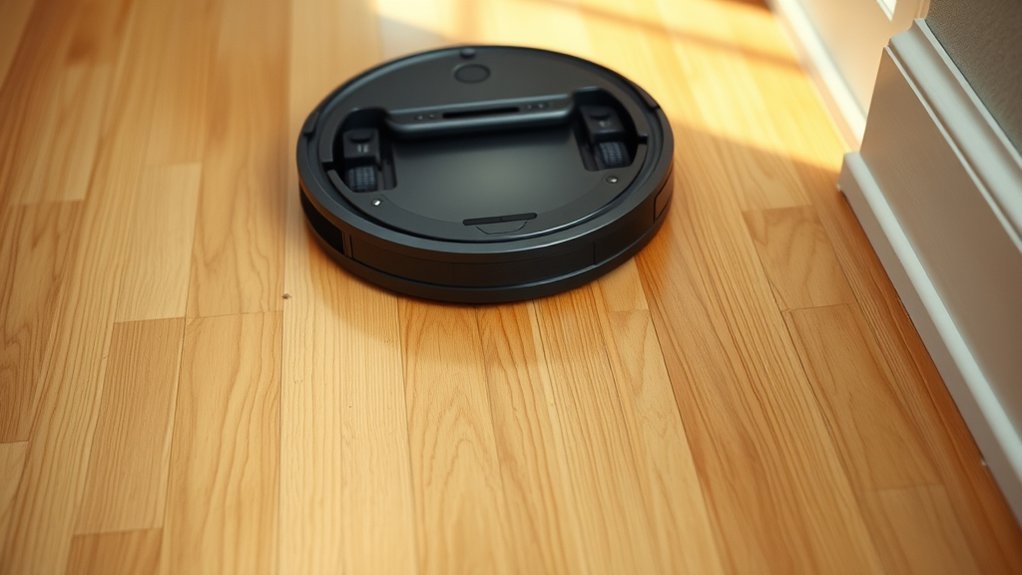
Yes, a robot vacuum can scratch hardwood floors, though it is not common when the machine is properly maintained. Many Robot Vacuums For Hardwood are built with brushes and soft-contact parts intended to reduce surface wear, making them a practical choice for homes that value clean, open living without constant labor.
Still, the front wheel can become a weak point if debris, grit, or hair is allowed to build up around the assembly. When rotation is hindered, the vacuum may drag or pivot unevenly across the floor. Reports also suggest that some hardwoods, including Brazilian cherry and oak, may show marks more readily than others.
Routine upkeep matters. Cleaning the wheel assembly and removing trapped hair helps preserve smooth movement and lowers the chance of damage. With basic care, these machines can support a freer, low-effort home while protecting hardwood surfaces.
What Causes Robot Vacuums to Scratch Hardwood?
Robot vacuums usually scratch hardwood when the front wheel jams and drags dirt or debris across the floor.
Hair and grime around the brush and wheel assembly can block smooth movement, while hard plastic components are more likely than rubber parts to mark delicate finishes.
Regular cleaning of these parts helps reduce the risk of damage.
Wheel Jamming Risks
Wheel jamming is one of the most common ways a robot vacuum can scratch hardwood floors, especially when pet hair, dust, or small debris builds up around the wheels and limits smooth movement. When wheel jamming occurs, the front caster wheel often drags or scrapes, leaving marks. Rubber rear wheels are gentler, but they can still carry grit that scuffs hardwood floors.
| Risk | Effect |
|---|---|
| Front caster jam | Scraping |
| Debris buildup | Reduced control |
| Dirty wheel assembly | Embedded scratches |
| Clogged rear wheels | Circular marks |
Regular cleaning of the wheel assembly helps prevent these problems. A quick inspection before each run keeps movement free, protects the floor’s finish, and supports a cleaner, more independent home routine.
Dirty Brush Assembly
A dirty brush assembly can become a hidden source of hardwood scratches when hair, dust, and small debris build up around the rollers and bristles.
In a dirty brush assembly, rotation may slow, and the vacuum can begin to drag instead of glide, increasing contact with hardwood floors. Embedded grit can act like sandpaper, marking surfaces during normal cleaning.
Hair wrapped around the wheels can also restrict movement, causing the machine to scrape as it turns or changes direction.
Frequent cleaning of the brush assembly, including the front swivel wheel area, helps keep motion smooth and protects hardwood floors.
Regular maintenance supports better pickup, steadier travel, and less risk of unnecessary wear, giving users more control over floor care.
Hard Plastic Components
Hard plastic components can be a common cause of scratches on hardwood floors because their rigid surfaces do not flex easily when debris gets trapped underneath.
| Component | Risk | Fix |
|---|---|---|
| Rear wheels | Dirt can grind against hardwood floors | Clean often |
| Front caster | May drag if blocked | Clear debris |
| Wheel housing | Hard plastic can scuff surfaces | Inspect regularly |
Hard plastic wheels are especially prone to marking hardwood floors when they jam or collect grit. Rear wheels often trap dirt, while the front caster may become obstructed and scrape as it rolls. Regular maintenance helps keep the machine free and moving smoothly. Some users choose softer rubber wheels to reduce contact damage and gain more freedom from worry.
Which Hardwood Floors Show Damage Fastest?
Damage often appears fastest on softer woods such as Brazilian cherry and pine, which can show circular scratches more quickly under a robot vacuum.
Engineered and antique hardwood can also wear visibly in high-traffic areas, especially when repeated passes create swirling marks.
Finish type matters too, since satin-finished oak has been reported to show permanent scuffs sooner than more durable surfaces.
Soft Wood Risks
Softwood floors such as pine and cedar tend to show robot vacuum scratches fastest because their softer grain structure is more easily marked over time.
On these soft wood surfaces, even light contact can leave visible lines that gradually weaken the look of hardwood floors.
Antique hardwood can also be vulnerable, especially when robot wheels catch hair or debris and drag across the boards.
Brazilian cherry and engineered flooring may reveal circular scuffs sooner than harder species, while real oak with satin finishes can show lasting wear from routine passes.
Regular wheel cleaning helps reduce risk, yet maple and hickory usually resist damage better.
For households seeking freedom from constant upkeep, choosing harder wood and keeping vacuums maintained offers the best balance.
Finish Type Matters
Beyond wood species, the finish on a hardwood floor often determines how quickly robot vacuum marks become visible. A finish type can make hardwood floors look worn sooner or later. Satin and matte surfaces usually reveal scuffs faster because they scatter light and expose light scratching. Glossy coatings can hide minor contact better, though they are not invincible.
| Finish type | Visible wear |
|---|---|
| Matte | Fast |
| Satin | Fast |
| Glossy | Slower |
| Antique finish | Very fast |
| Low-quality finish | Fastest |
Dust and grit increase risk, especially on delicate antique hardwood floors. Softer woods still scratch more easily than oak or hickory. Keeping vacuum wheels clean and replacing worn parts helps protect finish type and preserve hardwood floors from avoidable damage.
How Does Pet Hair Increase Scratch Risk?
Pet hair can increase the scratch risk by wrapping around a robot vacuum’s wheels and interfering with smooth movement.
On hardwood floors, that buildup can jam the wheels, force uneven rolling, and make the machine drag or scrape instead of glide. As pet hair accumulates, rotation becomes less consistent, so debris may be missed and extra friction can develop at contact points.
That friction is what raises the chance of scuffs and deeper marks, especially when the vacuum keeps running without attention. Regular wheel checks and quick removal of tangled hair help preserve cleaner motion and reduce surface damage.
Neglecting these small maintenance steps can also let minor resistance grow into lasting harm, and users have reported permanent damage when clogged components were ignored.
For households seeking easier, more independent cleaning, routine care remains a practical safeguard against scratches.
Which Robot Vacuums Are Safest on Hardwood?
When choosing a robot vacuum for hardwood floors, models built with surface protection in mind are the safest option.
Among Vacuums For Hardwood Floors, the Roborock Qrevo Curv, Roborock Qrevo Curv 2 Flow, and Dreame X60 Max Ultra stand out because they use non-scratching brushes and careful navigation to reduce contact that can mark wood.
Among hardwood vacuum choices, the Roborock Qrevo Curv, Qrevo Curv 2 Flow, and Dreame X60 Max Ultra help protect floors.
Roborock models also rely on rubber wheels, which are less likely to scuff surfaces than hard plastic wheels that may scratch if they jam.
User reports also point to the Shark UV Reveal and Eufy C28 as reliable choices for homes that need strong pet-hair pickup without floor damage.
In practice, the safest picks are usually those tested on hardwood and recognized for gentle handling.
Regular upkeep matters too: cleaning the front caster wheel helps prevent grit buildup and keeps movement smooth.
For households seeking freedom from worry, these models offer solid cleaning with lower scratch risk.
What Features Protect Hardwood Floors?
Robot vacuums that are designed for hardwood floors often include brushes made to avoid scratching and rubber rear wheels that are less likely to collect debris and scuff the surface.
These details help a household maintain hardwood floors without unnecessary wear while keeping daily cleaning simple and independent. Smart navigation adds another layer of protection by using advanced obstacle detection to steer around furniture, walls, and other hazards before a collision can mark the finish.
Some models also use soft bumpers and adjustable cleaning modes, allowing gentler passes on delicate surfaces when needed. Even so, the front caster wheel should stay clean and move freely, because a jammed wheel can drag grit across the floor.
With the right build and regular upkeep, a robot vacuum can clean effectively while respecting the room’s finish. Consumers seeking freedom from manual sweeping benefit most from models that combine careful materials, responsive navigation, and floor-friendly settings.
How Do You Clean the Front Wheel Assembly?
Even well-designed hardwood-safe models need routine care at the front wheel assembly, since dirt and pet hair can collect there and interfere with smooth rotation.
When the robot vacuum is turned over, the wheel assembly is easy to inspect and remove by hand for a thorough cleaning. A quick wipe or careful pullout can clear away debris that might otherwise drag across hardwood and leave marks.
The goal is simple: keep the wheel moving freely so the vacuum tracks evenly instead of skidding. Regular cleaning also helps the machine run more smoothly over time and supports a longer service life.
For households seeking practical upkeep without hassle, this small task offers real payoff. A clean front wheel assembly reduces the chance of scratching, preserves hardwood floors, and helps the vacuum stay reliable with minimal effort.
What Maintenance Prevents Hardwood Damage?
Routine maintenance is the most reliable way to prevent a robot vacuum from damaging hardwood floors. A quick inspection before each run helps protect every hard floor by keeping the front swivel wheel assembly clear of grit, pet hair, and tangled debris.
When the wheel turns freely, the vacuum moves smoothly instead of dragging particles that can leave marks. Flipping the unit over periodically allows brushes and wheels to be cleaned, which supports better pickup and reduces abrasive buildup.
Rubber wheels are preferable to hard plastic because they grip without being overly harsh on wood surfaces. It also helps to limit unattended use on hardwood, since long cleaning sessions can increase wear if debris is still present.
Consistent maintenance gives the machine the freedom to operate efficiently while reducing the chance of avoidable scratches.
When Is a Robot Vacuum Worth It?
A robot vacuum is worth considering when consistent floor cleaning matters more than occasional manual effort. For households with hardwood floors, it can deliver steady upkeep and free time for other priorities.
Many robot vacuum models use rubber wheels and specialized brushes that help lower scratch risk while collecting everyday dust, crumbs, and pet hair. That makes them appealing for people who want cleaner rooms without lifting a full-size machine.
- Daily debris removed with little effort
- Gentle parts suited to many finishes
- Best for busy homes and frequent messes
- Requires cleaning of the swivel wheel assembly
- Less ideal on delicate wood types
The choice still depends on flooring type, traffic level, and maintenance habits. When the user is willing to check for buildup and accept small risks, automation can support a more liberated routine.
When floors are fragile or upkeep is neglected, manual cleaning may remain the safer option.
Frequently Asked Questions
What Are the Downsides of Using a Robotic Vacuum Cleaner?
Robotic vacuum cleaners can scratch floors, jam on debris, miss corners, require frequent maintenance tips, and need floor protection planning. They may struggle on rugs, stairs, or pet hair, and cheaper models often clean less thoroughly.
What Vacuum Will Not Scratch Hardwood Floors?
Models with rubber wheels, soft brushes, and smart navigation are least likely to scratch hardwood floors, including Roborock, Dreame, and Eufy options. For floor protection, regular cleaning tips and wheel maintenance matter most.
Is It Normal for Hardwood Floors to Get Scratched?
Yes, hardwood floors do get scratched over time, especially in busy homes. Practical floor maintenance tips and scratch prevention include felt pads, gentle cleaning, and timely upkeep, helping preserve the finish and extend floor beauty.
Can Roomba Scratch Hardwood Floors?
Yes, a Roomba may occasionally leave subtle marks on hardwood, especially if debris catches the caster wheel. Sensible robot vacuum safety and routine hardwood floor maintenance usually keep surfaces gracefully untroubled, allowing worry-free, liberated cleaning.
Conclusion
To sum up, a robot vacuum can scratch hardwood floors, but the risk is usually low with the right model and routine care. Soft wheels, gentle brushes, and regular cleaning help keep damage at bay. Softer woods like Brazilian cherry can show marks sooner, so extra caution is wise. With a little upkeep, a robot vacuum can be a helpful home assistant, not a bull in a china shop, for busy households.