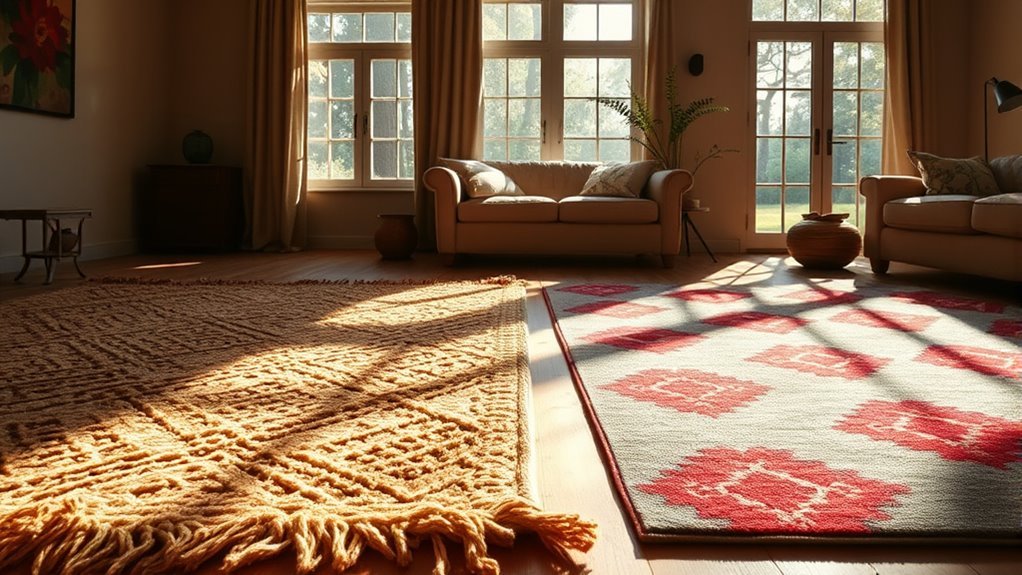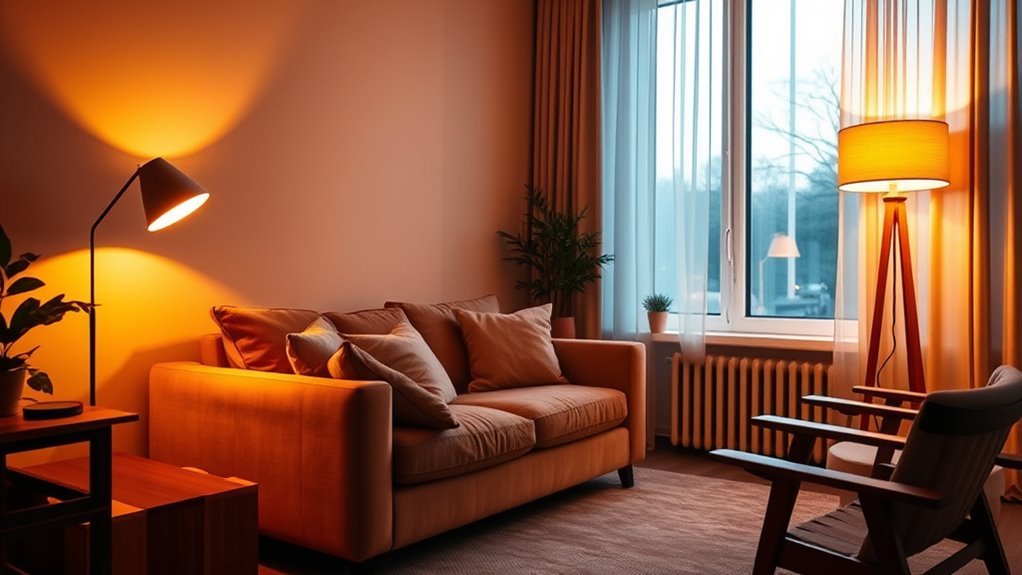
Window glare can turn a calm living room into a bright, hard-to-use space. It can strain your eyes, wash out your TV screen, and make reading less comfortable. To reduce window glare in your living room, combine window film, adjustable blinds, light-filtering curtains, soft wall colors, outdoor shade, and smart furniture placement.
Quick Answer
You can reduce window glare by controlling how much sunlight enters the room and how surfaces reflect it. Start with window film, adjustable blinds, or light-filtering curtains. Then use light wall colors, outdoor shade, and furniture placement to soften direct sun throughout the day.
Key Takeaways
- Use window film to cut glare while keeping much of your natural light.
- Choose adjustable blinds or layered curtains so you can control light by time of day.
- Use matte finishes and soft wall colors to limit harsh reflections.
- Add trees, awnings, or exterior shades to block strong sun before it reaches the glass.
- Move seating and screens away from direct sun paths for better comfort.
Why Window Glare Matters in Your Living Room

Harsh window glare makes your living room less comfortable, especially when you read, work, or watch TV. Bright light can strain your eyes and make screens harder to see.
Strong sunlight can also fade fabrics, rugs, wood finishes, and artwork over time. Good light control protects your room while keeping it bright and welcoming.
How to Install Window Films for Effective Glare Reduction
Window film can reduce glare without blocking your view as much as heavy curtains. Before you begin, choose a film that matches your privacy, heat control, and light needs.
Recommended Products

Stop Closing Curtains All Day: Turns your windows into a one-way mirror during daylight: nosy neighbors, passersby and delivery drivers see only their reflection, while you enjoy crystal-clear views of birds, trees and the outdoors. Note: Draw curtains at night for full privacy when indoor lights are on. Perfect for ground-floor homes, street-facing bedrooms and busy offices
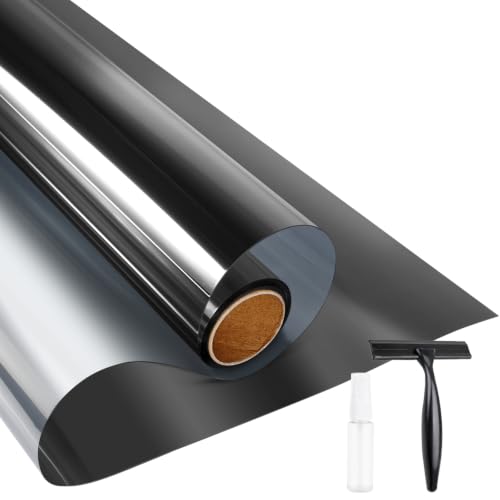
UV BLOCKING & GLARE CONTROL: KESPEN sun blocking window film can effectively block 82% of infrared rays and 90% of UV rays which may hurt your skin, prevent your precious furniture and interior decorations from fading. 12% VLT means that some visible light can enter the room, not only to block the harsh light and reduce glare, but also to maintain your good view

UV Protection, Reduce Glare: By blocking up to 85% of UV rays and 83% of IR rays, this window tint for home helps protect your skin and prevents the fading of interior furnishings. Additionally, it reduces glare, enhancing visual comfort with 28% VLT, making it easier to work or relax
What You’ll Need
- Window film sized for your glass
- Glass cleaner and a lint-free cloth
- Spray bottle with clean water
- Squeegee or flat plastic applicator
- Sharp utility knife
- Measuring tape
Estimated total time: Plan about 30 to 60 minutes per window, depending on size and experience.
Choosing The Right Film
Select a window film that cuts glare while keeping the room comfortable. Tinted and reflective films often block more glare, while lighter films keep the room brighter.
Look for ultraviolet (UV) protection if you want to help reduce fading on furniture, flooring, and decor. Check the film label for visible light transmission, glare reduction, and UV protection before you buy.
Step-By-Step Installation Process
Follow the product instructions that come with your film, since brands can differ. These basic steps help you avoid bubbles, crooked edges, and peeling.
- Measure your windows so you can cut the film to the correct size.
- Clean the glass with glass cleaner and a lint-free cloth until no dust, oil, or streaks remain.
- Spray the glass with clean water so the film can slide into position.
- Peel the backing from the film and align one edge with the window.
- Smooth the film with a squeegee from the center toward the edges.
- Trim extra film carefully with a sharp utility knife.
- Let the film cure before you clean the window again.
Pro tip: Apply window film on a clean, calm day so dust and heat don’t make the job harder.
Common Window Film Mistakes to Avoid
Don’t install film on dirty glass, because dust can leave bumps under the surface. Avoid stretching the film, since stretched sections may wrinkle or lift later.
Use caution with dual-pane or specialty glass. Some films can trap heat, so check the film maker’s guidance before you install them on insulated windows.
Choosing the Right Blinds and Curtains to Combat Glare
Blinds and curtains give you the most flexible glare control. You can adjust them during the day as the sun moves across the room.
Recommended Products

【Filter Harsh Sunlight While Preserving Your View】Tired of glare and heat without losing your outdoor scenery? Our sheer Light Filtering Roller Shades feature a unique woven texture that reduces strong sunlight, cools your room naturally, and lets in soft, pleasant light—so you can still enjoy the view outside without squinting or overheating.

This roman shade features a beautifully textured linen blend fabric in a soft white tone creating a natural look and feel, while the lightweight fabric lets the right amount of light into your home for a bright, yet soft and airy touch

【Linen Fabrics】Made from high-quality linen fabric, our light filtering shades are designed to be soft and skin-friendly, transparent to light, opaque to sight. Perfect for creating a cozy and peaceful atmosphere in any room. The fabric is precisely cut with a laser without any rough edges. Linen fabric is predominantly made from natural linen fibers, which are completely natural and odor-free, providing you a more comfortable and enjoyable environment.
Types of Blinds Available
The best blinds for glare let you soften light without making the room feel dark. Consider these practical options:
- Cellular shades: Their honeycomb design softens light and can add insulation.
- Venetian blinds: Adjustable slats let you redirect sunlight while keeping some outdoor views.
- Roller shades: Different fabric opacities help you balance brightness, privacy, and glare control.
You can also pair blinds with window film for stronger control on very bright windows. This works well for south- and west-facing rooms.
Curtain Fabric Considerations
Choose curtain fabrics that match how much light you want to keep. Light-filtering fabrics soften sunlight while keeping the room open and bright.
Darker or blackout fabrics block more light, but they can make the space feel closed in during the day. Layered curtains give you more control, since you can use sheer panels for daytime and heavier panels when glare peaks.
Choosing Light Colors for Walls to Minimize Glare
Wall color changes how sunlight feels in your living room. Soft whites, warm neutrals, pale grays, and muted pastels can spread light more evenly.
Avoid glossy paint near bright windows, because shiny finishes reflect light and can make glare worse. Choose matte or eggshell finishes when you want a softer look.
- Reduce sharp contrast: Soft wall colors make bright sunlight feel less harsh.
- Support natural light: Pale tones help the room stay bright without extra lamps.
- Create a larger feel: Light colors can make smaller rooms feel more open.
Adding Outdoor Shade With Trees and Awnings
Outdoor shade blocks harsh sun before it hits your windows. This can reduce glare inside while keeping your living room cooler and more comfortable.
Deciduous trees work well near sunny windows because their leaves shade glass in warm months. In colder months, bare branches let more sunlight reach the room.
Awnings, exterior shades, and pergolas can also help on windows that get strong afternoon sun. Choose a size and angle that shade the glass without making the room too dark.
Recommended Products

Easy to Install: Our awnings for windows come with clear instructions and pictures that make assembly and installation a breeze. Save time and effort with hassle-free installation process. We recommend having two people for the installation process

Efficient Drainage Design: Designed with an upgraded directional drainage sink, this polycarbonate door awning quickly guides rainwater away from your entrance. From light drizzles to heavy downpours, it keeps your doorway clean, dry, and slip-free
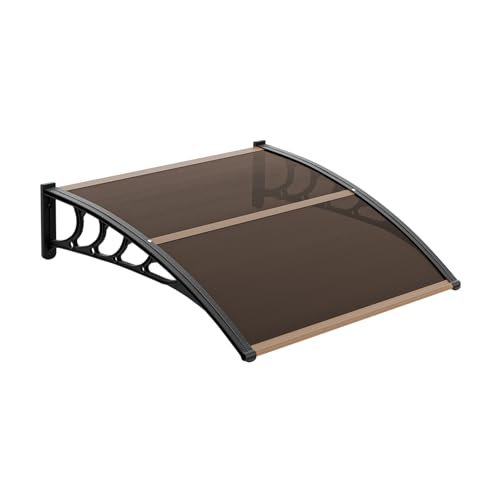
Easy to Install: Our awnings for windows come with clear instructions and pictures that make assembly and installation a breeze. Save time and effort with hassle-free installation process. We recommend having two people for the installation process
Rearranging Furniture for Better Light Management

Furniture placement can change how glare affects your daily routine. Start by watching where sunlight lands in the morning, midday, and late afternoon.
Move sofas, chairs, and desks out of direct sun paths when possible. Place TV screens at an angle to windows so light does not reflect straight back at you.
- Position seating away from direct sunlight so the room feels more comfortable.
- Choose matte or low-sheen furniture finishes to limit reflected light.
- Angle chairs and screens away from windows to reduce eye strain.
Note: Test furniture placement at the brightest time of day before you make permanent changes.
How to Reduce Screen Glare in a Living Room
Screen glare often comes from windows opposite or beside the TV. Angle the screen away from the brightest window, or move the seating area so sunlight does not hit the display.
You can also use light-filtering shades during the day and task lamps at night. This keeps the room comfortable without making the TV area too dark.
Frequently Asked Questions
How Do You Reduce Glare on Windows Without Blocking All Light?
Use light-filtering shades, sheer curtains, or low-tint window film. These options soften strong sunlight while keeping the room bright enough for daily use.
What Causes Indoor Glare in a Living Room?
Indoor glare comes from direct sunlight, shiny surfaces, pale flooring, glass tables, and screen reflections. You can reduce it by controlling the window light and choosing matte surfaces.
What Can You Put Over Windows to Make Them Less Reflective?
You can use window film, roller shades, cellular shades, curtains, or blinds. For the best control, combine one fixed option, such as film, with one adjustable option, such as blinds.
How Do You Block Light From Windows Cheaply?
Use tension rods with light-filtering curtains, removable paper shades, or budget roller shades. You can also rearrange furniture and remove shiny decor from direct sun paths.
Can Window Film Damage Glass?
Some films may not suit insulated, tinted, or specialty glass. Check the film maker’s instructions and your window warranty before installation.
Conclusion
The best way to reduce window glare is to control light at the glass, soften it in the room, and adjust your layout. Start with the brightest window and add one solution at a time, such as film, blinds, curtains, or outdoor shade.
Small changes can make your living room easier to read in, relax in, and enjoy. With the right mix of treatments and placement, you can keep the sunlight without the strain.