
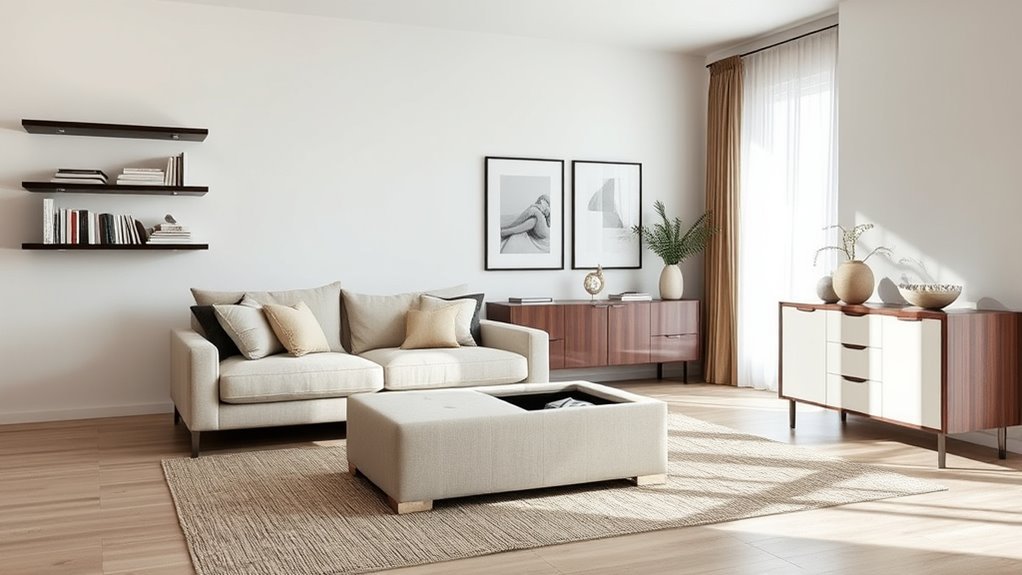
Creating a seasonal decor plan for your living room does not mean filling every shelf, table, and corner with themed pieces. The cleanest approach is to choose a small color palette, decorate only a few high-impact zones, use functional accents, and store the rest with intention. With a simple rotation system, your living room can feel fresh for spring, summer, fall, and winter while still staying calm, useful, and easy to maintain.
Quick Answer
To create a seasonal living room decor plan without clutter, decorate three main zones, limit your palette to 3-5 colors, choose one anchor piece per zone, and rotate small accents like pillows, throws, branches, candles, or art. Store off-season items in labeled bins so each update feels intentional.
Key Takeaways
- Start by removing visual clutter before adding seasonal decor.
- Decorate only 2-3 focal areas, such as the coffee table, mantel, sofa, or entry console.
- Use a neutral base with a small seasonal accent palette so the room feels cohesive.
- Choose functional decor, such as trays, baskets, throws, lamps, and storage ottomans.
- Use natural elements thoughtfully, and follow basic candle, fragrance, and indoor-air safety guidance.
At a Glance
| Time Required | 45-90 minutes for a full seasonal refresh |
| Difficulty | Easy |
| Tools Needed | Storage bin, labels, tray, basket, pillow covers, throw blanket, vase, and soft cloth for cleaning surfaces |
| Cost | $0-$75 if you reuse existing pieces and update only small accents |
Start With a Living Room Decor Edit
Before you add anything seasonal, clear the room first. Remove extra objects from the coffee table, mantel, side tables, shelves, and entry console. Then sort each item into three groups: keep on display, store for another season, or donate if you no longer enjoy it.
This step matters because seasonal decor looks best when it has breathing room. A room with too many year-round accessories will feel busier once pumpkins, greenery, candles, garlands, or holiday pillows are added.
A clutter-free seasonal room usually comes from editing first, not buying more decor.
Use this quick rule: if a surface already has three decorative items, remove one before adding anything seasonal. The goal is not an empty room; it is a room where every piece has a reason to be there.
Identify Your Seasonal Color Palette
A seasonal color palette gives your living room a fresh mood without requiring a full makeover. Start with your existing foundation colors: sofa, rug, walls, curtains, wood tones, and metal finishes. Then choose 1-2 seasonal accent colors that work with what you already own.
For fall, warm rust, ochre, olive, caramel, and brown feel natural. For winter, ivory, evergreen, navy, silver, charcoal, and soft blue can create a calm look. Spring often works well with sage, blush, butter yellow, and fresh white. Summer can feel lighter with linen, sand, sky blue, citrus, or soft coral.
Limit the palette to 3-5 colors total, including neutrals. For example, a fall palette might be cream, tan, rust, olive, and walnut. A winter palette might be white, charcoal, evergreen, and brass. This keeps the room coordinated instead of crowded.
Pro Tip: If you are unsure which colors to choose, repeat one color already in the room. A pillow that echoes your rug, artwork, or wood tone will look more intentional than a random seasonal color.
Select Key Areas for Impactful Seasonal Decor
Instead of decorating every corner, choose 2-3 high-impact areas. These are the places your eye naturally lands when you walk into the living room. The best zones are usually the coffee table, mantel, sofa, shelves, sideboard, media console, or entry table.
For each zone, use one anchor piece and one or two accents. This keeps the display full enough to feel seasonal but simple enough to stay uncluttered.
| Living Room Zone | Anchor Piece | Low-Clutter Seasonal Accent |
|---|---|---|
| Coffee table | Tray, bowl, or stack of books | Small vase, candle, pinecones, or seasonal beads |
| Mantel | Mirror, artwork, or large vase | Garland, branches, taper candles, or simple wreath |
| Sofa | Existing pillows | Two seasonal pillow covers and one throw |
| Shelves | Books, framed art, or pottery | One seasonal object per shelf group |
| Entry console | Lamp, tray, or catchall bowl | Small vase, framed print, or seasonal stems |
Use Natural Materials for Seasonal Decor
Natural materials help a living room feel warm without relying on piles of themed decorations. Wood, stone, linen, cotton, wool, rattan, dried stems, branches, pinecones, and greenery all add texture while staying versatile across seasons.
The key is restraint. A single vase of branches, a woven basket, or a bowl of pinecones can suggest the season without covering every surface.
Recommended Products

🌾Premium Natural Materials: This bouquet features a harmonious blend of pampas grass, soft cotton stems, bunny tails, lavender, wheat, and eucalyptus, carefully selected for their quality and beauty.
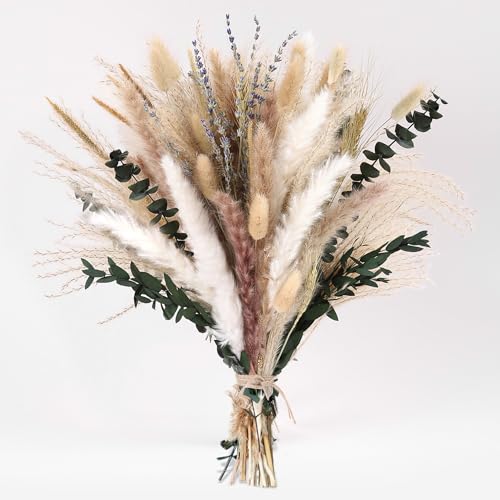
Exquisite Floral Selection:92 pcs 9 styles pampas grass bouquet,including 30 bunny tails,15purple lavender ,8 Natural pampas grass 15qilin grass ,6dried wheat ,10reed pampas grass ,5white pampas grass ,2eucalyptus ,1small eucalyptus,Each flower brings its unique charm,you can match it with different dried pampas floral bouquets according to your preference

Versatile Decoration: Golden natural wheat stalks are suitable for home decoration and outdoor decoration, dried wheat can embellish your living room, kitchen and bedroom. Wheat straw are used as decoration for vintage gift shops, restaurants and stores.Dried wheat stalks bring a unique and natural style and unexpected beautiful surprises to the house
Embrace Organic Textures
Organic textures create depth in a room that might otherwise feel flat. Pair smooth ceramics with rough wood, soft throws with woven baskets, and matte stone with glass or metal. These contrasts make a small number of items feel more interesting.
Use texture more than novelty. A chunky knit throw can work in fall and winter. A linen pillow cover can work in spring and summer. A wood tray can stay out all year and hold different seasonal accents.
Incorporate Seasonal Foliage
Seasonal foliage is one of the easiest ways to refresh a living room. In spring, use tulips, budding branches, or soft greenery. In summer, try eucalyptus, fern clippings, or simple garden stems. In fall, use dried grasses, maple branches, or berry stems. In winter, use evergreen clippings, white branches, or dried seed pods.
If you use live houseplants as part of your decor, match them to the room’s light and temperature. The University of Wisconsin Extension notes that light and temperature are two of the most important factors when placing houseplants indoors.
Note: Check whether plants, berries, dried pods, or branches are safe for children and pets before displaying them. Keep natural materials dry, shake off loose dirt outdoors, and avoid collecting from protected parks or private property.
Use Recyclable and Reusable Materials
Sustainable seasonal decorating starts with using less, not just recycling more. The U.S. Environmental Protection Agency’s waste management hierarchy places source reduction and reuse above recycling, so the best first step is to shop your own home.
Reuse glass jars as candle holders, turn a serving bowl into a coffee table centerpiece, or fill an existing basket with folded throws. If you buy something new, choose pieces that can serve more than one season: plain linen pillow covers, a neutral vase, a wood tray, or a washable throw.
Recycled glass, metal containers, secondhand frames, washable fabric scraps, and durable baskets can all work well. Avoid buying single-use novelty decor that you will not want to store or display again.
Choose High-Quality, Meaningful Decor Pieces
A clutter-free living room does not need many decorations. It needs the right decorations. Choose pieces that carry a memory, support the room’s palette, or serve a clear purpose.
Recommended Products

Capture Your Memories: From the faces of your loved ones to great times with friends and family get-togethers, this collage photo frame lets you display an array of wonderful moments. It features 12 frames, each perfectly sized for 4x6 photos

【Durable Material】Our collage frame is made of well made wood frame. Comes with a plastic cover, which provides a clear view of photos and is lighter than glass. No need to worry about hurt by glass broken.

【Durable Material】Our collage frame is made of well made wood frame. Comes with a plastic cover, which provides a clear view of photos and is lighter than glass. No need to worry about hurt by glass broken.
Prioritize Personal Significance
Personal pieces make seasonal decor feel less like a store display. A framed family photo, handmade bowl, heirloom candle holder, travel souvenir, or local artwork can stay in the room year-round while smaller accents change around it.
Before adding a new seasonal item, ask: “Will I want to display this again next year?” If the answer is no, skip it. Fewer meaningful pieces usually look better than many small decorations that only match a theme.
Invest in Quality Items
High-quality pieces reduce the urge to keep replacing decor every season. Focus on durable materials, classic shapes, and accents that layer easily with what you already own.
| Decor Type | What to Look For | Why It Prevents Clutter |
|---|---|---|
| Statement artwork | A piece you love in colors that suit the room | It creates a focal point without needing many small objects |
| Natural wood furniture | Warm tone, sturdy construction, simple silhouette | It works with every seasonal palette |
| Luxurious textiles | Washable linen, cotton, wool, or durable blends | Pillow covers and throws refresh the room without bulky storage |
| Elegant lighting | Table lamps, sconces, lanterns, or flameless candles | Lighting changes the mood without adding surface clutter |
Embrace Timeless Designs
Timeless decor gives you a stable base so seasonal accents can stay small. Neutral upholstery, simple curtains, natural fiber rugs, classic lamps, and clean-lined tables all make it easier to rotate colors and textures.
Instead of buying a full set of themed decorations, update one or two things: pillow covers, a throw, stems in a vase, a mantel garland, or a coffee table bowl. This keeps the room current without making it feel like a temporary display.
Simplify With Functional Decor
Functional decor is the easiest way to keep a living room attractive and organized. Choose pieces that look good and solve a problem.
- Stylish storage baskets: Use them for blankets, magazines, toys, games, or pet items.
- Seasonal textiles: Swap pillow covers and throws instead of storing bulky themed pillows.
- Multi-use furniture: Use an ottoman with hidden storage or a coffee table with drawers.
- Trays: Group remotes, coasters, candles, and small accents so the surface feels intentional.
- Wall hooks and shelves: Add storage without crowding tables or walkways.
For a coffee table, keep the formula simple: one tray, one useful item, one natural element, and one seasonal accent. For example, use a wood tray, a small stack of books, a vase of branches, and a candle. If the table still feels crowded, remove the smallest item first.
Recommended Products

Reinforced Built-in Handles - Features thickened seamless integrated handles with multilayer woven construction for strong load-bearing. Smooth edge design avoids snagging clothes. Soft grip allows easy carrying from room to room.

Soft Material : Made up of cotton, which is soft and never scratches the skin, yet sturdy as plastic, makes it suitable for home use, especially for storing blankets, clothes, toys or maybe pet toys

【NATURAL COTTON ROPE DESIGN | SOFT & DURABLE】 Made with natural cotton rope, this woven storage basket features a soft texture without plastic materials or harsh chemicals. The gentle rope construction is safe for family use, while the durable handwoven design helps the basket maintain its structure and provides long-lasting everyday storage.
Rotate Decor Seasonally for Freshness
Seasonal rotation keeps your living room fresh without creating extra storage problems. Limit each seasonal refresh to five to seven swap-in pieces. This might include two pillow covers, one throw, one vase filler, one framed print, one candle, and one mantel accent.
Use one labeled bin per season if you have the space. If storage is limited, use one all-season decor bin and separate items with labeled pouches or fabric bags. Keep delicate pieces wrapped, and store candles away from heat so they do not warp.
| Season | Palette Ideas | Low-Clutter Accents |
|---|---|---|
| Spring | Sage, blush, cream, soft yellow | Fresh stems, light pillow covers, botanical print |
| Summer | White, sand, linen, blue, citrus | Woven tray, linen throw, glass vase, lighter curtains |
| Fall | Rust, olive, tan, brown, ochre | Dried grasses, wood bowl, plaid throw, warm candle |
| Winter | Ivory, evergreen, navy, silver, charcoal | Evergreen stems, flameless candles, knit throw, metallic accent |
Note: Take a quick photo of each finished seasonal arrangement. Next year, you can recreate the look in minutes instead of starting from scratch.
Create Permanent Vignettes for Consistency
A permanent vignette is a small, styled area that stays in the same place year-round. The base stays the same, while the seasonal details change. This gives your living room consistency and makes decorating faster.
- Choose a vignette theme: Use a consistent color, shape, or material, such as warm wood, black metal, brass, ceramic, or woven texture.
- Limit decor items: Use one large piece, one medium piece, and one small accent.
- Rotate seasonal elements: Change the stems, candle, ribbon, small bowl filler, or framed print.
- Keep visual harmony: Repeat one color or material from the vignette elsewhere in the room.
For example, a mantel vignette might include a mirror, two candle holders, and a vase. In spring, fill the vase with budding branches. In fall, use dried grasses. In winter, use evergreen clippings. The shape of the display stays steady while the mood changes.
How to Add Scents and Sounds to Your Decor
Scents and sounds can make a living room feel more seasonal without adding visual clutter. Use them lightly so the room feels comfortable rather than overwhelming.
| Scents | Sounds |
|---|---|
| Fresh citrus, herbs, or simmered spices | Soft instrumental music |
| Lightly used candles or wax melts | Low-volume ambient playlists |
| Freshly baked cookies or bread | Gentle indoor water feature or wind chimes |
If you use candles, follow the U.S. Fire Administration’s candle safety guidance: place candles in stable holders, keep them at least 12 inches from anything that burns, and blow them out when leaving the room or going to bed.
Warning: Do not place lit candles near curtains, greenery, dried branches, books, blankets, paper garlands, or seasonal decor. For shelves, mantels, homes with pets, or homes with children, flameless candles are usually the safer choice.
Use fragrance with care. The EPA notes that volatile organic compounds can be emitted by many household products, including air fresheners. If you use scented candles, diffusers, or sprays, keep the scent subtle, ventilate the room, and avoid heavy fragrance if anyone in the home is sensitive to smells.
If you spray-paint faux stems, branches, or old containers, do it outdoors or in a well-ventilated area. Let the item dry and cure fully before bringing it back into the living room.
Troubleshoot a Room That Still Feels Cluttered
If your living room still feels busy after decorating, the issue is usually quantity, scale, color, or placement.
- Too many small pieces: Replace several tiny objects with one larger bowl, vase, tray, or framed print.
- Too many colors: Remove the accent color that appears only once.
- Too many themes: Choose one seasonal mood, such as cozy fall, fresh spring, or calm winter.
- Flat or boring display: Vary height with a tall vase, medium candle, and low bowl.
- Messy coffee table: Put everything on a tray and remove whatever does not fit.
- Overfilled shelves: Leave at least one open space in each shelf grouping.
When in doubt, remove 20% of the decor and live with the room for a day. Most seasonal rooms look better after one small edit.
Frequently Asked Questions
How do you decorate for the seasons without cluttering the living room?
Choose two or three focal areas, keep your color palette tight, and swap only small accents such as pillow covers, throws, stems, candles, and artwork. Use trays and baskets to contain items, and remove one existing piece before adding a seasonal one.
In what order should you decorate a living room?
Start with furniture placement and traffic flow. Then choose the color palette, arrange lighting, add textiles, style key surfaces, and finish with small seasonal accents. This order keeps the room functional before it becomes decorative.
How many seasonal decorations should I use in a living room?
For most living rooms, five to seven seasonal swaps are enough. Try two pillow covers, one throw, one vase arrangement, one candle or flameless candle, one bowl filler, and one framed print or mantel accent.
What is the easiest seasonal decor to store?
Pillow covers, folded throws, ribbon, small framed prints, faux stems, taper candles, and flat garlands are easier to store than bulky figurines or large themed signs. Choose flexible pieces that can work for more than one season.
How do I make seasonal decor look elegant instead of themed?
Use seasonal colors, textures, and natural materials instead of too many literal objects. For example, choose rust pillows and dried grasses for fall rather than filling the room with pumpkins. In winter, use evergreen stems, warm lighting, and soft textiles instead of cluttering every surface.
Conclusion
A seasonal decor plan works best when it is simple, repeatable, and personal. Start by editing the room, choose a small palette, decorate only a few focal zones, and rely on functional pieces like trays, baskets, throws, lighting, and vases. Natural textures, meaningful decor, safe scents, and a labeled storage system will keep your living room fresh each season without creating clutter.
Sources
- U.S. Environmental Protection Agency: Sustainable Materials Management Hierarchy — supports the reduce, reuse, recycle guidance.
- U.S. Fire Administration: Candle Fire Safety — supports candle placement, open-flame, and flameless candle safety tips.
- U.S. Environmental Protection Agency: Volatile Organic Compounds’ Impact on Indoor Air Quality — supports fragrance, air freshener, and spray-paint ventilation cautions.
- University of Wisconsin Extension: Houseplant Care — supports indoor plant placement guidance for light and temperature.
- Schema.org: FAQPage — supports the FAQ structured data format used below.






[…] clutter tends to return with seasonal decorating, the same editing principle is used in our clutter-free seasonal living room guide: clear the room first, then add only the pieces that support the chosen focal […]