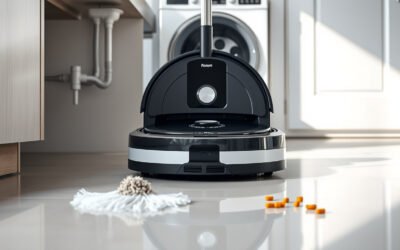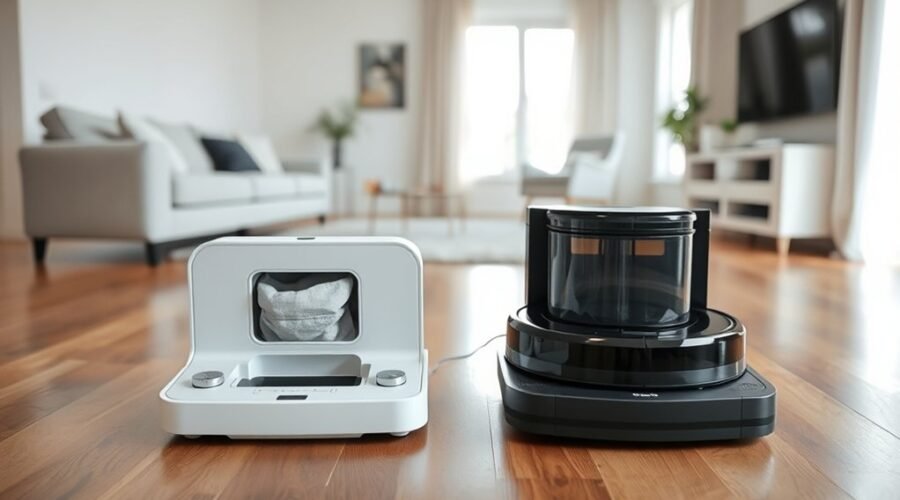
Bagged and bagless robot vacuum docks take different approaches to dust storage and upkeep. Bagged models seal debris inside replaceable liners, reducing exposure during disposal and often improving allergen control. Bagless docks rely on reusable bins, which avoid bag costs but may release more dust when emptied. Each design shifts the balance between convenience, cleanliness, and ongoing maintenance, and the practical difference becomes clearer when filtration and daily use are compared.
Bagged Vs Bagless Robot Vacuum Docks
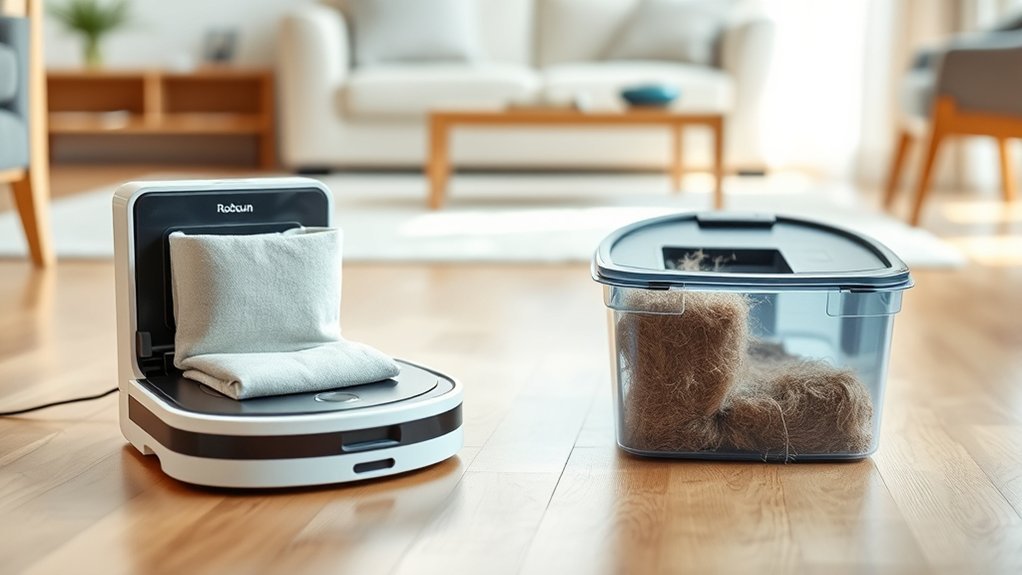
Bagged and bagless robot vacuum docks differ most clearly in debris collection and maintenance.
Bagged models rely on disposable sacks that trap dust and debris, reducing exposure during disposal and offering a cleaner transfer of waste. This design often appeals to allergy sufferers because it helps seal allergens inside the dock.
By contrast, a bagless vacuum cleaner uses a reusable bin that makes the fill level easy to inspect, yet emptying can release dust and fine particles into the air.
Maintenance patterns also diverge: bagged docks usually need only periodic bag changes, while bagless docks demand regular bin cleaning and filter upkeep to sustain performance.
Cost follows a similar split. Bagged systems may carry higher long-term expenses because replacement bags are required, whereas bagless systems avoid that expense but may still need filter replacements.
The choice consequently depends on whether lower handling exposure or lower ongoing material cost is the priority.
How Bagged Robot Vacuum Docks Work
When the robot returns to a bagged dock, debris is transferred into a disposable bag rather than a reusable bin, which helps contain dust and allergens during emptying.
In a bagged robot vacuum, a sealing mechanism engages as suction moves dirt into the bag, limiting escape into the air. The bag’s multi-layer filtration system captures fine particles, supporting cleaner indoor air and reducing contact during disposal.
A sealed bagged vacuum traps dust as it’s collected, helping keep air cleaner and disposal more hygienic.
Compared with bagless designs, this approach offers a more enclosed path from floor to storage, which can suit users seeking a simpler, more autonomous routine. An indicator on the dock shows when the bag is nearing capacity, so replacement can be scheduled without frequent inspection.
Because the bag is sealed, the dock interior stays cleaner and requires less maintenance. That design can feel liberating for those who prefer less direct handling of collected debris, while still preserving orderly performance and hygienic containment.
How Bagless Robot Vacuum Docks Work
Bagless robot vacuum docks typically collect dirt in a built-in bin, and many systems automatically transfer debris from the robot into a larger container.
Transparent canisters make fill levels easy to monitor, which contrasts with bagged docks that hide collected debris inside sealed bags.
These designs also require regular filter cleaning and bin emptying to maintain performance and limit dust buildup.
Dirt Bin Collection
A bagless robot vacuum dock relies on a built-in dirt bin to collect debris after each cleaning cycle, eliminating the need for disposable bags. This dirt bin collection system gives bagless models a simpler disposal routine and greater independence from replacement supplies.
Debris is separated from airflow through cyclonic action, which helps preserve suction and improve collection efficiency. Because the container is reusable, users can empty it directly, but the process can create dust exposure and may release allergens into the surrounding air.
The bin and internal chamber also require regular cleaning to prevent clogs and maintain performance. Compared with bagged docks, the bagless design offers more control and less dependency, while demanding more hands-on maintenance.
Transparent Fill Monitoring
Transparent fill monitoring gives bagless robot vacuum docks a practical visual cue for maintenance. A transparent canister lets users see dust and debris at a glance, unlike opaque bagged systems that hide the load until replacement.
This clear plastic design supports bagless vacuums by making fill levels immediately legible, so empties can happen before overflow. In self-emptying models, debris moves from the robot into a larger dock container while visibility remains intact, preserving the same oversight.
The result is more deliberate scheduling and less dependence on guesswork. By showing accumulation directly, the system helps users protect performance and avoid clogs, offering a more autonomous, less encumbered maintenance experience than sealed alternatives.
Filter Cleaning Needs
Unlike bagged systems that contain debris in a sealed liner, bagless robot vacuum docks rely on an open dustbin and filters that must be cleaned regularly to preserve airflow and suction.
Their filter cleaning needs are more active than those of bagged units, since dust and fine particles build up inside bagless vacuums over time. Filters often require washing or replacement every few months, depending on use and debris load. This maintenance supports filtration efficiency while reducing clogs that weaken performance.
Self-cleaning docks can ease the burden by emptying the bin into a larger container, yet the filters still demand periodic attention.
Compared with bagged docks, bagless designs offer greater independence from disposable bags, but they may expose users to allergens during emptying and cleaning, making careful maintenance essential.
Bagged Vs Bagless Filtration And Dust Control
Bagged robot vacuum docks rely on sealed filtration that traps dust and fine allergens inside disposable bags, reducing exposure during disposal.
Bagless docks provide visible debris monitoring, but emptying the dustbin can release particles back into the air and increase dust exposure risk.
As a result, bagged systems generally offer stronger allergen control and cleaner dust management, while bagless models trade that protection for convenience and lower consumable costs.
Sealed Bag Filtration
Sealed bag filtration gives bagged robot vacuum docks a clear advantage in dust control because the closed bag traps debris, fine particles, and allergens during collection and disposal. The result is cleaner emptying and steadier air quality, especially for households seeking freedom from constant maintenance. Multi-layered sealed bags also improve filtration efficiency by capturing smaller particles than many bagless filters.
| System | Effect |
|---|---|
| Sealed bags | Contain dust securely |
| Bagless containers | Can release particles |
| Multi-layer bags | Raise filtration efficiency |
| Dust control | Remains more consistent |
Bagless docks use open containers, so performance depends more on frequent filter cleaning. In comparison, sealed bags offer a simpler, more contained path that supports cleaner routines and fewer interruptions.
Dust Exposure Risks
Beyond filtration efficiency, dust exposure during disposal is a major point of difference between bagged and bagless robot vacuum docks.
Bagged vacuums keep debris inside sealed bags, so emptying usually involves little disturbance and a lower chance that dust exposure or allergens escape into the air. Their multi-layered bags also hold fine particles securely until replacement.
Bagless docks rely on reusable bins that must be opened and cleaned more often; that process can release settled dust back into the room, especially when bins are full or handled carelessly.
For users seeking cleaner, less restrictive maintenance, bagged systems offer a more controlled, hygienic routine. Bagless models provide convenience, but they demand closer upkeep and may expose sensitive users to airborne particles during every emptying.
Allergen Control Benefits
A clear advantage for households managing allergies is dust containment, where bagged robot vacuum docks generally perform better than bagless systems.
Bagged vacuums seal debris in layered liners, reducing airborne release during disposal and strengthening allergen control for sensitive occupants seeking cleaner, freer indoor air.
- Sealed bags limit exposure when removed.
- Multi-layer filtration captures microscopic particles.
- Consistent suction supports steady pickup as bags fill.
- Bagless bins can vent dust during emptying.
Cleanup, Maintenance, And Disposal Differences
Bagged robot vacuum docks streamline cleanup by automatically collecting debris into a sealed bag, which reduces dust exposure and makes disposal more hygienic.
For bagged vacuums, maintenance is typically lighter because users replace the bag periodically rather than scrub bins and filters after every cycle. This lowers routine effort and creates clearer disposal differences: the filled bag can be removed, sealed, and discarded with minimal contact.
Bagless docks rely on a reusable dustbin, so owners must empty it often and clean filters regularly to preserve suction. That process can release dust or allergens if handled carelessly, and smaller bins may demand more frequent attention, especially in homes with pets.
Bagged systems also tend to store more debris before changeout, reducing interruptions and giving users more control over cleanup.
Bagless models offer reusable parts, but they trade that flexibility for more hands-on upkeep and mess-prone disposal.
Which Robot Vacuum Dock Is Right For You?
Choosing between bagged and bagless robot vacuum docks comes down to how much value is placed on hygiene, upkeep, and long-term cost.
Bagged docks suit users with allergies or strong preferences for cleaner disposal, since sealed bags trap debris and reduce dust exposure. Bagless vacuums appeal to those who want visibility, lower ongoing costs, and fewer consumables, though they demand more frequent emptying and filter care.
Bagged docks trap debris for cleaner disposal; bagless models trade that hygiene for visibility, lower costs, and less reliance on consumables.
- Bagged: better containment, less mess
- Bagless: transparent bins, easier monitoring
- Bagged: higher replacement costs over time
- Bagless: more routine maintenance, fewer supplies
For liberation-minded users, the decision is practical: choose bagged if cleaner handling and longer intervals between disposal matter most, or choose bagless if freedom from replacement bags and lower operating expense outweighs extra upkeep.
The DEEBOT X11 OmniCyclone shows how bagged systems can support 30 to 90 days of debris disposal, while bagless models like the DEEBOT T80 OMNI favor everyday transparency and simplicity.
Frequently Asked Questions
What Are the Key Differences Between Bagged and Bagless Vacuum Cleaners?
Bagged vacuums contain debris in sealed bags, improving hygiene, suction power consistency, and maintenance ease; bagless models avoid bag purchases, but demand more filter types cleaning and bin emptying, trading convenience for ongoing dust exposure.
What Is the Main Difference Between Bagged and Bagless Robot Vacuums?
The main difference is debris storage: bagged robots seal dirt in disposable bags, while bagless models collect it in reusable bins. This affects suction power, maintenance requirements, and filtration systems, shaping convenience, cost, and cleanliness.
Do Bagged Vacuums Work Better?
Yes, bagged vacuums often work better for allergy control because of superior filtration efficiency and steadier suction power. They also offer cleaner disposal, though maintenance ease is lower due to ongoing bag replacement costs.
What Are the Key Features to Look for When Buying a Robot Vacuum?
Smart, sturdy, seamless selection starts with suction power, navigation technology, battery life, dustbin capacity, and smart controls. Higher suction cleans better, advanced mapping avoids obstacles, and maintenance ease favors self-emptying docks for liberated, effortless living.
Conclusion
In the comparison of bagged vs bagless robot vacuum docks, the differences are clear and practical. Bagged docks provide cleaner dust disposal and stronger allergen control, while bagless docks reduce recurring bag costs and offer simpler reuse. Maintenance, filtration, and disposal habits vary accordingly. For allergy-sensitive households, bagged systems are a shield; for cost-conscious users, bagless models may be the better fit. The right choice depends on cleanup needs, budget, and tolerance for dust exposure.