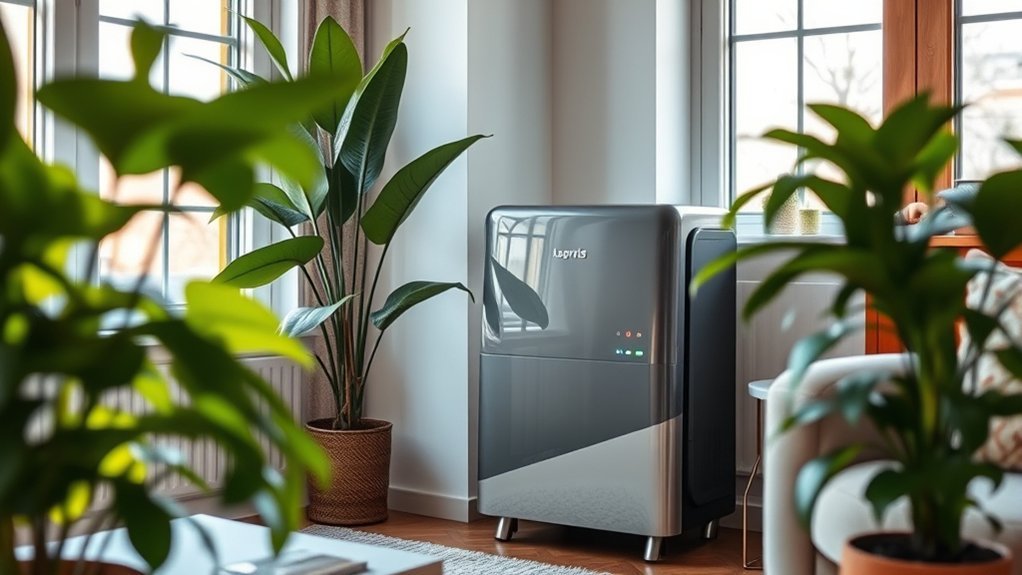
Excess humidity can cause wood movement, swelling, high action, corrosion, and other problems for guitars. The safest approach is to measure first with a reliable digital hygrometer, then use a dehumidifier only when the storage area stays above the recommended range. For most guitars, aim for roughly 45%–55% relative humidity. This guide compares five practical options for a guitar case, storage cabinet, closet, studio, or larger room.
Quick Answer: Choose the Waykar 34-Pint Dehumidifier for a room that holds several guitars, the CLEVAST or PureDry Mini for a small closet or practice space, and the Eva-Dry E-333 or Wisesorb packs for small enclosed storage where cordless operation matters.
Important: None of these products should be used blindly. Check the humidity with a hygrometer and stop dehumidifying if the reading approaches the lower end of your guitar maker’s recommended range.
Quick Comparison
| Product | Best Use | Control Type | Main Limitation | Amazon |
|---|---|---|---|---|
| Wisesorb Rechargeable Packs | Budget moisture control in a closed case, cabinet, or bin | Rechargeable desiccant | No precise RH setting; can over-dry without monitoring | Check Details |
| Pure Enrichment PureDry Mini | Small closet, bedroom, or practice area | Compact electric unit | No built-in target-humidity setting | Check Details |
| Eva-Dry E-333 | Small enclosed storage without a power cord | Renewable silica gel | Slow moisture removal and no exact RH control | Check Details |
| CLEVAST Small Dehumidifier | Quiet small room, closet, or studio corner | Thermoelectric electric unit | Rated output is measured in warm, very humid conditions | Check Details |
| Waykar 34-Pint Dehumidifier | Larger guitar room or multi-instrument collection | Compressor unit with adjustable humidistat | Larger, heavier, and unnecessary for a single closed case | Check Details |
Wisesorb Rechargeable Silica Gel Desiccant Packs (3 Pack)
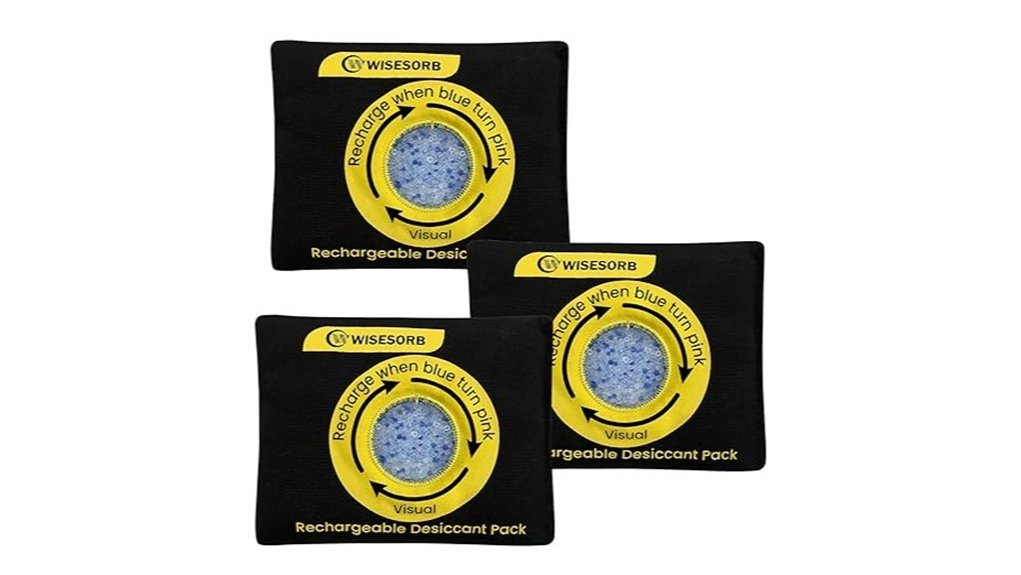
Best Budget Desiccant Pick: The Wisesorb packs are a simple option for absorbing excess moisture in a closed guitar case, storage cabinet, or other small enclosure. Their color-changing window helps you see when the desiccant is saturated, and the packs can be reactivated according to the manufacturer’s directions.
Why You’ll Like It: There is no cord, tank, fan, or disposable refill. You can rotate the three packs between storage areas or keep a freshly reactivated pack ready.
Who Should Buy This: Guitar owners who have confirmed high humidity inside a closed case or cabinet and want a low-cost, reusable moisture absorber.
Who Should Avoid This: Anyone who needs automatic humidity regulation. These packs only remove moisture, so they may make an already dry case worse if used without a hygrometer.
Pros:
- Reusable design can reduce ongoing replacement costs.
- Color indicator makes saturation easier to monitor.
- Compact format works in small enclosed storage spaces.
Cons:
- Does not maintain a precise target humidity.
- May need frequent reactivation in persistently humid conditions.
- Should be positioned so it cannot rub against the guitar or finish.
Pure Enrichment PureDry Mini Dehumidifier (27oz)
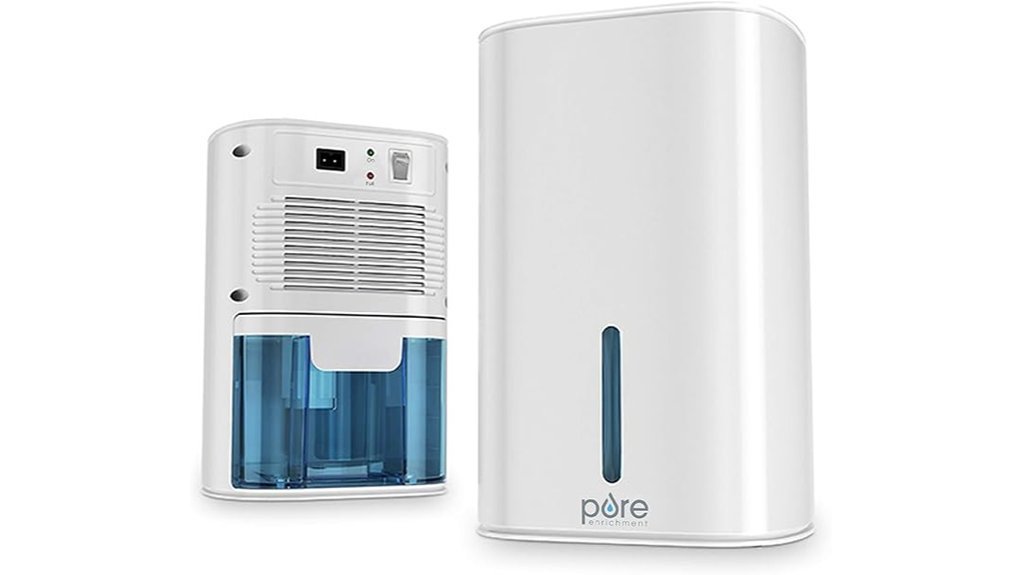
Best for a Small Closet: The Pure Enrichment PureDry Mini is a compact electric dehumidifier with a 27-ounce transparent tank, one-switch operation, and automatic shutoff when the tank is full. It is better suited to the air around a guitar than to placement inside an instrument case.
Why You’ll Like It: The clear tank makes the collected water easy to see, while the small footprint works well in closets, small bedrooms, and practice areas where a full-size compressor unit would be excessive.
Who Should Buy This: Someone storing one or more guitars in a small enclosed room or closet that stays mildly humid.
Who Should Avoid This: Buyers who need a built-in humidistat or fast moisture removal in a large, very damp room.
Pros:
- Compact and lightweight for flexible placement.
- Automatic shutoff helps prevent tank overflow.
- Backed by the manufacturer’s five-year warranty.
Cons:
- No user-set target humidity level.
- Small tank may require frequent emptying in damp conditions.
- Less suitable for large rooms or serious moisture problems.
Eva-Dry Wireless Mini Dehumidifier, White (E-333)
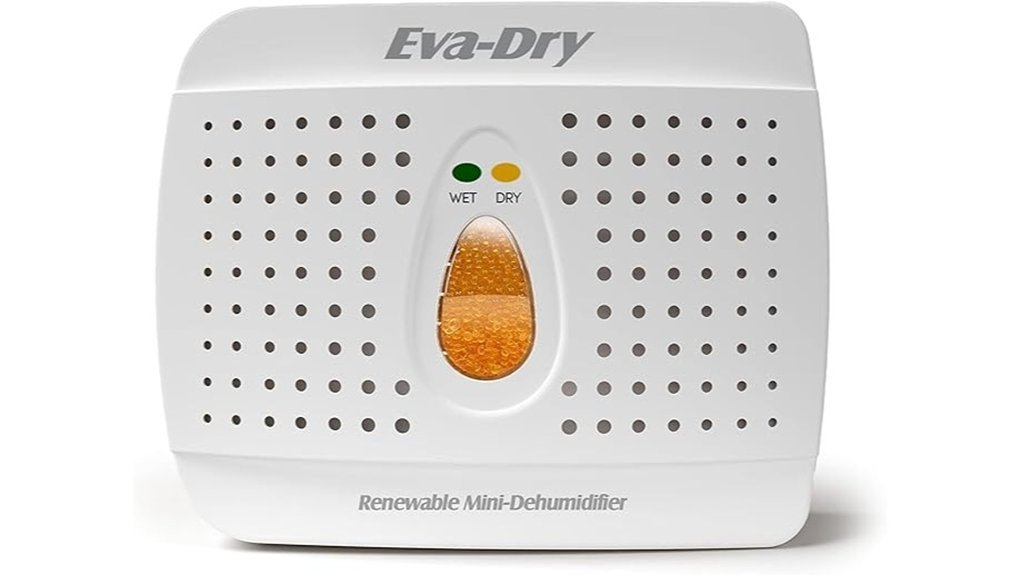
Best Cordless Pick: The Eva-Dry E-333 uses renewable silica gel to absorb moisture in small enclosed spaces. It operates silently and without a cord during normal use. When the indicator shows saturation, the unit is plugged into an outlet to renew the beads.
Why You’ll Like It: It is cleaner and easier to handle than loose desiccant, has no water tank to empty, and can work in a cabinet or storage area where an always-connected power cord is inconvenient.
Who Should Buy This: Guitar owners who want a reusable, cordless absorber for a small cabinet, closet, or other enclosed storage space.
Who Should Avoid This: Anyone expecting a fast room dehumidifier or a device that can hold an exact 50% RH by itself.
Pros:
- Cordless and silent during use.
- Renewable silica gel avoids disposable refills.
- Color-changing beads show when renewal is needed.
Cons:
- Works gradually rather than rapidly lowering room humidity.
- No adjustable humidistat or exact RH target.
- Requires periodic outlet recharging before reuse.
CLEVAST Small Portable Dehumidifier for Home
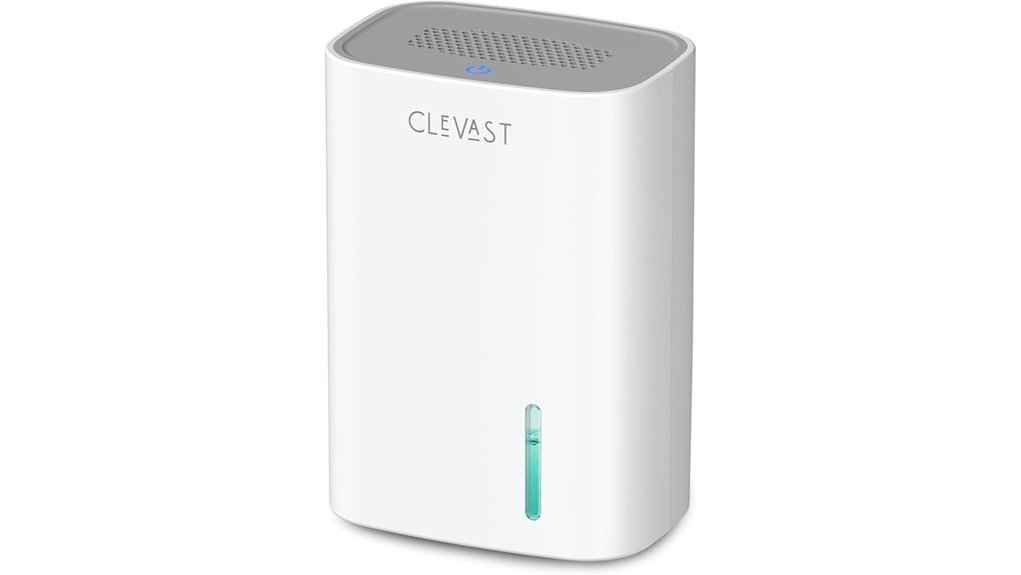
Best Quiet Small-Room Pick: The CLEVAST is a compact thermoelectric dehumidifier with a 30-ounce tank, automatic shutoff, and a manufacturer-stated 24 dB operating level. Its small footprint makes it practical for a bedroom, closet, or practice area.
Why You’ll Like It: The simple one-button design is easy to manage, and the quiet operation is less likely to interfere with practice or sleep. The manufacturer rates collection at up to 10 ounces per day under warm, highly humid test conditions, so real-world output will vary.
Who Should Buy This: Musicians who need gentle moisture removal in a small space and value low noise.
Who Should Avoid This: Buyers trying to control a large room, cold basement, or severe humidity problem.
Pros:
- Compact 4.5 × 6.5 × 9.2-inch body is easy to place.
- Automatic shutoff activates when the tank fills.
- Quiet operation suits bedrooms and practice spaces.
Cons:
- No built-in target-humidity setting.
- Performance drops outside warm and humid test conditions.
- Small tank and extraction rate are not intended for large areas.
Waykar 34 Pints Energy Star Dehumidifier
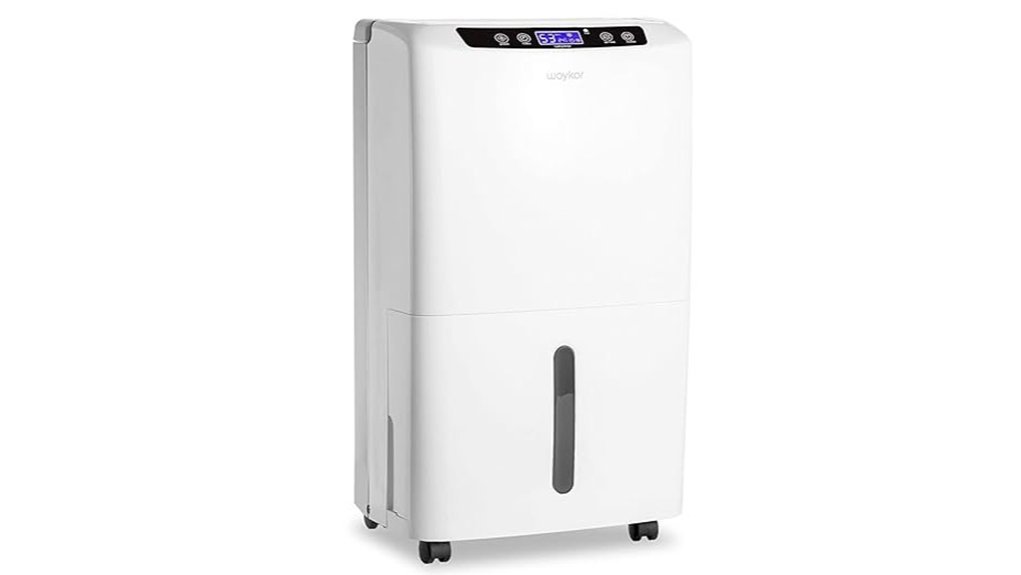
Best for a Guitar Room or Collection: The Waykar 34-Pint model is the strongest choice here for controlling the humidity of a larger room. The manufacturer lists coverage up to 2,000 square feet, an adjustable humidity setting from 30% to 80%, automatic operation, a water tank, and a drain hose for continuous drainage.
Why You’ll Like It: Unlike passive desiccants and basic mini units, the Waykar can cycle on and off around a selected humidity target. For guitar storage, set it near the middle of the instrument maker’s recommended range and confirm the result with a separate hygrometer placed near the guitars.
Who Should Buy This: Players with several instruments, an open studio, a basement music room, or a consistently humid storage area.
Who Should Avoid This: Anyone protecting only one guitar in a closed case; a large compressor unit would be unnecessary.
Pros:
- Adjustable humidistat supports more controlled room humidity.
- Rated to remove up to 34 pints per day under the manufacturer’s test conditions.
- Manual tank drainage and continuous hose drainage are both available.
Cons:
- Larger and heavier than the other options in this guide.
- Compressor and fan noise may be noticeable in a quiet studio.
- Should not blow directly toward a guitar or wooden instrument rack.
Factors to Consider When Choosing a Dehumidifier for Guitars
The best product depends on where the guitar is stored, how high the humidity becomes, and whether you need passive moisture absorption or automatic room control. Use the checklist below before buying.
Measure Humidity Before Dehumidifying
Place a reliable digital hygrometer where the guitar actually spends its time. A room reading may differ from the humidity inside a closed case or cabinet. If the reading is already within your guitar manufacturer’s recommended range, adding a dehumidifier may do more harm than good.
Target Humidity for Guitars
A practical target for many acoustic and wooden instruments is about 45%–55% RH. High humidity can make wood swell and may raise action, while overly dry conditions can shrink wood and contribute to cracks or sharp fret ends. Avoid chasing a single number; stable humidity within the recommended range is more useful than frequent large swings.
Choose the Right Dehumidifier Type
Use a passive desiccant product for a small closed enclosure, a compact electric unit for a closet or small room, and a compressor dehumidifier with a humidistat for a larger guitar room. Passive products are convenient but cannot hold an exact humidity level. Room units offer more capacity, but only humidistat-equipped models can cycle around a selected setting.
Match Capacity to the Storage Area
Do not choose only by the largest advertised coverage number. Consider room volume, temperature, starting humidity, air leakage, and how many guitars are stored there. Manufacturer extraction ratings are often measured under warm, very humid conditions, so actual daily water collection may be lower in normal homes.
Placement and Airflow
Keep powered dehumidifiers outside guitar cases and allow clear space around their air intake and outlet. Do not aim hot or dry exhaust directly at the guitar. For desiccant packs or renewable units, prevent hard edges, heated housings, or pack material from rubbing against the instrument’s finish.
Maintenance and Reusability
Empty and clean water tanks regularly, keep air intakes clear, and wash or replace filters according to the manual. Recharge desiccant products only by following the instructions supplied with that exact model. Check the hygrometer after every adjustment so the guitar is not accidentally over-dried.
Safety Features
For electric units, look for automatic shutoff, a stable base, intact power cords, and a properly rated outlet. Keep water tanks away from instruments and electrical gear when emptying them. Do not place a powered room dehumidifier inside a sealed cabinet or guitar case unless the manufacturer specifically allows that use.
Cost and Warranty
Passive desiccants usually cost less upfront but require monitoring and periodic reactivation. Small thermoelectric units are convenient for mild humidity, while compressor models cost more but provide stronger room-level control. Compare warranty terms, replacement parts, drainage options, and expected maintenance rather than choosing only by purchase price.
Safety Note: A dehumidifier can damage a guitar if it drives the environment too dry. Use an independent hygrometer, make gradual changes, and follow the humidity guidance supplied by the guitar manufacturer.
If the guitar already shows a sunken or swollen top, unusual action changes, loose braces, cracks, or other structural symptoms, consult a qualified guitar repair professional instead of trying to correct the condition quickly.
Frequently Asked Questions
How Often Should I Check My Guitar’s Humidity Levels?
Check daily when first setting up a dehumidifier or during a major seasonal change. Once the environment is stable, check at least weekly and review the hygrometer’s minimum and maximum readings when available.
Can a Dehumidifier Damage My Guitar?
Yes. Excessive dehumidification can shrink and crack wood, expose fret ends, and change the instrument’s setup. Use a hygrometer, avoid direct airflow, and stop the unit before humidity falls below the guitar maker’s recommended range.
What Humidity Level Is Ideal for Guitars?
Many major guitar makers recommend approximately 45%–55% relative humidity. Always check the care instructions for your specific instrument, especially for vintage, solid-wood, or unusually constructed guitars.
Can I Put an Electric Dehumidifier Inside a Guitar Case?
Room-style electric dehumidifiers should stay outside the case. For a closed case or cabinet, use only a compact product designed for enclosed storage, keep it from touching the instrument, and monitor the internal RH with a hygrometer.
How Do I Know When to Recharge a Desiccant Product?
Follow the model’s color indicator and instructions. Recharge or renew the product when the indicator shows saturation or when the storage humidity begins rising despite correct placement.
How Do I Maintain a Dehumidifier Used Near Guitars?
Empty and rinse the tank, clean the intake and filter, inspect the cord, and make sure drainage hoses remain clear. Keep the unit away from sawdust, fabric, walls, and objects that block airflow. Recheck room RH after cleaning or changing settings.
Conclusion
The right choice depends on the size of the space. The Wisesorb packs and Eva-Dry E-333 suit small enclosed storage, the PureDry Mini and CLEVAST are better for a small closet or practice area, and the Waykar 34-Pint Dehumidifier offers the most useful control for a larger guitar room or collection.
Whichever option you choose, treat the hygrometer as the main decision tool. Dehumidify only when readings are too high, aim for a stable range near 45%–55% RH, and avoid direct airflow or rapid humidity changes around the instrument.